"AI Burning Books" Is Actually a Misunderstanding

marsbitPublicado a 2026-08-19Actualizado a 2026-08-19

Resumen

"AI Book-Burning" Is Actually a Misunderstanding Recent reports about AI companies purchasing used books, scanning them, and then destroying the physical copies have sparked widespread outrage. Terms like "AI is devouring human knowledge" have become common, fueled by dramatic visuals of books being cut and shredded. However, the actual facts reveal a more nuanced story. While companies like Anthropic have indeed spent millions to buy and "destructively scan" several million books for AI training, this volume is a small fraction of the global second-hand book market. The core act—digitizing content and then discarding the physical object—is the opposite of historical book-burning, which aimed to erase knowledge. A key point of contention is the purchase of rare or out-of-print books. Yet, if these books were legally for sale on the open market, the buyer (whether an AI firm or an individual) has the right to do with them as they wish. The real question is whether society has adequate systems to protect books of genuine cultural heritage *before* they are sold. Expecting profit-driven companies to self-regulate on this is unreliable; the solution lies in establishing public rules, such as protected lists for rare editions or granting libraries priority purchase rights. Much of the intense public reaction stems not from the scale of actual harm, but from the powerful symbolism. The image of books being fed into machines taps into deeper anxieties about AI: fears of job disp...

By Zimubiao

In Silicon Valley, the "AI burning books" saga just keeps getting wilder.

In a recent report, a media outlet collaborated with second-hand book dealers, placing an AirTag in a batch of books purchased by a mysterious buyer. They tracked it all the way to an Amazon factory in Las Vegas.

Factory employees indicated this was part of an Amazon project called VGT3, specifically dedicated to cutting and scanning books.

A second-hand book ended up following the plotline of a crime drama.

At this point, the situation has become somewhat surreal.

Over the past month, reports about "AI burning books" have emerged one after another, yet they haven't revealed much new information—AI companies are indeed buying large quantities of old paper books, cutting off the spines, high-speed scanning them to digitize the content, and then disposing of the original books. When Anthropic's "Project Panama" was exposed earlier this year, the most sensational elements were already laid out on the table: millions of books, tens of millions of dollars in procurement, and destructive scanning.

Later, when second-hand booksellers worldwide noticed unusual orders, ISBNdb was exposed for sourcing paper books specifically for AI companies, and now AirTags have been tracked into an Amazon warehouse—these developments have merely been confirming the same fact repeatedly: yes, this is really happening, and more than one company is doing it.

Clearly, the facts remain the same, but the public sentiment around "AI burning books" is intensifying.

"AI companies are devouring books," "Human civilization is being fed to machines," "They won't even spare out-of-print books"—countless human fingers fly across social media leaving horrified comments, with videos and photos of books being cut being particularly provocative.

But to be fair, at this stage, there's a significant disconnect between the known facts and the meaning ascribed to them.

AI companies are indeed destroying books; let's not sugarcoat that.

But exactly how many are they destroying? Does destroying a physical book equate to destroying knowledge? When an out-of-print book is bought and then cut up, is the responsibility solely on the AI companies?

It's time to debunk some myths.

01

Let's start with the conclusion here. Much of the current anger towards "AI destroying books" is directed at the symbolic meaning of the act, rather than the actual harm that has occurred so far.

Of course, the two are easily conflated. After all, headlines like "AI companies are buying and destroying antique books" and "AI companies are shredding millions of books after scanning them" are genuinely frightening, and the visual impact of books being cut is powerful. It's hard to find a more fitting image to represent "AI devouring human civilization."

But if we zoom out a little, the situation isn't quite as apocalyptic as it appears in those images.

The largest known scale of this activity comes from Anthropic. After launching "Project Panama" in 2024, aiming to scan all the world's books, it spent tens of millions of dollars over roughly a year to purchase and destructively scan millions of physical books, sometimes buying tens of thousands at a time.
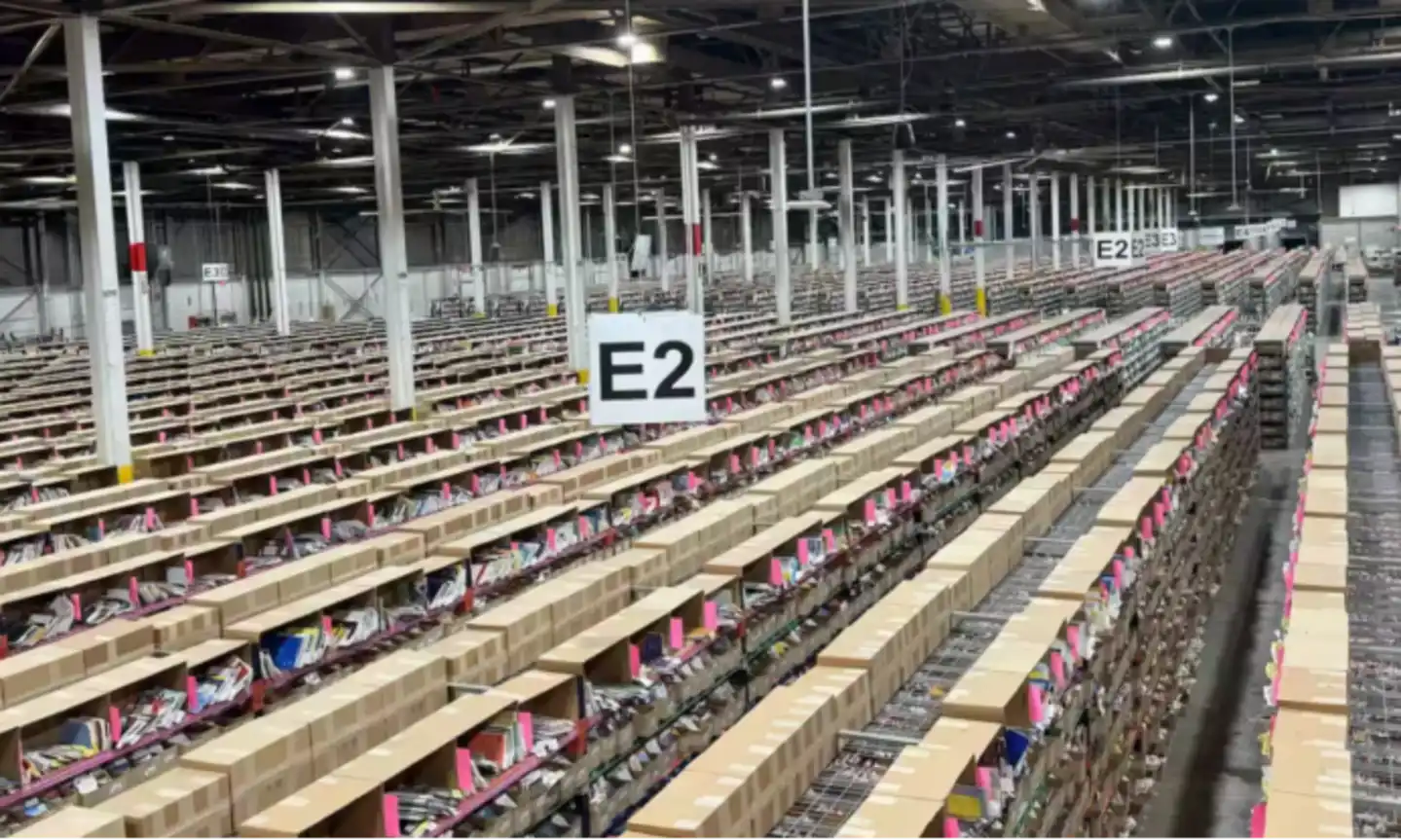
However, "millions of books" placed within the entire second-hand book market is not as staggering as one might imagine.

Take the large second-hand bookseller World of Books alone: in 2024, it sold 31 million books globally, maintained a long-term inventory of about 7 million books, and its website typically lists around 2 million different titles.

In other words, Anthropic's processing volume, compared to the normal circulation scale of a major second-hand bookseller, is just a few months' worth of their business.

So, "AI companies have scanned and destroyed millions of books" is true, but the leap from there to "AI is exhausting the supply of second-hand books" is a long one.

Furthermore, there's another issue easily loaded with emotional significance that needs clarification: the disappearance of a physical book does not equal the disappearance of the knowledge within it.

Anthropic bought these books precisely to preserve their content. In the copyright lawsuit against Anthropic by writer Andrea Bartz and others, court documents revealed that after each physical book is disassembled and scanned, it becomes a PDF containing full-page images and machine-readable text, entering Anthropic's own digital library.

If we only discuss the process of "buying a book, cutting it open, scanning it, and destroying the original," it is almost the opposite action of "burning books" in a historical sense.

Burning books aims to make content disappear. AI companies, by cutting books open, specifically aim to preserve the content. Moreover, once used for model training, it will become a living resource in new forms. Judges have expressed similar views: the content from books used to train models is transformed into new capabilities during the training process.

Those cut-up physical books are indeed painful to look at, but human knowledge hasn't been sold for scrap along with them.

02

There is a point worth noting, and it's one of the strongest arguments in the current wave of criticism. AI companies' procurement doesn't consist solely of common old books available everywhere; it does include some rare second-hand books, even out-of-print ones.

This issue cannot simply be glossed over with "the physical book is gone, but the knowledge remains." Because the value of some books isn't only in the text. Special editions, unique bindings, author inscriptions and annotations, even the provenance of a book—whose collection it passed through, what marks it left—can make the physical object itself irreplaceable.

But first, we need to distinguish one thing: scarcity does not equal preciousness, and being out-of-print does not equal being cultural heritage.

Your university professor self-published 300 copies of "Handbook of County Sewage Pipeline Construction" in 1994. Today, perhaps only a dozen copies remain worldwide—this is certainly scarce, even long out of print. But whether it is a treasure of human civilization that must be protected at all costs is probably self-evident.

The second-hand book market is full of such items. The reason they are hard to find might simply be that they were printed in small numbers or never reprinted. It doesn't mean that the loss of each copy represents a loss to public culture.

Secondly, even if we narrow our focus to those books whose physical forms are genuinely valuable, the problem is still not that simple.

As long as a book is still freely circulating as a commodity in the second-hand market, it can be legally bought by a "crazy person."

This buyer could buy it to enshrine in a climate-controlled glass cabinet, or use it as a table leg coaster. Even crazier, they could tear out two pages to soak in milk for breakfast. As long as the book isn't under special legal protection, others can only call them wasteful; they can't stop them.

So why does the situation suddenly change when the buyer is an AI company? It's as if after Anthropic or Amazon pays, even though the book nominally belongs to them, they are actually obligated to preserve it for all of humanity.

This kind of debate has happened before among humans themselves.

In 2010, Christie's auctioned a Book of Hours made in France in the 1460s. It had gold leaf decoration, exquisite calligraphy, and 17 full-page illustrations, and was largely intact at auction, finally selling for £25,000.

A few years later, Elaine Treharne, a Stanford University scholar of medieval literature, acquired the remnants of this book. Originally 254 pages, only 7 remained.

She later discovered that after the Christie's auction, the buyer—a German antiquarian bookseller—deliberately disassembled the book. The pages were sold off one by one, with ordinary pages fetching a few hundred dollars and beautiful illustrations selling for more.

But the antiquarian's subsequent defense was quite interesting:

When Christie's held the public auction, museums could have bought it, large collecting institutions could have bought it, wealthy collectors could have bought it. Everyone saw it. No one was willing to pay a higher price in the end; I paid for it and bought it. Why is it only after the transaction concludes that you suddenly tell me this thing actually belongs to all humanity and I must preserve it for you?

Well, the words might be crude, but the reasoning is sound—and the more you think about it, the more intriguing it becomes.

The same applies to AI companies today.

If a particular book is truly so precious that cutting a single page constitutes an irreparable cultural loss, then where were the museums? The libraries? The public collecting institutions? Those humans who supposedly care more about humanity's precious assets?

Why is it only after the AI company actually pays and buys it that everyone gathers around to say: You are not allowed to destroy this; it belongs to all of humanity.

You didn't buy it, yet you want to control what I do with it after I buy it. Isn't that a bit excessive?

Of course, this doesn't mean that AI companies destroying valuable old books is praiseworthy. "Having the legal right to do so" and our belief that "doing so is awful" can absolutely coexist.

But if a type of book is truly important enough that its owner shouldn't be allowed to dispose of it freely, then what really needs to change probably isn't the moral standards of AI companies.

03

To clarify the logic earlier, the language was a bit extreme.

From the perspective of humanity's common interest, AI companies' large-scale procurement of second-hand books, especially their focus on obscure, out-of-print, and small-language books, is indeed a cause for concern.

As mentioned, Anthropic buying a few million books a year isn't much in the context of the entire second-hand book market. However, a procurement volume that's a drop in the bucket for the overall market can still cause large-scale depletion if heavily concentrated on scarce titles within that niche.

So, "AI is buying up all the second-hand books" is an exaggeration, but "AI companies' procurement may be concentrated on consuming some already fragile book stocks" is not groundless.

The problem is, don't expect AI companies to be the saints in this scenario.

They certainly can be.

But "it would be nice if they did" and "society can only rely on them to do so" are two different things.

Companies are, after all, companies. Today, a certain company might think protecting rare books is important and be willing to spend more on non-destructive scanning. Tomorrow, with a different manager who finds this process 30% more expensive, they could very well cut it.

Relying on commercial companies to long-term safeguard cultural heritage for society based on conscience is a bit like expecting Sun Wukong to put the tightening band on his own head and recite the incantation himself—of course, it's great if he occasionally has an epiphany, but system design better not count on that kind of miracle.

If AI companies' procurement truly begins to threaten books with public value, then this is no longer a question of "whether a company has good ethics," but rather a question of public interest.

Since it involves public interest, the solution should also come from public rules.

For example, we could establish a more comprehensive registration system for rare book titles and editions. If a book is confirmed to have extremely few surviving copies and its physical form possesses clear historical, edition-specific, or artifact value, it enters a protected list. AI companies could buy it but not perform destructive scanning. Or, after purchase, they must prioritize non-destructive digitization.

We could also give libraries, museums, and public collecting institutions some form of right of first refusal. When commercial procurement systems detect suspected unique copies or editions with extremely few surviving copies, they first submit the information to public institutions, giving them a certain period to decide whether to collect them. If the institutions don't want it, then you can buy and process it.

Second-hand book platforms aren't entirely without responsibility either. If algorithms today can accurately detect "only three copies of this 1987 book remain online," platforms can certainly trigger alerts when the same book is suddenly subject to concentrated bulk purchasing by multiple large buyers.

We could even require large-scale procurers to bear some informational obligations. If you're destructively scanning millions of books a year, you should at least record what editions you processed, which books were exceptionally scarce, and contribute this data to public bibliographic systems.

Which of these solutions is best is debatable; perhaps none will be used in the end. But at the very least, there needs to be a rule.

04

Having said all this, there might be one final question left.

When people furiously accuse AI companies of "destroying humanity's books" and "swallowing human knowledge," what are they really accusing? When seeing books being cut open and fed into scanners, where does that intense discomfort and fear truly come from?

The increasingly ambivalent feelings humans now harbor towards AI itself cannot be ignored. People are becoming more reliant on AI, while simultaneously becoming more afraid of it, even growing to hate it.

A Pew survey this year shows the proportion of U.S. adults using ChatGPT has risen from 18% in 2023 to 44% in 2026, with 38% of the employed population already using AI for work tasks. Yet simultaneously, 63% of Americans believe AI is developing too quickly, and 40% expect it to have negative impacts on society in the future.

This contradiction is particularly evident among young people.

A Gallup survey this year of Americans aged 14 to 29 found that 51% use generative AI at least once a week, with 22% using it daily. But compared to a year ago, their excitement about AI dropped 14 percentage points, hope dropped 9 points, while anger rose 9 points.

Now, 31% explicitly state they feel angry about AI, and 42% feel anxious.

Even more interestingly, even among those who use AI daily, excitement and hope have significantly declined compared to last year.

In other words, using it more hasn't automatically led to liking it more.

What happened at American university graduation ceremonies this year is almost a live demonstration of this sentiment.

In May, when former Google CEO Eric Schmidt mentioned at Arizona State University's commencement that AI would enter all industries, the audience booed. Similar scenes subsequently occurred at multiple universities. One survey claimed about 70% of college students worry AI threatens their employment prospects.

This is likely the real situation many face with AI today. Not using it risks falling behind, but the more they use it, the clearer they become about the potential consequences.

The negative associations triggered by "book cutting" are almost inevitable—machines are growing by consuming everything humanity has created in the past.

And then they will come back to take your job.

Thus, copyright anxiety, employment anxiety, distrust of tech companies, and even that fear and dread of "is humanity in the process of creating its own replacement"—all are triggered by the visual symbol of "book cutting."

This also explains why the public sentiment surrounding this issue has far outpaced the actual losses.

That's not just a book being cut open; that is me being sliced by the knife, and then turning into useless garbage.


Criptos en tendencia

Preguntas relacionadas

QWhat is the main argument of the article regarding the 'AI book-burning' controversy?

AThe article argues that the public outrage over 'AI book-burning' is largely based on its symbolic meaning rather than the actual scale of harm. It points out that the number of books destroyed by AI companies is small relative to the global second-hand book market, and that the knowledge within the books is preserved digitally, not erased. The core issue is misdirected anger stemming from broader anxieties about AI's societal impact.

QAccording to the article, how does the scale of Anthropic's book scanning compare to the broader second-hand book market?

AThe article states that Anthropic scanned millions of books over about a year. However, it compares this to a single large second-hand book dealer, World of Books, which sold 31 million books in 2024 alone and maintains millions in inventory. Therefore, Anthropic's activity represents just a few months' business for one major dealer, indicating it is not depleting the global market.

QWhat point does the article make about the destruction of rare or out-of-print books by AI companies?

AThe article argues that while the destruction of rare books is concerning, responsibility should not fall solely on AI companies. It uses the analogy of a rare manuscript being legally purchased and dismembered by a human collector. If a book is truly a cultural treasure, public institutions like museums or libraries had the chance to acquire it first. The problem highlights a lack of public rules, not just corporate ethics.

QWhat potential solutions does the article suggest for protecting culturally valuable books from destructive scanning?

AThe article suggests establishing public rules rather than relying on corporate goodwill. Solutions could include: creating a registry of rare books that require non-destructive scanning; granting public institutions a right of first refusal for rare books; requiring platforms to flag bulk purchases of scarce titles; and mandating that large-scale scanners contribute data to public bibliographic systems.

QHow does the article explain the intense public emotional reaction to images of books being cut and scanned?

AThe article explains that the visceral reaction stems from deeper, widespread anxieties about AI, not just the physical destruction. It cites surveys showing rising use of AI alongside growing fear, anger, and anxiety about its negative impacts on jobs and society. The image of books being 'consumed' by machines becomes a powerful symbol for fears of human creativity being digested to create a potential replacement for humans themselves.

Lecturas Relacionadas

Robinhood CEO: The Tokenization Wave of U.S. Stocks is Coming, America Must Not Be Left Behind

We are at the early stage of a global supercycle for asset tokenization, a transformative force reshaping finance. Robinhood has actively expanded this frontier outside the US, recently launching Robinhood Chain, a public EVM chain designed for Real World Assets (RWA) and focused on stock tokens. It enables global users to access over 190 US stocks backed 1:1 by underlying securities. However, a key gap remains: these tokenized stocks are not yet available within the United States itself. In the US, the debate around stock tokenization centers on its practical value, given existing low-cost access to equities. Critics question the need, but this misses the core innovation: tokenizing premium financial assets to make them portable, programmable, self-custodied, and tradable 24/7 within an open financial ecosystem. This is more than moving stocks onto a blockchain; it's rebuilding the foundational infrastructure of asset ownership. For US investors, this new infrastructure offers three core advantages: 1. **Real-time clearing and settlement**, enhancing market resilience by eliminating the systemic risks and capital burdens inherent in the traditional T+2/T+1 settlement cycle, as starkly revealed during events like the GameStop volatility. 2. **Native 24/7 trading capability**, allowing all investors to manage risk and react to global news outside standard market hours, a tool previously largely accessible only to institutions. 3. **Greater user control and portability of assets**, enabling instant transfers between platforms and into DeFi. This self-custody model fosters competition among service providers and unlocks new use cases like lending and using tokens as collateral. Realizing these benefits in the US requires more than technology; it necessitates modernizing a century-old securities regulatory framework built for legacy infrastructure. Policymakers must act swiftly to adapt rules for this new paradigm while preserving investor protections. Other jurisdictions are advancing, and the US risks being left behind in shaping the future of asset ownership—a future largely built around American assets and innovation. Tokenizing publicly traded stocks is just the beginning, paving the way for broadening access to other asset classes like private equity. US investors deserve to participate in this innovation.

marsbitHace 32 min(s)

Robinhood CEO: The Tokenization Wave of U.S. Stocks is Coming, America Must Not Be Left Behind

marsbitHace 32 min(s)

BIT Trading Moment: BTC Buying Pressure Rises but Bearish Sentiment Remains Strong, 50-Month EMA Difficult to Break, SK Hynix Attempts to Stabilize Memory

BIT Trading Hours: BTC Buying Rebounds but Bearish Sentiment Persists; 50-Month EMA Presents Resistance; SK Hynix Attempts to Stabilize the Memory Sector. Bitcoin briefly reclaimed $65,000, its first time since August 10th, showing a temporary decoupling from traditional risk assets pressured by soaring long-term U.S. Treasury yields. Key support is seen at $62k-$63k, with resistance near the 50-month Exponential Moving Average around $65.4k. While on-chain data indicates recovering spot demand, potentially signaling a local bottom, the options market remains skewed bearish. BIT analysis notes significant downside risk remains if historical bear market patterns repeat, with a potential drop to ~$45.5k. Global equity markets faced intense selling pressure, driven by a bond market storm. The U.S. 30-year yield hit a multi-year high above 5.33%, raising global funding costs. The AI sector was at the epicenter of the sell-off, with the Philadelphia Semiconductor Index plunging ~5% as investors questioned the sustainability of massive AI capital expenditures amid high debt costs. Storage stocks like Micron led declines. SK Hynix's announcement of a major share buyback provided some stability to the memory sector during after-hours trading. However, most tech stocks remained under pressure. In Asia, South Korean and Japanese indices fell sharply, heavily impacted by chip stock declines. Chinese robotics company Unitree Tech had a volatile market debut on Shanghai's STAR Market, soaring over 600% at one point before paring gains, making its founder a billionaire. Despite this individual success, the broader robotics sector in A-shares sold off heavily. Key upcoming events include the U.S. 20-year Treasury auction and the release of the Federal Reserve's July meeting minutes, which will be crucial tests for bond market stability and monetary policy expectations.

marsbitHace 34 min(s)

BIT Trading Moment: BTC Buying Pressure Rises but Bearish Sentiment Remains Strong, 50-Month EMA Difficult to Break, SK Hynix Attempts to Stabilize Memory

marsbitHace 34 min(s)

Trading

Spot

Artículos destacados

Qué es GROK AI

Grok AI: Revolucionando la Tecnología Conversacional en la Era Web3 Introducción En el paisaje de rápida evolución de la inteligencia artificial, Grok AI se destaca como un proyecto notable que une los dominios de la tecnología avanzada y la interacción del usuario. Desarrollado por xAI, una empresa liderada por el renombrado empresario Elon Musk, Grok AI busca redefinir la forma en que interactuamos con la inteligencia artificial. A medida que el movimiento Web3 continúa floreciendo, Grok AI tiene como objetivo aprovechar el poder de la IA conversacional para responder consultas complejas, proporcionando a los usuarios una experiencia que no solo es informativa, sino también entretenida. ¿Qué es Grok AI? Grok AI es un sofisticado chatbot de IA conversacional diseñado para interactuar dinámicamente con los usuarios. A diferencia de muchos sistemas de IA tradicionales, Grok AI abraza una gama más amplia de consultas, incluyendo aquellas que normalmente se consideran inapropiadas o fuera de las respuestas estándar. Los objetivos centrales del proyecto incluyen: Razonamiento Confiable: Grok AI enfatiza el razonamiento de sentido común para proporcionar respuestas lógicas basadas en la comprensión contextual. Supervisión Escalable: La integración de asistencia de herramientas asegura que las interacciones de los usuarios sean monitoreadas y optimizadas para la calidad. Verificación Formal: La seguridad es primordial; Grok AI incorpora métodos de verificación formal para mejorar la confiabilidad de sus resultados. Comprensión de Largo Contexto: El modelo de IA sobresale en retener y recordar un extenso historial de conversaciones, facilitando discusiones significativas y contextualizadas. Robustez Adversarial: Al enfocarse en mejorar sus defensas contra entradas manipuladas o maliciosas, Grok AI busca mantener la integridad de las interacciones de los usuarios. En esencia, Grok AI no es solo un dispositivo de recuperación de información; es un compañero conversacional inmersivo que fomenta un diálogo dinámico. Creador de Grok AI La mente detrás de Grok AI no es otra que Elon Musk, una persona sinónimo de innovación en varios campos, incluyendo la automoción, los viajes espaciales y la tecnología. Bajo el paraguas de xAI, una empresa enfocada en avanzar la tecnología de IA de maneras beneficiosas, la visión de Musk busca remodelar la comprensión de las interacciones de IA. El liderazgo y la ética fundacional están profundamente influenciados por el compromiso de Musk de empujar los límites tecnológicos. Inversores de Grok AI Si bien los detalles específicos sobre los inversores que respaldan a Grok AI son limitados, se reconoce públicamente que xAI, el incubador del proyecto, está fundado y apoyado principalmente por el propio Elon Musk. Las empresas y participaciones anteriores de Musk proporcionan un respaldo robusto, fortaleciendo aún más la credibilidad y el potencial de crecimiento de Grok AI. Sin embargo, hasta ahora, la información sobre fundaciones de inversión adicionales u organizaciones que apoyan a Grok AI no está fácilmente accesible, marcando un área para una posible exploración futura. ¿Cómo Funciona Grok AI? La mecánica operativa de Grok AI es tan innovadora como su marco conceptual. El proyecto integra varias tecnologías de vanguardia que facilitan sus funcionalidades únicas: Infraestructura Robusta: Grok AI está construido utilizando Kubernetes para la orquestación de contenedores, Rust para rendimiento y seguridad, y JAX para computación numérica de alto rendimiento. Este trío asegura que el chatbot opere de manera eficiente, escale efectivamente y sirva a los usuarios de manera oportuna. Acceso a Conocimiento en Tiempo Real: Una de las características distintivas de Grok AI es su capacidad para acceder a datos en tiempo real a través de la plataforma X—anteriormente conocida como Twitter. Esta capacidad otorga a la IA acceso a la información más reciente, permitiéndole proporcionar respuestas y recomendaciones oportunas que otros modelos de IA podrían pasar por alto. Dos Modos de Interacción: Grok AI ofrece a los usuarios una elección entre “Modo Divertido” y “Modo Regular”. El Modo Divertido permite un estilo de interacción más lúdico y humorístico, mientras que el Modo Regular se centra en ofrecer respuestas precisas y exactas. Esta versatilidad asegura una experiencia personalizada que se adapta a diversas preferencias de los usuarios. En esencia, Grok AI une rendimiento con compromiso, creando una experiencia que es tanto enriquecedora como entretenida. Cronología de Grok AI El viaje de Grok AI está marcado por hitos cruciales que reflejan sus etapas de desarrollo y despliegue: Desarrollo Inicial: La fase fundamental de Grok AI tuvo lugar durante aproximadamente dos meses, durante los cuales se realizó el entrenamiento inicial y el ajuste del modelo. Lanzamiento Beta de Grok-2: En un avance significativo, se anunció la beta de Grok-2. Este lanzamiento introdujo dos versiones del chatbot—Grok-2 y Grok-2 mini—cada una equipada con capacidades para chatear, programar y razonar. Acceso Público: Tras su desarrollo beta, Grok AI se volvió disponible para los usuarios de la plataforma X. Aquellos con cuentas verificadas por un número de teléfono y activas durante al menos siete días pueden acceder a una versión limitada, haciendo que la tecnología esté disponible para un público más amplio. Esta cronología encapsula el crecimiento sistemático de Grok AI desde su inicio hasta el compromiso público, enfatizando su compromiso con la mejora continua y la interacción del usuario. Características Clave de Grok AI Grok AI abarca varias características clave que contribuyen a su identidad innovadora: Integración de Conocimiento en Tiempo Real: El acceso a información actual y relevante diferencia a Grok AI de muchos modelos estáticos, permitiendo una experiencia de usuario atractiva y precisa. Estilos de Interacción Versátiles: Al ofrecer modos de interacción distintos, Grok AI se adapta a diversas preferencias de los usuarios, invitando a la creatividad y la personalización en la conversación con la IA. Avanzada Infraestructura Tecnológica: La utilización de Kubernetes, Rust y JAX proporciona al proyecto un marco sólido para asegurar confiabilidad y rendimiento óptimo. Consideración de Discurso Ético: La inclusión de una función generadora de imágenes muestra el espíritu innovador del proyecto. Sin embargo, también plantea consideraciones éticas en torno a los derechos de autor y la representación respetuosa de figuras reconocibles—una discusión en curso dentro de la comunidad de IA. Conclusión Como una entidad pionera en el ámbito de la IA conversacional, Grok AI encapsula el potencial de experiencias transformadoras para los usuarios en la era digital. Desarrollado por xAI y guiado por el enfoque visionario de Elon Musk, Grok AI integra conocimiento en tiempo real con capacidades avanzadas de interacción. Busca empujar los límites de lo que la inteligencia artificial puede lograr mientras mantiene un enfoque en consideraciones éticas y la seguridad del usuario. Grok AI no solo encarna el avance tecnológico, sino que también representa un nuevo paradigma de conversación en el paisaje Web3, prometiendo involucrar a los usuarios con tanto conocimiento hábil como interacción lúdica. A medida que el proyecto continúa evolucionando, se erige como un testimonio de lo que la intersección de la tecnología, la creatividad y la interacción similar a la humana puede lograr.

577 Vistas totalesPublicado en 2024.12.26Actualizado en 2024.12.26

Qué es GROK AI

Qué es ERC AI

Euruka Tech: Una Visión General de $erc ai y sus Ambiciones en Web3 Introducción En el paisaje en rápida evolución de la tecnología blockchain y las aplicaciones descentralizadas, nuevos proyectos emergen con frecuencia, cada uno con objetivos y metodologías únicas. Uno de estos proyectos es Euruka Tech, que opera en el amplio dominio de las criptomonedas y Web3. El enfoque principal de Euruka Tech, particularmente su token $erc ai, es presentar soluciones innovadoras diseñadas para aprovechar las crecientes capacidades de la tecnología descentralizada. Este artículo tiene como objetivo proporcionar una visión general completa de Euruka Tech, una exploración de sus objetivos, funcionalidad, la identidad de su creador, posibles inversores y su importancia dentro del contexto más amplio de Web3. ¿Qué es Euruka Tech, $erc ai? Euruka Tech se caracteriza como un proyecto que aprovecha las herramientas y funcionalidades ofrecidas por el entorno Web3, centrándose en integrar inteligencia artificial dentro de sus operaciones. Aunque los detalles específicos sobre el marco del proyecto son algo elusivos, está diseñado para mejorar la participación del usuario y automatizar procesos en el espacio cripto. El proyecto tiene como objetivo crear un ecosistema descentralizado que no solo facilite transacciones, sino que también incorpore funcionalidades predictivas a través de inteligencia artificial, de ahí la designación de su token, $erc ai. El objetivo es proporcionar una plataforma intuitiva que facilite interacciones más inteligentes y un procesamiento eficiente de transacciones dentro de la creciente esfera de Web3. ¿Quién es el Creador de Euruka Tech, $erc ai? En la actualidad, la información sobre el creador o el equipo fundador detrás de Euruka Tech permanece no especificada y algo opaca. Esta ausencia de datos genera preocupaciones, ya que el conocimiento del trasfondo del equipo es a menudo esencial para establecer credibilidad dentro del sector blockchain. Por lo tanto, hemos categorizado esta información como desconocida hasta que se disponga de detalles concretos en el dominio público. ¿Quiénes son los Inversores de Euruka Tech, $erc ai? De manera similar, la identificación de inversores u organizaciones de respaldo para el proyecto Euruka Tech no se proporciona fácilmente a través de la investigación disponible. Un aspecto que es crucial para los posibles interesados o usuarios que consideren involucrarse con Euruka Tech es la garantía que proviene de asociaciones financieras establecidas o respaldo de firmas de inversión de renombre. Sin divulgaciones sobre afiliaciones de inversión, es difícil sacar conclusiones completas sobre la seguridad financiera o la longevidad del proyecto. De acuerdo con la información encontrada, esta sección también se encuentra en estado de desconocido. ¿Cómo Funciona Euruka Tech, $erc ai? A pesar de la falta de especificaciones técnicas detalladas para Euruka Tech, es esencial considerar sus ambiciones innovadoras. El proyecto busca aprovechar el poder computacional de la inteligencia artificial para automatizar y mejorar la experiencia del usuario dentro del entorno de las criptomonedas. Al integrar IA con tecnología blockchain, Euruka Tech tiene como objetivo proporcionar características como operaciones automatizadas, evaluaciones de riesgo e interfaces de usuario personalizadas. La esencia innovadora de Euruka Tech radica en su objetivo de crear una conexión fluida entre los usuarios y las vastas posibilidades que presentan las redes descentralizadas. A través de la utilización de algoritmos de aprendizaje automático e IA, busca minimizar los desafíos de los usuarios primerizos y optimizar las experiencias transaccionales dentro del marco de Web3. Esta simbiosis entre IA y blockchain subraya la importancia del token $erc ai, que actúa como un puente entre las interfaces de usuario tradicionales y las capacidades avanzadas de las tecnologías descentralizadas. Cronología de Euruka Tech, $erc ai Desafortunadamente, como resultado de la información limitada disponible sobre Euruka Tech, no podemos presentar una cronología detallada de los principales desarrollos o hitos en el viaje del proyecto. Esta cronología, típicamente invaluable para trazar la evolución de un proyecto y entender su trayectoria de crecimiento, no está actualmente disponible. A medida que la información sobre eventos notables, asociaciones o adiciones funcionales se haga evidente, las actualizaciones seguramente mejorarán la visibilidad de Euruka Tech en la esfera cripto. Aclaración sobre Otros Proyectos “Eureka” Es importante señalar que múltiples proyectos y empresas comparten una nomenclatura similar con “Eureka”. La investigación ha identificado iniciativas como un agente de IA de NVIDIA Research, que se centra en enseñar a los robots tareas complejas utilizando métodos generativos, así como Eureka Labs y Eureka AI, que mejoran la experiencia del usuario en educación y análisis de servicio al cliente, respectivamente. Sin embargo, estos proyectos son distintos de Euruka Tech y no deben confundirse con sus objetivos o funcionalidades. Conclusión Euruka Tech, junto con su token $erc ai, representa un jugador prometedor pero actualmente oscuro dentro del paisaje de Web3. Si bien los detalles sobre su creador e inversores permanecen no revelados, la ambición central de combinar inteligencia artificial con tecnología blockchain se presenta como un punto focal de interés. Los enfoques únicos del proyecto para fomentar la participación del usuario a través de la automatización avanzada podrían destacarlo a medida que el ecosistema Web3 progresa. A medida que el mercado cripto continúa evolucionando, los interesados deben mantener un ojo atento a los avances en torno a Euruka Tech, ya que el desarrollo de innovaciones documentadas, asociaciones o una hoja de ruta definida podría presentar oportunidades significativas en el futuro cercano. Tal como está, esperamos más información sustancial que podría revelar el potencial de Euruka Tech y su posición en el competitivo paisaje cripto.

572 Vistas totalesPublicado en 2025.01.02Actualizado en 2025.01.02

Qué es ERC AI

Qué es DUOLINGO AI

DUOLINGO AI: Integrando el Aprendizaje de Idiomas con Web3 e Innovación en IA En una era donde la tecnología redefine la educación, la integración de la inteligencia artificial (IA) y las redes blockchain anuncia una nueva frontera para el aprendizaje de idiomas. Entra DUOLINGO AI y su criptomoneda asociada, $DUOLINGO AI. Este proyecto aspira a fusionar la capacidad educativa de las principales plataformas de aprendizaje de idiomas con los beneficios de la tecnología descentralizada Web3. Este artículo profundiza en los aspectos clave de DUOLINGO AI, explorando sus objetivos, marco tecnológico, desarrollo histórico y potencial futuro, mientras mantiene claridad entre el recurso educativo original y esta iniciativa independiente de criptomoneda. Visión General de DUOLINGO AI En su esencia, DUOLINGO AI busca establecer un entorno descentralizado donde los aprendices puedan ganar recompensas criptográficas por alcanzar hitos educativos en la competencia lingüística. Al aplicar contratos inteligentes, el proyecto tiene como objetivo automatizar los procesos de verificación de habilidades y asignación de tokens, adhiriéndose a los principios de Web3 que enfatizan la transparencia y la propiedad del usuario. El modelo se aparta de los enfoques tradicionales para la adquisición de idiomas al apoyarse en gran medida en una estructura de gobernanza impulsada por la comunidad, permitiendo a los poseedores de tokens sugerir mejoras al contenido del curso y a las distribuciones de recompensas. Algunos de los objetivos notables de DUOLINGO AI incluyen: Aprendizaje Gamificado: El proyecto integra logros en blockchain y tokens no fungibles (NFTs) para representar niveles de competencia lingüística, fomentando la motivación a través de recompensas digitales atractivas. Creación de Contenido Descentralizada: Abre avenidas para que educadores y entusiastas de los idiomas contribuyan con sus cursos, facilitando un modelo de reparto de ingresos que beneficia a todos los contribuyentes. Personalización Impulsada por IA: Al emplear modelos avanzados de aprendizaje automático, DUOLINGO AI personaliza las lecciones para adaptarse al progreso de aprendizaje individual, similar a las características adaptativas que se encuentran en plataformas establecidas. Creadores del Proyecto y Gobernanza A partir de abril de 2025, el equipo detrás de $DUOLINGO AI permanece seudónimo, una práctica frecuente en el paisaje descentralizado de criptomonedas. Esta anonimidad está destinada a promover el crecimiento colectivo y la participación de los interesados en lugar de centrarse en desarrolladores individuales. El contrato inteligente desplegado en la blockchain de Solana anota la dirección de la billetera del desarrollador, lo que significa el compromiso con la transparencia en las transacciones a pesar de que la identidad de los creadores sea desconocida. Según su hoja de ruta, DUOLINGO AI aspira a evolucionar hacia una Organización Autónoma Descentralizada (DAO). Esta estructura de gobernanza permite a los poseedores de tokens votar sobre cuestiones críticas como implementaciones de características y asignaciones del tesoro. Este modelo se alinea con la ética del empoderamiento comunitario que se encuentra en diversas aplicaciones descentralizadas, enfatizando la importancia de la toma de decisiones colectiva. Inversores y Asociaciones Estratégicas Actualmente, no hay inversores institucionales o capitalistas de riesgo identificables públicamente vinculados a $DUOLINGO AI. En cambio, la liquidez del proyecto proviene principalmente de intercambios descentralizados (DEXs), marcando un contraste marcado con las estrategias de financiamiento de las empresas de tecnología educativa tradicionales. Este modelo de base indica un enfoque impulsado por la comunidad, reflejando el compromiso del proyecto con la descentralización. En su libro blanco, DUOLINGO AI menciona la formación de colaboraciones con “plataformas de educación blockchain” no especificadas, destinadas a enriquecer su oferta de cursos. Si bien aún no se han divulgado asociaciones específicas, estos esfuerzos colaborativos sugieren una estrategia para fusionar la innovación blockchain con iniciativas educativas, ampliando el acceso y la participación de los usuarios a través de diversas avenidas de aprendizaje. Arquitectura Tecnológica Integración de IA DUOLINGO AI incorpora dos componentes principales impulsados por IA para mejorar su oferta educativa: Motor de Aprendizaje Adaptativo: Este sofisticado motor aprende de las interacciones de los usuarios, similar a los modelos propietarios de las principales plataformas educativas. Ajusta dinámicamente la dificultad de las lecciones para abordar desafíos específicos de los aprendices, reforzando áreas débiles a través de ejercicios dirigidos. Agentes Conversacionales: Al emplear chatbots impulsados por GPT-4, DUOLINGO AI proporciona una plataforma para que los usuarios participen en conversaciones simuladas, fomentando una experiencia de aprendizaje de idiomas más interactiva y práctica. Infraestructura Blockchain Construido sobre la blockchain de Solana, $DUOLINGO AI utiliza un marco tecnológico integral que incluye: Contratos Inteligentes de Verificación de Habilidades: Esta característica otorga automáticamente tokens a los usuarios que superan con éxito las pruebas de competencia, reforzando la estructura de incentivos para resultados de aprendizaje genuinos. Insignias NFT: Estos tokens digitales significan varios hitos que los aprendices logran, como completar una sección de su curso o dominar habilidades específicas, permitiéndoles intercambiar o mostrar sus logros digitalmente. Gobernanza DAO: Los miembros de la comunidad con tokens pueden participar en la gobernanza votando sobre propuestas clave, facilitando una cultura participativa que fomenta la innovación en las ofertas de cursos y características de la plataforma. Línea de Tiempo Histórica 2022–2023: Conceptualización Los cimientos de DUOLINGO AI comienzan con la creación de un libro blanco, destacando la sinergia entre los avances en IA en el aprendizaje de idiomas y el potencial descentralizado de la tecnología blockchain. 2024: Lanzamiento Beta Un lanzamiento beta limitado introduce ofertas en idiomas populares, recompensando a los primeros usuarios con incentivos en tokens como parte de la estrategia de participación comunitaria del proyecto. 2025: Transición a DAO En abril, se produce un lanzamiento completo de la red principal con la circulación de tokens, lo que provoca discusiones comunitarias sobre posibles expansiones a idiomas asiáticos y otros desarrollos de cursos. Desafíos y Direcciones Futuras Obstáculos Técnicos A pesar de sus ambiciosos objetivos, DUOLINGO AI enfrenta desafíos significativos. La escalabilidad sigue siendo una preocupación constante, particularmente en equilibrar los costos asociados con el procesamiento de IA y mantener una red descentralizada y receptiva. Además, garantizar la creación y moderación de contenido de calidad en medio de una oferta descentralizada plantea complejidades en el mantenimiento de estándares educativos. Oportunidades Estratégicas Mirando hacia adelante, DUOLINGO AI tiene el potencial de aprovechar asociaciones de micro-certificación con instituciones académicas, proporcionando validaciones verificadas en blockchain de habilidades lingüísticas. Además, la expansión entre cadenas podría permitir que el proyecto acceda a bases de usuarios más amplias y a ecosistemas blockchain adicionales, mejorando su interoperabilidad y alcance. Conclusión DUOLINGO AI representa una fusión innovadora de inteligencia artificial y tecnología blockchain, presentando una alternativa centrada en la comunidad a los sistemas tradicionales de aprendizaje de idiomas. Si bien su desarrollo seudónimo y su modelo económico emergente traen ciertos riesgos, el compromiso del proyecto con el aprendizaje gamificado, la educación personalizada y la gobernanza descentralizada ilumina un camino hacia adelante para la tecnología educativa en el ámbito de Web3. A medida que la IA continúa avanzando y el ecosistema blockchain evoluciona, iniciativas como DUOLINGO AI podrían redefinir cómo los usuarios se involucran con la educación lingüística, empoderando comunidades y recompensando la participación a través de mecanismos de aprendizaje innovadores.

604 Vistas totalesPublicado en 2025.04.11Actualizado en 2025.04.11

Qué es DUOLINGO AI

Discusiones

Bienvenido a la comunidad de HTX. Aquí puedes mantenerte informado sobre los últimos desarrollos de la plataforma y acceder a análisis profesionales del mercado. A continuación se presentan las opiniones de los usuarios sobre el precio de AI (AI).

活动图片