『Action!』 WORLD hold the breath |0228 Middle East

比推Publicado a 2026-02-28Actualizado a 2026-02-28

Resumen

Finally, a critical trigger moment has arrived in the Middle East, with the U.S. Fifth Fleet launching a full-scale attack led by Israel after what is described as a "well-intentioned smoke bomb" from Trump. Iran has responded strongly with multiple missile attacks targeting Israel, U.S. bases in Iraq, Qatar, and Bahrain, as well as Riyadh, Saudi Arabia. Gambling websites are predicting a parabolic increase in the probability of delayed U.S. military action against Iran. Capital and commodity markets, except sustainable and futures, are awaiting the delayed impact after Monday's opening. The author hopes those who followed earlier micro-strategy adjustments will benefit. It remains uncertain whether Iran will quickly give in as in previous confrontations—a key risk to the current strategy. The situation is being closely monitored, and readers are invited to share information and insights. The post concludes with hashtags referencing geopolitical perception and anti-fragility-based multi-asset strategies.

FINALLY, the trigger moment has arrived【Whether it becomes the biggest moment depends on whether other major players 『join in or not』】.

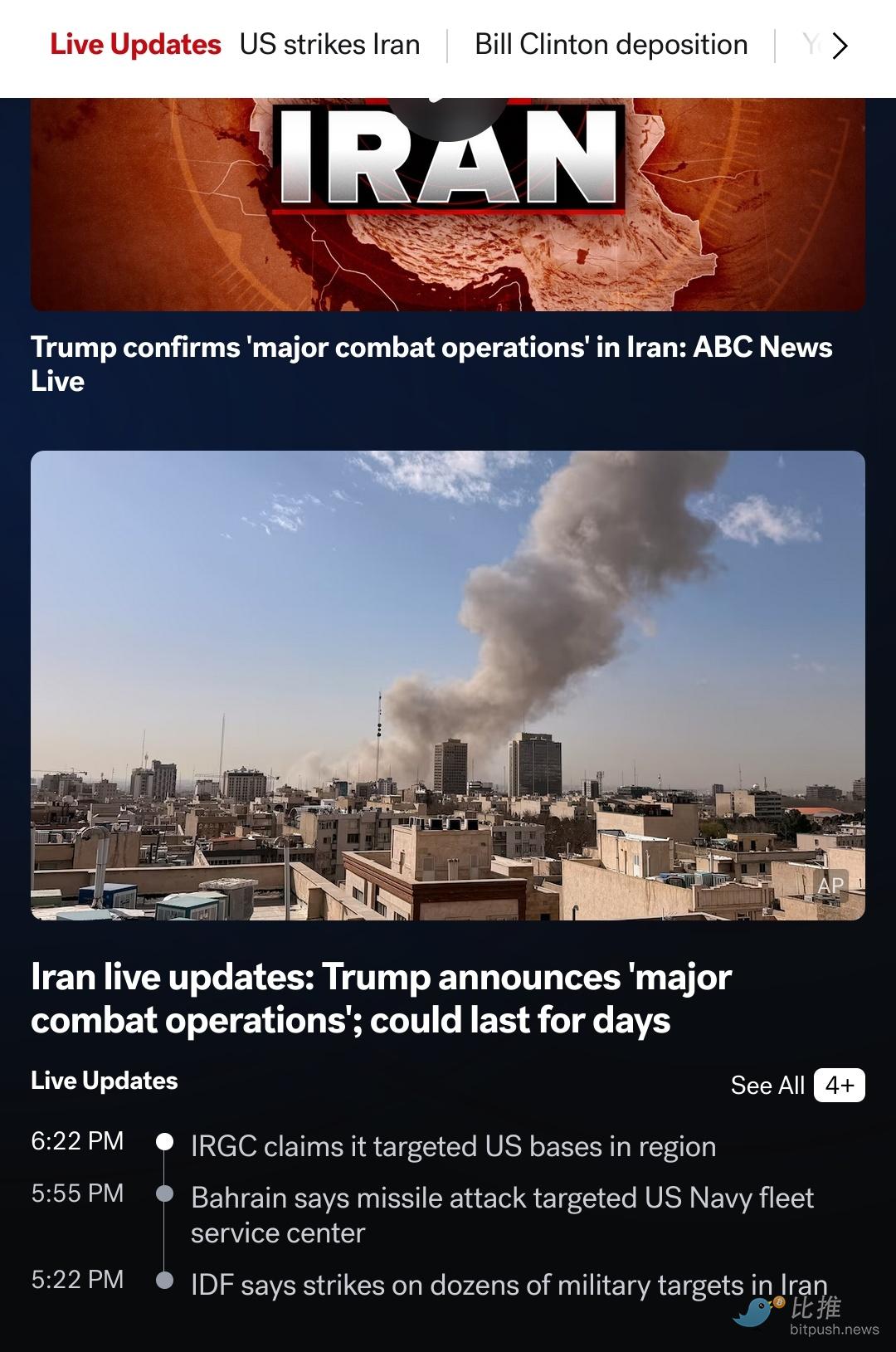
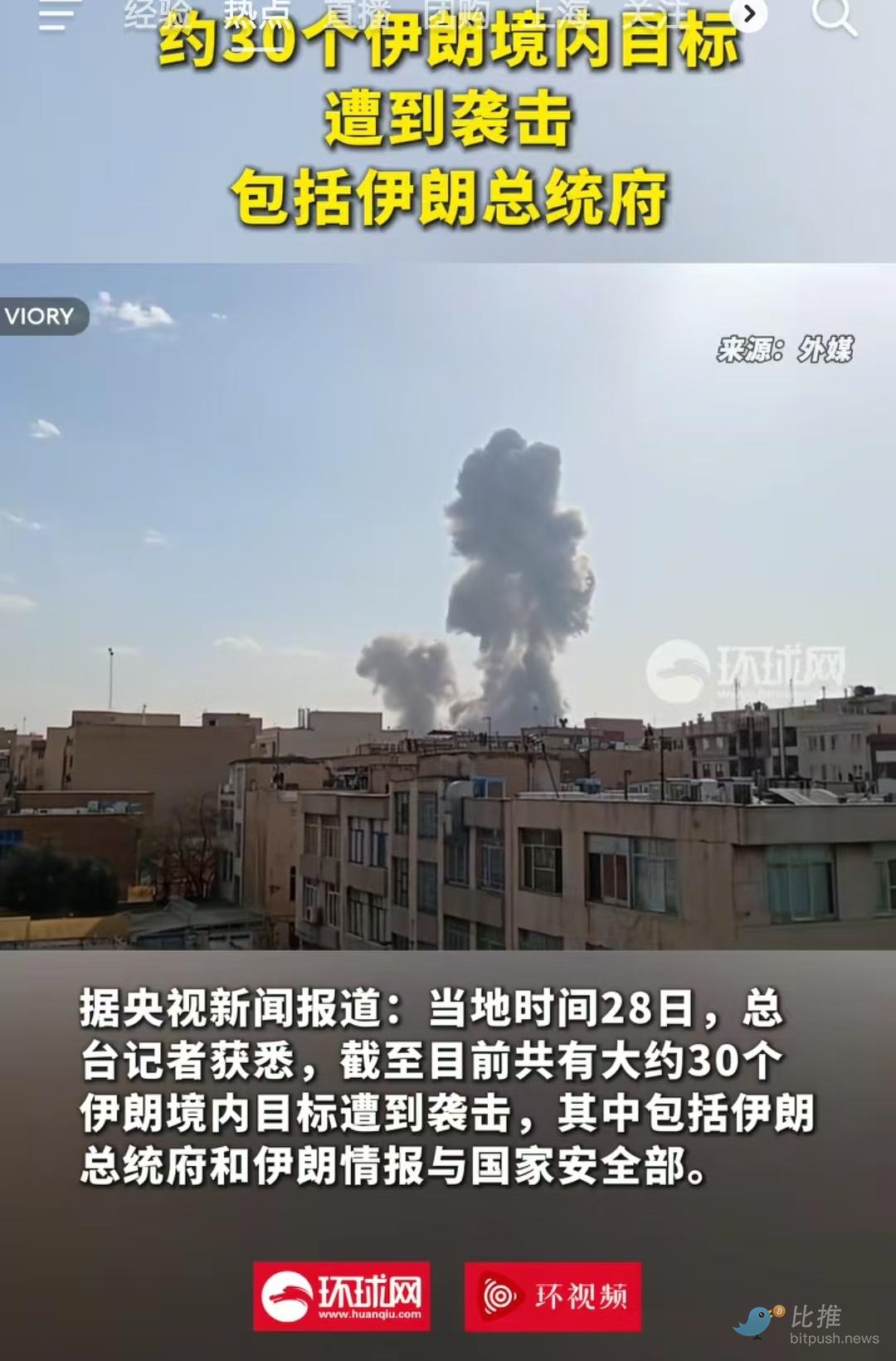
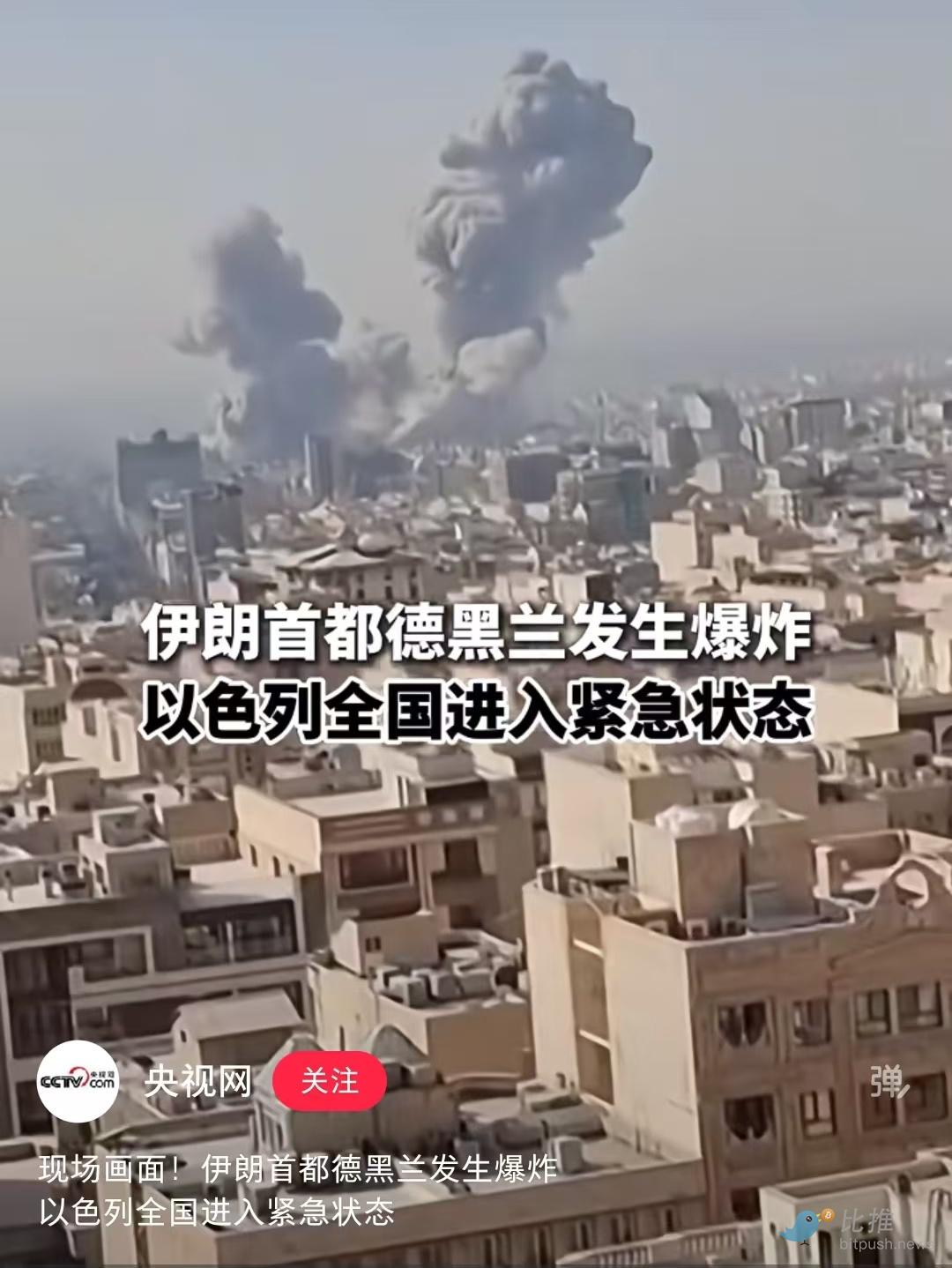
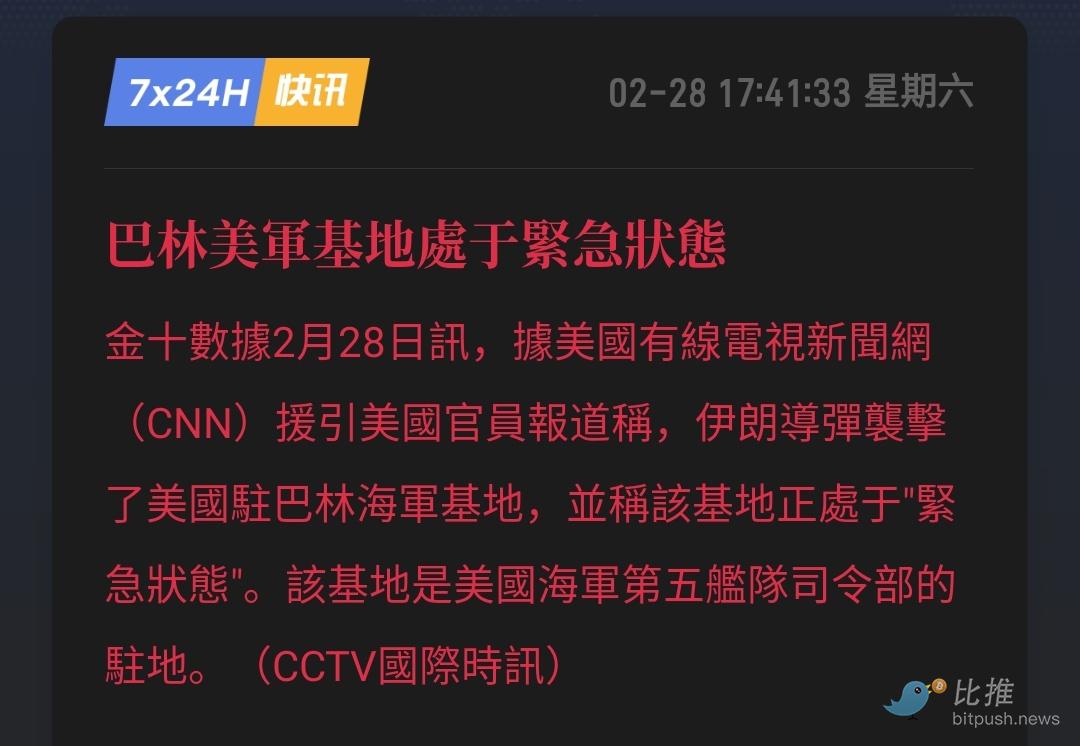
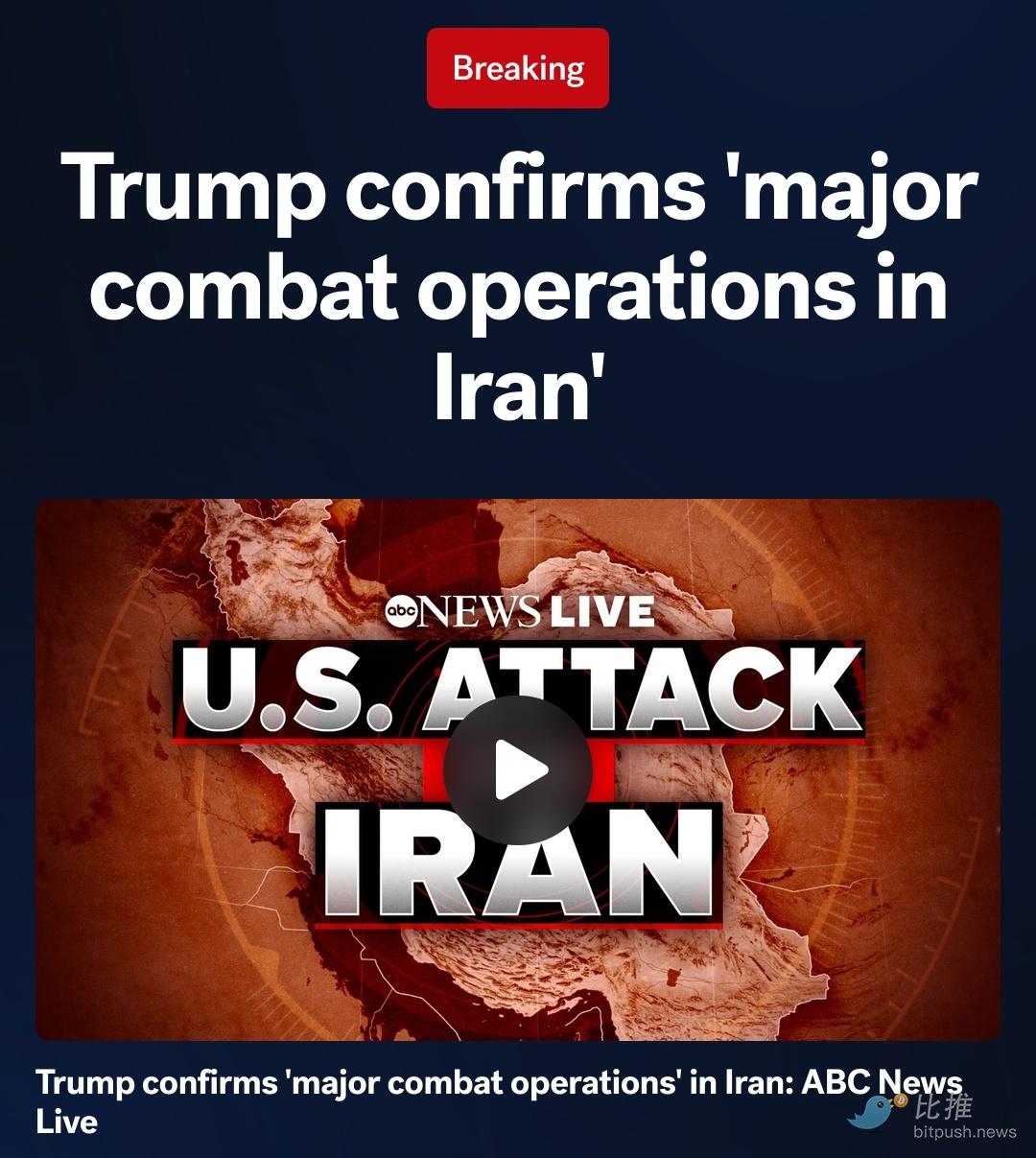
After Trump's well-intentioned smoke bomb was deployed, the US Fifth Fleet launched a full-scale attack, led by Israel.

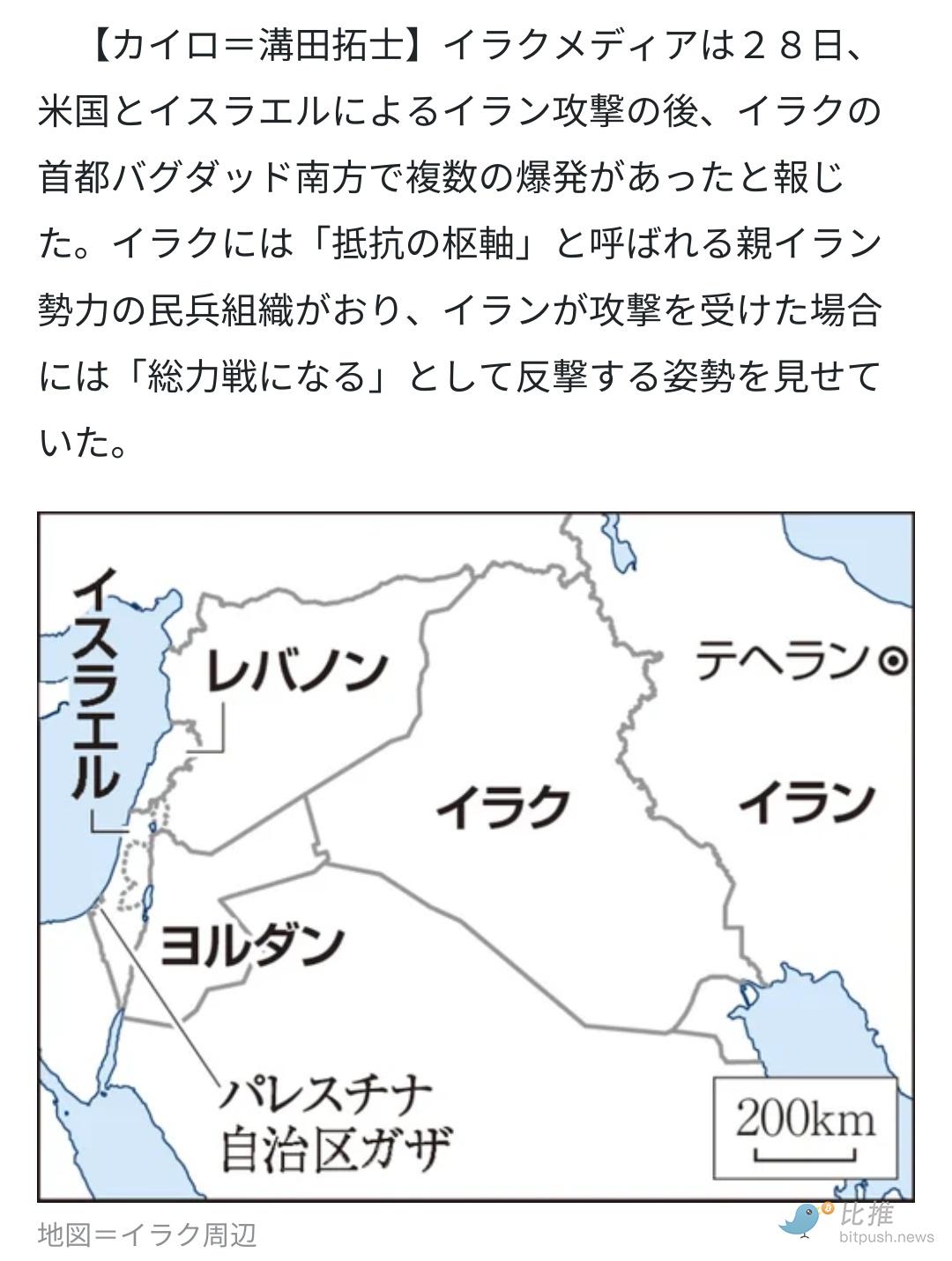
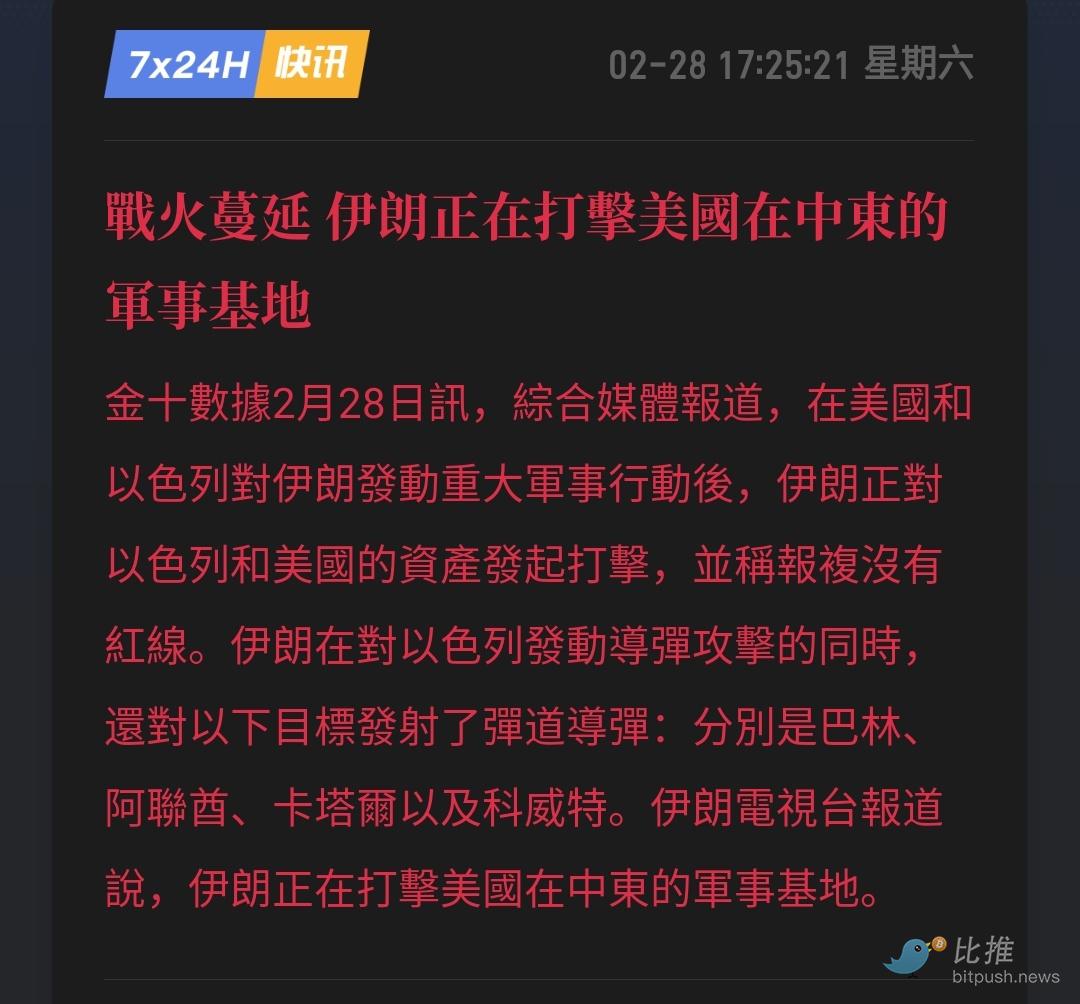
This time, Iran does not appear to be as weak. So far, it has responded with three rounds of missile attacks on Israel, missile strikes on US bases in Iraq, Qatar, and Bahrain, and missile attacks on Riyadh, the capital of Saudi Arabia.

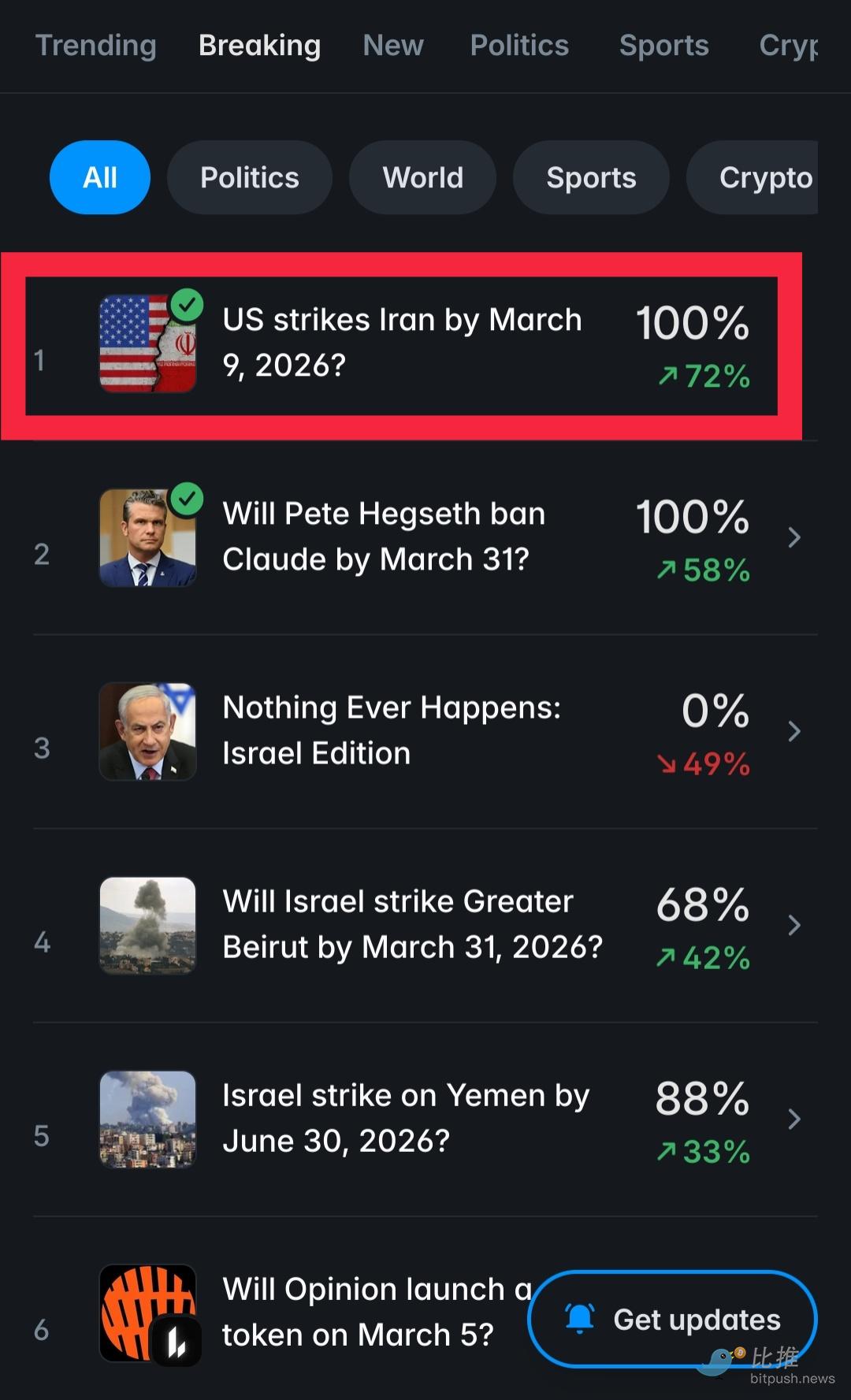
Gambling websites all predict a parabolic increase in the probability of delayed US military action against Iran. The dishes have already been cleared.

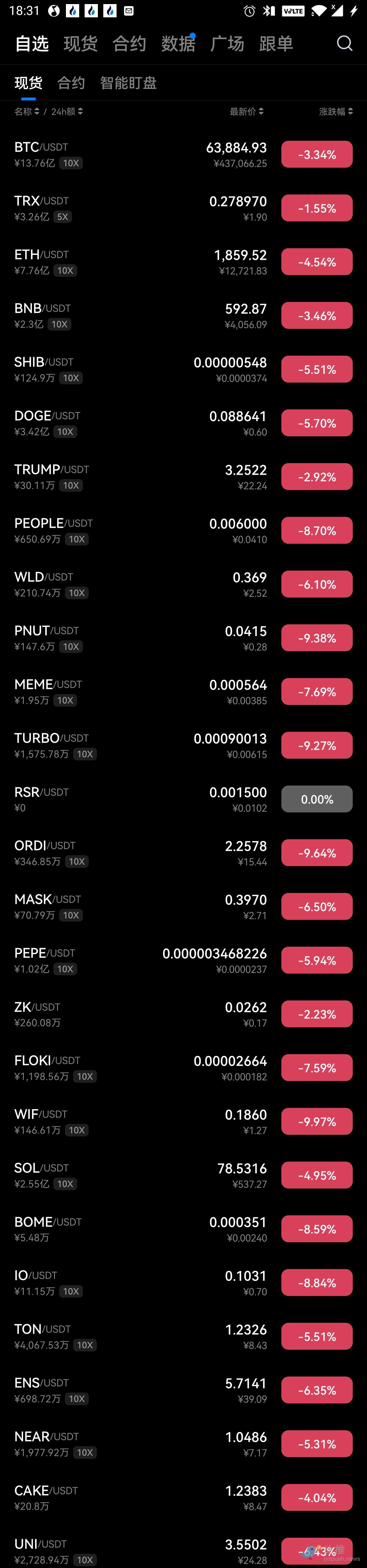
During the Asian weekend, capital markets and commodity markets—aside from sustainable and futures—can only await the delayed impact after Monday's opening. Accordingly, I also hope that friends who noticed our micro-strategy adjustments earlier will reap good returns.

We will not comment on whether Iran will be as weak as in previous instances of being attacked and then 『quickly give in (This is the biggest risk for our Micro strategy at the moment.)』.

We intend to closely follow the development of the situation. Welcome to discuss all information and developments with us.

Have a good weekend, Guys. It's a very special day.

#Post-Lighthouse Era Geopolitical and Economic Perception

#Diversified Asset Strategy Based on Anti-Fragility
Original link:https://www.bitpush.news/articles/7615392

Preguntas relacionadas

QWhat is the main event described in the article that has caused global attention?

AThe article describes a major military escalation in the Middle East, where the US Fifth Fleet, led by Israel, launched an all-out attack after a 'smoke bomb' from Trump. Iran has responded with multiple rounds of missile attacks on Israel, US bases in Iraq, Qatar, and Bahrain, as well as the Saudi capital, Riyadh.

QHow has Iran responded to the military actions mentioned in the text?

AIran has responded with significant force, including three rounds of missile attacks on Israel, missile strikes on US bases in Iraq, Qatar, and Bahrain, and missile attacks targeting Riyadh, the capital of Saudi Arabia.

QWhat is the potential impact on financial markets according to the article?

AThe article states that during the Asian weekend, capital and commodity markets, except for sustainable futures, are waiting for the delayed impact that will be felt after Monday's opening. Gambling websites are forecasting a parabolic increase in the probability of a delayed US military action against Iran.

QWhat is mentioned as the biggest risk to the author's 'Micro strategy'?

AThe biggest risk to the author's 'Micro strategy' is the possibility that Iran might quickly give in and surrender, as it has been 'beaten several times before'.

QWhat are the two hashtag concepts used to frame the article's analysis?

AThe two hashtag concepts are '#後燈塔時代地緣政經感知' (Perception of Geopolitical Economy in the Post-Beacon Era) and '#基於反脆弱性的多元資產策略' (Diversified Asset Strategy Based on Anti-Fragility).

Lecturas Relacionadas

Assembling the Most Accurate Gold Forecasters in History, Can We Crack the Future Price of Gold?

The article investigates whether compiling the most accurate historical predictions from top analysts, institutions, and influencers can unlock a reliable method for forecasting future gold prices. Using gold as a case study, it examines predictions from sources like the LBMA, Goldman Sachs, JPMorgan, prominent figures like Peter Schiff and Jim Rickards, and celebrated forecasters such as Nouriel Roubini and Ben McMillan. The findings reveal significant inconsistencies. Major institutions often exhibit "lagging predictions," adjusting forecasts too slowly to match rapid market moves—for instance, LBMA’s 2025 consensus underestimated the actual average price by 20%. Influencers like Schiff and Rickards persistently advocate for higher long-term targets (e.g., $5,000 to $35,000) but their predictions lack precise timing, often requiring investors to endure prolonged periods of underperformance. Even "accurate" forecasters like Roubini and McMillan have mixed records, with notable misses alongside their successes, while Ray Dalio’s broad allocation advice (5-15% gold) proves more practical than specific price targets. The analysis notes eerie similarities between the 2011 gold peak—where extreme predictions clustered near the market top—and the 2026 crash, where many experts maintained bullish outlooks despite a 25% plunge. Current predictions for future prices vary wildly, from $5,400 to $35,000, highlighting a lack of consensus. The conclusion is that no consistently accurate predictor exists. The author argues that gold forecasting is inherently uncertain, dominated by occasional lucky calls rather than reliable expertise, and advocates for a diversified, long-term investment approach over chasing speculative forecasts.

marsbitHace 32 min(s)

Assembling the Most Accurate Gold Forecasters in History, Can We Crack the Future Price of Gold?

marsbitHace 32 min(s)

175-Year-Old Western Union: Not Just Playing with Stablecoins, but Also Acquired a Digital Wallet

At 175 years old, Western Union, the global money transfer giant, is undergoing a significant digital shift. After a failed 2018 experiment with Ripple's XRP due to high costs, the company is now aggressively embracing blockchain and digital assets. In April 2026, Western Union acquired Singapore-based digital wallet Dash from Singtel, marking its first digital wallet asset in the Asia-Pacific region. Dash, with 1.4 million users, offers a full suite of services including payments, remittances, savings, insurance, and investments, deeply integrated into Singapore's local life. This move is part of a broader strategy to modernize its legacy business. While Western Union's vast network of over 500,000 physical agent locations remains its backbone, it is also its biggest cost burden. The company faces intense competition from digital-native rivals like Wise and Remitly, which offer significantly lower fees. To compete, Western Union is building a "Digital Asset Network." A key component is its own USD-pegged stablecoin, USDPT, issued on the Solana blockchain in partnership with Anchorage Digital. It is also piloting a stablecoin-linked Visa card with Rain for users in high-inflation countries like Argentina, allowing them to spend or cash out dollars at its agent locations. The acquisition of Dash represents a fundamental change: moving from being a transient "pipe" for money transfers to building a destination where users stay. Dash provides a trusted, established platform to test and deploy these new digital products, serving as a launchpad for Western Union's expansion across the Asia-Pacific region.

marsbitHace 1 hora(s)

175-Year-Old Western Union: Not Just Playing with Stablecoins, but Also Acquired a Digital Wallet

marsbitHace 1 hora(s)

Trading

Spot
Futuros
活动图片