AGI Countdown: OpenAI's Chief Research Officer Makes Major Statement — The Window for Humanity is 'Very Small'

marsbitPublicado a 2026-06-30Actualizado a 2026-06-30

Resumen

The countdown to AGI has begun, according to OpenAI's Chief Scientist Mark Chen, who states the window for human-centric progress is "very small." Chen argues that AI is reaching a point where models can perform "self-sustaining research," autonomously driving innovation in fields from mathematics to programming. He points to the proliferation of AI's "superhuman" insights—akin to AlphaGo's legendary "Move 37"—across disciplines as evidence of this shift. Chen firmly dismisses claims that scaling laws are plateauing or that pre-training is dead, asserting the field remains on an exponential curve. He cites OpenAI's successful bet on reasoning models like o1 as proof that fundamental breakthroughs are still possible. The future of research, he suggests, lies with "Vibe Researchers"—humans who provide high-level direction and "taste" while AI handles execution and orchestration of complex, long-horizon tasks. However, significant hurdles remain. Chen highlights a "benchmarking crisis," where models can overfit to existing tests without gaining true generalization. He also notes the "jagged frontier" of AI capabilities, where systems excel at advanced reasoning but struggle with contextual, continual learning from everyday experiences. Despite these challenges, he expresses confidence that these gaps will be closed. In a personal reflection, Chen shares that post-AGI, his wish is to open a noodle shop—a metaphor emphasizing that when AI masters knowledge and innovation, uniqu...

Artificial General Intelligence (AGI) is coming soon.

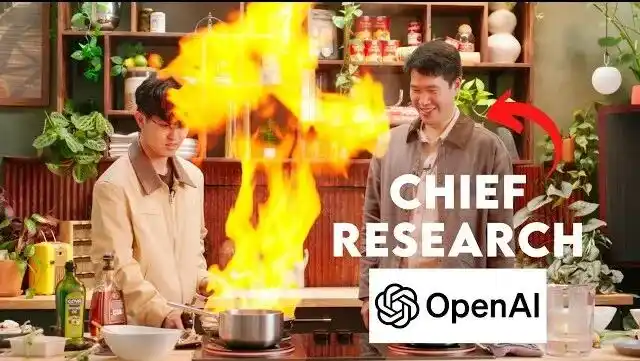
Just now, OpenAI's Chief Research Officer, Mark Chen, declared boldly:

In a sense, it's like I hope you can feel that AGI (Artificial General Intelligence) is coming...

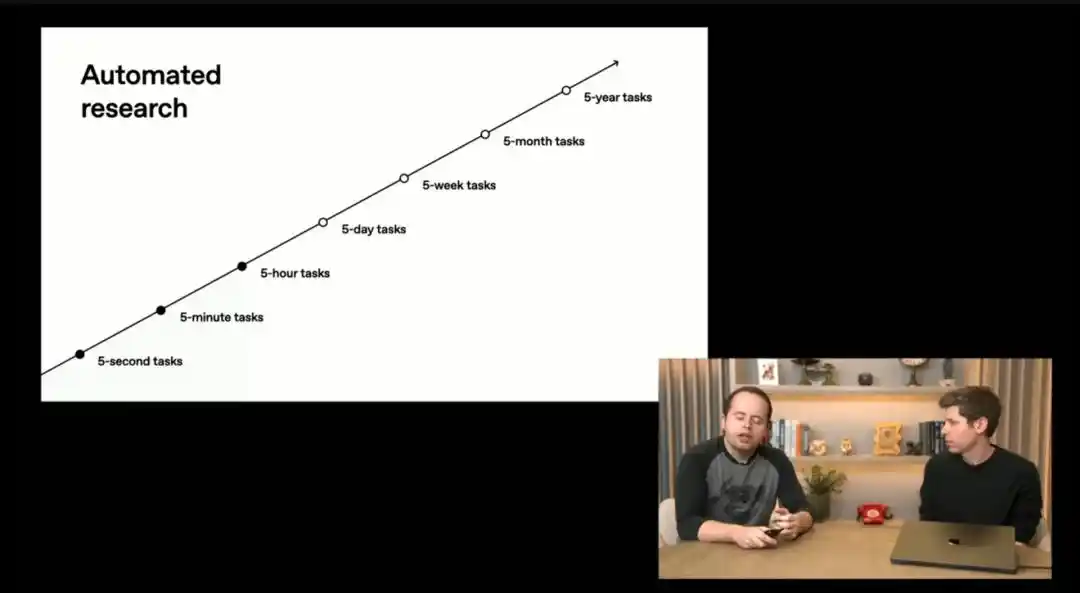
We are getting closer and closer to a world where models can autonomously propose more innovations—they can conduct self-sustaining research.

This is not just an improvement in efficiency; the very process of 'evolution' is being outsourced to silicon-based life.

As Mark Chen skillfully chopped mushrooms and onions in front of the camera, he was talking not just about a bowl of soup, but about the last bastion of human civilization.

If AI can research itself, then on the eve of AGI's arrival, what role exactly should humanity play?
Every Field is Experiencing Its Own 'Move 37'

To understand the weight of this statement, we must go back to the moment Mark entered this field.

2016. AlphaGo vs. Lee Sedol.

In the second game, there was a move—'Move 37'—that the entire world of human players collectively failed to comprehend the moment it was made.
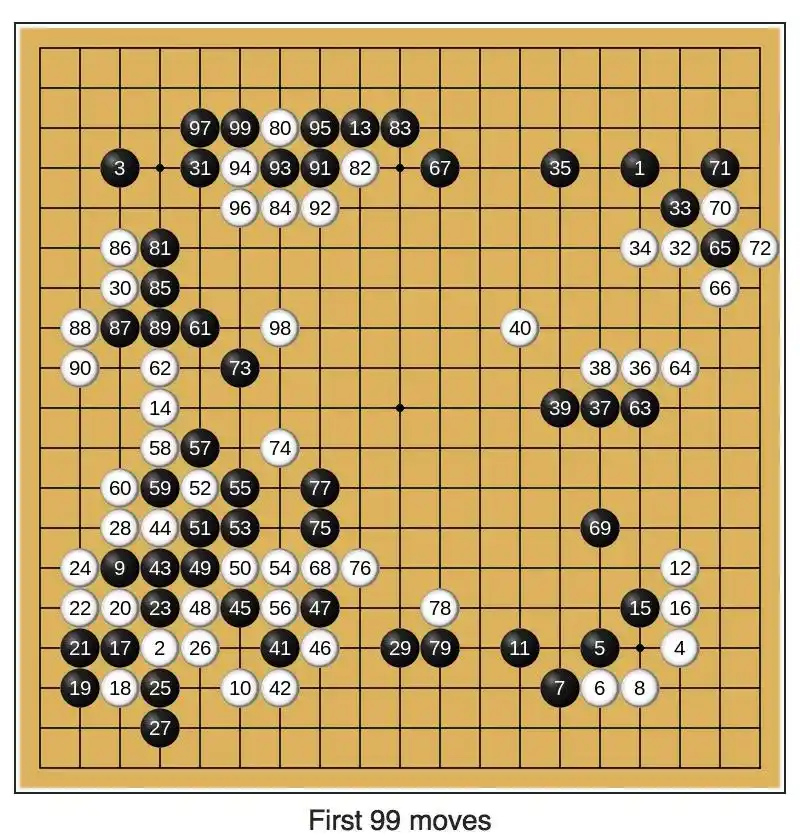
It was only later understood that it was a move conceived by the machine, one that humans could never have imagined. That moment ignited countless people and pulled Mark Chen into this field.

And now?

"The craziest thing," Mark says, "is that you can now see a 'Move 37' in almost every field."

In mathematics. In computer science. In programming.
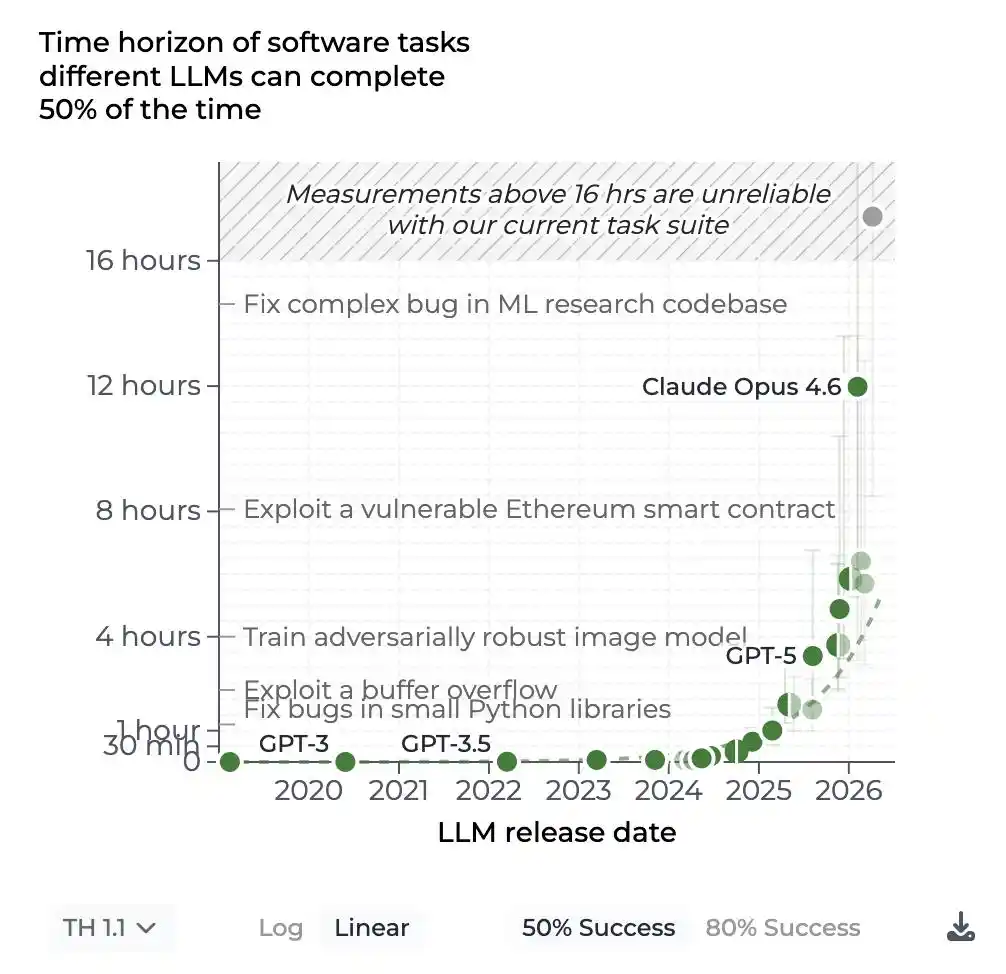
He describes a very subtle tipping point: many people, around the beginning of this year, "woke up one day" and suddenly realized: AI agents in my line of work, they can actually do real work.

Not toys. Not demos. They can complete meaningful, long-cycle, real-world work (long-horizon work) for you.

This means the idea of "models doing research on their own" is no longer a trope from science fiction.

It's the next step, naturally extrapolated from a series of already-occurring 'Move 37s'.

Look down this line, and standing at the end is that model that will conduct its own research.

Scaling Continues, Pretraining is Not Dead

But what underpins such optimism?

A belief: the scaling curve has not yet ended.

In recent years, claims like "pretraining is dead" or "language models won't lead to AGI" surface every so often.

Mark Chen "vehemently disagrees" with these pessimistic views.

He points out the pattern.

"Pretraining is dead" sounds fresh, but it's actually an old, worn-out script that has been replayed repeatedly over the years.
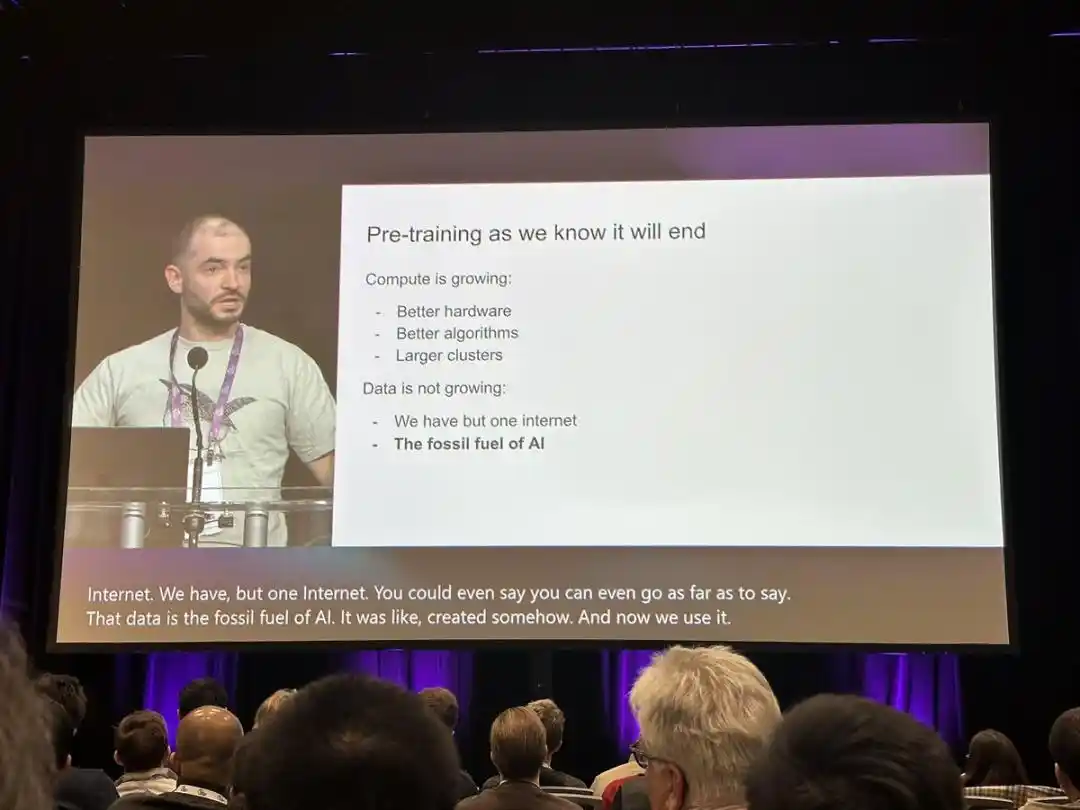
Each time, someone points at a bottleneck and says, "It's peaked, it can't go further"; each time, OpenAI somehow manages to pull out a new engineering trick, or a new research insight, to break through that wall.

Mark Chen firmly believes, "We are on an exponential curve. It has already sustained through nearly 10 orders of magnitude. There's no reason it shouldn't continue to sustain."
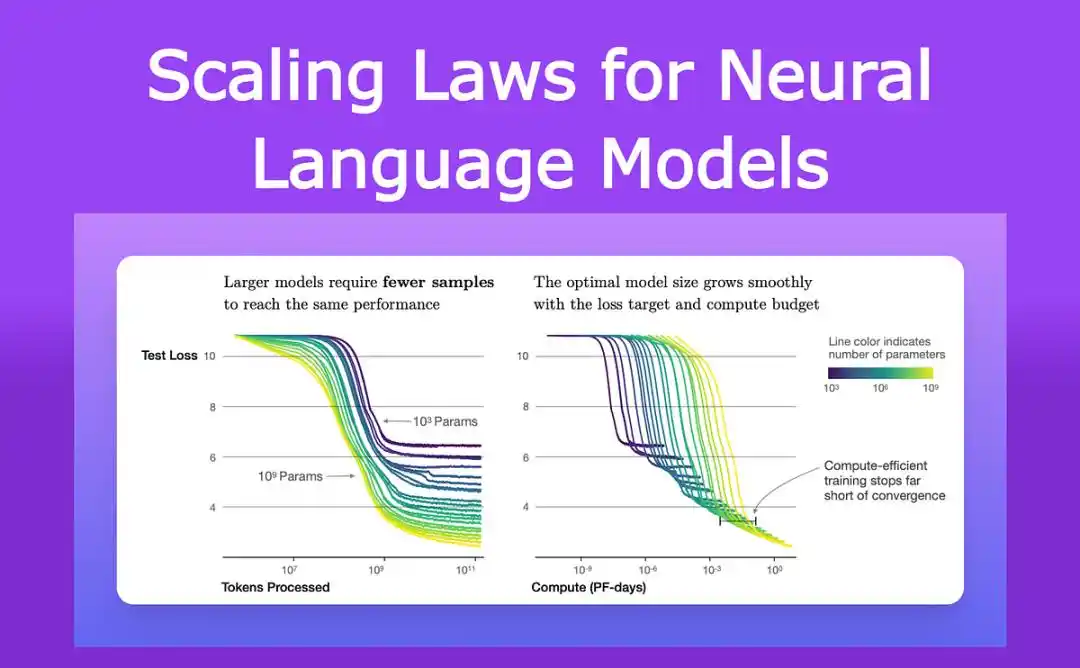
And the most convincing evidence is that OpenAI itself has bet and won once.

The bet was on reasoning.

When o1 was first proposed, even within OpenAI, some didn't believe in it.

The paradigm of "pretraining + post-training" was so dominant at the time that people would naturally ask: The machine is working fine as is, why bother with something else?

It was through the strong push of a few people with conviction and judgment, like Jakub Pachocki and Ilya Sutskever, that it slowly became a fundamental bet for the entire company.
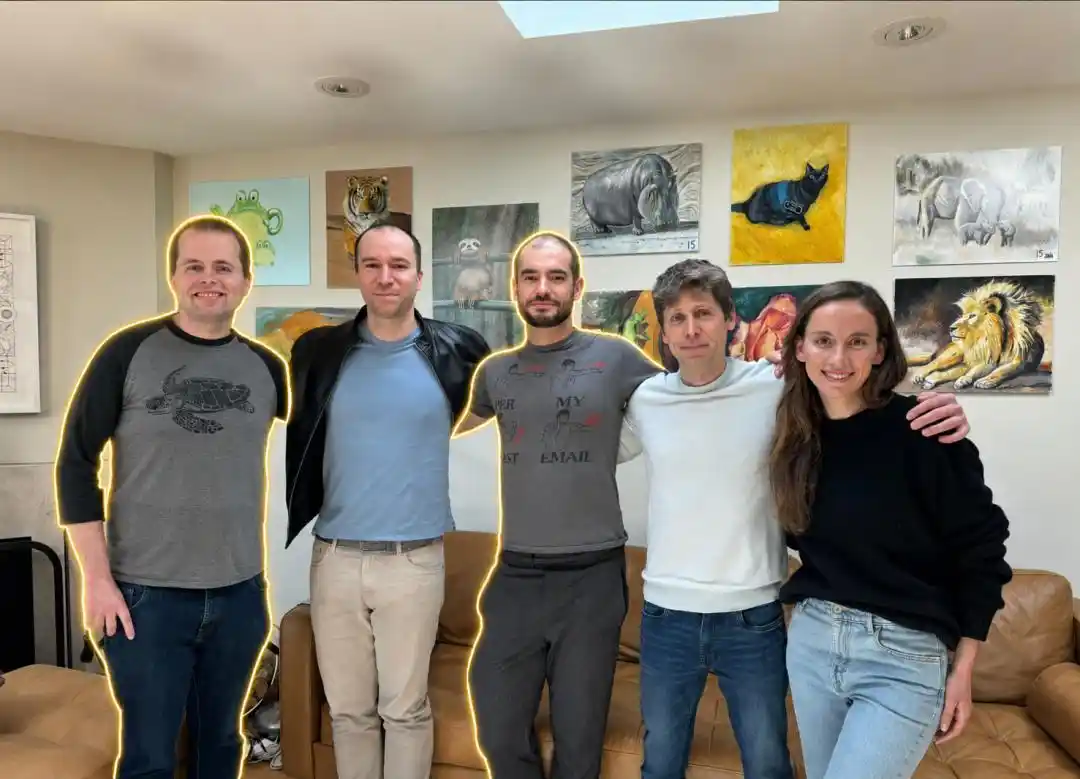
A year later, o1 emerged, and the reasoning paradigm ignited the entire industry.

The curve hasn't ended, coupled with the fact that the biggest breakthroughs often come from bets that nobody initially believed in. These two points together are the foundation of Mark Chen's confidence in saying "models conducting self-sustaining research is not far off."

When a model starts thinking on tasks that span weeks or even months, the innovations it generates may already be beyond the cognitive blind spots of human experts.

This is precisely the foundation of "self-sustaining research": if it can derive mathematical formulas humans have never seen, it can certainly write algorithm architectures superior to human designs.

Vibe Researcher: When Execution Becomes Cheap

We already have vibe coders—speak, and the AI writes the code.
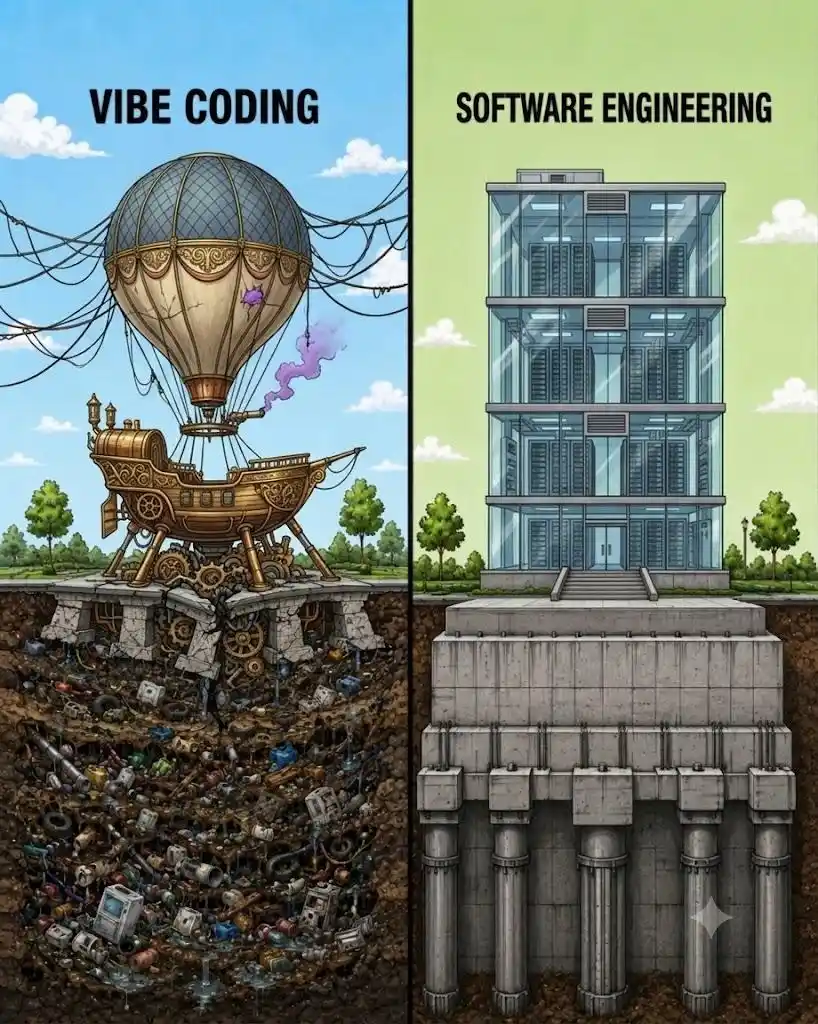
Research is also sliding in this direction.

During the interview, a highly controversial concept was repeatedly mentioned: Vibe Researcher.

This is a somewhat self-deprecating yet deeply considered career prediction.

Mark believes that the top researchers of the future will no longer be the ones writing every line of PyTorch code, but rather those who "get the vibe right."

Whether at OpenAI or other labs, you're beginning to see that a massive amount of work is shifting towards being primarily about 'orchestration'.

In plain language: humans are responsible for the ideas, and models are responsible for doing all the work.

The researcher uses their brain to conceive ideas; the rest—implementation, execution, scheduling—the model handles itself.

OpenAI's three-year roadmap clearly states the endpoint: enabling models to conduct end-to-end research, from idea generation to producing results, entirely on their own.
But This Road is Full of Unfilled Potholes

As AI becomes capable of autonomously executing and orchestrating tasks, human work will be compressed to the extreme ends:

1. Proposing the truly important questions.

2. Judging whether the answers AI provides have 'soul'.

This is the so-called 'Taste'.

Because machines don't have 'life', they lack 'common sense', and thus cannot develop 'taste'.

But stepping back, Mark Chen knows better than anyone that this road is far from smooth.

The first pothole: Evaluation is broken.

He used an internal term: 'Benchmaxxing'—finding a bunch of problems that look almost identical to the test set, training on them relentlessly, achieving impressive scores but gaining zero improvement in generalization ability.

What's worse, there are too few widely accepted gold-standard benchmarks.

"We are truly in an evaluation crisis," he says. Classic tests like the SAT are all saturated for today's models.

In fact, once a benchmark is released to the world, it's no longer a good benchmark—like an exam paper that becomes invalid the moment it's printed.
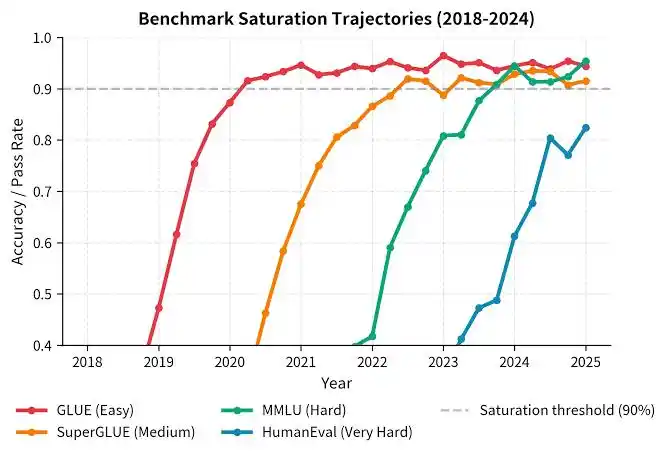
Two strategies to address this issue:

1. Separate the evaluation creation team from the model optimization team, creating an adversarial incentive structure.

2. Deploy models at scale and observe failure modes in real-world applications.
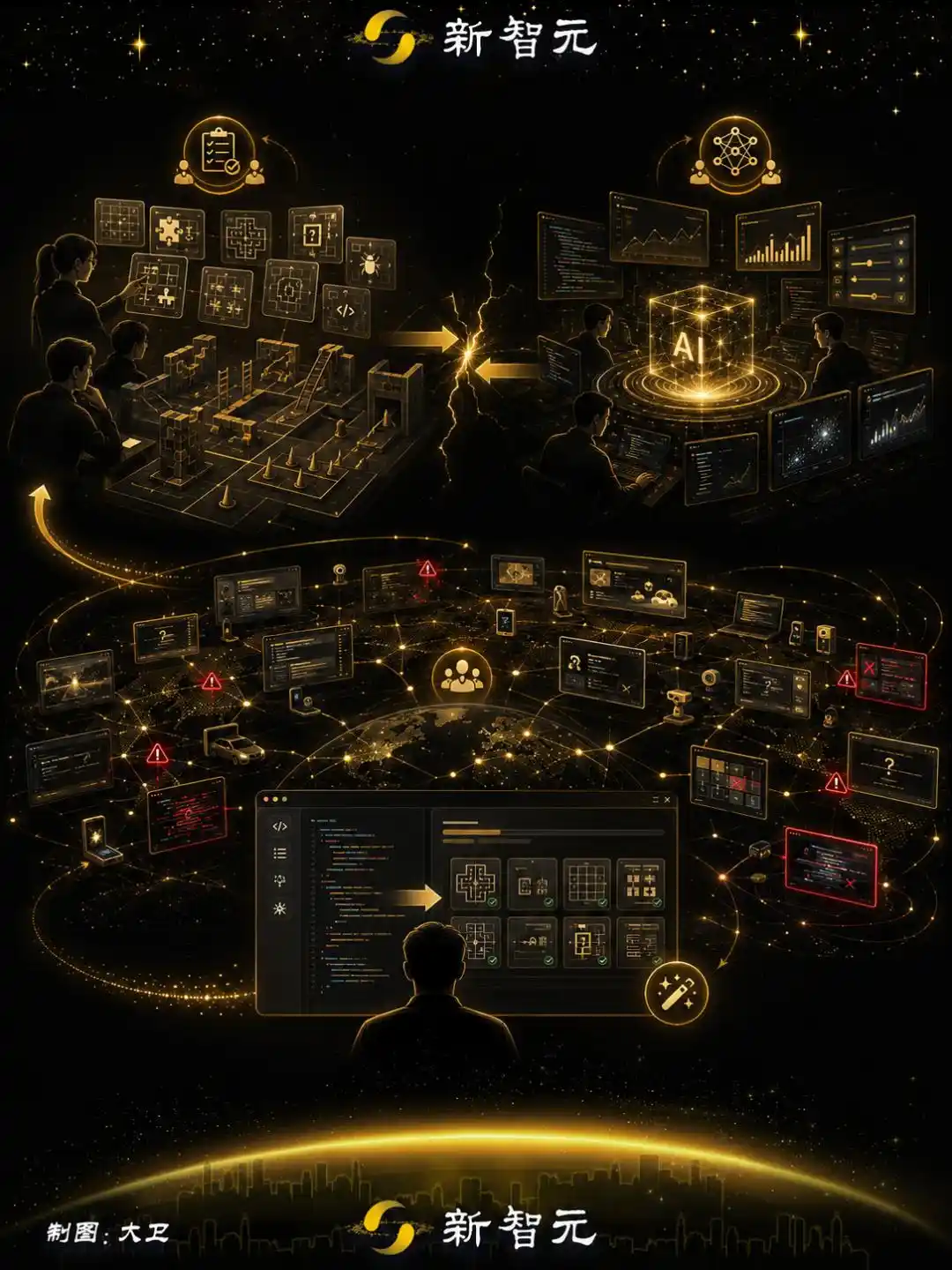
He also pointed out that the emergence of every new capability brings with it a corresponding need for evaluation, and steering the direction of evaluation is a significant part of his work.

The second pothole: The jagged frontier.

A model can solve Olympiad-level problems in math or informatics but might fail at trivial tasks humans do without thinking—a genius that can mentally calculate calculus but can't tie its own shoelaces.
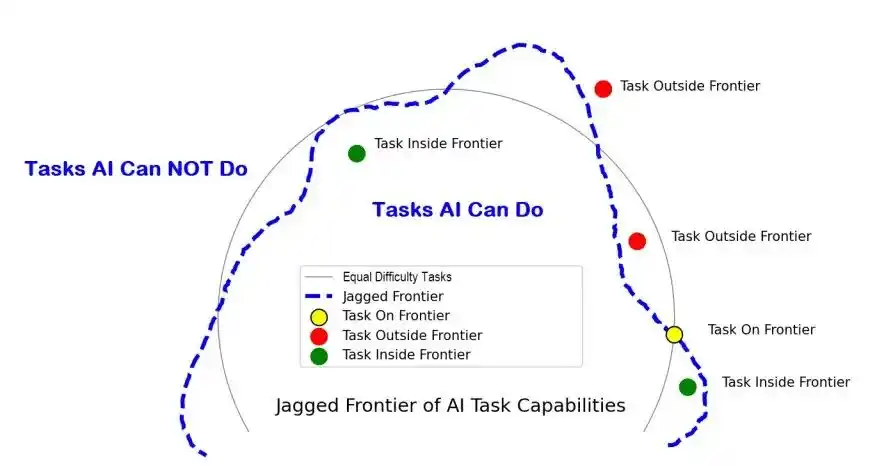
Where's the gap? It's in 'context', in continual learning—applying the lessons learned from one task to the next.

This is so natural for humans, but for models, it's a hard nut the entire industry is trying to crack.

When asked if reaching AGI still requires two or three fundamental breakthroughs, Mark didn't take the bait.

He said that abilities like continual learning are "essential foundational capabilities that must be unlocked." As for whether that counts as a 'breakthrough', he wasn't sure, but "many shots are already aimed at the goal, and I'm pretty sure they'll go in."

That's his attitude: the potholes are real, but work is already underway to fill every single one, and he's betting they can be filled.

The Soup Metaphor: Opening a Noodle Shop After AGI

The most heartwarming moment in the interview was the story about 'soup'.

It is said that Mark Zuckerberg once tried to poach OpenAI researchers with homemade soup, and Mark Chen's response was to bring the soup directly to the office and share it with everyone.
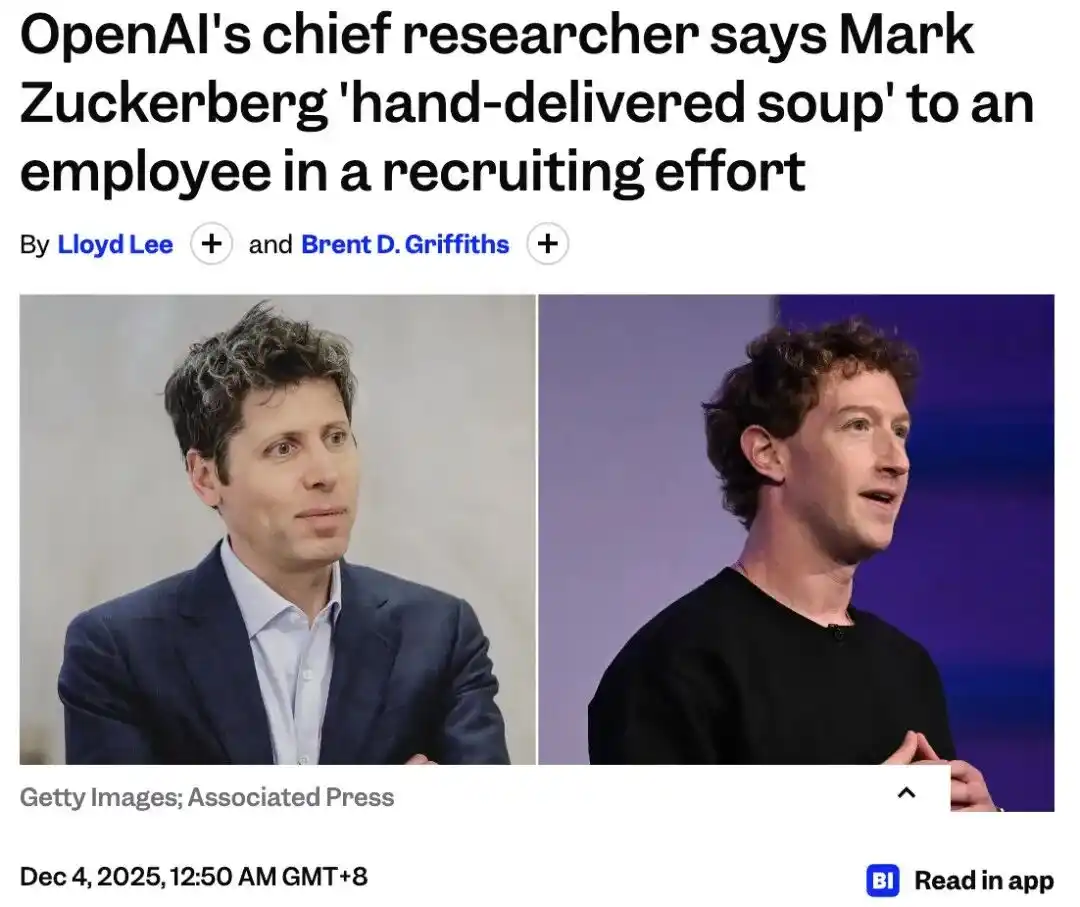
When asked about his ultimate wish after AGI is achieved, this man in charge of the world's most powerful AI brains answered:

"I want to open a noodle shop. That might be my post-AGI hobby."

There is profound meaning hidden in this answer.

When AI can perform all "self-sustaining research", when all knowledge and innovation can be generated at the speed of light, the most scarce resource for humanity will no longer be intelligence, but 'experience'.

A machine can calculate the optimal saltiness for a bowl of soup, but it can never imbue that soup with 'warmth' and 'story'.

References:

https://www.youtube.com/watch?v=fpAthTtha8c

https://finance.biggo.com/podcast/1241bc21164ccc75

This article is from WeChat public account "Xin Zhi Yuan", author: ASI Revelation.

Criptos en tendencia

Preguntas relacionadas

QAccording to Mark Chen, what is the most 'insane' development currently happening across various fields?

AMark Chen states that the most 'insane' thing is that you can now see 'god's one move' or a pivotal, game-changing insight happening in almost every field, including mathematics, computer science, and programming.

QWhat does Mark Chen believe is the foundation for his confidence that 'self-sustaining research by models' is not far away?

AHis confidence is based on two key beliefs: 1) The scaling curve is not at its end yet and has sustained nearly 10 orders of magnitude. 2) Major breakthroughs, like the o1 project which focused on reasoning, often come from bold bets that few initially believe in.

QWhat is a 'Vibe Researcher' as described in the article, and what is their proposed future role?

AA 'Vibe Researcher' is a predicted future role where the top researcher is not the one who writes the code, but the one who 'gets the vibe' or has the 'taste' to pose truly important questions and judge the 'soul' of the answers AI provides. Their role shifts to high-level idea generation and orchestration, while AI handles implementation.

QWhat are the two major technical 'pits' or challenges highlighted by Mark Chen on the road to AGI?

AThe two major challenges are: 1) The evaluation crisis ('Benchmaxxing'), where current benchmarks are easily gamed and become obsolete once public, making true model capability hard to measure. 2) The 'jagged frontier', where models excel at complex, specialized tasks (like math Olympiads) but fail at trivial, context-dependent tasks that require continual learning and common sense.

QWhat does Mark Chen metaphorically suggest might be the most valuable human role after AGI is achieved, and what personal aspiration does he link to this idea?

AHe suggests that after AGI, when AI handles all self-sustaining research and knowledge generation, the most valuable human resource will be 'experience'. Machines can calculate optimal outcomes, but they cannot create 'warmth' and 'story'. He personally aspires to open a noodle shop as a post-AGI pursuit, symbolizing this human-centric value of creating meaningful experiences.

Lecturas Relacionadas

Earning Six Figures and Still Struggling to Rent in San Francisco

A couple in San Francisco with a combined tech income over $360,000 struggled for months to find a one-bedroom apartment under $5,000 per month. Their story highlights how the AI wealth boom, driven by upcoming IPOs from companies like OpenAI and Anthropic, is dramatically escalating the city's cost of living. Even six-figure salaries are becoming insufficient for a comfortable lifestyle. The article details the financial reality for tech workers earning around $180,000 annually. After taxes, retirement contributions, and healthcare, take-home pay is roughly $7,000 per month. With average rents exceeding $3,800 and one-bedrooms often costing $4,500-$5,200, discretionary income shrinks to $1,500-$2,500. This contrasts sharply with reported median total compensations of $640,000 at OpenAI and $420,000 at Anthropic. The AI gold rush is identified as the primary driver. The scale of potential wealth from these IPOs, far surpassing previous tech booms, is flooding the housing market. Data shows San Francisco's average rent is now the highest in the U.S., with vacancy rates in desirable neighborhoods plummeting to around 3%. The overall cost of living is 65.6% above the national average. The piece features multiple professionals, including a 25-year-old with a $250,000 salary, facing housing instability, fierce competition for rentals, and a persistent, low-grade financial anxiety despite high earnings. It concludes that the rapid concentration of AI wealth is redefining what constitutes a "high salary" in San Francisco, pushing out mid-tier tech talent and creating a stark divide between those in the AI sector and everyone else.

marsbitHace 43 min(s)

Earning Six Figures and Still Struggling to Rent in San Francisco

marsbitHace 43 min(s)

Rate Hikes to Save STRC, Selling Bitcoin to Preserve Credit: Strategy Picks Its Two Most Expensive Paths

Over the past six weeks, Strategy has faced a significant crisis of confidence, with its core securities MSTR and STRC experiencing sharp price declines. The situation escalated as the company utilized dollar reserves intended for dividends and interest payments to repurchase debt, and then sold a small amount of Bitcoin for the first time since 2022—an action that contradicted its "never sell" narrative and signaled potential liquidity strain. In response, Strategy introduced a Digital Credit capital framework. This formalized a series of measures to manage the pressure down its capital structure: ordinary shareholders have already borne costs through equity dilution from an $11.5 billion ATM offering; new rules enforce a hard dollar reserve covering at least 12 months of expected dividend and interest payments; the STRC dividend rate was increased from 11.5% to 12%; and, most notably, Bitcoin was officially integrated into the capital toolkit, with board authorization to sell up to $1.25 billion worth if needed to support obligations and repurchase programs. The market reacted with a mix of relief and skepticism. While the announcement triggered a sharp single-day rally in both MSTR and STRC, the preferred shares still trade at a significant discount. Supporters view the framework as pragmatic crisis management that provides a price floor and clearer rules. Critics argue that institutionalizing Bitcoin sales undermines the core investment thesis and, with Bitcoin's price below the company's average cost basis, amounts to selling assets at a loss to maintain its financial structure. The broader context shows institutional Bitcoin buying drying up, highlighting that Strategy's challenges and new framework are now a key indicator for overall market risk sentiment. Ultimately, the framework buys time, but STRC's return to par value depends on market belief in the company's ability to cover dividends without further dilution or substantial Bitcoin sales—a task that would be easier if Bitcoin's price recovers.

链捕手Hace 49 min(s)

Rate Hikes to Save STRC, Selling Bitcoin to Preserve Credit: Strategy Picks Its Two Most Expensive Paths

链捕手Hace 49 min(s)

Has Bitcoin Bottomed? Unpacking 12 Key Data Indicators

Author: BitalkNews **Title: Has Bitcoin Bottomed? Analyzing 12 Key Data Indicators** The current Bitcoin price is around $59,600, representing a maximum drawdown of approximately 53% from the 2025 high. The market is in a deep correction phase. Multiple indicators suggest valuations are nearing historical lows, but a confirmed bottom requires more time. **Summary of Key Indicators:** 1. **Fear & Greed Index:** At 16, indicating "Extreme Fear," similar to levels seen during the 2022 FTX collapse. 2. **Rainbow Chart:** BTC has fallen into the "Bitcoin is dead" zone, only the second such occurrence historically. 3. **MVRV Ratio:** Currently around 1.13, near the lower historical band, pointing to a bottoming valuation area (approx. $53,200-$53,400). 4. **Realized Price:** The aggregate cost basis is ~$53,400; the current price is only about 12% above it but hasn't broken below yet. 5. **UTXO Profit/Loss Ratio:** Has dropped to its lowest level this cycle, signaling a potential "capitulation" event often seen near cycle bottoms. 6. **Long-Term Holder SOPR:** For holders >155 days, it's at 0.662, now negative, indicating seasoned investors are selling at a loss. 7. & 8. **Miner Health:** ~20% of miners are unprofitable, and actual miner revenue is below theoretical levels, indicating ongoing miner stress. 9. **ETF Flows:** U.S. spot BTC ETFs have seen sustained net outflows, including a 13-day streak with over $1.7B in weekly outflows. 10. **Strategy Risk:** Strategy's stock premium has significantly contracted, pressuring the traditional "borrow-to-buy" model. 11. **Bear Duration & Drawdown:** The correction has lasted >265 days with a ~52.5% drawdown, shorter in depth but lengthy in duration. 12. **Market Expectations (Polymarket):** Betting markets suggest an ~80% probability of BTC falling below $55,000 and a notable chance below $50,000. **Conclusion:** Bitcoin is in a deep correction with potential bottom formation. Valuation metrics are in historically low ranges, and on-chain capitulation signals are accumulating. However, a complete shakeout isn't finished—the realized price hasn't been breached, and ETF demand hasn't reversed. The area below $60,000 holds long-term appeal, but patience is advised. Key signals to watch for include a return to ETF inflows, a recovery in the Long-Term Holder SOPR, and easing miner pressure.

marsbitHace 57 min(s)

Has Bitcoin Bottomed? Unpacking 12 Key Data Indicators

marsbitHace 57 min(s)

Valuation Inversion Emerges, Bitcoin Treasury Companies Face Trust Crisis

"Valuation Inversion Emerges, Sparking Trust Crisis for Bitcoin Treasury Firms" The investment thesis for corporate Bitcoin treasury stocks has fundamentally shifted. Investors are no longer rewarding companies simply for accumulating more Bitcoin. Instead, the focus is now on net Bitcoin per share, with intense scrutiny on whether new financings truly benefit existing shareholders or merely dilute their stake. Key indicators highlight the new reality. Metaplanet's market capitalization has fallen below the total value of its Bitcoin holdings, indicating a valuation discount. While MicroStrategy maintains a premium, its core metric—Bitcoin per diluted share for common shareholders—has been declining due to dilution from financing activities, primarily through its STRAT permanent preferred shares. This marks a transition from a pure "asset accumulation" phase to an "equity attribution" phase. Investors now deduct costs like preferred dividends and debt to calculate the actual Bitcoin claim for common equity. The widespread adoption of spot Bitcoin ETFs has removed the scarcity value these stocks once held, forcing them to justify their structure with superior leverage, dividends, or capital efficiency. European entrants like France's Capital B and Sweden's BTC AB are testing this new environment with ambitious funding plans backed by relatively small Bitcoin holdings. They are asking investors to bear complex capital structures, betting future Bitcoin purchases will cover all dilution and dividend costs. The sector's core risk is a broken financing loop. Once a company's stock trades below its Bitcoin net asset value, it loses the ability to issue equity for accretive purchases. It is then left with unpalatable choices: dilutive financing at a discount, venturing into new businesses like Bitcoin lending, or selling assets. The winners in this next phase will be those that demonstrably increase Bitcoin per share for common shareholders with every financing move.

Foresight NewsHace 1 hora(s)

Valuation Inversion Emerges, Bitcoin Treasury Companies Face Trust Crisis

Foresight NewsHace 1 hora(s)

Trading

Spot

Artículos destacados

Qué es $S$

Entendiendo SPERO: Una Visión General Completa Introducción a SPERO A medida que el panorama de la innovación continúa evolucionando, la aparición de tecnologías web3 y proyectos de criptomonedas juega un papel fundamental en la configuración del futuro digital. Un proyecto que ha atraído la atención en este campo dinámico es SPERO, denotado como SPERO,$$s$. Este artículo tiene como objetivo reunir y presentar información detallada sobre SPERO, para ayudar a entusiastas e inversores a comprender sus fundamentos, objetivos e innovaciones dentro de los dominios web3 y cripto. ¿Qué es SPERO,$$s$? SPERO,$$s$ es un proyecto único dentro del espacio cripto que busca aprovechar los principios de descentralización y tecnología blockchain para crear un ecosistema que promueva la participación, la utilidad y la inclusión financiera. El proyecto está diseñado para facilitar interacciones de igual a igual de nuevas maneras, proporcionando a los usuarios soluciones y servicios financieros innovadores. En su esencia, SPERO,$$s$ tiene como objetivo empoderar a los individuos al proporcionar herramientas y plataformas que mejoren la experiencia del usuario en el espacio de las criptomonedas. Esto incluye habilitar métodos de transacción más flexibles, fomentar iniciativas impulsadas por la comunidad y crear caminos para oportunidades financieras a través de aplicaciones descentralizadas (dApps). La visión subyacente de SPERO,$$s$ gira en torno a la inclusividad, buscando cerrar brechas dentro de las finanzas tradicionales mientras aprovecha los beneficios de la tecnología blockchain. ¿Quién es el Creador de SPERO,$$s$? La identidad del creador de SPERO,$$s$ sigue siendo algo oscura, ya que hay recursos públicos limitados que proporcionan información de fondo detallada sobre su(s) fundador(es). Esta falta de transparencia puede derivarse del compromiso del proyecto con la descentralización, una ética que muchos proyectos web3 comparten, priorizando las contribuciones colectivas sobre el reconocimiento individual. Al centrar las discusiones en torno a la comunidad y sus objetivos colectivos, SPERO,$$s$ encarna la esencia del empoderamiento sin señalar a individuos específicos. Como tal, comprender la ética y la misión de SPERO sigue siendo más importante que identificar a un creador singular. ¿Quiénes son los Inversores de SPERO,$$s$? SPERO,$$s$ cuenta con el apoyo de una diversa gama de inversores que van desde capitalistas de riesgo hasta inversores ángeles dedicados a fomentar la innovación en el sector cripto. El enfoque de estos inversores generalmente se alinea con la misión de SPERO, priorizando proyectos que prometen avances tecnológicos sociales, inclusión financiera y gobernanza descentralizada. Estas fundaciones de inversores suelen estar interesadas en proyectos que no solo ofrecen productos innovadores, sino que también contribuyen positivamente a la comunidad blockchain y sus ecosistemas. El respaldo de estos inversores refuerza a SPERO,$$s$ como un contendiente notable en el dominio de proyectos cripto que evoluciona rápidamente. ¿Cómo Funciona SPERO,$$s$? SPERO,$$s$ emplea un marco multifacético que lo distingue de los proyectos de criptomonedas convencionales. Aquí hay algunas de las características clave que subrayan su singularidad e innovación: Gobernanza Descentralizada: SPERO,$$s$ integra modelos de gobernanza descentralizada, empoderando a los usuarios para participar activamente en los procesos de toma de decisiones sobre el futuro del proyecto. Este enfoque fomenta un sentido de propiedad y responsabilidad entre los miembros de la comunidad. Utilidad del Token: SPERO,$$s$ utiliza su propio token de criptomoneda, diseñado para servir diversas funciones dentro del ecosistema. Estos tokens permiten transacciones, recompensas y la facilitación de servicios ofrecidos en la plataforma, mejorando la participación y la utilidad general. Arquitectura en Capas: La arquitectura técnica de SPERO,$$s$ apoya la modularidad y escalabilidad, permitiendo la integración fluida de características y aplicaciones adicionales a medida que el proyecto evoluciona. Esta adaptabilidad es fundamental para mantener la relevancia en el cambiante paisaje cripto. Participación de la Comunidad: El proyecto enfatiza iniciativas impulsadas por la comunidad, empleando mecanismos que incentivan la colaboración y la retroalimentación. Al nutrir una comunidad sólida, SPERO,$$s$ puede abordar mejor las necesidades de los usuarios y adaptarse a las tendencias del mercado. Enfoque en la Inclusión: Al ofrecer tarifas de transacción bajas e interfaces amigables para el usuario, SPERO,$$s$ busca atraer a una base de usuarios diversa, incluyendo a individuos que anteriormente pueden no haber participado en el espacio cripto. Este compromiso con la inclusión se alinea con su misión general de empoderamiento a través de la accesibilidad. Cronología de SPERO,$$s$ Entender la historia de un proyecto proporciona información crucial sobre su trayectoria de desarrollo y hitos. A continuación se presenta una cronología sugerida que mapea eventos significativos en la evolución de SPERO,$$s$: Fase de Conceptualización e Ideación: Las ideas iniciales que forman la base de SPERO,$$s$ fueron concebidas, alineándose estrechamente con los principios de descentralización y enfoque comunitario dentro de la industria blockchain. Lanzamiento del Whitepaper del Proyecto: Tras la fase conceptual, se lanzó un whitepaper completo que detalla la visión, los objetivos y la infraestructura tecnológica de SPERO,$$s$ para generar interés y retroalimentación de la comunidad. Construcción de Comunidad y Primeras Interacciones: Se realizaron esfuerzos de divulgación activa para construir una comunidad de primeros adoptantes y posibles inversores, facilitando discusiones en torno a los objetivos del proyecto y obteniendo apoyo. Evento de Generación de Tokens: SPERO,$$s$ llevó a cabo un evento de generación de tokens (TGE) para distribuir sus tokens nativos a los primeros seguidores y establecer liquidez inicial dentro del ecosistema. Lanzamiento de la dApp Inicial: La primera aplicación descentralizada (dApp) asociada con SPERO,$$s$ se puso en marcha, permitiendo a los usuarios interactuar con las funcionalidades centrales de la plataforma. Desarrollo Continuo y Alianzas: Actualizaciones y mejoras continuas a las ofertas del proyecto, incluyendo alianzas estratégicas con otros actores en el espacio blockchain, han moldeado a SPERO,$$s$ en un jugador competitivo y en evolución en el mercado cripto. Conclusión SPERO,$$s$ se erige como un testimonio del potencial de web3 y las criptomonedas para revolucionar los sistemas financieros y empoderar a los individuos. Con un compromiso con la gobernanza descentralizada, la participación comunitaria y funcionalidades diseñadas de manera innovadora, allana el camino hacia un paisaje financiero más inclusivo. Como con cualquier inversión en el espacio cripto que evoluciona rápidamente, se anima a los posibles inversores y usuarios a investigar a fondo y participar de manera reflexiva con los desarrollos en curso dentro de SPERO,$$s$. El proyecto muestra el espíritu innovador de la industria cripto, invitando a una mayor exploración de sus innumerables posibilidades. Mientras el viaje de SPERO,$$s$ aún se desarrolla, sus principios fundamentales pueden, de hecho, influir en el futuro de cómo interactuamos con la tecnología, las finanzas y entre nosotros en ecosistemas digitales interconectados.

101 Vistas totalesPublicado en 2024.12.17Actualizado en 2024.12.17

Qué es $S$

Qué es AGENT S

Agent S: El Futuro de la Interacción Autónoma en Web3 Introducción En el paisaje en constante evolución de Web3 y las criptomonedas, las innovaciones están redefiniendo constantemente cómo los individuos interactúan con las plataformas digitales. Uno de estos proyectos pioneros, Agent S, promete revolucionar la interacción humano-computadora a través de su marco agente abierto. Al allanar el camino para interacciones autónomas, Agent S busca simplificar tareas complejas, ofreciendo aplicaciones transformadoras en inteligencia artificial (IA). Esta exploración detallada profundizará en las complejidades del proyecto, sus características únicas y las implicaciones para el dominio de las criptomonedas. ¿Qué es Agent S? Agent S se presenta como un marco agente abierto innovador, diseñado específicamente para abordar tres desafíos fundamentales en la automatización de tareas informáticas: Adquisición de Conocimiento Específico del Dominio: El marco aprende inteligentemente de diversas fuentes de conocimiento externas y experiencias internas. Este enfoque dual le permite construir un rico repositorio de conocimiento específico del dominio, mejorando su rendimiento en la ejecución de tareas. Planificación a Largo Plazo de Tareas: Agent S emplea planificación jerárquica aumentada por la experiencia, un enfoque estratégico que facilita la descomposición y ejecución eficiente de tareas complejas. Esta característica mejora significativamente su capacidad para gestionar múltiples subtareas de manera eficiente y efectiva. Manejo de Interfaces Dinámicas y No Uniformes: El proyecto introduce la Interfaz Agente-Computadora (ACI), una solución innovadora que mejora la interacción entre agentes y usuarios. Utilizando Modelos de Lenguaje Multimodal de Gran Escala (MLLMs), Agent S puede navegar y manipular diversas interfaces gráficas de usuario sin problemas. A través de estas características pioneras, Agent S proporciona un marco robusto que aborda las complejidades involucradas en la automatización de la interacción humana con las máquinas, preparando el terreno para una multitud de aplicaciones en IA y más allá. ¿Quién es el Creador de Agent S? Si bien el concepto de Agent S es fundamentalmente innovador, la información específica sobre su creador sigue siendo elusiva. El creador es actualmente desconocido, lo que resalta ya sea la etapa incipiente del proyecto o la elección estratégica de mantener a los miembros fundadores en el anonimato. Independientemente de la anonimidad, el enfoque sigue siendo en las capacidades y el potencial del marco. ¿Quiénes son los Inversores de Agent S? Dado que Agent S es relativamente nuevo en el ecosistema criptográfico, la información detallada sobre sus inversores y patrocinadores financieros no está documentada explícitamente. La falta de información disponible públicamente sobre las bases de inversión u organizaciones que apoyan el proyecto plantea preguntas sobre su estructura de financiamiento y hoja de ruta de desarrollo. Comprender el respaldo es crucial para evaluar la sostenibilidad del proyecto y su posible impacto en el mercado. ¿Cómo Funciona Agent S? En el núcleo de Agent S se encuentra una tecnología de vanguardia que le permite funcionar de manera efectiva en diversos entornos. Su modelo operativo se basa en varias características clave: Interacción Humano-Computadora Similar a la Humana: El marco ofrece planificación avanzada de IA, esforzándose por hacer que las interacciones con las computadoras sean más intuitivas. Al imitar el comportamiento humano en la ejecución de tareas, promete elevar las experiencias de los usuarios. Memoria Narrativa: Empleada para aprovechar experiencias de alto nivel, Agent S utiliza memoria narrativa para hacer un seguimiento de las historias de tareas, mejorando así sus procesos de toma de decisiones. Memoria Episódica: Esta característica proporciona a los usuarios una guía paso a paso, permitiendo que el marco ofrezca apoyo contextual a medida que se desarrollan las tareas. Soporte para OpenACI: Con la capacidad de ejecutarse localmente, Agent S permite a los usuarios mantener el control sobre sus interacciones y flujos de trabajo, alineándose con la ética descentralizada de Web3. Fácil Integración con APIs Externas: Su versatilidad y compatibilidad con varias plataformas de IA aseguran que Agent S pueda encajar sin problemas en ecosistemas tecnológicos existentes, convirtiéndolo en una opción atractiva para desarrolladores y organizaciones. Estas funcionalidades contribuyen colectivamente a la posición única de Agent S dentro del espacio cripto, ya que automatiza tareas complejas y de múltiples pasos con una intervención humana mínima. A medida que el proyecto evoluciona, sus posibles aplicaciones en Web3 podrían redefinir cómo se desarrollan las interacciones digitales. Cronología de Agent S El desarrollo y los hitos de Agent S pueden encapsularse en una cronología que resalta sus eventos significativos: 27 de septiembre de 2024: El concepto de Agent S fue lanzado en un documento de investigación integral titulado “Un Marco Agente Abierto que Usa Computadoras Como un Humano”, mostrando las bases del proyecto. 10 de octubre de 2024: El documento de investigación fue puesto a disposición del público en arXiv, ofreciendo una exploración profunda del marco y su evaluación de rendimiento basada en el benchmark OSWorld. 12 de octubre de 2024: Se lanzó una presentación en video, proporcionando una visión visual de las capacidades y características de Agent S, involucrando aún más a posibles usuarios e inversores. Estos marcadores en la cronología no solo ilustran el progreso de Agent S, sino que también indican su compromiso con la transparencia y la participación comunitaria. Puntos Clave Sobre Agent S A medida que el marco Agent S continúa evolucionando, varios atributos clave destacan, subrayando su naturaleza innovadora y potencial: Marco Innovador: Diseñado para proporcionar un uso intuitivo de las computadoras similar a la interacción humana, Agent S aporta un enfoque novedoso a la automatización de tareas. Interacción Autónoma: La capacidad de interactuar de manera autónoma con las computadoras a través de GUI significa un salto hacia soluciones informáticas más inteligentes y eficientes. Automatización de Tareas Complejas: Con su metodología robusta, puede automatizar tareas complejas y de múltiples pasos, haciendo que los procesos sean más rápidos y menos propensos a errores. Mejora Continua: Los mecanismos de aprendizaje permiten a Agent S mejorar a partir de experiencias pasadas, mejorando continuamente su rendimiento y eficacia. Versatilidad: Su adaptabilidad en diferentes entornos operativos como OSWorld y WindowsAgentArena asegura que pueda servir a una amplia gama de aplicaciones. A medida que Agent S se posiciona en el paisaje de Web3 y criptomonedas, su potencial para mejorar las capacidades de interacción y automatizar procesos significa un avance significativo en las tecnologías de IA. A través de su marco innovador, Agent S ejemplifica el futuro de las interacciones digitales, prometiendo una experiencia más fluida y eficiente para los usuarios en diversas industrias. Conclusión Agent S representa un audaz avance en la unión de la IA y Web3, con la capacidad de redefinir cómo interactuamos con la tecnología. Aunque aún se encuentra en sus primeras etapas, las posibilidades para su aplicación son vastas y atractivas. A través de su marco integral que aborda desafíos críticos, Agent S busca llevar las interacciones autónomas al primer plano de la experiencia digital. A medida que nos adentramos más en los reinos de las criptomonedas y la descentralización, proyectos como Agent S sin duda desempeñarán un papel crucial en la configuración del futuro de la tecnología y la colaboración humano-computadora.

507 Vistas totalesPublicado en 2025.01.14Actualizado en 2025.01.14

Qué es AGENT S

Cómo comprar S

¡Bienvenido a HTX.com! Hemos hecho que comprar Sonic (S) sea simple y conveniente. Sigue nuestra guía paso a paso para iniciar tu viaje de criptos.Paso 1: crea tu cuenta HTXUtiliza tu correo electrónico o número de teléfono para registrarte y obtener una cuenta gratuita en HTX. Experimenta un proceso de registro sin complicaciones y desbloquea todas las funciones.Obtener mi cuentaPaso 2: ve a Comprar cripto y elige tu método de pagoTarjeta de crédito/débito: usa tu Visa o Mastercard para comprar Sonic (S) al instante.Saldo: utiliza fondos del saldo de tu cuenta HTX para tradear sin problemas.Terceros: hemos agregado métodos de pago populares como Google Pay y Apple Pay para mejorar la comodidad.P2P: tradear directamente con otros usuarios en HTX.Over-the-Counter (OTC): ofrecemos servicios personalizados y tipos de cambio competitivos para los traders.Paso 3: guarda tu Sonic (S)Después de comprar tu Sonic (S), guárdalo en tu cuenta HTX. Alternativamente, puedes enviarlo a otro lugar mediante transferencia blockchain o utilizarlo para tradear otras criptomonedas.Paso 4: tradear Sonic (S)Tradear fácilmente con Sonic (S) en HTX's mercado spot. Simplemente accede a tu cuenta, selecciona tu par de trading, ejecuta tus trades y monitorea en tiempo real. Ofrecemos una experiencia fácil de usar tanto para principiantes como para traders experimentados.

1.0k Vistas totalesPublicado en 2025.01.15Actualizado en 2026.06.02

Cómo comprar S

Discusiones

Bienvenido a la comunidad de HTX. Aquí puedes mantenerte informado sobre los últimos desarrollos de la plataforma y acceder a análisis profesionales del mercado. A continuación se presentan las opiniones de los usuarios sobre el precio de S (S).

活动图片