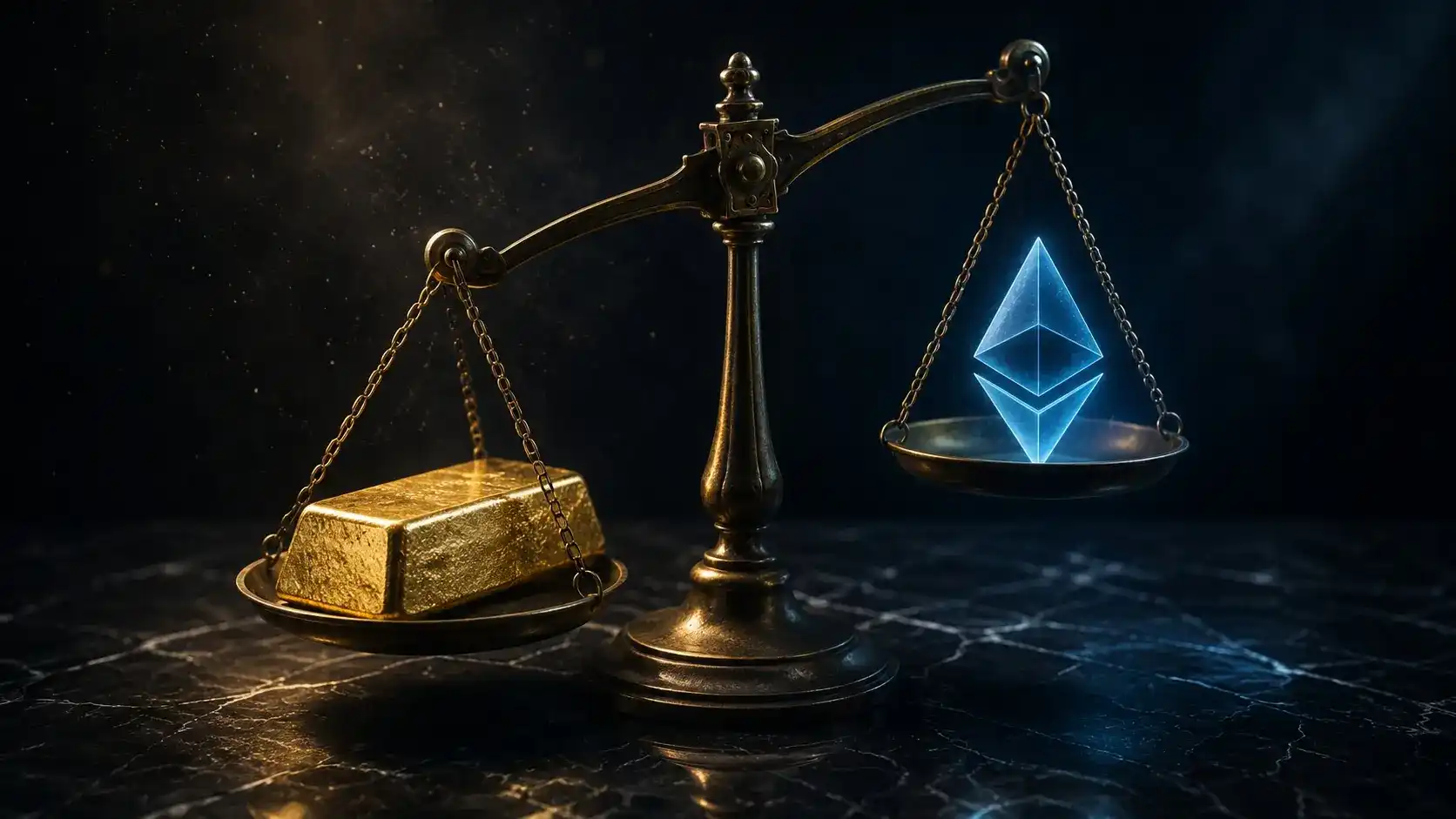
Gold, Fiat, or Bitcoin: Which Will Dominate Global Finance in 10 Years?

marsbitPublicado a 2026-05-28Actualizado a 2026-05-28

Resumen

In an increasingly multipolar world moving away from the post-1991 unipolar era dominated by the US dollar, the global monetary system is shifting towards multipolarity. Gold remains a key non-sovereign store of value due to its size, liquidity, and immunity from devaluation or seizure. Diversification into multiple fiat currencies is a practical but inefficient option. Bitcoin presents a novel, decentralized, and fast-settling digital ledger, though its widespread adoption faces challenges of security, network effects, and volatility. Its success depends on whether individuals value financial sovereignty enough to overcome adoption barriers. By 2036, gold and major fiat currencies will likely remain significant, but Bitcoin has the potential to rival their scale if it maintains security and gains broader acceptance for its unique attributes of self-custody and permissionless transactions.

Written by: Lyn Alden

Compiled by: AididiaoJP, Foresight News

As I write this article in 2026, the world is increasingly moving towards multipolarity, a trend I expect to continue over the next decade until 2036.

In fact, this recent unipolar era is the rare historical anomaly. From the end of World War II in 1945, especially after the dissolution of the Soviet Union in 1991, the United States has existed as the sole global superpower. Telecommunications and industry connected the entire world for the first time, enabling truly global influence.

Before this, multipolarity was the norm. Even at the height of the Roman Empire nearly two thousand years ago, there were other powerful regions in the world, including the Han Dynasty and other Asian kingdoms and empires. That was an era of distance and difficulty, where great powers could coexist but interaction was limited.

The multipolarity of power is also reflected in the multipolarity of currency. For millennia, gold, silver, and secondary commodities have been money. No single sovereign ledger was large enough to serve the entire world, so only a natural, decentralized ledger could suffice.

But in the era of telecommunications, as commerce and money began to move at the speed of light in the late 19th and early 20th centuries, even gold became insufficient. The US dollar became the primary currency for cross-border lending and contract pricing, and US Treasury bonds became the premier reserve asset for central banks. People often mention previous reserve currencies like the British pound or the Dutch guilder, but they were different from the dollar. They were proxies for metal, while gold itself was the true reserve currency of that era. However, in this unipolar superpower era, the freely floating dollar and its bond markets surpassed the known market capitalization of gold to become the largest asset held in sovereign reserves.

Many once believed this unipolar era was the "end of history," although history never ends. China and India gradually regained their economic strength from the lows of colonialism and war—the very events that shaped their destinies in the 19th and 20th centuries. Now, in the early 21st century, China has become the world's largest producer of steel, electricity, and manufactured goods. Meanwhile, the United States suffers deeply from the Triffin Dilemma: to maintain its status as the world's reserve currency, it must supply the world with its currency, achieved through persistent deficits. These deficits, and the resulting industrial hollowing out, ultimately erode trust in that currency.

Today, many among the US ruling class are no longer willing to bear the costs of issuing the reserve currency, though few admit it openly—the imbalances have become too severe. Simultaneously, the rest of the world does not want its assets to be arbitrarily devalued or frozen by Washington, nor does it want its debts to be hardened. No other sovereign entity is both willing and able to shoulder the burden of being the global ledger—it requires immense trust and comes with a heavy cost.

Therefore, we are witnessing a gradual return to currency multipolarity.

Gold is the obvious first choice: it is the only store of value with sufficient scale, liquidity, and divisibility. It is still not fast enough, but countries realize they do not have to go all-in on the dollar as they have in recent decades. They can hold more gold as a larger portion of their savings, substituting for treasury bonds. Gold has its flaws, but it cannot be hacked, unilaterally devalued or frozen, and it is eternal.

The second choice is mundane yet realistic: diversification. In a world with a handful of major economic powers, countries can diversify their fiat exposures. They can hold a basket of currencies and bonds proportionate to the scale of their trade partners and capital providers. This diversifies devaluation and confiscation risks. The problem is network effects: liquidity reinforces itself, and entities dislike having assets and liabilities denominated in different units, so currencies naturally tend towards singularity. A patchwork solution of gold plus two or three major fiat currencies serving as a global ledger is possible, but not ideal.

The third potential choice remains in a relatively early stage: Bitcoin. Nature provides a slow but decentralized ledger. Sovereignty provides a fast but centralized ledger. Bitcoin provides a ledger that is both decentralized and fast. The unipolar superpower world emerged in an era where transaction speed could reach light speed, but final settlement could not keep up. Fast global transactions (i.e., IOUs) could be done simply via Morse code over telegraph, which was simple and low bandwidth; fast global settlement (i.e., irreversible transfer) required higher bandwidth communication and strong cryptography. Now, fast settlement is achievable at scale, reducing reliance on centralized intermediaries to bridge the gap between fast transactions and slow settlement.

The challenges from here on out, however, are two: security and network effects.

Bitcoin's ultimate security has been questioned since its inception. Can its economic incentives keep it permissionless and decentralized forever, or will it gradually succumb to centralized capture? Will its cryptographic assumptions continue to hold? Related to both: despite decentralization, can it be upgraded progressively over time, remaining functional and secure as the underlying world computer infrastructure evolves? At only 17 years old, these questions remain unanswered. But those of us who invest in the asset and participate directly or by funding development believe Bitcoin is our best shot, and so we work to create the reality we hope to see.

Bitcoin's network effects are strong but still limited. These network effects, combined with its simple and robust design, have been enough to keep it the largest cryptocurrency for 17 consecutive years since inception, with no real competitor emerging. Yet, from a broader perspective, it's still a small fish in a big sea. Its direct user base is only in the millions, while the world has billions. Its market cap is in the low trillions, while global assets are around a hundred trillion. As for the dollar, the largest, most liquid currency is used as the unit of account—the dollar globally, and other fiat locally. It's the unit in which salaries are priced, commercial contracts are referenced, and liabilities are fulfilled.

To achieve immense growth, Bitcoin must necessarily be volatile to the upside. Upside volatility is accompanied by mania and leverage, which creates conditions for downside volatility. This adoption volatility will last for decades because it requires gradually eroding the existing network effects of the dollar and other large currencies. This limits Bitcoin's appeal as a unit of account and a vehicle for short-term savings. It exists as an investable asset, a long-term savings tool, and the most unstoppable means of payment and settlement for goods and services denominated in the more stable incumbent currencies. During this adoption phase, Bitcoin's fate rests on the vision of early adopters who plan in multi-decade timeframes. The larger it gets, the more stable it becomes, and the more it can serve as a unit of account and for short-term savings, but getting there is a long journey.

As long as Bitcoin remains robust against security threats and continues to erode the networks of incumbent currencies, it becomes more attractive to individuals, corporations, and sovereigns. By 2036, I believe gold will still be popular because people have a natural affinity for physical, eternal things. I also believe the biggest fiat currencies, troubles and all, will still be widely used: those trains have a long way to go yet. If successful, Bitcoin in 2036 will have a market capitalization larger than any single stock and rival the market sizes of the largest currencies and metals.

Bitcoin's biggest challenge is not governments, not quantum computers, not rogue developers, nor other digital assets. Rather, the biggest challenge, the biggest risk, is us. The people. All the people.

By 2036, war, corruption, and tyranny will still exist. But it's a matter of proportion and quantity. People imagine governments imposing these on us, but in reality, only partly so. In practice, it's people actively asking for them.

There's a perceived balance between freedom and security. War, tyranny, and the centralized ledgers that fuel them arise not just from human evil, but from human fear. When people fear invaders, plagues, technology, and competition for scarce resources, they turn to leaders for protection. As long as they perceive themselves under the umbrella of collective security, and the state's power is directed at others, not themselves, they give up some freedoms. This works for a while, but breeds corruption. Power begets power, and eventually turns inward. When state failures occur, they must be covered up. Critics of the state, whether external or internal, must be silenced. When freedom disappears, the system that promised security ironically becomes the greatest threat to it.

Those who criticize opponents for mass surveillance and bureaucratic overreach often embrace those very tools the moment their own political allies are in power. It's a short-sighted strategy, either relying on staying in power forever or lacking the foresight to know these tools will eventually come back, in more potent forms, in the hands of opponents, to be used against them again.

If by 2036 Bitcoin has not caught on, I think it will be because humanity did not want it, or was not ready for it. Its technology itself is robust; proof-of-work helps keep the network secure. Strict limits on bandwidth and storage help keep the network decentralized. Layers on top help provide scaling and privacy. More work needs to be done, but the foundation is strong, openly available, and already used at scale. When significant challenges arise, the network can upgrade, provided enough consensus is reached.

In this recent bull-bear cycle, Bitcoin further widened the gap with other cryptocurrencies but failed to attract many new users. AI services were adopted by the public much faster, surpassing Bitcoin in adoption because people and businesses could see the direct benefits of AI for them, while Bitcoin's benefits are not clear to many who haven't looked deeply.

There are many alternative stores of value, and volatility is painful. For Bitcoin to truly catch on, it must be because people value financial sovereignty. It must be because hundreds of millions—not the current few million—recognize the importance of self-custodied savings, permissionless payments, and financial privacy. These are precisely the properties Bitcoin uniquely provides at scale.

Before Bitcoin, in this century of fast transactions but lacking fast settlement, governments could control the financial system through back doors. By regulating banks, they could largely surveil and restrict activity, with almost no direct restrictions on any end user. Thus, most people didn't see a direct threat to their financial freedom. With Bitcoin, people can run open-source code, transact without permission, and self-custody liquid savings. If governments feel threatened, they can no longer just impose restrictions on thousands of banks; they must impose them on millions of end users and developers.

The question is, now that the technology has lifted the mask, will enough people resist and push through the friction to move forward, or will they comply and step back without protest?

We now have the tools, but will we use them? That is the main question to be answered by 2036.

Preguntas relacionadas

QWhat are the three potential contenders for the dominant global monetary system by 2036 according to the article, and what are their key advantages?

AAccording to the article, the three potential contenders are 1) Gold: It is a large, liquid, and divisible store of value that cannot be hacked, unilaterally devalued, or frozen. 2) Fiat Currency Diversification: A practical patchwork of holding several major currencies to disperse devaluation and seizure risk. 3) Bitcoin: It offers a decentralized yet fast ledger, enabling permissionless payments, self-custody of savings, and financial privacy at scale.

QWhat does the author identify as the two main challenges facing Bitcoin's widespread adoption?

AThe two main challenges are security and network effects. Security involves questions about whether its economic incentives will keep it permissionless and decentralized long-term and if its cryptographic assumptions will hold. Network effects refer to Bitcoin's current limited user base and market size compared to global assets and dominant currencies like the US dollar, which makes it volatile and less attractive as a unit of account or short-term savings tool during its adoption phase.

QWhat historical shift does the author describe that led to the US dollar becoming the world's reserve currency, and what problem is now undermining that position?

AThe author describes that in the era of telecommunications (late 19th/early 20th century), when commerce and money could move at light speed, even gold became insufficient. The US dollar became the primary currency for cross-border lending and contract pricing. However, its position is now undermined by the Triffin Dilemma: to maintain its reserve status, the US must run persistent deficits, which leads to deindustrialization and ultimately erodes trust in the currency.

QWhat does the author state is the 'biggest challenge' and 'greatest risk' to Bitcoin's success by 2036?

AThe author states that the biggest challenge and greatest risk to Bitcoin is 'ourselves. The people. All of them.' It argues that Bitcoin's adoption depends on whether enough people (hundreds of millions) value financial sovereignty, self-custody, permissionless payments, and privacy enough to overcome friction and potential government restrictions. If Bitcoin fails to become popular, it will be because humanity did not want it or was not ready for it.

QHow does the author contrast the adoption of AI services with the adoption of Bitcoin in the recent market cycle?

AThe author notes that in the recent bull-bear cycle, AI services were adopted by the public much faster than Bitcoin. The reason given is that people and businesses can see the direct benefits of AI for them, whereas the benefits of Bitcoin are not clear to many who have not studied it in depth.

Lecturas Relacionadas

Iran and the Fed -- Three Scenarios That Will Impact Global Markets Next

"Three Scenarios for Iran and the Fed Shaping Global Markets" Iranian geopolitics and the Fed's monetary policy path are two dominant themes for markets. Deutsche Bank Research outlines three scenarios linking Iran ceasefire outcomes to Fed policy, with oil prices as the key transmission channel. **Scenario 1: Peace Deal.** A breakthrough leading to the Strait of Hormuz reopening would ease near-term Fed tightening pressure. Recent inflation would be viewed as a temporary energy shock. However, medium-term risks remain; rate hikes could resurface in 2027 if inflation persists. **Scenario 2: Stalemate.** A breakdown in talks and a prolonged Strait closure, but no major escalation, is deemed the scenario with the *highest* Fed hike risk. Sustained high oil prices would feed into core inflation and threaten inflation expectations, while not severely damaging demand enough to give the Fed a reason to pause. This environment could necessitate multiple Fed rate hikes in 2026. **Scenario 3: Conflict Escalation.** Renewed conflict and sharply higher oil prices create a two-way risk for Fed policy. On one hand, it would risk severe inflation expectations de-anchoring, forcing a hawkish response. On the other, extreme oil prices could severely damage demand and the labor market, potentially shifting the Fed's focus toward easing. The ultimate policy decision would depend on which risk materializes first. Overall, Deutsche Bank's framework emphasizes that the path for oil prices, dictated by Iran, will define the nature of inflation pressures and ultimately determine the Fed's policy space. Key signals to watch include ceasefire progress, whether Brent crude stabilizes below $100, and any shift in Fed officials' rhetoric from discussing cuts to potential hikes.

marsbitHace 5 min(s)

Iran and the Fed -- Three Scenarios That Will Impact Global Markets Next

marsbitHace 5 min(s)

Hash Global Founder: Why I Also Choose to Liquidate All My ETH Holdings?

Hash Global founder explains his decision to sell all ETH holdings, despite recognizing the potential regulatory clarity from the US CLARITY Act as a positive development. He argues against the narrative that such clarity would automatically grant ETH a "monetary premium" comparable to Bitcoin or gold. The core of his critique is that market valuation for ETH remains tied to fundamental network metrics—like mainnet revenue, DeFi activity, staking yield, and competition—rather than a pure store-of-value narrative. He contends that legal classification solves compliance issues for institutions but does not inherently create the deep, historical consensus required for monetary status. Furthermore, Ethereum's complexity and role as a multi-functional infrastructure asset (gas, collateral, settlement layer) work against the simple narrative needed for such a premium. Looking forward, he suggests that the rise of DeFi and tokenized real-world assets (RWA) will mean ETH is not the only yield-bearing asset; tokenized gold, treasuries, and others will also offer programmable yield. Thus, ETH's "yielding" advantage diminishes. He believes monetary premium will likely remain with Bitcoin, physical gold, and potentially tokenized gold, while ETH's value is more accurately framed as a crucial infrastructure asset. Ultimately, he views CLARITY's benefit as reducing a "regulatory discount" on ETH, not unlocking trillions in monetary re-rating. ETH's long-term value is significant but stems from its network effects, developer ecosystem, and role in on-chain finance—not from being a direct substitute for gold.

marsbitHace 7 min(s)

Hash Global Founder: Why I Also Choose to Liquidate All My ETH Holdings?

marsbitHace 7 min(s)

Elon Musk's 'Granny Drain'

Title: Musk "Milking the Old Folks" Author: Nancy, PANews As the memory sector surges with Micron and SK Hynix each surpassing a trillion-dollar market cap, Elon Musk is accelerating his own myth of becoming the world's first trillionaire. SpaceX, with its astronomical valuation, is speeding toward the capital markets. This potentially wealth-history-rewriting super IPO is pushing Musk toward that unprecedented personal fortune and delivering hundredfold or even thousandfold returns to early backers like Google, Valor Equity Partners, Founders Fund, and others. However, to sustain this most expensive space narrative in human history, new buyers are ultimately needed. As massive pension funds are set to be "forced to buy," the retirement savings of Americans are becoming the fuel for Musk's space dreams. Wall Street has begun paving a fast track for such super IPOs. Major indices like Nasdaq and S&P have recently eased rules, allowing mega-companies like SpaceX to be incorporated into key benchmarks like the Nasdaq 100 much faster post-listing. This matters because a vast portion of the U.S. retirement system—trillions in 401(k)s and pension funds—relies on passive index investing. Once a company enters a major index, all funds tracking it are compelled to buy its shares automatically, regardless of valuation, profitability, or risk. This has sparked significant backlash. Teacher unions and major public pension funds (collectively managing trillions) have warned the SEC and written to Musk, opposing SpaceX's extreme governance structure where Musk holds 85% voting control. They argue workers' lifelong savings could be tied to a company resembling a Musk family office more than a transparent public entity. In essence, after early investors reap immense rewards, the potential "bag-holding" cost is being transferred onto passive investors—the ordinary American retirees—through the mechanism of index inclusion.

marsbitHace 11 min(s)

Elon Musk's 'Granny Drain'

marsbitHace 11 min(s)

This Xiaohongshu Graphic Layout AI Skill Has Found a Route to Bypass AI Labeling for Graphic Generation

A new open-source tool called "guizang-social-card-skill" has emerged, offering a unique workaround for AI content labeling rules on platforms like Xiaohongshu. Instead of using AI models to generate images, it employs AI to make layout decisions, then uses HTML/CSS to render the final graphic. Photographic assets are sourced from libraries like Unsplash. The output is a rasterized browser screenshot, not an "AI-generated image." This approach is a direct response to platform policies. In early 2026, Xiaohongshu mandated labeling for AI-generated synthetic content and deployed audio-visual recognition models to detect AI-generated pixels based on statistical patterns. This tool bypasses those pixel-level detectors by not using diffusion or GAN models for image generation. The tool provides 28 predefined layout templates across two visual styles. Users input a topic, and the AI selects a template, positions text, and integrates elements like maps (using OpenStreetMap). The system prioritizes user-uploaded photos before falling back to stock image searches. The article outlines three divergent technical paths for social media graphic tools: 1) AI models directly generating pixels (highest detection risk), 2) API template engines (risk of anti-spam rules for homogeneity), and 3) this HTML-rendering method. The longevity of this workaround depends on whether platforms broaden their definition of "AI-generated content" to include programmatically rendered, AI-designed graphics. While effective for structured content like travel itineraries, the tool's 28 templates may be too restrictive for creative fields like fashion or beauty. Its future hinges on an ongoing cat-and-mouse game between platform detection models and tool developers, highlighting the tension between "AI-assisted" creativity and "AI-replaced" mass production.

marsbitHace 18 min(s)

This Xiaohongshu Graphic Layout AI Skill Has Found a Route to Bypass AI Labeling for Graphic Generation

marsbitHace 18 min(s)

Trading

Spot
Futuros

Artículos destacados

Qué es BITCOIN

Entendiendo HarryPotterObamaSonic10Inu (ERC-20) y Su Posición en el Espacio Cripto En los últimos años, el mercado de criptomonedas ha sido testigo de un aumento en la popularidad de las monedas meme, capturando el interés no solo de los comerciantes, sino también de aquellos que buscan compromiso comunitario y valor de entretenimiento. Entre estos tokens únicos se encuentra HarryPotterObamaSonic10Inu (ERC-20), un proyecto intrigante que mezcla referencias culturales en el tejido de las criptomonedas. Este artículo profundiza en los aspectos clave de HarryPotterObamaSonic10Inu, explorando sus mecanismos, ethos impulsado por la comunidad y su relación con el paisaje cripto más amplio. ¿Qué es HarryPotterObamaSonic10Inu (ERC-20)? Como su nombre sugiere, HarryPotterObamaSonic10Inu es una moneda meme construida sobre la blockchain de Ethereum, clasificada bajo el estándar ERC-20. A diferencia de las criptomonedas tradicionales que pueden enfatizar la utilidad práctica o el potencial de inversión, este token prospera en el valor de entretenimiento y la fuerza de su comunidad. El proyecto tiene como objetivo fomentar un entorno donde los usuarios comprometidos puedan reunirse, compartir ideas y participar en actividades inspiradas por diversos fenómenos culturales. Una característica notable de HarryPotterObamaSonic10Inu es su cero impuestos en las transacciones. Este atractivo elemento tiene como objetivo incentivar el comercio y la participación comunitaria, sin cargos adicionales que puedan disuadir a los comerciantes de pequeña escala. El suministro total de la moneda está establecido en mil millones de tokens, una cifra que marca su intención de mantener una circulación sustancial dentro de la comunidad. Creador de HarryPotterObamaSonic10Inu (ERC-20) Los orígenes de HarryPotterObamaSonic10Inu están algo envueltos en misterio; los detalles sobre el creador siguen siendo desconocidos. El desarrollo de este token carece de un equipo identificable o de un plan explícito, lo cual no es inusual dentro del sector de monedas meme. En cambio, el proyecto ha surgido de manera orgánica, con su progreso muy dependiente del entusiasmo y la participación de su comunidad. Inversores de HarryPotterObamaSonic10Inu (ERC-20) En cuanto a inversiones externas y respaldo, HarryPotterObamaSonic10Inu también sigue siendo ambiguo. El token no lista ninguna fundación de inversión conocida o apoyo organizacional significativo. En cambio, la savia del proyecto es su comunidad de base, que informa su crecimiento y sostenibilidad a través de la acción colectiva y el compromiso en el espacio cripto. ¿Cómo Funciona HarryPotterObamaSonic10Inu (ERC-20)? Como una moneda meme, HarryPotterObamaSonic10Inu opera principalmente fuera de los marcos tradicionales que a menudo rigen el valor de los activos. Hay varios aspectos distintivos que definen cómo funciona el proyecto: Transacciones Sin Impuestos: Sin tarifas impositivas en las transacciones, los usuarios pueden comprar y vender el token libremente sin preocuparse por costos ocultos. Compromiso Comunitario: El proyecto prospera en la interacción comunitaria, aprovechando plataformas de redes sociales para crear entusiasmo y facilitar la participación. Las discusiones, el intercambio de contenido y el compromiso son elementos cruciales que ayudan a expandir su alcance y fomentar la lealtad entre los seguidores. Sin Utilidad Práctica: Cabe señalar que HarryPotterObamaSonic10Inu no ofrece utilidad concreta dentro del ecosistema financiero. Más bien, se clasifica como un token principalmente para actividades de entretenimiento y comunitarias. Referencia Cultural: El token incorpora astutamente elementos de la cultura popular para atraer interés, conectando con entusiastas de los memes y seguidores de las criptomonedas por igual. HarryPotterObamaSonic10Inu ejemplifica cómo las monedas meme operan de manera diferente a los proyectos de criptomonedas más tradicionales, ingresando al mercado como construcciones sociales innovadoras en lugar de activos utilitarios. Cronología de HarryPotterObamaSonic10Inu (ERC-20) La historia de HarryPotterObamaSonic10Inu está marcada por varios hitos notables: Creación: El token surgió de un meme viral, capturando la imaginación de muchos entusiastas de las criptomonedas. Las fechas específicas de creación no están disponibles, subrayando su ascenso orgánico. Listado en Exchanges: HarryPotterObamaSonic10Inu ha llegado a varios exchanges, permitiendo un acceso y comercio más fácil por parte de la comunidad. Iniciativas de Compromiso Comunitario: Actividades continuas destinadas a mejorar la interacción comunitaria, incluyendo concursos, campañas en redes sociales y generación de contenido por parte de fanáticos y defensores. Planes de Expansión Futuros: La hoja de ruta del proyecto incluye el lanzamiento de una colección de NFT, mercancía y un sitio de comercio electrónico relacionado con sus temas culturales, involucrando aún más a la comunidad e intentando añadir más dimensiones a su ecosistema. Puntos Clave Sobre HarryPotterObamaSonic10Inu (ERC-20) Naturaleza Impulsada por la Comunidad: El proyecto prioriza la participación colectiva y la creatividad, asegurando que la involucración de los usuarios esté a la vanguardia de su desarrollo. Clasificación como Moneda Meme: Representa la epítome de las criptomonedas basadas en el entretenimiento, diferenciándose de los vehículos de inversión tradicionales. Sin Afiliación Directa con Bitcoin: A pesar de la similitud en el nombre del ticker, HarryPotterObamaSonic10Inu es distinto y no tiene relación con Bitcoin u otras criptomonedas establecidas. Enfoque en la Colaboración: HarryPotterObamaSonic10Inu está diseñado para crear un espacio para la colaboración y el intercambio de historias entre sus poseedores, proporcionando una vía para la creatividad y el vínculo comunitario. Perspectivas Futuras: La ambición de expandirse más allá de su premisa inicial hacia NFTs y mercancías describe un camino para que el proyecto potencialmente ingrese a avenidas más tradicionales dentro de la cultura digital. A medida que las monedas meme continúan capturando la imaginación de la comunidad de criptomonedas, HarryPotterObamaSonic10Inu (ERC-20) se destaca debido a sus lazos culturales y su enfoque centrado en la comunidad. Si bien puede no encajar en el molde típico de un token impulsado por la utilidad, su esencia radica en la alegría y la camaradería fomentadas entre sus seguidores, destacando la naturaleza en evolución de las criptomonedas en una era cada vez más digital. A medida que el proyecto continúa desarrollándose, será importante observar cómo las dinámicas comunitarias influyen en su trayectoria en el cambiante paisaje de la tecnología blockchain.

1.5k Vistas totalesPublicado en 2024.04.01Actualizado en 2024.12.03

Qué es BITCOIN

Cómo comprar BTC

¡Bienvenido a HTX.com! Hemos hecho que comprar Bitcoin (BTC) sea simple y conveniente. Sigue nuestra guía paso a paso para iniciar tu viaje de criptos.Paso 1: crea tu cuenta HTXUtiliza tu correo electrónico o número de teléfono para registrarte y obtener una cuenta gratuita en HTX. Experimenta un proceso de registro sin complicaciones y desbloquea todas las funciones.Obtener mi cuentaPaso 2: ve a Comprar cripto y elige tu método de pagoTarjeta de crédito/débito: usa tu Visa o Mastercard para comprar Bitcoin (BTC) al instante.Saldo: utiliza fondos del saldo de tu cuenta HTX para tradear sin problemas.Terceros: hemos agregado métodos de pago populares como Google Pay y Apple Pay para mejorar la comodidad.P2P: tradear directamente con otros usuarios en HTX.Over-the-Counter (OTC): ofrecemos servicios personalizados y tipos de cambio competitivos para los traders.Paso 3: guarda tu Bitcoin (BTC)Después de comprar tu Bitcoin (BTC), guárdalo en tu cuenta HTX. Alternativamente, puedes enviarlo a otro lugar mediante transferencia blockchain o utilizarlo para tradear otras criptomonedas.Paso 4: tradear Bitcoin (BTC)Tradear fácilmente con Bitcoin (BTC) en HTX's mercado spot. Simplemente accede a tu cuenta, selecciona tu par de trading, ejecuta tus trades y monitorea en tiempo real. Ofrecemos una experiencia fácil de usar tanto para principiantes como para traders experimentados.

4.9k Vistas totalesPublicado en 2024.12.12Actualizado en 2025.03.21

Cómo comprar BTC

Qué es $BITCOIN

ORO DIGITAL ($BITCOIN): Un Análisis Integral Introducción al ORO DIGITAL ($BITCOIN) ORO DIGITAL ($BITCOIN) es un proyecto basado en blockchain que opera en la red Solana, cuyo objetivo es combinar las características de los metales preciosos tradicionales con la innovación de las tecnologías descentralizadas. Aunque comparte un nombre con Bitcoin, a menudo referido como “oro digital” debido a su percepción como un refugio de valor, ORO DIGITAL es un token separado diseñado para crear un ecosistema único dentro del paisaje Web3. Su meta es posicionarse como un activo digital alternativo viable, aunque los detalles sobre sus aplicaciones y funcionalidades aún están en desarrollo. ¿Qué es ORO DIGITAL ($BITCOIN)? ORO DIGITAL ($BITCOIN) es un token de criptomoneda diseñado explícitamente para su uso en la blockchain de Solana. A diferencia de Bitcoin, que proporciona un papel de almacenamiento de valor ampliamente reconocido, este token parece centrarse en aplicaciones y características más amplias. Aspectos notables incluyen: Infraestructura Blockchain: El token está construido sobre la blockchain de Solana, conocida por su capacidad para manejar transacciones de alta velocidad y bajo costo. Dinámicas de Suministro: ORO DIGITAL tiene un suministro máximo limitado a 100 cuatrillones de tokens (100P $BITCOIN), aunque los detalles sobre su suministro circulante no se han divulgado actualmente. Utilidad: Si bien las funcionalidades precisas no están delineadas explícitamente, hay indicios de que el token podría ser utilizado para diversas aplicaciones, potencialmente involucrando aplicaciones descentralizadas (dApps) o estrategias de tokenización de activos. ¿Quién es el Creador de ORO DIGITAL ($BITCOIN)? En la actualidad, la identidad de los creadores y el equipo de desarrollo detrás de ORO DIGITAL ($BITCOIN) sigue siendo desconocida. Esta situación es típica entre muchos proyectos innovadores dentro del espacio blockchain, particularmente aquellos alineados con las finanzas descentralizadas y fenómenos de monedas meme. Si bien tal anonimato puede fomentar una cultura impulsada por la comunidad, intensifica las preocupaciones sobre la gobernanza y la responsabilidad. ¿Quiénes son los Inversores de ORO DIGITAL ($BITCOIN)? La información disponible indica que ORO DIGITAL ($BITCOIN) no tiene patrocinadores institucionales conocidos ni inversiones destacadas de capital de riesgo. El proyecto parece operar en un modelo de peer-to-peer centrado en el apoyo y la adopción de la comunidad en lugar de rutas de financiamiento tradicionales. Su actividad y liquidez se sitúan principalmente en intercambios descentralizados (DEX), como PumpSwap, en lugar de plataformas de trading centralizadas establecidas, lo que resalta aún más su enfoque de base. Cómo Funciona ORO DIGITAL ($BITCOIN) Los mecanismos operativos de ORO DIGITAL ($BITCOIN) pueden elaborarse en función de su diseño blockchain y atributos de red: Mecanismo de Consenso: Al aprovechar el único proof-of-history (PoH) de Solana combinado con un modelo de proof-of-stake (PoS), el proyecto asegura una validación de transacciones eficiente que contribuye al alto rendimiento de la red. Tokenómica: Si bien los mecanismos deflacionarios específicos no se han detallado extensamente, el vasto suministro máximo de tokens implica que podría atender microtransacciones o casos de uso nicho que aún están por definirse. Interoperabilidad: Existe el potencial de integración con el ecosistema más amplio de Solana, incluyendo varias plataformas de finanzas descentralizadas (DeFi). Sin embargo, los detalles sobre integraciones específicas permanecen no especificados. Cronología de Eventos Clave Aquí hay una cronología que destaca hitos significativos relacionados con ORO DIGITAL ($BITCOIN): 2023: El despliegue inicial del token ocurre en la blockchain de Solana, marcado por su dirección de contrato. 2024: ORO DIGITAL gana visibilidad al estar disponible para trading en intercambios descentralizados como PumpSwap, permitiendo a los usuarios comerciar contra SOL. 2025: El proyecto presencia actividad de trading esporádica y potencial interés en compromisos liderados por la comunidad, aunque no se han documentado asociaciones notables o avances técnicos hasta el momento. Análisis Crítico Fortalezas Escalabilidad: La infraestructura subyacente de Solana soporta altos volúmenes de transacciones, lo que podría mejorar la utilidad de $BITCOIN en varios escenarios de transacción. Accesibilidad: El potencial bajo precio de trading por token podría atraer a inversores minoristas, facilitando una participación más amplia debido a oportunidades de propiedad fraccionada. Riesgos Falta de Transparencia: La ausencia de patrocinadores, desarrolladores o un proceso de auditoría conocidos públicamente puede generar escepticismo sobre la sostenibilidad y confiabilidad del proyecto. Volatilidad del Mercado: La actividad de trading depende en gran medida del comportamiento especulativo, lo que puede resultar en una volatilidad de precios significativa y en incertidumbre para los inversores. Conclusión ORO DIGITAL ($BITCOIN) surge como un proyecto intrigante pero ambiguo dentro del ecosistema de Solana en rápida evolución. Si bien intenta aprovechar la narrativa del “oro digital”, su alejamiento del papel establecido de Bitcoin como refugio de valor subraya la necesidad de una diferenciación más clara de su utilidad y estructura de gobernanza previstas. La aceptación y adopción futura dependerán probablemente de abordar la actual opacidad y de definir sus estrategias operativas y económicas de manera más explícita. Nota: Este informe abarca información sintetizada disponible hasta octubre de 2023, y pueden haber ocurrido desarrollos más allá del período de investigación.

83 Vistas totalesPublicado en 2025.05.13Actualizado en 2025.05.13

Qué es $BITCOIN

Discusiones

Bienvenido a la comunidad de HTX. Aquí puedes mantenerte informado sobre los últimos desarrollos de la plataforma y acceder a análisis profesionales del mercado. A continuación se presentan las opiniones de los usuarios sobre el precio de BTC (BTC).

活动图片