David Schwartz Says XRP Ledger Front-Running Risk Is Real But Overstated

bitcoinistPublicado a 2026-06-30Actualizado a 2026-06-30

Resumen

David Schwartz, former CTO of Ripple, acknowledges that the XRP Ledger (XRPL) is exposed to sandwich attacks, but views the risk as real yet overstated. A sandwich attack occurs when an attacker exploits transaction ordering, placing trades before and after a victim's transaction to profit from the resulting price movement, leaving the victim with a worse execution price. Schwartz frames this as part of a broader debate about trade-offs in decentralized trading systems, balancing openness and user protection. He argues the issue is not an existential flaw for XRPL but highlights its importance for network credibility as on-chain trading activity grows. The key for XRPL is to ensure users have confidence in fair execution, which involves understanding, mitigating, and clearly explaining such risks rather than dismissing user concerns. Ultimately, this debate underscores that execution quality and protection against predatory trading are becoming critical components of user trust and network adoption.

Ripple former CTO David Schwartz has addressed concerns that the XRP Ledger may expose users to sandwich attacks, saying the risk is real but overstated.

That is a careful position, and it is probably the right way to frame the issue. Front-running and sandwich attacks are not imaginary. They are a familiar problem across decentralized markets, especially when traders interact with liquidity pools and transaction ordering can be exploited. But the existence of a risk does not automatically mean every user is constantly exposed or that the network is broken.

For XRP Ledger users, the important point is that market-structure questions are becoming more serious. As more trading activity moves on-chain, the details of execution quality matter. Users care about whether they get fair fills, whether bots can exploit their trades, and whether network design makes abuse easier or harder.

What A Sandwich Attack Actually Means

A sandwich attack usually happens when a trader’s transaction is spotted before confirmation. An attacker places one transaction before it and another after it, profiting from the price movement created by the victim’s trade.

In plain English, the user gets squeezed. They may still complete the trade, but at a worse price than expected.

This is why the debate matters beyond XRP. It is about whether decentralized trading systems can protect users while still remaining open and permissionless. Every chain and DEX design makes trade-offs. Some prioritize speed. Some prioritize transparency. Some prioritize low fees. But when transactions are visible and markets are liquid enough, sophisticated actors will look for an edge.

Schwartz’s point that the risk is overstated suggests he does not see the issue as an existential flaw for XRPL. Still, acknowledging that the risk exists is important because it keeps the conversation grounded.

Why This Matters For XRP

For XRP, this is less about immediate price and more about network credibility.

If XRPL wants to support serious trading and settlement activity, users need confidence that execution is not easily gamed. That does not mean the network has to eliminate every possible attack vector. No public blockchain can promise that. But it does mean risks should be understood, mitigated, and explained clearly.

The fact that Schwartz is engaging with the issue is useful. Crypto networks often lose trust when developers dismiss user concerns too quickly. A better approach is to separate real risks from exaggerated claims and then discuss practical fixes.

For XRP holders, the takeaway is measured. The sandwich attack debate is not proof that XRPL is unsafe. It is a reminder that as on-chain markets mature, the quality of execution and protection against predatory trading will become part of the adoption story.

In other words, this is not just a technical argument. It is a user-trust issue.

This article was written by the News Desk and edited by Samuel Rae.

This report is based on information released by Beincrypto. at Beincrypto

Criptos en tendencia

Preguntas relacionadas

QAccording to David Schwartz, what is the nature of the front-running risk on the XRP Ledger?

ADavid Schwartz says the risk of front-running and sandwich attacks on the XRP Ledger is real but overstated.

QWhat is a sandwich attack in the context of decentralized trading?

AA sandwich attack occurs when an attacker spots a trader's transaction before confirmation, places one transaction before it and another after it, profiting from the price movement created by the victim's trade, resulting in the victim getting a worse price.

QWhy does the article state that the sandwich attack debate matters beyond just the XRP Ledger?

AThe debate matters beyond XRP because it is about whether decentralized trading systems can protect users while remaining open and permissionless, as every chain and DEX design makes trade-offs between speed, transparency, low fees, and security.

QFor XRP, what is the primary significance of the discussion about sandwich attacks, according to the article?

AFor XRP, the significance is less about immediate price and more about network credibility. If the XRP Ledger wants to support serious trading, users need confidence that execution is not easily gamed.

QWhat is the suggested takeaway for XRP holders regarding the sandwich attack debate?

AThe takeaway for XRP holders is measured. The debate is not proof that the XRP Ledger is unsafe, but a reminder that as on-chain markets mature, execution quality and protection against predatory trading will become part of the adoption story, making it a user-trust issue.

Lecturas Relacionadas

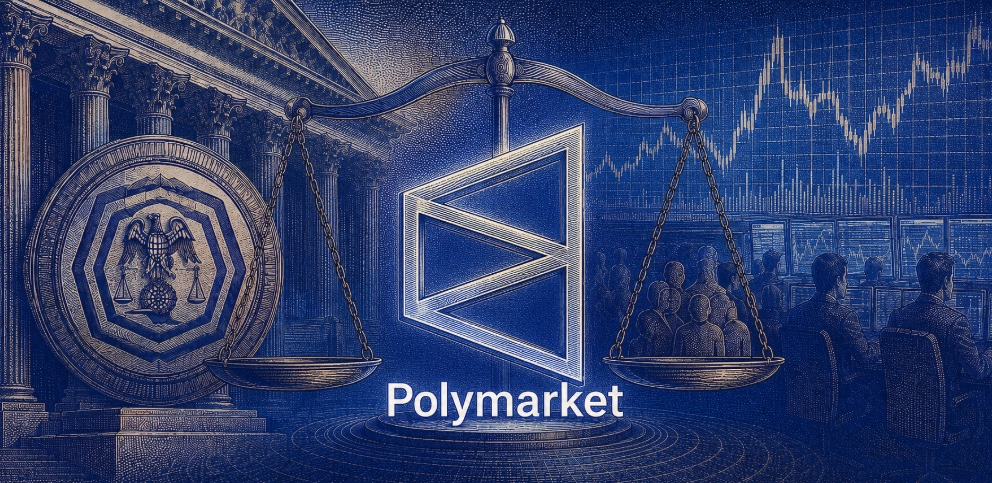
Faked Trades, Clone Websites, 1105 Videos: Polymarket Under CFTC Scrutiny

The U.S. Commodity Futures Trading Commission (CFTC) has launched a wide-ranging investigation into prediction market platform Polymarket. The probe, triggered by a Wall Street Journal report, focuses on allegations of systematic marketing fraud. The report revealed Polymarket allegedly hired dozens of student content creators to post over 1,100 videos showing fake, profitable trades on cloned websites, without disclosing the paid relationships. These videos, with over 140 million views, were pivotal to user growth. Simultaneously, the National Association of Consumer Advocates (NACA) filed a lawsuit in Washington D.C., accusing Polymarket and its executives of deceptive advertising targeting college students. The suit details off-campus promotions and payments made through the CMO's personal PayPal account to influencers who failed to disclose sponsorships. The investigation places CFTC Chairman Michael Selig in a difficult position, as he has been a vocal advocate for prediction markets and is currently suing multiple states to assert federal jurisdiction over them. This case tests the CFTC's dual role as both promoter and enforcer. This marks Polymarket's second major clash with the CFTC. After a 2022 settlement and U.S. ban, it regained approval to operate in September 2025, secured a $20 billion investment, and saw its valuation soar. The current crisis, compounded by a recent $3.1 million front-end supply chain attack, represents the platform's most severe multi-front challenge since its founding.

Foresight NewsHace 2 min(s)

Faked Trades, Clone Websites, 1105 Videos: Polymarket Under CFTC Scrutiny

Foresight NewsHace 2 min(s)

Real-Life 'Black Mirror' Pumpfun Go: 40 Yuan to Lick a Toilet, $14,000 to Tattoo a Logo on Your Forehead

Pumpfun Go, a bounty task platform launched by the meme coin platform Pump.fun, is facing intense controversy. The platform's slogan "Pay anyone to do anything" has manifested in real-world tasks where participants perform increasingly extreme or demeaning acts for cryptocurrency rewards. These tasks range from licking a gas station toilet floor for roughly $5.63 to getting a permanent "bounty.fun" logo tattooed on one's forehead for $14,000. Other completed challenges include eating live insects and quitting a job on camera. The highest-value active bounty offers approximately $560,000 for climbing Mount Everest and placing a bet on a specified platform. While some tasks involve promoting meme coins or community events, the platform has drawn widespread criticism for incentivizing the exploitation of economic desperation. Participants, often citing "we need money" as their motivation, complete these tasks for sums that can far exceed their regular income. Critics, including New York Governor Kathy Hochul, have condemned Pumpfun Go as a dystopian system that commodifies human dignity and preys on the vulnerable. Supporters argue it provides a novel income opportunity for those in need. The debate highlights deeper societal issues around power, inequality, and the historical human fascination with spectacles of humiliation. The platform's existence raises questions about the ethical limits of anonymous online markets and the persistent reality where financial need forces individuals to trade their dignity for survival.

Odaily星球日报Hace 8 min(s)

Real-Life 'Black Mirror' Pumpfun Go: 40 Yuan to Lick a Toilet, $14,000 to Tattoo a Logo on Your Forehead

Odaily星球日报Hace 8 min(s)

The Strategy That Would Never Sell Bitcoin Opened a Permanent Sales Channel

MicroStrategy, a company long known for its "never sell Bitcoin" mantra, announced a "Digital Credit Capital Framework" allowing it to sell up to $1.25 billion worth of Bitcoin. Surprisingly, its stock (MSTR) rose nearly 7% pre-market. This shift, coming just a month after a small, "ad-hoc" sale of 32 BTC for dividends, transitions from a temporary action to a formal, institutional tool. The framework outlines four clear purposes for potential sales: bolstering USD reserves, paying preferred stock dividends/interest, and repurchasing its own preferred and common stock. The key driver for this change is the immense financial pressure from MicroStrategy's complex capital structure, specifically its massive $8.5 billion perpetual preferred stock (STRC). STRC features a variable interest rate that has been reset upward eight times in a year to 12% in an attempt to stabilize its price. However, the stock has fallen over 25% below its face value. Combined with other preferred stocks and convertible notes, MicroStrategy's total annual fixed obligations now stand at $1.76 billion, equating to a daily burn of roughly $4.8 million. While its $2.55 billion in USD reserves and the new $1.25 billion BTC sales framework provide a two-year+ runway, a dangerous feedback loop exists. Falling Bitcoin prices would force the sale of more BTC to meet fixed obligations, potentially creating further sell-side pressure and lowering MSTR's asset valuation multiple. This, in turn, limits its ability to raise cash through stock issuance. The market's positive reaction likely stems from relief; the framework replaces fears of a forced, disorderly sell-off with a structured plan. However, it does not resolve the underlying high-cost capital structure, leaving the company's long-term health heavily dependent on Bitcoin's price performance.

marsbitHace 42 min(s)

The Strategy That Would Never Sell Bitcoin Opened a Permanent Sales Channel

marsbitHace 42 min(s)

Trading

Spot

Artículos destacados

Qué es XRP 2.0

XRP 2.0: Una Nueva Frontera en el Panorama de las Criptomonedas Introducción a XRP 2.0 En el siempre cambiante ámbito de las criptomonedas, nuevos proyectos surgen continuamente, compitiendo por atención y adopción. Una de estas iniciativas prometedoras es XRP 2.0, un nuevo proyecto de criptomoneda diseñado para aprovechar la tecnología blockchain avanzada y metodologías de encriptación robustas. Aunque el nombre establece paralelismos con el XRP de Ripple, es crucial señalar que XRP 2.0 opera de manera independiente, enfocándose en mejorar la seguridad de las transacciones, la privacidad y la escalabilidad. A medida que el panorama financiero digital abraza cada vez más soluciones descentralizadas, XRP 2.0 busca contribuir de manera significativa a web3 y a la expansión general de los proyectos de criptomonedas. ¿Qué es XRP 2.0? En esencia, XRP 2.0 es un proyecto de criptomoneda que busca crear un ecosistema de moneda digital seguro y descentralizado. Su tecnología fundamental integra principios avanzados de blockchain con técnicas de encriptación de vanguardia. El objetivo principal de XRP 2.0 es establecerse como una plataforma confiable y eficiente que permita la ejecución rápida de transacciones mientras prioriza la protección de la privacidad de sus usuarios. El proyecto se promociona como una solución a muchas limitaciones enfrentadas por las criptomonedas existentes, proponiendo un sistema que puede manejar un mayor volumen de transacciones con mejor velocidad y privacidad. Esta versatilidad posiciona a XRP 2.0 como un competidor significativo en un mercado plagado de diversas monedas digitales. ¿Quién es el Creador de XRP 2.0? La identidad del creador detrás de XRP 2.0 ha sido señalada como 'Wilbur.' Sin embargo, los detalles completos sobre Wilbur o su entidad asociada siguen siendo elusivos. La anonimidad de muchos creadores de criptomonedas no es un fenómeno poco común en la industria, a menudo diseñado para mantener un grado de privacidad y seguridad. ¿Quiénes son los Inversores de XRP 2.0? Hasta ahora, la información específica relacionada con las fundaciones o organizaciones de inversión que apoyan a XRP 2.0 no está disponible públicamente. En el sector de las criptomonedas, el respaldo de inversores respetables puede influir significativamente en la credibilidad y el éxito de un proyecto, sin embargo, la transparencia sobre los patrocinadores financieros de XRP 2.0 no se ha establecido. ¿Cómo Funciona XRP 2.0? XRP 2.0 se destaca al emplear una combinación de tecnología blockchain y algoritmos de encriptación avanzados que aseguran transacciones seguras y descentralizadas. Su estructura innovadora incluye características únicas diseñadas para fomentar el compromiso del usuario y ampliar las funcionalidades más allá de las transacciones convencionales de criptomonedas. Entre estas características, XRP 2.0 incorpora capacidades impulsadas por IA, como funcionalidades de texto a imagen y de texto a voz. Estas adiciones están diseñadas para mejorar la experiencia interactiva de los usuarios, promoviendo una mayor aplicabilidad en diversos sectores. Al unir avances tecnológicos con un diseño centrado en el usuario, XRP 2.0 busca captar la atención de una amplia gama de individuos y empresas que buscan integrar soluciones de criptomonedas en sus marcos operativos. Cronología de XRP 2.0 Entender XRP 2.0 requiere examinar los hitos que han definido su viaje hasta ahora: 23 de julio de 2023: Se presenta XRP 2.0 como un nuevo proyecto de criptomonedas, con el objetivo de revolucionar las capacidades de transacciones seguras y descentralizadas en el ámbito de blockchain. 8 de septiembre de 2023: Se lanza otro proyecto, XRP20, marcando la aparición de un token ERC-20 en la blockchain de Ethereum que no guarda relación con XRP 2.0. 13 de noviembre de 2023: El Libro Mayor de XRP experimenta una actualización significativa con el lanzamiento de la versión 2.0.0 del software del servidor rippled. Es esencial señalar que este desarrollo está desconectado del proyecto de criptomonedas XRP 2.0. Puntos Clave sobre XRP 2.0 Para destilar la esencia de XRP 2.0, surgen varios factores críticos: Características Únicas: La inclusión de características como texto a imagen y texto a voz impulsadas por IA diversifica aún más las aplicaciones potenciales de XRP 2.0. Tecnología Blockchain: El marco utiliza mecanismos avanzados de blockchain y protocolos de encriptación, asegurando un entorno seguro y descentralizado para las transacciones. Escalabilidad y Privacidad: XRP 2.0 prioriza la protección mejorada de la privacidad en los procesos de transacción y la escalabilidad necesaria para acomodar una base de usuarios creciente. No Afiliación con Ripple: Es importante destacar que, a pesar de su nombre, XRP 2.0 no tiene ninguna lealtad ni colaboración con el XRP de Ripple, diferenciando su marco operativo y objetivos dentro del ecosistema de criptomonedas. Conclusión XRP 2.0 representa una ambiciosa aventura en la esfera de las criptomonedas, buscando ofrecer una combinación de seguridad, privacidad y eficiencia en las transacciones digitales. Al integrar tecnologías sofisticadas y características amigables para el usuario, el proyecto se propone ampliar los horizontes de lo que la criptomoneda puede lograr en la economía digital de hoy. Si bien la anonimidad de su creador y la falta de inversores revelados pueden generar cuestionamientos para algunos, el enfoque de XRP 2.0 en funcionalidades avanzadas y descentralización realza su atractivo en un mercado de criptomonedas cada vez más abarrotado. A medida que el paisaje de las criptomonedas sigue evolucionando, XRP 2.0 podría emerger como un jugador crucial en la expansión de soluciones blockchain seguras y escalables.

192 Vistas totalesPublicado en 2024.04.05Actualizado en 2024.12.03

Qué es XRP 2.0

Cómo comprar XRP

¡Bienvenido a HTX.com! Hemos hecho que comprar XRP (XRP) sea simple y conveniente. Sigue nuestra guía paso a paso para iniciar tu viaje de criptos.Paso 1: crea tu cuenta HTXUtiliza tu correo electrónico o número de teléfono para registrarte y obtener una cuenta gratuita en HTX. Experimenta un proceso de registro sin complicaciones y desbloquea todas las funciones.Obtener mi cuentaPaso 2: ve a Comprar cripto y elige tu método de pagoTarjeta de crédito/débito: usa tu Visa o Mastercard para comprar XRP (XRP) al instante.Saldo: utiliza fondos del saldo de tu cuenta HTX para tradear sin problemas.Terceros: hemos agregado métodos de pago populares como Google Pay y Apple Pay para mejorar la comodidad.P2P: tradear directamente con otros usuarios en HTX.Over-the-Counter (OTC): ofrecemos servicios personalizados y tipos de cambio competitivos para los traders.Paso 3: guarda tu XRP (XRP)Después de comprar tu XRP (XRP), guárdalo en tu cuenta HTX. Alternativamente, puedes enviarlo a otro lugar mediante transferencia blockchain o utilizarlo para tradear otras criptomonedas.Paso 4: tradear XRP (XRP)Tradear fácilmente con XRP (XRP) en HTX's mercado spot. Simplemente accede a tu cuenta, selecciona tu par de trading, ejecuta tus trades y monitorea en tiempo real. Ofrecemos una experiencia fácil de usar tanto para principiantes como para traders experimentados.

1.4k Vistas totalesPublicado en 2024.12.10Actualizado en 2026.06.02

Cómo comprar XRP

Discusiones

Bienvenido a la comunidad de HTX. Aquí puedes mantenerte informado sobre los últimos desarrollos de la plataforma y acceder a análisis profesionales del mercado. A continuación se presentan las opiniones de los usuarios sobre el precio de XRP (XRP).

活动图片