图解ETHPoS共识机制Gasper:合并后的以太坊是如何工作的?

区块律动Publicado a 2022-10-14Actualizado a 2022-10-14

Resumen

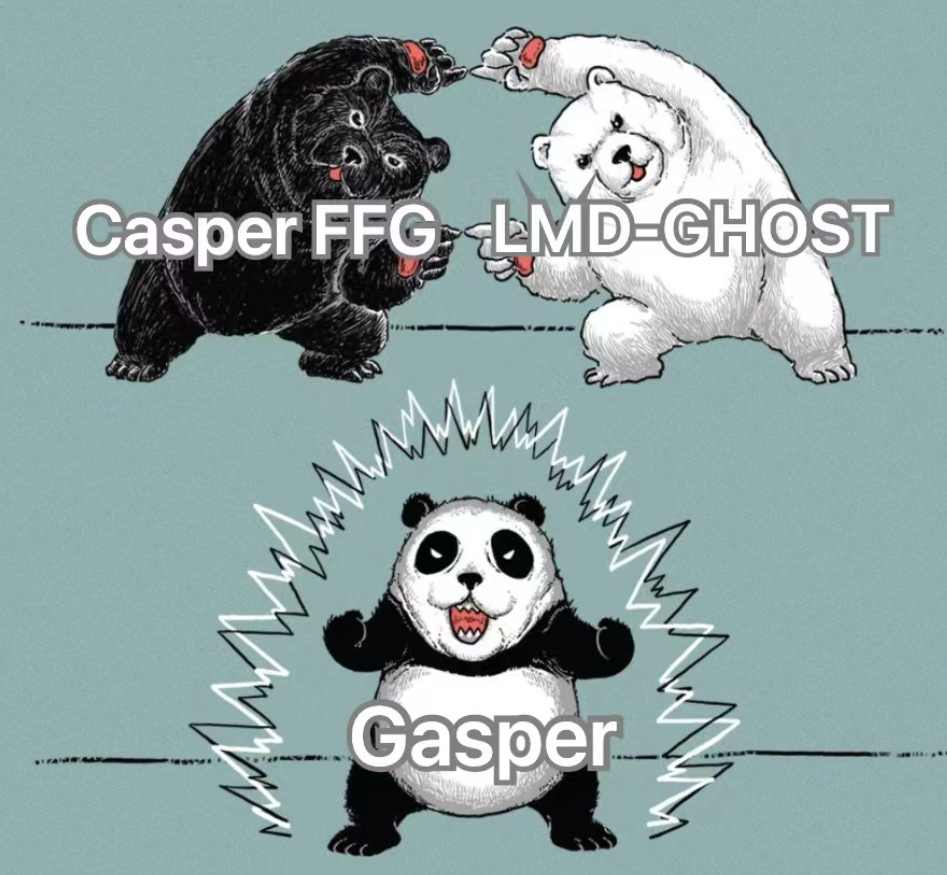
众所周知, PoS 以太坊的共识协议是「Gasper」,它是在 LMD-GHOST( 分叉 选择规则)之上应用 Casper FFG(最终性确定工具)构建的。

众所周知, PoS 以太坊的共识协议是「Gasper」,它是在 LMD-GHOST( 分叉 选择规则)之上应用 Casper FFG(最终性确定工具)构建的。所以要想搞清楚完整的以太坊共识协议,就必须了解这两个部分(Casper + Ghost)。此外,这些设计真的很有趣。我打算梳理一下这两个协议的背景和演进,以及它们简单的工作流程。
PoS 共识算法的三大流派如下:

1.Nakamoto-inspired(Peercoin)

2.PBFT-inspired(Tendermint、Casper FFG)

3.CBC Casper

Nakamoto-inspired PoS 是一种基于链的算法,模拟在 PoW 中挖矿。它通过伪随机选择验证者来创建新区块。其在 2012 年的「Peercoin」论文中首次提出,peercoin 是基于权益证明共识的第一个加密货币。

PBFT-inspired(即 BFT-style)PoS 基于多年对拜占庭容错(尤其是 pBFT)的研究。在 2014 年的「Tendermint」论文中首次提出。一般来说,这些算法会选择一个代表账本规范交易的唯一链。

Casper 直接继承了 BFT 算法(更精确的是 pBFT),做了一些修改。CBC Casper 是由 @VladZamfir 提出的,有一些很好的资料可以更充分地解释它。

V 神的 CBC Casper 教程

VladZamfir 写的 CBC Casper 历史

CBC Casper 介绍视频

虽然以太坊最终选择了 Casper FFG 而不是 CBC Casper,但对 CBC Casper 的研究也很有价值,比如满足以太坊需求的分叉选择规则「LMD-GHOST」。Casper FFG 由 V 神和 Virgil Griffith在 2017 年提出,引入了 justification 和 finalization 的概念,并引入了 slashing conditions 和动态验证者机制,这些都是非常重要的特性。

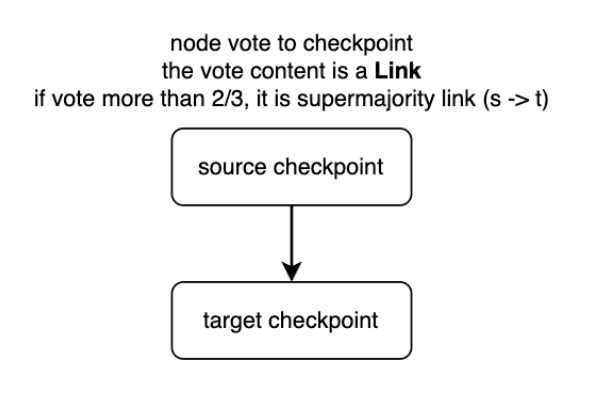
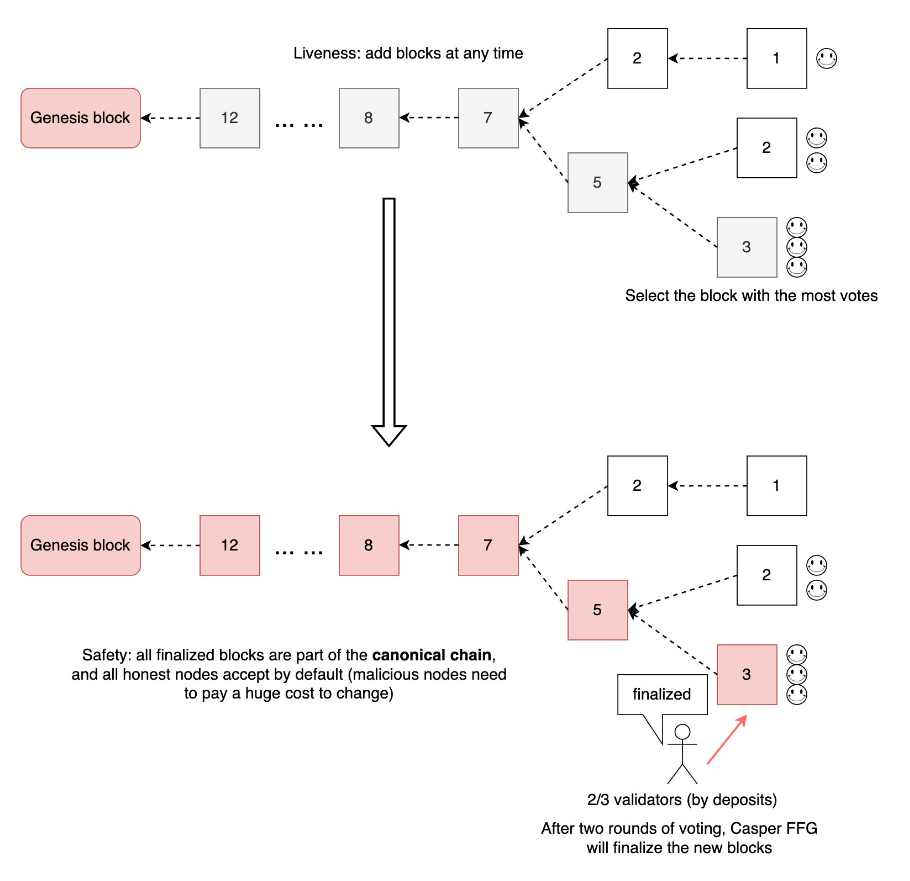
Casper FFG 用于保证「最终性」(也就是安全性),这在 PoW 中是不存在的。简单来说,每个验证者都会对检查点进行投票,经过两轮投票后,检查点将被「最终确定」(第一轮为验证,第二轮为最终确定)。
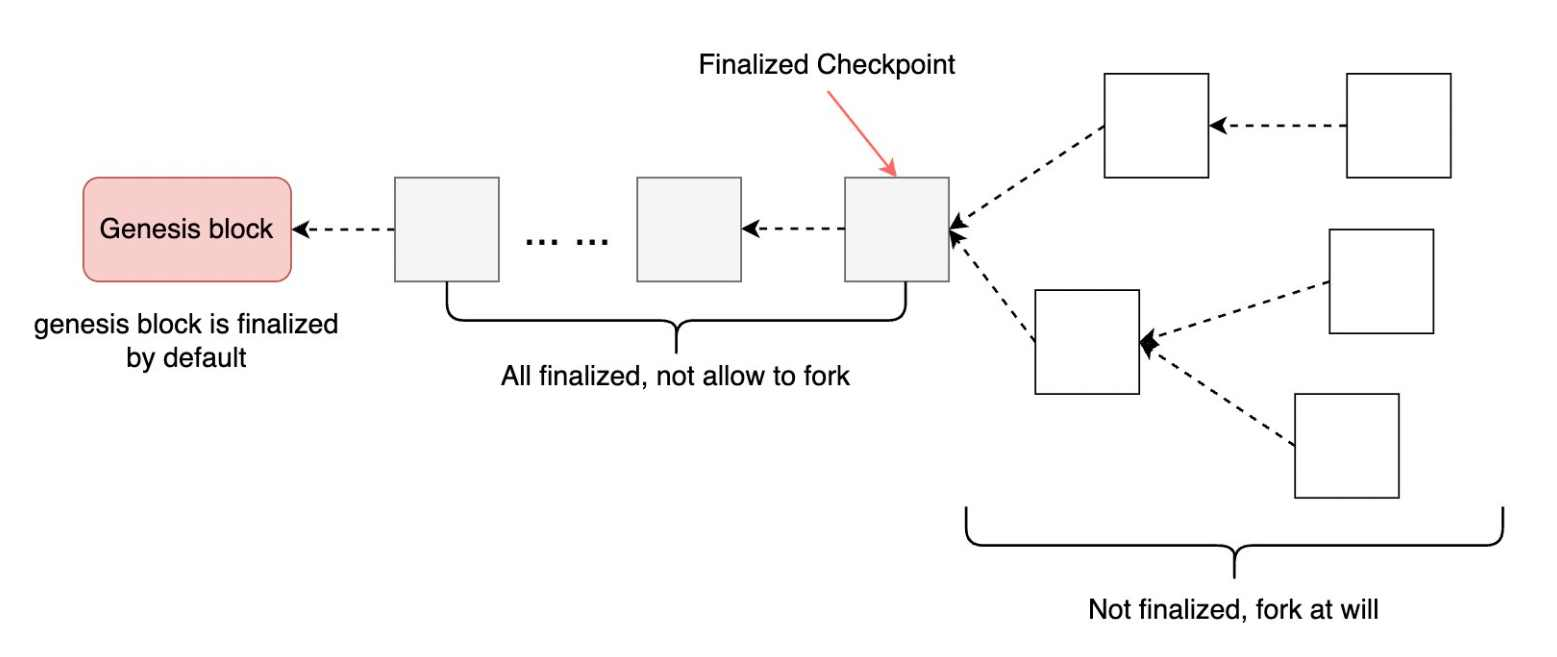
所有最终确定的检查点都成为规范链(区块链历史的一部分),所有忠诚节点都同意他们永远不会逆转这条链。「最终检查点」之后的区块可以随意分叉,但之前的区块不允许分叉。
Casper FFG 除了通过「最终性」来保证区块链安全外,还引入了 slashing 条件来惩罚所有违反规则的验证者(这在传统 BFT 算法中是做不到的),所有违反规则的验证者都将被跟踪和惩罚。

除此之外,Casper FFG 是无需许可的(传统的 BFT 算法是需要许可认证的),pBFT 通过一个列表来维护共识,只有列表中的人才能成为参与者。Casper FFG 构建了动态验证者机制,所有验证者可以自由进出。Casper FFG 用于保证「最终性」和「安全性」,负责确认区块的最终状态,但不负责创建新区块,所以它需要底层区块链和分叉选择规则。

以太坊使用的分叉选择规则是基于 GHOST,该规则最早在2013 年的一篇论文中提出。2017 年,@VladZamfir 在 CBC Casper 工作时,他尝试将 GHOST 与 Casper 结合,产生了一个变种「LMD-GHOST」。

区块链允许分叉,当出现不同的分支时,应该选择哪条链继续添加后续新区块,需要分叉选择规则。PoW 使用的是最长链规则。思路是锻造最长的链需要最多的算力,所以这条链是最可信的。所以当所有矿工添加新区块时,他们会默认在最长的链上添加。
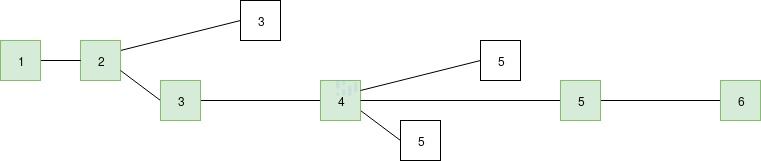
GHOST 的思路与此类似,其选择票数最多的链而不是高度最长的链,LMD-GHOST 做了一些修改,只考虑最近的投票(即所谓的「Least Message Driven」,LMD)。
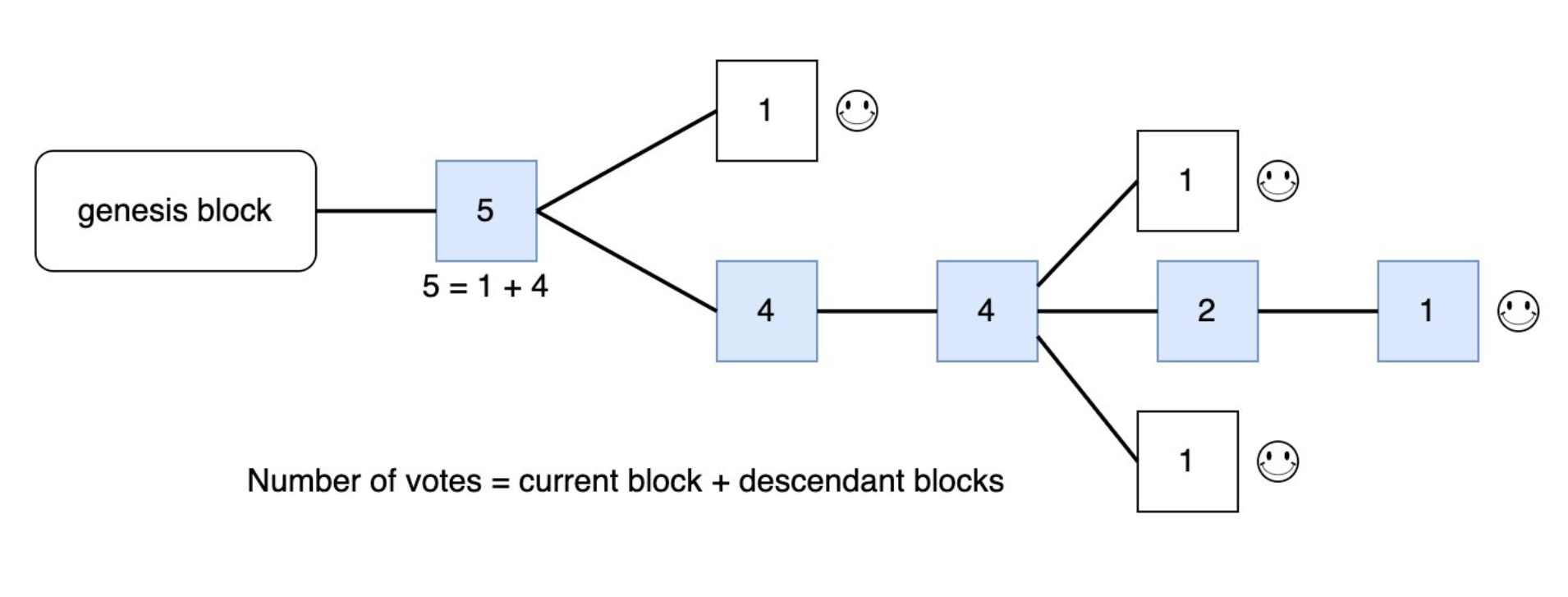
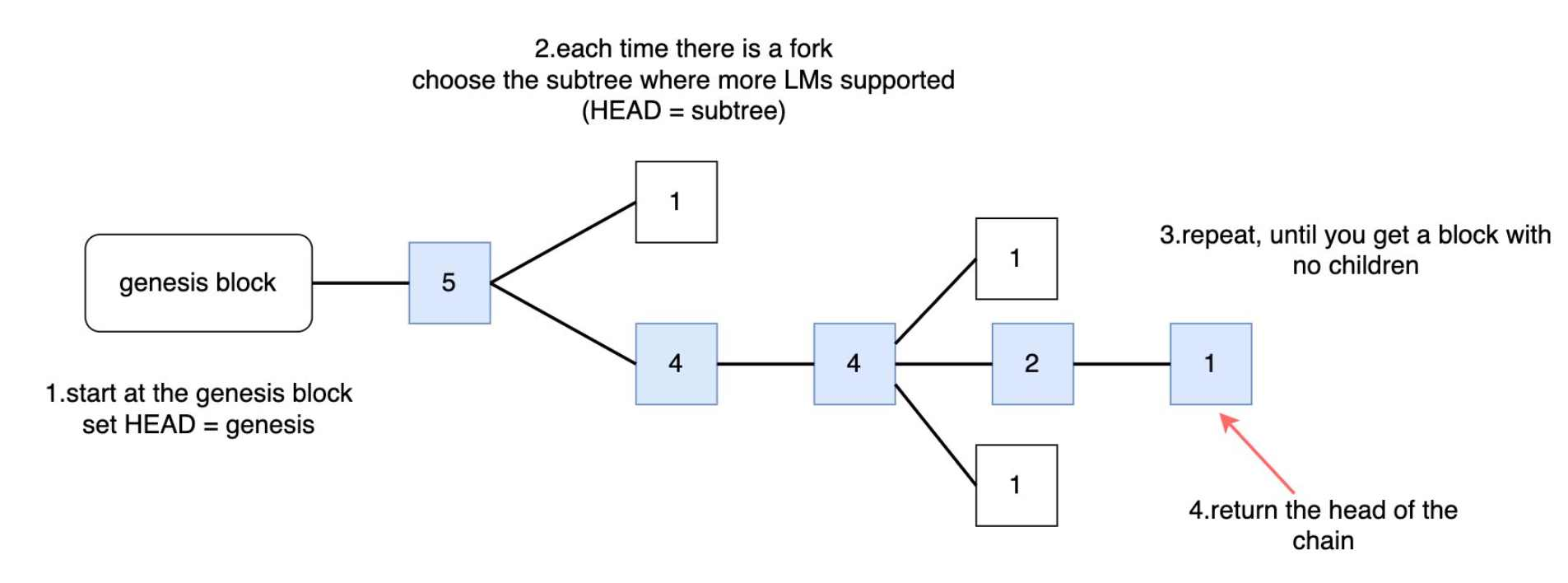
LMD-GHOST 的规则很简单:

- 从创世区块开始;

- 每次有分叉,选择票数多的分支;

- 重复,直至找到 block leaf;

- 返回链的头部;
这是 Casper FFG 和 LMD-GHOST 的演变以及它们如何工作,它们共同保证「安全」+「活性」。LMD-GHOST 允许提议者随时创建新区块,新区块将按照分叉选择规则(即活跃度)添加到权重最大的链上。虽然 Casper FFG 将根据所有验证者的投票(两轮,超过 2/3,按存款)最终确定一个规范链。所有忠诚节点默认接受规范链,从而获得安全。
共识真的很有意思,以太坊对 PoS 的研究始于 2014 年,2022 年完成了合并。这是一条漫长而曲折的道路,过程中诞生了许多奇妙的想法、设计和工程。

Criptos en tendencia

Lecturas Relacionadas

Semiconductor Stock Rebound: Is the Technical Correction Over or a Trend Reversal?

The core of recent semiconductor stock volatility is not about daily price swings, but rather the market questioning whether AI-driven semiconductor pricing has entered a new phase. Following a sharp sell-off in Korean stocks on June 23rd, led by Samsung and SK Hynix, a subsequent rebound is seen more as a technical positioning adjustment rather than a confirmed trend reversal. The key variable is HBM (High Bandwidth Memory), essential for AI chips. Its supply-demand imbalance granted memory makers significant pricing power. The current market focus is on whether this dynamic remains strong enough to justify elevated valuations. All eyes are on Micron's upcoming earnings report. The critical factor is not whether results meet already high expectations, but whether the company's guidance confirms that AI memory pricing power, order visibility, and future margins are still expanding. Micron's outlook will serve as a crucial test for the broader AI semiconductor chain, including Samsung, SK Hynix, and other infrastructure players. The recent bounce appears to be a pre-earnings positioning repair. For it to evolve into a sustained uptrend, concrete evidence is needed that the AI infrastructure expansion cycle's fundamentals—particularly for high-end memory—remain robust and can continue to surpass elevated market expectations. The risk is that strong demand alone may not be sufficient if future guidance hints at peaking momentum or increasing supply-side pressures.

marsbitHace 13 min(s)

Semiconductor Stock Rebound: Is the Technical Correction Over or a Trend Reversal?

marsbitHace 13 min(s)

Global Tech Stocks Plunge: Another Stress Test for the AI Bull Market

Global tech stocks plummeted in a sharp selloff on June 23, with South Korea's KOSPI index crashing nearly 10%, triggering a trading halt. The plunge was led by semiconductor giants Samsung and SK Hynix, dragging down major Asian and US tech indexes and levered ETFs. The immediate trigger was a confluence of three signals within 24 hours: 1) reports that SK Hynix was slowing HBM4 expansion, raising doubts about a key AI chip bottleneck; 2) profit-taking ahead of Micron's earnings report after its massive year-to-date rally; and 3) a warning from Korean regulators about the risks of single-stock leveraged ETFs. The selloff's severity was amplified by Korea's uniquely leveraged market structure: record-high retail margin debt, over $30 billion in volatile single-stock leveraged ETFs requiring daily rebalancing (which creates selling pressure during declines), and the surprising shift of the National Pension Service from a net buyer to a net seller. The event reignited debates about an AI bubble. Analysts differed on timing—some warned of imminent rupture, others saw a temporary liquidity-driven correction—but agreed that sky-high valuations, a shift to retail/leveraged buying, and rising rates created a fragile setup. The parallel steep drop in SpaceX's stock, alongside its massive debt raise for AI infrastructure, underscored a broader market shift from narrative-driven "infinite imagination" to a "return on investment" calculation phase. All eyes are now on Micron's upcoming earnings report, seen as a key test for the AI hardware trade's fundamental logic. A strong report could stabilize markets, while a miss could validate deeper fears. The episode serves as a stark warning: when a bull run becomes dependent on leveraged bets on a single narrative, a violent and rapid correction should not be a surprise. The core question for investors is how much drawdown they are willing to tolerate to stay invested.

marsbitHace 15 min(s)

Global Tech Stocks Plunge: Another Stress Test for the AI Bull Market

marsbitHace 15 min(s)

Ethereum Foundation Cuts 20% of Staff, 54 Depart: The Survival Logic Behind the Restructuring

The Ethereum Foundation (EF) has announced a major restructuring, resulting in the departure of 54 staff members, representing approximately 20% of its workforce. This reorganization is not merely a cost-cutting measure but a strategic refocusing. The EF will now concentrate its resources on what it deems critical and unique tasks, structured around five new operational clusters. The new structure comprises clusters dedicated to: the Protocol Layer (ensuring Ethereum's core properties like censorship resistance and security); the Access Layer (enabling trusted, non-intermediated user interactions); the User Layer (grounding decisions in real user needs and constraints); the Community Layer (representing EF's stance and building alliances); and the Institutional Layer (engaging with enterprises, governments, and academia to promote principled adoption). The foundation stated that the layoffs were a difficult but necessary step to align its organization and spending with its long-term mandate, insulating its core work from short-term market fluctuations. Affected employees were offered a severance package and transition support. The restructured EF emerges as a leaner and more focused organization, poised to prioritize the development and preservation of Ethereum's foundational promise of self-sovereignty. Further details on the new operational model are expected in the coming weeks.

marsbitHace 18 min(s)

Ethereum Foundation Cuts 20% of Staff, 54 Depart: The Survival Logic Behind the Restructuring

marsbitHace 18 min(s)

Talking About Returns But Not Collection? Goldfinch's Liquidation Sounds the Alarm for RWA Credit

Goldfinch, a crypto lending platform connecting investors with real-world borrowers, has proposed a full wind-down via governance proposal GIP-87. The plan would halt all new development, shut down its flagship Goldfinch Prime product, and allocate 150,000 USDC to manage the collection of outstanding loans. While the proposal is under community vote, it highlights a critical shift for the RWA (Real World Asset) lending sector: the transition from a growth phase focused on yields to a difficult recovery phase focused on collections. The proposal reveals that while the protocol's on-chain TVL is low, it still holds tens of millions in active, non-performing loans off-chain. This gap underscores that tokenizing debt makes tracking exposure transparent but does not simplify the offline, labor-intensive, and legally complex process of loan recovery. The case of the Lend East pool, where only an estimated 42% of a $10.15 million loan may be recovered, exemplifies the potential for significant investor losses. The wind-down plan forces token holders to govern not expansion but the maintenance of a debt collection system, including funding legal trust structures and preserving user access for repayments. This move starkly contrasts with the sector's typical narrative of rapid, AI-powered underwriting and high yields, exposing the often-overlooked necessity for robust borrower vetting, standardized disclosure, and sustainable collection mechanisms. Ultimately, Goldfinch's situation serves as a crucial stress test for the entire RWA lending space. It demonstrates that a platform's true resilience is tested not during capital deployment but during the protracted, costly, and uncertain process of recovering defaulted loans from real-world borrowers, a challenge blockchain transparency alone cannot solve.

Foresight NewsHace 23 min(s)

Talking About Returns But Not Collection? Goldfinch's Liquidation Sounds the Alarm for RWA Credit

Foresight NewsHace 23 min(s)

Meta Launches Prediction Market, Code-Named "Arena": Not Using Real Money, 3.56 Billion Daily Active Users Are Its Biggest Bargaining Chip

Meta, under the codename "Arena," is developing a standalone prediction market application, according to a June 23 report by The New York Times. Initially, the app will operate on a points-based system rather than real-money betting, though future integration of financial transactions is not ruled out. Meta plans to leverage its vast ecosystem of apps, boasting 3.56 billion daily active users, to distribute the product. The strategy aims to lower user acquisition costs and navigate regulatory complexities associated with real-money prediction markets, which are overseen by bodies like the CFTC. News of Meta's entry caused stock dips for established players like DraftKings and Robinhood, reflecting market concerns over Meta's potential to disrupt incumbents like Polymarket and Kalshi with its massive scale. The prediction market sector has seen explosive growth, with monthly trading volume on major platforms surging to approximately $24 billion as of April 2026. This marks Meta's second foray into the space, having launched and later shut down a similar virtual-points app called Forecast in 2020. While Arena poses a competitive threat to crypto-based platforms like Polymarket, its mainstream reach could also significantly expand the overall user base and awareness for prediction markets. The project remains in development with no public launch timeline, but its announcement has already impacted market sentiment.

marsbitHace 28 min(s)

Meta Launches Prediction Market, Code-Named "Arena": Not Using Real Money, 3.56 Billion Daily Active Users Are Its Biggest Bargaining Chip

marsbitHace 28 min(s)

Trading

Spot
Futuros

Artículos destacados

Qué es CASPER

Casper de Vitalik: Una Visión General Completa Introducción En el paisaje en constante evolución de la tecnología blockchain, los protocolos de consenso juegan un papel crucial en el mantenimiento de la integridad y seguridad de las redes descentralizadas. Casper de Vitalik, un mecanismo de consenso de prueba de participación (PoS) pionero, está diseñado específicamente para la red de Ethereum. Este proyecto innovador representa un cambio monumental del enfoque actual de prueba de trabajo (PoW) de Ethereum hacia un modelo más eficiente en términos de energía y escalable. A medida que la industria cripto continúa creciendo, entender las sutilezas e implicaciones de Casper se vuelve cada vez más vital para las partes interesadas, desarrolladores y entusiastas por igual. ¿Qué es Casper de Vitalik? Casper de Vitalik sirve como una variante transformadora de los protocolos tradicionales de PoS. El objetivo principal de este proyecto es mejorar la seguridad y escalabilidad general de la red, al tiempo que aborda limitaciones inherentes comúnmente encontradas en sistemas de PoS anteriores. En su esencia, Casper aprovecha un sistema de depósito de seguridad que requiere que los validadores—participantes responsables de confirmar transacciones y crear nuevos bloques—aporten una cierta cantidad de criptomonedas. Este depósito no solo incentiva un buen comportamiento, sino que también establece un mecanismo de penalización para validadores que muestren comportamientos maliciosos. En esencia, Casper busca proporcionar un marco confiable que fortifique el ecosistema de Ethereum contra amenazas y ataques potenciales, al tiempo que apoya la creciente demanda de eficiencia y escalabilidad de la red. ¿Quién es el Creador de Casper de Vitalik? Vitalik Buterin, un visionario en el mundo de la blockchain, es acreditado como el creador de Casper de Vitalik. Buterin cofundó Ethereum en 2015 y ha impulsado continuamente el desarrollo y evolución del proyecto. Su compromiso con la mejora del ecosistema de Ethereum y la atención a sus desafíos culminaron en la introducción de Casper, que busca revolucionar el mecanismo de consenso en la tecnología blockchain. ¿Quiénes son los Inversores de Casper de Vitalik? Si bien la información específica sobre inversores individuales que respaldan Casper de Vitalik no está disponible públicamente, el proyecto cuenta con el apoyo integral de la Fundación Ethereum y de la comunidad más amplia de Ethereum. La fundación juega un papel fundamental en la financiación y promoción de proyectos que mejoran Ethereum, y su apoyo a Casper destaca la importancia de este protocolo para el futuro de la red. Además, varios desarrolladores y partes interesadas dentro del ecosistema de Ethereum contribuyen activamente y abogan por el crecimiento y la implementación continua de Casper. ¿Cómo Funciona Casper de Vitalik? Casper de Vitalik opera a través de un mecanismo sofisticado diseñado para facilitar un consenso más fluido y seguro dentro de la red Ethereum. Las características clave que distinguen a Casper de los protocolos de consenso tradicionales incluyen: Sistema de Depósito de Seguridad Una de las características distintivas de Casper es su requisito de depósito de seguridad para los validadores. Para participar en el proceso de consenso, los validadores deben apostar una cierta cantidad de criptomonedas, asegurando así su compromiso financiero con la red. Este sistema disuade el comportamiento malicioso, ya que cualquier validador sorprendido actuando deshonestamente arriesga perder sus activos apostados. Sistema de Votación Casper incorpora un mecanismo de votación donde los validadores colaboran para finalizar bloques en la blockchain. Cada validador propone y vota sobre bloques, contribuyendo al proceso de toma de decisiones general. Este elemento democrático fomenta un enfoque descentralizado al consenso, mejorando la seguridad y la estabilidad de la red. Sistema de Penalización El sistema de penalización del protocolo sirve como un disuasivo crucial contra el comportamiento poco ético de los validadores. Si un validador actúa maliciosamente o no participa adecuadamente en el proceso de consenso, puede ser penalizado perdiendo una porción—o en algunos casos, la totalidad—de sus activos apostados. Esta medida punitiva refuerza la responsabilidad de los validadores y mantiene la integridad de la red. Consenso Híbrido Al emplear un modelo de consenso híbrido, Casper combina de manera inteligente elementos tanto de PoW como de PoS. Esta estructura única promueve una transición gradual del modelo PoW existente de Ethereum a un sistema PoS completamente desarrollado, permitiendo a la red evolucionar sin comprometer la seguridad durante el cambio. Cronología de Casper de Vitalik El recorrido de Casper de Vitalik ha estado marcado por hitos significativos críticos para su evolución. Aquí hay una breve cronología que destaca eventos clave en su historia: 2017: El marco conceptual de Casper fue articulado por primera vez por Vitalik Buterin como una posible solución a los desafíos de escalabilidad de Ethereum. 2018: La primera iteración de Casper fue lanzada en GitHub, marcando los pasos iniciales hacia la transición de Ethereum a un modelo de PoS. 2020: Se produjo el lanzamiento de la Beacon Chain, una blockchain fundamental para el ecosistema de Ethereum 2.0. Este paso marcó el inicio de una transición en múltiples fases hacia el protocolo Casper. En curso: La transición a Casper sigue siendo un esfuerzo continuo, con una serie de fases desarrolladas para asegurar la implementación efectiva del nuevo mecanismo de consenso. Características Clave de Casper de Vitalik Casper de Vitalik cuenta con varias características distintivas que contribuyen a su viabilidad e innovación dentro del paisaje blockchain, incluyendo: Sistema de Depósito de Seguridad: Los validadores deben apostar un depósito, mejorando su compromiso con la integridad de la red. Sistema de Votación: Un enfoque colaborativo para la finalización de bloques promueve la toma de decisiones descentralizada. Sistema de Penalización: Disuade actividades maliciosas a través de penalizaciones financieras, asegurando la estabilidad y seguridad de la red. Consenso Híbrido: La combinación de elementos de PoW y PoS facilita una transición más lenta hacia PoS sin interrupciones bruscas en la red. Conclusión Casper de Vitalik representa un avance significativo en la evolución continua de Ethereum. Al introducir un mecanismo de consenso seguro y escalable, Casper busca abordar las limitaciones inherentes de los sistemas PoS tradicionales y mejorar la funcionalidad general de la red de Ethereum. El énfasis del proyecto en la seguridad, la responsabilidad y la innovación lo posiciona como un componente crítico del futuro de Ethereum. Entender Casper de Vitalik es esencial no solo para desarrolladores e inversores dentro del espacio cripto, sino también para aquellos interesados en las implicaciones más amplias de la tecnología blockchain. A medida que el ecosistema de Ethereum continúa su viaje transformador hacia la escalabilidad y la eficiencia, Casper se encuentra a la vanguardia de esta revolución, prometiendo redefinir el paisaje del consenso descentralizado en los años venideros.

111 Vistas totalesPublicado en 2024.08.25Actualizado en 2024.12.03

Qué es CASPER

Cómo comprar CSPR

¡Bienvenido a HTX.com! Hemos hecho que comprar Casper (CSPR) sea simple y conveniente. Sigue nuestra guía paso a paso para iniciar tu viaje de criptos.Paso 1: crea tu cuenta HTXUtiliza tu correo electrónico o número de teléfono para registrarte y obtener una cuenta gratuita en HTX. Experimenta un proceso de registro sin complicaciones y desbloquea todas las funciones.Obtener mi cuentaPaso 2: ve a Comprar cripto y elige tu método de pagoTarjeta de crédito/débito: usa tu Visa o Mastercard para comprar Casper (CSPR) al instante.Saldo: utiliza fondos del saldo de tu cuenta HTX para tradear sin problemas.Terceros: hemos agregado métodos de pago populares como Google Pay y Apple Pay para mejorar la comodidad.P2P: tradear directamente con otros usuarios en HTX.Over-the-Counter (OTC): ofrecemos servicios personalizados y tipos de cambio competitivos para los traders.Paso 3: guarda tu Casper (CSPR)Después de comprar tu Casper (CSPR), guárdalo en tu cuenta HTX. Alternativamente, puedes enviarlo a otro lugar mediante transferencia blockchain o utilizarlo para tradear otras criptomonedas.Paso 4: tradear Casper (CSPR)Tradear fácilmente con Casper (CSPR) en HTX's mercado spot. Simplemente accede a tu cuenta, selecciona tu par de trading, ejecuta tus trades y monitorea en tiempo real. Ofrecemos una experiencia fácil de usar tanto para principiantes como para traders experimentados.

106 Vistas totalesPublicado en 2024.12.12Actualizado en 2026.06.02

Cómo comprar CSPR

Discusiones

Bienvenido a la comunidad de HTX. Aquí puedes mantenerte informado sobre los últimos desarrollos de la plataforma y acceder a análisis profesionales del mercado. A continuación se presentan las opiniones de los usuarios sobre el precio de CSPR (CSPR).

活动图片