Các nhà phát triển Cardano công bố thời gian triển khai bản cập nhật Dijkstra

cryptonews.ruPublicado a 2026-08-17Actualizado a 2026-08-17

Resumen

Các nhà phát triển Cardano đã công bố lộ trình triển khai bản cập nhật mang tên Dijkstra. Giai đoạn đầu tiên, dự kiến hoàn thành trước cuối năm nay, tập trung vào tính năng Ouroboros Linear Leios (CIP-164) để tăng thông lượng xử lý giao dịch. Nó cũng bao gồm các cải tiến giao thức khác như giao dịch lồng nhau, tập lệnh bảo vệ, địa chỉ tài khoản mở rộng và rút phần thưởng staking đơn giản hơn. Một mạng thử nghiệm công khai tên là Musashi Dojo đã được ra mắt vào ngày 23/6 để kiểm tra các thay đổi này. Giai đoạn hai, dự kiến vào quý 2/2027, sẽ triển khai Ouroboros Peras (CIP-140) nhằm tăng tốc xử lý giao dịch thông qua một lớp bỏ phiếu bổ sung trong các nhóm staking. Lộ trình này bao gồm nhiều đợt thử nghiệm kỹ lưỡng với các nhà khai thác nhóm staking (SPO) trên mạng thử nghiệm và mạng tiền sản xuất trước khi đưa lên mainnet. Việc kích hoạt cuối cùng trên mainnet sẽ cần sự chấp thuận của các Đại biểu được ủy quyền (DReps), SPO và Ủy ban Hiến pháp. Bài viết cũng đề cập đến việc hardfork Van Rossum đã được kích hoạt vào tháng 7 nhằm giảm chi phí thực thi hợp đồng thông minh Plutus và chuẩn bị cho các bản nâng cấp trong tương lai.

Ban đầu, các nhà phát triển muốn tập trung vào tính năng Ouroboros Linear Leios (CIP-164), được thiết kế để tăng thông lượng xử lý giao dịch của Cardano thông qua các khối xác nhận bổ sung (Supplementary Endorser Blocks).

Giai đoạn đầu tiên của bản cập nhật Dijkstra cũng bao gồm một loạt thay đổi giao thức: giao dịch lồng nhau (CIP-118) – nơi nhiều hoạt động chưa hoàn chỉnh được kết hợp thành các gói, – tập lệnh bảo vệ (CIP-112), địa chỉ tài khoản mở rộng (CIP-159) và cách rút phần thưởng staking đơn giản hóa (CIP-181). Mục tiêu của các thay đổi: cố gắng nâng cao chức năng và khả năng sử dụng của mạng Cardano. Giai đoạn đầu tiên dự kiến hoàn thành trước cuối năm nay.

Tuy nhiên, trước khi triển khai những thay đổi này vào mạng chính, các nhà phát triển và người tham gia mạng cần phải thử nghiệm chúng. Với mục đích này, vào ngày 23 tháng 6, nhóm Cardano đã khởi chạy mạng thử nghiệm công khai Ouroboros Leios, Musashi Dojo.

Giai đoạn thứ hai được lên kế hoạch vào quý 2 năm 2027 và bao gồm việc triển khai Ouroboros Peras (CIP-140) – một bản cập nhật nhằm tăng tốc độ xử lý giao dịch trong blockchain. Để làm điều này, sẽ có thêm một tầng bỏ phiếu trong nhóm stake pool. Các nhà sáng tạo Cardano dự định phát hành một nút tương thích với Peras cho các nhà vận hành mạng thử nghiệm, cho phép các nhà vận hành stake pool (SPO) chuẩn bị cơ sở hạ tầng cho các đợt hard fork tiếp theo.

Sau đó, các nhà phát triển dự định tiến hành một đợt hard fork xem trước (Preview hard fork), mở cửa sổ thử nghiệm đầu tiên cho SPO trong hai tuần. Các nhà vận hành stake pool sẽ được phép thử nghiệm cơ chế bỏ phiếu và đánh giá độ trễ xử lý giao dịch. Sau giai đoạn thử nghiệm xem trước, các nhà phát triển Cardano sẽ chuyển Peras sang mạng tiền sản xuất (pre-production network), nơi cửa sổ thử nghiệm thứ hai sẽ được mở cho SPO. Giai đoạn này sẽ kéo dài thêm khoảng một đến hai tuần nữa.

Các bài kiểm tra bổ sung sẽ cho các nhà phát triển cơ hội xác định và khắc phục sự cố trước khi bản cập nhật được khởi chạy trên mạng chính. Để kích hoạt nó sẽ cần sự chấp thuận của các đại biểu được ủy quyền (DReps), các nhà vận hành stake pool và Ủy ban Hiến pháp. Các nhà phát triển Cardano thậm chí không công bố ngày khởi chạy dự kiến cho bản cập nhật.

Vào tháng 7, nhóm Cardano đã kích hoạt hard fork Van Rossem, nhằm mục đích giảm chi phí thực thi hợp đồng thông minh Plutus và chuẩn bị cho blockchain trước các bản cập nhật trong tương lai.

end-content

Criptos en tendencia

Preguntas relacionadas

QCác nhà phát triển Cardano đã công bố thời gian cho việc triển khai bản cập nhật nào?

ACác nhà phát triển Cardano đã công bố thời gian cho việc triển khai bản cập nhật Dijkstra.

QMục tiêu chính của Ouroboros Linear Leios (CIP-164) trong giai đoạn đầu tiên là gì?

AMục tiêu chính của Ouroboros Linear Leios (CIP-164) là tăng thông lượng xử lý giao dịch cho Cardano thông qua các khối xác nhận bổ sung (Supplementary Endorser Blocks).

QGiai đoạn thứ hai của bản cập nhật Dijkstra được lên kế hoạch vào thời gian nào và bao gồm gì?

AGiai đoạn thứ hai được lên kế hoạch vào quý 2 năm 2027 và bao gồm việc triển khai Ouroboros Peras (CIP-140), một bản cập nhật nhằm tăng tốc độ xử lý giao dịch bằng cách thêm một lớp bỏ phiếu bổ sung vào nhóm staking.

QTrước khi triển khai vào mạng chính, các thay đổi đã được kiểm thử công khai trên môi trường nào?

ACác thay đổi đã được kiểm thử công khai trên mạng thử nghiệm Ouroboros Leios, có tên là Musashi Dojo, được ra mắt vào ngày 23 tháng 6.

QBản Hard Fork nào đã được kích hoạt vào tháng 7 và mục tiêu của nó là gì?

ABản Hard Fork Van Rossum đã được kích hoạt vào tháng 7 với mục tiêu giảm chi phí thực thi hợp đồng thông minh Plutus và chuẩn bị cho các bản cập nhật trong tương lai của blockchain.

Lecturas Relacionadas

The Impact of Treasury Buybacks Lasts Only 24 Hours? Beston: We Have Many Tools, Just Wait and See

U.S. Treasury Secretary Besant, addressing market concerns on August 20, signaled that the Treasury's toolkit for intervening in the bond market is far from exhausted. This follows the previous day's announcement to double the size of long-term Treasury buyback operations to at least $40 billion per session, a move that only briefly lowered yields before they climbed again. Besant dismissed the short-lived market reaction as "noise," asserting that yields do not reflect underlying economic fundamentals, especially for illiquid 30-year bonds. He revealed that President Trump has tasked him with leading a new fiscal consolidation plan, expected to be announced soon, aimed at addressing high long-term borrowing costs. Concurrently, Besant announced a press conference for the following Monday to detail aggressive U.S. economic actions against Iran, suggesting that maximum economic pressure could reduce the likelihood of large-scale military conflict. On other topics, Besant reiterated a strong dollar policy, expressed confusion over a recent oil price surge (which he expects U.S. actions will curb), and noted that AI investment prospects are making corporations largely insensitive to yield levels when issuing debt, as they anticipate future productivity gains. Market analysts remain skeptical that Treasury operations alone can durably alter the trajectory of long-term yields, which are driven by broader concerns over fiscal deficits, debt supply, and inflation.

marsbitHace 41 min(s)

The Impact of Treasury Buybacks Lasts Only 24 Hours? Beston: We Have Many Tools, Just Wait and See

marsbitHace 41 min(s)

Introducing Hyperliquid, Advocating for Bill Passage: Key Points from Trump's Speech

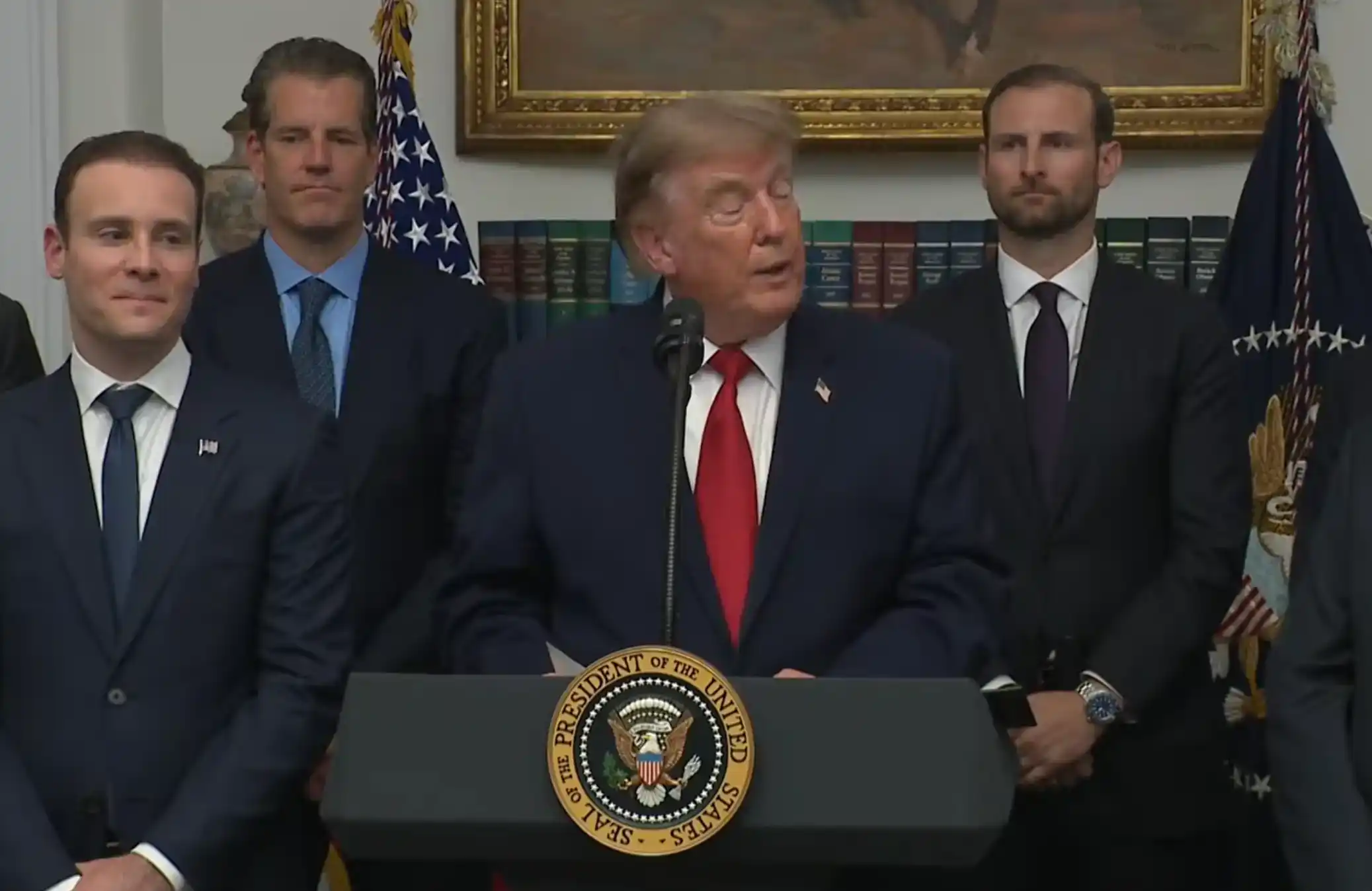
On July 20th, former President Donald Trump convened a roundtable in Washington D.C. with top executives from major U.S. financial, cryptocurrency, and tech firms, alongside key regulators. The meeting focused on maintaining U.S. competitiveness in global finance and AI, with a significant emphasis on the crypto industry. Trump highlighted his administration's previous actions, including signing the *GENIUS Act* to facilitate compliant, dollar-pegged stablecoins. He urged Congress to accelerate the passage of the *Clarity Act*, which aims to clearly distinguish between crypto securities and commodities, with a potential vote scheduled for September 15th. Regulators outlined key initiatives. The CFTC Chairman confirmed the launch of the first U.S.-regulated Bitcoin perpetual futures contract in May 2026 and announced efforts to bring the decentralized exchange protocol Hyperliquid into the U.S. under a compliant framework. The SEC Chairman proposed new rules to provide clarity for crypto startups seeking to raise capital through digital asset offerings legally. When asked about expanding the U.S. government's Bitcoin reserves, Trump stated he was "open to it" and would consult his regulatory team. The discussion also briefly touched on AI, with Trump proposing fast-track approvals for tech companies to build dedicated power plants to meet AI's energy demands.

marsbitHace 1 hora(s)

Introducing Hyperliquid, Advocating for Bill Passage: Key Points from Trump's Speech

marsbitHace 1 hora(s)

Trading

Spot

Artículos destacados

Cómo comprar ADA

¡Bienvenido a HTX.com! Hemos hecho que comprar Cardano (ADA) sea simple y conveniente. Sigue nuestra guía paso a paso para iniciar tu viaje de criptos.Paso 1: crea tu cuenta HTXUtiliza tu correo electrónico o número de teléfono para registrarte y obtener una cuenta gratuita en HTX. Experimenta un proceso de registro sin complicaciones y desbloquea todas las funciones.Obtener mi cuentaPaso 2: ve a Comprar cripto y elige tu método de pagoTarjeta de crédito/débito: usa tu Visa o Mastercard para comprar Cardano (ADA) al instante.Saldo: utiliza fondos del saldo de tu cuenta HTX para tradear sin problemas.Terceros: hemos agregado métodos de pago populares como Google Pay y Apple Pay para mejorar la comodidad.P2P: tradear directamente con otros usuarios en HTX.Over-the-Counter (OTC): ofrecemos servicios personalizados y tipos de cambio competitivos para los traders.Paso 3: guarda tu Cardano (ADA)Después de comprar tu Cardano (ADA), guárdalo en tu cuenta HTX. Alternativamente, puedes enviarlo a otro lugar mediante transferencia blockchain o utilizarlo para tradear otras criptomonedas.Paso 4: tradear Cardano (ADA)Tradear fácilmente con Cardano (ADA) en HTX's mercado spot. Simplemente accede a tu cuenta, selecciona tu par de trading, ejecuta tus trades y monitorea en tiempo real. Ofrecemos una experiencia fácil de usar tanto para principiantes como para traders experimentados.

1.7k Vistas totalesPublicado en 2024.12.10Actualizado en 2026.06.02

Cómo comprar ADA

Discusiones

Bienvenido a la comunidad de HTX. Aquí puedes mantenerte informado sobre los últimos desarrollos de la plataforma y acceder a análisis profesionales del mercado. A continuación se presentan las opiniones de los usuarios sobre el precio de ADA (ADA).

活动图片