In-Depth Research Report on U.S. Crypto Equity Market in 2026 — Opportunities, Risks, and Portfolio Allocation Framework

HTX LearnPublicado a 2026-05-21Actualizado a 2026-05-21

Resumen

Since the U.S. Securities and Exchange Commission (SEC) historically approved spot Bitcoin ETFs in January 2024, the U.S. crypto investment landscape has undergone a profound maturation process. In 2026, investors can participate in the crypto market through four primary channels: spot ETFs, crypto-related public equities (including miners and treasury companies), leveraged and inverse ETFs, and blockchain-themed funds. As of March 30, 2026, U.S. spot Bitcoin ETFs collectively held approximately 1.29 million BTC, representing roughly $86.9 billion in assets under management (AUM), while spot Ethereum ETFs reached approximately $18 billion in AUM. Notably, the rise of the Ethereum treasury company model is reshaping the logic of institutional participation. Exemplified by Bitmine Immersion Technologies (BMNR), these firms generate native on-chain yield annually through ETH staking, creating a fundamentally different business resilience model compared with traditional Bitcoin treasury companies. On the regulatory front, the 2025 GENIUS Act established the first federal stablecoin framework in the United States. The U.S. Strategic Bitcoin Reserve has been officially established, banks have been authorized to provide crypto custody services, and major compliance bottlenecks have been definitively removed. Nevertheless, the high volatility of leveraged ETFs, the balance-sheet risks embedded in treasury-company financing structures, and the slashing risk of staked assets continue t...

I. Definition and Evolutionary Logic

The U.S. crypto equity market essentially refers to crypto-related assets packaged into publicly tradable securities listed on traditional stock exchanges. Investors can therefore gain exposure to the high-growth digital asset sector through conventional brokerage accounts, without the need to directly manage private keys. The evolution of the market reflects the broader transition of crypto assets from a niche “cypherpunk” ecosystem into the institutional mainstream.

From a historical perspective, the sector has progressed through three major stages.

Phase One: The “Underground Mining Era” (2017–2020)

This phase was dominated by pure-play mining companies such as Riot Blockchain and MARA Holdings. Business models were relatively simplistic, corporate governance remained fragmented, valuation frameworks were highly speculative, and many companies traded on illiquid Pink Sheets, attracting almost no attention from mainstream institutional investors. During this period, crypto equities exhibited significantly higher volatility than the underlying digital assets themselves and were often viewed by the market as “leveraged Bitcoin proxies”.

Phase Two: The “Compliance and Securitization Era” (2021–2023)

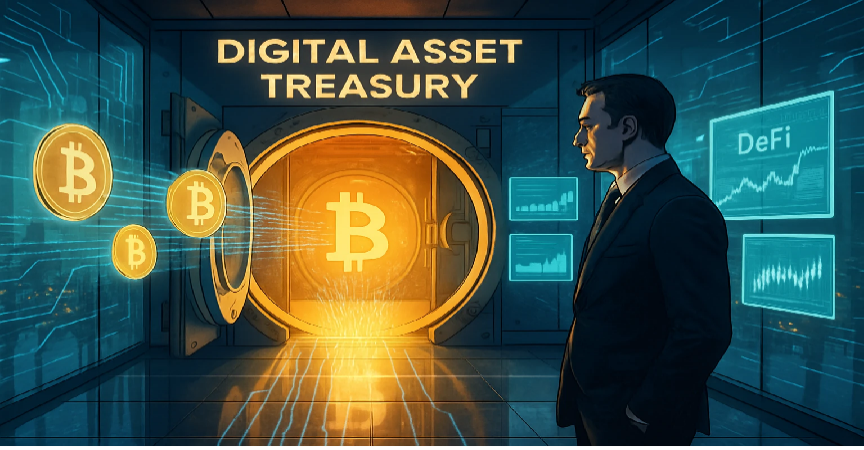
This stage was marked by Coinbase’s direct listing on NASDAQ and MicroStrategy’s large-scale Bitcoin accumulation strategy. The emergence of compliant, publicly listed crypto infrastructure companies represented a key milestone for industry normalization. Coinbase’s direct listing on NASDAQ in April 2021 symbolized the first major U.S.-listed crypto exchange entering the public capital market and is of great significance. Meanwhile, MicroStrategy accumulated more than 150,000 BTC between 2020 and 2023, effectively transforming itself into a “Bitcoin Treasury Company” and pioneering an entirely new corporate valuation framework.
Phase Three: The “ETF Expansion Era” (2024–Present)

The SEC’s approval of spot Bitcoin ETFs marked crypto assets’ formal integration into the U.S. mainstream financial product ecosystem. BlackRock’s iShares Bitcoin Trust (IBIT) accumulated tens of billions of dollars in assets within months of launch, becoming one of the fastest-growing ETF products in history. The defining characteristic of this stage is productization: crypto risk-return profiles are increasingly packaged into standardized financial instruments, lowering compliance barriers for institutional investors while simultaneously enabling retail investors to access professional-grade exposure management at lower cost.

II. Market Structure and Competitive Landscape

By 2026, the U.S. crypto equity sector has evolved into a three-pillar market structure: spot ETFs dominate institutional capital inflows; crypto-related equities provide amplified beta exposure; leveraged and thematic products address more specialized trading demand.

The spot ETF market remains highly concentrated. Collectively, spot Bitcoin ETFs currently hold approximately 1.32 million BTC, representing around $107.3 billion in assets under management. BlackRock’s iShares Bitcoin Trust (IBIT), with approximately $55 billion in AUM, controls nearly 60% of the market. Its 0.25% management fee rate remains highly competitive among peers. Fidelity’s FBTC, with approximately $13 billion in AUM and a similar fee rate structure (0.25%), represents IBIT’s closest competitor. Grayscale’s GBTC, once the dominant crypto trust vehicle, has faced significant fee pressure following its ETF conversion. Its 1.50% management fee rate has reduced competitiveness, and current AUM stands near $10 billion. Meanwhile, Grayscale’s lower-cost BTC Mini Trust, with about $3.5 billion in AUM and a fee rate of just 0.15%, has increasingly attracted fee-sensitive capital flows. A major industry milestone occurred in April 2026 when Morgan Stanley officially launched its MSBT product, signaling the formal entry of established Wall Street banks into the crypto ETF sector.

Within the Ethereum ETF category, BlackRock’s ETHA currently leads the market with approximately $7.1 billion in AUM, making it the largest single Ethereum ETF product globally. More importantly, BlackRock’s 2026 launch of ETHB introduced staking-enabled ETF exposure for the first time, allowing investors to access native Ethereum staking yield through a regulated ETF wrapper. This innovation could fundamentally reshape the product design logic of crypto ETFs in the future. Following the 2025 regulatory opening for altcoin ETFs, products tied to XRP and Solana have each attracted roughly $1 billion in inflows. More than 26 additional altcoin ETF applications—including Dogecoin and Chainlink products—are expected to emerge in 2026, signaling the transition from a BTC/ETH duopoly toward a diversified multi-asset ETF ecosystem.

The crypto treasury and mining sector is undergoing significant structural divergence. MicroStrategy (MSTR), the pioneer of the Bitcoin treasury model, currently holds approximately 700,000 BTC, making it the world’s largest publicly traded corporate holder of Bitcoin. However, following Bitcoin’s roughly 18% decline year-to-date in 2026 toward the average acquisition cost of several treasury firms, aggressive accumulation activity by mining companies such as MARA and RIOT has slowed materially, raising questions regarding the long-term sustainability of the Bitcoin treasury model. Unlike Bitcoin treasury companies, which commonly face the dilemma of being forced to liquidate holdings, Ethereum treasury companies represented by Bitmine Immersion Technologies (BMNR) have introduced a fundamentally different operating framework. Through its MAVAN staking infrastructure, BMNR reportedly generates approximately $196 million in recurring annual staking revenue, enabling the company to cover operating expenses without liquidating crypto holdings. This creates a native cash-flow generation mechanism absent in traditional Bitcoin treasury strategies. As of 2026, BMNR reportedly holds approximately 4.8 million ETH, worth about $10.8 billion, representing roughly 3.98% of Ethereum’s global circulating supply, with a long-term strategic target of accumulating 5% of the total ETH supply. If achieved, BMNR would become one of the most systemically important holders within the Ethereum ecosystem.

Leveraged, inverse, and thematic crypto ETFs exhibit significantly different risk-return profiles, which investors should carefully assess. Leveraged ETFs amplify daily returns through derivatives. During the late-2025 market downturn, 2x long MicroStrategy ETFs MSTX and MSTU plummeted by approximately 80%, reportedly wiping out nearly $1.5 billion in retail capital and illustrating the extreme risks embedded in these products. Key products currently include BITO (1x BTC futures), ETHU (2x ETH futures), and MSTZ (inverse MSTR). For more conservative investors, blockchain thematic funds offer diversified indirect exposure. Examples include BKCH (Global X), heavily weighted toward Coinbase and major mining firms; BLOK (Amplify) covering approximately 80 blockchain-related equities; and STCE (Charles Schwab) charging only 0.30% in fee rates while holding around 40 crypto-related equities including MicroStrategy and Bitdeer. These products may serve as suitable long-term core allocation vehicles.

III. Core Risk Analysis

Despite its strong growth potential, the U.S. crypto equity sector contains multiple layers of risks that investors must carefully evaluate before establishing exposure.

1) Regulatory Uncertainty: Although the 2025 GENIUS Act established the first federal stablecoin framework and authorized banks to offer crypto custody services, the U.S. also formally created the Strategic Bitcoin Reserve, the broader crypto regulatory framework remains under development. Jurisdictional boundaries between the SEC and CFTC remain partially unresolved, and approval timelines for certain altcoin ETFs may continue to face political and regulatory friction. Furthermore, financial regulatory policy shifts under the Trump administration in 2026 could affect the continuity of current policies and it remains to be seen whether the current regulatory tailwinds will persist.

2) Extreme Underlying Asset Volatility: Crypto markets remain inherently and characteristically volatile. Bitcoin’s approximate 18% decline year-to-date in 2026 remarkably illustrates the sector’s susceptibility to sharp drawdowns. These price movements transmit directly into ETF and equity products. Due to management fees, holding discounts, liquidity premiums, and other friction costs, investors can often suffer losses exceeding the drawdown of the underlying assets themselves. Accordingly, crypto-related equities and ETFs should generally be treated as high-risk assets with strict position management and limited concentration to mitigate tail-risk exposure.

3) Balance-Sheet Risks of Treasury Companies: For instance, MicroStrategy’s “treasury model” involves issuing convertible bonds and preferred equity instruments to fund Bitcoin purchases, with the expectation that Bitcoin’s appreciation will exceed the cost of financing. However, this approach involves significant financial leverage—if Bitcoin's prices continue to decline, not only does the value of its Bitcoin holdings shrink, but interest expenses and debt-servicing pressure also rise concurrently. In contrast, BMNR’s staking-yield model demonstrates greater operational resilience, yet staking returns are inherently sensitive to fluctuations in Ethereum prices and subject to potential slashing risks. Should a validator node behave maliciously or fail to operate correctly, a portion of staked ETH may be forfeited. Investors considering such assets need to closely monitor both the company’s financial structure and the cyclical risks of the underlying crypto holdings.

4) Liquidity and Tracking Error Risk: Leveraged ETFs and smaller crypto-related equities may suffer severe liquidity deterioration during periods of heightened volatility, resulting in increasing spreads and trading costs. More importantly, leveraged ETFs suffer from “compounding decay” due to daily portfolio rebalancing. Even when investors correctly predict long-term directional trends, prolonged holding periods may still generate significant underperformance relative to the underlying asset. The collapse of MSTX and MSTU in late 2025 serves as a major warning regarding this structural risk. Similarly, although GBTC’s historical discount has narrowed following ETF conversion, its relatively high management fee rate and lack of staking yield support continue to weaken its institutional competitiveness versus lower-cost alternatives such as IBIT.

IV. Innovation Trends and Sector Opportunities

Despite elevated risks, the U.S. crypto equity sector in 2026 is demonstrating several transformative trends that may reshape long-term investment logic and the sector landscape.

Trend One: The Emergence of Staking ETFs. The launch of BlackRock’s ETHB represents one of the most significant product innovations of 2026. By integrating staking yield into an ETF structure, ETHB allows investors to access native Ethereum staking rewards without directly operating validator nodes or participating in DeFi protocols. This innovation transforms ETFs from passive holding vehicles into active yield-generating products and substantially expands the potential utility of regulated crypto investment products. For institutional investors, ETHB offers a compliant, convenient way to earn yield on ETH without the need to manage private keys—an option that was previously nearly impossible to access within the traditional financial system. If ETHB gains broad market adoption, it can be expected that staking-enabled ETFs based on other Proof-of-Stake blockchains may follow, thereby further diversifying the ETF industry’s product offerings.

Trend Two: The Rise of Ethereum Treasury Companies. Compared with Bitcoin treasury companies whose economics primarily rely on price appreciation, Ethereum treasury companies generate native yield through staking operations, creating a more sustainable operational model. Even in bearish markets, staking rewards may continue covering operational expenses, reducing forced liquidation pressure on companies. BMNR’s strategic objective of holding 5% of the global ETH supply, if achieved, would make it a systemically influential holder within the Ethereum ecosystem. Its strategic decisions—such as participation in PoS governance or adjustments to staking parameters—could exert a material impact on the entire ecosystem. This model may also pave the way for the emergence of additional specialized Ethereum treasury companies, forming a new investment sub-sector.

Trend Three: Structural Inflows of Institutional Capital and the Rise of On-Chain Fixed-Income Assets. Data show that, as Bitcoin has fallen approximately 18% year-to-date in 2026, institutional capital is increasingly migrating toward on-chain fixed-income assets. The trend is closely linked to the maturation of Ethereum staking infrastructure that enables projects such as EigenLayer and Pendle Finance to develop restaking mechanisms and yield-tokenization frameworks, allowing staking rewards to become structured, tradable, and composable financial instruments in the DeFi ecosystem. The stable yields generated by Ethereum treasury companies such as BMNR through MAVAN staking align perfectly with institutional investors’ strong demand for crypto-native yield with minimal exposure to underlying crypto price fluctuations.

Trend Four: Continued Expansion and Multi-Chain Diversification of ETFs. From the BTC/ETH duopoly to the launch of mainstream altcoin ETFs such as XRP and SOL, and now with emerging assets like Dogecoin and Chainlink expected to gain approval in 2026, the ETF landscape is evolving from broad coverage of major cryptos toward more precise, sector-specific allocations. Each asset embodies a distinct investment theme: Chainlink represents oracle infrastructure, Solana highlights high-performance Layer-1 blockchain capabilities, and Dogecoin reflects community-driven meme culture. This multi-chain expansion of ETFs enables investors to have more accurate judgements on specific sectors, rather than passively holding the entire cryptocurrency market.

V. Participation Strategy & Investment Logic

For investors seeking exposure to the U.S. crypto equity sector, the following framework based on layered risks may serve as a general reference for portfolio construction.

On the core allocation layer, Spot ETFs including BTC and ETH, particularly lower-cost products such as IBIT and ETHA, represent the most broadly applicable exposure vehicles. Considering the existing AUM of BTC (approximately $86.9 billion) and ETH (around $18 billion), along with the brand endorsement from BlackRock, the world’s largest asset manager, the two types of products offer sufficient liquidity, low tracking error, and clear regulatory compliance. Investors are advised to put them as core “industry beta” allocations within a portfolio, with position sizes managed between 1% and 5%, primarily providing exposure to overall crypto market trends.

On the sector beta layer, blockchain-themed funds such as BKCH and BLOK offer diversified exposure across exchanges, mining equipment providers, and infrastructure stocks. Compared with holding equities of individual crypto companies directly, thematic funds reduce the impact of single-stock black swan events while allowing investors to benefit from the systematic growth of the broader crypto ecosystem. For investors with lower risk tolerance, this may be the most suitable entry point. Funds with relatively lower fee rates, such as STCE (0.30%), are appropriate for long-term core allocations.

From the perspective of high-risk, high-return allocations, Ethereum treasury companies like BMNR and Bitcoin treasury companies like MSTR are suitable for investors who are willing to accept greater volatility in exchange for potential outsized returns. BMNR’s staking-yield model provides operational resilience relative to MSTR, whereas MSTR’s "aggressive accumulation and leveraged purchase" strategy exhibits strong upside during bull markets. Position sizes for such assets are recommended to be controlled between 0.5% and 2%, with ongoing monitoring of company financial structures and crypto asset price trends to assess debt-servicing capacity.

On the tactical allocation side, leveraged and inverse ETFs (such as MSTX and MSTZ) are only suitable for professional investors with short-term market timing capabilities, and holding periods should be measured in days or weeks; long-term positions are strongly discouraged. The compounding decay mechanism of leveraged ETFs means that even if market direction is correctly predicted, long-term returns can be significantly lower than the underlying asset’s price movement. For most retail investors, restraint is advised in this category.

It is important to emphasize that the above analysis is for informational purposes only and does not constitute investment advice. Cryptocurrency markets are highly volatile and uncertain; investors should conduct thorough risk assessments aligned with their own risk tolerance before making prudent decisions. Leveraged products are subject to compounding decay, staked assets face slashing risks, and crypto treasury companies carry financial leverage pressures—position sizes for any single asset should not be excessive, and maintaining a diversified portfolio is key to long-term survival.

VI. Summary and Outlook

Overall, the U.S. crypto equity sector in 2026 appears to be transitioning from a phase of product innovation toward broader ecosystem maturation. Spot Bitcoin ETFs opened the door for institutional participation, while staking-enabled Ethereum ETFs and Ethereum treasury companies are beginning to redefine the commercial model of compliant crypto ownership. The regulatory clarity introduced by the 2025 GENIUS Act—including the establishment of a federal stablecoin framework and the authorization of crypto custody services for banks—has significantly strengthened crypto’s position within the U.S. financial system.

Looking ahead, several key indicators deserve continued monitoring: 1) The sustainability and potential expansion of staking-generated yield by Ethereum treasury companies will determine the long-term viability of this business model; 2) the inflows into staking ETFs such as ETHB will serve as a key indicator of the market’s acceptance of the “ETF + native yield” product innovation; 3) the actual approval timeline and initial capital raising of altcoin ETFs, including XRP and Solana, will reveal the productization potential beyond the major cryptocurrencies; 4) further clarification of the U.S. federal regulatory framework will be critical in determining whether the sector’s long-term structural benefits can be maintained.

Lecturas Relacionadas

Bankless Founder Sells Off ETH, Collective Collapse of Ethereum Faith

Ethereum faces a "crisis of faith" as David Hoffman, co-founder of the prominent pro-Ethereum media outlet Bankless, announces he has sold all his ETH. This move, coupled with reports of major layoffs at Bankless, signals a potential retreat of Ethereum's staunchest supporters. Hoffman and co-founder Ryan Sean Adams confirm Bankless is entering a "second era," with Adams stepping back and Hoffman exploring new frontiers. Hoffman sharply criticizes the Ethereum Foundation, stating that ETH's poor price performance cannot be separated from its leadership. He has a history of public dissatisfaction, citing the Foundation's failure to drive market growth and its "endless manifestos." His frustration coincides with ETH/BTC hitting multi-month lows and a significant exodus of senior researchers and executives from the Ethereum Foundation, partly attributed to controversial "loyalty oaths." The article contrasts Ethereum's current predicament—with its Layer-2 narrative discredited and ecosystem stagnant—against what should have been a highlight year in 2026 amid tokenization trends. While a previous surge to near $5,000 was driven by corporate buybacks (DAT热潮), ETH has since fallen over 50%. The core question remains: with fading faith and intense competition, what is Ethereum's next solution? Hoffman's divestment symbolizes a growing disconnect between the community and the ecosystem's direction.

Odaily星球日报Hace 24 min(s)

Bankless Founder Sells Off ETH, Collective Collapse of Ethereum Faith

Odaily星球日报Hace 24 min(s)

a16z Invests Heavily with $356 Million in HYPE, Surpassing Paradigm to Become the Largest External Holder

On May 21st, HYPE surged past $59, reaching a new high since September 2025, with a market cap nearing $150 billion. Analysts attribute the rally to a short squeeze and significant ETF inflows. The launch of two U.S. spot ETFs for Hyperliquid has driven substantial capital, with their inflows at times surpassing those of Bitcoin and Ethereum ETFs. Major institutions are actively accumulating HYPE. Venture firm a16z has become the largest external holder with a $356 million position, surpassing Paradigm. Other firms like Goldman Sachs, Grayscale, and Galaxy Digital have also made large purchases, with Goldman reportedly selling portions of its XRP, ETH, and BTC holdings to buy HYPE. Bitwise CIO Matt Hougan calls HYPE one of the most "mispriced" assets, arguing its valuation should reflect Hyperliquid's broader platform beyond just a perpetual DEX token. The protocol generates substantial real revenue, using 97% of fees to buy back and burn HYPE. Its expansion into RWA commodities and prediction markets has driven user growth and transaction volume, now commanding about 70% of the on-chain perpetual DEX market. However, this rapid growth faces challenges. Traditional exchanges CME and ICE are pressuring the CFTC to regulate Hyperliquid, citing concerns over its impact on global commodity benchmarks. Concurrently, some major market makers have withdrawn significant liquidity from the platform. With HYPE up over 125% year-to-date, operational risks are rising. Large holders are reportedly hedging with sizable short positions. The regulatory outlook from the CFTC remains a key uncertainty, adding another layer to the ongoing battle over the future of on-chain finance.

链捕手Hace 25 min(s)

a16z Invests Heavily with $356 Million in HYPE, Surpassing Paradigm to Become the Largest External Holder

链捕手Hace 25 min(s)

Silicon Valley AI Landscape Shifts: Karpathy Jumps Ship, Musk Steps In, Son Left Holding the Fort

Silicon Valley's AI landscape is shifting as key talent moves and financial pressures mount. Andrej Karpathy, a prominent AI researcher and former OpenAI co-founder, has announced he is joining competitor Anthropic full-time. His departure highlights a talent drain at OpenAI, where most of the original founders have now left. Karpathy, known for his engineering work at Tesla, is expected to help Anthropic develop more efficient model training methods using its Claude AI, challenging OpenAI's current compute-intensive approach. The move coincides with diverging financial paths for the two AI giants. Anthropic is reportedly on track to post its first quarterly profit with $10.9B in sales, while OpenAI, despite a massive $852B valuation and a recent $122B funding round led by SoftBank's Masayoshi Son, faces significant compute costs and potential heavy losses as it pushes for a rapid IPO. Son has invested over $60B in OpenAI, a concentrated bet that has drawn internal criticism over its risk, reminiscent of SoftBank's past losses on WeWork. Elon Musk, an OpenAI co-founder turned rival, is also influencing the dynamic. After losing a lawsuit against OpenAI, Musk's SpaceX leased its massive "Colossus 1" computing center, equipped with over 220,000 Nvidia GPUs, to Anthropic in a deal worth $40-45B. This provides Anthropic with crucial computational resources while pressuring OpenAI. The developments signal a consolidation where only well-capitalized players can compete in foundation model training. The focus is shifting from pure research to commercial viability, cost-efficient engineering, and strategic resource allocation, with companies like Anthropic finding success by focusing on profitable enterprise applications like code generation.

marsbitHace 30 min(s)

Silicon Valley AI Landscape Shifts: Karpathy Jumps Ship, Musk Steps In, Son Left Holding the Fort

marsbitHace 30 min(s)

Trading

Spot
Futuros

Artículos destacados

Qué es ETH 2.0

ETH 2.0: Una Nueva Era para Ethereum Introducción ETH 2.0, conocido ampliamente como Ethereum 2.0, marca una actualización monumental para la blockchain de Ethereum. Esta transición no es solo una mejora superficial; busca mejorar fundamentalmente la escalabilidad, seguridad y sostenibilidad de la red. Con un cambio del mecanismo de consenso intensivo en energía Prueba de Trabajo (PoW) a una Prueba de Participación (PoS) más eficiente, ETH 2.0 promete un enfoque transformador para el ecosistema blockchain. ¿Qué es ETH 2.0? ETH 2.0 es un conjunto de actualizaciones interconectadas y distintivas centradas en optimizar las capacidades y el rendimiento de Ethereum. La reestructuración está diseñada para abordar desafíos críticos que el mecanismo actual de Ethereum ha enfrentado, particularmente en lo que respecta a la velocidad de transacción y la congestión de la red. Objetivos de ETH 2.0 Los objetivos principales de ETH 2.0 giran en torno a mejorar tres aspectos clave: Escalabilidad: Con el objetivo de aumentar significativamente el número de transacciones que la red puede manejar por segundo, ETH 2.0 busca superar la limitación actual de aproximadamente 15 transacciones por segundo, potencialmente alcanzando miles. Seguridad: Las medidas de seguridad mejoradas son fundamentales para ETH 2.0, particularmente a través de una mejor resistencia contra ciberataques y la preservación del ethos descentralizado de Ethereum. Sostenibilidad: El nuevo mecanismo PoS está diseñado no solo para mejorar la eficiencia, sino también para reducir drásticamente el consumo de energía, alineando el marco operativo de Ethereum con consideraciones ambientales. ¿Quién es el Creador de ETH 2.0? La creación de ETH 2.0 se puede atribuir a la Fundación Ethereum. Esta organización sin fines de lucro, que desempeña un papel crucial en el apoyo al desarrollo de Ethereum, es liderada por el notable cofundador Vitalik Buterin. Su visión de un Ethereum más escalable y sostenible ha sido la fuerza motriz detrás de esta actualización, involucrando contribuciones de una comunidad global de desarrolladores y entusiastas dedicados a mejorar el protocolo. ¿Quiénes son los Inversores de ETH 2.0? Si bien los detalles sobre los inversores de ETH 2.0 no se han hecho públicos, se sabe que la Fundación Ethereum recibe apoyo de varias organizaciones e individuos en el ámbito de blockchain y tecnología. Estos socios incluyen firmas de capital de riesgo, compañías tecnológicas y organizaciones filantrópicas que comparten un interés mutuo en apoyar el desarrollo de tecnologías descentralizadas e infraestructura blockchain. ¿Cómo Funciona ETH 2.0? ETH 2.0 se distingue por introducir una serie de características clave que lo diferencian de su predecesor. Prueba de Participación (PoS) La transición a un mecanismo de consenso PoS es uno de los cambios más destacados de ETH 2.0. A diferencia de PoW, que se basa en la minería intensiva en energía para la verificación de transacciones, PoS permite a los usuarios validar transacciones y crear nuevos bloques de acuerdo con la cantidad de ETH que apuestan en la red. Esto conduce a una mayor eficiencia energética, reduciendo el consumo en aproximadamente un 99.95%, convirtiendo a Ethereum 2.0 en una alternativa considerablemente más verde. Cadenas Shard Las cadenas shard son otra innovación crítica de ETH 2.0. Estas cadenas más pequeñas operan en paralelo con la cadena principal de Ethereum, lo que permite que múltiples transacciones sean procesadas simultáneamente. Este enfoque mejora la capacidad general de la red, abordando las preocupaciones de escalabilidad que han afectado a Ethereum. Cadena Beacon En el núcleo de ETH 2.0 se encuentra la Cadena Beacon, que coordina la red y gestiona el protocolo PoS. Funciona como un organizador de cierta manera: supervisa a los validadores, asegura que los shards permanezcan conectados a la red y monitorea la salud general del ecosistema blockchain. Cronología de ETH 2.0 El viaje de ETH 2.0 ha estado marcado por varios hitos clave que trazan la evolución de esta importante actualización: Diciembre 2020: El lanzamiento de la Cadena Beacon marcó la introducción de PoS, preparándose para la migración hacia ETH 2.0. Septiembre 2022: La finalización de “La Fusión” representa un momento crucial en el que la red Ethereum se trasladó exitosamente de un marco PoW a uno PoS, anunciando una nueva era para Ethereum. 2023: El lanzamiento esperado de cadenas shard tiene como objetivo mejorar aún más la escalabilidad de la red Ethereum, consolidando a ETH 2.0 como una plataforma robusta para aplicaciones y servicios descentralizados. Características Clave y Beneficios Escalabilidad Mejorada Una de las ventajas más significativas de ETH 2.0 es su escalabilidad mejorada. La combinación de PoS y cadenas shard permite que la red expanda su capacidad, permitiendo acomodar un volumen mucho mayor de transacciones en comparación con el sistema heredado. Eficiencia Energética La implementación de PoS representa un gran paso hacia la eficiencia energética en la tecnología blockchain. Al reducir drásticamente el consumo de energía, ETH 2.0 no solo disminuye los costos operativos, sino que también se alinea más estrechamente con los objetivos de sostenibilidad global. Seguridad Mejorada Los mecanismos actualizados de ETH 2.0 contribuyen a mejorar la seguridad en toda la red. El despliegue de PoS, junto con las medidas de control innovadoras establecidas a través de cadenas shard y la Cadena Beacon, asegura un mayor grado de protección contra posibles amenazas. Costos Más Bajos para los Usuarios A medida que la escalabilidad mejora, los efectos sobre los costos de transacción también serán evidentes. Se espera que una mayor capacidad y una menor congestión se traduzcan en tarifas más bajas para los usuarios, haciendo que Ethereum sea más accesible para transacciones cotidianas. Conclusión ETH 2.0 marca una evolución significativa en el ecosistema blockchain de Ethereum. A medida que aborda problemas fundamentales como la escalabilidad, el consumo de energía, la eficiencia en las transacciones y la seguridad general, la importancia de esta actualización no puede ser subestimada. La transición a la Prueba de Participación, la introducción de cadenas shard y el trabajo fundamental de la Cadena Beacon son indicativos de un futuro donde Ethereum puede satisfacer las crecientes demandas del mercado descentralizado. En una industria impulsada por la innovación y el progreso, ETH 2.0 se erige como un testimonio de las capacidades de la tecnología blockchain para allanar el camino hacia una economía digital más sostenible y eficiente.

166 Vistas totalesPublicado en 2024.04.04Actualizado en 2024.12.03

Qué es ETH 2.0

Qué es ETH 3.0

ETH3.0 y $eth 3.0: Un Examen Profundo del Futuro de Ethereum Introducción En el paisaje en rápida evolución de las criptomonedas y la tecnología blockchain, ETH3.0, a menudo denotado como $eth 3.0, ha surgido como un tema de considerable interés y especulación. El término abarca dos conceptos principales que merecen aclaración: Ethereum 3.0: Esto representa una posible actualización futura destinada a aumentar las capacidades de la blockchain existente de Ethereum, enfocándose particularmente en mejorar la escalabilidad y el rendimiento. ETH3.0 Meme Token: Este proyecto de criptomoneda distinto busca aprovechar la blockchain de Ethereum para crear un ecosistema centrado en memes, promoviendo la participación dentro de la comunidad de criptomonedas. Comprender estos aspectos de ETH3.0 es esencial no solo para los entusiastas de las criptomonedas, sino también para aquellos que observan tendencias tecnológicas más amplias en el espacio digital. ¿Qué es ETH3.0? Ethereum 3.0 Ethereum 3.0 se presenta como una actualización propuesta para la red de Ethereum ya establecida, que ha sido la columna vertebral de muchas aplicaciones descentralizadas (dApps) y contratos inteligentes desde su inicio. Las mejoras previstas se concentran principalmente en la escalabilidad, integrando tecnologías avanzadas como sharding y pruebas de conocimiento cero (zk-proofs). Estas innovaciones tecnológicas tienen como objetivo facilitar un número sin precedentes de transacciones por segundo (TPS), potencialmente alcanzando millones, abordando así una de las limitaciones más significativas que enfrenta la tecnología blockchain actual. La mejora no es meramente técnica, sino también estratégica; está destinada a preparar la red de Ethereum para su adopción generalizada y utilidad en un futuro marcado por una mayor demanda de soluciones descentralizadas. ETH3.0 Meme Token En contraste con Ethereum 3.0, el ETH3.0 Meme Token se aventura en un ámbito más ligero y juguetón al combinar la cultura de memes de internet con la dinámica de las criptomonedas. Este proyecto permite a los usuarios comprar, vender e intercambiar memes en la blockchain de Ethereum, proporcionando una plataforma que fomenta la participación comunitaria a través de la creatividad y los intereses compartidos. El ETH3.0 Meme Token tiene como objetivo demostrar cómo la tecnología blockchain puede intersectarse con la cultura digital, creando casos de uso que son tanto entretenidos como financieramente viables. ¿Quién es el Creador de ETH3.0? Ethereum 3.0 La iniciativa hacia Ethereum 3.0 es impulsada principalmente por un consorcio de desarrolladores e investigadores dentro de la comunidad de Ethereum, incluyendo notablemente a Justin Drake. Conocido por sus ideas y contribuciones a la evolución de Ethereum, Drake ha sido una figura prominente en las discusiones sobre la transición de Ethereum a una nueva capa de consenso, denominada “Beam Chain.” Este enfoque colaborativo para el desarrollo significa que Ethereum 3.0 no es el producto de un creador singular, sino más bien una manifestación de ingenio colectivo centrado en avanzar la tecnología blockchain. ETH3.0 Meme Token Los detalles sobre el creador del ETH3.0 Meme Token son actualmente inidentificables. La naturaleza de los tokens de memes a menudo conduce a una estructura más descentralizada y dirigida por la comunidad, lo que podría explicar la falta de atribución específica. Esto se alinea con la ética de la comunidad cripto más amplia, donde la innovación a menudo surge de esfuerzos colaborativos en lugar de individuales. ¿Quiénes son los Inversores de ETH3.0? Ethereum 3.0 El apoyo a Ethereum 3.0 proviene principalmente de la Fundación Ethereum junto con una entusiasta comunidad de desarrolladores e inversores. Esta asociación fundamental proporciona un grado significativo de legitimidad y mejora la perspectiva de una implementación exitosa, ya que aprovecha la confianza y credibilidad construidas a lo largo de años de operaciones en la red. En el clima cambiando rápidamente de las criptomonedas, el apoyo de la comunidad juega un papel crucial en impulsar el desarrollo y la adopción, posicionando a Ethereum 3.0 como un contendiente serio para futuros avances en blockchain. ETH3.0 Meme Token Si bien las fuentes actualmente disponibles no proporcionan información explícita sobre las fundaciones o organizaciones de inversión que respaldan el ETH3.0 Meme Token, es indicativo del modelo de financiamiento típico para tokens de memes, que a menudo depende del apoyo de base y la participación comunitaria. Los inversores en tales proyectos suelen consistir en individuos motivados por el potencial de innovación impulsada por la comunidad y el espíritu de cooperación que se encuentra dentro de la comunidad cripto. ¿Cómo Funciona ETH3.0? Ethereum 3.0 Las características distintivas de Ethereum 3.0 radican en su implementación propuesta de sharding y tecnología zk-proof. Sharding es un método de particionamiento de la blockchain en piezas más pequeñas y manejables o “shards,” que pueden procesar transacciones de manera concurrente en lugar de secuencial. Esta descentralización del procesamiento ayuda a prevenir la congestión y asegura que la red permanezca receptiva incluso bajo una carga pesada. La tecnología de prueba de conocimiento cero (zk-proof) contribuye con otra capa de sofisticación al permitir la validación de transacciones sin revelar los datos subyacentes involucrados. Este aspecto no solo mejora la privacidad, sino que también aumenta la eficiencia general de la red. También se habla de incorporar una Máquina Virtual de Ethereum de conocimiento cero (zkEVM) en esta actualización, amplificando aún más las capacidades y utilidad de la red. ETH3.0 Meme Token El ETH3.0 Meme Token se distingue al capitalizar la popularidad de la cultura de memes. Establece un mercado para que los usuarios participen en el comercio de memes, no solo por entretenimiento sino también por el posible beneficio económico. Al integrar características como staking, provisión de liquidez y mecanismos de gobernanza, el proyecto fomenta un entorno que incentiva la interacción y participación de la comunidad. Al ofrecer una mezcla única de entretenimiento y oportunidad económica, el ETH3.0 Meme Token tiene como objetivo atraer a una audiencia diversa, que abarca desde entusiastas de las criptomonedas hasta conocedores casuales de memes. Línea de Tiempo de ETH3.0 Ethereum 3.0 11 de noviembre de 2024: Justin Drake insinúa la próxima actualización de ETH 3.0, centrada en mejoras de escalabilidad. Este anuncio significa el comienzo de las discusiones formales sobre la futura arquitectura de Ethereum. 12 de noviembre de 2024: Se espera que la propuesta anticipada para Ethereum 3.0 se desvele en Devcon en Bangkok, preparando el escenario para una mayor retroalimentación de la comunidad y posibles próximos pasos en el desarrollo. ETH3.0 Meme Token 21 de marzo de 2024: El ETH3.0 Meme Token se lista oficialmente en CoinMarketCap, marcando su incursión en el dominio público de las criptomonedas y mejorando la visibilidad de su ecosistema basado en memes. Puntos Clave En conclusión, Ethereum 3.0 representa una evolución significativa dentro de la red de Ethereum, enfocándose en superar las limitaciones en términos de escalabilidad y rendimiento a través de tecnologías avanzadas. Sus actualizaciones propuestas reflejan un enfoque proactivo hacia las demandas y la usabilidad futura. Por otro lado, el ETH3.0 Meme Token encapsula la esencia de la cultura impulsada por la comunidad en el espacio de las criptomonedas, aprovechando la cultura de memes para crear plataformas atractivas que fomentan la creatividad y participación del usuario. Comprender los distintos propósitos y funcionalidades de ETH3.0 y $eth 3.0 es fundamental para cualquiera interesado en los desarrollos en curso dentro del espacio cripto. Con ambas iniciativas abriendo caminos únicos, subrayan colectivamente la naturaleza dinámica y multifacética de la innovación en blockchain.

178 Vistas totalesPublicado en 2024.04.04Actualizado en 2024.12.03

Qué es ETH 3.0

Cómo comprar ETH

¡Bienvenido a HTX.com! Hemos hecho que comprar Ethereum (ETH) sea simple y conveniente. Sigue nuestra guía paso a paso para iniciar tu viaje de criptos.Paso 1: crea tu cuenta HTXUtiliza tu correo electrónico o número de teléfono para registrarte y obtener una cuenta gratuita en HTX. Experimenta un proceso de registro sin complicaciones y desbloquea todas las funciones.Obtener mi cuentaPaso 2: ve a Comprar cripto y elige tu método de pagoTarjeta de crédito/débito: usa tu Visa o Mastercard para comprar Ethereum (ETH) al instante.Saldo: utiliza fondos del saldo de tu cuenta HTX para tradear sin problemas.Terceros: hemos agregado métodos de pago populares como Google Pay y Apple Pay para mejorar la comodidad.P2P: tradear directamente con otros usuarios en HTX.Over-the-Counter (OTC): ofrecemos servicios personalizados y tipos de cambio competitivos para los traders.Paso 3: guarda tu Ethereum (ETH)Después de comprar tu Ethereum (ETH), guárdalo en tu cuenta HTX. Alternativamente, puedes enviarlo a otro lugar mediante transferencia blockchain o utilizarlo para tradear otras criptomonedas.Paso 4: tradear Ethereum (ETH)Tradear fácilmente con Ethereum (ETH) en HTX's mercado spot. Simplemente accede a tu cuenta, selecciona tu par de trading, ejecuta tus trades y monitorea en tiempo real. Ofrecemos una experiencia fácil de usar tanto para principiantes como para traders experimentados.

4.1k Vistas totalesPublicado en 2024.12.10Actualizado en 2025.03.21

Cómo comprar ETH

Discusiones

Bienvenido a la comunidad de HTX. Aquí puedes mantenerte informado sobre los últimos desarrollos de la plataforma y acceder a análisis profesionales del mercado. A continuación se presentan las opiniones de los usuarios sobre el precio de ETH (ETH).

活动图片