Tornado Cash 制裁事件和“投毒”事件引发的四点思考

元宇宙之道Publicado a 2022-08-10Actualizado a 2022-08-10

Resumen

隐私对于 Crypto 来说是一件很奇怪的事,很多人不以为然,但也有人在不断专研新的隐私技术,那我们究竟是否应该拥抱隐私呢?

隐私对于 Crypto 来说是一件很奇怪的事,很多人不以为然,但也有人在不断专研新的隐私技术,那我们究竟是否应该拥抱隐私呢?

前些天,美国财政部宣布制裁了以太坊混币协议 Tornado Cash,并要求 Circle 冻结受制裁的 USDC 账户,此外,Tornado 的开发者也突然遭到了 GitHub 的暂时封杀。

而在今日凌晨,有人开始将 Tornado Cash 混币过的 ETH 发送到 Brian Armstrong、Beeple、Shaq 等业内知名人士的 ENS 钱包地址,目的是让这些钱包也受到污染,这也被很多网友戏称为加密界的“投毒”事件。
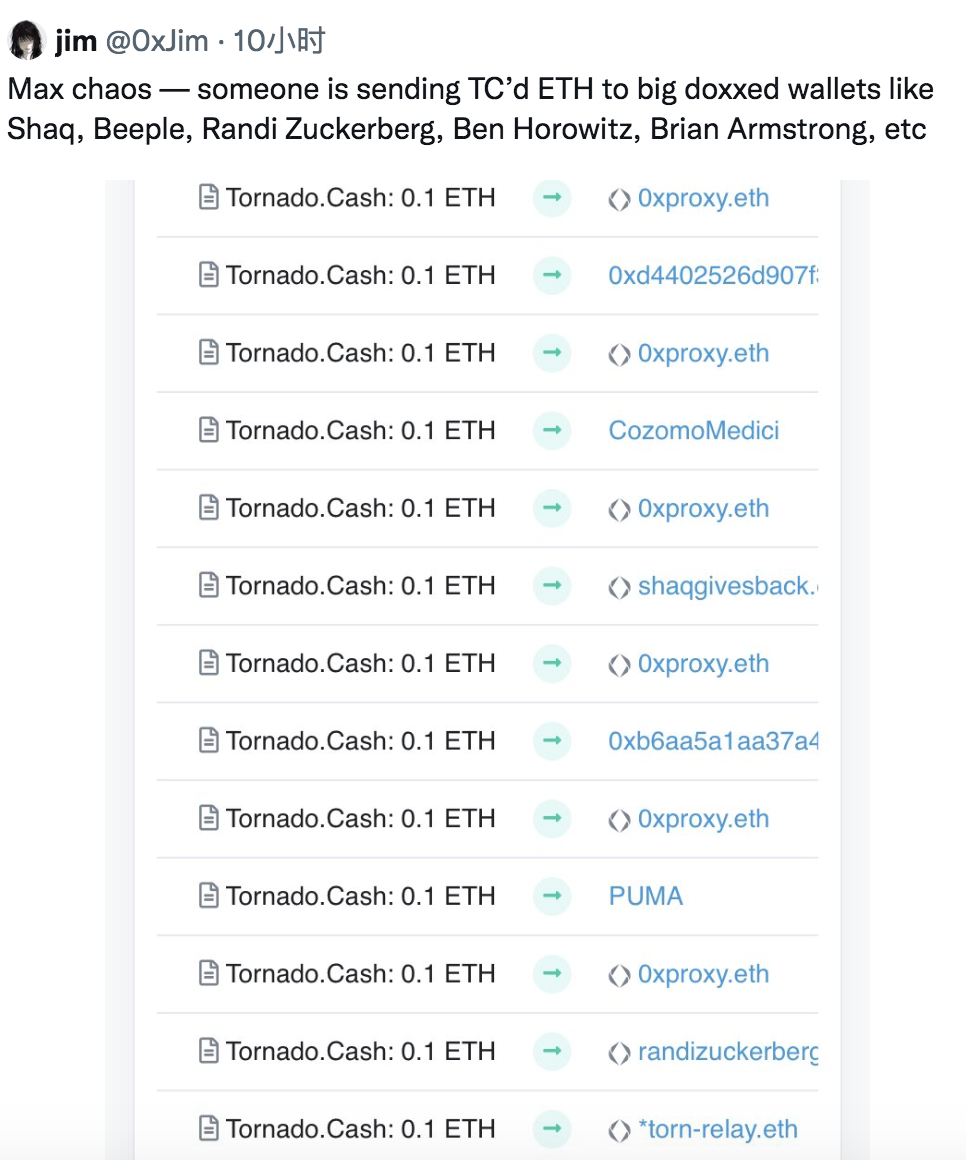
而这一连串事件暴露出来了很多问题,以下是笔者暂时看到的 4 点:

1、老生常谈的中心化稳定币审查问题

USDC 作为一个受美国监管机构监管的中心化稳定币,自然是无法抗审查的,根据 Circle 首席执行官 Jeremy Allaire 透露,如果他们不冻结受制裁的地址,将面临故意逃避美国制裁合规义务的指控,这可能会导致最高 30 年的监禁。
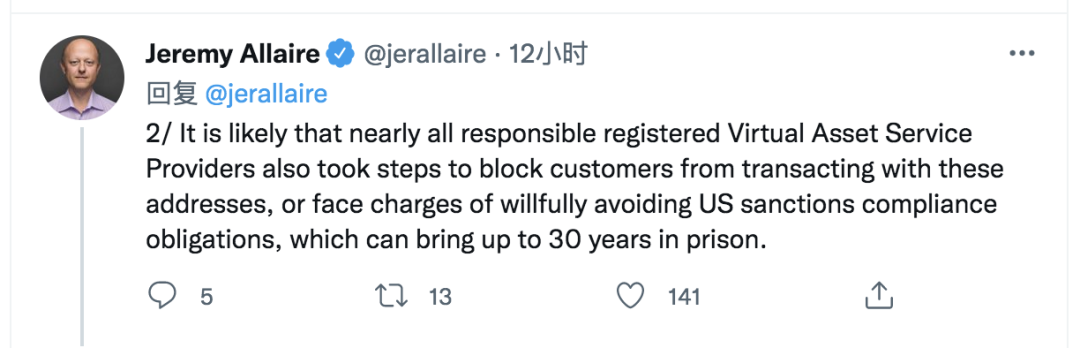
这里需要明确的一点是,抗审查是适用于所有人的,因为被恶意“投毒”就会面临审查问题,那此时就关乎到你的财产了,哪怕你是无辜的,你的资产也可能会遭到冻结。

那我们是不是应该拥护一个去中心化的稳定币,最好是使用无需信任的比特币作为抵押品?(注意:WBTC 是需要信任的,它无法抵抗审查,因此 Makerdao 的方法是不可行的,我们首先需要的一个无需信任的 BTC 跨链方案)

2、中心化代码库的审查问题

此次 Tornado Cash 事件,GitHub 的封杀动作是令人意想不到的,而绝大部分所谓去中心化的 Crypto 项目代码库都依托于 GitHub ,因此有人便倡议建立去中心化的 GitHub,而例如 Radicle 这样的开发工具正在尝试做这样的事。

3、ENS 的隐私泄露问题

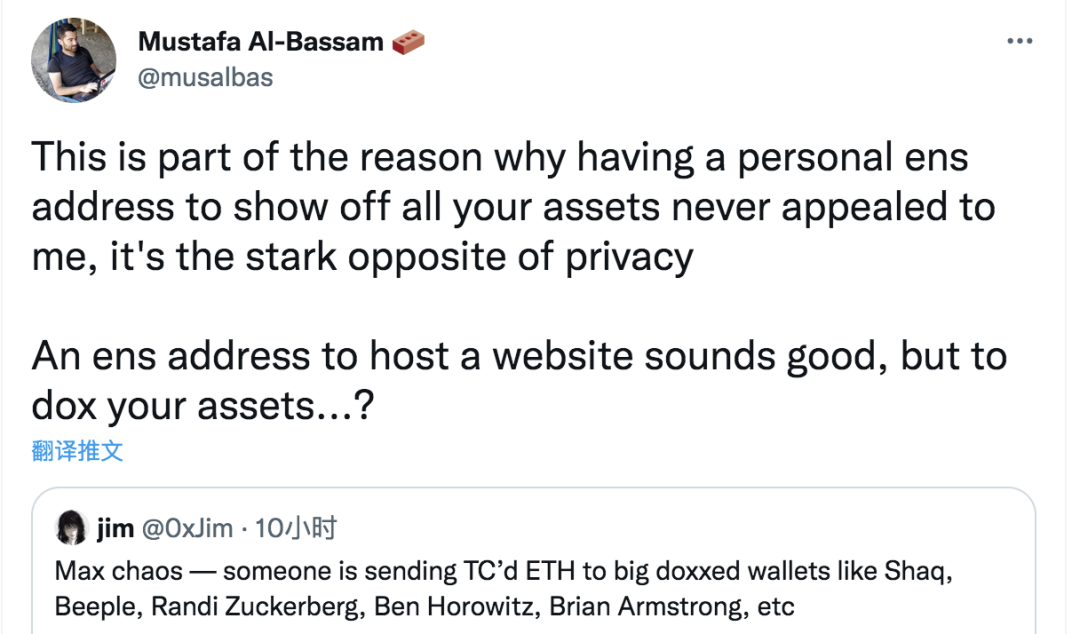
ENS 将复杂的以太坊地址替换为便于人类记忆的字符,这有助于 Crypto 的普及,然而它也带来了严重的隐私泄露问题。

以往,我们只是通过 ENS 地址来查探别人的财务数据,这仅仅是侵犯了隐私,但并没有造成实际的威胁,而在这次“投毒”事件当中,相关的 ENS 地址都可能会遇到一些麻烦。

这也提醒了我们,ENS 地址并不适合与个人的财务关联到一起。
4、可选隐私协议的致命缺点

最后,是 Tornado Cash 协议本身的问题,由于它是一个自由选择使用的协议,因此普通 Crypto 用户不太会去使用这个协议,而像黑客等对隐私需求较大的“用户”才会经常使用 Tornado Cash 混币协议,这引发了美国监管机构的担忧,并最终引来了制裁。

但如果隐私是一种默认选项,网络中的任何交易都带有隐私属性,那么这个网络的抗审查性会更强,当然,监管机构依然会追查相关的涉黑交易,这要求网络提供的隐私属性并不是绝对的,否则整个网络依然会遭到制裁。

而例如 Aleo 以及 Aztec 这样的通用隐私层协议,可能会改善这方面的一些问题,而它们能否平衡监管与协议可用性,会是它们能否取得成功的关键。

小结

全球监管机构对 Crypto 行业的监管只会越来越紧,这无疑会对现有的一些脆弱的基础设施造成巨大的冲击,但对一些新兴事物或叙事,这也意味着新的机会。而隐私作为区块链的重要属性之一,往往是被多数人忽视的,希望最近的事件能够改变这种状态,当然,需要指出的是,绝对的隐私是不允许被实现的,这一点不用怀疑。


Lecturas Relacionadas

Base Halts for Two Hours: A Single Invalid Block Reveals the Centralized Reality of L2s

Base, an Ethereum Layer-2 Rollup, experienced a two-hour network outage starting around 00:03 UTC on June 26. The halt was caused by a consensus issue that led to an invalid block being sequenced, which prevented the generation of new blocks after block 47806542. The team identified the problem, restored block sequencing by 01:51 UTC, and confirmed full recovery of ecosystem infrastructure synchronization shortly after. This incident highlights the operational reality for many L2s: while they leverage Ethereum for security and data availability, their day-to-day usability heavily depends on their sequencer and internal systems. Base employs a high-availability sequencer system with one active leader, but this setup did not prevent the outage when a consensus-level problem arose. This follows a previous 33-minute outage in August 2025 related to a faulty sequencer handover process. The downtime occurred near the scheduled activation window for the "Beryl" network upgrade, which has since been postponed. Beryl introduces the native B20 token standard, among other improvements. The incident has sparked renewed discussion about Base potentially launching its own network token in the future, shifting the conversation from mere speculation to questions about how a token might relate to sequencer decentralization, governance, and accountability in such failure scenarios.

Foresight NewsHace 19 min(s)

Base Halts for Two Hours: A Single Invalid Block Reveals the Centralized Reality of L2s

Foresight NewsHace 19 min(s)

STRC Must Re-Anchor for a BTC Bull Market to Happen

Title: STRC's Depegging Threatens MicroStrategy's Bitcoin-Buying Machine, and Thus the BTC Bull Run Summary: The sustained depegging of MicroStrategy's priority share STRC (trading ~25% below its $100 target) is severely disrupting the company's core business model and poses a major risk to Bitcoin (BTC) price support. STRC was MicroStrategy's most efficient and low-cost funding tool, designed to allow continuous capital raises near its $100 par value to fuel relentless BTC accumulation. Its depegging has effectively blocked this primary funding channel. The situation creates a severe cash flow crisis. STRC and other priority shares now obligate MicroStrategy to pay approximately $1.7 billion in annual cash dividends, while the company's cash reserves are only about $1.4 billion — insufficient to cover one year of payments. To raise cash, MicroStrategy is increasingly resorting to issuing common stock (MSTR) through ATM offerings. However, recent raises show most proceeds (around 90% in one week) are now used to bolster cash reserves rather than buy Bitcoin. This dilutes the key metric of Bitcoin per MSTR share, eroding the fundamental value proposition for equity investors. The company faces grim alternatives: issuing high-cost debt or selling its massive Bitcoin holdings. The latter, though hinted at, would likely trigger significant negative market reactions. Conclusion: As BTC's largest corporate holder and a major marginal buyer, MicroStrategy's funding woes mean reduced, and potentially reversing, institutional buy-side pressure. The company has shifted from being a guaranteed source of BTC demand to a significant overhang on the market. The article argues that without STRC re-anchoring to restore its funding engine, a sustained BTC bull market is in jeopardy.

marsbitHace 39 min(s)

STRC Must Re-Anchor for a BTC Bull Market to Happen

marsbitHace 39 min(s)

No Bull Market for BTC Without STRC Re-pegging

Summary: The sustained de-pegging of MicroStrategy's (MSTR) Strategy Preferred Shares (STRC) poses a severe threat to Bitcoin (BTC) and could prevent a bull market. STRC, designed to trade near a $100 target, has plunged to around $75, effectively shutting down MicroStrategy's cheapest and most efficient funding channel. This channel was critical for its "raise funds, buy BTC" business model. More critically, MicroStrategy now faces a massive cash outflow from these preferred shares. With approximately $10.49 billion of STRC outstanding at an 11.5% dividend yield, the annual cash obligation exceeds $1.2 billion. Combined with other preferred shares, the total annual payout nears $1.7 billion, depleting its current ~$1.4 billion cash reserve within a year. To address this, MicroStrategy is increasingly relying on common stock (MSTR) offerings via its ATM program. However, recent sales show most raised capital is now used to bolster cash reserves rather than buy more Bitcoin. This dilutes the key metric of BTC per share for common stockholders, eroding the foundation of its premium valuation. If STRC cannot re-peg, this costly dilution may continue. Worse, if cash pressure intensifies, selling Bitcoin becomes a real risk. As the largest corporate BTC holder (~847,363 BTC), any significant sales could crash the market. Thus, MicroStrategy is transforming from BTC's most reliable institutional buyer into a major potential seller, casting a significant shadow over Bitcoin's price prospects.

Odaily星球日报Hace 40 min(s)

No Bull Market for BTC Without STRC Re-pegging

Odaily星球日报Hace 40 min(s)

Trading

Spot
Futuros
活动图片