Avalanche:未能守住关键支撑位,AVAX 接下来会暴跌30%吗?

ambcryptoPublicado a 2026-02-24Actualizado a 2026-02-25

Resumen

雪崩币(AVAX)未能守住8.50美元的关键支撑位,价格可能面临进一步下跌。数据显示,其交易量增长18%至2.65亿美元,价跌量增显示看跌情绪加剧。技术分析指出,若价格持续低于8.50美元,可能暴跌30%至5.69美元。趋势强度指标ADX值达36.93,表明下跌趋势强劲。分析师认为AVAX已跌破看跌旗形形态,目标位下看6.55美元。衍生品数据也显示,日内交易者大量押注空头头寸(346万美元),远多于多头(219万美元),市场普遍预期价格难以突破8.59美元。整体看跌情绪占主导。

价格走势和衍生品数据表明,可能还有进一步下跌的空间。根据CoinMarketCap的数据,AVAX的交易量飙升超过18%,达到2.65亿美元。

价格下跌期间交易量上升通常反映了看跌势头的增强,表明交易者和投资者正在顺应下跌趋势。

AVAX可能下跌30%

从周线图来看,AVAX在尝试重新站上8.50美元的关键支撑位后,似乎一直难以守住该水平。

在2025年2月2日,该资产曾跌破这一水平,但在强劲的买盘活动后得以回升。然而,这一次它未能做到。

根据当前的价格走势,如果AVAX的周线和日线收盘价低于8.50美元的关键水平,它可能会急剧下跌30%,并可能触及5.69美元的水平。然而,如果价格重新回到8.50美元以上,这种看跌观点将失效。

截至发稿时,用于衡量趋势强度的平均方向指数(ADX)已达到36.93,远高于25的关键阈值。这表明AVAX具有强烈的方向性动量。

在此下跌和看跌的价格走势中,一位备受关注的加密货币分析师分享了一篇帖子并附上一段视频,称AVAX已跌破看跌旗形形态,并有望在未来几天触及6.55美元的水平。

交易者关注空头杠杆头寸

除了价格走势和预测之外,目前强化这种看跌观点的另一个因素是衍生品分析工具CoinGlass。

最新的AVAX交易所清算地图显示,日内交易者 heavily targeting 两个关键水平:下行的8.04美元和上行的8.59美元。这些水平集中了最高密度的头寸。

此外,数据显示,交易者建立了219万美元的多头杠杆头寸和346万美元的空头杠杆头寸。总的来说,这种头寸布局突显了围绕这些价格点进行的强烈押注。

这些头寸表明,日内交易者 strongly following 当前的市场趋势,并且 largely believe AVAX价格不太可能很快突破8.59美元的水平。

最终总结

  • AVAX似乎未能守住其8.50美元的关键支撑位。
  • 日内交易者 strongly betting on 空头头寸,而专家 suggest AVAX有望触及6.55美元的水平。

Preguntas relacionadas

Q根据文章,AVAX未能守住哪个关键支撑位?

AAVAX未能守住8.50美元的关键支撑位。

Q如果AVAX价格持续低于8.50美元,可能会下跌多少百分比?

A如果AVAX价格持续低于8.50美元,可能会下跌30%。

Q文章中提到,交易员主要在哪两个价格水平设置了高浓度的仓位?

A交易员主要在8.04美元(下行)和8.59美元(上行)这两个价格水平设置了高浓度的仓位。

Q根据分析师预测,AVAX可能跌至哪个具体价格水平?

A根据分析师预测,AVAX可能跌至6.55美元的水平。

Q文章中提到哪个技术指标显示AVAX具有强烈的方向性动量?

A平均方向指数(ADX)显示AVAX具有强烈的方向性动量,其数值达到36.93,远高于关键阈值25。

Lecturas Relacionadas

Ethereum Reaches the Milestone of One Million Developers, Sharplink CEO Delves Deep into Ethereum's Future Possibilities

Ethereum Surpasses One Million Developers Milestone: A Look at Its Unshakeable Dominance and Future Joseph Chalom, CEO of Sharplink, reflects on his recent Asia trip where he engaged deeply with Ethereum developers and ecosystem leaders. The most striking takeaway was not just the industry's vibrancy, but the rigorous, long-term vision of local builders. This context brings to life a pivotal statistic: Ethereum has now surpassed one million cumulative developers (1,012,824), with approximately 232,000 remaining active in the past year—a talent pool unmatched by any other crypto ecosystem. The critical question isn't which blockchain is fastest, but where top developers choose to build long-term. Ethereum's answer is unequivocal. Its decade-long lead stems from a unique convergence of technology, institutional culture, economic systems, and composability, cementing its role as the foundational operating system for programmable finance. This massive developer base is tackling the industry's hardest problems, continuously strengthening Ethereum's moat. Key initiatives include: * **The Glamsterdam Upgrade (planned 2026):** Introducing ePBS and Block-level Access Lists for parallel execution and higher throughput while preserving core values like credible neutrality and fair MEV distribution. * **Synchronous Composability:** Projects are working to enable atomic transactions across dozens of Rollups, making them function as one unified chain and eliminating ecosystem fragmentation. * **Post-Quantum Security:** Ethereum is far ahead in preparing for quantum computing threats, with a dedicated foundation working group and testnets targeting a full migration by ~2029—a crucial factor for institutional adoption. Beyond developers, Ethereum's core network effects are its unparalleled composability and unified standards (like EVM and Solidity), which create a powerful flywheel: more developers → better tools → greater liquidity → more institutional participation. Its other decisive advantages include credible neutrality (over 900k validators), a secure modular architecture with interconnected Rollups, and a deeply entrenched culture shaped by top-tier researchers. Ultimately, there's a vast difference between generating short-term activity and becoming the trusted, long-term coordination layer for global native finance. Major institutions prioritize security, trust, and liquidity—areas where Ethereum holds dominant mindshare. The industry's trajectory shows resources consolidating around unified standards, deep liquidity, and developer consensus. After meeting the builders in Seoul and Hong Kong, Chalom is more convinced than ever: Ethereum's unshakeable future is being built right now.

Foresight NewsHace 11 min(s)

Ethereum Reaches the Milestone of One Million Developers, Sharplink CEO Delves Deep into Ethereum's Future Possibilities

Foresight NewsHace 11 min(s)

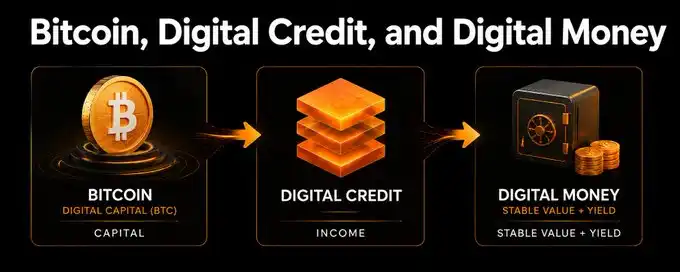
Saylor's Latest Long Read: Bitcoin is Not Money, It's Digital Capital, and Money is Built Upon It

Michael Saylor presents his "Digital Asset Stack" theory, positioning Bitcoin as the foundational layer of digital capital. He argues Bitcoin itself should remain unchanged—no staking, inflation, or protocol alterations. Instead, a five-layer financial architecture should be built atop it: Digital Capital (BTC), Digital Credit (e.g., yield instruments like STRC), Digital Currency (stable, yield-bearing instruments pegged to fiat), Digital Yield (leveraged/structured products), and Digital Equity (e.g., MSTR stock, absorbing residual volatility). Saylor asserts this stack transforms Bitcoin's high-volatility, high-energy capital into tailored products: stable currencies for payments/savings, yield instruments for income seekers, and equity for growth investors. This approach meets diverse needs—corporate treasuries, banks, retirees, emerging market users—without compromising Bitcoin's core properties (scarcity, decentralization). The "killer use case" is rebuilding global money, credit, and capital markets on Bitcoin, bridging the fiat world with a superior digital asset foundation. The system leverages traditional finance principles (risk layering, structured products) while using Bitcoin as the ultimate collateral. This expands Bitcoin's utility, drives adoption, and offers a better monetary experience: digital, yield-bearing, stable-value tools for everyday use.

marsbitHace 23 min(s)

Saylor's Latest Long Read: Bitcoin is Not Money, It's Digital Capital, and Money is Built Upon It

marsbitHace 23 min(s)

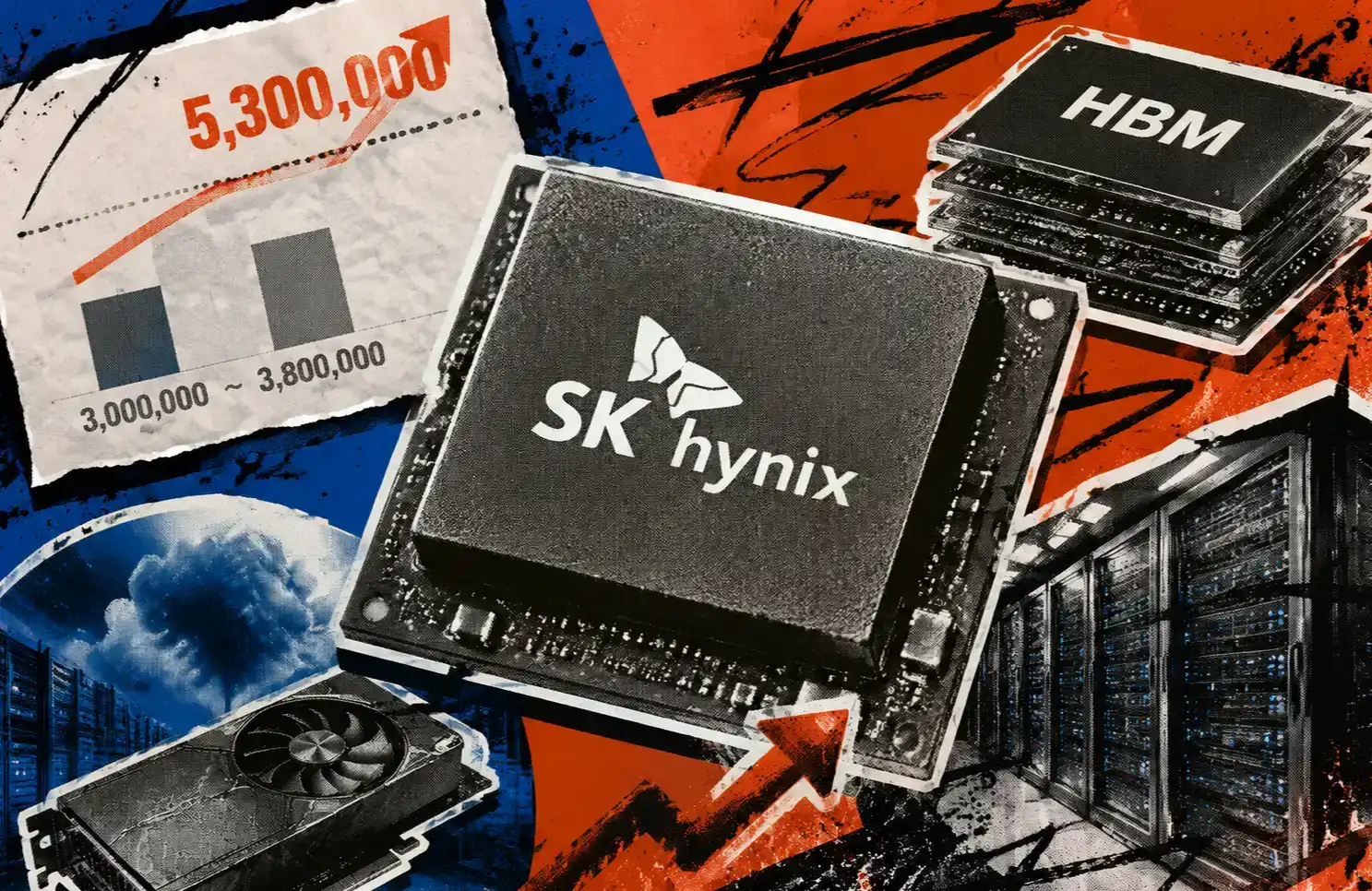
Can SK Hynix's Stock Double Again in This Rally?

The article discusses the highly optimistic price target of approximately $3,500 for SK Hynix stock, set by Aletheia Capital. This target is significantly above the consensus range of $2,000-$2,520 from major brokerages. The core debate is whether SK Hynix deserves a fundamental re-rating beyond its traditional cyclical discount, based on the long-term impact of AI-driven demand. The $3,500 target hinges on three key assumptions holding simultaneously until at least 2027: 1) Continued shortage and high pricing for HBM (High Bandwidth Memory), a critical component for AI chips; 2) Sustained high prices for standard DRAM, as HBM production consumes capacity and constrains general supply; and 3) Strong AI server demand generating substantial, above-expectation free cash flow. SK Hynix's leading ~58% market share in HBM and its early certification with key clients like Nvidia provide a competitive advantage, allowing it to capture significant supply chain premiums. The HBM shortage is seen not just as a niche growth driver but as a catalyst that amplifies profitability across the entire memory business by tightening overall DRAM supply. However, the article cautions that this target represents an optimistic "tail scenario." Key risks include potential supply increases from competitors (Samsung, Micron) by 2027, a possible slowdown in HBM price growth, and high capital expenditures that could erode the projected free cash flow. The divergence in analyst targets reflects the market's uncertainty over whether the current AI-driven boom will temporarily elevate earnings or permanently raise the memory industry's profit baseline.

marsbitHace 27 min(s)

Can SK Hynix's Stock Double Again in This Rally?

marsbitHace 27 min(s)

Has the Cryptocurrency Market Hit Bottom? Here's What Institutions Think

"Has the crypto market bottomed out? Major institutions are divided on the outlook, according to a recent analysis by Matt Hougan, Chief Investment Officer of Bitwise. Three prominent research firms published in-depth reports on the topic with differing conclusions. Galaxy Digital argues Bitcoin has not yet found its bottom, pointing to only 4 out of 13 historical bottoming indicators being met. Their analysis suggests a potential bottom range of $30,000 to $54,000. NYDIG adopts a more cautious stance, noting that while metrics are close to historical bear market lows, a classic panic-selling capitulation event is missing. They acknowledge the possibility of a bottom but consider it unlikely, citing structural changes from institutional adoption. In contrast, Standard Chartered Bank asserts the bottom is already in at around $59,000. Their revised bullish view, predicting a year-end target of $100,000, hinges on anticipated reductions in ETF selling pressure linked to events like a potential SpaceX IPO. Despite the surface-level disagreement on the exact price floor, the reports share significant common ground crucial for long-term investors. All three institutions agree that a market bottom will likely form within the current year, that current prices are closer to the bottom than to previous cycle highs, and that Bitcoin is poised for another major bull cycle in the future. The core takeaway is that while the precise bottom level remains debated, the long-term value proposition for Bitcoin remains strong and may even be strengthening. Key supportive trends include rising global debt, persistent inflation, declining trust in traditional institutions, accelerating digitization, and improving market infrastructure. Therefore, for investors with a long-term horizon, the focus should shift from pinpointing the exact bottom to recognizing that the cycle's peak is likely still ahead, making current levels an attractive entry point for substantial potential upside."

Foresight NewsHace 47 min(s)

Has the Cryptocurrency Market Hit Bottom? Here's What Institutions Think

Foresight NewsHace 47 min(s)

Trading

Spot
Futuros

Artículos destacados

Cómo comprar AVAX

¡Bienvenido a HTX.com! Hemos hecho que comprar Avalanche (AVAX) sea simple y conveniente. Sigue nuestra guía paso a paso para iniciar tu viaje de criptos.Paso 1: crea tu cuenta HTXUtiliza tu correo electrónico o número de teléfono para registrarte y obtener una cuenta gratuita en HTX. Experimenta un proceso de registro sin complicaciones y desbloquea todas las funciones.Obtener mi cuentaPaso 2: ve a Comprar cripto y elige tu método de pagoTarjeta de crédito/débito: usa tu Visa o Mastercard para comprar Avalanche (AVAX) al instante.Saldo: utiliza fondos del saldo de tu cuenta HTX para tradear sin problemas.Terceros: hemos agregado métodos de pago populares como Google Pay y Apple Pay para mejorar la comodidad.P2P: tradear directamente con otros usuarios en HTX.Over-the-Counter (OTC): ofrecemos servicios personalizados y tipos de cambio competitivos para los traders.Paso 3: guarda tu Avalanche (AVAX)Después de comprar tu Avalanche (AVAX), guárdalo en tu cuenta HTX. Alternativamente, puedes enviarlo a otro lugar mediante transferencia blockchain o utilizarlo para tradear otras criptomonedas.Paso 4: tradear Avalanche (AVAX)Tradear fácilmente con Avalanche (AVAX) en HTX's mercado spot. Simplemente accede a tu cuenta, selecciona tu par de trading, ejecuta tus trades y monitorea en tiempo real. Ofrecemos una experiencia fácil de usar tanto para principiantes como para traders experimentados.

576 Vistas totalesPublicado en 2024.12.12Actualizado en 2026.06.02

Cómo comprar AVAX

Discusiones

Bienvenido a la comunidad de HTX. Aquí puedes mantenerte informado sobre los últimos desarrollos de la plataforma y acceder a análisis profesionales del mercado. A continuación se presentan las opiniones de los usuarios sobre el precio de AVAX (AVAX).

活动图片