Khởi đầu thuận lợi! TVL của USDD vượt mốc 1 tỷ USD, khởi hành mạnh mẽ vào năm 2026

marsbitPublicado a 2026-01-16Actualizado a 2026-01-16

Resumen

Vào đầu năm 2026, stablecoin phi tập trung USDD đã đạt cột mốc quan trọng khi tổng giá trị bị khóa (TVL) vượt 1 tỷ USD. Thành tựu này đánh dấu bước phát triển mới trong xây dựng hệ sinh thái USDD và khẳng định sự công nhận của thị trường đối với cơ chế phi tập trung, giá trị ổn định và mô hình phát triển bền vững. Sự tăng trưởng này đến từ ba yếu tố chính: cơ chế sinh lãi bền vững thông qua Smart Allocator (đã tạo ra hơn 8,34 triệu USD lợi nhuận), mở rộng hệ sinh thái đa chuỗi (TRON, Ethereum, BNB Chain) và quản lý rủi ro vượt trội với mô hình thế chấp vượt mức. Đặc biệt, sUSDD - phiên bản sinh lãi của USDD - giúp người dùng dễ dàng tham gia kiếm lợi nhuận thụ động. Năm 2026, USDD tập trung chuyển từ "thúc đẩy bằng ưu đãi" sang "thúc đẩy bằng nhu cầu thực tế", mở rộng hợp tác với các sàn giao dịch và giao thức DeFi, đồng thời tăng cường ứng dụng trong giao dịch, cho vay và chi trả. Với lợi thế minh bạch, chống đóng băng và cơ chế chia sẻ lợi nhuận, USDD hứa hẹn tiếp tục tăng trưởng mạnh mẽ.

Vào đầu năm 2026, stablecoin phi tập trung USDD đã đạt được một cột mốc quan trọng - tổng giá trị bị khóa (TVL) chính thức vượt mốc 1 tỷ USD! Thành tựu này không chỉ đánh dấu việc xây dựng hệ sinh thái USDD bước vào giai đoạn mới, mà còn thể hiện sự công nhận cao của thị trường đối với cơ chế phi tập trung, nền tảng giá trị ổn định và mô hình phát triển bền vững của nó.
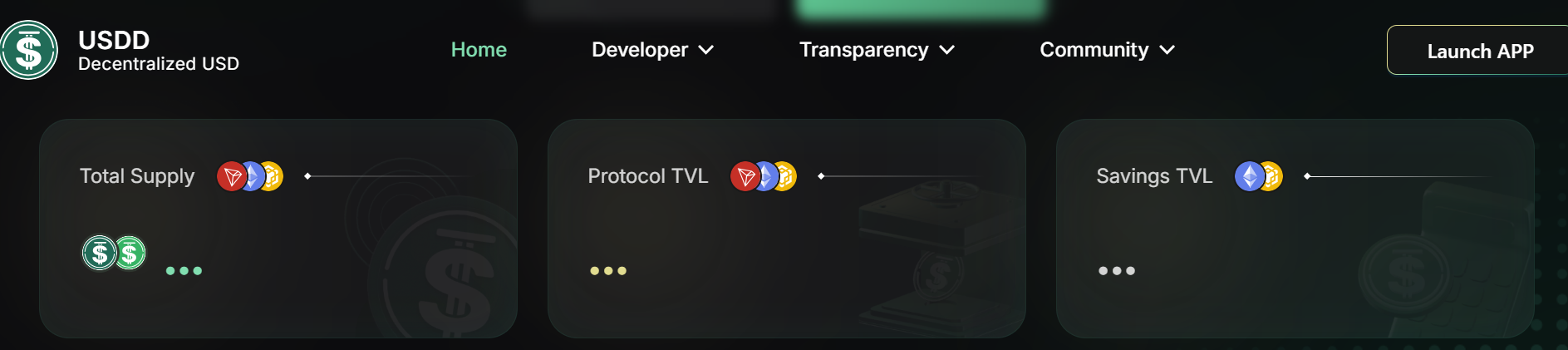
Trong bối cảnh ngành DeFi vẫn đang trong quá trình phân hóa cấu trúc và sàng lọc liên tục, "khởi đầu thuận lợi" này của USDD có ý nghĩa chỉ báo rõ rệt. Nó vừa xác nhận logic giá trị dài hạn của USDD, vừa mang lại niềm tin tăng trưởng mới cho phân khúc stablecoin phi tập trung, mở ra một khởi đầu tích cực cho sự phát triển ngành trong năm 2026.

Logic tăng trưởng trong nghịch cảnh: Sự phối hợp của cơ chế, hệ sinh thái và quản lý rủi ro

USDD có thể đạt được mức tăng trưởng mang tính cột mốc này chủ yếu nhờ ba lợi thế cốt lõi: cơ chế lợi nhuận bền vững sáng tạo, bố cục hệ sinh thái đa chuỗi vững chắc và hệ thống quản lý rủi ro xuất sắc.

Ở cấp độ cơ chế lợi nhuận, USDD từ khi ra đời đã được định vị là "USDT có sinh lời". Thông qua cơ chế phân bổ lợi nhuận Smart Allocator, giao thức phân bổ động một phần vốn dự trữ vào các dự án trên chuỗi chất lượng cao đã qua sàng lọc nghiêm ngặt, để thu về lãi suất, khuyến khích giao thức và phần thưởng nền tảng đa dạng. Theo tiết lộ, cơ chế này đã tạo ra hơn 8,34 triệu USD lợi nhuận thực tế.

Trên cơ sở này, USDD đã ra mắt token sinh lời sUSDD, người dùng có thể chuyển đổi một cách đơn giản USDD sang sUSDD, tham gia trực tiếp vào việc sinh lời thụ động và lãi kép tự động mà không cần thao tác phức tạp. Thiết kế này làm giảm đáng kể rào cản tham gia của người dùng, đồng thời biến USDD từ một công cụ neo giá trị đơn thuần, mở rộng thêm thành một công cụ hiệu quả vốn vừa có thu nhập, tăng cường sức hấp dẫn của nó trong hệ thống DeFi.

Ở cấp độ bố cục hệ sinh thái, USDD đã hoàn thành bước nhảy vọt quan trọng từ đơn chuỗi sang đa chuỗi, và thể hiện khả năng tiếp nhận người dùng và hiệu quả lưu giữ vốn tốt trong quá trình mở rộng. Ví dụ, trong sự kiện Yield+ do Binance Wallet phối hợp tổ chức gần đây, tuần đầu tiên sự kiện đã thu hút hơn 3000 người dùng tham gia, TVL của sUSDD trong thời gian ngắn đã tăng hơn 867%, và vượt mốc 295 triệu USD, trở thành sản phẩm stablecoin tăng trưởng nhanh nhất trong cùng kỳ.

Hiện tại, USDD đã được triển khai nguyên bản trên các chuỗi chính như TRON, Ethereum và BNB Chain, từng bước xây dựng cơ sở hạ tầng stablecoin hợp tác đa chuỗi.

Ở cấp độ quản lý rủi ro, USDD sử dụng mô hình khoản nợ thế chấp vượt mức và thiết lập yêu cầu tỷ lệ thế chấp tối thiểu nghiêm ngặt, đảm bảo mỗi USDD đều có sự hỗ trợ tài sản đầy đủ, minh bạch. Đồng thời, mô-đun neo ổn định của nó hỗ trợ người dùng trao đổi giữa USDD và các stablecoin chủ đạo theo tỷ lệ 1:1, không trượt giá, cung cấp sự đảm bảo kép cho tính thanh khoản và ổn định giá. Chính loạt thiết kế cơ chế này giúp USDD vẫn có thể duy trì neo giá trong biến động thị trường, liên tục giành được niềm tin của người dùng.

Tăng trưởng được thúc đẩy bởi ứng dụng thực tế: Bố cục hệ sinh thái đa chuỗi và các kịch bản sử dụng thực tế năm 2026

Nhìn về năm 2026, lộ trình phát triển của USDD đang trở nên rõ ràng hơn và có định hướng dài hạn. Nhóm phát triển đã nêu rõ, sẽ từng bước thúc đẩy hệ sinh thái chuyển đổi từ "được thúc đẩy bởi khuyến khích" sang "được thúc đẩy bởi sử dụng thực tế". Điều này có nghĩa là, USDD trong tương lai sẽ tập trung hơn vào việc xây dựng các kịch bản ứng dụng dựa trên nhu cầu thực tế, từng bước giảm sự phụ thuộc vào trợ cấp ngắn hạn và khuyến khích bên ngoài, thay vào đó thông qua các cơ chế nội sinh như Smart Allocator để liên tục tạo ra giá trị có thể phân phối.

Đồng thời, USDD có kế hoạch tăng cường hợp tác với các sàn giao dịch trên chuỗi và các giao thức DeFi cốt lõi, và khám phá mô hình hai bánh xe phối hợp trên chuỗi và ngoài chuỗi. Một mặt mở rộng việc sử dụng nguyên bản USDD trong các kịch bản như giao dịch, cho vay, chiến lược lợi nhuận; mặt khác thông qua ví, thanh toán và công cụ tổng hợp để tăng cường tiếp cận người dùng và lắng đọng vốn, hình thành vòng tuần hoàn tích cực giữa giao thức, đối tác và người dùng.

Trước sự cạnh tranh ngày càng gay gắt của thị trường stablecoin, USDD cũng dần xác lập định vị khác biệt rõ ràng. So với stablecoin tập trung có tính thanh khoản đầy đủ nhưng tồn tại rủi ro đóng băng và vấn đề minh bạch lợi nhuận, USDD thông qua kiến trúc phi tập trung, đặc tính chống đóng băng và cơ chế hoàn lợi nhuận cho người nắm giữ, cung cấp một giải pháp thay thế hấp dẫn hơn. Khi yêu cầu về tính minh bạch và bền vững của ngành ngày càng cao, lợi thế này của USDD dự kiến sẽ được phóng đại thêm.

TVL vượt 1 tỷ USD chỉ là điểm khởi đầu. Trong giai đoạn mở màn năm 2026, USDD đã đi đầu với một đường cong tăng trưởng rõ ràng và vững chắc, không gian tăng trưởng và ảnh hưởng ngành trong tương lai của nó ngày càng đáng được kỳ vọng.


Preguntas relacionadas

QUSDD đã đạt được cột mốc quan trọng nào vào đầu năm 2026?

AVào đầu năm 2026, USDD đã chính thức đạt tổng giá trị bị khóa (TVL) vượt mốc 10 tỷ USD, đánh dấu một bước tiến quan trọng trong việc xây dựng hệ sinh thái và khẳng định sự công nhận của thị trường.

QCơ chế nào giúp USDD tạo ra lợi nhuận cho người dùng?

AUSDD sử dụng cơ chế Smart Allocator để phân bổ động một phần vốn dự trữ vào các dự án chất lượng trên chuỗi, tạo ra lợi nhuận từ lãi suất, khuyến mãi giao thức và phần thưởng nền tảng. Người dùng có thể chuyển đổi sang sUSDD để tham gia vào cơ chế sinh lãi thụ động và lãi kép tự động.

QUSDD đã mở rộng hệ sinh thái đa chuỗi như thế nào?

AUSDD đã triển khai nguyên bản trên các chuỗi chính như TRON, Ethereum và BNB Chain, xây dựng cơ sở hạ tầng stablecoin đa chuỗi với khả năng tiếp nhận người dùng và giữ vốn hiệu quả.

QLàm thế nào USDD duy trì sự ổn định giá và quản lý rủi ro?

AUSDD sử dụng mô hình khoản nợ thế chấp vượt mức với tỷ lệ thế chấp tối thiểu nghiêm ngặt, đảm bảo mỗi USDD đều được hỗ trợ bởi tài sản minh bạch. Mô-đun neo giá ổn định cho phép người dùng trao đổi 1:1 không trượt giá với các stablecoin chính, cung cấp sự đảm bảo kép cho thanh khoản và ổn định giá.

QKế hoạch phát triển của USDD trong năm 2026 tập trung vào điều gì?

ANăm 2026, USDD tập trung chuyển đổi từ 'thúc đẩy bằng ưu đãi' sang 'thúc đẩy bằng sử dụng thực tế', mở rộng hợp tác với các sàn giao dịch trên chuỗi và giao thức DeFi cốt lõi, đồng thời khám phá mô hình kết hợp trên chuỗi và ngoài chuỗi để tăng cường sử dụng USDD trong các kịch bản thực tế.

Lecturas Relacionadas

Sharplink CEO: One Million Ethereum Developers, Who Can Compete?

Etherean Ecosystem: One Million Developers and a Formidable Moat The Ethereum network has surpassed a significant milestone: over one million unique lifetime developers, with approximately 232,000 active in the past year. This vast and growing talent pool is Ethereum's core advantage, far more critical than transient metrics like speed or transaction fees. The central question is not which blockchain is fastest, but where the best builders choose to build long-term. Ethereum's answer lies in a decade-long accumulation of infrastructure, standards, tools, liquidity, and collaborative culture that is exceptionally difficult to replicate. It has become the default operating system for programmable finance. This massive developer base is actively working on complex, high-risk challenges that deepen Ethereum's strategic moat: * **Glamsterdam Upgrade (2026):** Focused on core protocol scalability (ePBS, parallel execution) while preserving core values like credible neutrality. * **Synchronous Composability:** Aims to make numerous Rollups interoperate like a single chain, directly addressing fragmentation concerns. * **Quantum Resistance:** Ethereum leads mainstream ecosystems in coordinated preparation for post-quantum cryptography, with a targeted migration plan around 2029. This developer advantage is self-reinforcing, fueled by: * **Deep Composability:** Applications interact like interoperable financial Lego bricks via shared standards (e.g., EVM, Solidity). * **Credible Neutrality:** Secured by over 900,000 validators, making it trusted by major institutions. * **Modularity:** Rollups (Base, Arbitrium, etc.) expand, rather than fracture, the ecosystem into a tightly connected modular internet economy. * **Culture:** Attracts top-tier researchers and standard-setters who guide the entire industry. In essence, while other chains generate activity, Ethereum is consolidating as the trusted, long-term coordination layer for internet-native finance. Its future is being built now by the architects of the next-generation financial infrastructure.

Odaily星球日报Hace 32 min(s)

Sharplink CEO: One Million Ethereum Developers, Who Can Compete?

Odaily星球日报Hace 32 min(s)

Ethereum Reaches the Milestone of One Million Developers, Sharplink CEO Delves Deep into Ethereum's Future Possibilities

Ethereum Surpasses One Million Developers Milestone: A Look at Its Unshakeable Dominance and Future Joseph Chalom, CEO of Sharplink, reflects on his recent Asia trip where he engaged deeply with Ethereum developers and ecosystem leaders. The most striking takeaway was not just the industry's vibrancy, but the rigorous, long-term vision of local builders. This context brings to life a pivotal statistic: Ethereum has now surpassed one million cumulative developers (1,012,824), with approximately 232,000 remaining active in the past year—a talent pool unmatched by any other crypto ecosystem. The critical question isn't which blockchain is fastest, but where top developers choose to build long-term. Ethereum's answer is unequivocal. Its decade-long lead stems from a unique convergence of technology, institutional culture, economic systems, and composability, cementing its role as the foundational operating system for programmable finance. This massive developer base is tackling the industry's hardest problems, continuously strengthening Ethereum's moat. Key initiatives include: * **The Glamsterdam Upgrade (planned 2026):** Introducing ePBS and Block-level Access Lists for parallel execution and higher throughput while preserving core values like credible neutrality and fair MEV distribution. * **Synchronous Composability:** Projects are working to enable atomic transactions across dozens of Rollups, making them function as one unified chain and eliminating ecosystem fragmentation. * **Post-Quantum Security:** Ethereum is far ahead in preparing for quantum computing threats, with a dedicated foundation working group and testnets targeting a full migration by ~2029—a crucial factor for institutional adoption. Beyond developers, Ethereum's core network effects are its unparalleled composability and unified standards (like EVM and Solidity), which create a powerful flywheel: more developers → better tools → greater liquidity → more institutional participation. Its other decisive advantages include credible neutrality (over 900k validators), a secure modular architecture with interconnected Rollups, and a deeply entrenched culture shaped by top-tier researchers. Ultimately, there's a vast difference between generating short-term activity and becoming the trusted, long-term coordination layer for global native finance. Major institutions prioritize security, trust, and liquidity—areas where Ethereum holds dominant mindshare. The industry's trajectory shows resources consolidating around unified standards, deep liquidity, and developer consensus. After meeting the builders in Seoul and Hong Kong, Chalom is more convinced than ever: Ethereum's unshakeable future is being built right now.

Foresight NewsHace 43 min(s)

Ethereum Reaches the Milestone of One Million Developers, Sharplink CEO Delves Deep into Ethereum's Future Possibilities

Foresight NewsHace 43 min(s)

Saylor's Latest Long Read: Bitcoin is Not Money, It's Digital Capital, and Money is Built Upon It

Michael Saylor presents his "Digital Asset Stack" theory, positioning Bitcoin as the foundational layer of digital capital. He argues Bitcoin itself should remain unchanged—no staking, inflation, or protocol alterations. Instead, a five-layer financial architecture should be built atop it: Digital Capital (BTC), Digital Credit (e.g., yield instruments like STRC), Digital Currency (stable, yield-bearing instruments pegged to fiat), Digital Yield (leveraged/structured products), and Digital Equity (e.g., MSTR stock, absorbing residual volatility). Saylor asserts this stack transforms Bitcoin's high-volatility, high-energy capital into tailored products: stable currencies for payments/savings, yield instruments for income seekers, and equity for growth investors. This approach meets diverse needs—corporate treasuries, banks, retirees, emerging market users—without compromising Bitcoin's core properties (scarcity, decentralization). The "killer use case" is rebuilding global money, credit, and capital markets on Bitcoin, bridging the fiat world with a superior digital asset foundation. The system leverages traditional finance principles (risk layering, structured products) while using Bitcoin as the ultimate collateral. This expands Bitcoin's utility, drives adoption, and offers a better monetary experience: digital, yield-bearing, stable-value tools for everyday use.

marsbitHace 56 min(s)

Saylor's Latest Long Read: Bitcoin is Not Money, It's Digital Capital, and Money is Built Upon It

marsbitHace 56 min(s)

Can SK Hynix's Stock Double Again in This Rally?

The article discusses the highly optimistic price target of approximately $3,500 for SK Hynix stock, set by Aletheia Capital. This target is significantly above the consensus range of $2,000-$2,520 from major brokerages. The core debate is whether SK Hynix deserves a fundamental re-rating beyond its traditional cyclical discount, based on the long-term impact of AI-driven demand. The $3,500 target hinges on three key assumptions holding simultaneously until at least 2027: 1) Continued shortage and high pricing for HBM (High Bandwidth Memory), a critical component for AI chips; 2) Sustained high prices for standard DRAM, as HBM production consumes capacity and constrains general supply; and 3) Strong AI server demand generating substantial, above-expectation free cash flow. SK Hynix's leading ~58% market share in HBM and its early certification with key clients like Nvidia provide a competitive advantage, allowing it to capture significant supply chain premiums. The HBM shortage is seen not just as a niche growth driver but as a catalyst that amplifies profitability across the entire memory business by tightening overall DRAM supply. However, the article cautions that this target represents an optimistic "tail scenario." Key risks include potential supply increases from competitors (Samsung, Micron) by 2027, a possible slowdown in HBM price growth, and high capital expenditures that could erode the projected free cash flow. The divergence in analyst targets reflects the market's uncertainty over whether the current AI-driven boom will temporarily elevate earnings or permanently raise the memory industry's profit baseline.

marsbitHace 59 min(s)

Can SK Hynix's Stock Double Again in This Rally?

marsbitHace 59 min(s)

Trading

Spot
Futuros

Artículos destacados

Cómo comprar USDD

¡Bienvenido a HTX.com! Hemos hecho que comprar USDD (USDD) sea simple y conveniente. Sigue nuestra guía paso a paso para iniciar tu viaje de criptos.Paso 1: crea tu cuenta HTXUtiliza tu correo electrónico o número de teléfono para registrarte y obtener una cuenta gratuita en HTX. Experimenta un proceso de registro sin complicaciones y desbloquea todas las funciones.Obtener mi cuentaPaso 2: ve a Comprar cripto y elige tu método de pagoTarjeta de crédito/débito: usa tu Visa o Mastercard para comprar USDD (USDD) al instante.Saldo: utiliza fondos del saldo de tu cuenta HTX para tradear sin problemas.Terceros: hemos agregado métodos de pago populares como Google Pay y Apple Pay para mejorar la comodidad.P2P: tradear directamente con otros usuarios en HTX.Over-the-Counter (OTC): ofrecemos servicios personalizados y tipos de cambio competitivos para los traders.Paso 3: guarda tu USDD (USDD)Después de comprar tu USDD (USDD), guárdalo en tu cuenta HTX. Alternativamente, puedes enviarlo a otro lugar mediante transferencia blockchain o utilizarlo para tradear otras criptomonedas.Paso 4: tradear USDD (USDD)Tradear fácilmente con USDD (USDD) en HTX's mercado spot. Simplemente accede a tu cuenta, selecciona tu par de trading, ejecuta tus trades y monitorea en tiempo real. Ofrecemos una experiencia fácil de usar tanto para principiantes como para traders experimentados.

281 Vistas totalesPublicado en 2024.12.11Actualizado en 2026.06.02

Cómo comprar USDD

Discusiones

Bienvenido a la comunidad de HTX. Aquí puedes mantenerte informado sobre los últimos desarrollos de la plataforma y acceder a análisis profesionales del mercado. A continuación se presentan las opiniones de los usuarios sobre el precio de USDD (USDD).

活动图片