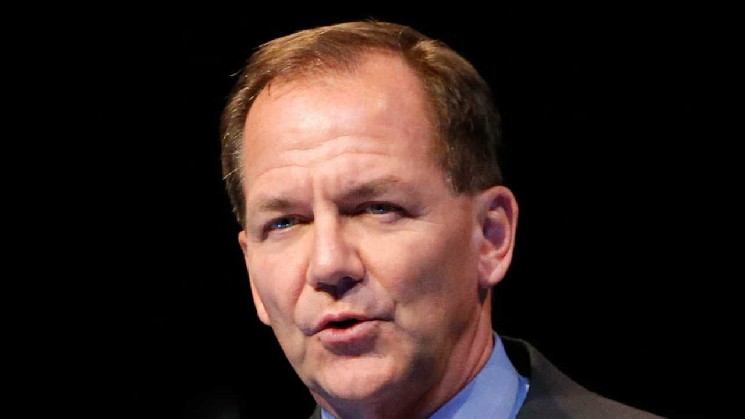
2.63 亿美元政治「战争基金」就位,加密行业加码美国中期选举

marsbitPublicado a 2025-10-28Actualizado a 2025-10-29

继 2024 年美国大选中取得成功后,加密行业正在 2026 年中期选举加大投入。

根据联邦选举委员会(FEC)文件与公开声明,一些专注于加密货币的超级政治行动委员会(SPAC)正在筹集约 2.63 亿美元的资金。据 OpenSecrets 数据,这一金额接近最大 SPAC Fairshake2024 年投入的两倍,略高于整个石油天然气行业在上一轮选举周期的总支出。

2024 年加密行业大举投入后,共和党掌控国会参众两院,议员们通过了加密行业支持的多项法案,并任命立场友好的监管者担任关键职位。这一影响力在上周再次显现:唐纳德・特朗普总统赦免了加密货币交易所币安联合创始人赵长鹏,此前赵长鹏承认违反美国反洗钱法,在拜登政府时期被判处四个月监禁。

立法层面的胜利以及特朗普家族对加密货币的接纳,促使部分新成立的 SPAC 脱离此前策略,更明确地支持共和党,助力该党巩固国会控制权。

加密行业还借助政治献金推动一系列立法与监管优先事项,近期核心焦点是加密货币市场结构法案。该法案将彻底改革数字资产监管框架,并可能赋予对加密行业更友好的商品期货交易委员会(CFTC)更大权限。
政治献金

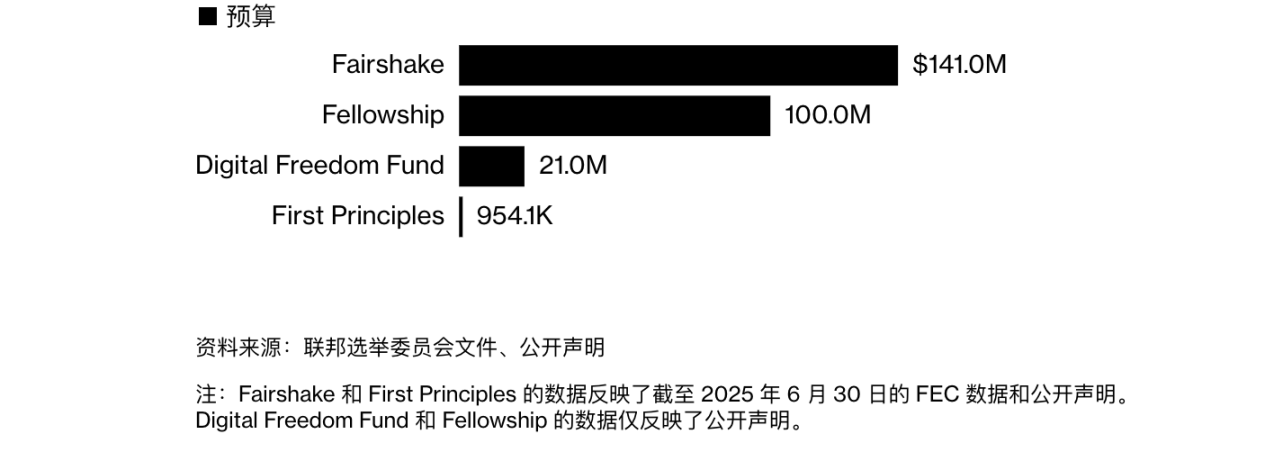
各 SPAC 中期选举预算

为推动法案通过,约 12 位加密行业顶尖高管上周前往华盛顿。尽管政府停摆相关博弈仍在进行,他们仍与一批共和党资深参议员进行了一个多小时的会谈,并与包括少数党领袖查克・舒默在内的民主党参议员进行了更长时间会面。

「行业在 2024 年的成功搭建了一套路线图,无论你是行业 CEO 还是普通用户,都已证明加密货币拥有话语权且能影响选举,」 华盛顿游说团体 The Digital Chamber 首席执行官科迪・卡博内表示,「未来将有更多参与者加入,投入的资金也会更多。」

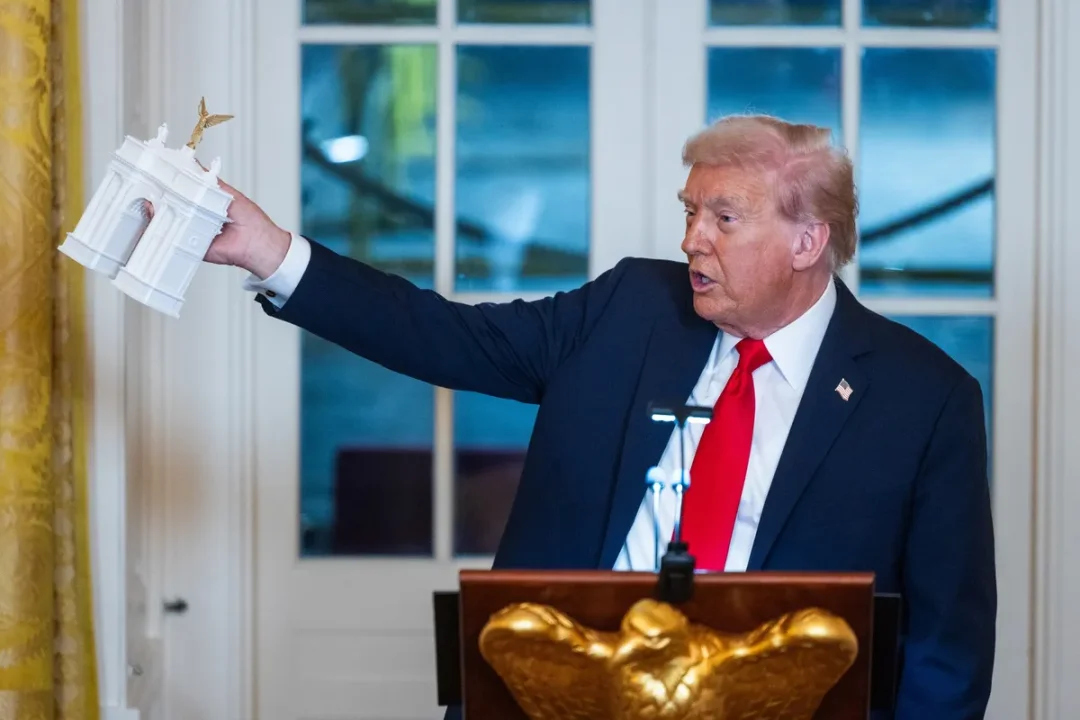
加密货币公司及高管通过多种方式为政策制定者与特朗普的项目提供资金支持。一些加密货币公司与特朗普家族的加密货币企业之间已经达成了商业交易,其他公司也为 1 月份的就职典礼和 6 月份的阅兵式捐款。此外,还有几家公司正在为耗资 3 亿美元的新白宫宴会厅提供资金支持。据白宫称,其中包括 Coinbase、Ripple 以及稳定币巨头 Tether 的美国分公司。
政治献金

美国总统唐纳德・特朗普在与企业高管的晚宴上展示计划中的凯旋门模型,此次晚宴重点推介白宫新宴会厅建设项目

除白宫之外,SPAC 也是国会议员关注的焦点,他们拥有制定行业相关法案的权力。

据公开声明与 FEC 数据,Fairshake 仍是规模最大的加密 SPAC,截至 6 月底持有 1.41 亿美元资金。OpenSecrets 数据显示,该组织 2024 年为支持加密友好候选人投入超 1.33 亿美元,成为上一轮选举周期中单项议题支出最高的组织之一。其支持者包括 Coinbase、瑞波等美国大型加密企业,以及风投公司 Andreessen Horowitz。

2024 年,Fairshake 及其两家关联团体试图将加密友好政策打造成跨党派议题。例如,该组织分别向民主党人埃莉莎・斯洛特金与鲁本・加列戈各投入约 1000 万美元,助力二人分别赢得密歇根州与亚利桑那州的参议员席位。这两位议员是投票支持《GENIUS 法案》的 18 位民主党参议员之一,该法案为加密行业青睐的稳定币更广泛融入金融体系铺平了道路。

但即便在 2024 年,Fairshake 在大选阶段的大部分资金仍用于支持共和党人,包括花费 4000 万美元成功击败时任参议院银行委员会主席、俄亥俄州民主党人谢罗德・布朗。

政治献金

2024 年 11 月,参议院候选人埃莉莎・斯洛特金在底特律的选举夜活动中向支持者发表讲话

这次,SPAC 的数量更多,其中一些与共和党候选人结盟的立场更加明确。

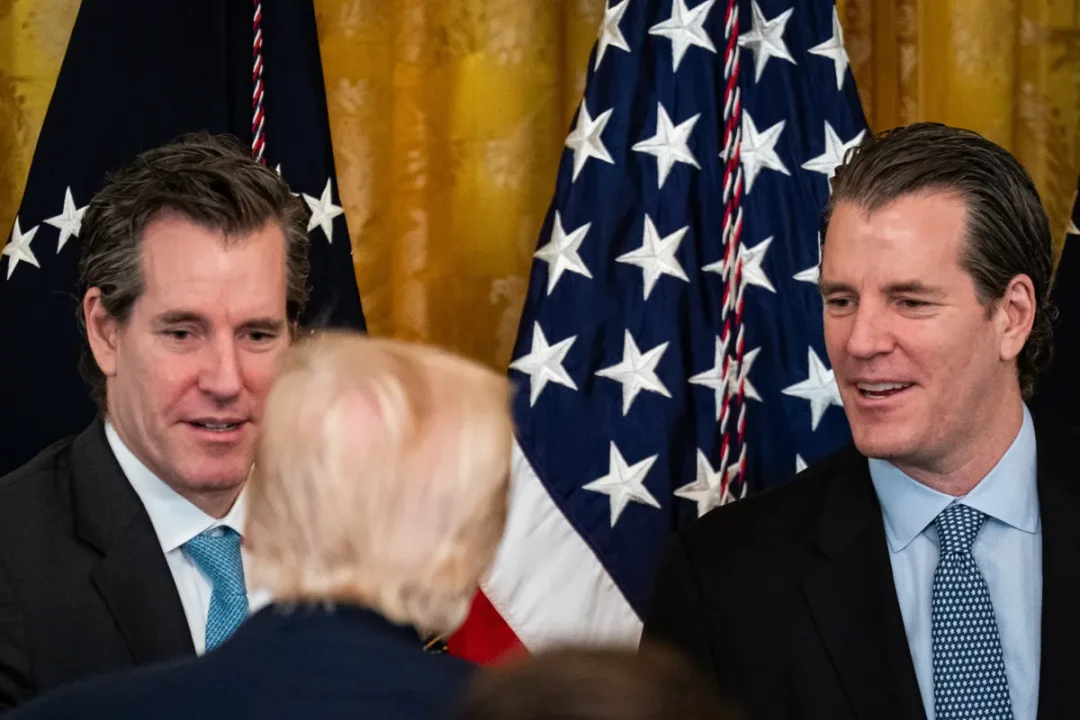
特朗普家族与总统特使史蒂夫・维特科夫家族联合创办的加密项目 World Liberty Financial 上月宣布,将支持 Digital Freedom Fund SPAC。该 PAC 由加密交易所 Gemini 联合创始人泰勒・文克莱沃斯与卡梅伦・文克莱沃斯于 8 月成立,二人在 X 平台声明中表示,将捐赠 2100 万美元比特币,用于在初选与中期选举中支持特朗普总统加密议程的拥护者。据知情人士透露,该组织计划针对正谋求重返参议院的谢罗德・布朗展开行动。
政治献金

7 月,Gemini 联合创始人卡梅伦・文克莱沃斯(左)与泰勒・文克莱沃斯(右)在白宫《GENIUS 法案》签署仪式上与总统唐纳德・特朗普交谈

另一新成立团体是 First Principles Digital PAC,该组织自称「共和党领导、聚焦共和党的机构,致力于推选亲加密领袖」。由共和党策略师杰森・蒂尔曼领导,于 2024 年选举后成立,FEC 文件显示其截至 6 月底现金储备约 95.41 万美元,该组织已经支持迈克·罗杰斯,后者将于 2026 年竞选密歇根州的一个参议院席位。

最近,Fellowship PAC 于 9 月宣布成立,并承诺捐赠 1 亿美元。其捐赠者尚未公开,但初步文件显示,财务主管是金融公司 Cantor Fitzgerald 的高管 —— 该公司曾由特朗普政府商务部长霍华德・勒特尼克领导。

Digital Freedom Fund、Fellowship、Fairshake 与 First Principles Digital PAC 的代表均未对此发表评论。

最大的变数是 Tether。这家总部位于萨尔瓦多的稳定币公司与坎托・菲茨杰拉德关系密切,《纽约时报》报道称,Fellowship PAC 的支持者预计将包括近期成立美国实体的 Tether。

今年 8 月,Tether 宣布将推出美国本土产品,并聘请特朗普前核心加密政策顾问博・海因斯领导相关工作。

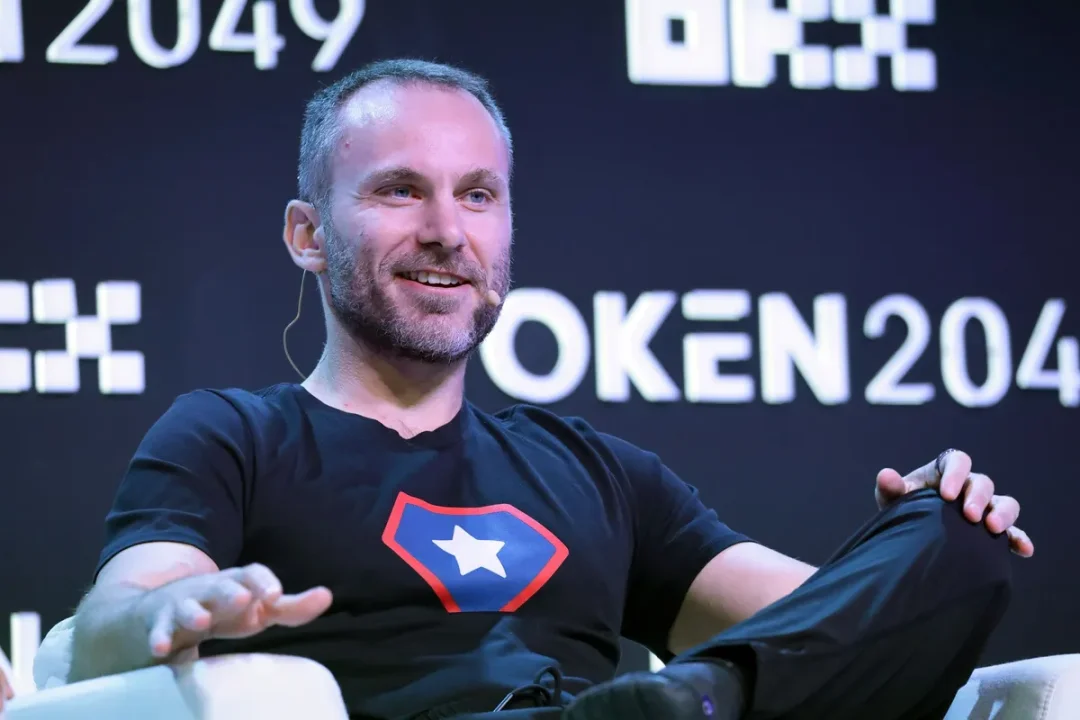
Tether 首席执行官保罗・阿尔多伊诺上周在采访中表示,公司正与多家 PAC 洽谈合作。外国公司被禁止向 SPAC 捐款,而 Tether 在美国的新立足点可能使其获得捐款资格。
政治献金

10 月 2 日,Tether 首席执行官保罗・阿尔多伊诺在新加坡 Token2049 大会上发言

面对加密行业的资金攻势,民主党方面日益担忧。

曾为伊丽莎白・沃伦与希拉里・克林顿竞选团队工作的埃里克・鲍尔斯鲍夫,担任新成立团体 Open Frontier 的执行董事,该组织旨在让更多进步派声音与加密行业结盟。

「我所在阵营的很多人仍在试图理解这个行业,」 鲍尔斯鲍夫表示,「现在没有一个可靠的发声者,加密行业的信任度已严重受损。」

上周加密高管赴华盛顿与议员会面时,党派分歧明显。出席会面的 Chainlink Labs 联合创始人谢尔盖・纳扎罗夫表示,包括参议院银行委员会主席、南卡罗来纳州共和党人蒂姆・斯科特在内的共和党人明确表达了与行业优先事项的一致性;而民主党人则围绕加密货币在洗钱与去中心化金融中的应用提出尖锐问题。

「我认为民主党人尚未真正理解我们的行业,们担心非法金融问题,」 纳扎罗夫说。

另有观点指出,行业的巨额资金与新获得的政治影响力,正迫使至少部分民主党人重新审视自身立场。即便此前立场强硬的布朗,其批评言论也已有所缓和。

「加密货币已成为美国经济的一部分,在俄亥俄州及全美范围内日益普及,」 布朗的竞选经理帕特里克・艾森豪尔在声明中表示,随着越来越多人采用数字资产,布朗希望确保 「它能够扩大机遇,提升俄亥俄州人民的生活水平,并且不会让他们面临风险。」。

政治献金

2024 年,参议员谢罗德・布朗在俄亥俄州参议院竞选活动中

加密行业高管的诉求不止于共和党希望在中期选举前通过市场结构法案,还包括调整加密货币税收政策、反洗钱与制裁相关规则,以及去中心化交易所的监管框架。

部分捐赠者还将目光投向州级与地方选举,例如纽约市长竞选。加密企业家布罗克・皮尔斯在埃里克・亚当斯退出竞选前几天,向支持他的团体捐赠了超 100 万美元。

在 Chainlink Labs 的纳扎罗夫看来,与政界人士的会面存在一个共同主线。「他们意识到这个行业的经济价值巨大,因此必须明确如何应对,」 他说,「行业将持续增长,他们需要制定正确的应对方案。」


Lecturas Relacionadas

Programmers Worldwide Are Wasting Money on Anthropic! The Company Can't Stand It Anymore

Anthropic recently published guidelines to help developers using Claude Code reduce unnecessary token costs. The key recommendations include: 1) Clear (/clear) conversations after completing a task to avoid carrying irrelevant file reads and command outputs into the next task. 2) Set the model and reasoning effort level at the start of a session, as switching mid-session invalidates the prompt cache, requiring a full-price recalculation of the entire dialog history. 3) Attach files using @ references instead of typing paths manually to avoid extra tool calls and searches that bloat the context. 4) Add quiet flags to verbose commands (e.g., in CLAUDE.md) to minimize lengthy output in the dialog history. 5) Use /compact while the session cache is still warm (before breaks) to compress the dialog at one-tenth the cost. 6) Offload large-output tasks to a sub-agent, which runs in an isolated context and only returns conclusions, preventing intermediate outputs from polluting the main dialog. The article explains token pricing: input tokens (prefill) are processed in parallel, while output tokens (decode) are generated serially, making output tokens five times more expensive. Caching is crucial for savings—if a request's prefix (system prompt, CLAUDE.md, dialog history) matches the previous one byte-for-byte, reading it costs only 10% of the standard input price. However, cache invalidation occurs when changing models, effort levels, fast mode, compressing dialogs, after cache expiration, or when resuming old sessions. Dialog history also grows quadratically (O(n²)) as file contents and command outputs accumulate, increasing costs per round. Proactive context management—like isolating noisy tasks, using /rewind to trim unproductive turns, and task-based session clearing—is becoming an essential skill for cost-effective AI-assisted development.

marsbitHace 1 hora(s)

Programmers Worldwide Are Wasting Money on Anthropic! The Company Can't Stand It Anymore

marsbitHace 1 hora(s)

Pax Silica vs. WAICO: The US Wants to Prohibit Europe from Using Chinese Artificial Intelligence

The United States is preparing to demand that European and other partners abandon Chinese artificial intelligence initiatives, threatening exclusion from the American-led "Pax Silica" coalition, according to a leaked U.S. State Department document. This ultimatum forces signatories of the "AI Opportunity Statement" to choose between the Western technological ecosystem and alternative frameworks, with China not explicitly named but clearly targeted. Pax Silica is a U.S. strategy for AI and semiconductor hegemony, launched in late 2025. Its European presence expanded significantly in mid-2026. Concurrently, China, Russia, and 27 other nations established the World AI Cooperation Organization (WAICO) in July 2026 as an independent intergovernmental platform promoting AI governance based on UN principles. This situation creates a difficult choice, especially for European nations balancing strategic autonomy with dependence on U.S. tech and security. It also pressures Global South countries with pragmatic ties to both Washington and Beijing. The formation of competing blocks risks fragmenting the global tech landscape, forcing companies to split supply chains, increasing costs, and potentially leading to incompatible standards and protocols. The era of open globalization in AI may be ending, replaced by geopolitical confrontation where technological sovereignty trumps economic efficiency. The decisions made will shape the global digital economy for decades.

cryptonews.ruHace 3 hora(s)

Pax Silica vs. WAICO: The US Wants to Prohibit Europe from Using Chinese Artificial Intelligence

cryptonews.ruHace 3 hora(s)

Robert Kiyosaki Shares His Mentor's Predictions About the Emergence of Bitcoin and AI

American entrepreneur and author of "Rich Dad Poor Dad," Robert Kiyosaki, discussed the influence of futurist R. Buckminster Fuller on his worldview, linking Fuller's past technological predictions to the emergence of Bitcoin and the development of artificial intelligence. In an X post, Kiyosaki also reflected on personal purpose, sharing his journey from the music business—where he worked with bands like The Police and Iron Maiden—to creating the "Cashflow" board game and writing his famous book. He described feeling an inner emptiness despite his success, a turning point that came after meeting Fuller, whom he studied with for three summers. Kiyosaki described Fuller as a "friendly genius" who foresaw world-changing developments like Bitcoin and AI. However, the core of his post focused on Fuller's philosophical impact, particularly a quote about belonging to the universe and finding purpose by dedicating one's life to the maximum benefit of others. The entrepreneur remains a vocal advocate for cryptocurrencies. He regularly advises buying Bitcoin during market panics, viewing it and assets like Ethereum, gold, and silver as hedges against traditional financial system failures. Kiyosaki has predicted a major market crash by 2026, seeing it as an opportunity for prepared investors, with long-term price targets including $750,000 for Bitcoin and $95,000 for Ethereum.

cryptonews.ruHace 5 hora(s)

Robert Kiyosaki Shares His Mentor's Predictions About the Emergence of Bitcoin and AI

cryptonews.ruHace 5 hora(s)

Etherealize CEO Calls Wall Street's Private Blockchains a 'Race to the Bottom'

Etherealize co-founder and CEO Vivek Raman criticized Wall Street's growing interest in private, permissioned blockchains, calling them a "race to the bottom." In an interview with CoinDesk, Raman argued that consortium networks fragment liquidity and return the industry to the siloed systems that blockchain technology was meant to overcome. He stated that closed networks do not interoperate, undermining two key advantages of the technology: system compatibility and liquidity concentration. Etherealize promotes Ethereum as an open, foundational layer for institutional players. Raman insists that privacy and access restrictions should be built on top of public infrastructure—at the application or L2 level—rather than creating separate, closed networks. He compared Ethereum to HTTP as a base layer, with additional permissioned and private layers akin to HTTPS. Examples of this new wave of "closed" solutions mentioned include Canton Network from Digital Asset, Circle's Arc project, and Stripe's Tempo. Raman termed this trend "consortium chains 2.0," recalling earlier initiatives like the R3 interbank consortium and the Hyperledger corporate ecosystem from 2016 that failed to gain significant traction. He reiterated his firm belief that a global, open, permissionless infrastructure is necessary as a foundational base layer. Raman previously noted in June that traditional financial institutions had begun implementing Ethereum-based solutions into real business processes.

cryptonews.ruHace 5 hora(s)

Etherealize CEO Calls Wall Street's Private Blockchains a 'Race to the Bottom'

cryptonews.ruHace 5 hora(s)

Trading

Spot
活动图片