Shiba Inu Burned Coins Exceed Market Cap of MATIC with $4 Billion Worth of Tokens Destroyed

u.todayPublicado a 2022-07-04Actualizado a 2022-07-04

Resumen

The amount of burned coins on Shiba Inu network exceeded the total market capitalization of MATIC.

The amount of burned coins on Shiba Inu network exceeded the total market capitalization of MATIC, with more than $4 billion worth of tokens destroyed since implementing the mechanism, according to Shibburn tracker.
As the burn tracker suggests, over 410 trillion tokens were successfully burned by the network with the help of various businesses and entities using the token. Developers designed the SHIB burning mechanism to create constant support for the price of the token that should rise with the decreasing supply. 
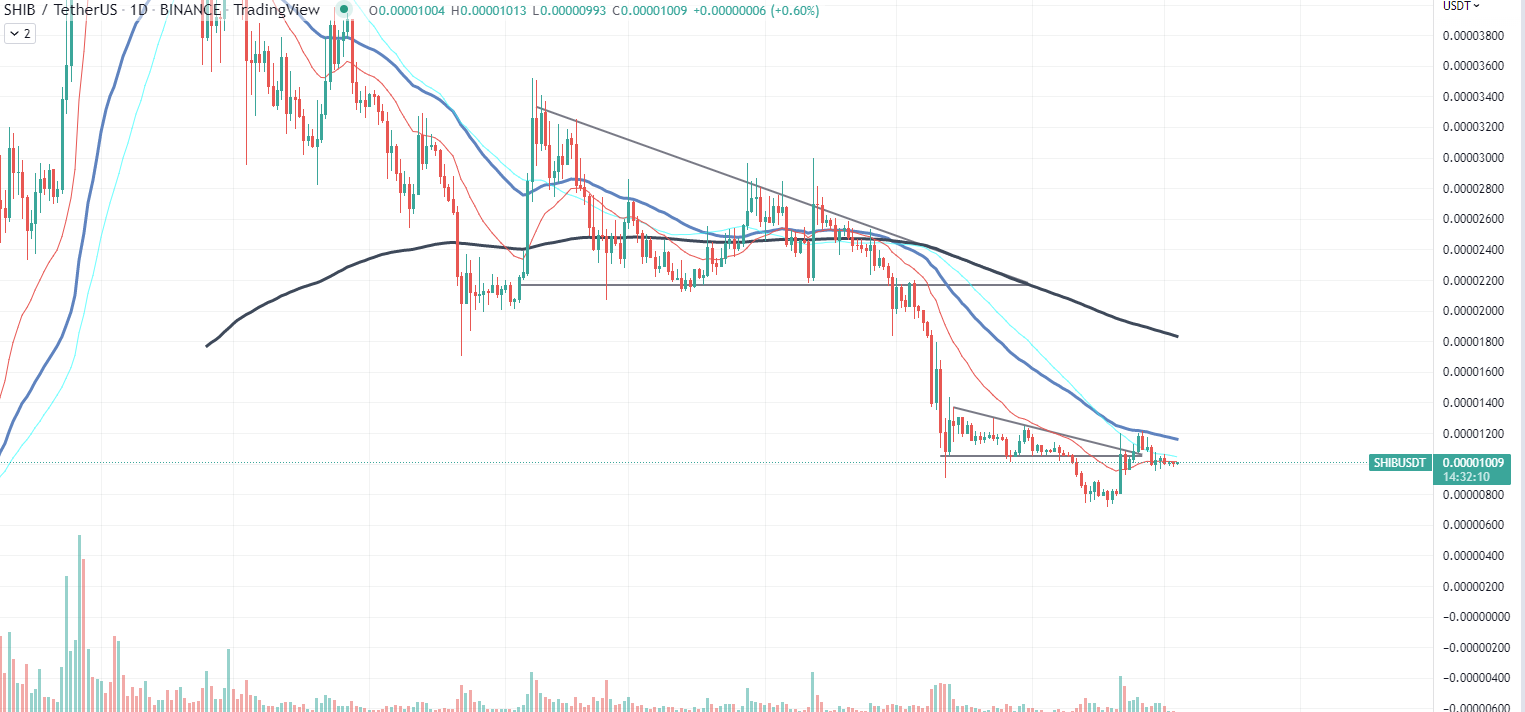
Shiba Inu Chart

Source: TradingView Since the burning mechanism was implemented months ago, the total value of burned coins should be even higher, making the burned supply of Shiba Inu greater than such coins as Matic, UNI and even Litecoin.
But realistically, the real value of the burned coins is significantly lower than $4 billion considering the lack of liquidity that can absorb such a massive volume of SHIB. Hypothetically, the injection of 410 trillion Shiba Inu tokens on the market would most likely push the price of the token to almost zero, pushing its market capitalization to absolute lows.
Why doesn't the burn mechanism help SHIB?
The main reason behind the ineffectiveness of the burning mechanism of Shiba Inu is tied to the excessive volume of funds held by smaller investors that quite often provide enough selling pressure to neglect all growth SHIB gets from constant burning events.
Thankfully, the last week was quite a success for the memetoken as it gained over 25% to its value in a matter of days. Unfortunately, SHIB traders and investors were unable to push the price of the token above the 50-day moving average.


Criptos en tendencia

Lecturas Relacionadas

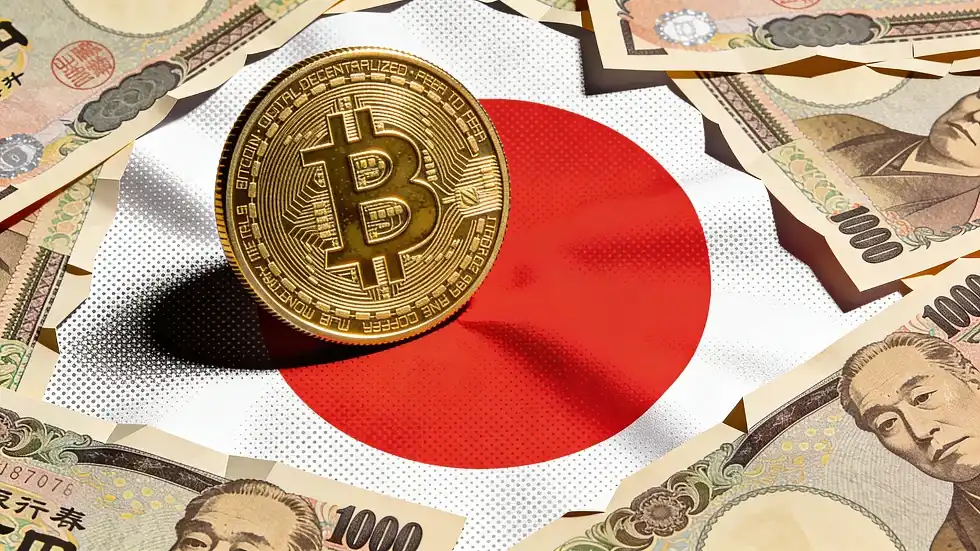
Why Is the World Nervous About Japan Raising Interest Rates?

In June 2026, the Bank of Japan raised its policy rate to 1%, marking its first hike to this level since 1995. While this rate remains low compared to global peers like the US and Europe, the move signals a profound shift for a nation that has been a global source of ultra-cheap funding for decades. Japan's long-standing near-zero or negative interest rates had facilitated massive "yen carry trades," where international investors borrowed low-cost yen to invest in higher-yielding assets worldwide, such as US tech stocks and emerging market bonds. This made Japan a critical, often overlooked, source of global liquidity. Japan's ultra-loose policy stemmed from structural challenges post-1990s asset bubble: aging demographics, chronic low inflation/deflation, and high public debt. Recent shifts, including sustained wage growth (exceeding 5% in recent years) and inflation consistently above the 2% target, have created a "wage-price spiral" possibility, prompting the policy normalization. The global market's concern lies not in the absolute rate but in the potential unwinding of the yen carry trade. As Japanese borrowing costs rise, the economics of these leveraged global investments change, potentially triggering deleveraging and capital outflows from risk assets. Market anxiety focuses on the end of a thirty-year consensus that Japan would perpetually provide cheap funding. Ultimately, the global impact will depend on the interplay with US monetary policy. While Japan is tightening, the significant interest rate differential with the US remains. The key future dynamic is whether simultaneous Japanese hikes and eventual US rate cuts will narrow this gap, forcing a major recalibration of global capital flows and asset pricing built on an era of abundant, cheap yen liquidity.

marsbitHace 3 hora(s)

Why Is the World Nervous About Japan Raising Interest Rates?

marsbitHace 3 hora(s)

Research Report Analysis: MRVL's Optical AI Booming, Why High Valuation Keeps Morgan Stanley's Star Analyst Sidelined?

Report Recap: MRVL Optical AI Boom - Why High Valuation Led Morgan Stanley's Star Analyst to Stay Neutral? Morgan Stanley analyst Joseph Moore maintained an "Equal-weight" (Neutral) rating on Marvell Technology (MRVL) on May 28, raising the price target from $172 to $195, below the trading price. This stance comes despite Marvell reporting a record quarter and significantly raising its full-year outlook (FY27 revenue ~$11.5B, up ~40%). Moore's neutral view is based on valuation. The $195 target implies ~40x CY2027 P/E. He contrasts MRVL with NVDA: both trade near ~$200, but Nvidia's forward EPS is more than double Marvell's. For MRVL's valuation to hold, it needs consistent earnings upgrades, proof of networking market share gains, or certainty on large-scale custom AI chip shipments—none of which are confirmed yet. Growth is driven by two pillars: **1) Optical Interconnect** (the faster runner): Moore raised FY27 growth expectations to >70%, with the optical module product line nearing a $1B annualized run rate. **2) Custom AI Chips** (the climber): Confidence in FY28 is growing, but a major new customer project only ramps in FY28, with no current revenue visibility. Key risks are the underperforming Storage, Enterprise, and legacy Networking segments. Moore acknowledges the real AI opportunity but believes the current price already reflects it. For the stock to work from here, investors need to see the optical business hit its targets, custom chips ramp as planned, and a recovery in the weaker business units.

marsbitHace 4 hora(s)

Research Report Analysis: MRVL's Optical AI Booming, Why High Valuation Keeps Morgan Stanley's Star Analyst Sidelined?

marsbitHace 4 hora(s)

Trading

Spot
Futuros

Artículos destacados

Cómo comprar SHIB

¡Bienvenido a HTX.com! Hemos hecho que comprar SHIBA INU (SHIB) sea simple y conveniente. Sigue nuestra guía paso a paso para iniciar tu viaje de criptos.Paso 1: crea tu cuenta HTXUtiliza tu correo electrónico o número de teléfono para registrarte y obtener una cuenta gratuita en HTX. Experimenta un proceso de registro sin complicaciones y desbloquea todas las funciones.Obtener mi cuentaPaso 2: ve a Comprar cripto y elige tu método de pagoTarjeta de crédito/débito: usa tu Visa o Mastercard para comprar SHIBA INU (SHIB) al instante.Saldo: utiliza fondos del saldo de tu cuenta HTX para tradear sin problemas.Terceros: hemos agregado métodos de pago populares como Google Pay y Apple Pay para mejorar la comodidad.P2P: tradear directamente con otros usuarios en HTX.Over-the-Counter (OTC): ofrecemos servicios personalizados y tipos de cambio competitivos para los traders.Paso 3: guarda tu SHIBA INU (SHIB)Después de comprar tu SHIBA INU (SHIB), guárdalo en tu cuenta HTX. Alternativamente, puedes enviarlo a otro lugar mediante transferencia blockchain o utilizarlo para tradear otras criptomonedas.Paso 4: tradear SHIBA INU (SHIB)Tradear fácilmente con SHIBA INU (SHIB) en HTX's mercado spot. Simplemente accede a tu cuenta, selecciona tu par de trading, ejecuta tus trades y monitorea en tiempo real. Ofrecemos una experiencia fácil de usar tanto para principiantes como para traders experimentados.

477 Vistas totalesPublicado en 2024.12.11Actualizado en 2026.06.02

Cómo comprar SHIB

Discusiones

Bienvenido a la comunidad de HTX. Aquí puedes mantenerte informado sobre los últimos desarrollos de la plataforma y acceder a análisis profesionales del mercado. A continuación se presentan las opiniones de los usuarios sobre el precio de SHIB (SHIB).

活动图片