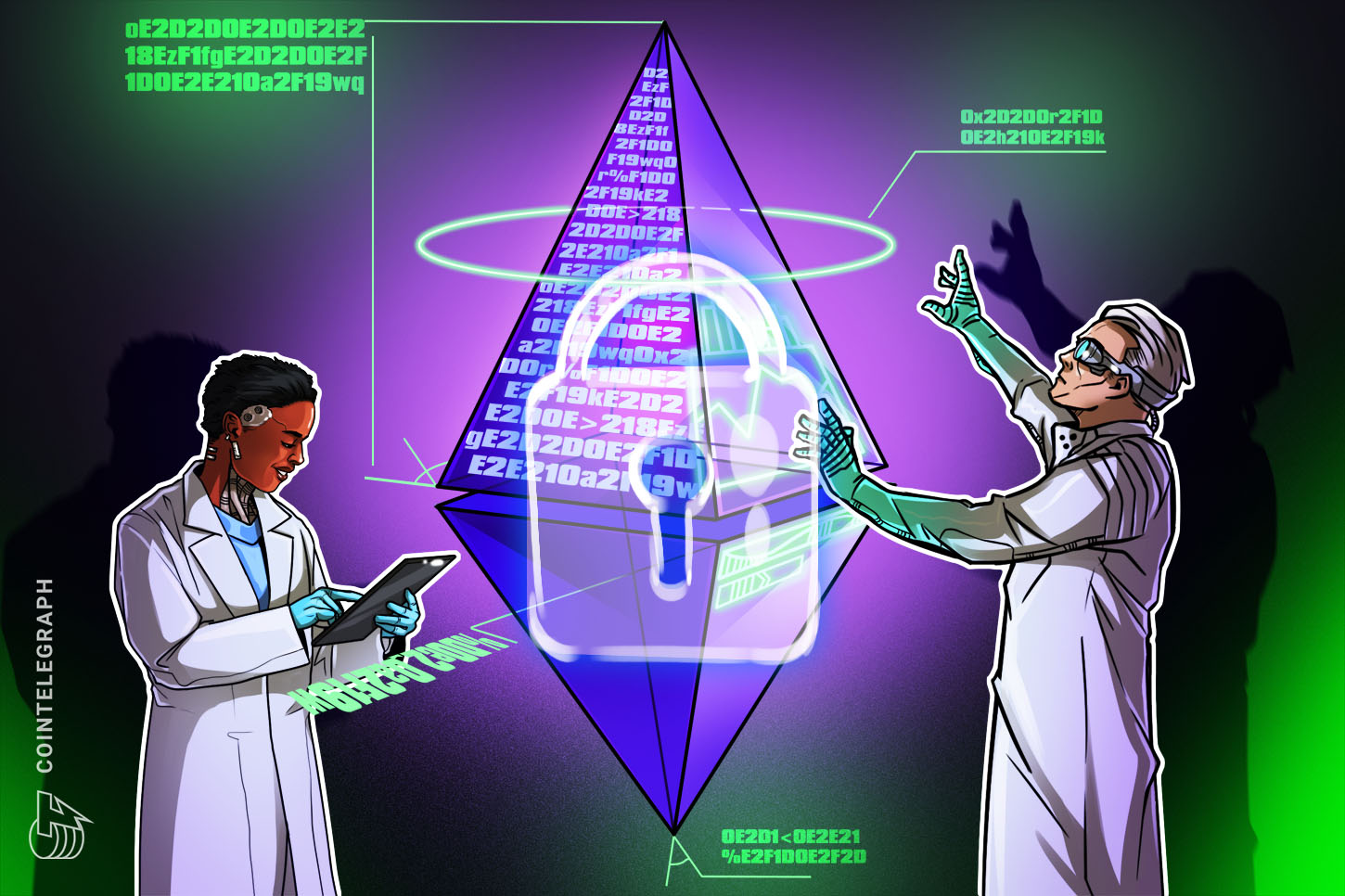
Взлом UXLINK стал причиной аудита, миграции и обзора DAXA. Могут ли исправления восстановить доверие?

cryptonews.ruPublicado a 2025-08-23Actualizado a 2025-09-24

  • Социальная платформа на основе ИИ отреагировала на утечку данных на сумму 11,3 млн долларов переносом контрактов и аудитом.
  • Корейская биржевая ассоциация DAXA начинает расследование практики обеспечения безопасности.
  • Усилия по устранению уязвимостей могут выявить дополнительные уязвимости в архитектуре платформы.

UXLINK, столкнувшаяся с утечкой данных в понедельник, предоставила своим пользователям информацию о предстоящих мерах по защите платформы и восстановлению доверия. Взлом на сумму 11,3 миллиона долларов ставит под сомнение, смогут ли меры по восстановлению доверия или же выявят новые уязвимости системы безопасности.

Социальная платформа Web3, работающая на базе искусственного интеллекта и обслуживающая 55 миллионов пользователей, инициировала миграцию контрактов, аудит безопасности и меры по обеспечению соответствия нормативным требованиям после одной из крупнейших атак на криптовалюту в 2025 году.

Атака использовала уязвимости кошелька с мультиподписью, что позволило хакерам лишить администраторских прав и стать новыми владельцами. Изначально злоумышленники похитили 4 миллиона долларов в USDT, 500 000 долларов в USDC, 3,7 WBTC, 25 ETH и 10 миллионов токенов UXLINK, а затем выпустили до 10 триллионов дополнительных токенов.

Security Notice – Update 5

We would like to share the latest progress on the UXLINK token migration:

1. The new UXLINK smart contract has successfully passed its security audit.
2. The contract will be deployed on the Ethereum mainnet. The contract dropped the mint-burn…

— UXLINK (@UXLINKofficial) September 24, 2025

Стратегия восстановления проверяет устойчивость платформы

План восстановления UXLINK из пяти пунктов включает в себя прохождение аудита безопасности новых смарт-контрактов, удаление функции Mint Burn и отправку информации о миграции централизованным биржевым партнерам. Платформа заморозила множество адресов, связанных с хакерами, и сотрудничает с правоохранительными органами в вопросах возврата активов.

Решение команды отказаться от функций Mint-Burn и положиться на кроссчейн-партнёров для реализации многоблочных функций свидетельствует о том, что исходная архитектура содержала фундаментальные недостатки. Это структурное изменение может устранить текущие уязвимости и создать новые зависимости от сторонних сервисов.

Расследование Корейской биржевой ассоциации DAXA усиливает регуляторное давление, которое может выявить дополнительные пробелы в соблюдении требований. UXLINK должен предоставить исчерпывающие ответы о протоколах безопасности, мерах защиты пользователей и процедурах реагирования на инциденты, которые могут выявить ранее неизвестные уязвимости.

UXLINK замораживает адреса и начинает восстановление

Ситуация приобрела известность после того, как хакер-первоначальник потерял 542 миллиона токенов UXLINK на сумму 48 миллионов долларов из-за фишинговой атаки Inferno Drainer. Этот поворот событий демонстрирует хаотичный характер атаки, но не решает фундаментальных проблем безопасности платформы.

Несмотря на то, что UXLINK заморозил адреса и начал процедуры восстановления, масштабы несанкционированного выпуска токенов, почти удвоившие количество токенов в обращении, вызывают вопросы о стабильности экономической модели платформы. Выплата компенсаций сообществу зависит от успешного восстановления активов, что создаёт дополнительную нагрузку на процесс восстановления.

Процесс аудита нового смарт-контракта может либо подтвердить улучшения безопасности UXLINK, либо выявить дополнительные уязвимости, требующие дальнейших изменений. Развертывание контракта в основной сети Ethereum с удалённым функционалом Mint — это консервативный подход, который может ограничить будущие векторы атак.

По теме: Давление на взлом Shibarium заканчивается, цена BAD возвращается к норме
Lecturas Relacionadas

Upbit is Anxious: A Hasty Counterattack Aimed at Regaining Stablecoin Market Share

Title: Upbit's Rushed Counterattack to Reclaim Stablecoin Market Share Facing a dramatic shift in South Korea's stablecoin market, leading exchange Upbit launched a promotional campaign from July 26 to August 9, waiving the 0.05% trading fee for stablecoins paired with the Korean Won (KRW) and rapidly listing new stablecoins like RLUSD and USDG. This move is a direct response to its plummeting market share in this sector. Historically a duopoly with Bithumb, the market has been reshaped since October 2025 when Coinone permanently removed fees for USDC trading. By June 2026, Coinone led with 34.8% of stablecoin volume, followed by Bithumb (31.1%) and Upbit (30.1%). This contrasts sharply with the overall crypto market, where Upbit commands 60%. The data shows stablecoin demand is highly sensitive to fees, as users primarily buy them to transfer capital overseas for derivatives trading or forex arbitrage. South Korean exchanges have seen a net outflow of stablecoins for 18 consecutive months, totaling approximately 14.9 trillion KRW, underscoring their role as a cross-border capital conduit. Upbit's limited-time promotion initially boosted its daily stablecoin volume by 162%, but the surge was almost entirely in USDT (98.1% of volume). The newly listed stablecoins saw negligible, fleeting interest. Furthermore, the promotional effect quickly waned in the second week, with volume dropping 33% on weekdays. A concurrent weakening of the KRW also contributed to the trading spike, independent of the fee waiver. The analysis suggests that once the promotion ends, Upbit is unlikely to retain its temporary gains unless it matches Coinone's permanent zero-fee policy, forcing a choice between market share and fee revenue. Upbit's strategic push may be less about immediate profit and more about preparing for future regulatory shifts. With South Korea's *Digital Asset Basic Act* on the horizon, which will regulate KRW-backed stablecoins, and following Dunamu's (Upbit's parent) integration into Naver Financial to build a payment ecosystem, securing a dominant position in the dollar stablecoin distribution channel holds long-term strategic value. However, potential regulatory conflicts could prevent Upbit from listing a future Naver-issued KRW stablecoin, making the current fight for dollar stablecoin flow even more critical.

marsbitHace 5 hora(s)

Upbit is Anxious: A Hasty Counterattack Aimed at Regaining Stablecoin Market Share

marsbitHace 5 hora(s)

Michael Saylor Compares Bitcoin and Gold!

Michael Saylor, founder of MicroStrategy, argues that Bitcoin fundamentally changes how wealth is stored and transferred by transforming digital scarcity into economic value. He describes Bitcoin as the first digital monetary network, combining computers, digital networks, and cryptography. It digitizes monetary assets, allowing their supply to be controlled by public protocols rather than institutions, thus converting economic value into information transmissible over global networks. Comparing Bitcoin to gold, Saylor states that while increasing Bitcoin's supply is harder, its integration with software and transfer is easier. He highlights Bitcoin's proof-of-work mechanism, which ties it to the physical world by consuming real energy to secure the ledger, making past transactions immutable. This creates a shared security system involving miners, energy companies, and investors. Saylor suggests "digital monetary energy" is a more accurate term than "digital gold." He emphasizes that the Bitcoin network is an adaptive ecosystem of miners, nodes, developers, and users. Its core design is intentionally simple, focused on maintaining a secure ledger for scarce digital assets, with complex functionalities built in higher-layer applications. This architecture allows Bitcoin to serve as a foundation for transmitting value and fostering innovation in payments and financial services. Saylor notes Bitcoin's deeper impact lies in creating digital sovereignty, where private keys give individuals permissionless control over their economic power, with ownership verified mathematically, not by institutions. He concludes that while gold's physical scarcity makes it money, Bitcoin's digital scarcity does the same, characterizing Bitcoin as the monetary energy of the digital age.

cryptonews.ruHace 6 hora(s)

Michael Saylor Compares Bitcoin and Gold!

cryptonews.ruHace 6 hora(s)

Trading

Spot
活动图片