Santiment: уровень FUD достиг максимума за более чем два месяца

cryptonews.ruPublicado a 2025-06-19Actualizado a 2025-06-19

  • Эксперты Santiment заявили, что трейдеры демонстрируют признаки медвежьих настроений.
  • Уровень FUD достиг максимума с начала апреля.

Пока рынок криптовалют находится в некотором затишье, трейдеры демонстрируют признаки нетерпения и медвежьих настроений. Об этом заявили эксперты Santiment.

😰 With crypto in a bit of a lull, traders are showing signs of impatience & bearish sentiment. There are just 1.03 bullish comments for every 1 bearish comment, which hasn't happened since peak FUD during initial tariff reactions on April 6th. This is typically a bullish sign. pic.twitter.com/Bw0vkiGpMI

— Santiment (@santimentfeed) June 19, 2025

По их данным, сейчас на каждый один «медвежий» комментарий приходится лишь 1,03 «бычьего». Такого соотношения не наблюдалось с момента пика страха, неуверенности и сомнений (FUD) во время начальной реакции на пошлины 6 апреля, отметили аналитики, добавив, что обычно это является «бычьим» сигналом.

«Исторически рынки движутся в противоположном направлении к ожиданиям розничных инвесторов. Яркий пример — оптимальное время для покупки во время волны страха среди трейдеров в начале апреля», — отметили в Santiment.

Ранее эксперты Matrixport заявили, что биткоин не должен значительно упасть ниже уровня в $105 000-$110 000. Кроме того, они спрогнозировали рост первой криптовалюты до $140 000 к концу лета, если «глобальный показатель ликвидности останется стабильным».

Напомним, в июле 2024 года в Santiment рассказали, что криптовалютные рынки продолжают «кровоточить», а в социальных сетях наблюдается исторический уровень FUD.

Lecturas Relacionadas

190 Million: 688286 Completes Two Acquisitions Within Two Months

In August 2026, Suzhou MEMSIC Semiconductor Co., Ltd. (688286.SH), despite reporting a net loss of RMB 20.62 million for the first half of the year, announced two significant acquisitions within two months, totaling approximately RMB 189 million. The company first acquired a 51.82% stake in Suzhou Novosense Electronic Technology Co., Ltd., entering the industrial gas sensor market. Shortly after, it launched a fundraising plan to acquire a 54% stake in Beijing Pudan Optoelectronics Co., Ltd., targeting the fiber-optic gyroscope core components sector. These moves represent a strategic pivot for MEMSIC, historically reliant on the consumer electronics market (e.g., MEMS microphones, pressure sensors), which is facing slowing growth and intense price competition. By acquiring Novosense and Pudan, MEMSIC aims to diversify into higher-margin industrial (e.g., chemical safety, environmental monitoring) and high-reliability sectors (e.g., aerospace, defense), leveraging their respective expertise in chemical sensing and high-precision inertial navigation. The article details the background of founder Li Gang and MEMSIC's 19-year journey, from its pioneering role in China's MEMS industry to its 2020科创板 listing and subsequent financial struggles amidst market downturns. The recent acquisitions are framed as a critical attempt to transform from a consumer electronics-focused chipmaker into a "full-scenario sensing platform" company. However, risks are noted, including the challenge of integrating the acquired companies, Pudan Optoelectronics' current unprofitability, and the overall financial strain on MEMSIC as it navigates this transition. The success of this strategic shift remains uncertain.

marsbitHace 9 min(s)

190 Million: 688286 Completes Two Acquisitions Within Two Months

marsbitHace 9 min(s)

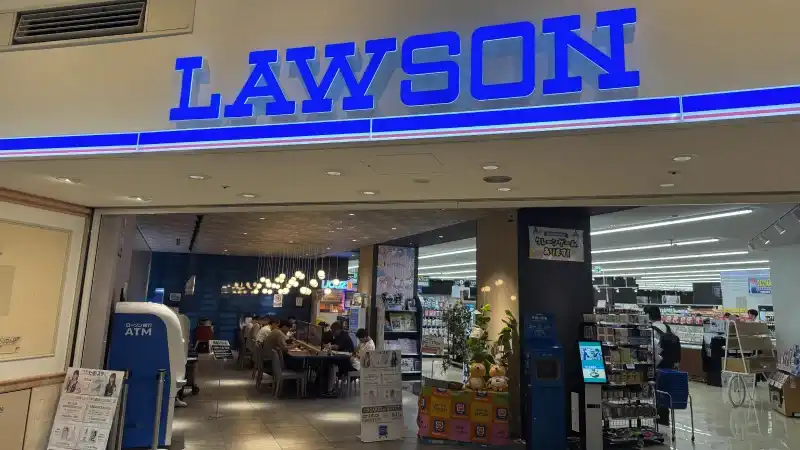
Lawson Convenience Store Tests Stablecoin Payments Again: Three Coins, Three Chains, But Japanese Regulators Haven't Given the Nod

Lawson convenience stores have conducted a second-phase pilot test of stablecoin payments in partnership with payment solution provider NetStars, moving stablecoins from exchanges to physical checkout counters. The experiment, conducted at a Tokyo store, tested payments using three stablecoins—USDC, USDT, and JPYC—across three blockchains: Solana, Morph, and Polygon. A key development was the inclusion of USDT, which is not currently on Japan's approved list of electronic payment assets. The test linked Lawson's existing POS system with NetStars' "Stablecoin Pay" service to verify that stablecoin payments could be processed without disrupting store operations. It assessed payment speed, user experience, and handling of various transaction scenarios. Payments were typically completed within five seconds. Users paid with stablecoins via MetaMask, while stores received yen settlements. NetStars covered the blockchain gas fees upfront, charging users a separate "processing fee" that also included potential foreign exchange costs for dollar-denominated stablecoins. Company executives stated the pilot was preparatory, aimed at understanding technical feasibility and challenges ahead of potential wider adoption. They highlighted the appeal of globally-traded stablecoins like USDC and USDT for foreign visitors to Japan, alongside the domestic use case for yen-pegged JPYC. However, the legal and operational framework for converting received USDT into yen remains under discussion with Japanese financial authorities. No timeline for a commercial rollout was given, pending further market demand, user needs, and final economic conditions like fee structures.

marsbitHace 9 min(s)

Lawson Convenience Store Tests Stablecoin Payments Again: Three Coins, Three Chains, But Japanese Regulators Haven't Given the Nod

marsbitHace 9 min(s)

Trading

Spot
活动图片