Nasdaq подает заявку на листинг 21Shares Dogecoin ETF

cryptonews.ruPublicado a 2024-04-29Actualizado a 2025-04-29

21 Shares — последняя компания по управлению активами, подавшая заявку на создание биржевого фонда Dogecoin, поскольку Комиссия по ценным бумагам и биржам США намечает новый путь.

Nasdaq Stock Market LLC во вторник подала свою регистрацию S-1 , фирма также заявила, что сформировала «эксклюзивное» партнерство для запуска фондов, одобренных Dogecoin Foundation.

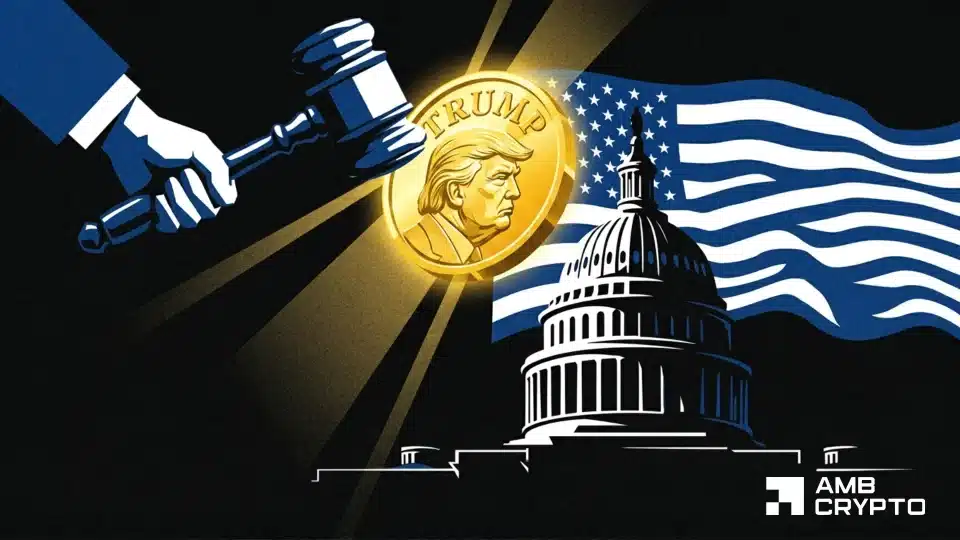
Подача заявки 19b-4 является второй частью двухэтапного процесса предложения криптовалютного ETF в SEC. После подтверждения SEC заявка будет опубликована в Федеральном реестре, что инициирует процесс одобрения агентства. Grayscale, Bitwise и REX Shares ранее подали заявку на DOGE ETF, поскольку администрация Трампа продемонстрировала гораздо более дружелюбный подход к криптовалютной индустрии.

Пол Аткинс был приведен к присяге в качестве председателя SEC 21 апреля после того, как его номинировал президент Дональд Трамп. Аткинс даже сделал несколько замечаний по поводу предыдущего подхода агентства к регулированию криптовалют при администрации Байдена и бывшем председателе SEC Гэри Генслере.

«К сожалению, инновации были подавлены в течение последних нескольких лет из-за рыночной и нормативной неопределенности, которую, к сожалению, способствовала Комиссия по ценным бумагам и биржам (SEC)», — заявил Аткинс на прошлой неделе.

Вышеупомянутые предложения Dogecoin входят в число десятков заявок на ETF, связанных с альткоинами, ожидающих рассмотрения SEC . Аналитики Bloomberg в феврале подсчитали, что у ETF Litecoin самые высокие шансы на одобрение (90%), за ними следуют фонды Dogecoin (75%), продукты Solana (70%) и XRP (65%).

SEC одобрила листинг спотовых ETF Bitcoin в январе 2024 года, а спотовых ETF Ethereum — в июле.

Lecturas Relacionadas

CLARITY Act Countdown: How Will the Crypto Market Fare If It Doesn't Pass Before the August Recess?

The CLARITY Act, a major US crypto market structure bill, faces a tight deadline before the Senate's August 10 recess. It must overcome final hurdles—negotiations on ethics provisions and law enforcement concerns—to secure the 60 votes needed for passage. Analysts warn that missing this window significantly lowers its chances in 2026, with prediction markets giving only a 40% probability of success this year. If the act fails to pass by the recess, the market is expected to react not with a crash but with continued "slow bleeding," particularly in premium products like ETFs. June saw record net outflows from US Bitcoin spot ETFs, partly attributed to this legislative uncertainty. Assets like XRP, which would receive permanent commodity classification under the act, stand to lose a "regulatory premium" on further delays. Bitcoin and Ethereum, already classified as commodities by regulators, face less direct impact, but DeFi innovation and institutional capital inflows would remain stifled by regulatory ambiguity. The path forward includes passing before the recess (a major catalyst), postponement to 2027 (prolonging uncertainty), or failure, requiring the bill to be reintroduced in the next Congress. Despite the stalled negotiations, the bill's advancement this far signals the US is closer than ever to resolving crypto regulatory clarity.

marsbitHace 2 hora(s)

CLARITY Act Countdown: How Will the Crypto Market Fare If It Doesn't Pass Before the August Recess?

marsbitHace 2 hora(s)

The Impact of OUSD on Circle, Tether, and Paxos: Not a Simple Negative, but a More Complex Competitive Landscape

OUSD's Impact on Circle, Tether, and Paxos: A Nuanced Competitive Reshuffle The launch of OUSD, a new stablecoin initiative, has complex implications for the stablecoin market. For Circle (CRCL), the initial 15-20% stock drop reflects legitimate competitive concerns but is not a "death sentence." Circle retains deep liquidity, existing integrations, and first-mover advantages. A potential restructuring or termination of its Coinbase partnership could even double its net revenue in the short term, providing more competitive freedom. However, OUSD, backed by Stripe's engineering and product strengths, could become the default stablecoin within the Stripe ecosystem for new adopters, challenging USDC's position. OUSD does not solve the core barrier for corporate adoption: it remains a credit exposure to its issuer (likely a Bridge-related entity), which, like Circle, is not an investment-grade entity. Large banks and asset managers could still capture the most lucrative enterprise use cases. Circle must accelerate its payment/fintech product development and consider defensive M&A. For Tether, OUSD targets a different market segment. Tether will continue focusing on distribution channels not prioritized by Stripe or Circle. Its market share may decline over time, but within a significantly growing total market. Paxos faces the greatest pressure. OUSD undermines the key selling points of its USDG stablecoin, and Paxos's regulatory advantages may diminish as frameworks mature. This poses a more existential challenge, explaining Paxos's recent shift back to its brokerage-as-a-service business.

marsbitHace 2 hora(s)

The Impact of OUSD on Circle, Tether, and Paxos: Not a Simple Negative, but a More Complex Competitive Landscape

marsbitHace 2 hora(s)

OUSD's Impact on Circle, Tether, and Paxos: Not a Simple Negative, but a More Complex Competitive Reshuffle

This article analyzes the impact of the newly announced stablecoin OUSD, backed by a consortium including Stripe, on major incumbents like Circle (USDC), Tether (USDT), and Paxos (USDG). For Circle, the announcement is not a simple negative. While the initial market reaction was rational, it's not a "death sentence." Circle retains deep liquidity, existing integrations, and first-mover advantage. A potential restructuring or termination of its exclusive revenue-sharing deal with Coinbase could even near-double its net income in the short term, providing more competitive flexibility. However, within the Stripe ecosystem, OUSD, with its strong engineering and product focus, could become the default choice, displacing USDC for new integrations. Circle must accelerate its own fintech product development and consider defensive M&A. OUSD does not directly threaten Tether's core markets, which focus on different distribution channels. Tether's market share may decline over time but within a significantly growing overall market. Paxos faces the greatest pressure. OUSD undermines the primary value proposition of its USDG stablecoin, and Paxos's regulatory advantages may erode as frameworks mature, posing a more existential challenge. This explains Paxos's recent strategic pivot towards brokerage-as-a-service. A fundamental unresolved issue for enterprise adoption remains: if issued by a Bridge-related entity, OUSD, like USDC, still represents a credit exposure to a non-investment-grade issuer, unless a parent company guarantee is provided. Large banks and asset managers entering the space later could still compete for the most lucrative enterprise use cases.

链捕手Hace 2 hora(s)

OUSD's Impact on Circle, Tether, and Paxos: Not a Simple Negative, but a More Complex Competitive Reshuffle

链捕手Hace 2 hora(s)

Trading

Spot
活动图片