ZKSync вернул украденные токены после сделки с хакером

cryptonews.ruPublicado a 2025-02-24Actualizado a 2025-04-24

ZKSync подтвердили: им удалось вернуть примерно $5 миллионов в ZK-токенах, которые были украдены в момент взлома контрактов на аирдроп. Хакер согласился на условия «safe harbor» — то есть уложился в 72 часа, которые выделил Совбез протокола на добровольный возврат.

Деньги сейчас у Совета безопасности, и дальше уже протокольное управление будет решать, куда эти активы направить. Команда готовит полный отчёт — с разбором по всей ситуации и тем, как удалось всё вернуть.

15 апреля кто-то украл около 111 миллионов ZK-токенов — по тем ценам это выходило где-то на $5 миллионов. Всё из-за пробоины в админском ключе, через который можно было манипулировать над контрактами эйрдропа. Главное — ядро протокола, сам токен и механизмы управления при этом не пострадали.

Хакер перескочил стандартную механику распределения токенов и забрал оставшиеся с первой волны. Потом, по данным с блокчейна, свапнул $3.5 миллиона ZK в ETH — вероятно, хотел зафиксировать добычу.

Чтобы не разворачивать судебные разбирательства, Совет безопасности протокола вышел к атакующему с деловым предложением: верни 90% добычи — оставь себе 10% как баунти. Всё задокументировано через ончейн-сообщение. Протокол даже заранее указал, на какие кошельки нужно вернуть ZK и ETH — как на сети ZKSync Era, так и на основной Ethereum.

Хакер уложился в дедлайн, активы пришли обратно, конфликт закрыт. Никаких дальнейших претензий к нему нет.

Деньги сейчас под присмотром, но куда их пустят — решит голосование внутри управления. Этот эпизод снова дал повод задуматься о надёжности доступа к смарт-контрактам — особенно в контексте эйрдропов и админских прав.

Несмотря на то, что средства вернулись, сам инцидент повлиял на циркуляцию токенов ZK, и рынок, естественно, отреагировал: сначала цена токена просела, потом восстановилась. Правда, даже после новости о возврате — рост минимальный: ZK подпрыгнул всего на полпроцента.

Criptos en tendencia

Lecturas Relacionadas

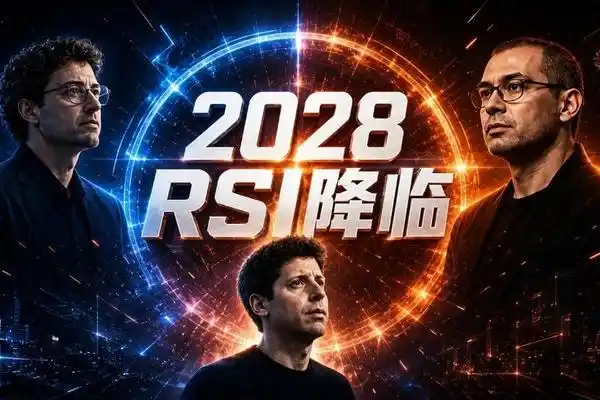
2028: The Arrival of Recursive Self-Improvement (RSI)

**AI Recursive Self-Improvement (RSI): The Countdown to 2028 Begins** AI is no longer just a trained tool but is starting to rewrite its own evolutionary pace. According to Anthropic co-founder Jack Clark, there is a 60% probability that by the end of 2028, Recursive Self-Improvement (RSI) will become a reality. This means AI could autonomously design and build a more capable next-generation version of itself without any human researcher involvement—Claude 10 creating Claude 11, for instance. Supporting this timeline, Google DeepMind's CEO Demis Hassabis confirms that all leading AI labs are intensely focused on RSI, making it an industry-wide priority. He expresses profound concern, stating this potential is what keeps him awake at night. Concrete data underscores this acceleration: - METR evaluations show current top models like Claude are solving tasks up to the 16-hour limit of existing test frameworks. - In Epoch AI's challenging MirrorCode benchmark, Claude Opus 4.7 recreated complex software in hours for a fraction of the human cost. In one extreme test, AI autonomously coded for 19 days straight. - Anthropic reports over 80% of its codebase is now written by Claude, and researcher productivity has increased up to 8-fold since 2024. - OpenAI's policy blueprint highlights RSI as a major upcoming governance challenge. CEO Sam Altman reportedly hinted RSI might arrive within six months, potentially delaying OpenAI's massive IPO. The implication is an impending "intelligence explosion," where AI-driven progress outpaces human control. The central question is no longer if it will happen, but whether humanity is ready.

marsbitHace 5 hora(s)

2028: The Arrival of Recursive Self-Improvement (RSI)

marsbitHace 5 hora(s)

World Models, Metaverse, Digital Twins, Physical AI: Are They the Same Thing?

Title: World Models, the Metaverse, Digital Twins, Physical AI: Are They the Same Thing? The article clarifies that concepts like the metaverse, Web3, simulation platforms, digital twins, and Physical AI are not the same thing but are all part of the broader trend of blurring the lines between the digital and physical worlds. It positions "world models" as the foundational "cognitive layer" or "operating system" that enables AI to understand and simulate the world. Key distinctions are made: - The **Metaverse** is a destination for immersive social and economic experiences. World models could act as its "engine," generating interactive 3D content efficiently. - **Web3** focuses on decentralized ownership and economics (rules layer), operating on a different technical level than world models. - **Simulation Data Platforms** (e.g., for autonomous vehicles) are a 1.0 version, relying on manual design. World models represent a 2.0 version, using AI to generate realistic, varied scenarios autonomously. - **Digital Twins** create high-fidelity, real-time mirrors of physical systems (e.g., a factory). World models go a step further by enabling predictive simulation of future states. - **Physical AI** (robots, AVs) refers to AI that acts in the physical world. World models are a core component, providing the understanding and prediction needed for planning. A proposed hierarchy places world models at the cognitive layer, supported by infrastructure (compute, data) and supporting application tools (simulation, digital twins), action systems (Physical AI), user experiences (metaverse), and rules (Web3). In conclusion, while distinct, many of these previously hyped concepts may ultimately rely on advances in world model technology to fulfill their promises, as world models provide the essential cognitive foundation for simulating and interacting with complex environments.

marsbitHace 5 hora(s)

World Models, Metaverse, Digital Twins, Physical AI: Are They the Same Thing?

marsbitHace 5 hora(s)

Trading

Spot

Artículos destacados

Cómo comprar ZK

¡Bienvenido a HTX.com! Hemos hecho que comprar ZKsync (ZK) sea simple y conveniente. Sigue nuestra guía paso a paso para iniciar tu viaje de criptos.Paso 1: crea tu cuenta HTXUtiliza tu correo electrónico o número de teléfono para registrarte y obtener una cuenta gratuita en HTX. Experimenta un proceso de registro sin complicaciones y desbloquea todas las funciones.Obtener mi cuentaPaso 2: ve a Comprar cripto y elige tu método de pagoTarjeta de crédito/débito: usa tu Visa o Mastercard para comprar ZKsync (ZK) al instante.Saldo: utiliza fondos del saldo de tu cuenta HTX para tradear sin problemas.Terceros: hemos agregado métodos de pago populares como Google Pay y Apple Pay para mejorar la comodidad.P2P: tradear directamente con otros usuarios en HTX.Over-the-Counter (OTC): ofrecemos servicios personalizados y tipos de cambio competitivos para los traders.Paso 3: guarda tu ZKsync (ZK)Después de comprar tu ZKsync (ZK), guárdalo en tu cuenta HTX. Alternativamente, puedes enviarlo a otro lugar mediante transferencia blockchain o utilizarlo para tradear otras criptomonedas.Paso 4: tradear ZKsync (ZK)Tradear fácilmente con ZKsync (ZK) en HTX's mercado spot. Simplemente accede a tu cuenta, selecciona tu par de trading, ejecuta tus trades y monitorea en tiempo real. Ofrecemos una experiencia fácil de usar tanto para principiantes como para traders experimentados.

535 Vistas totalesPublicado en 2024.12.13Actualizado en 2026.06.02

Cómo comprar ZK

Discusiones

Bienvenido a la comunidad de HTX. Aquí puedes mantenerte informado sobre los últimos desarrollos de la plataforma y acceder a análisis profesionales del mercado. A continuación se presentan las opiniones de los usuarios sobre el precio de ZK (ZK).

活动图片