上一次美国总统如此施压美联储,是1971年的尼克松,两年后美国进入滞胀时代

marsbitPublicado a 2025-04-18Actualizado a 2025-04-19

特朗普正用一条条推文威胁美联储的独立性,而上一次美国总统如此施压美联储,要追溯到 1971 年,美国大滞胀时代的前夕。

1971 年,美国经济已经面临「滞胀」困境,失业率达 6.1%,通胀率突破 5.8%,国际收支逆差持续扩大。为争取连任,尼克松总统对时任美联储主席伯恩斯施加空前压力。


白宫记录显示,1971 年,尼克松与伯恩斯互动次数显著增加,特别是在 1971 年第三季度和第四季度,两人每季度的正式会晤达 17 次,远超常规沟通频率。


而这种干预在政策操作层面表现为:当年,美国联邦基金利率从年初的 5% 骤降至年末的 3.5%,M1 货币供应量增速达到二战后的峰值 8.4%。在布雷顿森林体系瓦解,全球货币体系剧变的这一年,伯恩斯对政治的妥协为后来的「大通胀」埋下伏笔,直到 1979 年后保罗·沃尔克大幅加息才得以解决。


伯恩斯也因此背负了历史的骂名。今天的鲍威尔,绝不想重演伯恩斯的命运。


伯恩斯的妥协:政治利益压倒价格稳定


1970 年,尼克松亲自提名阿瑟·伯恩斯担任美联储主席。伯恩斯是哥伦比亚大学的经济学家、曾是尼克松竞选时的经济顾问,两人私交甚笃。尼克松对伯恩斯寄予厚望——不是作为货币政策的把关人,而是作为政治战略的「配合者」。


当时,尼克松面临在 1972 年大选中争取连任的巨大压力,而彼时美国经济尚未完全从 1969 年衰退中恢复,失业率高企。他急需一波经济增长,哪怕是靠「放水」制造的虚假繁荣。


于是,他不断向伯恩斯施压,希望美联储降息、增发货币,以刺激增长。白宫内部录音记录了尼克松和伯恩斯的多次对话。


1971 年 10 月 10 日,在椭圆形办公室中,尼克松对伯恩斯说:


「我不想就这么下台(I don't want to go out of town fast)……如果我们输了,这将是华盛顿最后一次由保守派执政。」


他暗示如果自己连任失败,伯恩斯将面对一个由民主党人主导的未来,政治氛围将彻底改变。面对伯恩斯试图以「银行体系已经很宽松」为由拖延更多宽松政策,尼克松直接驳斥:


「所谓的流动性问题(liquidity problem)?那就是废话(just bullshit)。」


不久后,在一次电话中,伯恩斯向尼克松报告道:「我们把贴现率降到了 4.5%。」


尼克松回应道:


「好,好,太好了(Good, good, good)……你带着他们往前冲,你一直都是这样做的(You can lead'em. You always have. Just kick'em in the rump a little)。」


尼克松不仅在政策上施压,在人事安排上也明确表态。1971 年 12 月 24 日,他对白宫办公厅主任乔治·舒尔茨说:


「你觉得我们对阿瑟的影响差不多够了吗?我是说,我还能对他施加多大压力?」


「如果不行,我就把他叫进来(If I have to talk to him again, I'll do it. Next time I'll just bring him in)。」


尼克松还强调,伯恩斯无权决定联储理事会的人选:


「他得搞清楚,这跟首席大法官伯格一样……我不会让他选自己人(I'm not going to let him name his people)。」


这些对白来自白宫录音,清晰地展示了美国总统对央行主席的系统性施压。而伯恩斯也的确「照做」了,并用一套理论为自己的做法辩护。


他认为,紧缩的货币政策以及随之而来的失业率上升,对于抑制当时的通货膨胀是无效的,因为通货膨胀的根源在于美联储无法控制的因素,例如工会、食品和能源短缺以及欧佩克对油价的控制。


1971 年到 1972 年,美联储降低利率、扩大货币供给,推动经济短暂繁荣,也帮助尼克松实现了连任目标。但这场「人为制造」的经济繁荣的代价很快显现。


绕过美联储的「尼克松冲击」


尽管美联储是货币政策执行机构,但在 1971 年 8 月尼克松宣布「暂停美元与黄金兑换」这一决定时,并未顾及伯恩斯的反对。1971 年 8 月 13-15 日,尼克松召集 15 名核心幕僚在戴维营举行闭门会议,包括伯恩斯、财政部长康纳利和时任国际货币事务副部长沃尔克。


会议中,尽管伯恩斯最初反对关闭美元与黄金兑换窗口,但在尼克松强大政治意志下,会议直接绕过美联储决策程序,单方面决定:


关闭美元与黄金兑换窗口,暂停外国政府以美元兑换黄金的权利;实施 90 天工资和物价冻结,遏制通胀;对所有涉税进口商品征收 10% 附加税,保护美国产品免受汇率波动影响。


这被称为「尼克松冲击」的一系列举措,打破了 1944 年建立的布雷顿森林体系的根基,黄金随之暴涨,全球汇率体系瓦解。


起初,工资物价管制短期内抑制通胀,1972 年美国通胀被压制在 3.3%。但到了 1973 年,尼克松解除了价格管制,而此时美元大量流通、供需失衡的后果迅速显现。再加上同年爆发的第一次石油危机,物价开始暴涨。


美国经济随即陷入罕见的「双杀」局面,1973 年通胀率达到 8.8%,1974 年更高达 12.3%,失业率也持续上升,形成典型的滞胀格局。


这时,伯恩斯试图重新收紧货币政策,却发现自己早已失去公信力。他对政治妥协和非货币措施的依赖为「大通胀」埋下伏笔,直到 1979 年后保罗·沃尔克上任,并以极端加息政策彻底「压制」通胀,美联储才重新获得独立威望。


鲍威尔绝不想做下一个伯恩斯


伯恩斯任期留下年均 7% 的通胀率,并削弱了美联储信誉。美联储内部文件与尼克松录音显示,伯恩斯将短期政治需求置于长期价格稳定之上,他的任期成为中央银行独立性的反面教材。


有财经评论人调侃道:


「伯恩斯没有行骗,也没有杀人,甚至不是恋童癖……他犯下的唯一罪行是——在通胀完全控制住之前就降息了。」


相比之下,伯恩斯的继任者保罗·沃尔克,以 19% 的利率「掐死」通胀,虽制造了剧烈衰退,却成为华尔街、经济史、乃至公众眼中的终结通胀的英雄。历史证明,美国人可以原谅一位导致经济衰退的美联储主席,但不会原谅一位点燃通胀的主席。


鲍威尔深知这一点,也绝不想做下一个伯恩斯。
Lecturas Relacionadas

But Bin's Latest Speech: Do Not Miss Out on a Great Era

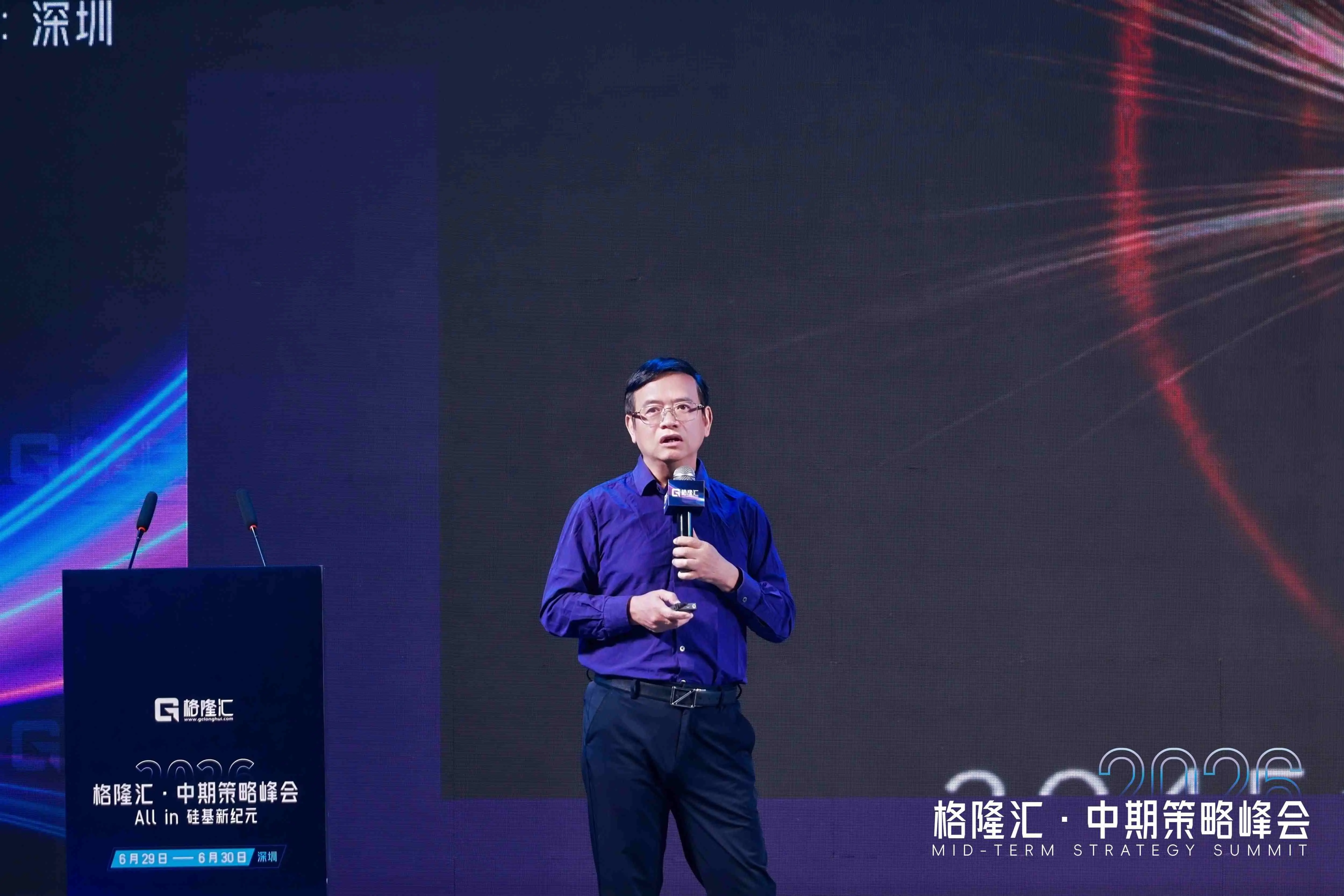
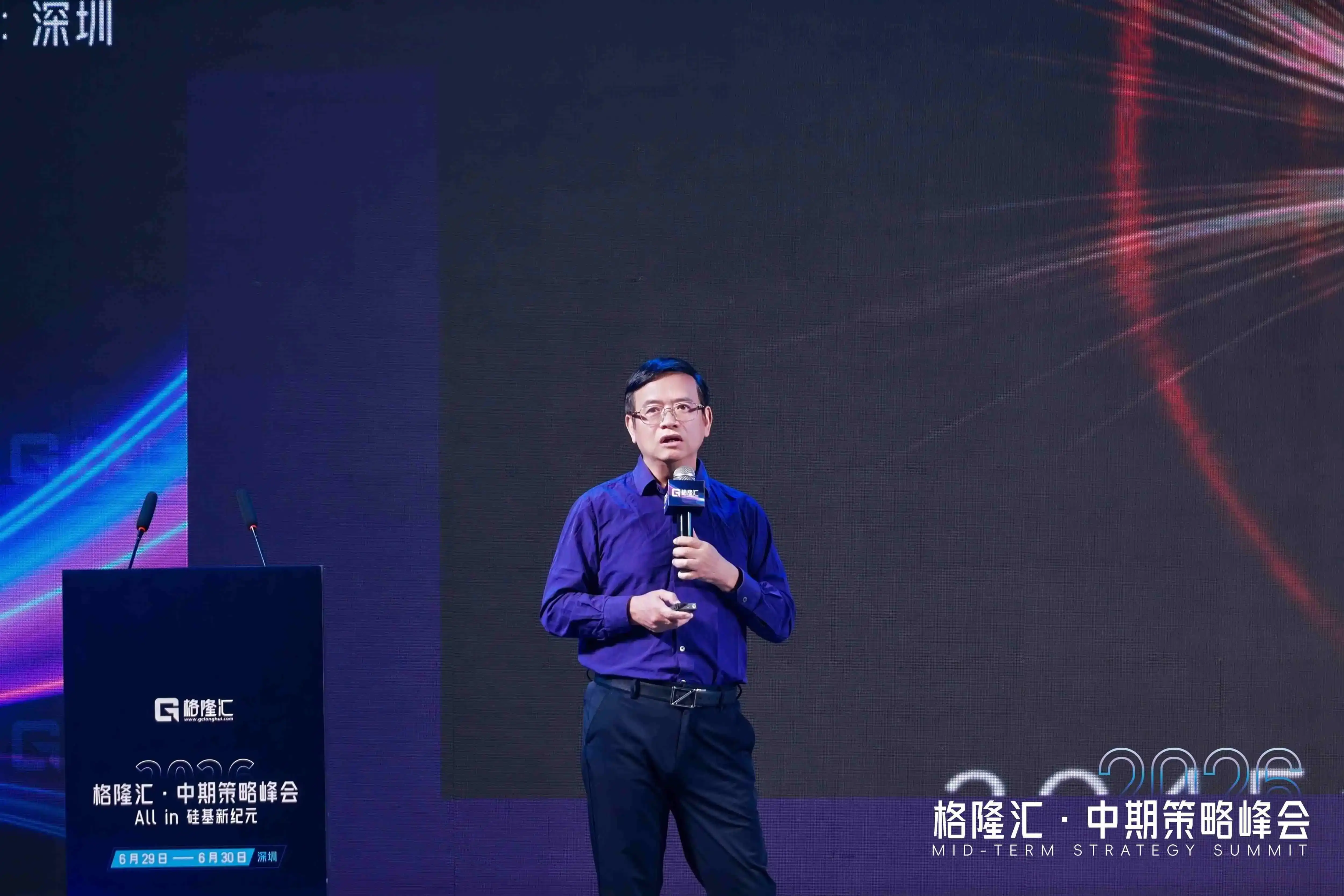
Dan Bin's Latest Speech: Don't Miss a Great Era On June 29th, Dan Bin, Chairman of Dongfang Harbor (东方港湾), delivered a keynote speech titled "Don't Miss a Great Era" at the "2026—All in the Silicon-based New Epoch" Mid-Year Strategy Summit. Addressing concerns about an AI bubble, Dan Bin argued from an industrial cycle perspective that "the risk of missing an era may be greater than worrying about short-term bubbles." He views humanity as standing at the dawn of the AI era, which could be more disruptive than the electronics, internet, and mobile internet eras. He posits that the AI wave is unlikely to end in just three or four years. Using the internet era's decade-long rhythm as a reference point—with ChatGPT's late 2022 launch as the starting line—a key risk assessment window may only arrive around 2033. Dan Bin emphasized that technological progress is the primary driver of long-term capital market growth, while factors like trade wars or interest rate hikes are secondary. Expanding to a civilizational scale, Dan Bin presented a thought experiment on silicon-based life potentially supplementing or succeeding carbon-based life as a direction for extending Earth's civilization, especially over cosmic timescales spanning billions of years. On geopolitics, he noted that AI is already rewriting warfare rules, as seen in conflicts like Ukraine, and that neither the U.S. nor China can afford to lose the AI race, with each leveraging different strengths. Reflecting on investment lessons, Dan Bin cited Warren Buffett's and Charlie Munger's admitted "regrets" about missing major tech opportunities like Microsoft, underscoring the need for continuous cognitive evolution. His firm, Dongfang Harbor, is deepening its research in foundational AI areas like computing power and storage. Dan Bin concluded by urging investors to maintain a long-term perspective, embrace the epochal shift, and rationally hold onto the opportunities presented by this transformative age. He closed with a poetic reminder: "The tide never turns back... Born in this time is a great fortune in itself. Don't let hesitation trap your steps, nor short-sightedness waste the years—do not miss this magnificent era that belongs to us."

marsbitHace 13 min(s)

But Bin's Latest Speech: Do Not Miss Out on a Great Era

marsbitHace 13 min(s)

Latest Speech by Dan Bin: Do Not Miss Out on a Great Era

Dan Bin, Chairman of Dongfang Harbor, delivered a keynote speech titled "Don't Miss a Great Era" at the Glonghui "2026—All in Silicon-Based New纪元" Mid-Year Strategy Summit on June 29th. Addressing concerns about an AI bubble, he argued from an industrial cycle perspective that the risk of missing an entire epoch far outweighs the risk of short-term泡沫. He positioned humanity at the dawn of the AI era, which he views as potentially more disruptive than the electronic, internet, and mobile internet eras. Dan Bin suggested the AI wave is unlikely to end in just three to four years. Drawing a parallel to the internet era's decade-long cycle starting from the 1994 Netscape IPO, he indicated that with ChatGPT's late-2022 launch as a marker, a key risk assessment point might not arrive until around 2033. He emphasized that technological progress is the primary driver of long-term capital market growth, with factors like trade wars and interest rates being secondary. Expanding his perspective to a civilizational scale, Dan Bin presented a thought experiment on silicon-based life potentially replacing carbon-based life as a direction for延续 Earth's civilization, especially given cosmic timescales and interstellar travel challenges. He noted AI's必然 weaponization, citing examples from the Russia-Ukraine war, and stated that neither the U.S. nor China can afford to lose the AI race, with each having distinct competitive advantages. Reflecting on investment lessons, he mentioned Warren Buffett's recent moves into tech like Google and查理·芒格's expressed regret about missing Microsoft's massive growth, underscoring the need for continuous认知迭代. Dan Bin concluded by urging investors to maintain a long-term perspective, focus on core technological trends, and rationally embrace the opportunities of this transformative era, so as not to辜负 this "great时代" defined by波澜壮阔 change.

链捕手Hace 18 min(s)

Latest Speech by Dan Bin: Do Not Miss Out on a Great Era

链捕手Hace 18 min(s)

Trading

Spot
活动图片