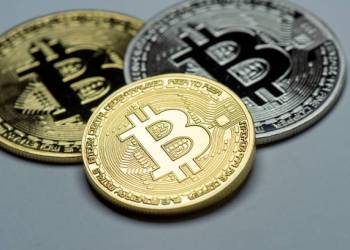
Race to Bitcoin Reserves: Which US States Are Taking the Lead

ccn.comPublicado a 2025-04-18Actualizado a 2025-04-18

Key Takeaways
  • Several U.S. states are pushing to create strategic Bitcoin reserves, with some considering other digital assets.
  • Most states have proposed allocating 10% of their funds to Bitcoin reserves.
  • The move reflects growing support for Bitcoin amid broader crypto adoption.

While the U.S. presidential crypto committee is still deliberating on creating a strategic reserve that includes a mix of U.S.-based crypto tokens or a Bitcoin -only reserve, state governments have been clear in their direction.

Over the past few months, several states have proposed or passed bills to create state-level Bitcoin (BTC) reserves, with a few also considering including other digital assets.

Bitcoin Legislation Gains Traction Across U.S. States

Across the U.S., momentum for Bitcoin-backed state treasuries is growing.

Twenty-eight states have proposed allocating public funds to Bitcoin, with 18 actively progressing through legislative channels.

Fifteen have advanced to the House of Representatives, where committees are refining the legal framework for state-held Bitcoin reserves.

However, not all proposals are moving forward. Five states have seen their bills rejected in committee, while in four others, the initiatives have stalled with no further action.

With more states considering direct Bitcoin exposure, the movement toward state-level adoption is gaining momentum.

If successful, these efforts could mark a significant shift in public finance, positioning Bitcoin as a legitimate treasury asset at the state level.

Bitcoin Reserve Progress

Here’s a breakdown of key states working to establish state-level BTC reserves.

Passed

North Carolina Bitcoin Bill Moves Forward

North Carolina lawmakers introduced two Bitcoin reserve bills that proposed investing up to 10% of state funds in exchange-traded products tied to digital assets with a market cap above $750 billion—namely, Bitcoin ETFs.

Of the two, House Bill 92 has made the most progress . It recently cleared the House Pensions and Retirement Committee but still needs to pass through three more committees before it can head to a floor vote. The second bill has not yet moved beyond the introduction stage.

Kentucky Becomes First to Enact ‘Bitcoin Rights’ Law

Kentucky has officially become the first U.S. state to enshrine legal protections for Bitcoin users.

House Bill 701, now signed into law, protects individual custody rights, exempts those running Bitcoin nodes from money transmitter licensing, and blocks the imposition of new taxes on digital asset payments.

The move further solidifies Kentucky’s reputation as one of the most crypto-forward states in the country.

Arizona’s Bitcoin Reserve Bill Nears Final Vote

Arizona’s Bitcoin Reserve Bill (SB 1373) has passed the House Committee of the Whole, with only a minor amendment. It now moves to its third reading and final floor vote.

However, its future remains uncertain. Governor Katie Hobbs has vowed to veto all legislation until lawmakers approve a bill addressing disability services funding.

That political standoff could derail the Bitcoin Reserve Bill—even if it passes the House.

Failed

Oklahoma Bitcoin Reserve

Oklahoma took a notable step toward Bitcoin adoption when its House passed the Strategic Bitcoin Reserve Bill (HB 1203) in a 77–15 vote, signaling growing interest in integrating Bitcoin into public finance strategies.

The bill positioned Oklahoma among a growing list of states, including Texas, Arizona, and Utah, exploring Bitcoin reserves as part of their public finance strategy.

However, the momentum didn’t carry through. The bill failed to pass the Senate Revenue and Taxation Committee, losing in a narrow 6–5 vote—despite testimony in support from sponsor Sen. Brian Guthrie. Both Republicans and Democrats opposed the measure.

Pennsylvania

Pennsylvania was among the first states to introduce a Bitcoin reserve bill as early as November 2024.

The Bitcoin Strategic Reserve Act would have allowed the state to allocate up to 10% of its general fund , investment fund, and rainy day fund to Bitcoin.

However, the bill failed to pass the committee review process and is now dead.

Bitcoin reserve bill
Pennsylvania Bitcoin reserve bill. Source Bitcoin Law.

North Dakota

North Dakota introduced three Bitcoin and crypto investment bills, two of which have failed, while one proposal is currently under committee review.

Wyoming

On Jan. 18, five Republican senators in Wyoming filed a bill to create a BTC reserve. However, the bill failed to pass the committee review and is dead .

Montana

Montana introduced a Bitcoin reserve bill on Jan. 31, proposing up to $50 million in investments across Bitcoin, digital assets, stablecoins, and precious metals.

While the bill passed committee review, it failed to secure enough votes in the first chamber.

South Dakota

South Dakota Republican Rep. Logan Manhart announced on X that he plans to introduce the Bitcoin reserve bill to establish a Bitcoin stockpile in the state.

The proposed bill, however, failed to pass the committee review process and is officially dead now.

Pending

Texas Bitcoin Reserve Bill Moves to Government Efficiency Committee

Texas leads the nation in Bitcoin reserve legislation, with seven active bills in various stages of the judiciary process.

Three remain stalled at the introduction phase, two are under review by the first House committee, and one has advanced to the second House committee.

The Texas Bitcoin Reserve bill HB 4258 has been forwarded to the Delivery of Government Efficiency Committee.

Texas Bitcoin reseve bills.
Texas has seven active Bitcoin reserve bills. Source: Bitcoin Law

New Hampshire House Committee Reviews Bitcoin Reserve Bill

On Jan. 10, New Hampshire State Representative Keith Ammon introduced HB 302, a bill that would allow the state treasury to invest in Bitcoin.

The proposal is currently under review, alongside two other bills that aim to expand digital asset investment and clarify regulatory frameworks.

During a recent House Committee hearing , lawmakers focused on a key issue: who would have the authority to manage the state’s Bitcoin holdings.

Much of the discussion centered around whether the state treasurer already has the legal power to make such investments—or if new legislation is needed to remove any ambiguity.

The committee noted that HB 302, like the other crypto-related bills under review, is designed to give clear guidance and reduce legal uncertainty for state officials tasked with managing public funds.

Alabama Introduces Two Concurrent Bitcoin Reserve Bills

Alabama has joined the growing number of states exploring Bitcoin reserves, with two identical bills—SB 283 and HB 482—introduced concurrently in the legislature to streamline the process.

State Auditor Andrew Sorrell voiced his support for establishing a strategic Bitcoin reserve, citing momentum from neighboring states pursuing similar initiatives.

HB 482 proposes allowing the state to invest up to 10% of its public funds in cryptocurrencies with a market capitalization exceeding $750 billion—effectively focusing on assets like Bitcoin.

The bill is currently under review by a House committee and will need to clear several stages before it reaches a final vote.

Minnesota

Minnesota tabled a new Bitcoin investment bill titled HF 2946.

The ‘Minnesota Bitcoin Act,’ would authorize the state to invest in Bitcoin. This is a companion bill to SF 2661, introduced in the MN Senate in March.

Florida

In Florida, two Bitcoin reserve bills remain active in the state’s pipeline. However, both are still under committee review and have seen little progress since their introduction.

Ohio

Ohio has introduced three Bitcoin reserve bills, all currently in the committee review phase.

The proposed legislation would grant the State Treasurer the authority to purchase Bitcoin at any time, signaling Ohio’s growing interest in adopting a Bitcoin reserve.

Massachusetts

Massachusetts has two active Bitcoin reserve bills, and both are currently under House committee review before going on the floor for voting.

Utah

Utah joined the Bitcoin reserve movement on Jan. 21 with a bill proposing to allocate 10% of state funds to Bitcoin and select stablecoins.

The bill also includes provisions for staking, lending digital assets, and securing state self-custody rights.

It has advanced through two committee meetings and is now awaiting a vote in the state chambers.

Utah Bitcoin reserve bill progress.
Utah’s Bitcoin reserve bill progress. Source: Bitcoin Law.

Illinois

Illinois’ Bitcoin reserve bill, HB1844, is under committee review .

The bill proposes a state-run Bitcoin reserve with a mandatory five-year holding period before any conversions or sales.

If approved, it would allow the state treasurer to accept Bitcoin gifts, grants, and donations from residents and government entities.

Missouri

Missouri has introduced five Bitcoin-related bills , two of which specifically aim to establish a strategic reserve.

One of these bills is still in its early stages, while the other has advanced to the committee review process.

Kansas

On Jan. 23, Kansas State Senator Craig Bowser introduced Senate Bill 34, a proposal to allow the Kansas Public Employees Retirement System (KPERS) to invest up to 10% of public employee retirement funds in spot Bitcoin ETFs.

The bill is currently under the committee review process.

Maryland

On Feb.7, Maryland introduced a new Bitcoin strategic reserve bill—MD House Bill 1309, by Del. Caylin Young.

The bill proposes to establish a state-level strategic Bitcoin reserve that would be funded through gambling violations. It is currently under committee review .

Iowa

Iowa introduced two Bitcoin reserve bills that would allow up to 5% of public funds to be invested in digital assets with a market cap of $750 billion or more. Both bills are currently under committee review.

New Mexico

Senator Anthony Thornton introduced Senate Bill 275, seeking to make New Mexico the first U.S. state to adopt a BTC reserve strategy.

The bill is currently under committee review.

West Virginia

West Virginia introduced Senate Bill 465, the Bitcoin Reserve bill, which proposes allowing the state to invest 10% of public funds and public retirement funds into Bitcoin.

State Senator Chris Rose introduced the bill, titled The Inflation Protection Act of 2025, on Feb. 14, but it has yet to advance.

Georgia

Georgia has two active Bitcoin reserve bills under consideration in the House of Parliament.

Both measures are currently under committee review before moving forward in the legislative process.

Michigan

Michigan took a step toward a Bitcoin reserve on Feb. 12 with House Bill 4087, which proposes allowing the state to invest up to 10% of public funds in BTC.

The bill is currently under committee review and will be brought to a chamber vote once the review is complete.


Was this Article helpful? Yes No

Lecturas Relacionadas

SpaceX and OpenAI Are Rushing to Go Public. Is Wall Street Ready?

SpaceX and OpenAI Rush to IPO: Is Wall Street Ready? SpaceX and OpenAI, led by former partners turned rivals Elon Musk and Sam Altman, are on a collision course to go public, igniting a potential Wall Street showdown. SpaceX filed for an IPO targeting a staggering $1.75-$2 trillion valuation. Its financials are starkly divided: while the Starlink (Connectivity) segment is profitable, these earnings are being consumed by massive losses in its core Aerospace business (rocket/Starship development) and the newly integrated AI business, formerly xAI. The entire IPO narrative hinges on investors betting that Starlink can fund Musk's long-term vision of orbital AI data centers, lunar infrastructure, and Mars colonization. OpenAI, following its legal victory over Musk, is reportedly preparing a secret IPO filing with a target to list by September. Its move is framed as a necessary "lifeline." Despite high revenue, OpenAI is burning cash at an alarming rate. Facing intense competition from rivals like Anthropic (which is nearing profitability) and pressure to sustain enormous compute costs, the IPO is seen as a critical step to secure public market funding for survival. Both companies present investors with a high-stakes gamble on future value versus present-day financial realities. SpaceX's valuation is a bet on unproven, capital-intensive space-based infrastructure. OpenAI's hinges on AI becoming a foundational platform, despite current monetization challenges and heavy losses. Their IPOs test whether Wall Street will pay a historic premium for these grand, long-term narratives or demand more conventional proof of near-term profitability, potentially setting the stage for a significant market reckoning.

marsbitHace 19 min(s)

SpaceX and OpenAI Are Rushing to Go Public. Is Wall Street Ready?

marsbitHace 19 min(s)

AI Server Power Supply Undergoes Major Transformation, ADI Bets Big with a $1.5 Billion Investment

**Title: AI Server Power Supply Undergoes Major Shift as ADI Makes $1.5 Billion Bet** **Summary:** Analog Devices Inc. (ADI) has announced a definitive agreement to acquire Empower Semiconductor in an all-cash transaction valued at approximately $1.5 billion. This move highlights the critical and growing importance of advanced power delivery technologies in the era of data-intensive AI computing. The acquisition targets Empower's key technologies that address fundamental power challenges in high-performance AI data centers: **Integrated Voltage Regulators (IVR)**, which integrate dozens of discrete components into a single IC for high density and nanosecond transient response; **ECAP Silicon Capacitors (SiCaps)**, offering ultra-low ESL/ESR for high-frequency filtering; **Vertical Power Delivery (VPD)** architecture, which reduces transmission distance and losses; and the overarching **FinFast** technology platform. ADI's strategy aims to fill the "last millimeter" gap in power delivery from the board level to directly beneath the processor die. The deal follows ADI's recent product launches and strategy focused on AI data center power, including µModule solutions, SiC switches, and 800V high-voltage DC systems. The article details the industry-wide trend towards higher integration and VPD to manage soaring GPU/accelerator power demands, now reaching kilowatt levels per card. It examines the three evolutionary stages of AI power: traditional lateral power delivery, VPD, and ultimately substrate-integrated voltage regulators (SIVR). Competitors like Infineon, MPS, Vicor, and TDK are also advancing VPD solutions, while companies like Murata, Samsung Electro-Mechanics, and Rohm are leading in silicon capacitor development. In conclusion, as AI server power consumption escalates dramatically, technologies like IVR, SiCaps, and VPD are becoming essential for efficient power delivery within constrained spaces. ADI's significant investment signals an urgent industry need for innovation in this domain.

marsbitHace 1 hora(s)

AI Server Power Supply Undergoes Major Transformation, ADI Bets Big with a $1.5 Billion Investment

marsbitHace 1 hora(s)

IOSG Founder: Please Tell Vitalik the Truth, May the OGs Who Enjoyed the Industry's Dividends Illuminate the Young

**Summary: An Urgent Call for Leadership and Renewal in Web3** In a candid and urgent article, the founder of IOSG Ventures voices deep concerns about the current state and future of the Web3 ecosystem, framing it as a critical turning point. The author's recent experience at a global tech conference highlighted a concerning trend: many former crypto professionals are now rebranding as founders in AI, biotech, and robotics, representing a "great self-rescue" but also a potential exodus. Key problems identified include a broken feedback loop within the ecosystem, a mass departure of developers to AI, and a severe lack of positive societal recognition for Web3, making it difficult for practitioners to take pride in their work. The author expresses worry that Ethereum, despite its foundational role, missed crucial windows for building mainstream applications by over-focusing on technical narratives like ZK and L2 during the last bull market. A significant concern is that **Vitalik Buterin might be living in an information bubble**, shielded from the community's real struggles by those with vested interests, hindering necessary reforms. The piece draws a stark contrast between U.S. and Chinese "OGs" (industry veterans). While many American OGs continue to reinvest their wealth and efforts into building the ecosystem, the author observes that a significant portion of Chinese OGs have cashed out or pivoted to other sectors like AI, leaving the Asian Web3 ecosystem with a severe funding crisis and weakened "blood-making" capacity. The central appeal is a call to action. The author urges **OGs who have benefited from the industry's growth to "light the way" for the next generation** through mentorship, grants, and direct support—not just large investments, but practical help like referrals, mailing list access, or small grants. Buterin is asked to re-engage with the grassroots, break out of his information bubble, and lead the community through this challenging bear market, which is described as the best time to build the next foundational product. For current builders and founders, the advice is to find their "why," build alliances for mutual support, continue learning (including about AI), and maintain personal well-being without letting token prices define self-worth. The author concludes that the industry's survival depends not on any single leader, but on every remaining believer becoming a "lighthouse" to guide others, ensuring the ecosystem has a future worth building for.

链捕手Hace 1 hora(s)

IOSG Founder: Please Tell Vitalik the Truth, May the OGs Who Enjoyed the Industry's Dividends Illuminate the Young

链捕手Hace 1 hora(s)

Trading

Spot
Futuros

Artículos destacados

Qué es BITCOIN

Entendiendo HarryPotterObamaSonic10Inu (ERC-20) y Su Posición en el Espacio Cripto En los últimos años, el mercado de criptomonedas ha sido testigo de un aumento en la popularidad de las monedas meme, capturando el interés no solo de los comerciantes, sino también de aquellos que buscan compromiso comunitario y valor de entretenimiento. Entre estos tokens únicos se encuentra HarryPotterObamaSonic10Inu (ERC-20), un proyecto intrigante que mezcla referencias culturales en el tejido de las criptomonedas. Este artículo profundiza en los aspectos clave de HarryPotterObamaSonic10Inu, explorando sus mecanismos, ethos impulsado por la comunidad y su relación con el paisaje cripto más amplio. ¿Qué es HarryPotterObamaSonic10Inu (ERC-20)? Como su nombre sugiere, HarryPotterObamaSonic10Inu es una moneda meme construida sobre la blockchain de Ethereum, clasificada bajo el estándar ERC-20. A diferencia de las criptomonedas tradicionales que pueden enfatizar la utilidad práctica o el potencial de inversión, este token prospera en el valor de entretenimiento y la fuerza de su comunidad. El proyecto tiene como objetivo fomentar un entorno donde los usuarios comprometidos puedan reunirse, compartir ideas y participar en actividades inspiradas por diversos fenómenos culturales. Una característica notable de HarryPotterObamaSonic10Inu es su cero impuestos en las transacciones. Este atractivo elemento tiene como objetivo incentivar el comercio y la participación comunitaria, sin cargos adicionales que puedan disuadir a los comerciantes de pequeña escala. El suministro total de la moneda está establecido en mil millones de tokens, una cifra que marca su intención de mantener una circulación sustancial dentro de la comunidad. Creador de HarryPotterObamaSonic10Inu (ERC-20) Los orígenes de HarryPotterObamaSonic10Inu están algo envueltos en misterio; los detalles sobre el creador siguen siendo desconocidos. El desarrollo de este token carece de un equipo identificable o de un plan explícito, lo cual no es inusual dentro del sector de monedas meme. En cambio, el proyecto ha surgido de manera orgánica, con su progreso muy dependiente del entusiasmo y la participación de su comunidad. Inversores de HarryPotterObamaSonic10Inu (ERC-20) En cuanto a inversiones externas y respaldo, HarryPotterObamaSonic10Inu también sigue siendo ambiguo. El token no lista ninguna fundación de inversión conocida o apoyo organizacional significativo. En cambio, la savia del proyecto es su comunidad de base, que informa su crecimiento y sostenibilidad a través de la acción colectiva y el compromiso en el espacio cripto. ¿Cómo Funciona HarryPotterObamaSonic10Inu (ERC-20)? Como una moneda meme, HarryPotterObamaSonic10Inu opera principalmente fuera de los marcos tradicionales que a menudo rigen el valor de los activos. Hay varios aspectos distintivos que definen cómo funciona el proyecto: Transacciones Sin Impuestos: Sin tarifas impositivas en las transacciones, los usuarios pueden comprar y vender el token libremente sin preocuparse por costos ocultos. Compromiso Comunitario: El proyecto prospera en la interacción comunitaria, aprovechando plataformas de redes sociales para crear entusiasmo y facilitar la participación. Las discusiones, el intercambio de contenido y el compromiso son elementos cruciales que ayudan a expandir su alcance y fomentar la lealtad entre los seguidores. Sin Utilidad Práctica: Cabe señalar que HarryPotterObamaSonic10Inu no ofrece utilidad concreta dentro del ecosistema financiero. Más bien, se clasifica como un token principalmente para actividades de entretenimiento y comunitarias. Referencia Cultural: El token incorpora astutamente elementos de la cultura popular para atraer interés, conectando con entusiastas de los memes y seguidores de las criptomonedas por igual. HarryPotterObamaSonic10Inu ejemplifica cómo las monedas meme operan de manera diferente a los proyectos de criptomonedas más tradicionales, ingresando al mercado como construcciones sociales innovadoras en lugar de activos utilitarios. Cronología de HarryPotterObamaSonic10Inu (ERC-20) La historia de HarryPotterObamaSonic10Inu está marcada por varios hitos notables: Creación: El token surgió de un meme viral, capturando la imaginación de muchos entusiastas de las criptomonedas. Las fechas específicas de creación no están disponibles, subrayando su ascenso orgánico. Listado en Exchanges: HarryPotterObamaSonic10Inu ha llegado a varios exchanges, permitiendo un acceso y comercio más fácil por parte de la comunidad. Iniciativas de Compromiso Comunitario: Actividades continuas destinadas a mejorar la interacción comunitaria, incluyendo concursos, campañas en redes sociales y generación de contenido por parte de fanáticos y defensores. Planes de Expansión Futuros: La hoja de ruta del proyecto incluye el lanzamiento de una colección de NFT, mercancía y un sitio de comercio electrónico relacionado con sus temas culturales, involucrando aún más a la comunidad e intentando añadir más dimensiones a su ecosistema. Puntos Clave Sobre HarryPotterObamaSonic10Inu (ERC-20) Naturaleza Impulsada por la Comunidad: El proyecto prioriza la participación colectiva y la creatividad, asegurando que la involucración de los usuarios esté a la vanguardia de su desarrollo. Clasificación como Moneda Meme: Representa la epítome de las criptomonedas basadas en el entretenimiento, diferenciándose de los vehículos de inversión tradicionales. Sin Afiliación Directa con Bitcoin: A pesar de la similitud en el nombre del ticker, HarryPotterObamaSonic10Inu es distinto y no tiene relación con Bitcoin u otras criptomonedas establecidas. Enfoque en la Colaboración: HarryPotterObamaSonic10Inu está diseñado para crear un espacio para la colaboración y el intercambio de historias entre sus poseedores, proporcionando una vía para la creatividad y el vínculo comunitario. Perspectivas Futuras: La ambición de expandirse más allá de su premisa inicial hacia NFTs y mercancías describe un camino para que el proyecto potencialmente ingrese a avenidas más tradicionales dentro de la cultura digital. A medida que las monedas meme continúan capturando la imaginación de la comunidad de criptomonedas, HarryPotterObamaSonic10Inu (ERC-20) se destaca debido a sus lazos culturales y su enfoque centrado en la comunidad. Si bien puede no encajar en el molde típico de un token impulsado por la utilidad, su esencia radica en la alegría y la camaradería fomentadas entre sus seguidores, destacando la naturaleza en evolución de las criptomonedas en una era cada vez más digital. A medida que el proyecto continúa desarrollándose, será importante observar cómo las dinámicas comunitarias influyen en su trayectoria en el cambiante paisaje de la tecnología blockchain.

1.5k Vistas totalesPublicado en 2024.04.01Actualizado en 2024.12.03

Qué es BITCOIN

Cómo comprar BTC

¡Bienvenido a HTX.com! Hemos hecho que comprar Bitcoin (BTC) sea simple y conveniente. Sigue nuestra guía paso a paso para iniciar tu viaje de criptos.Paso 1: crea tu cuenta HTXUtiliza tu correo electrónico o número de teléfono para registrarte y obtener una cuenta gratuita en HTX. Experimenta un proceso de registro sin complicaciones y desbloquea todas las funciones.Obtener mi cuentaPaso 2: ve a Comprar cripto y elige tu método de pagoTarjeta de crédito/débito: usa tu Visa o Mastercard para comprar Bitcoin (BTC) al instante.Saldo: utiliza fondos del saldo de tu cuenta HTX para tradear sin problemas.Terceros: hemos agregado métodos de pago populares como Google Pay y Apple Pay para mejorar la comodidad.P2P: tradear directamente con otros usuarios en HTX.Over-the-Counter (OTC): ofrecemos servicios personalizados y tipos de cambio competitivos para los traders.Paso 3: guarda tu Bitcoin (BTC)Después de comprar tu Bitcoin (BTC), guárdalo en tu cuenta HTX. Alternativamente, puedes enviarlo a otro lugar mediante transferencia blockchain o utilizarlo para tradear otras criptomonedas.Paso 4: tradear Bitcoin (BTC)Tradear fácilmente con Bitcoin (BTC) en HTX's mercado spot. Simplemente accede a tu cuenta, selecciona tu par de trading, ejecuta tus trades y monitorea en tiempo real. Ofrecemos una experiencia fácil de usar tanto para principiantes como para traders experimentados.

4.9k Vistas totalesPublicado en 2024.12.12Actualizado en 2025.03.21

Cómo comprar BTC

Qué es $BITCOIN

ORO DIGITAL ($BITCOIN): Un Análisis Integral Introducción al ORO DIGITAL ($BITCOIN) ORO DIGITAL ($BITCOIN) es un proyecto basado en blockchain que opera en la red Solana, cuyo objetivo es combinar las características de los metales preciosos tradicionales con la innovación de las tecnologías descentralizadas. Aunque comparte un nombre con Bitcoin, a menudo referido como “oro digital” debido a su percepción como un refugio de valor, ORO DIGITAL es un token separado diseñado para crear un ecosistema único dentro del paisaje Web3. Su meta es posicionarse como un activo digital alternativo viable, aunque los detalles sobre sus aplicaciones y funcionalidades aún están en desarrollo. ¿Qué es ORO DIGITAL ($BITCOIN)? ORO DIGITAL ($BITCOIN) es un token de criptomoneda diseñado explícitamente para su uso en la blockchain de Solana. A diferencia de Bitcoin, que proporciona un papel de almacenamiento de valor ampliamente reconocido, este token parece centrarse en aplicaciones y características más amplias. Aspectos notables incluyen: Infraestructura Blockchain: El token está construido sobre la blockchain de Solana, conocida por su capacidad para manejar transacciones de alta velocidad y bajo costo. Dinámicas de Suministro: ORO DIGITAL tiene un suministro máximo limitado a 100 cuatrillones de tokens (100P $BITCOIN), aunque los detalles sobre su suministro circulante no se han divulgado actualmente. Utilidad: Si bien las funcionalidades precisas no están delineadas explícitamente, hay indicios de que el token podría ser utilizado para diversas aplicaciones, potencialmente involucrando aplicaciones descentralizadas (dApps) o estrategias de tokenización de activos. ¿Quién es el Creador de ORO DIGITAL ($BITCOIN)? En la actualidad, la identidad de los creadores y el equipo de desarrollo detrás de ORO DIGITAL ($BITCOIN) sigue siendo desconocida. Esta situación es típica entre muchos proyectos innovadores dentro del espacio blockchain, particularmente aquellos alineados con las finanzas descentralizadas y fenómenos de monedas meme. Si bien tal anonimato puede fomentar una cultura impulsada por la comunidad, intensifica las preocupaciones sobre la gobernanza y la responsabilidad. ¿Quiénes son los Inversores de ORO DIGITAL ($BITCOIN)? La información disponible indica que ORO DIGITAL ($BITCOIN) no tiene patrocinadores institucionales conocidos ni inversiones destacadas de capital de riesgo. El proyecto parece operar en un modelo de peer-to-peer centrado en el apoyo y la adopción de la comunidad en lugar de rutas de financiamiento tradicionales. Su actividad y liquidez se sitúan principalmente en intercambios descentralizados (DEX), como PumpSwap, en lugar de plataformas de trading centralizadas establecidas, lo que resalta aún más su enfoque de base. Cómo Funciona ORO DIGITAL ($BITCOIN) Los mecanismos operativos de ORO DIGITAL ($BITCOIN) pueden elaborarse en función de su diseño blockchain y atributos de red: Mecanismo de Consenso: Al aprovechar el único proof-of-history (PoH) de Solana combinado con un modelo de proof-of-stake (PoS), el proyecto asegura una validación de transacciones eficiente que contribuye al alto rendimiento de la red. Tokenómica: Si bien los mecanismos deflacionarios específicos no se han detallado extensamente, el vasto suministro máximo de tokens implica que podría atender microtransacciones o casos de uso nicho que aún están por definirse. Interoperabilidad: Existe el potencial de integración con el ecosistema más amplio de Solana, incluyendo varias plataformas de finanzas descentralizadas (DeFi). Sin embargo, los detalles sobre integraciones específicas permanecen no especificados. Cronología de Eventos Clave Aquí hay una cronología que destaca hitos significativos relacionados con ORO DIGITAL ($BITCOIN): 2023: El despliegue inicial del token ocurre en la blockchain de Solana, marcado por su dirección de contrato. 2024: ORO DIGITAL gana visibilidad al estar disponible para trading en intercambios descentralizados como PumpSwap, permitiendo a los usuarios comerciar contra SOL. 2025: El proyecto presencia actividad de trading esporádica y potencial interés en compromisos liderados por la comunidad, aunque no se han documentado asociaciones notables o avances técnicos hasta el momento. Análisis Crítico Fortalezas Escalabilidad: La infraestructura subyacente de Solana soporta altos volúmenes de transacciones, lo que podría mejorar la utilidad de $BITCOIN en varios escenarios de transacción. Accesibilidad: El potencial bajo precio de trading por token podría atraer a inversores minoristas, facilitando una participación más amplia debido a oportunidades de propiedad fraccionada. Riesgos Falta de Transparencia: La ausencia de patrocinadores, desarrolladores o un proceso de auditoría conocidos públicamente puede generar escepticismo sobre la sostenibilidad y confiabilidad del proyecto. Volatilidad del Mercado: La actividad de trading depende en gran medida del comportamiento especulativo, lo que puede resultar en una volatilidad de precios significativa y en incertidumbre para los inversores. Conclusión ORO DIGITAL ($BITCOIN) surge como un proyecto intrigante pero ambiguo dentro del ecosistema de Solana en rápida evolución. Si bien intenta aprovechar la narrativa del “oro digital”, su alejamiento del papel establecido de Bitcoin como refugio de valor subraya la necesidad de una diferenciación más clara de su utilidad y estructura de gobernanza previstas. La aceptación y adopción futura dependerán probablemente de abordar la actual opacidad y de definir sus estrategias operativas y económicas de manera más explícita. Nota: Este informe abarca información sintetizada disponible hasta octubre de 2023, y pueden haber ocurrido desarrollos más allá del período de investigación.

83 Vistas totalesPublicado en 2025.05.13Actualizado en 2025.05.13

Qué es $BITCOIN

Discusiones

Bienvenido a la comunidad de HTX. Aquí puedes mantenerte informado sobre los últimos desarrollos de la plataforma y acceder a análisis profesionales del mercado. A continuación se presentan las opiniones de los usuarios sobre el precio de BTC (BTC).

活动图片