Paradigm 为加密支付网络 Mesh 领投 8200 万美元的 B 轮融资

tokeninsight_newsPublicado a 2025-03-12Actualizado a 2025-03-12

Resumen

目前,Mesh 的合作伙伴包括加密友好的金融科技公司 Revolut 以及总部位于美国的支付公司 Shift4。

报道来自 The Block

Mesh 开发了一种 Web3 支付系统,简化用户的加密资产与商家结算要求之间的交易,从而使用户无需提前兑换资产。
该加密支付网络 Mesh 最近在 B 轮融资中筹集了 8200 万美元,由加密风险投资公司 Paradigm 主导。
Consensys、QuantumLight Capital、Yolo Investments 等也参与了本轮融资,使 Mesh 至今的总融资额达到了 1.2 亿美元。根据公司发布的消息,Mesh 还指出,大部分 8200 万美元的融资是使用 PayPal USD(PYUSD)进行结算的,这是一种与美元挂钩的稳定币。
Mesh 的 Web3 支付系统能够简化用户的加密资产与商家的结算要求,用户可以在不需要提前兑换资产的情况下进行支付。例如,个人可以使用比特币、以太坊或索拉纳支付,而商家则可以收到等值的 PYUSD、USDC 或其他稳定币。
Mesh 的联合创始人兼首席执行官 Bam Azizi 在声明中表示:“通过这轮融资,我们正在扩展第一个真正全球化的加密支付网络——该网络允许用户使用任何持有的加密货币进行支付,同时确保商家可以像今天使用法币一样选择稳定币进行结算。”
目前,Mesh 的合作伙伴包括加密友好的金融科技公司 Revolut 以及总部位于美国的支付公司 Shift4。

Lecturas Relacionadas

Li Fei-Fei's Latest Long-Form Article: When Video Generation, Robotics, and NVIDIA All Call Themselves World Models, We Need a Taxonomy

In a new article, Dr. Fei-Fei Li addresses the widespread and often inconsistent use of the term "world model" in AI. She proposes a clear, functional taxonomy rooted in the classic Partially Observable Markov Decision Process (POMDP) loop (agent → action → state → observation → agent). According to this framework, current systems called "world models" are different projections of this loop, categorized by their primary output: 1. **Renderers**: Output observations (pixels). Their goal is visual fidelity for human consumption (e.g., video generation models like Sora). They are the most commercially mature but are limited by a focus on appearance over physical accuracy. 2. **Simulators**: Output states (geometric, physical, dynamic representations). They provide a structurally accurate world for both human professionals (e.g., architects) and computational agents (e.g., robots for training). Li argues simulators are the crucial, underappreciated bridge, as they can underpin both rendering and planning. 3. **Planners**: Output actions. Given an observation and a goal, they decide what an agent should do next (e.g., robotic action models). This area is highly promising but remains the least mature for real-world deployment. Li highlights a key trend: the boundaries between these three categories are beginning to blur, as they all rely on a shared underlying understanding of geometry, physics, and dynamics. The logical endpoint is a unified world foundation model capable of switching between rendering, simulation, and planning based on downstream needs. This convergence, she concludes, is central to advancing spatial intelligence—enabling machines not just to talk about the world, but to truly understand, imagine, and interact with it.

marsbitHace 3 hora(s)

Li Fei-Fei's Latest Long-Form Article: When Video Generation, Robotics, and NVIDIA All Call Themselves World Models, We Need a Taxonomy

marsbitHace 3 hora(s)

Forbes Feature: Stablecoin Cross-Border Payments Are Faster, But Not Yet Cheaper

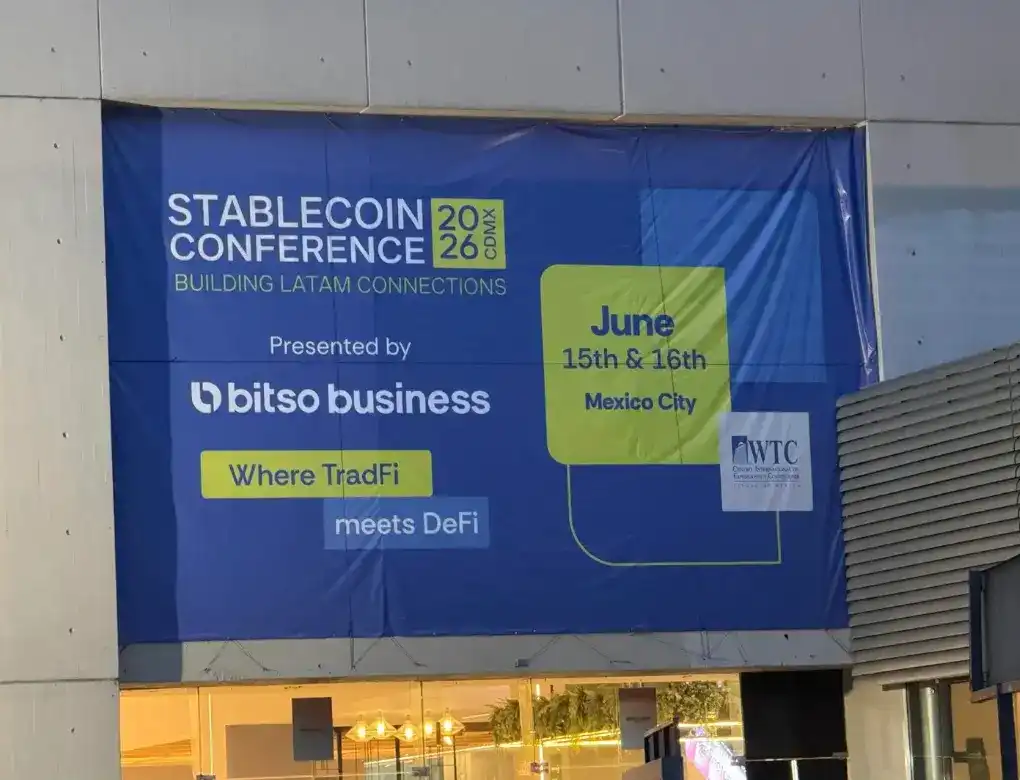
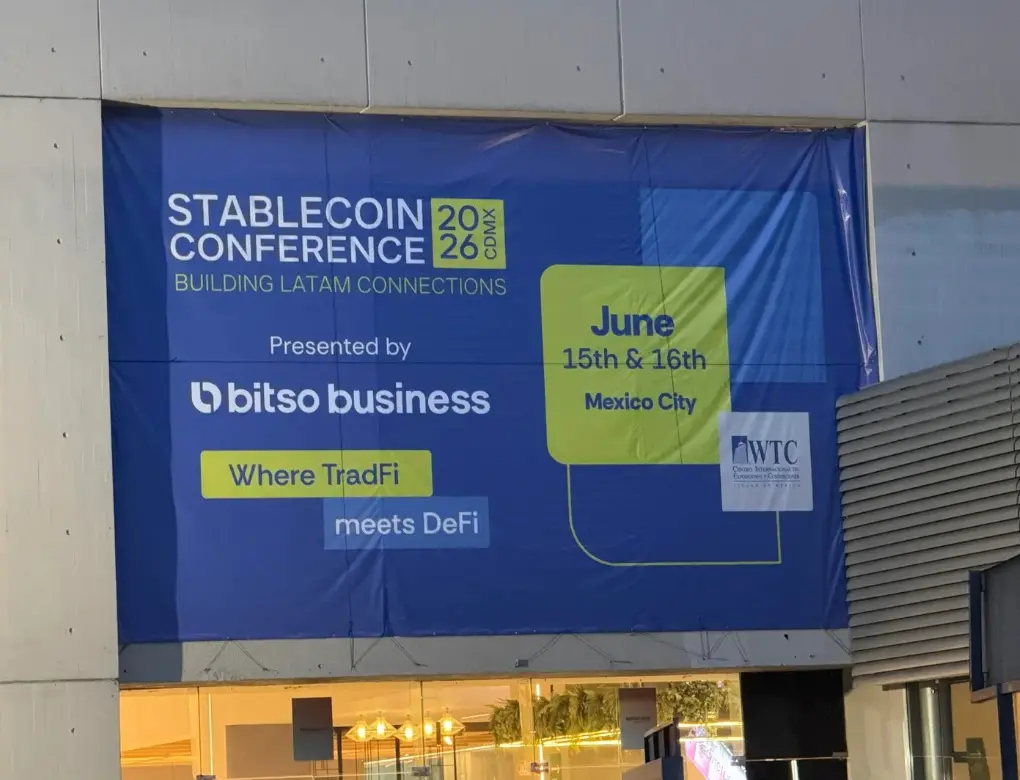
A Forbes feature delves into the state of stablecoin-based cross-border payments, noting rapid growth but a key shortfall: while faster and more accessible, they are not yet cheaper. At a recent industry conference in Mexico City, optimism about technology, regulation, and volume was tempered by discussions with practitioners. The core issue is liquidity. Traditional FX brokers charge 60-70 basis points, and stablecoins promise to slash this to 2-5 basis points. However, this theoretical cost advantage cannot be realized until deep liquidity pools are established at scale, requiring significant institutional capital inflow. A major adoption barrier is trust. Businesses often rely on long-standing relationships with traditional brokers, valuing reliability over marginal cost savings. This shift will be gradual. Furthermore, successful companies in the space are not positioning themselves as replacements for legacy systems like SWIFT, but as complements. They leverage stablecoins for speed while using traditional rails for their standardization and reliability in ensuring accurate payment details—a critical factor for supplier payments to avoid customs issues. Companies like Caliza, experiencing high monthly growth, exemplify this hybrid approach. The industry anticipates consolidation, as long-term viability will depend on securing the essential trifecta: proper licensing, robust fiat on/off-ramps, and deep liquidity. Without these, firms risk being mere intermediaries rather than building sustainable businesses.

marsbitHace 3 hora(s)

Forbes Feature: Stablecoin Cross-Border Payments Are Faster, But Not Yet Cheaper

marsbitHace 3 hora(s)

Trading

Spot
活动图片