BitMEX推出全新地址簿白名单功能,提升资产提现的安全性与便利性

Odaily星球日报Publicado a 2024-12-04Actualizado a 2024-12-04

Resumen

使用地址簿功能,用户可享有网络级地址新增和阻止未经授权的提现两大优势。

原文作者:BitMEX

BitMEX推出全新地址簿白名单功能,提升资产提现的安全性与便利性

BitMEX 欣然宣布,我们推出了一项新的地址簿白名单功能,以提升用户在平台上的资产提现安全性与便利性。

功能概述

  • 在网络层级新增白名单地址,涵盖该网络下的所有资产

  • 阻止未经授权的提现,确保资金安全

详细介绍

什么是地址簿白名单功能?

通过地址簿功能,BitMEX 用户可以储存特定地址并为其命名,以便在发起提现请求时更便捷地使用。

用户现在可以将地址簿转换为白名单,仅允许白名单中的地址进行提现。这意味着未列在白名单中的地址将无法进行提现。

使用地址簿功能,用户可享有以下两大优势:

  • 网络级地址新增: 用户可以为特定网络新增白名单地址,例如,为以太坊网络新增一个白名单地址,即可用于提现该网络下的所有资产(如 ETH、BMEX、USDT、AAVE、APE 等)。

  • 阻止未经授权的提现: 用户可以设置冷却期,以确保新增的地址在一段时间内不可用,进一步提升资产安全性。

如何启用地址簿白名单功能
BitMEX推出全新地址簿白名单功能,提升资产提现的安全性与便利性

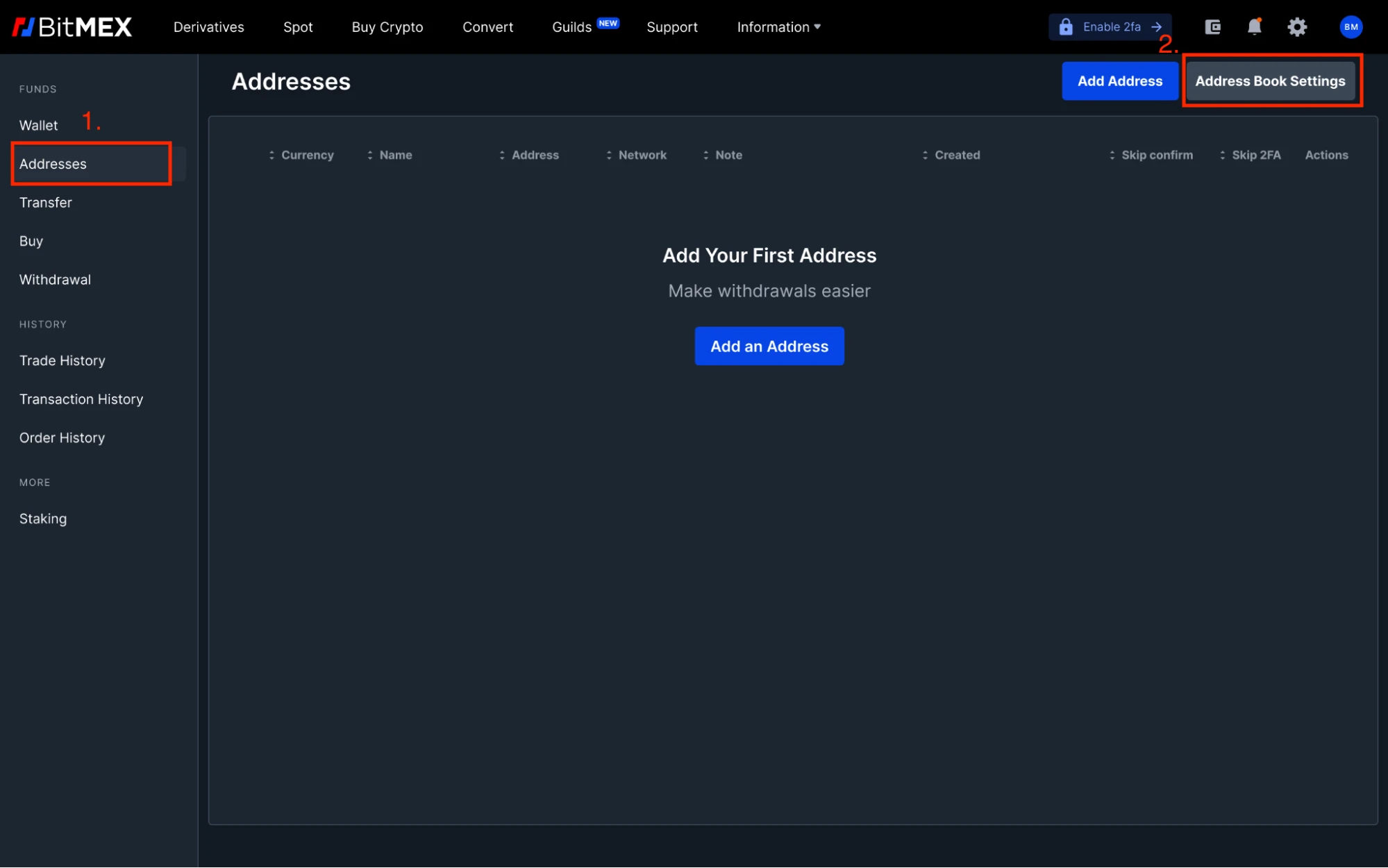
1. 前往「钱包」页面,并点击「资金」下的「地址」。

2. 点击「地址簿设置」。

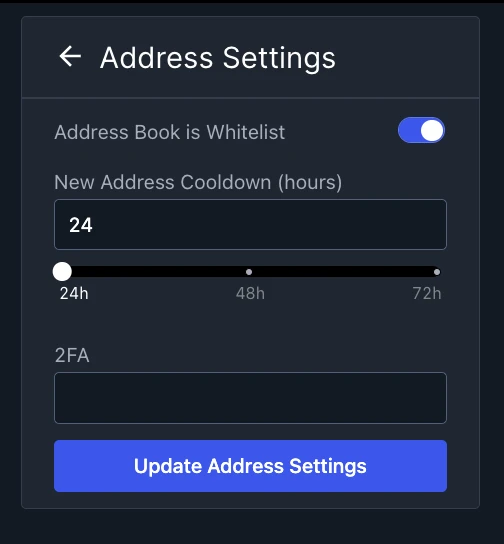
3. 选择「地址簿为白名单」。a. 指定新地址的冷却期(以小时为单位)。 b. 输入您的 BitMEX 二步验证码。

4. 点击「更新地址设置」。
BitMEX推出全新地址簿白名单功能,提升资产提现的安全性与便利性

*冷却期将在下一节中详细解释,因为它与提高资产提现安全性有关。

一旦更新地址簿设置,您就可以为您选择的网络或货币新增白名单地址,并设置特定的二步验证条件。我们鼓励用户利用新的地址簿白名单功能,提高资金提现的便利性,并加强对 BitMEX 资产的保护。

我们将在下面详细解释这两种优势:

提高便利性:新增网络地址以进行提款

透过地址簿功能,用户现在可以在网络层级创建白名单地址。这意味着用户不再需要为同一网络下的每种资产创建新的白名单地址。

如果您为以太坊网络新增了一个白名单地址,您就可以使用该地址提款该网络下的所有资产(例如 ETH、BMEX、USDT、AAVE、APE 等)。

您只需为以太坊网络新增一个白名单地址,即可涵盖该网络下所有代币的提款。

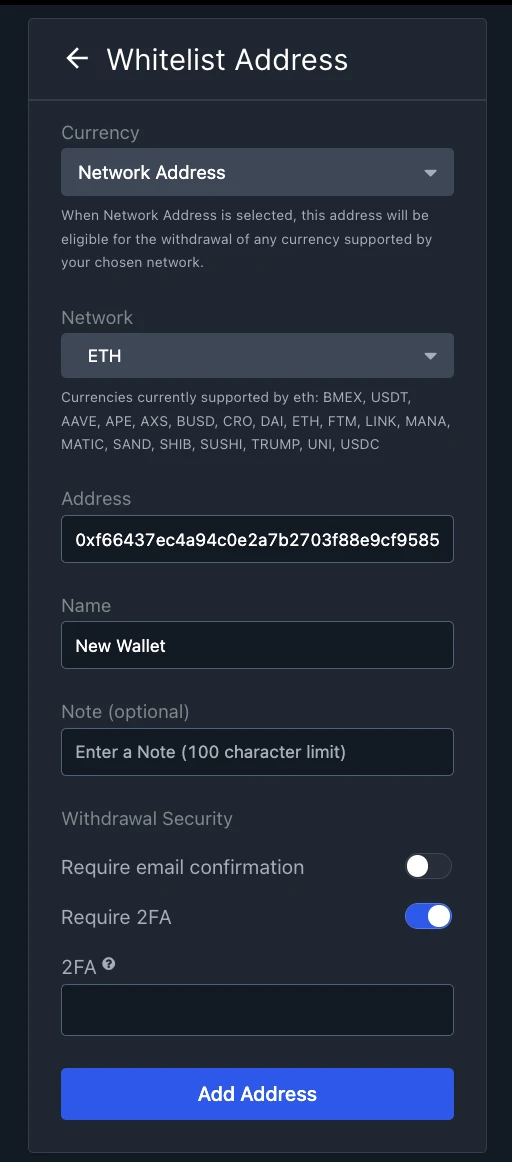
如何新增网络地址
BitMEX推出全新地址簿白名单功能,提升资产提现的安全性与便利性

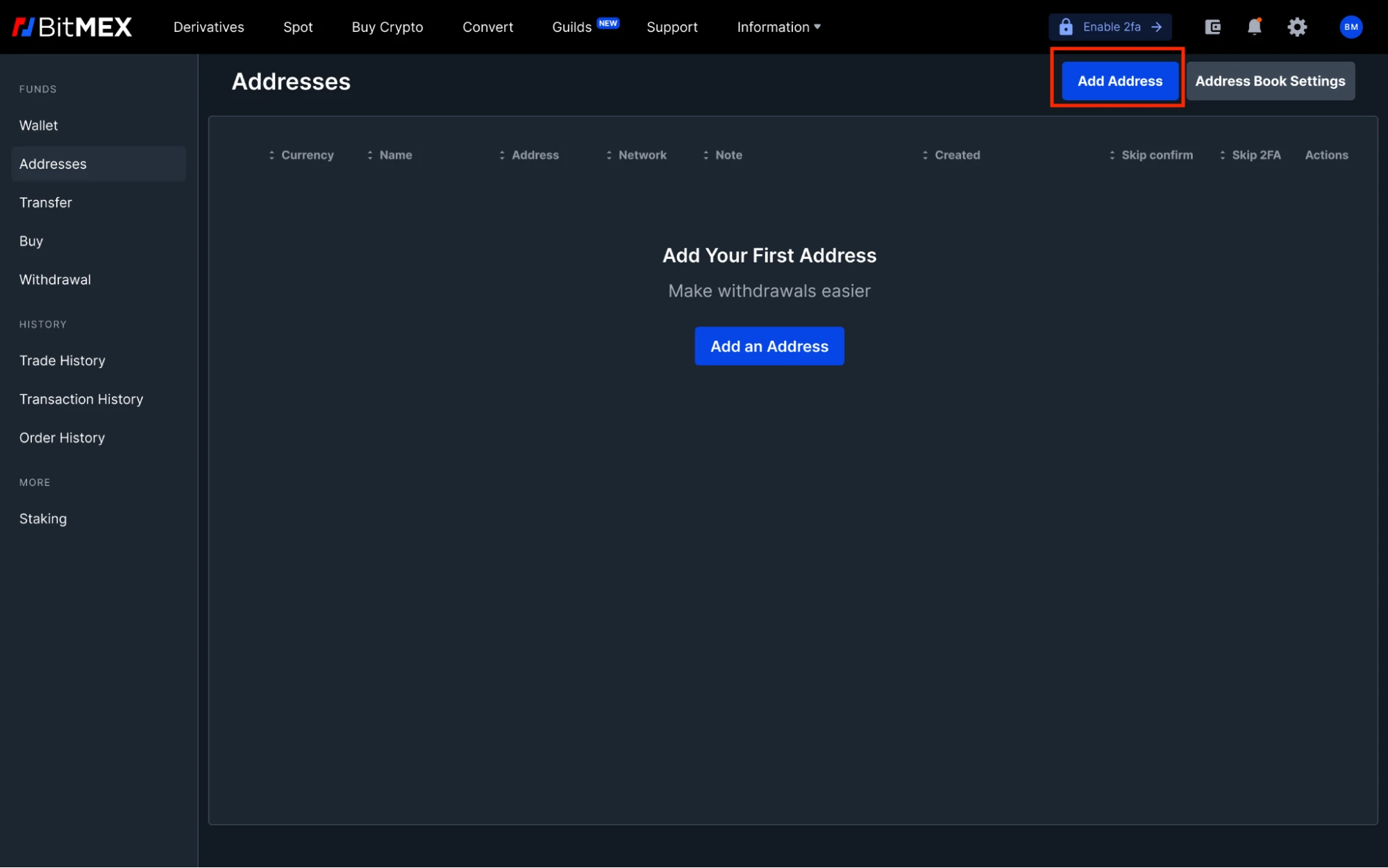
1.前往您的地址簿页面。

2.点击「新增地址」。

3.从下拉选单中选择「网络地址」。

a. 选择您要新增白名单地址的网络(例如 BTC、ETH 等),并输入地址。

 b. 为地址命名,以便日后更易识别。

4.选择您的提币安全选项 - 您是否希望在每次向新创建的白名单地址进行提币时都要求电子邮件确认和 2FA 验证。

5.输入您的二步验证码,并点击「新增地址」。
BitMEX推出全新地址簿白名单功能,提升资产提现的安全性与便利性

新增网络地址后,您可以在地址簿中找到该地址,并显示其所属网络和名称。

提高安全性:阻止未经授权的提款请求

地址簿白名单功能的另一个优势是,用户可以通过冷却期来提高资产提款的安全性。

如上所述,启用地址簿白名单功能时,用户必须指定至少 24 小时的冷却期,在此期间新增的白名单地址将不可用。冷却期长度可根据用户偏好而定,但最短为 24 小时。

一旦提交新增白名单地址的请求,系统将向用户发送电子邮件以确认。这给了真实用户足够的时间来确认或阻止新增地址的请求,如果帐户被骇客入侵,骇客将无法在未经用户事先通知且至少 24 小时内阻止请求的情况下提款。

想第一时间获取最新上市资讯、产品发布、赠品活动等消息,欢迎加入我们的线上社群。如需即时更新,您也可以关注我们的 Twitter 或阅读我们的部落格和网站公告。如有任何问题,请联系我们的 24 小時客服团队。

官方链接:https://blog.bitmex.com/address-book-whitelists/

Lecturas Relacionadas

USDT Market Cap Overtakes Ethereum, What Signal Does This Convey?

The article discusses the significance of USDT's market capitalization rivaling that of Ethereum. It clarifies that this does not indicate Ethereum provides economic security for USDT, as stablecoin security relies on the issuer, Tether, not the underlying blockchain. The trend also does not reflect a flaw in Ethereum's value, as ETH and USDT serve fundamentally different purposes—one as a yield-bearing asset for network fees, the other as a dollar-pegged medium of exchange. The core argument is that the dominant, enduring demand in crypto is for permissionless dollar transfers, a simple utility that doesn't require complex blockchain technology. USDT's growth, despite its issuer's controversial background, proves users prioritize widespread availability and ease of use over the technical merits or decentralization of the hosting chain. While stablecoin aggregate market cap continues to rise, the combined market cap of major smart contract platform native tokens (like Ethereum, Solana) has remained stagnant, showing a decoupling between the demand for simple dollar liquidity and the value assigned to the underlying settlement layers. The conclusion is that the market values the utility of permissionless dollars above all else, with users largely indifferent to the issuer's credibility or the hosting blockchain's governance, as long as the stablecoin is functional and accessible.

marsbitHace 34 min(s)

USDT Market Cap Overtakes Ethereum, What Signal Does This Convey?

marsbitHace 34 min(s)

Top 8 DEXs of July 2026

This article presents the top 8 decentralized exchanges (DEXs) for July 2026, highlighting their key features and evolution within the DeFi space. DEXs, which enable peer-to-peer cryptocurrency trading via smart contracts without intermediaries, are praised for offering users greater control, privacy, transparency, and global access compared to centralized platforms. The listed DEXs are: 1. **Shadow Exchange**: A Sonic-native DEX specializing in concentrated liquidity for efficient trading and reduced slippage. 2. **Uniswap**: A leading protocol using an Automated Market Maker (AMM) model across multiple blockchains. 3. **SushiSwap**: An evolved platform offering token swaps, yield farming, and governance via its SUSHI token across 40+ networks. 4. **Orca**: A user-friendly AMM on Solana featuring capital-efficient "Whirlpools" for concentrated liquidity. 5. **Meteora**: A Solana-based DEX focusing on dynamic liquidity infrastructure and vaults for advanced strategies. 6. **Raydium**: A hybrid exchange on Solana combining AMM pools with a central limit order book for deep liquidity. 7. **Hyperliquid**: A Layer 1 blockchain hosting a non-custodial perpetual futures exchange using an on-chain order book. 8. **PancakeSwap**: A multi-chain AMM hub originating on BNB Chain, now supporting thousands of trading pairs across several networks. The article concludes by noting the significant role of DEXs in crypto, their expansion beyond simple swaps into areas like derivatives and cross-chain interoperability, and advises users to conduct their own research before engaging with any platform.

ambcryptoHace 48 min(s)

Top 8 DEXs of July 2026

ambcryptoHace 48 min(s)

USDT Market Cap Approaches Ethereum's: What Signal Does This Convey?

The market capitalization of USDT has nearly reached that of Ethereum, making it the second-largest cryptocurrency after Bitcoin. This prompts an examination of what this signifies and what it does not. Firstly, this does not relate to economic security. Unlike some Web3 systems where a governance token's value must underpin the security of its applications (e.g., oracles), USDT's stability is not backed by the value of the underlying blockchains it operates on. Tether, the issuer, controls the assets, and can freeze, reissue, or abandon tokens on a compromised chain. While stablecoins require functional blockchains, a chain's native token market cap does not provide direct security for the stablecoin. Secondly, USDT's growth does not inherently reflect poorly on Ethereum. USDT is a dollar-pegged store of value, while ETH represents a claim on future Ethereum network revenue. Their valuations are driven by different factors. USDT's rising market cap simply indicates strong demand for stablecoin utility, independent of Ethereum's technological merits or competitive position. The core insight is the overwhelming market demand for permissionless dollar transfers. This is the most established and essential use case in crypto. It requires minimal technological sophistication—essentially just a trusted issuer's promise of redemption on a functional chain. This explains why stablecoin supply has grown exponentially while the combined market cap of major non-stablecoin cryptocurrencies like Bitcoin, Ethereum, and others has stagnated for years. Users primarily seek accessible dollar-denominated assets. They largely disregard the issuer's credibility (as seen with Tether's dominance over more credible alternatives like USDC or BlackRock's BUIDL) and are indifferent to the governance or decentralization of the underlying blockchain. As long as a stablecoin is widely accepted and easy to transfer, users will adopt it across any chain. The trend suggests that the market for permissionless stablecoins could continue to expand far beyond the total value of the smart contract platforms that host them, driven by this singular, powerful use case.

Foresight NewsHace 1 hora(s)

USDT Market Cap Approaches Ethereum's: What Signal Does This Convey?

Foresight NewsHace 1 hora(s)

Trading

Spot
活动图片