Путин предупредил об учете энергопрофицита при майнинге криптовалют

RBK-cryptoPublicado a 2024-11-19Actualizado a 2024-11-19

Президент России согласился с тем, что добычу криптовалюты стоит развивать, но только в регионах с излишками электроэнергии

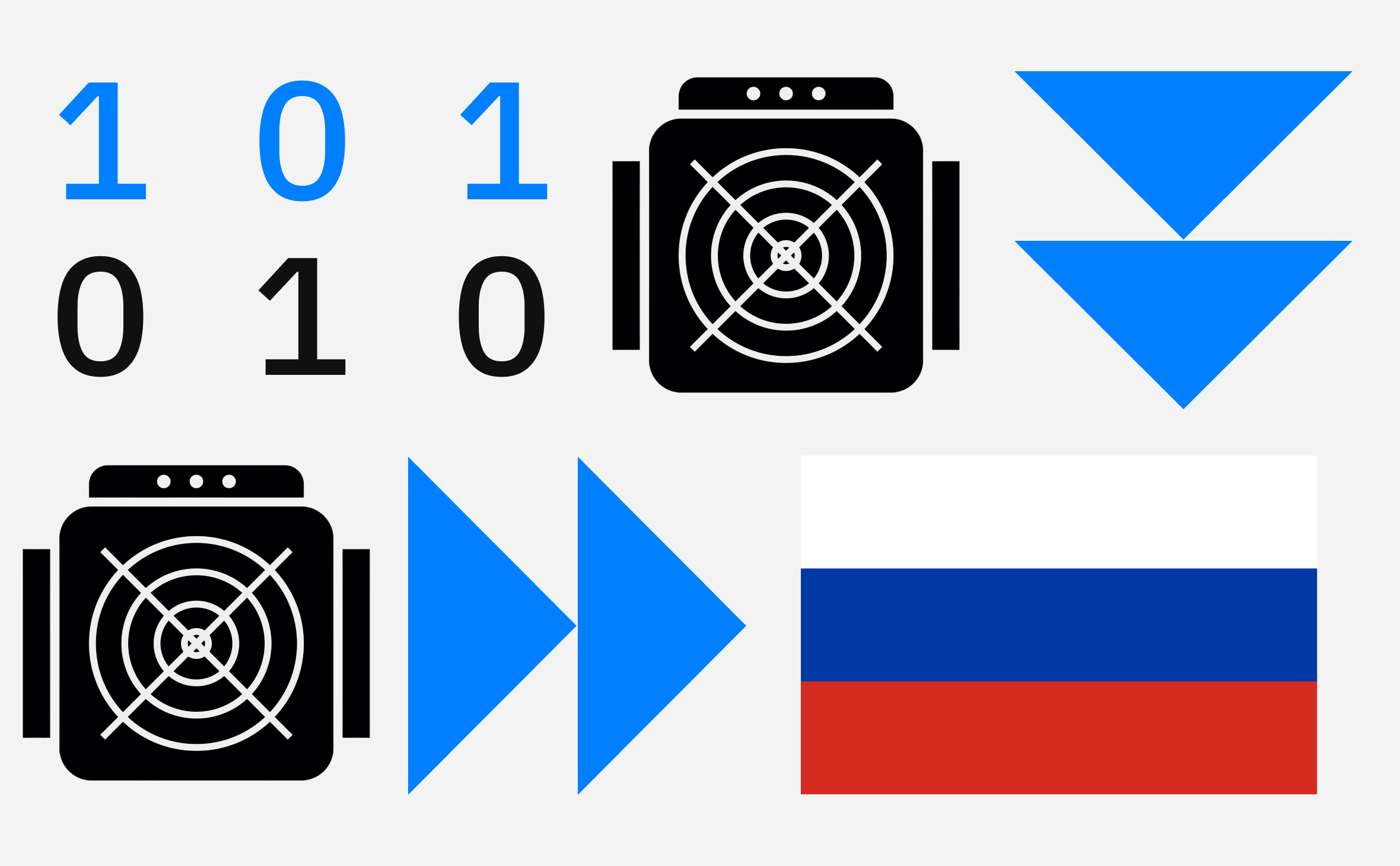
Президент России Владимир Путин поддержал развитие майнинга в стране. Он обсудил перспективы отрасли добычи криптовалют на встрече с главой фракции партии «Новые люди» в Государственной думе Алексеем Нечаевым.

В первую очередь глава государства отметил, что в некоторых регионах из-за майнинга уже не хватает электричества. По словам Нечаева, заниматься этой деятельностью нужно в профицитных областях, при этом кратно увеличивая объемы майнинга.

«Задача, чтобы не просто иметь отрасль, которая третья в мире или четвертая, а иметь лидерскую отрасль в мире. Для этого нужно примерно в пять раз увеличить наши объемы — опять же очень внимательно смотря, где это делать, потому что, так сказать, там, где и так у нас электричества нет, не надо майнингом заниматься», — сказал Нечаев.

Телеграм-канал «РБК-Крипто» — подпишитесь и будьте в курсе самых главных и актуальных новостей о криптовалюте.

Присоединяйтесь к форуму «РБК-Крипто» в Telegram для обсуждения новостей и тенденций криптомира.

По оценкам Нечаева, поступления в бюджет могут составить до 200 млрд руб. в год. И задачу по развитию индустрии майнинга надо ставить аккуратно, но «крепко, неуклонно».

Президент также согласился с тем, что одним из главных аспектов развития отрасли может стать возможность построить превосходство и в сфере искусственного интеллекта.

В сентябре Путин назвал Россию одним из мировых лидеров по майнингу. Он тогда отметил, что это связано с профицитом энергетических мощностей в Сибири.

Легально добывать криптовалюту в России стало возможно с 1 ноября этого года. Однако из-за нехватки электроэнергии в некоторых регионах в настоящий момент рассматривается введение ограничений на майнинг и даже частичный запрет.

Компания Трампа рассматривает покупку криптоплатформы. Что о ней известно

Взломавшим биржу Bitfinex уроженцу России и его супруге назначили сроки

Правительство назвало регионы России, где запретят майнинг криптовалюты

Курс биткоина закрепился около $90 тыс. Что случилось с криптовалютой

«РБК-Крипто» запустил мониторинг криптовалютных обменников. Выбирайте надежный обменный сервис с выгодным курсом на yourcryptoex.ru или в удобном телеграм-боте.

Lecturas Relacionadas

Li Fei-Fei's Latest Long-Form Article: When Video Generation, Robotics, and NVIDIA All Call Themselves World Models, We Need a Taxonomy

In a new article, Dr. Fei-Fei Li addresses the widespread and often inconsistent use of the term "world model" in AI. She proposes a clear, functional taxonomy rooted in the classic Partially Observable Markov Decision Process (POMDP) loop (agent → action → state → observation → agent). According to this framework, current systems called "world models" are different projections of this loop, categorized by their primary output: 1. **Renderers**: Output observations (pixels). Their goal is visual fidelity for human consumption (e.g., video generation models like Sora). They are the most commercially mature but are limited by a focus on appearance over physical accuracy. 2. **Simulators**: Output states (geometric, physical, dynamic representations). They provide a structurally accurate world for both human professionals (e.g., architects) and computational agents (e.g., robots for training). Li argues simulators are the crucial, underappreciated bridge, as they can underpin both rendering and planning. 3. **Planners**: Output actions. Given an observation and a goal, they decide what an agent should do next (e.g., robotic action models). This area is highly promising but remains the least mature for real-world deployment. Li highlights a key trend: the boundaries between these three categories are beginning to blur, as they all rely on a shared underlying understanding of geometry, physics, and dynamics. The logical endpoint is a unified world foundation model capable of switching between rendering, simulation, and planning based on downstream needs. This convergence, she concludes, is central to advancing spatial intelligence—enabling machines not just to talk about the world, but to truly understand, imagine, and interact with it.

marsbitHace 2 hora(s)

Li Fei-Fei's Latest Long-Form Article: When Video Generation, Robotics, and NVIDIA All Call Themselves World Models, We Need a Taxonomy

marsbitHace 2 hora(s)

Forbes Feature: Stablecoin Cross-Border Payments Are Faster, But Not Yet Cheaper

A Forbes feature delves into the state of stablecoin-based cross-border payments, noting rapid growth but a key shortfall: while faster and more accessible, they are not yet cheaper. At a recent industry conference in Mexico City, optimism about technology, regulation, and volume was tempered by discussions with practitioners. The core issue is liquidity. Traditional FX brokers charge 60-70 basis points, and stablecoins promise to slash this to 2-5 basis points. However, this theoretical cost advantage cannot be realized until deep liquidity pools are established at scale, requiring significant institutional capital inflow. A major adoption barrier is trust. Businesses often rely on long-standing relationships with traditional brokers, valuing reliability over marginal cost savings. This shift will be gradual. Furthermore, successful companies in the space are not positioning themselves as replacements for legacy systems like SWIFT, but as complements. They leverage stablecoins for speed while using traditional rails for their standardization and reliability in ensuring accurate payment details—a critical factor for supplier payments to avoid customs issues. Companies like Caliza, experiencing high monthly growth, exemplify this hybrid approach. The industry anticipates consolidation, as long-term viability will depend on securing the essential trifecta: proper licensing, robust fiat on/off-ramps, and deep liquidity. Without these, firms risk being mere intermediaries rather than building sustainable businesses.

marsbitHace 2 hora(s)

Forbes Feature: Stablecoin Cross-Border Payments Are Faster, But Not Yet Cheaper

marsbitHace 2 hora(s)

Li Feifei's Latest Article: When Video Generation, Robotics, and NVIDIA All Claim to Have 'World Models,' We Need a Taxonomy

"World Model" has become a widely used yet ambiguous term in AI. Drawing from the classic POMDP framework (agent → action → state → observation), this article proposes a functional taxonomy to clarify the concept. It identifies three distinct types, categorized by their output in the perception-action loop: 1. **Renderers**: Output visual observations (pixels). These models, like advanced video generators, prioritize visual fidelity but often lack underlying physical accuracy. 2. **Simulators**: Output the state of the world (geometry, physics, dynamics). They provide a structurally accurate representation for professionals (e.g., architects) and serve as training environments for robots and AI agents. 3. **Planners**: Output actions. Given an observation and a goal, they determine what an agent should do next, closing the perception-action loop (e.g., vision-language-action models). While renderers are currently the most commercially mature and planners are the most aspirational, the article argues that **simulators are the crucial, underappreciated hub**. By working at the level of geometry and physics, a simulator can project upwards to create visuals for humans and downwards to predict action consequences for agents. The future lies in the convergence of these three functions. Emerging research and products, like World Labs' Marble model which outputs both visual splats and physical collision meshes, are beginning to blur these boundaries. The logical endpoint is a unified world foundation model capable of rendering, simulating, and planning based on a shared understanding of spatial and temporal structures—ultimately enabling machines to understand, imagine, and interact with the physical world.

链捕手Hace 2 hora(s)

Li Feifei's Latest Article: When Video Generation, Robotics, and NVIDIA All Claim to Have 'World Models,' We Need a Taxonomy

链捕手Hace 2 hora(s)

Trading

Spot
活动图片