名人币归零后被起诉,有赔款先例吗?

Odaily星球日报Publicado a 2024-11-18Actualizado a 2024-11-18

Resumen

「名人币」大多数都只是名人将币圈玩家当作提款机。

11 月 13 日,英国公民 Naeem Azad 与罗马尼亚公民 Mihai Caluseru 向美国加州联邦法院提起诉讼,指控 Caitlyn Jenner 与她的经纪人 Sophia Hutchins 欺诈性地招揽美国和国外财务不成熟的投资者购买未注册的证券。

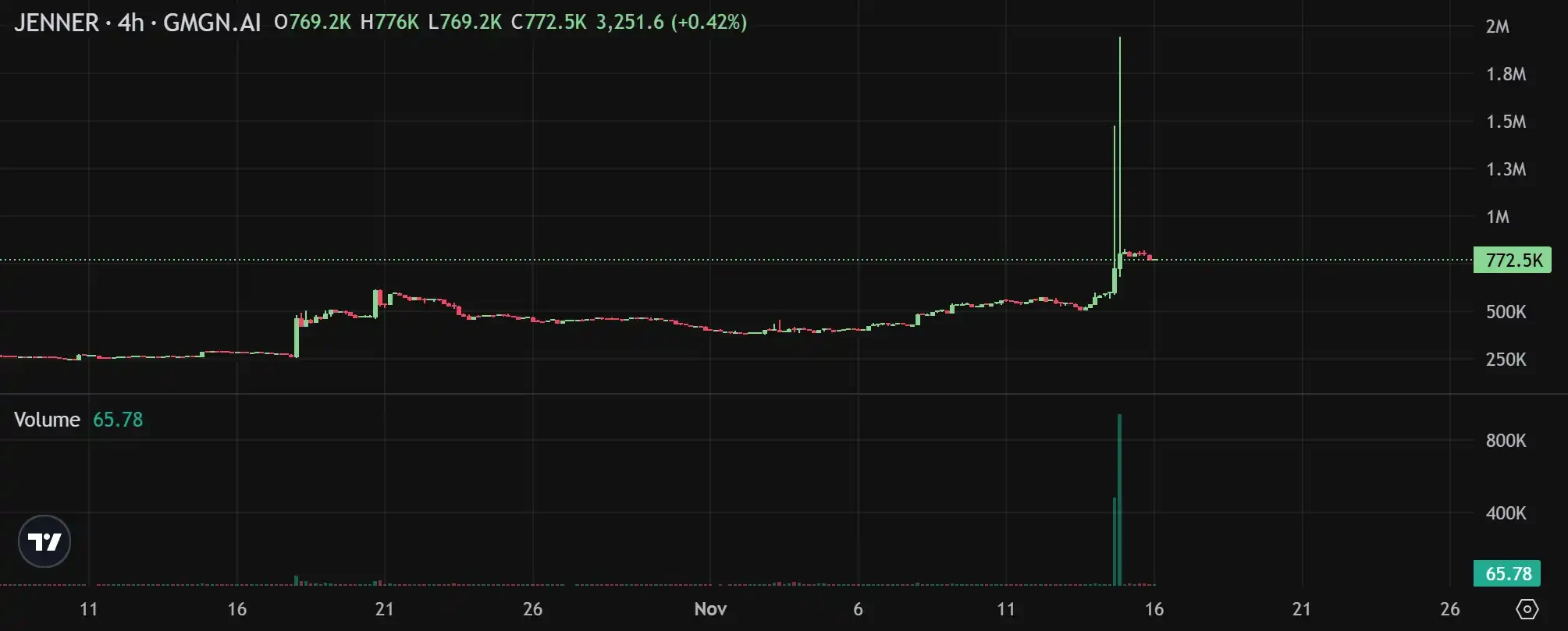
Caitlyn Jenner 是曾经的奥运冠军,但她更为人熟知的身份是金·卡戴珊等卡戴珊家族成员的继父,以及跨性别女性。她的代币 JENNER 于 5 月 27 日在 Solana 上通过 pump.fun 推出,刚推出就因为是否为其本人推出的真实性争议引发了巨大的价格波动。在一系列戏剧性的故事结束后,根据 dexscreener 的数据,市值最高峰时曾达到 4000 万美元。

但随着名人币的热潮逐渐褪去,正如起诉书中所声称的那样,「Jenner 似乎已经完全放弃了该项目,不再积极进行推广,让持有者蒙受了严重损失,这些损失不太可能挽回」。

自 6 月初反弹回 1000 万美元市值后,$JENNER 的价格和成交量就一路走低,长期仅有 20 多万美元的市值。但在本次遭起诉的消息传出后,$JENNER 反而因为这波「黑流量」出现了 30% 的涨幅,目前市值大约为 80 万美元。
名人币归零后被起诉,有赔款先例吗?

这两位投资者声称因投资 JENNER 代币而损失了超过 56000 美元。在诉讼中他们提到,如果不是 Caitlyn Jenner 的公开宣传以及「虚假和误导性的陈述」,他们就不会做出这样的投资决策。他们还表示,Caitlyn Jenner 故意不向 SEC 进行注册使得缺乏足够的透明信息来评估投资风险。

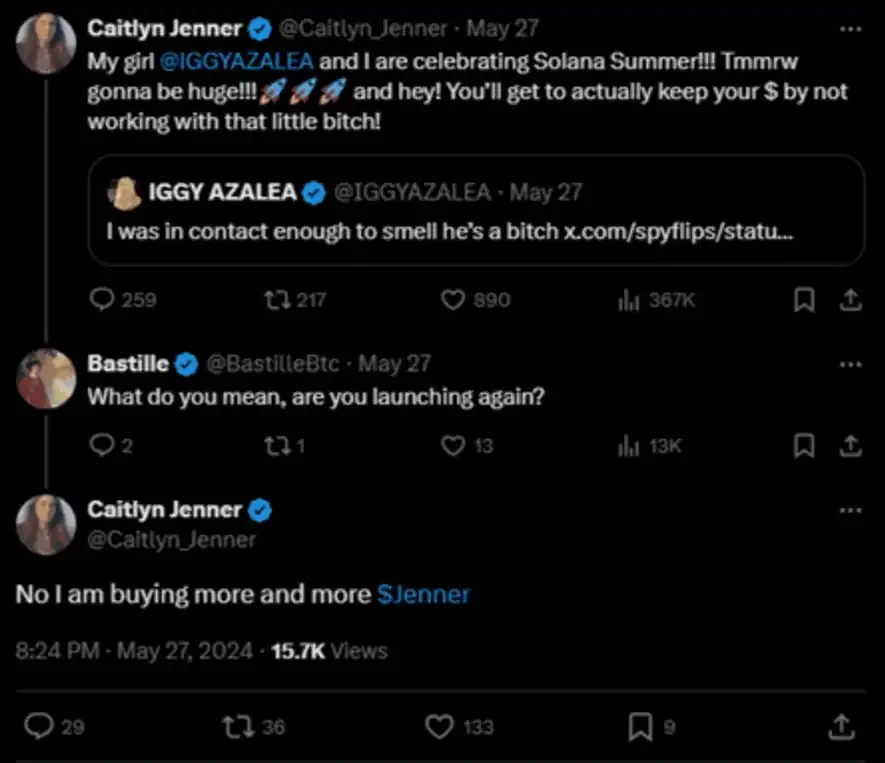
但仅仅只是 Caitlyn Jenner「喊单摆烂」吗?不是的。起诉书中还提到,Caitlyn Jenner 曾经发布推文表示「不会再次推出代币」,但最后,她还是在以太坊上推出了又一个 $JENNER 代币。
名人币归零后被起诉,有赔款先例吗?

并且,以太坊上的 $JENNER 代币的存在每笔 3% 的交易费,而 Caitlyn Jenner 从未披露过交易费的存在。

目前,以太坊上的 $JENNER 代币只有大约 10 万美元的市值,而最高峰时,市值大约为 800 万美元。

当然了,也不能说「名人币」全都是「短命」的。半年前的「名人币」热潮中的另一个明星项目,说唱歌手 Iggy Azalea 的 $MOTHER,至今仍有 8000 万美元市值。虽然相较最高点的 3 亿美元市值也相去甚远,但好歹形成了一个稳定的 meme 在运营。

而纵观 Crypto 的历史,「名人币」都只是名人将币圈玩家当作提款机的例子占了绝大多数。卡戴珊家族的另一位成员金·卡戴珊就曾在 2022 年被 SEC 指控在未披露宣传报酬的情况下推销 $EMAX,最后金·卡戴珊支付了 126 万美元的罚金并同意 3 年内不推广任何加密货币。NBA 球星「大鲨鱼」奥尼尔也曾因宣传 Solana 上的 NFT 项目「Astrals」而遭到诉讼,他曾在 FTX 倒闭后在 Discord 里表示「他不会离开」,但从那之后,他在 Discord 里没有再说过一句话。

在残酷的加密市场中,我们能够相信的,只有自己。

Lecturas Relacionadas

Are the Frantic Acquisitions of Crypto Companies by Giants Good or Bad?

In a bear market, giants are actively acquiring crypto companies. Recent months have seen at least five major deals: Samsung Securities bought a 2% stake in Upbit operator Dunamu; Robinhood acquired WonderFi for $180 million to enter the Canadian market; Figure purchased Kiavi for $717 million to expand into on-chain real estate credit; Franklin Templeton bought 250Digital to launch Franklin Crypto; and Blockworks acquired data platform Messari at a steep discount—over 90% less than its 2022 $300 million valuation. These moves highlight a strategic shift. Cash-rich giants are consolidating resources at low cost, targeting companies with established compliance frameworks to navigate tightening global regulations. Acquisitions like WonderFi and the Upbit stake provide immediate market access and licensed user bases. Figure's deal signals real-world asset (RWA) tokenization moving from concept to large-scale implementation, with Kiavi's $7+ billion annual transaction volume being integrated into on-chain capital markets. Franklin Crypto's launch targets institutional investors like pension funds, offering them tailored, compliant crypto strategies. For these strategic players, bear markets present an ideal entry point: valuations are depressed, speculative noise is minimized, and they can acquire robust technology and compliance infrastructure at a fraction of the cost. This acquisition wave marks a transitional phase for crypto—from a wild frontier toward an institutional, regulated financial system. Giants are positioning themselves to capture future growth when macroeconomic conditions and liquidity improve, leaving latecomers behind.

marsbitHace 1 hora(s)

Are the Frantic Acquisitions of Crypto Companies by Giants Good or Bad?

marsbitHace 1 hora(s)

In the MiCA Era, Europe's New Cryptography Landscape: Why is Germany Taking Center Stage?

With MiCA's transitional arrangements concluding, Europe's crypto industry has undergone a regulatory consolidation. Post-MiCA, platforms must secure CASP authorization to operate compliantly within the EU. As of July 1st, only about 12% of crypto firms have received authorization, with Germany emerging as a key player, holding 57 authorizations (roughly 23% of the EU total). This positions Germany as a primary compliance gateway to the EU's unified market. Germany's advantage stems from its established, function-based regulatory framework, which integrated crypto activities into existing banking, securities, and payment systems pre-MiCA. This allowed a smoother transition and attracted both domestic platforms (like Bitcoin.de, BISON) and international ones (like Coinbase Germany). A distinctive trend is German banks becoming direct retail entry points for crypto services. Examples include DZ Bank integrating "meinKrypto" into its VR Banking App and the Sparkassen savings bank network planning to offer crypto trading via DekaBank. This mainstreams crypto access for ordinary users. Beyond trading, Germany is evolving into a digital asset infrastructure hub. Deutsche Börse Group's Clearstream is developing a next-generation platform for issuing, settling, and servicing both traditional and tokenized securities. Furthermore, German banks like DekaBank and DZ Bank are key participants in the Qivalis project, a European initiative for a regulated euro stablecoin, positioning Germany at the intersection of critical future capabilities like custody, settlement, and cross-border services.

marsbitHace 1 hora(s)

In the MiCA Era, Europe's New Cryptography Landscape: Why is Germany Taking Center Stage?

marsbitHace 1 hora(s)

Trading

Spot
活动图片