Сеть Base лидирует по количеству активных кошельков

cryptonews.ruPublicado a 2022-01-24Actualizado a 2024-10-24

По данным CryptoRank.io, наибольшее количество ежедневных активных адресов, среди всех сетей 2-го уровня масштабирования (Layer 2), зафиксировано в Base — более 1,43 млн. Это свидетельствует о ее популярности среди пользователей и разработчиков. Следом идет Celo с 650 тыс. активных адресов, что обусловлено ее сервисами для институциональных клиентов. Замыкает тройку лидеров Arbitrum с 470 тыс. юзеров. При этом в данном блокчейне заблокирован суммарный капитал (TVL) на сумму в размере $4,01 млрд, что значительно выше, чем у конкурентов.

Примечательно, что TVL Base составляет $3,25 млрд. Это может быть связано с тем, что пользователи активнее используют Base для транзакций и взаимодействия, но не обязательно для долгосрочного хранения средств. Тем временем Scroll ZKP, Linea, Optimism и zkSync показывают более скромные результаты по ежедневным активным адресам, хотя их TVL также достаточно высокий, что говорит о стабильно растущем интересе к этим протоколам.

Особенно примечателен рост сети Celo. Ее успех во многом обеспечен благодаря стейблкоинам и решениям, ориентированным на институциональных клиентов, что подчеркивает интерес крупных компаний к использованию блокчейн-технологий.

Текущие данные демонстрируют, что блокчейны 2-го уровня продолжают развиваться, предлагая пользователям более быстрые и дешевые транзакции. Такие сети становятся все более востребованными в условиях роста криптовалютного рынка и числа децентрализованных приложений (dApp), которые требуют больших объемов переводов.

Ситуация также отражает глобальный тренд на повышение интереса к многоцепочечным решениям, где пользователи могут перемещать активы между различными блокчейнами, минимизируя риски и издержки. Инновационные подходы, такие как использование кроссчейн-протоколов, только укрепляют позиции подобных проектов на рынке.


Ошибка в тексте? Выделите её мышкой и нажмите Ctrl + Enter

Criptos en tendencia

Lecturas Relacionadas

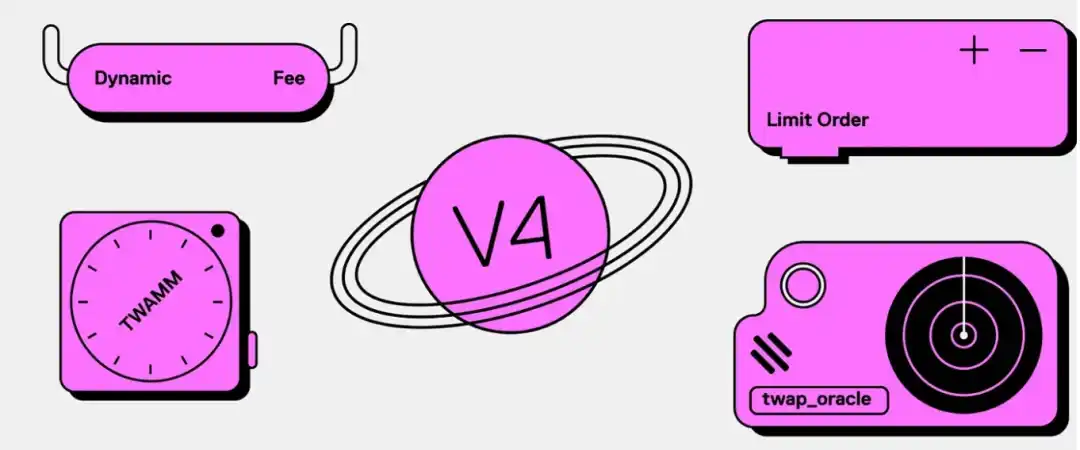
Uniswap v4 Hook Analysis: Architecture Design, Common Vulnerabilities, and Protection Practices

Uniswap v4's Hook mechanism is a major innovation, enabling custom logic injection into liquidity pool lifecycle events like swaps and liquidity provisioning. This transforms the AMM into programmable infrastructure, shifting the security model from protocol-level to pool-level, as each pool's safety now depends on its bound Hook contract. The core architecture revolves around the singleton PoolManager contract, which manages all pools via a flash accounting system. State changes are tracked in transient storage and must be settled by the end of a transaction. Hook contracts are permanently bound to pools via a PoolKey, with their permissions encoded directly into their address via specific low-order bits. This design introduces unique security considerations and challenges for future upgrades. Key vulnerabilities and best practices identified include: - **Access Control Gaps:** Early versions of the BaseHook abstract contract only protect `unlockCallback()`, leaving other lifecycle functions (`beforeSwap`, `afterSwap`, etc.) exposed unless explicitly secured by developers. - **Unrestricted Pool Binding:** The `initialize()` function does not validate if a Hook "consents" to a new pool. Hooks must implement their own whitelisting in `beforeInitialize` to prevent unauthorized pool creation. - **Async/Custom Curve Hooks:** These high-risk Hooks can completely replace Uniswap's swap logic. Their security depends entirely on their own implementation, as they operate outside the native protocol's pricing safeguards. - **Delta Accounting Risks:** The system ensures final balance (NonzeroDeltaCount == 0) but cannot guarantee the *correctness* of intermediate delta states, which attackers could manipulate. - **Token Confusion:** Protocols must implement semantic validation for tokens in user-created markets, not just interface checks, to prevent cross-market confusion attacks. The article emphasizes that Hook auditing requires a "sub-protocol" approach due to extended interaction chains, highlighting a significant shift in security methodology for the v4 ecosystem.

marsbitHace 51 min(s)

Uniswap v4 Hook Analysis: Architecture Design, Common Vulnerabilities, and Protection Practices

marsbitHace 51 min(s)

Chips, Open-Source Models, and $50 Trillion: Joe Tsai Reassesses Alibaba Once Again

Alibaba Executive Chairman Joe Tsai recently outlined the company's comprehensive AI strategy in a public discussion. He believes AI represents a massive opportunity, estimating its potential economic impact at up to $50 trillion, stemming from the automation of human intelligence and productivity. Tsai detailed Alibaba's four-layer investment approach across the AI stack: starting from the chip level, moving to cloud infrastructure (Alibaba Cloud), then the model layer with its open-source Qwen model, and finally applications within its vast digital ecosystem (e-commerce, logistics, etc.). The company avoids the energy layer due to China's efficient infrastructure. This broad strategy is designed to ensure Alibaba captures value regardless of where it ultimately concentrates in the AI value chain. He dismissed concerns about an AI investment bubble, pointing to the enormous $50 trillion opportunity. While acknowledging U.S. cloud giants' higher capital expenditure, he argued Chinese firms, including Alibaba (funded by its cash-generative e-commerce core), need to invest more in AI infrastructure. A key theme was technological sovereignty. Tsai positioned open-source models like Qwen as a solution for companies, especially in Europe, seeking independence from proprietary U.S. models and greater data privacy control. He contrasted this with the trend of U.S. giants keeping their models closed-source. Tsai highlighted Alibaba's collaborations with European manufacturers like Bosch and Siemens, using AI for design and quality control. He concluded with an optimistic vision of AI agents enhancing productivity, ultimately freeing up human time for leisure, family, and experiences like live entertainment.

marsbitHace 1 hora(s)

Chips, Open-Source Models, and $50 Trillion: Joe Tsai Reassesses Alibaba Once Again

marsbitHace 1 hora(s)

Trading

Spot
Futuros

Artículos destacados

Cómo comprar IO

¡Bienvenido a HTX.com! Hemos hecho que comprar IO.NET (IO) sea simple y conveniente. Sigue nuestra guía paso a paso para iniciar tu viaje de criptos.Paso 1: crea tu cuenta HTXUtiliza tu correo electrónico o número de teléfono para registrarte y obtener una cuenta gratuita en HTX. Experimenta un proceso de registro sin complicaciones y desbloquea todas las funciones.Obtener mi cuentaPaso 2: ve a Comprar cripto y elige tu método de pagoTarjeta de crédito/débito: usa tu Visa o Mastercard para comprar IO.NET (IO) al instante.Saldo: utiliza fondos del saldo de tu cuenta HTX para tradear sin problemas.Terceros: hemos agregado métodos de pago populares como Google Pay y Apple Pay para mejorar la comodidad.P2P: tradear directamente con otros usuarios en HTX.Over-the-Counter (OTC): ofrecemos servicios personalizados y tipos de cambio competitivos para los traders.Paso 3: guarda tu IO.NET (IO)Después de comprar tu IO.NET (IO), guárdalo en tu cuenta HTX. Alternativamente, puedes enviarlo a otro lugar mediante transferencia blockchain o utilizarlo para tradear otras criptomonedas.Paso 4: tradear IO.NET (IO)Tradear fácilmente con IO.NET (IO) en HTX's mercado spot. Simplemente accede a tu cuenta, selecciona tu par de trading, ejecuta tus trades y monitorea en tiempo real. Ofrecemos una experiencia fácil de usar tanto para principiantes como para traders experimentados.

82 Vistas totalesPublicado en 2024.12.12Actualizado en 2026.06.02

Cómo comprar IO

Discusiones

Bienvenido a la comunidad de HTX. Aquí puedes mantenerte informado sobre los últimos desarrollos de la plataforma y acceder a análisis profesionales del mercado. A continuación se presentan las opiniones de los usuarios sobre el precio de IO (IO).

活动图片