Биржа BloFin интегрировала систему холодных кошельков от Fireblocks

cryptonews.ruPublicado a 2023-05-24Actualizado a 2024-10-24

Криптовалютная биржа BloFin заключила партнерство с провайдером криптокастодиальных услуг Fireblocks. Последний обеспечит защиту активов клиентов платформы с помощью своей системы холодных кошельков. Об этом сообщается в пресс-релизе.

Сотрудничество с Fireblocks упростит управление холодными кошельками на BloFin и обеспечит безопасную и быструю передачу активов.

«Такая операционная эффективность необходима для удовлетворения динамичных потребностей наших пользователей на постоянно развивающемся криптовалютном рынке. Надежная инфраструктура Fireblocks позволяет BloFin оставаться в авангарде рыночных тенденций, обеспечивая защиту и доступ к большим объемам активов», ― говорится в пресс-релизе биржи.

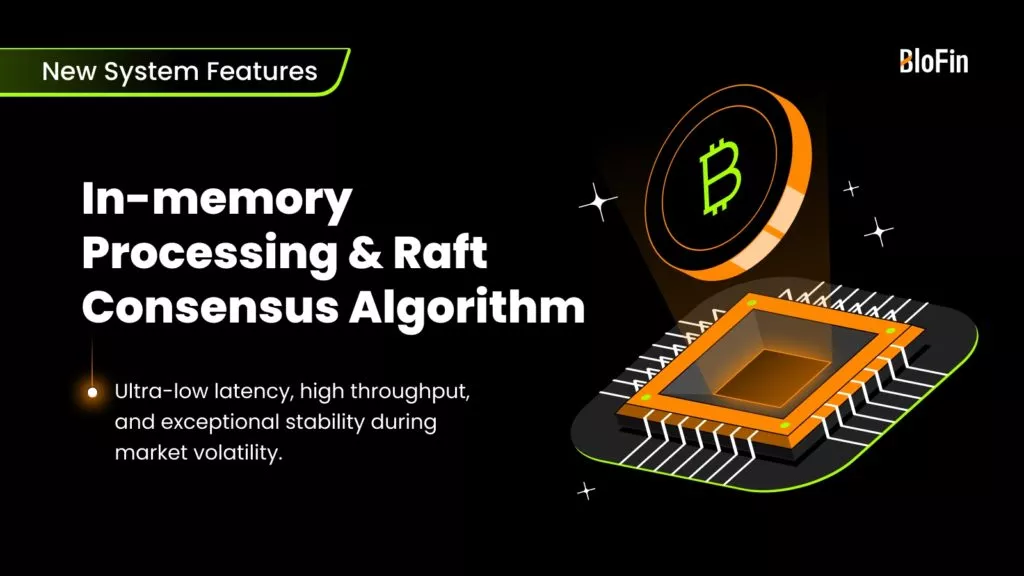
Кроме того, в октябре BloFin реализовала на платформе обновления In-memory Processing и the Raft Consensus Algorithm. Они обеспечивают стабильную и быструю обработку ордеров и оптимизируют работу торговых систем в периоды высокой активности на рынке.
Данные: BloFin.

BloFin ― централизованная криптовалютная биржа, которая поддерживает более 350 бессрочных контрактов и 250 спотовых пар, а также предоставляет услуги копитрейдинга и демотрейдинга. Платформа сотрудничает с аналитической компанией Chainalysis для соблюдения требований AML/KYC.

Fireblocks ― провайдер криптокастодиальных услуг, ориентирующийся на институциональных клиентов и обслуживающий более 1800 организаций в сфере традиционных финансов и платежей. В 2024 году компания присоединилась к инициативе BlackRock по токенизации.

Ранее Chainalysis, Fireblocks и Gauntlet попали в список 50 ведущих финтех-компаний в 2024 году по версии Forbes.

Lecturas Relacionadas

SpaceX Faces Heavy Selling After IPO Followed by Massive Bond Issue 'Angers' the Market

Following a record-breaking IPO, SpaceX's massive $25 billion bond issuance faced fierce selling pressure in the secondary market. The aggressive financing pace of the long-unprofitable rocket and AI company quickly backfired, eroding investor confidence and causing its bond spreads to widen sharply, nearing speculative-grade ("junk") levels. Within 48 hours of pricing, SpaceX's bonds plummeted. The 10-year bond yield rose to nearly 6%, with its spread over US Treasuries widening to over 160 basis points (bps). Longer-dated bonds saw spreads surge to 193 bps and 201 bps, significantly worse than the average spread for BB-rated junk bonds at 167 bps. This rapid deterioration shocked fixed-income traders. Initial strong demand, with nearly $90 billion in orders, was driven largely by short-term speculative "fast money" rather than traditional buy-and-hold investors. When these funds sought quick profits, heavy selling ensued. Analysts describe a "perfect storm" caused by SpaceX's post-IPO market cap decline, technical selling pressure from the enlarged deal size, and investor uncertainty in pricing its unique risk profile. The core concern for bond investors is SpaceX's fundamentals: while it reported $18.7 billion in 2025 revenue, it posted a net loss of $4.9 billion. Creditors focus on actual cash flow for debt repayment, not future growth expectations tied to AI. Heavy reliance on CEO Elon Musk's leadership and weak corporate governance were also cited as key credit weaknesses. The selloff highlights broader systemic risks as tech giants embark on a massive debt spree to fund AI projects. AI-related debt issuance has soared 357% year-to-date. This supply surge is increasing sector leverage and putting pressure on credit spreads across the market, potentially threatening the tech capital expenditure cycle if the pace continues.

marsbitHace 1 hora(s)

SpaceX Faces Heavy Selling After IPO Followed by Massive Bond Issue 'Angers' the Market

marsbitHace 1 hora(s)

Metrics Ventures Market Observation: The World's Fragility is Rapidly Accumulating

Metrics Ventures' market observation highlights the rapid accumulation of global fragility. Since 2022, persistent supply chain disruptions have progressively eroded the economic resilience and policy autonomy of nations like Japan, South Korea, and Europe, building momentum for potential future capital market shocks. Market trends reveal a liquidity drought across most sectors except AI and specific commodities. Vulnerable economies are increasingly doubling down on concentrated trades—a risky strategy unlikely to succeed in the current geopolitical climate. For cryptocurrency markets, these global pressures have formed a significant overhang since late last year, raising the unprecedented need to evaluate the possibility of MSTR liquidating part of its BTC holdings. Furthermore, the appeal of BTC as a short-side hedge against other assets is growing, presenting a challenging medium-term outlook. Technically, key markets are at critical junctures: Japanese and Korean equities face major resistance, the US Dollar Index has broken past a year-long ceiling, and the US 2-Year Treasury yield shows an upward trend. A potential sudden liquidity contraction could trigger algorithm-driven sell-offs from leveraged funds, amplifying global volatility. While precious metals like gold and silver may face short-term pressure, such a shakeout could precede a major rally. For Bitcoin, a deeper-than-expected correction is a plausible scenario within this risk-release cycle. Despite unforeseen events like the Hormuz situation shaping H2, this period of elevated risk also presents significant opportunities.

marsbitHace 1 hora(s)

Metrics Ventures Market Observation: The World's Fragility is Rapidly Accumulating

marsbitHace 1 hora(s)

Trading

Spot
活动图片