Tesla перевела биткоины на $769 млн на неизвестные кошельки

investing.ruPublicado a 2024-10-16Actualizado a 2024-10-16

Happycoin.club - Производитель электрокаров Tesla (NASDAQ:TSLA) переместил $769 млн в биткоинах на несколько неизвестных кошельков. Согласно данным аналитической платформы Arkham Intelligence, 11 500 BTC были распределены на семь разных адресов.

Пока компания Илона Маска не делала никаких официальных заявлений о том, планирует ли она продавать свои биткоин-активы. Неизвестно также, кому принадлежать кошельки, на которые были переведены средства. Ожидается, что Tesla прольёт свет на это событие 23 октября, когда опубликует отчёт о доходах за третий квартал.

В последний раз перемещения с кошельков Tesla производились 17 июня 2022 года. Тогда компания продала 29 160 по средней цене $20 000 за монету, что пока остаётся крупнейшей продажей автопроизводителя на сегодняшний день. До этого компания выводила по 4320 BTC в месяц после приобретения флагманской криптовалюты на $1,5 млрд в феврале 2021 года.

В 2021 году Маск объявил, что Tesla будет принимать биткоин в качестве оплаты за свои автомобили. Однако спустя несколько месяцев эту функцию компания отменила, сославшись на растущие опасения по поводу воздействия майнинга на окружающую среду.

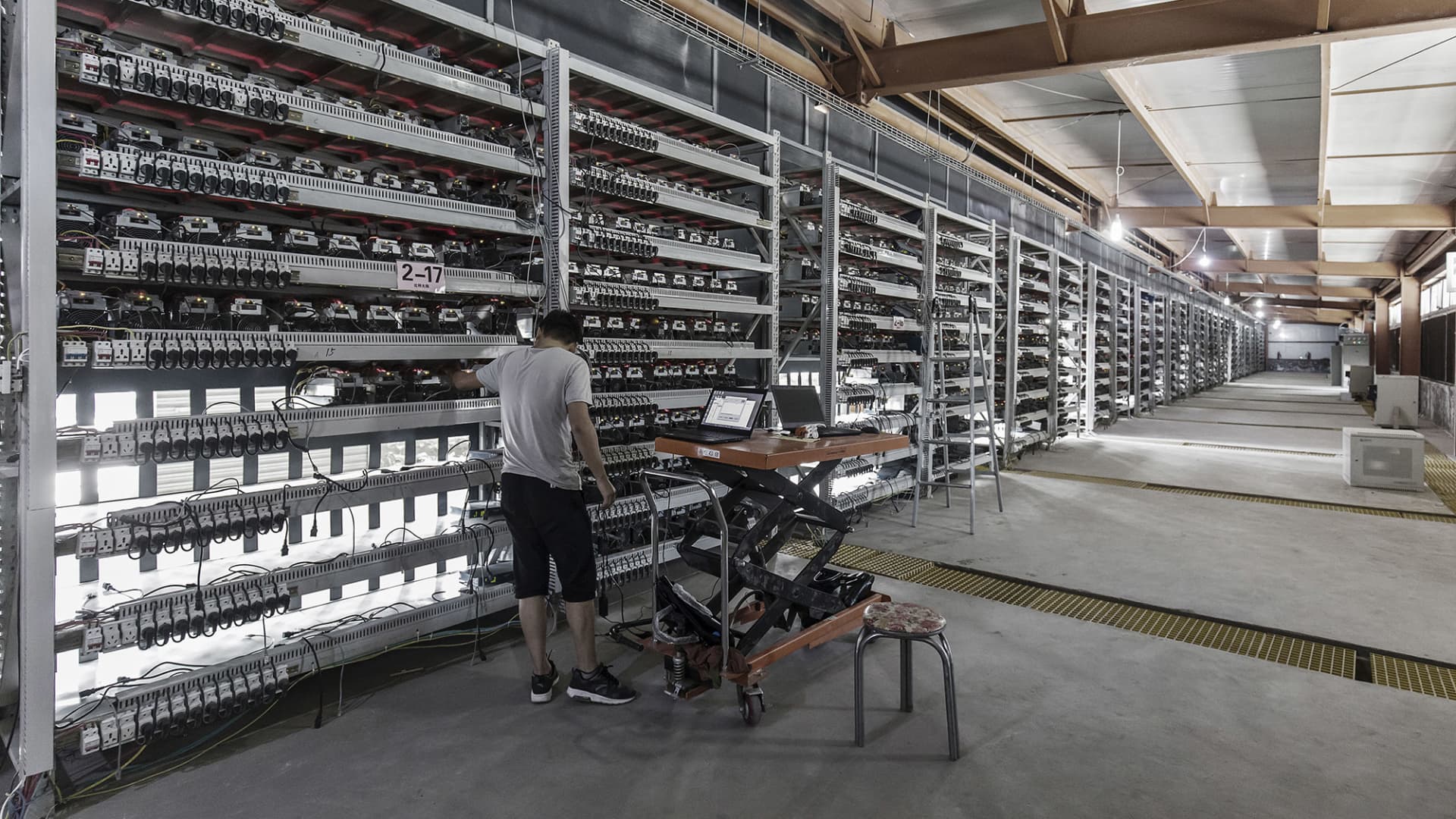
Согласно данным Bitbo, до сегодняшних транзакций Tesla была четвёртым по величине корпоративным держателем биткоинов после компании MicroStrategy и майнинговых платформ Galaxy Digital и Riot.

Компании, владеющие биткоином

Другая компания Илона Маска SpaceX в настоящее время владеет 8285 биткоинами (примерно на $556 млн).


Читайте оригинальную статью на сайте Happycoin.club

Lecturas Relacionadas

Chain Gaming Giant YGG Capitulates, Losing $15 Billion in Value Over 5 Years

The leading blockchain gaming guild Yield Guild Games (YGG) is shutting down its publishing arm, YGG Play, announced on July 6th by its official account and co-founder Gabby Dizon. The platform and its supported games will be phased out by July 31st. While YGG Play successfully validated a market for casual, crypto-native mobile games—generating over $9M in total revenue, including $876,000 in Q1 2026—Dizon stated the closure was a market-driven decision. He cited insufficient liquidity and declining user confidence in the macroeconomic environment, making the business commercially unsustainable. Founded in 2020, YGG rose to prominence during the Play-to-Earn (P2E) boom, particularly with Axie Infinity, organizing players and managing assets. Its token price soared above $10 during the 2021 bull market. However, the 2022 crypto downturn exposed the fragility of P2E economic models. YGG attempted to pivot in 2025 with the YGG Play publishing initiative, focusing on short-session casual games. The shutdown reflects broader struggles in the Web3 gaming sector. An April 2026 report highlighted a "structural mismatch" between speculative financial designs and genuine player entertainment needs, leading to an estimated $15 billion in destroyed capital. The report noted that 93% of roughly 3,200 tracked blockchain game projects are now "functionally dead," with token prices down an average of 95% from 2022 peaks. YGG itself is now pivoting its strategy entirely towards the AI Data Economy, aiming to build B2B pipelines around gaming datasets.

Foresight NewsHace 3 min(s)

Chain Gaming Giant YGG Capitulates, Losing $15 Billion in Value Over 5 Years

Foresight NewsHace 3 min(s)

With Mining Profits Depressed, What Kind of Mining Companies Can Survive a Bear Market?

Mining Profitability Slumps: Which Miners Can Survive the Bear Market? A comprehensive Bitcoin miner stress indicator has recently hit a historically low "extreme stress" zone, aligning with the typical market cycle pattern where industry bottoms coincide with severe miner pressure. The current situation presents a direct survival test: if hashprice (daily USD revenue per PH/s of computing power) remains weak, only the most robust mining firms will endure. Hashprice, which incorporates block rewards, transaction fees, network difficulty, and BTC price, is the core metric for mining profitability. Despite Bitcoin's price holding above previous lows, profitability is shrinking due to rising difficulty and low fees. Recent data shows hashprice around $32-33/PH/s/day, with a significant divide: newer, energy-efficient rigs (<19 J/TH) generate ~$81 per megawatt, while older, inefficient models (25-38 J/TH) make only ~$43/MW. This gap is forcing inefficient operators to shut down. The industry has a self-correcting mechanism. As high-cost miners power down, the network's total computing power (hashrate) drops. This eventually triggers a downward adjustment in mining difficulty, increasing the rewards for remaining miners. Data from Q2 2026 shows the hashrate has already fallen by 5.8%, with an estimated 252 EH/s of inefficient mining capacity idled. Firms at risk of淘汰 (elimination) are those reliant on old hardware, high electricity costs, and significant debt. Survivors will likely be miners with newer equipment, low-cost power contracts, strong cash reserves, and flexible operations. A key trend is diversification into AI and high-performance computing (HPC) hosting, though this path is only viable for miners with the necessary infrastructure, capital, and clients. The miner stress indicator serves as a warning, not a precise timing tool for a market bottom. Key signals to watch are whether hashprice stabilizes above ~$30, difficulty continues to adjust downward, hashrate finds a floor, and miner Bitcoin selling subsides. The duration of this low-profitability period will act as a solvency test, determining which miners are positioned to survive and eventually benefit from the next cycle.

Foresight NewsHace 31 min(s)

With Mining Profits Depressed, What Kind of Mining Companies Can Survive a Bear Market?

Foresight NewsHace 31 min(s)

Blood Loss of $55 Million Selling 3,588 BTC, Strategy Becomes a Literal Scumbag

On July 6th, Strategy (formerly MicroStrategy) disclosed in an SEC filing that it sold 3,588 Bitcoin (BTC) between June 29th and July 5th for approximately $216 million, at an average price of ~$60,200. This marked the company's largest net sale since initiating its Bitcoin strategy in 2020 and its first institutionalized reduction of its core holding. The sale resulted in a realized loss of about $54.8 million, as the selling price was below its average cost basis of ~$75,476 per BTC. The proceeds were used to pay preferred stock dividends and replenish USD reserves. This move follows a new "Digital Credit Capital Framework" approved on June 29th, authorizing the sale of up to $1.25 billion in Bitcoin. The sale consumes roughly 17% of this authorized amount in its first week. Strategy's foundational narrative, built by founder Michael Saylor, was a commitment to "never sell" Bitcoin. The recent institutionalized selling framework and these substantial sales represent a significant shift from that original promise. While the amount sold is only 0.4% of Strategy's total holdings of 843,775 BTC, the action challenges the premium at which its stock (MSTR) trades relative to its Bitcoin holdings. Investors had priced in the "never sell" narrative. The company now faces a contradiction: it sells Bitcoin at a loss to pay dividends on the preferred stock it issued to fund Bitcoin purchases. Saylor has framed selling as a tool for future strategic purchases, but each sale erodes the credibility of the original commitment, potentially threatening the premium valuation of MSTR shares.

Foresight NewsHace 1 hora(s)

Blood Loss of $55 Million Selling 3,588 BTC, Strategy Becomes a Literal Scumbag

Foresight NewsHace 1 hora(s)

Trading

Spot
活动图片