Ripple не может подать встречную апелляцию, поскольку SEC не подала форму C

cryptonews.ruPublicado a 2024-05-04Actualizado a 2024-10-04

SEC до сих пор не подала важную форму, необходимую для апелляции по иску Ripple. Журналистка Fox Business Элеанор Терретт сообщила, что форма C, в которой подробно изложены особенности апелляции SEC, отсутствует в Апелляционном суде второго округа, что затрудняет подачу встречной апелляции Ripple.

«SEC еще не подала свою форму C во Второй окружной суд, в которой будет подробно указано, что именно они обжалуют. Им нужно сделать это как можно скорее, чтобы Ripple знала, как действовать дальше. У Ripple также есть 14 дней, начиная с сегодняшнего дня, чтобы подать перекрестную апелляцию, если они того пожелают».

🚨NEW: The @SECGov has not filed its Form C with the Second Circuit yet which will detail what exactly they’re appealing. They need to do that pronto so that @Ripple knows how to proceed. Ripple also has 14 days from today to file a cross-appeal if they choose to.

Form C: pic.twitter.com/IomvRZXw9N

— Eleanor Terrett (@EleanorTerrett) October 3, 2024

Вчера SEC подала узкую апелляцию на окончательное решение судьи Аналисы Торрес, которая частично поддержала Ripple, объявив XRP не ценной бумагой. Эта апелляция предполагает затяжную юридическую тяжбу, которая, по прогнозам экспертов, может продлиться до 2026 года.

В сообщении X адвокат Фред Рисполи предположил, что следующим шагом SEC может стать перенос даты подачи кратких сведений с 2 ​​декабря 2024 года на январь 2025 года. Адвокат также заявил, что Ripple может подать вступительную краткую информацию примерно в то же время, что потенциально продлит срок до 2 марта 2025 года.

Форма C все еще отсутствует

Форма C необходима для дальнейшего развития судебного процесса. В форме подробно излагаются конкретные аспекты, которые оспаривает SEC. Поскольку SEC еще не подала форму C, критики указывают на неэффективность агентства и задаются вопросом, намеренно ли агентство затягивает процесс. Некоторые отметили, что регулятор мог «случайно» подать апелляцию. Другие высмеивают медлительность SEC, предполагая, что они вообще не понимают, что именно оспаривают.

Ripple нужна форма C SEC для подачи встречной апелляции. У компании есть всего 14 дней, чтобы подать апелляцию, и сообщество обеспокоено будущим развитием событий.

Тем временем адвокат Билл Морган ответил на пост Терретт, намекнув, что Ripple, скорее всего, подаст встречную апелляцию. В его твите говорилось: «Мне трудно поверить, что Ripple не подаст встречную апелляцию».

I find it difficult to believe Ripple will not file a cross-appeal. https://t.co/kS2rLsCIDa

— bill morgan (@Belisarius2020) October 3, 2024
Lecturas Relacionadas

Forbes Feature: Stablecoin Cross-Border Payments Are Faster, But Not Yet Cheaper

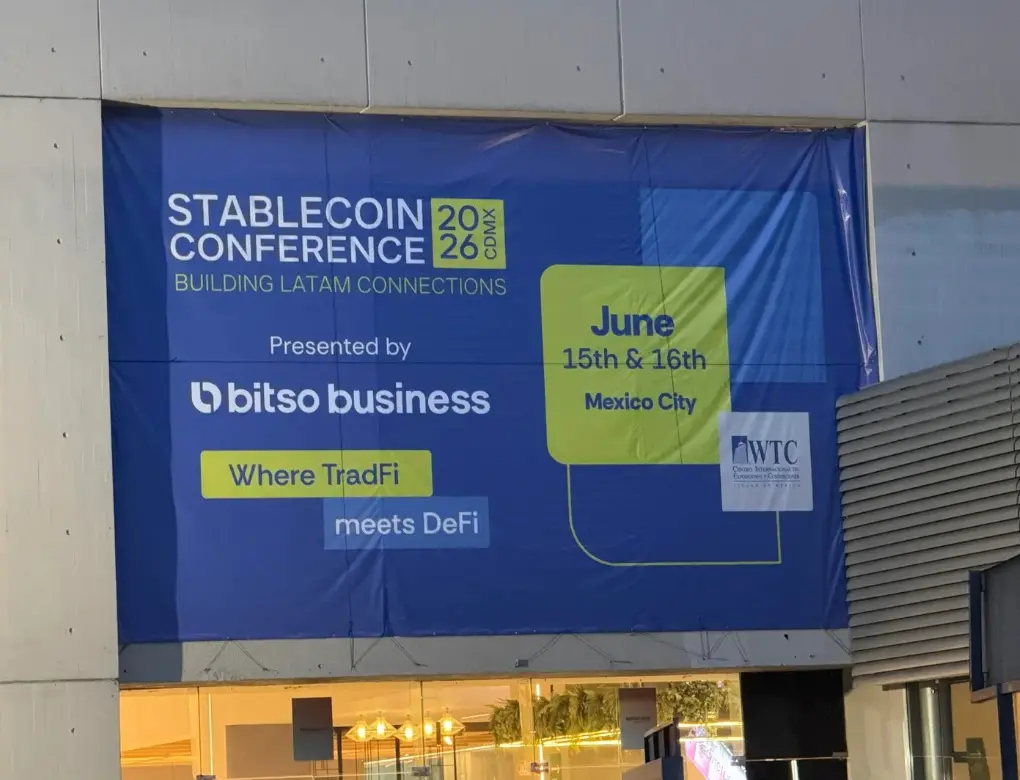
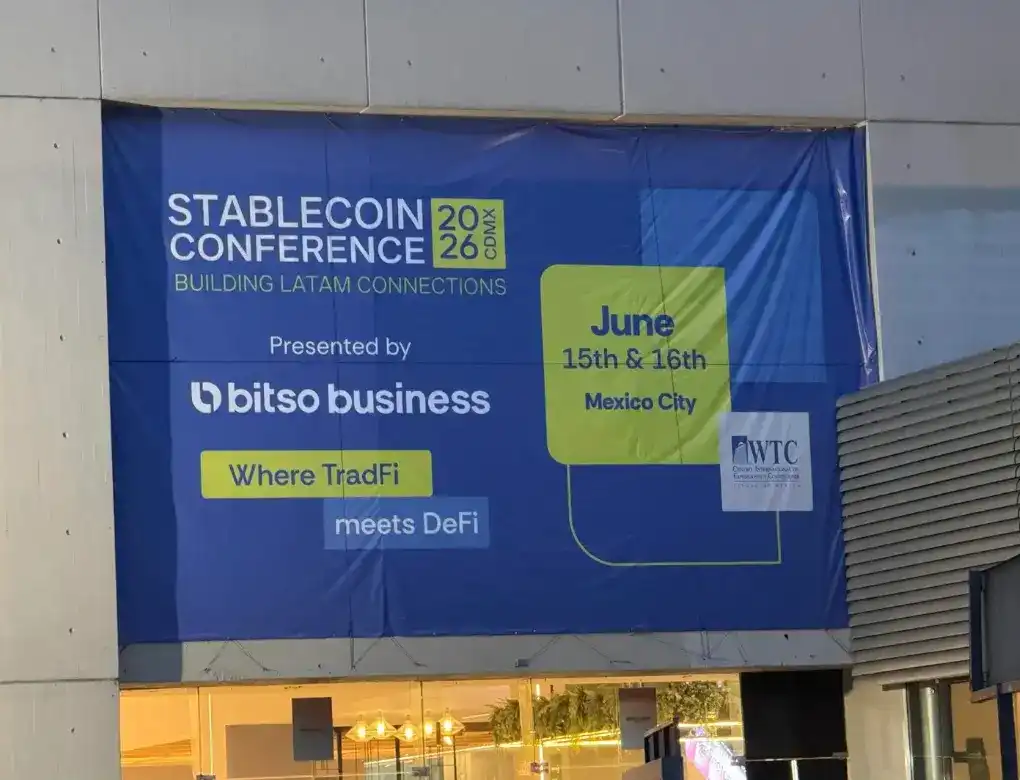
A Forbes feature delves into the state of stablecoin-based cross-border payments, noting rapid growth but a key shortfall: while faster and more accessible, they are not yet cheaper. At a recent industry conference in Mexico City, optimism about technology, regulation, and volume was tempered by discussions with practitioners. The core issue is liquidity. Traditional FX brokers charge 60-70 basis points, and stablecoins promise to slash this to 2-5 basis points. However, this theoretical cost advantage cannot be realized until deep liquidity pools are established at scale, requiring significant institutional capital inflow. A major adoption barrier is trust. Businesses often rely on long-standing relationships with traditional brokers, valuing reliability over marginal cost savings. This shift will be gradual. Furthermore, successful companies in the space are not positioning themselves as replacements for legacy systems like SWIFT, but as complements. They leverage stablecoins for speed while using traditional rails for their standardization and reliability in ensuring accurate payment details—a critical factor for supplier payments to avoid customs issues. Companies like Caliza, experiencing high monthly growth, exemplify this hybrid approach. The industry anticipates consolidation, as long-term viability will depend on securing the essential trifecta: proper licensing, robust fiat on/off-ramps, and deep liquidity. Without these, firms risk being mere intermediaries rather than building sustainable businesses.

marsbitHace 2 min(s)

Forbes Feature: Stablecoin Cross-Border Payments Are Faster, But Not Yet Cheaper

marsbitHace 2 min(s)

Li Feifei's Latest Article: When Video Generation, Robotics, and NVIDIA All Claim to Have 'World Models,' We Need a Taxonomy

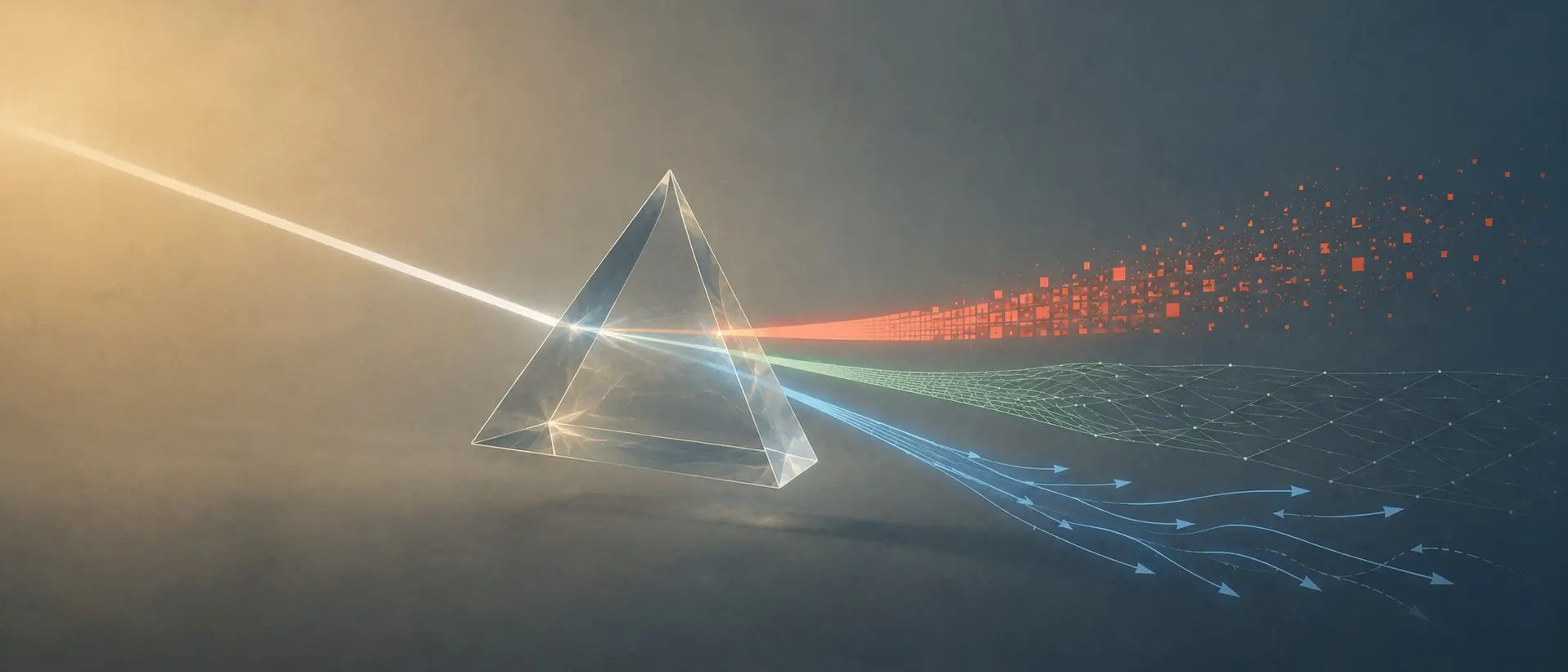
"World Model" has become a widely used yet ambiguous term in AI. Drawing from the classic POMDP framework (agent → action → state → observation), this article proposes a functional taxonomy to clarify the concept. It identifies three distinct types, categorized by their output in the perception-action loop: 1. **Renderers**: Output visual observations (pixels). These models, like advanced video generators, prioritize visual fidelity but often lack underlying physical accuracy. 2. **Simulators**: Output the state of the world (geometry, physics, dynamics). They provide a structurally accurate representation for professionals (e.g., architects) and serve as training environments for robots and AI agents. 3. **Planners**: Output actions. Given an observation and a goal, they determine what an agent should do next, closing the perception-action loop (e.g., vision-language-action models). While renderers are currently the most commercially mature and planners are the most aspirational, the article argues that **simulators are the crucial, underappreciated hub**. By working at the level of geometry and physics, a simulator can project upwards to create visuals for humans and downwards to predict action consequences for agents. The future lies in the convergence of these three functions. Emerging research and products, like World Labs' Marble model which outputs both visual splats and physical collision meshes, are beginning to blur these boundaries. The logical endpoint is a unified world foundation model capable of rendering, simulating, and planning based on a shared understanding of spatial and temporal structures—ultimately enabling machines to understand, imagine, and interact with the physical world.

链捕手Hace 13 min(s)

Li Feifei's Latest Article: When Video Generation, Robotics, and NVIDIA All Claim to Have 'World Models,' We Need a Taxonomy

链捕手Hace 13 min(s)

Trading

Spot
活动图片