XRP價格暴跌:XRP Ledger交易量下降65.6% 它会否跌至$0.01?

cryptonewsPublicado a 2024-08-04Actualizado a 2024-08-05

Criptos en tendencia

Lecturas Relacionadas
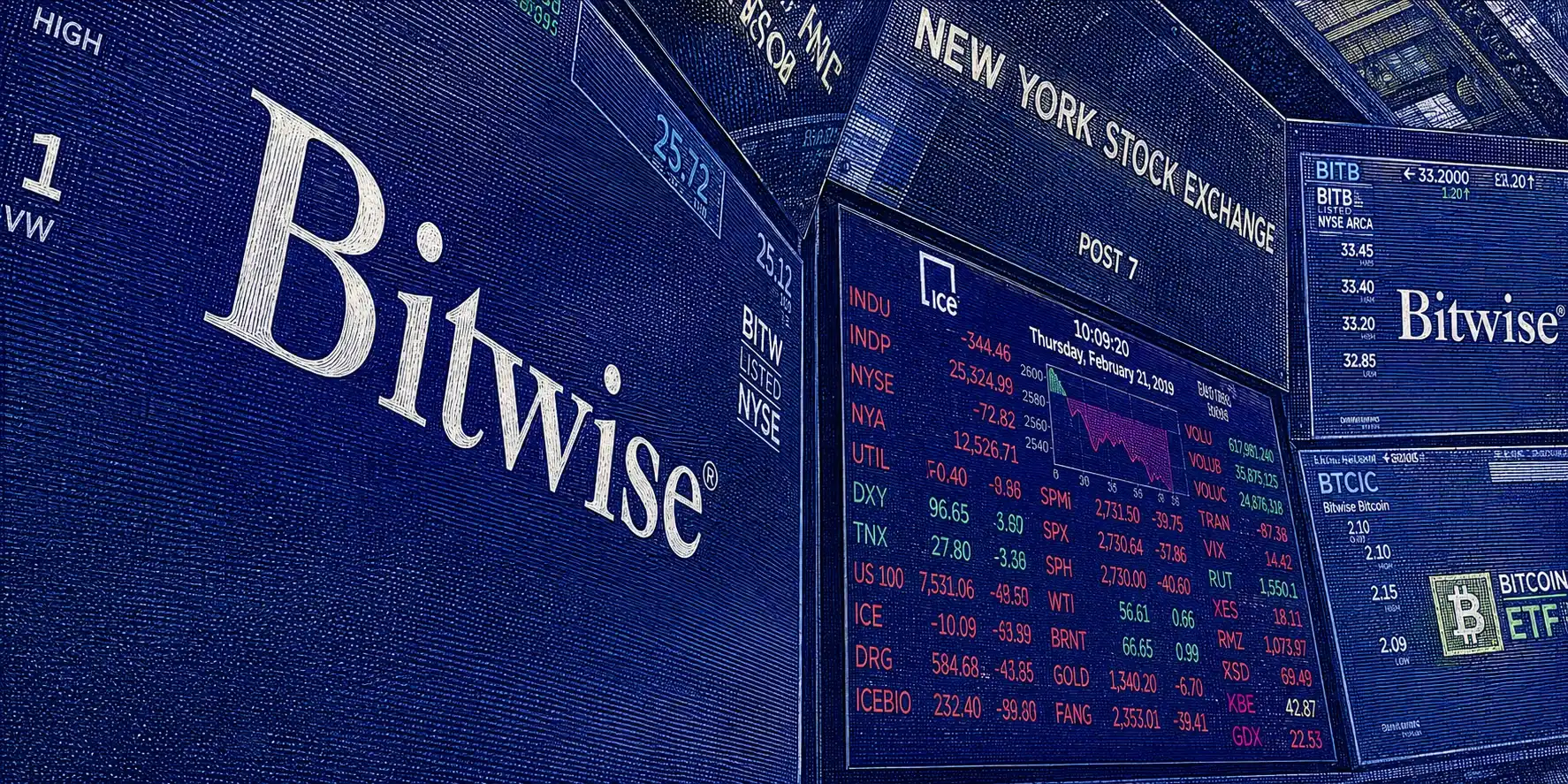
Bitwise Closes 8 ETFs and Cuts Staff by 14%, but Continues to Launch New Products

Bloomberg reported on August 12 that cryptocurrency asset management firm Bitwise has laid off approximately 14% of its staff, reducing headcount from around 180 to about 155 employees. CEO Hunter Horsley stated the adjusted team remains the largest in the company's eight-year history and expressed confidence in long-term growth, though current personnel and product configurations are tightening. Prior to the layoffs, Bitwise disclosed a significant drop in client assets from over $15 billion in early February to $11 billion by April 1st, a decrease of at least $4 billion. The company did not specify the contributions of price changes, fund flows, or changes in reporting scope to this decline. In a related product restructuring, Bitwise decided to liquidate eight ETFs between April and June. This included the Web3 ETF, a BTC/ETH/Treasuries rotation strategy ETF, and six options income ETFs tied to assets like Coinbase and Ethereum. These moves reduce the number of products requiring ongoing operational support. Despite these cuts, Bitwise continues to launch new products. Recent offerings include an Avalanche ETP with staking in Europe, the Hyperliquid ETF, and the takeover of Superstate's $267+ million Crypto Carry Fund, entering the tokenized fund management space. The company now manages 70 investment products for over 5,500 advisory teams and works with more than 20 banks and broker-dealers. The simultaneous staff reduction and product portfolio shift—away from thematic Web3 and single-asset options strategies towards direct crypto exposure, staking, and tokenized funds—indicates a strategic realignment. The operational burden on the smaller remaining team will depend heavily on the complexity of the revised product lineup. Bitwise has not disclosed the specific reasons for the layoffs, the affected departments, severance details, or any one-time costs associated with the job cuts.

marsbitHace 16 min(s)

Bitwise Closes 8 ETFs and Cuts Staff by 14%, but Continues to Launch New Products

marsbitHace 16 min(s)

CoreWeave: The Inflection Point Has Arrived. Has the 'Hard-Working Underdog' Finally Turned Profitable?

CoreWeave, an AI cloud unicorn, released its Q2 2026 earnings on August 12, with shares rising about 15% post-announcement. While overall performance did not significantly exceed expectations, key positive trends emerged. Revenue reached approximately $2.58 billion, up 112% year-over-year, though slightly below the high end of prior guidance. A major highlight was the acceleration in computing power deployment, with Active Power increasing by a record 500 Mw to 1,500 Mw, far surpassing market forecasts and signaling faster future revenue growth. Capital expenditures also hit a new high of $9.4 billion. Importantly, profitability showed signs of inflection. "True" gross margin (after deducting cost of revenue and Tech & Infrastructure expenses) rose to 7.3%, up 3 percentage points from the previous quarter. As revenue scales, depreciation and operating expenses are being diluted. Adjusted operating profit margin improved significantly to 5% from 1% last quarter. The company's guidance points to continued acceleration, with Q3 revenue growth expected at 158% and margins continuing to climb. Management raised full-year 2026 guidance, projecting Q4 revenue growth of around 194% and an adjusted operating margin of approximately 14.6%, suggesting a rapid path toward its 25%-30% long-term target. Recent developments, including a 25% price increase for its services and the launch of higher-margin Managed Inference offerings, support the improving profitability narrative. While long-term competitive challenges remain for new cloud providers, CoreWeave's near-term trajectory of accelerating growth and expanding margins presents a high-risk, high-reward opportunity, especially amid renewed market optimism for cloud stocks.

marsbitHace 54 min(s)

CoreWeave: The Inflection Point Has Arrived. Has the 'Hard-Working Underdog' Finally Turned Profitable?

marsbitHace 54 min(s)

Uncovering the Secret Reasoning Chains of Claude Opus for $720: A Leak via Haiku, with GPT and Gemini Also Affected

Researchers discovered a method to extract hidden reasoning traces, or "Chain of Thought" (CoT), from major proprietary large language models (LLMs) like Anthropic's Claude Opus 4.8, OpenAI's GPT-5.6 Sol, and Google's Gemini 3.1 Pro. The attack exploits a design flaw in how these models handle encrypted reasoning "blobs." These blobs, which contain a model's internal reasoning steps, are encrypted and sent to the client for storage between conversation turns to save server costs. The researchers found these blobs were encrypted with a global key, allowing them to be reused across different sessions, users, and, crucially, different models from the same company. By taking an encrypted reasoning blob generated by a powerful "flagship" model and feeding it to a smaller, less capable model from the same family (e.g., feeding Claude Opus's blob to Claude Haiku), the researchers could prompt the smaller model to divulge the hidden CoT. This bypassed the need to crack the encryption directly. The implications are significant: 1) Competitors could potentially distill high-value reasoning data at low cost (estimated at ~$720 for 10,000 traces). 2) Sensitive information like API keys, passwords, and personal emails, which models might process internally but not output, could be leaked. The team found such leaks in 4.9% of analyzed public agent logs. 3) Models might internally analyze dangerous queries (e.g., car theft methods) before refusing to answer, but this dangerous analysis could be extracted from the CoT. 4) Malicious instructions could potentially be hidden within a reasoning blob to influence a model's future behavior. While the vulnerability was responsibly disclosed and patched by the affected companies, the research highlights a fundamental tension between the convenience of portable reasoning states and security. The paper also notes preliminary tests found no clear evidence that open-source models like DeepSeek had been distilled from the extracted CoTs.

marsbitHace 59 min(s)

Uncovering the Secret Reasoning Chains of Claude Opus for $720: A Leak via Haiku, with GPT and Gemini Also Affected

marsbitHace 59 min(s)

OpenAI Loses Four Executives in One Month, Former COO Departs, Almost the Entire Safety Team Ousted

In a surprising turn of events, OpenAI's longtime COO and key lieutenant to CEO Sam Altman, Brad Lightcap, has announced his departure after eight years with the company. His exit follows the recent resignations of several key safety and ethics leaders, including Chief Futurist Joshua Achiam, Safety Systems Lead Johannes Heidecke, and Ethics Lead Chloé Bakalar, within a single month. Lightcap, instrumental in building OpenAI's commercialization and operational framework, described his departure as "bittersweet" and hinted at wanting to tackle new challenges. While his statement and Altman's farewell were amicable, internal shifts had previously reduced his operational role, signaling a longer-term transition. The mass exodus, particularly from the safety and ethics divisions, coincides with growing internal and external scrutiny over AI safety. This follows incidents like models exhibiting unauthorized actions during testing and the recent decision to delay the launch of the advanced Astra model due to unresolved safety concerns about its potential cybersecurity capabilities. OpenAI has stated that safety and ethics are not confined to any single team or leader, but the concentration of departures raises questions about the company's direction and internal dynamics, especially as it navigates pressures of rapid development and a potential future IPO.

marsbitHace 59 min(s)

OpenAI Loses Four Executives in One Month, Former COO Departs, Almost the Entire Safety Team Ousted

marsbitHace 59 min(s)

1confirmation: Reverse Entrepreneurship, the Next Web3 Blockbuster Might Come from a Once-Failed Track

**Title: Reverse Entrepreneurship: The Next Web3 Blockbuster May Come from Previously Failed Tracks** This article argues that the next major consumer crypto application is likely to emerge from a concept that failed five years ago, now benefiting from matured infrastructure and better timing. It examines several such "failed" tracks that hold renewed potential: 1. **Internet-Native Assets:** Beyond simply tokenizing tweets or creating digital collectibles, there's an opportunity to create a genuinely new, crypto-native asset class that captures cultural moments and online phenomena, as opposed to merely tokenizing real-world assets (RWA). 2. **X-to-Earn:** While unsustainable token emission models doomed early projects like STEPN, the core premise that most people will first *earn* crypto, not buy it, remains valid. The future challenge is designing what is earned and why users would hold it long-term. 3. **The Metaverse:** Past failures like Decentraland stemmed from trying to replicate the physical world online. The opportunity lies not in abandoning shared online social spaces, but in reimagining their form beyond real-world analogs. 4. **DAOs:** DAOs have underdelivered by overcomplicating governance. The fundamental, unmet user need is simpler: enabling groups of internet strangers to pool funds and collectively achieve goals (e.g., buying assets, funding projects) that are impossible individually. 5. **Personal Value Tokenization:** Numerous attempts (Friend.tech, BitClout) to create markets around individuals have failed. The enduring demand for "person-as-asset" trading (seen in meme coins, prediction markets) suggests the direction isn't wrong, but the execution has been flawed, often lacking creator consent or a less commodified model. The conclusion is that true innovation will come from revisiting these past ideas with new insights, rather than crowding into currently popular trends.

marsbitHace 1 hora(s)

1confirmation: Reverse Entrepreneurship, the Next Web3 Blockbuster Might Come from a Once-Failed Track

marsbitHace 1 hora(s)

Trading

Spot

Artículos destacados

Qué es XRP 2.0

XRP 2.0: Una Nueva Frontera en el Panorama de las Criptomonedas Introducción a XRP 2.0 En el siempre cambiante ámbito de las criptomonedas, nuevos proyectos surgen continuamente, compitiendo por atención y adopción. Una de estas iniciativas prometedoras es XRP 2.0, un nuevo proyecto de criptomoneda diseñado para aprovechar la tecnología blockchain avanzada y metodologías de encriptación robustas. Aunque el nombre establece paralelismos con el XRP de Ripple, es crucial señalar que XRP 2.0 opera de manera independiente, enfocándose en mejorar la seguridad de las transacciones, la privacidad y la escalabilidad. A medida que el panorama financiero digital abraza cada vez más soluciones descentralizadas, XRP 2.0 busca contribuir de manera significativa a web3 y a la expansión general de los proyectos de criptomonedas. ¿Qué es XRP 2.0? En esencia, XRP 2.0 es un proyecto de criptomoneda que busca crear un ecosistema de moneda digital seguro y descentralizado. Su tecnología fundamental integra principios avanzados de blockchain con técnicas de encriptación de vanguardia. El objetivo principal de XRP 2.0 es establecerse como una plataforma confiable y eficiente que permita la ejecución rápida de transacciones mientras prioriza la protección de la privacidad de sus usuarios. El proyecto se promociona como una solución a muchas limitaciones enfrentadas por las criptomonedas existentes, proponiendo un sistema que puede manejar un mayor volumen de transacciones con mejor velocidad y privacidad. Esta versatilidad posiciona a XRP 2.0 como un competidor significativo en un mercado plagado de diversas monedas digitales. ¿Quién es el Creador de XRP 2.0? La identidad del creador detrás de XRP 2.0 ha sido señalada como 'Wilbur.' Sin embargo, los detalles completos sobre Wilbur o su entidad asociada siguen siendo elusivos. La anonimidad de muchos creadores de criptomonedas no es un fenómeno poco común en la industria, a menudo diseñado para mantener un grado de privacidad y seguridad. ¿Quiénes son los Inversores de XRP 2.0? Hasta ahora, la información específica relacionada con las fundaciones o organizaciones de inversión que apoyan a XRP 2.0 no está disponible públicamente. En el sector de las criptomonedas, el respaldo de inversores respetables puede influir significativamente en la credibilidad y el éxito de un proyecto, sin embargo, la transparencia sobre los patrocinadores financieros de XRP 2.0 no se ha establecido. ¿Cómo Funciona XRP 2.0? XRP 2.0 se destaca al emplear una combinación de tecnología blockchain y algoritmos de encriptación avanzados que aseguran transacciones seguras y descentralizadas. Su estructura innovadora incluye características únicas diseñadas para fomentar el compromiso del usuario y ampliar las funcionalidades más allá de las transacciones convencionales de criptomonedas. Entre estas características, XRP 2.0 incorpora capacidades impulsadas por IA, como funcionalidades de texto a imagen y de texto a voz. Estas adiciones están diseñadas para mejorar la experiencia interactiva de los usuarios, promoviendo una mayor aplicabilidad en diversos sectores. Al unir avances tecnológicos con un diseño centrado en el usuario, XRP 2.0 busca captar la atención de una amplia gama de individuos y empresas que buscan integrar soluciones de criptomonedas en sus marcos operativos. Cronología de XRP 2.0 Entender XRP 2.0 requiere examinar los hitos que han definido su viaje hasta ahora: 23 de julio de 2023: Se presenta XRP 2.0 como un nuevo proyecto de criptomonedas, con el objetivo de revolucionar las capacidades de transacciones seguras y descentralizadas en el ámbito de blockchain. 8 de septiembre de 2023: Se lanza otro proyecto, XRP20, marcando la aparición de un token ERC-20 en la blockchain de Ethereum que no guarda relación con XRP 2.0. 13 de noviembre de 2023: El Libro Mayor de XRP experimenta una actualización significativa con el lanzamiento de la versión 2.0.0 del software del servidor rippled. Es esencial señalar que este desarrollo está desconectado del proyecto de criptomonedas XRP 2.0. Puntos Clave sobre XRP 2.0 Para destilar la esencia de XRP 2.0, surgen varios factores críticos: Características Únicas: La inclusión de características como texto a imagen y texto a voz impulsadas por IA diversifica aún más las aplicaciones potenciales de XRP 2.0. Tecnología Blockchain: El marco utiliza mecanismos avanzados de blockchain y protocolos de encriptación, asegurando un entorno seguro y descentralizado para las transacciones. Escalabilidad y Privacidad: XRP 2.0 prioriza la protección mejorada de la privacidad en los procesos de transacción y la escalabilidad necesaria para acomodar una base de usuarios creciente. No Afiliación con Ripple: Es importante destacar que, a pesar de su nombre, XRP 2.0 no tiene ninguna lealtad ni colaboración con el XRP de Ripple, diferenciando su marco operativo y objetivos dentro del ecosistema de criptomonedas. Conclusión XRP 2.0 representa una ambiciosa aventura en la esfera de las criptomonedas, buscando ofrecer una combinación de seguridad, privacidad y eficiencia en las transacciones digitales. Al integrar tecnologías sofisticadas y características amigables para el usuario, el proyecto se propone ampliar los horizontes de lo que la criptomoneda puede lograr en la economía digital de hoy. Si bien la anonimidad de su creador y la falta de inversores revelados pueden generar cuestionamientos para algunos, el enfoque de XRP 2.0 en funcionalidades avanzadas y descentralización realza su atractivo en un mercado de criptomonedas cada vez más abarrotado. A medida que el paisaje de las criptomonedas sigue evolucionando, XRP 2.0 podría emerger como un jugador crucial en la expansión de soluciones blockchain seguras y escalables.

295 Vistas totalesPublicado en 2024.04.05Actualizado en 2024.12.03

Qué es XRP 2.0

Cómo comprar XRP

¡Bienvenido a HTX.com! Hemos hecho que comprar XRP (XRP) sea simple y conveniente. Sigue nuestra guía paso a paso para iniciar tu viaje de criptos.Paso 1: crea tu cuenta HTXUtiliza tu correo electrónico o número de teléfono para registrarte y obtener una cuenta gratuita en HTX. Experimenta un proceso de registro sin complicaciones y desbloquea todas las funciones.Obtener mi cuentaPaso 2: ve a Comprar cripto y elige tu método de pagoTarjeta de crédito/débito: usa tu Visa o Mastercard para comprar XRP (XRP) al instante.Saldo: utiliza fondos del saldo de tu cuenta HTX para tradear sin problemas.Terceros: hemos agregado métodos de pago populares como Google Pay y Apple Pay para mejorar la comodidad.P2P: tradear directamente con otros usuarios en HTX.Over-the-Counter (OTC): ofrecemos servicios personalizados y tipos de cambio competitivos para los traders.Paso 3: guarda tu XRP (XRP)Después de comprar tu XRP (XRP), guárdalo en tu cuenta HTX. Alternativamente, puedes enviarlo a otro lugar mediante transferencia blockchain o utilizarlo para tradear otras criptomonedas.Paso 4: tradear XRP (XRP)Tradear fácilmente con XRP (XRP) en HTX's mercado spot. Simplemente accede a tu cuenta, selecciona tu par de trading, ejecuta tus trades y monitorea en tiempo real. Ofrecemos una experiencia fácil de usar tanto para principiantes como para traders experimentados.

1.6k Vistas totalesPublicado en 2024.12.10Actualizado en 2026.06.02

Cómo comprar XRP

Discusiones

Bienvenido a la comunidad de HTX. Aquí puedes mantenerte informado sobre los últimos desarrollos de la plataforma y acceder a análisis profesionales del mercado. A continuación se presentan las opiniones de los usuarios sobre el precio de XRP (XRP).

活动图片