SignalPlus宏观研报特别版:通胀减速

Odaily星球日报Publicado a 2023-11-15Actualizado a 2023-11-15

Resumen

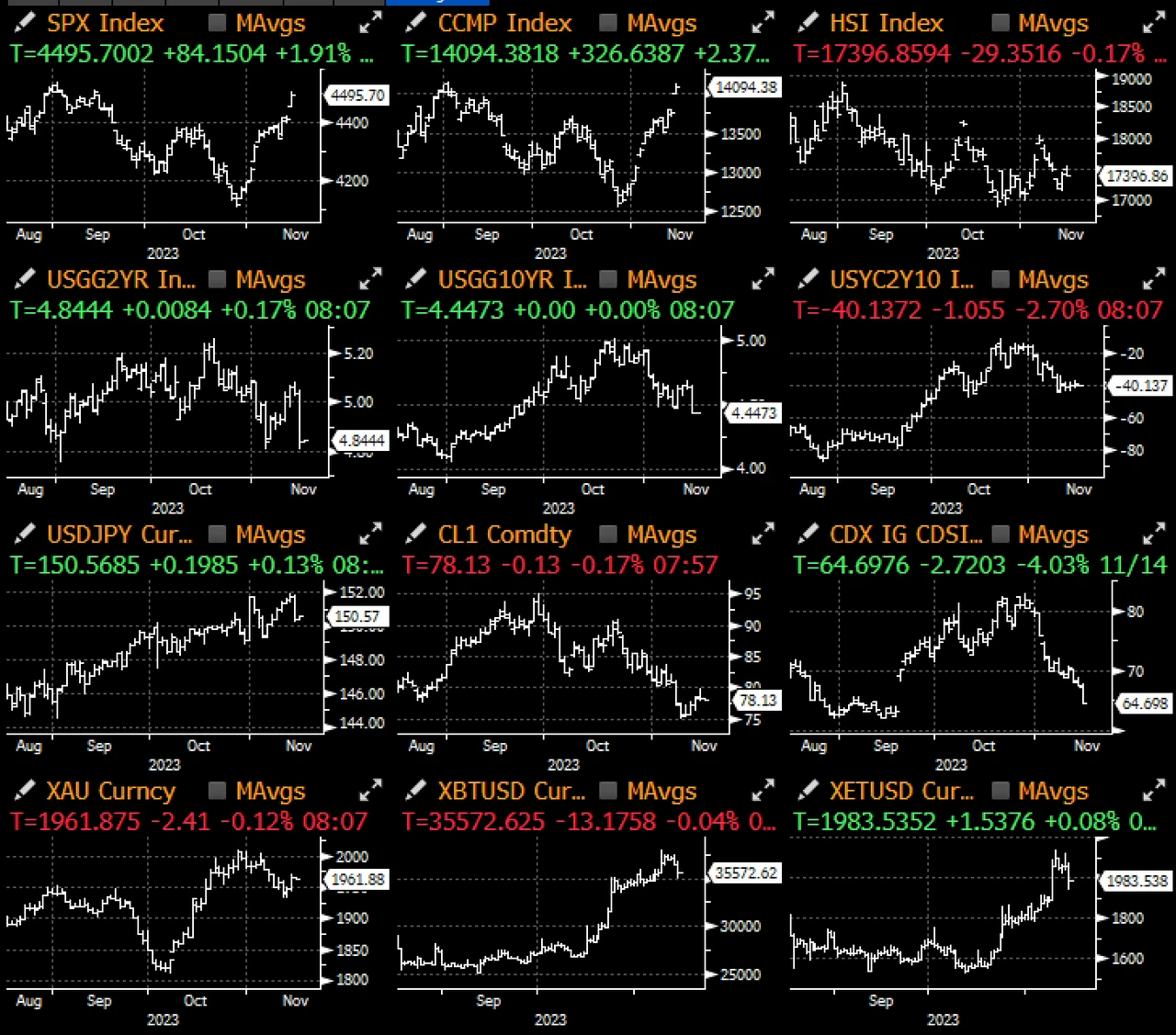
远比预期温和的CPI带动了昨天市场的涨势,SPX上涨超过2%,短天期债券收益率下跌超过20个基点(!!),这是自3月份银行危机以来最大的单日波动。本周进入BTC ETF批准的关键窗口期,价格无视宏观走势,主要币种从高点回撤了约3%。

SignalPlus宏观研报特别版:通胀减速

SignalPlus宏观研报特别版:通胀减速

今年的圣诞老人不仅提前到来,而且似乎会停留很久。

远比预期温和的 CPI 带动了昨天市场的涨势,SPX 上涨超过 2% ,短天期债券收益率下跌超过 20 个基点(!!),这是自 3 月份银行危机以来最大的单日波动。

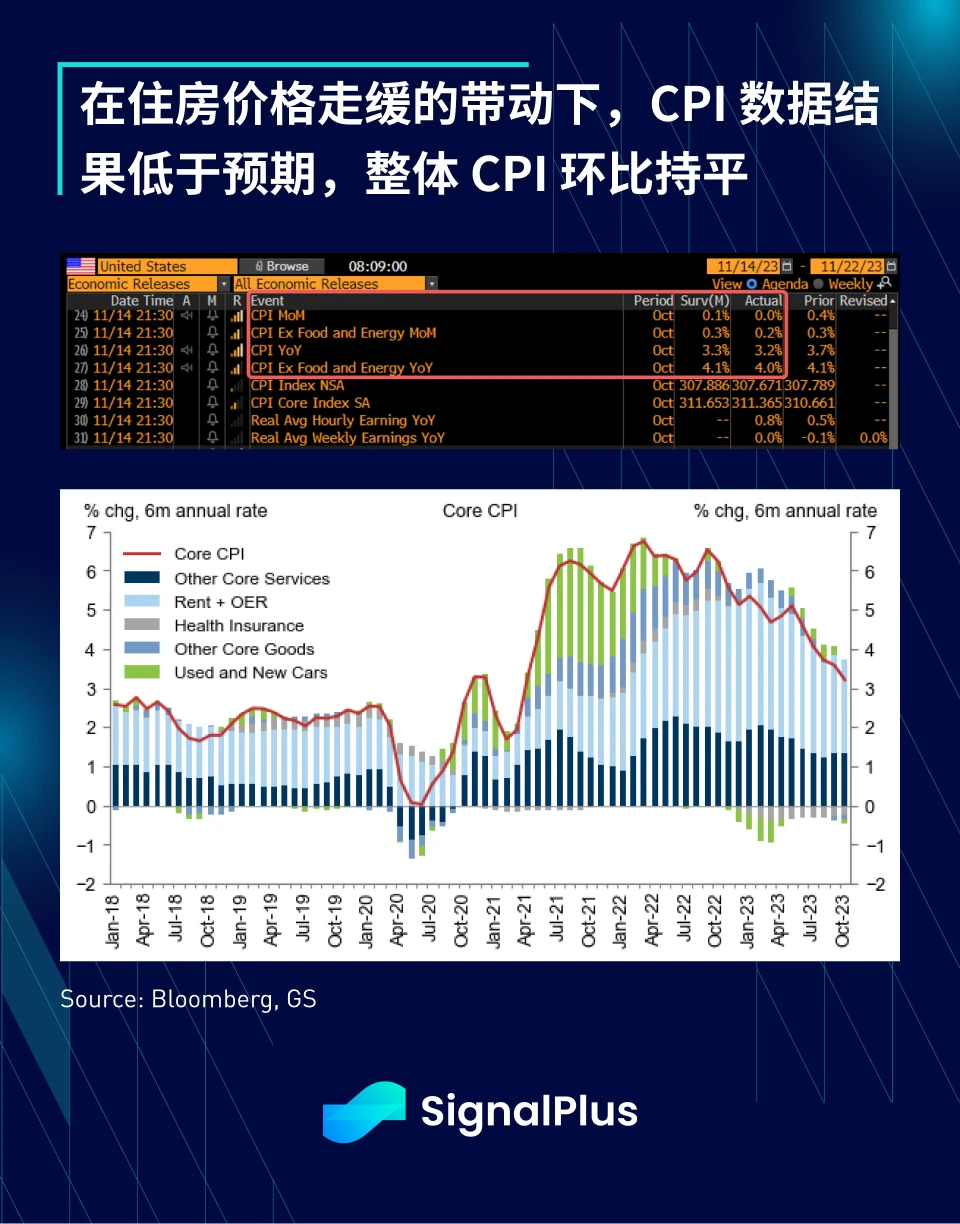
核心 CPI 环比上涨 0.23% ,低于市场预期的 0.34% ,此前甚至传出高达 0.4% 的市场预测,其中业主等价租金和住房价格的放缓幅度超出预期,环比增长 0.4% ,低于预期的 0.6% ,且“超级核心” CPI(除住房外的核心服务)环比增长也从前值的 0.57% 下滑至 0.37% ,此外,对于 CPI 数据的放缓,市场几乎毫无预料,推动风险资产在整个交易日一路走高。
SignalPlus宏观研报特别版:通胀减速

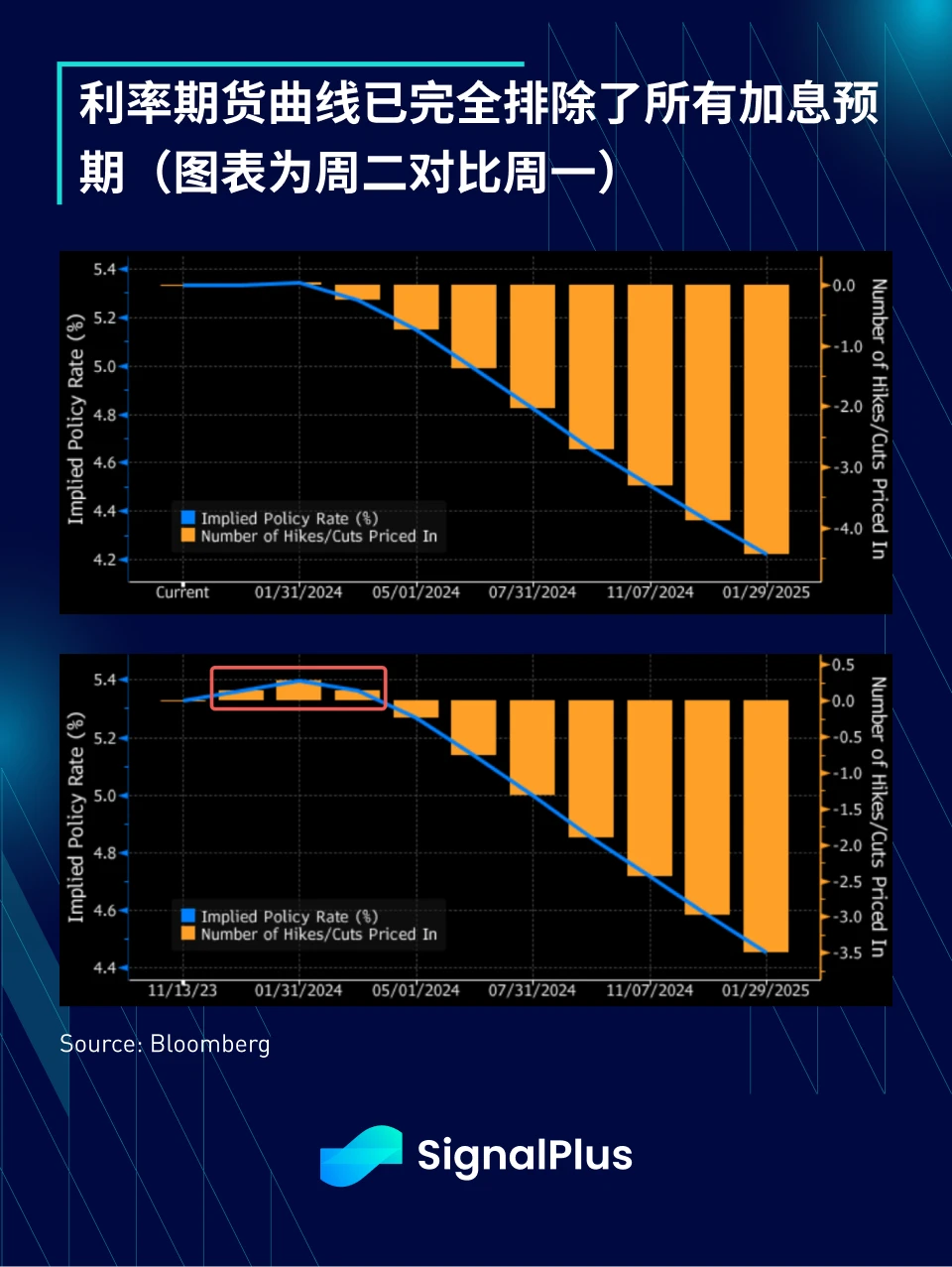
尽管美联储对通胀的黏性仍保持“谨慎”,但债券交易员已经立即从期货曲线中移除了所有加息预期,唯一剩下的问题是 2024 年 “何时降息“以及“降息幅度”。
SignalPlus宏观研报特别版:通胀减速

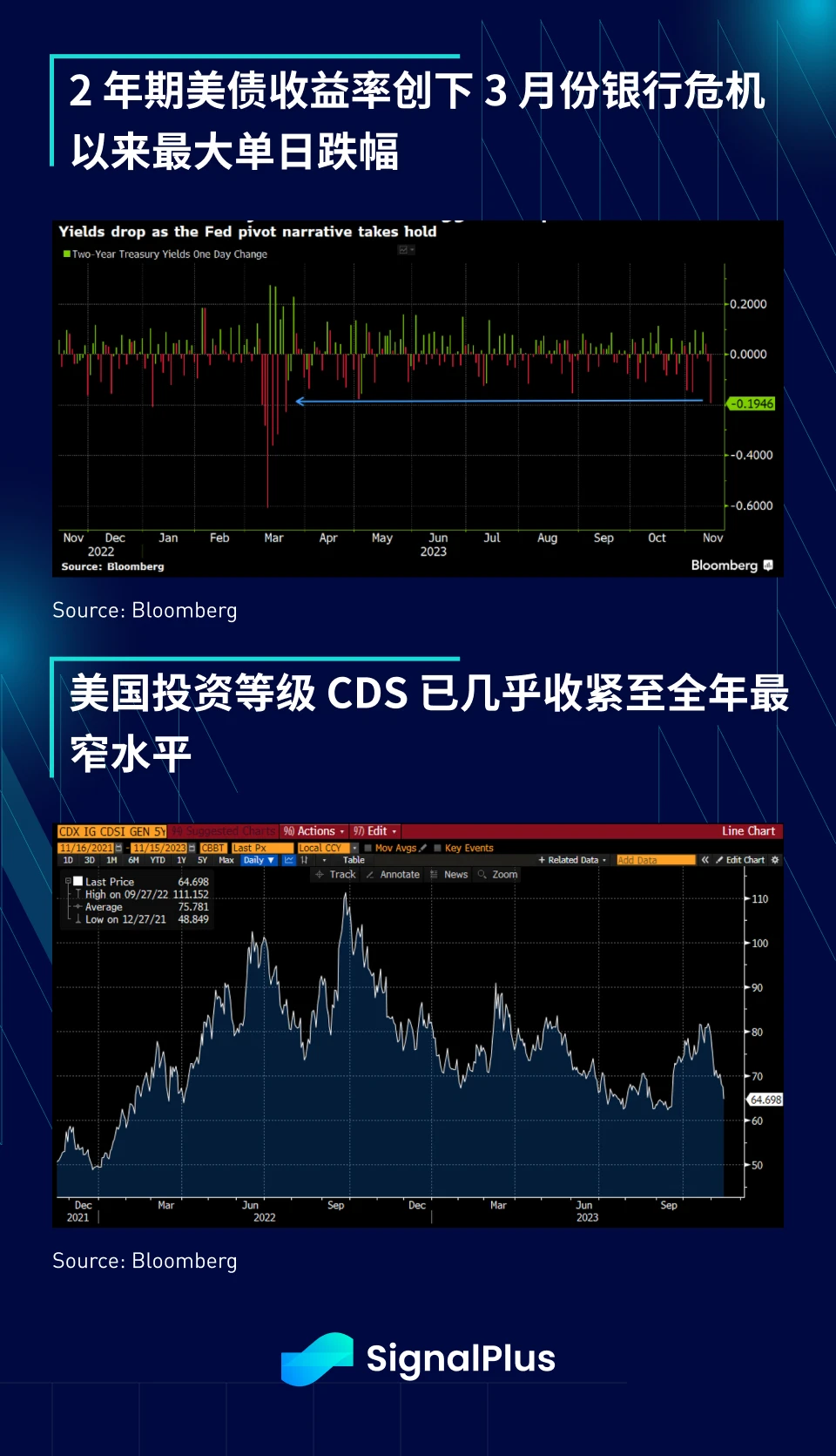
2 年期美债收益率在收盘时暴跌约 20 个基点,是 3 月银行危机以来最大的单日跌幅(收益率下降,价格上涨),固定收益市场昨天毫不留情地大幅反弹,美国投资等级 CDS 也急剧收窄,几乎回撤了 9 月份的全部变动,回到了全年最窄的水平。
SignalPlus宏观研报特别版:通胀减速

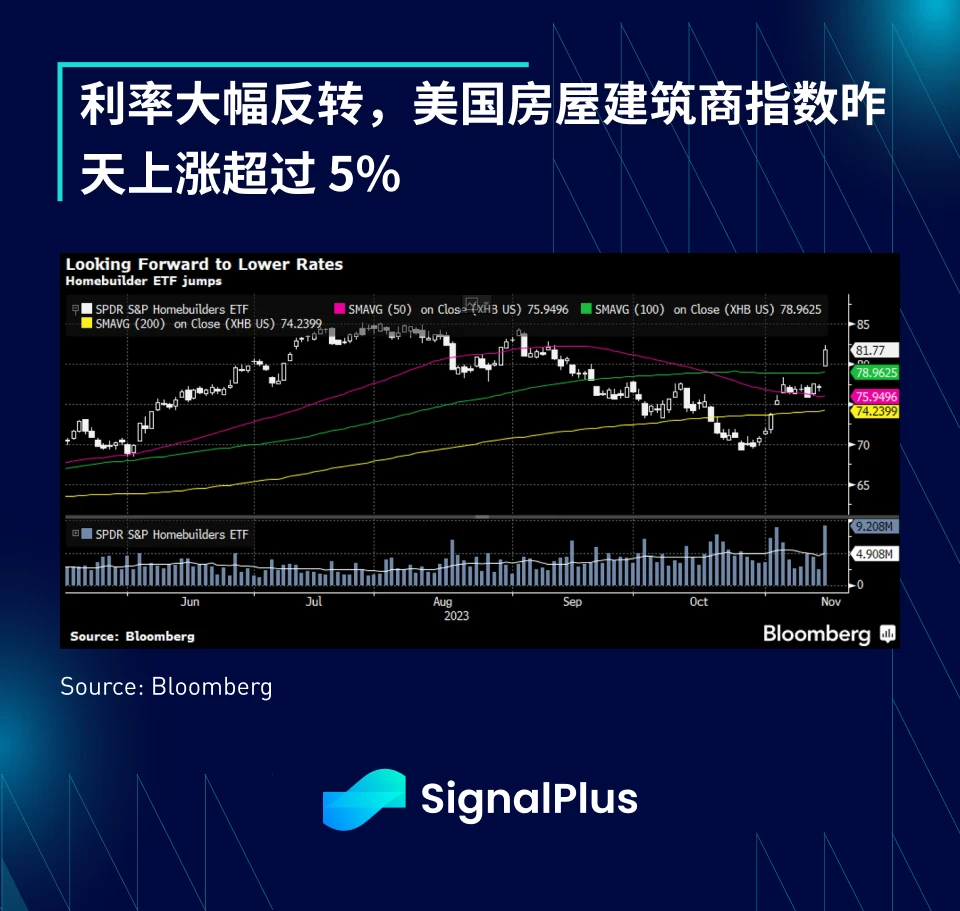
不出所料,股市跟随利率走势而上涨,特别是房屋建筑商预期将得益于资金成本的下降,加上房地产市场仍旧紧绷,美国房屋建筑商指数出现全年最大涨幅,大涨超过 5% 。
SignalPlus宏观研报特别版:通胀减速

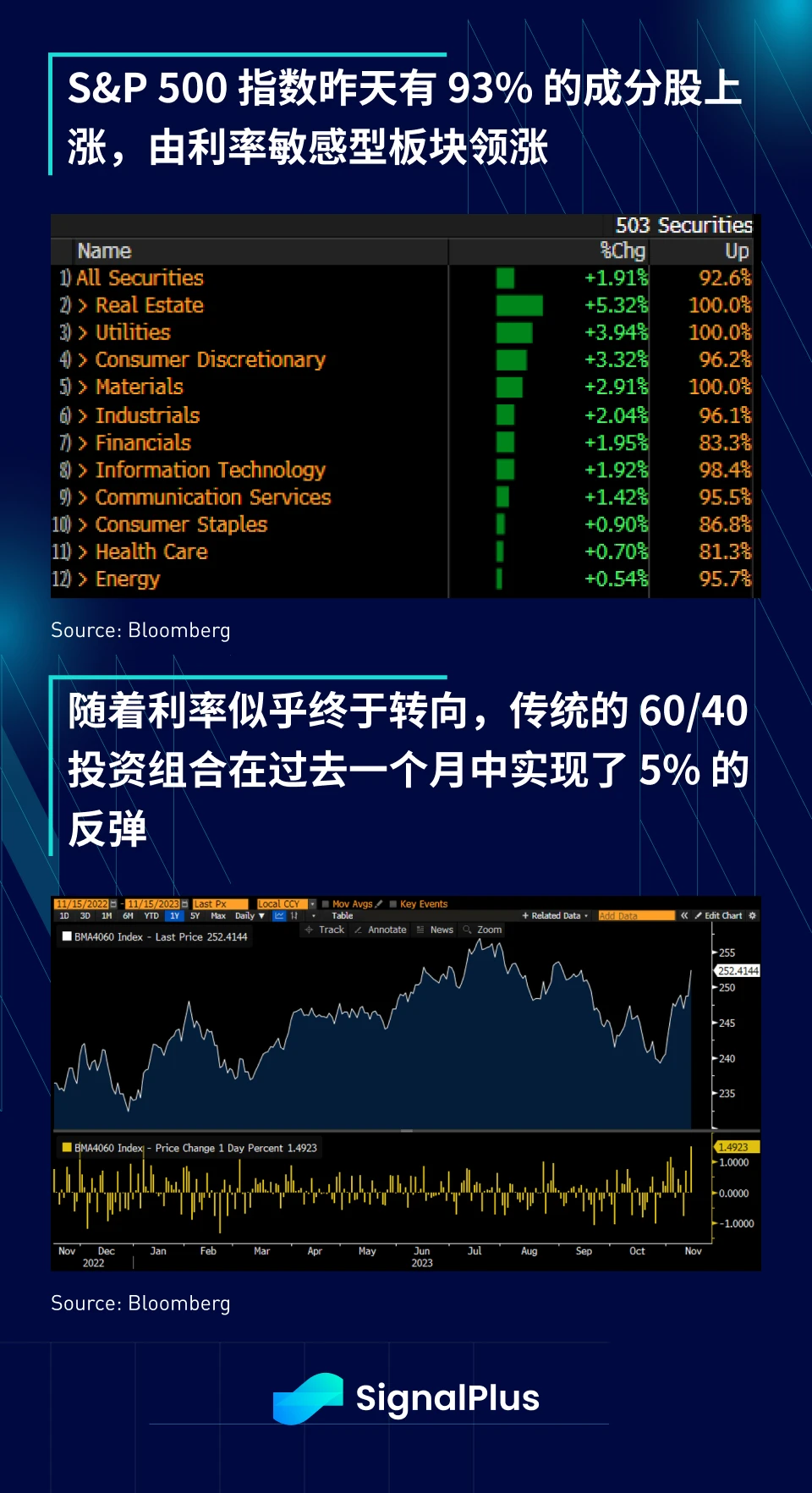
其他板块也纷纷加入庆祝,整体 S&P 500 指数上涨 2% , 93% 的成分股上涨,每个板块都呈现涨势,甚至是陷入困境的医疗保健和能源板块也不例外。另外,随著利率似乎已经见顶,加上对美债供应量的担忧被推迟到明年(感谢 Yellen 部长!),传统的 60/40 投资组合在过去一个月中获得了 5% 的回报,跨资产类别同步上涨。
SignalPlus宏观研报特别版:通胀减速

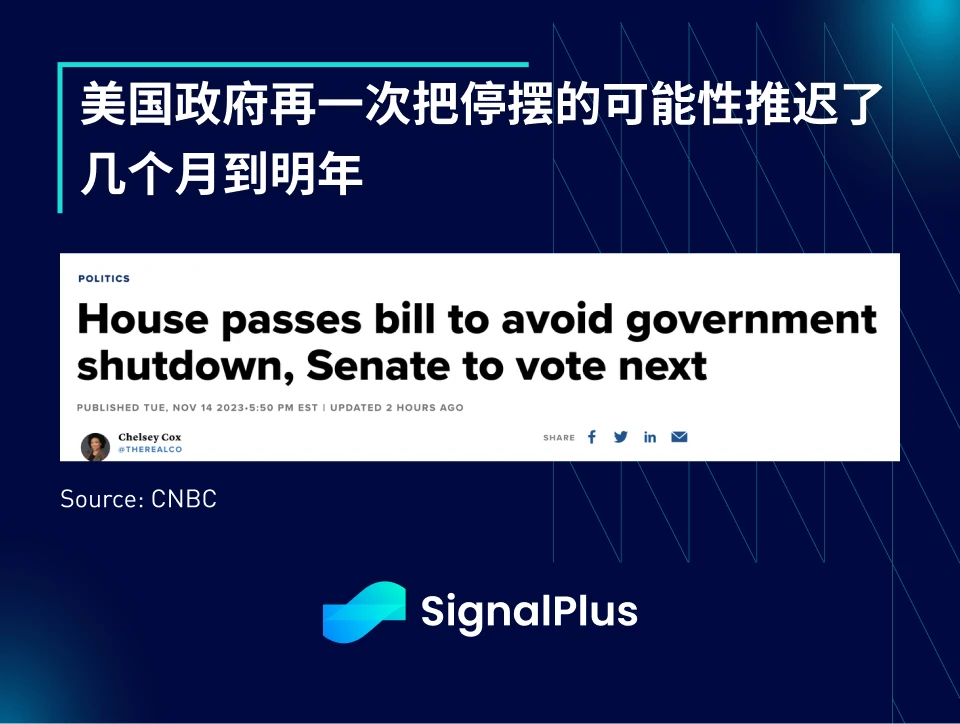
最后,说到推迟,美国众议院又在最后一刻通过了一个“持续决议”,将政府资金按当前水平延长至 2024 年 1/2 月,未附带其他政策变更,参议院也很可能会在本周五的最后期限前通过该法案,再次将政府停摆的可能性推迟到明年 1 月。
SignalPlus宏观研报特别版:通胀减速

在通胀放缓、企业盈利增长(尽管前景疲软)、政策利率见顶、对美国经济软著陆有强烈共识、交易技术面强劲、年底前政府无停摆疑虑、以及中美关系有希望改善的情况下,市场可能会继续保持逢低买入的状态,股市的涨势在短期内可能会有些过度,不过引发大规模抛售的催化剂也不多,我们预计今年正面的宏观情绪会继续保持,至少持续到美国财政隐忧再次浮现之前。

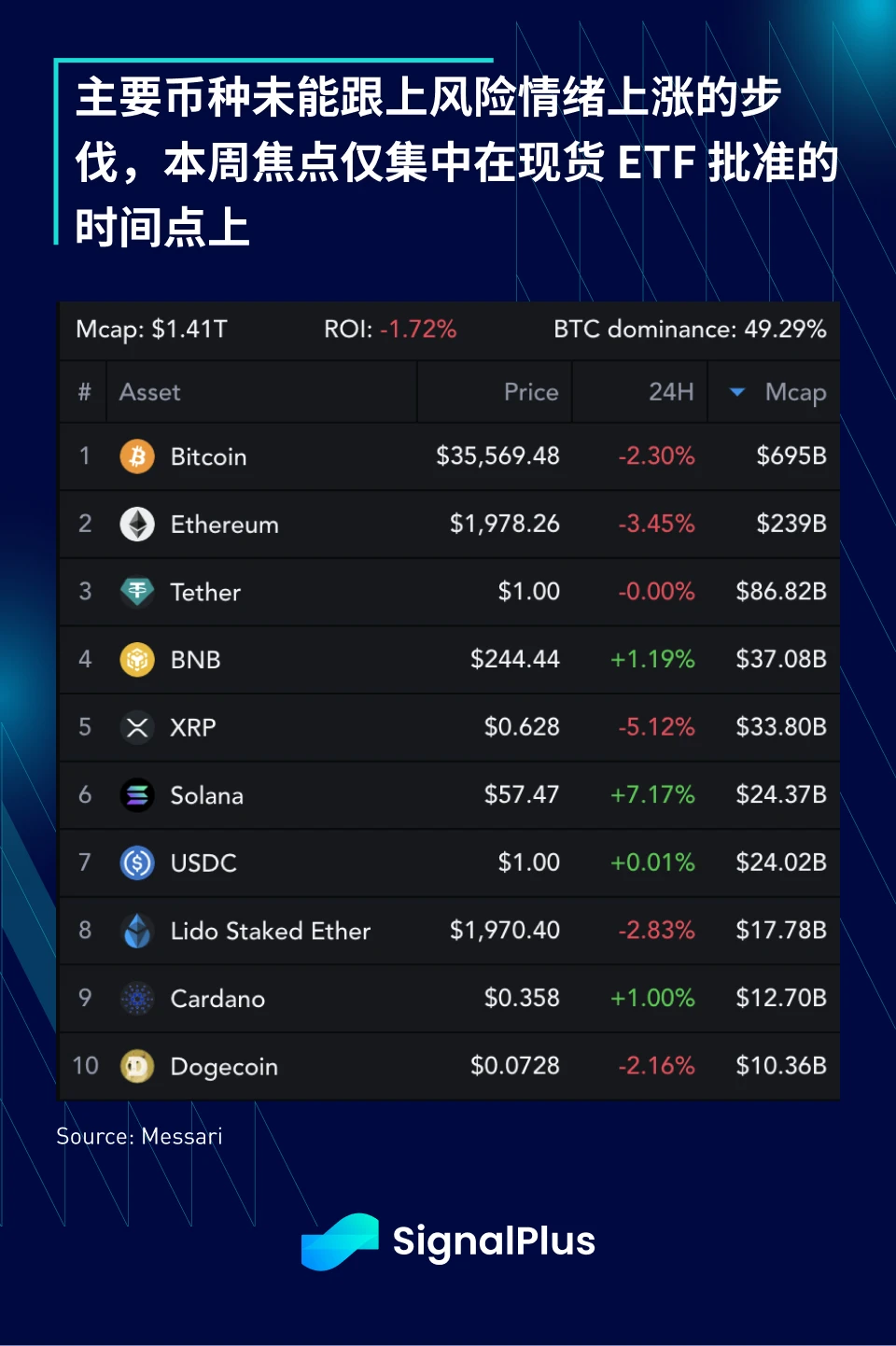
在加密货币方面,本周进入 BTC ETF 批准的关键窗口期,价格无视宏观走势,主要币种从高点回撤了约 3% ,我们对于获批时点没有任何预期,更倾向于在当前抱持谨慎态度,即使批准,ETF 主导的资金流入仍需要几个季度才能实现,无论如何,希望市场的圣诞老人对加密货币能像对 TradFi 一样慷慨友善。
SignalPlus宏观研报特别版:通胀减速

SignalPlus宏观研报特别版:通胀减速

您可在 ChatGPT 4.0 的 Plugin Store 搜索 SignalPlus ,获取实时加密资讯。如果想即时收到我们的更新,欢迎关注我们的推特账号@SignalPlus_Web3 ,或者加入我们的微信群(添加小助手微信:xdengalin)、Telegram 群以及 Discord 社群,和更多朋友一起交流互动。

SignalPlus Official Website:https://www.signalplus.com

Lecturas Relacionadas

Why Is the World Nervous About Japan Raising Interest Rates?

In June 2026, the Bank of Japan raised its policy rate to 1%, marking its first hike to this level since 1995. While this rate remains low compared to global peers like the US and Europe, the move signals a profound shift for a nation that has been a global source of ultra-cheap funding for decades. Japan's long-standing near-zero or negative interest rates had facilitated massive "yen carry trades," where international investors borrowed low-cost yen to invest in higher-yielding assets worldwide, such as US tech stocks and emerging market bonds. This made Japan a critical, often overlooked, source of global liquidity. Japan's ultra-loose policy stemmed from structural challenges post-1990s asset bubble: aging demographics, chronic low inflation/deflation, and high public debt. Recent shifts, including sustained wage growth (exceeding 5% in recent years) and inflation consistently above the 2% target, have created a "wage-price spiral" possibility, prompting the policy normalization. The global market's concern lies not in the absolute rate but in the potential unwinding of the yen carry trade. As Japanese borrowing costs rise, the economics of these leveraged global investments change, potentially triggering deleveraging and capital outflows from risk assets. Market anxiety focuses on the end of a thirty-year consensus that Japan would perpetually provide cheap funding. Ultimately, the global impact will depend on the interplay with US monetary policy. While Japan is tightening, the significant interest rate differential with the US remains. The key future dynamic is whether simultaneous Japanese hikes and eventual US rate cuts will narrow this gap, forcing a major recalibration of global capital flows and asset pricing built on an era of abundant, cheap yen liquidity.

marsbitHace 5 hora(s)

Why Is the World Nervous About Japan Raising Interest Rates?

marsbitHace 5 hora(s)

Trading

Spot
Futuros
活动图片