【研报精选】下轮牛市的旗手?分析目前LSD赛道市面上主流的方案

Pantera CapitalPublicado a 2023-05-25Actualizado a 2026-07-30

Resumen

LSD已成为任何PoS生态系统的标准,并且已经是主要的DeFi趋势之一。LSD提供了近乎无风险的5%的产品,以及更高的回报的高波动资产。随着LSDfi将持续演进,LSD将成为链上世界的债券产品。

注:本文来自@Rocky_Bitcoin 推特,其是加密分析师,原推文内容由MarsBit整理如下:

自从昨晚发出 #LSDFI 灵魂拷问之后,很多伙伴对 #LSD 赛道很感兴趣,并想了解有什么套利方案。我今天写写相关介绍,讲讲目前市面上主流的方案。(内容仅供参考,DYOR)

内容分3部分:

第一部分:ETH质押换取xxETH。

第二部分:xxETH再套利。

第三部分:LSD相关的数据跟踪看板。
第一部分:ETH质押换取xxETH。

(xxETH称之为Liquid Staking Tokens (LSTs),后期用LST替代)

1.LDO(stETH)

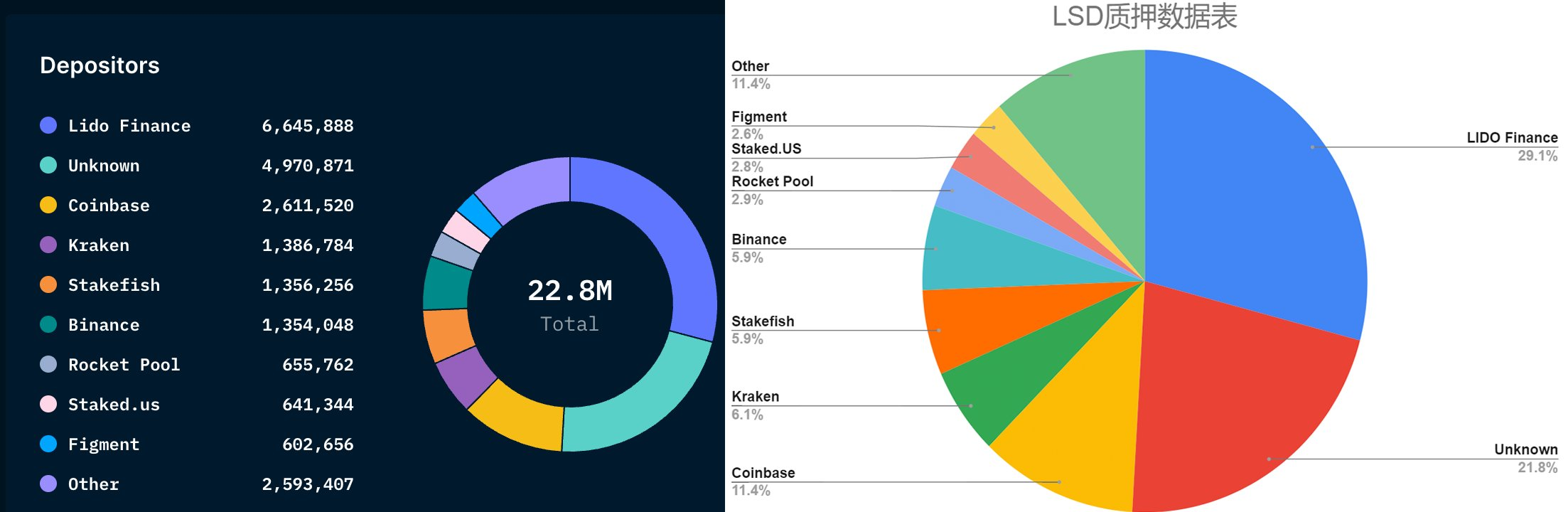
平均年化收益率:4.9%。市占率:71%(剔除非核心数据)

优点:LSD赛道的先驱,市占率第一,流动性强,收费合理,社区强大,UX界面友好,绝大多数LSDFI协议支持stETH
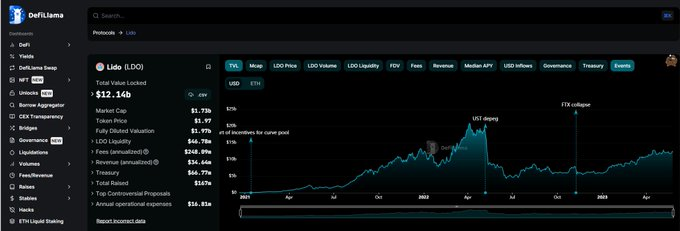
缺点:目前最大ETH质押池,高集中度可能带来较大的风险系数,存在受攻击风险,Lido DAO治理投票没有自我限制,可能导致治理的不公平性与未来发展方向偏差。

费用:产生的奖励收取10% 作为费用,在节点运营商和 DAO 之间分配 50/50收益。

质押网址:https://lido.fi/

2.Rocket Pool(rETH)

平均年化收益率:5.17%。市占率:7.6%

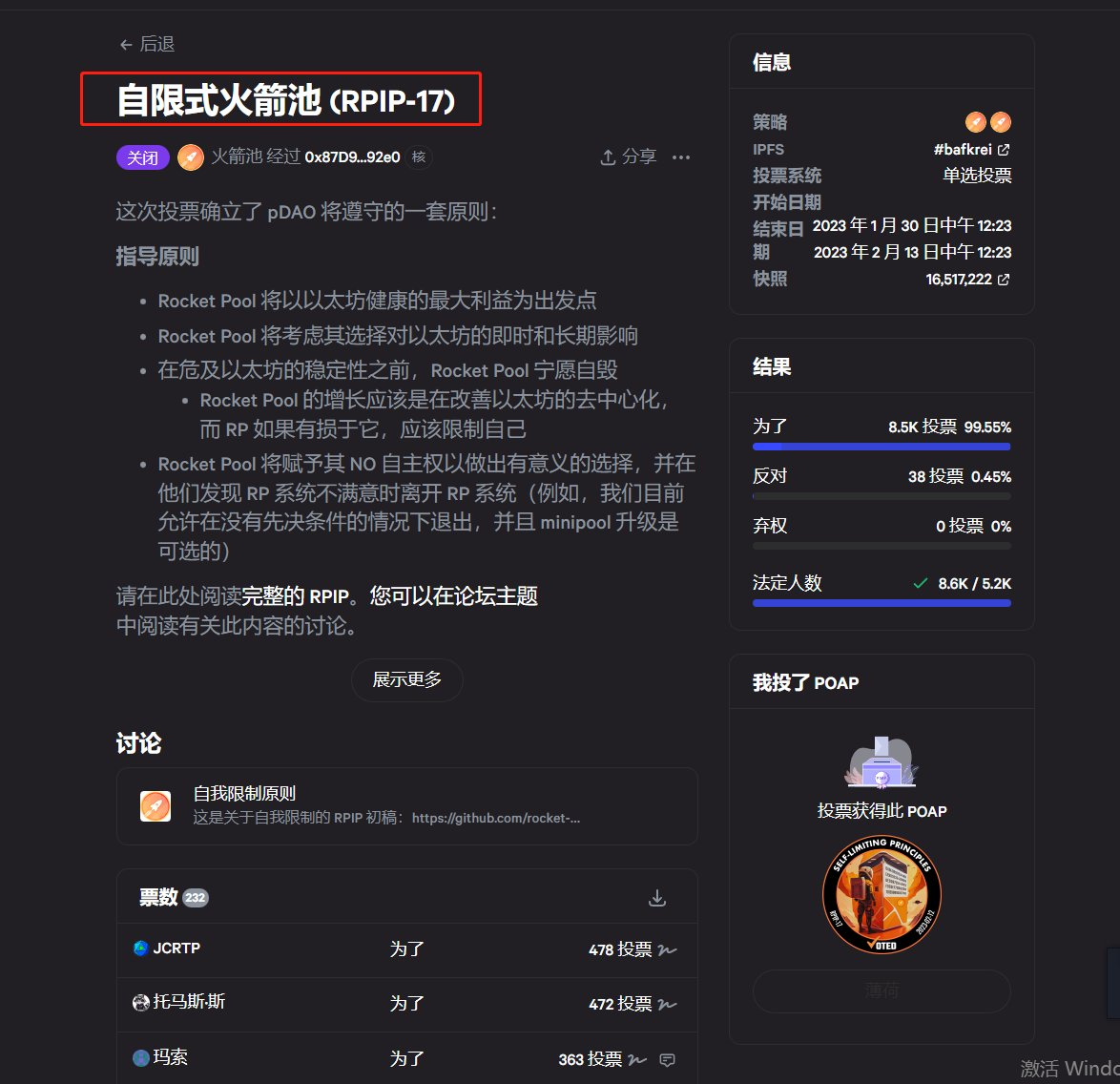
优点:最佳去中心化的ETH质押协议。DAO投票治理具有自我限制机制,相对公平且为ETH去中心化做了表率。

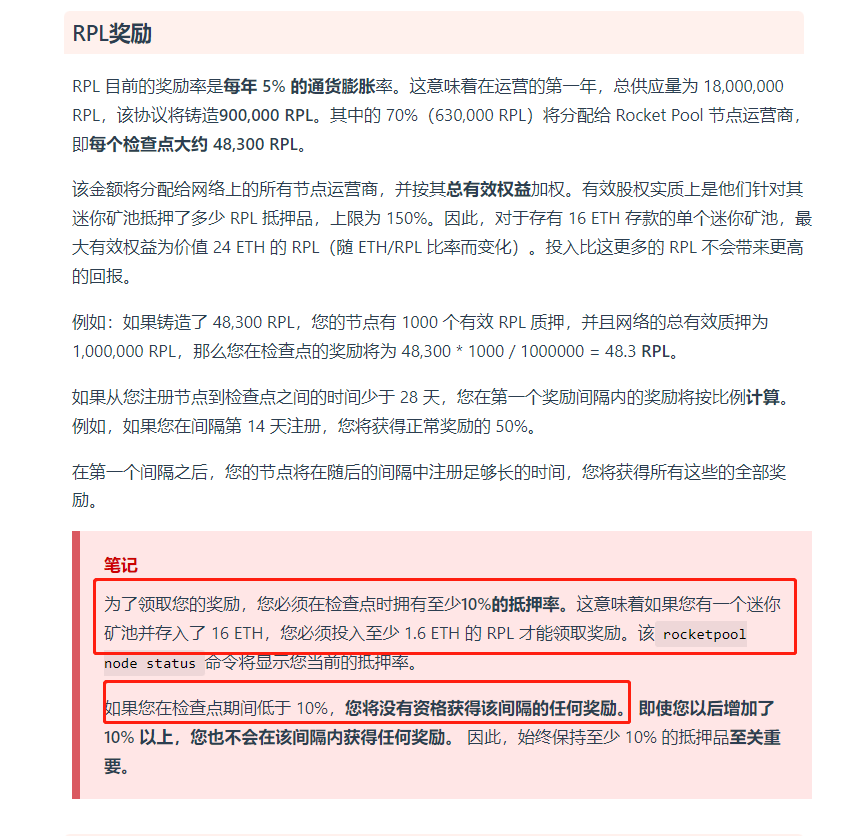
缺点:资本效率较低,对于那些节点迷你矿池始终必须保持至少10%的抵押品。否则无法领取奖励。(如👇👇图)
费用:固定费率,14%收益由节点运营商收取,没有协议输入捕获。

质押网址:https://stake.rocketpool.net/

3.FXS(frxETH)

平均年化收益率:8.85%。市占率:2.42%。

优点:从 #CRV 和 #CVX 双系统中获得收益。采用了双代币系统,类似于 #ANKR ,有助于将波动性代币和盈利代币做分隔,从而允许分别在流动性提供者与质押奖励之间,分配多重利润,达到更高的APR收益。
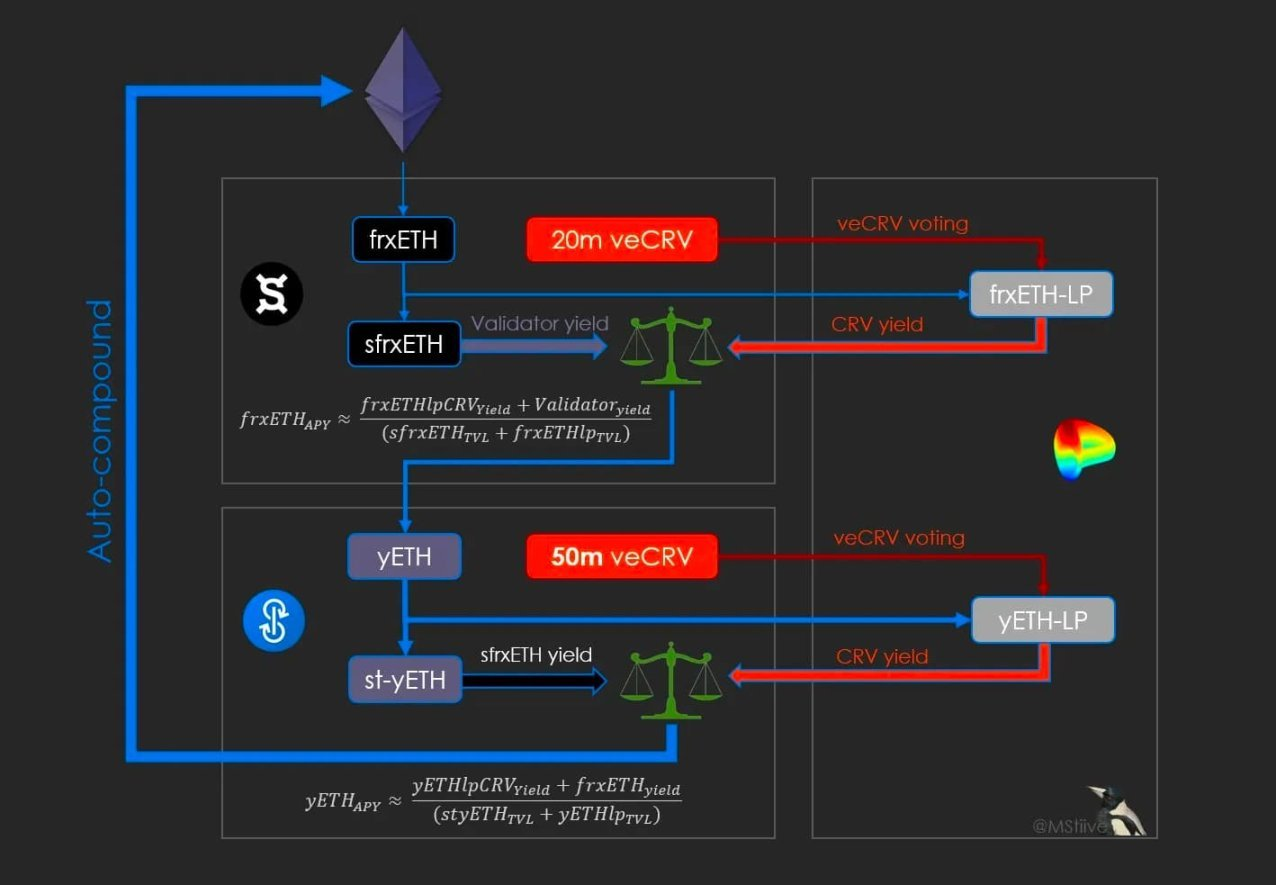
缺点:当frxETH供应锁定为sfrxETH,如若其中的池子的ETH比例较低,将可能面临流动性枯竭问题。

费用:产生的奖励收取10%作为费用。

质押网址:https://app.frax.finance/frxeth/mint

4.Stakewise

平均年化收益率:5.42%.市占率:1.20%

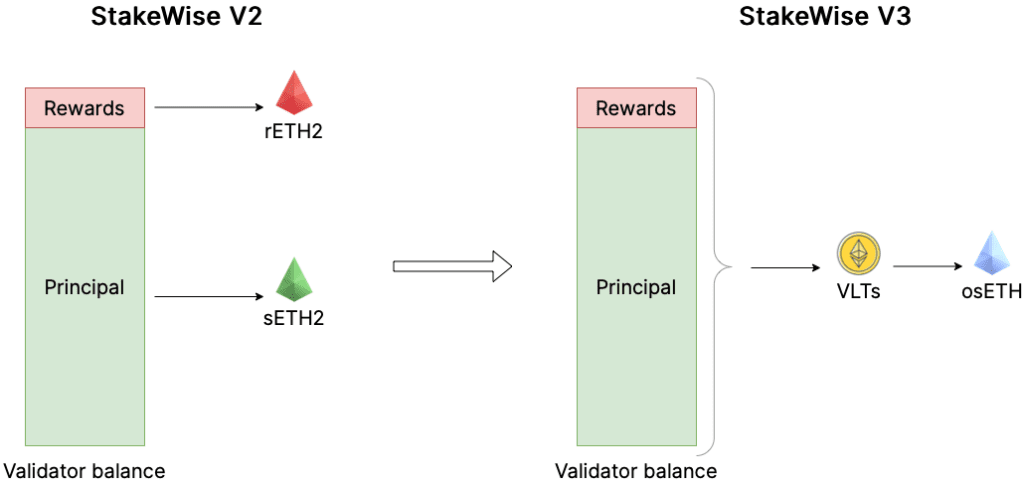
优点:采用双代币系统,sETH2作为本金,rETH2作为奖励,在LPing或杠杆质押时提供比单代币模型更大的灵活性和GAS效率.

缺点:由于Horcrux验证系统,它不那么去中心化,它将验证器密钥分成7个部分,分给在以太坊社区中7个有影响力人物持有,容易内部欺诈.
缺点:Stakewise代币表现一般,交易量低。另外支持Stakewise的Defi协议较少。

费用:产生的奖励收取10%作为费用。

质押网址:https://app.stakewise.io

5.火必质押ETH

平均年化收益率:4.35%。市占率:1.2%

优点:界面简单易学,十分适合新手。

缺点:提款过程较慢,它需要15天才能完成,并且在等待的这段时间,BETH将不会获得任何收益。

费用:未知。

质押网址:huobi.com

6.Pendle(折扣价购买stETH)

平均年化收益率:0.65%-8.65%。市占率:0.56%

优点:高达8.83%的折扣购买stETH。Pendle使stETH持有者能够在没有清算风险的情况下获得杠杆收益敞口,可以在到期前的任何时间出售头寸,但其中价格会有所差异。本金ETH可以在到期日后全部赎回。
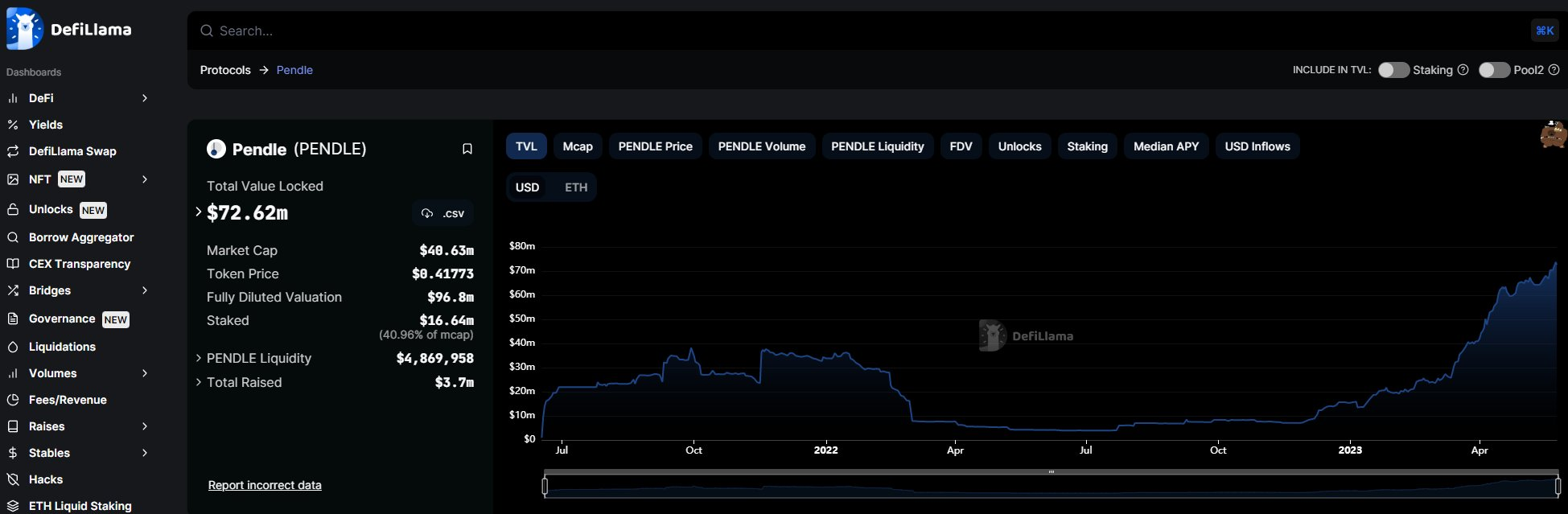
缺点:Pendle 模型很复杂,普通用户可能难以理解,造成了不小的学习成本和门槛。

费用:未知。

质押网址:app.pendle.finance

第二部分:xxETH再套利。

例如:将 stETH 存入 #Curve 的 stETH 集中流动资金池,并在 stETH APY 之外赚取额外的 3.92% APY。

1.Pendle

APR:10%-60.9%

优势:购买打折的 ETH、USDC 并提供流动性以赚取最高收益。

网址:app.pendle.finance

2.unshETH

APR:5.2%-27.12%

优势:支持较多ETH 质押代币(WETH、sfrxETH、rETH、wstETH、cbETH)的农场奖励。

网址:https://unsheth.xyz/deposit

3.sfrxETH

APR:5.88%

优势:frxETH 的持有者可以通过将代币存入 sfrxETH 保险库来赚取额外的质押收益。

网址:https://app.frax.finance/frxeth/stake

4.Curve

APR:3%左右

优势:Curve上有极佳流动性的池子stETH/ETH,提供流动性挖矿奖励。用户获得 CRV 和 LDO 形式的 APR 奖励。

网址:https://curve.fi/#/ethereum/pools

5.Flashstake

APR:5.04%

优势:质押 ETH、LSD 代币并预先获得收益。

网址:https://app.flashstake.io/stake

第三部分:LSD相关的数据跟踪看板

1. #Tokenterminal 展示链上质押的核心项目,并与之相关的核心数据(协议收入,MEV奖励,活跃用户数等),图表展示。

@tokenterminal

网址:https://tokenterminal.com/terminal/markets/liquid-staking

2. #Defillama 比较详细的各个LSD数据的详情(包括质押量,TVL,7D变化,30D变化,市场占比等)

@DefiLlama

网址:defillama.com

3. #Nansen 事实的数据追踪,包括最新质押的情况,具体是谁的钱包,什么时候质押的,钱包收益多少,昨天推文展示孙哥的质押钱包,显示的一览无余。

@nansen_ai

网址:https://pro.nansen.ai/eth2-deposit-contract

4. #DUNE 这个数据表,也十分完善。值得一看。

@DuneAnalytics

网址:dune.com

结束语

LSD已成为任何PoS生态系统的标准,并且已经是主要的DeFi趋势之一。

LSD生成一致的、低风险的被动收入,并有助于维护区块链。

LSDfi是LSD的逻辑扩展。它创建了一个整体的经济,一方面,可以产生大量的收入,另一方面,简化了与LSD项目的交互。

LSDfi将持续演进,我们将逐步见证项目的复杂性和独特性的增加。让我们在未来观察它的进展。
Lecturas Relacionadas

After R&D Investment Catches Up with the U.S., Is the Sino-U.S. Chip Competition Still Just About Money?

The article examines the significance of recent data showing China's total R&D expenditure, measured by purchasing power parity (PPP), catching up to or slightly surpassing that of the United States in 2024. It argues that while this milestone reflects China's immense capacity to mobilize research resources, the competition in semiconductors now extends far beyond sheer financial input. The analysis highlights key differences: China's R&D is heavily skewed towards experimental development (over 80%), focusing on product engineering and industrialization, whereas the U.S. allocates a proportionally larger share (about 15%) to basic research. Furthermore, leading U.S. semiconductor firms reinvest a significant portion of their substantial global sales revenue into R&D, creating a sustainable commercial innovation cycle that is difficult to replicate. The article emphasizes that semiconductor progress depends on converting R&D into commercially viable products that pass rigorous customer validation and achieve repeat orders, not just on spending levels. It concludes that as China enters the top tier of R&D spenders, the critical challenges shift to improving resource allocation efficiency, fostering long-term basic research, and building effective mechanisms to bridge the gap between laboratory discoveries and reliable, market-ready industrial capabilities.

marsbitHace 13 min(s)

After R&D Investment Catches Up with the U.S., Is the Sino-U.S. Chip Competition Still Just About Money?

marsbitHace 13 min(s)

Top 10% of American Households Capture 88% of Wealth, How Is the AI Era Cake Divided?

AI Worsens Wealth Inequality as Top 10% of US Families Garner 88% of Stock Gains (2019-2026) A report from the China Finance 40 Forum highlights that the AI boom is significantly widening wealth inequality in the United States. From 2019 to Q1 2026, wealth from directly held stocks by US households nearly doubled from $29 trillion to approximately $55 trillion, with rapid growth concentrated post-2023, coinciding with the AI-driven stock market surge. The distribution of these gains has been starkly uneven. Between 2022 and Q1 2026, the wealth increase of about $21 trillion was captured almost entirely by the wealthiest families: the top 10% secured roughly 88% ($18.5 trillion), while the bottom 50% received only about 1% ($0.2 trillion). This has contributed to a growing disparity in disposable income shares. The report, referencing economic historian Robert Allen, draws parallels to historical technological shifts like the "Engels' Pause" during the First Industrial Revolution, where worker wages stagnated despite productivity gains. It suggests AI could induce a similar period where capital收益 outpace labor income, exacerbating inequality. Huang Yiping of Peking University identifies four mechanisms through which AI impacts income distribution: capital-bias (reducing labor's income share), task polarization (hollowing out middle-skill jobs), skill-based digital divides, and wealth amplification through assets. He warns that if this trend continues, strong supply growth driven by AI could be undermined by persistently weak consumer demand, threatening sustainable economic growth. To address these challenges, the report proposes a three-pronged strategy: 1) Defensive measures like strengthening social safety nets and antitrust enforcement; 2) Empowering workers through education reform and lifelong learning to collaborate with AI; and 3) Rebalancing via policies such as potential taxes on AI超额收益 and mechanisms for broader sharing of technology's benefits, ensuring AI's红利 are more equitably distributed.

marsbitHace 19 min(s)

Top 10% of American Households Capture 88% of Wealth, How Is the AI Era Cake Divided?

marsbitHace 19 min(s)

Trading

Spot
活动图片