12张数据图表解读1月加密行业的复苏景象

PanewsPublicado a 2023-02-02Actualizado a 2023-02-02

Resumen

随着比特币反弹,加密货币行业在2023年1月出现复苏迹象,绝大多数指标都展现了强劲的上涨态势,下面就让我们一起来看看吧。

随着比特币反弹,加密货币行业在2023年1月出现复苏迹象,绝大多数指标都展现了强劲的上涨态势,下面就让我们一起来看看吧。

“”

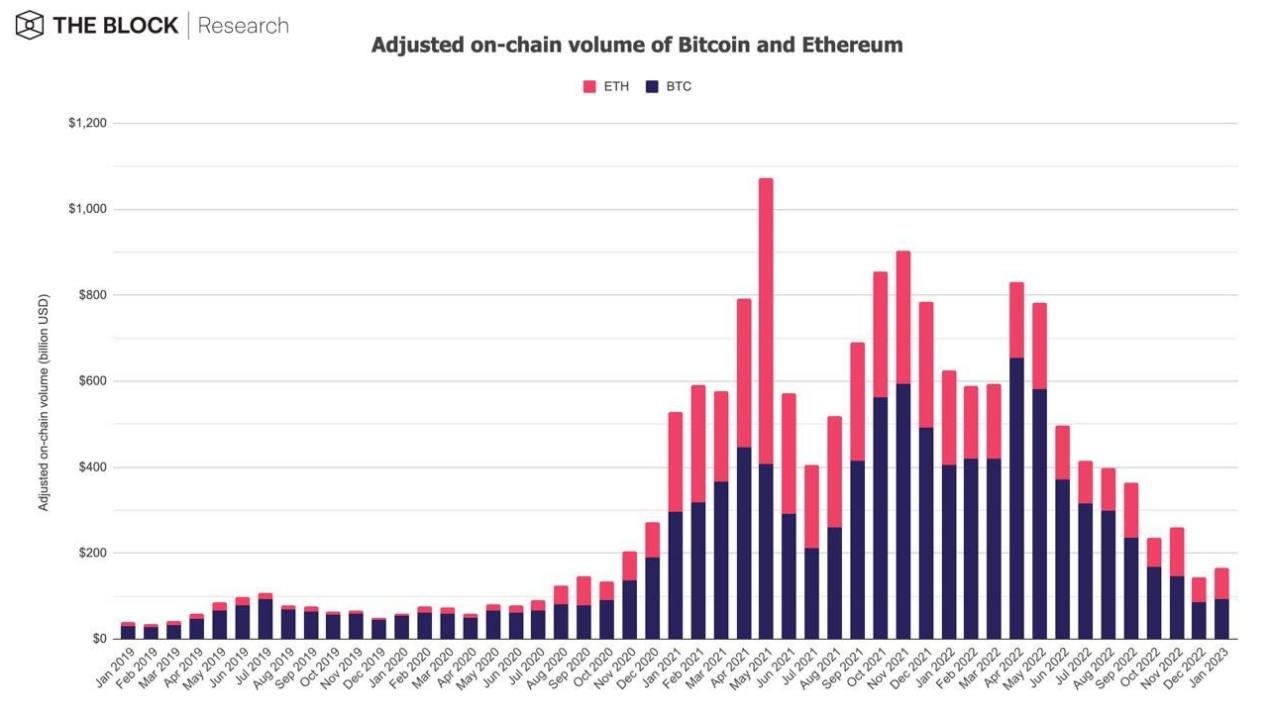
1、调整后链上总交易额增加了 14.6%,达到1650亿美元,其中比特币链上交易额增长8.1%, 以太坊链交易额增长24.1%。

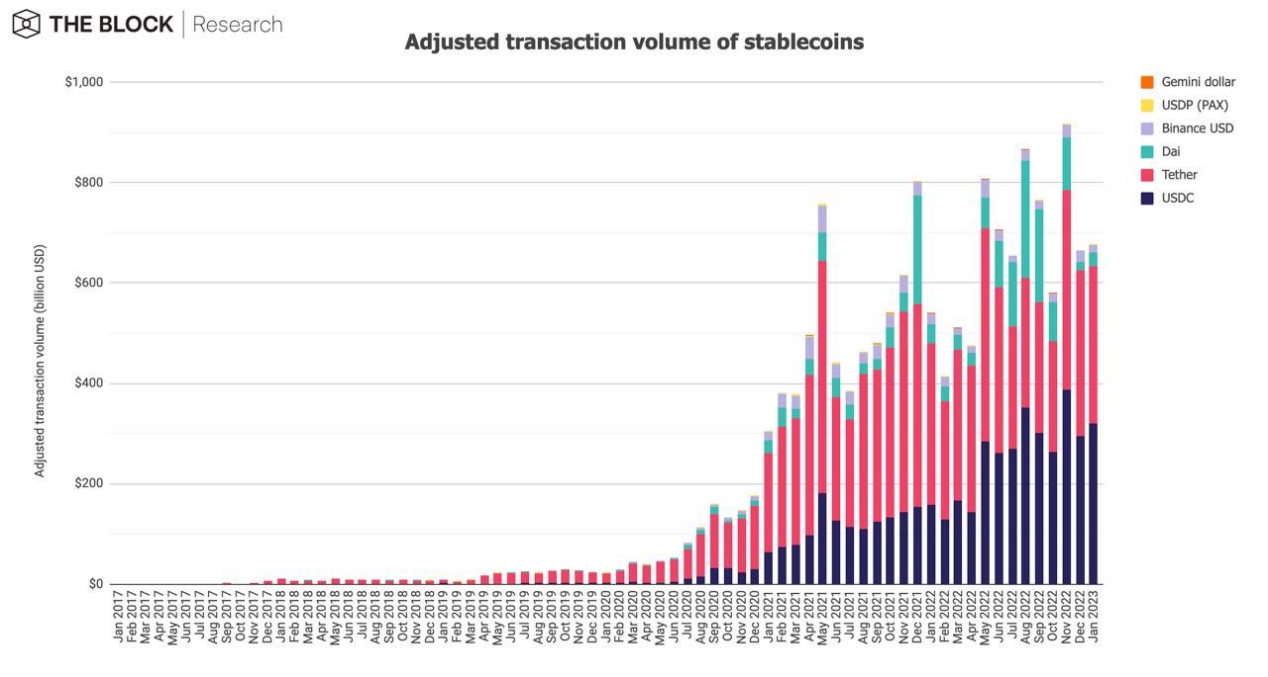
2、调整后的稳定币链上交易额增长至6672亿美元,涨幅约为1.7%;已发行稳定币供应量则进一步收缩至1327亿美元,降幅约为1.9%,其中美元稳定币USDT的市场份额上升至 53.1%,USDC则下降至29.5%。

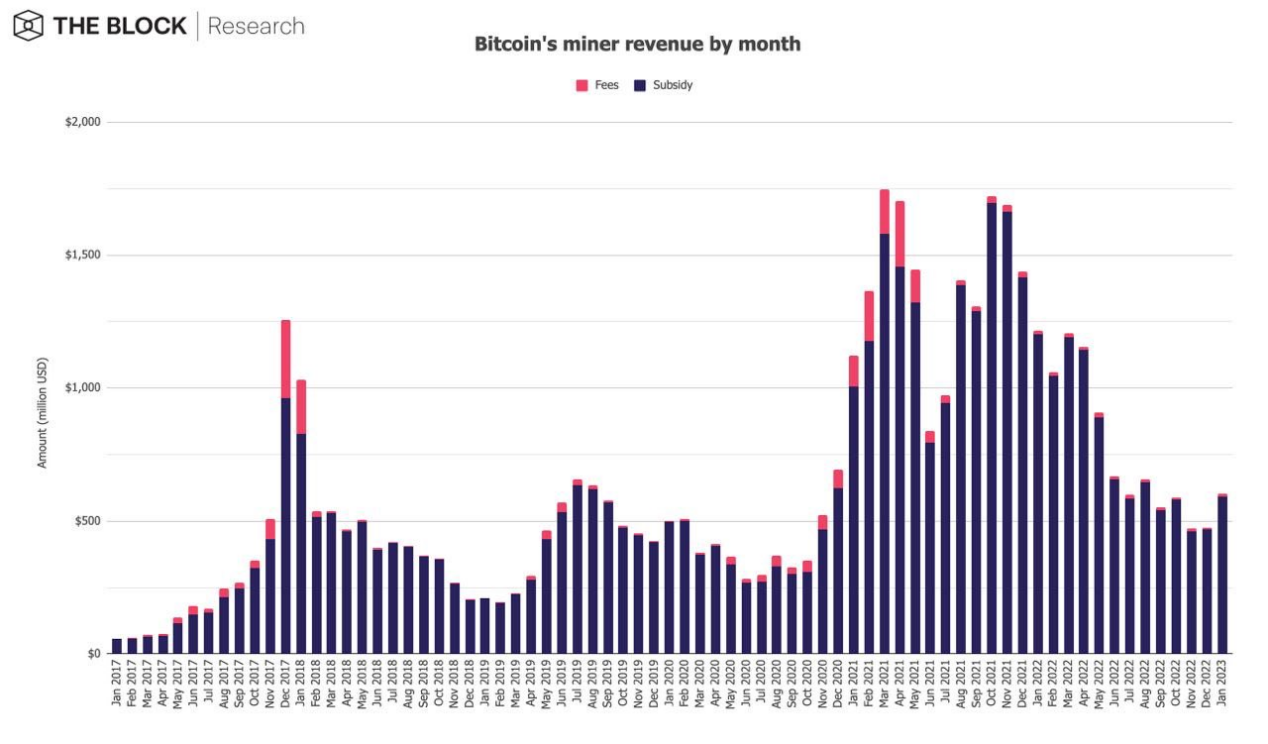
3、比特币矿工收入上涨26.1%至6.012亿美元,以太坊质押收入增长26.7%,达到1.018亿美元。

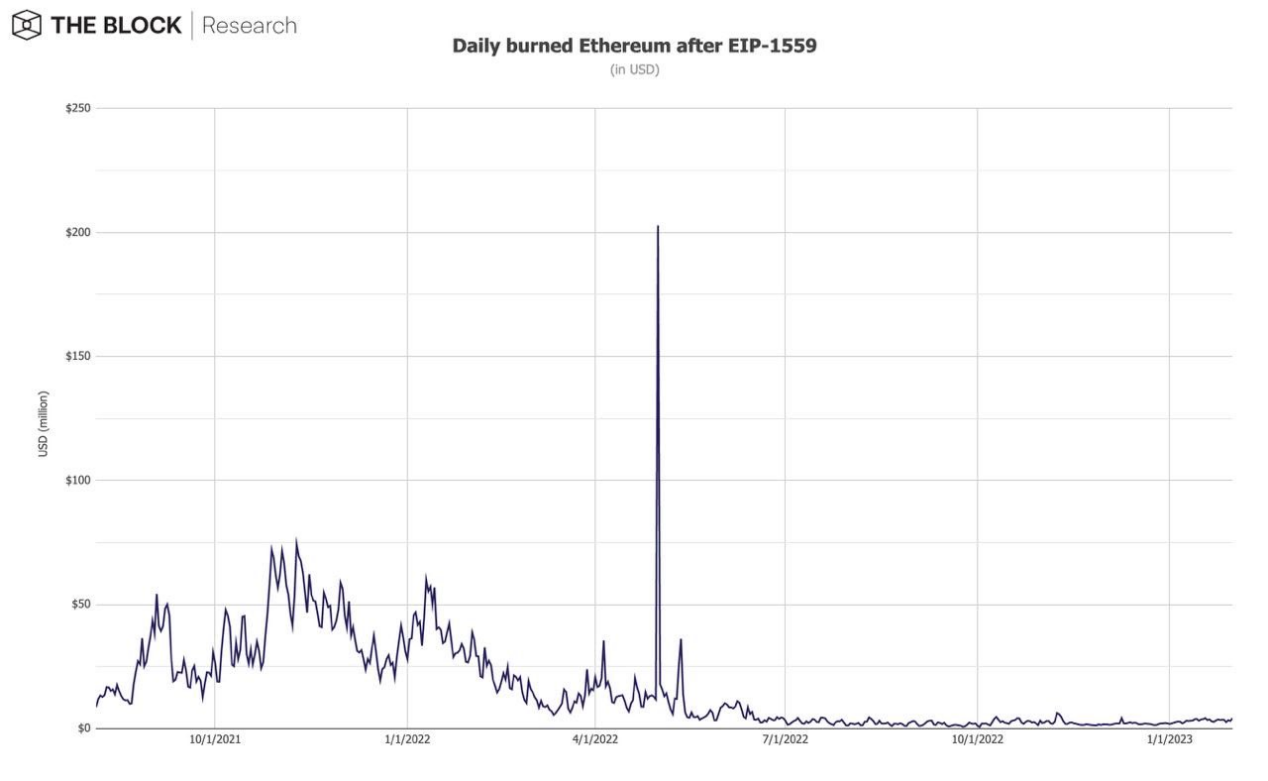
4、一月份以太坊网络共销毁了65,059枚ETH,价值相当于9,570万美元。2022年5月,以太坊网络销毁ETH数量较多是因为YugaLabs元宇宙项目Otherside销售虚拟地块引起的。自2021年8月上旬实施EIP-1559以来,以太坊总计销毁了约286万枚ETH,约合88.8亿美元。

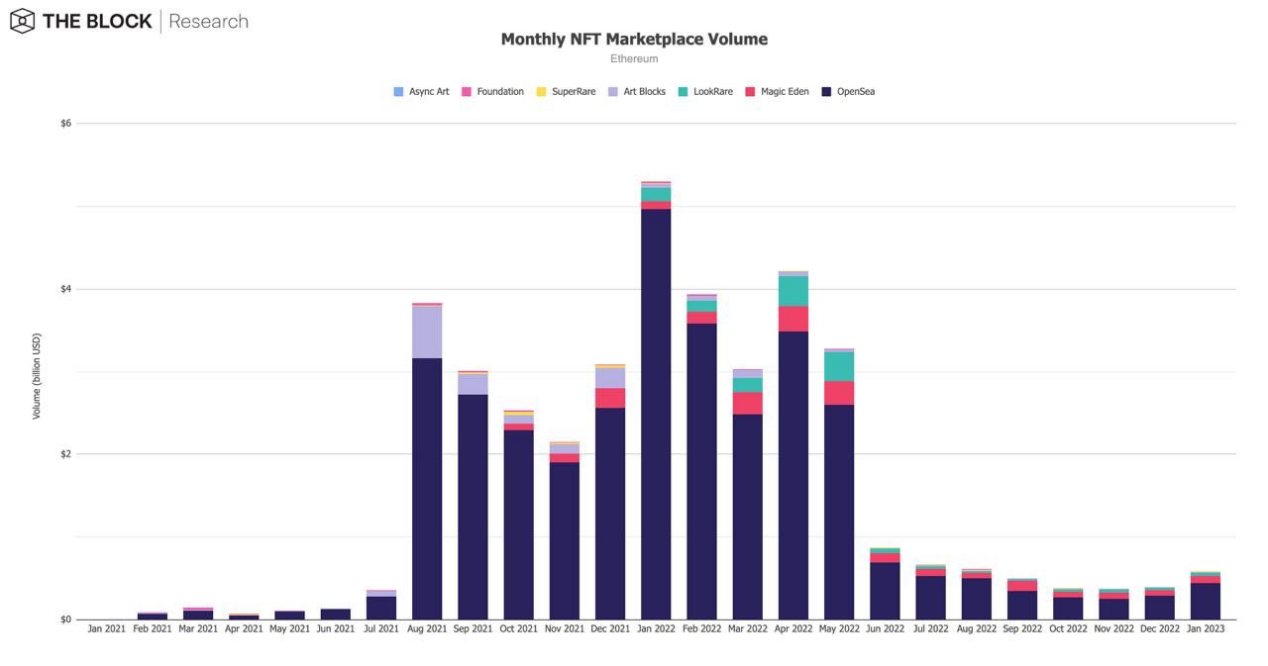
5、1月以太坊链上NFT市场交易额接近6亿美元(5.89亿美元)涨幅达到46.8%。

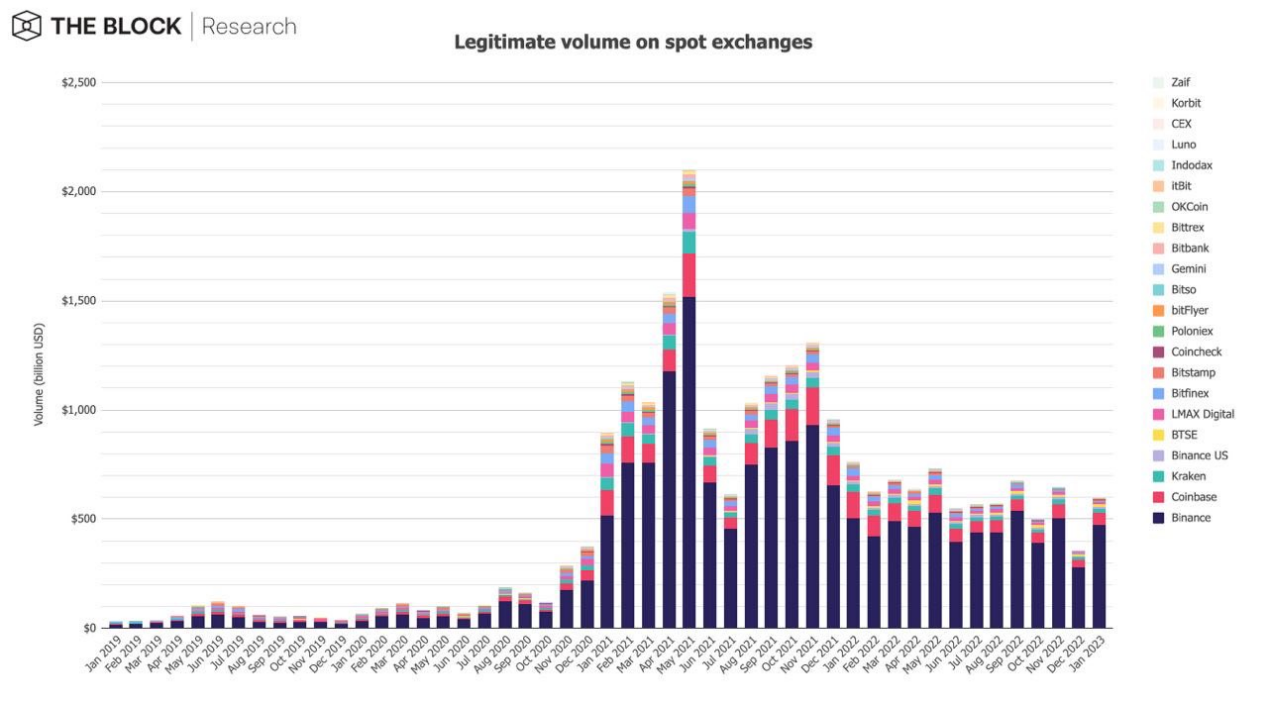
6、合规中心化交易所(CEX)的现货量在一月份增加了67.2%,达到约5976亿美元。

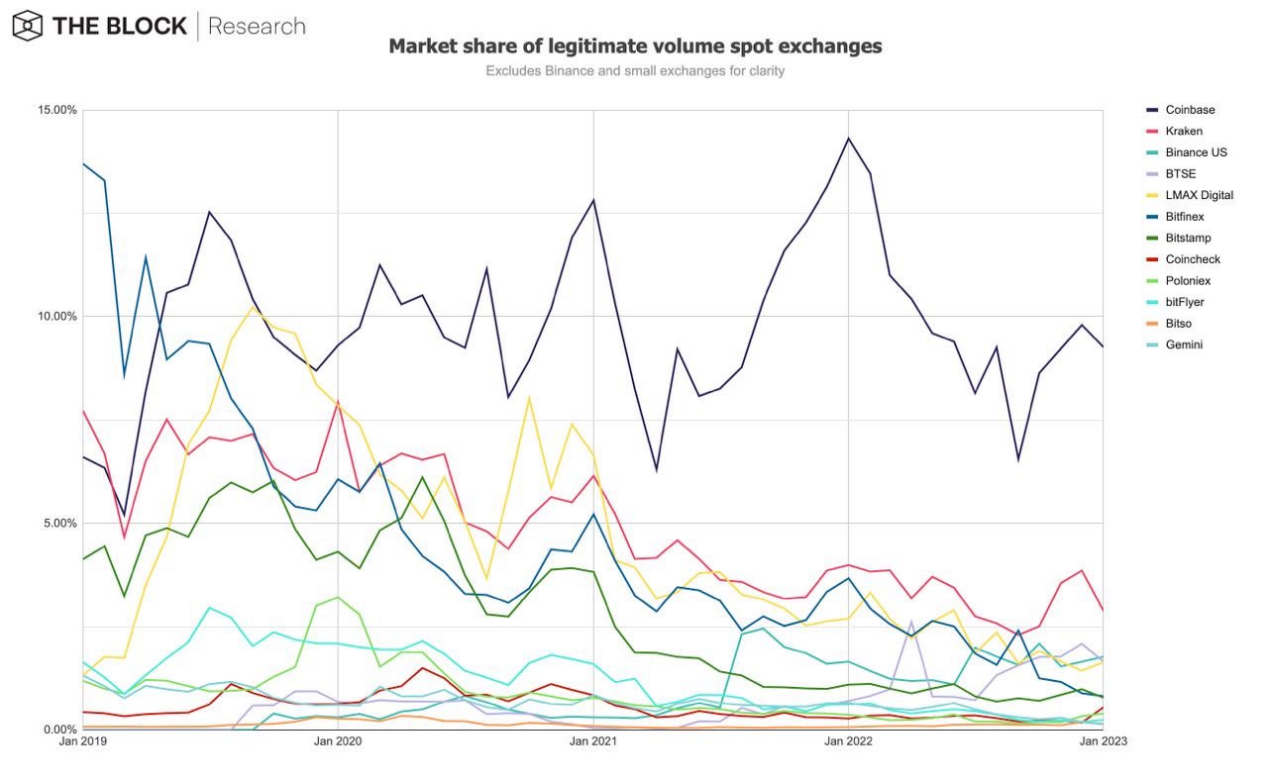
7、加密货币交易所的市场份额变化值得关注:Binance在一月份的市场份额达到79.3%,Coinbase为9.3%,Kraken为2.9%,Binance US为1.8%。

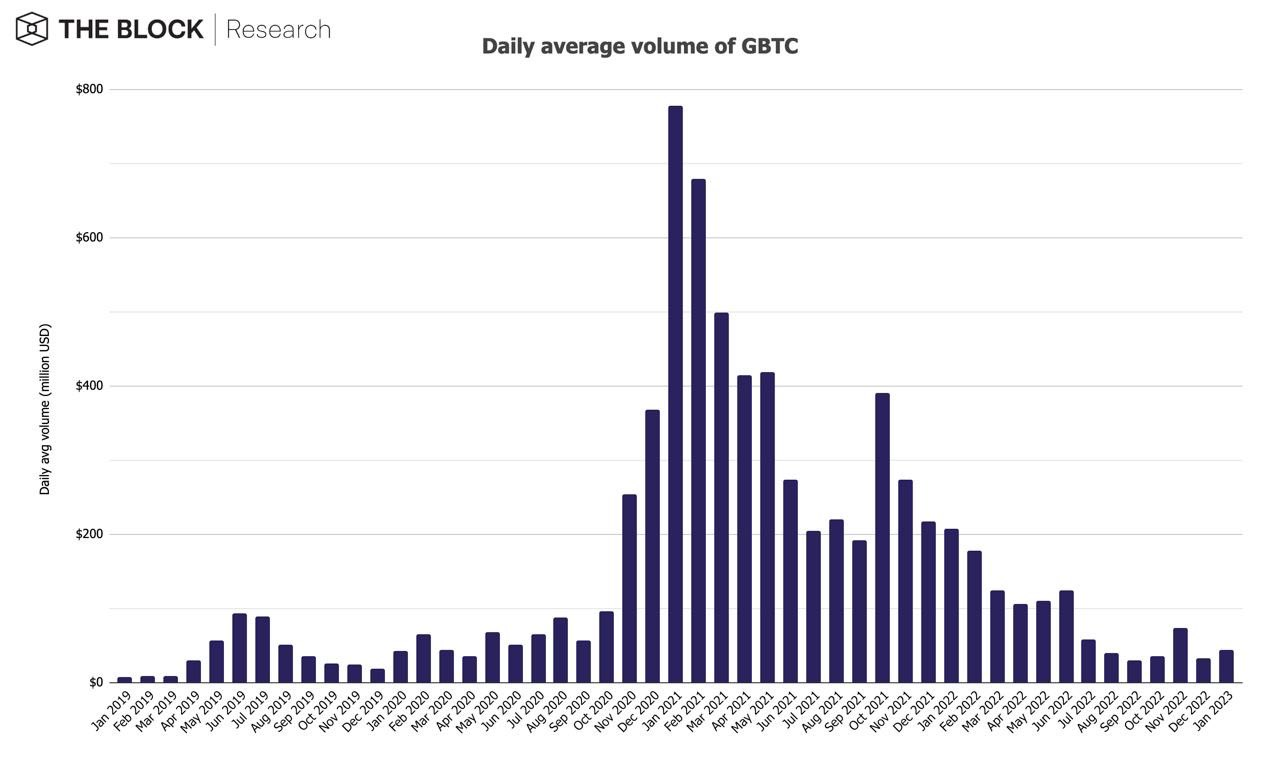
8、灰度的比特币信托近GBTC日均交易额在一月增长了32.4%,升至4400万美元。

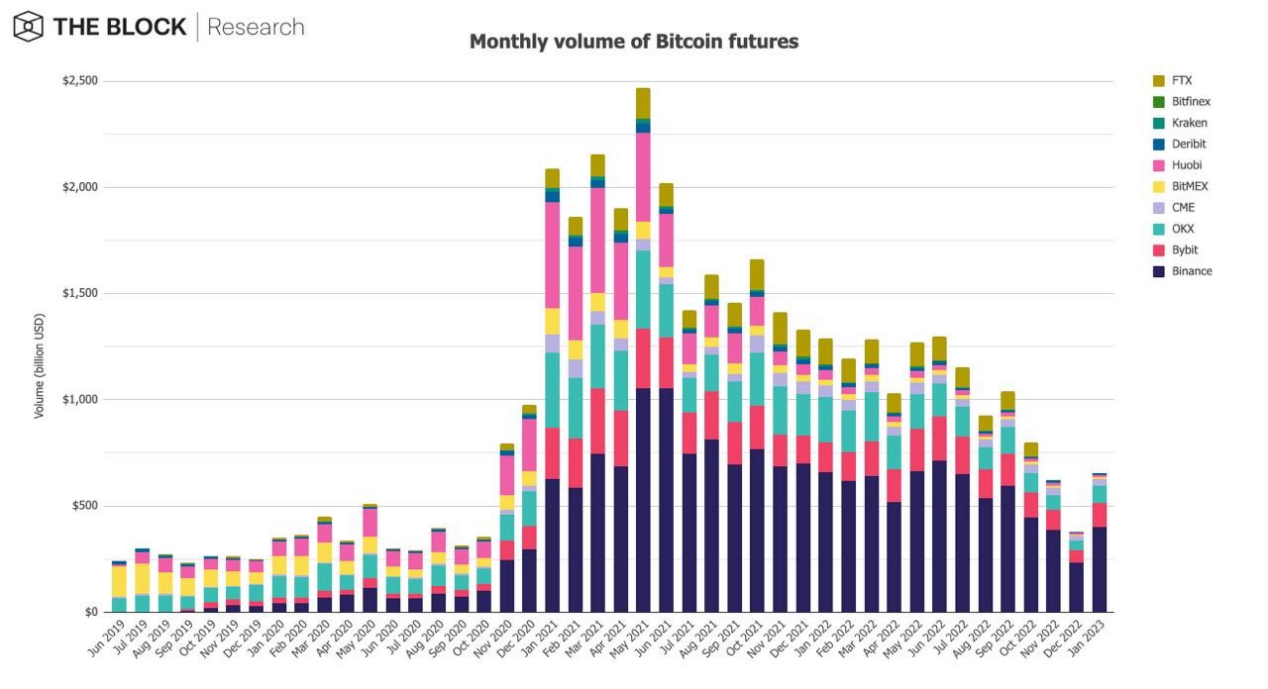
9、在加密期货方面,比特币和以太坊期货持仓量均出现上涨,其中比特币期货持仓量上涨21.3%,以太坊期货持仓量上涨15.9%;在期货交易额方面,比特币和以太坊期货交易额也出现上涨,其中比特币期货交易额在1月增加73%达到6560亿美元。

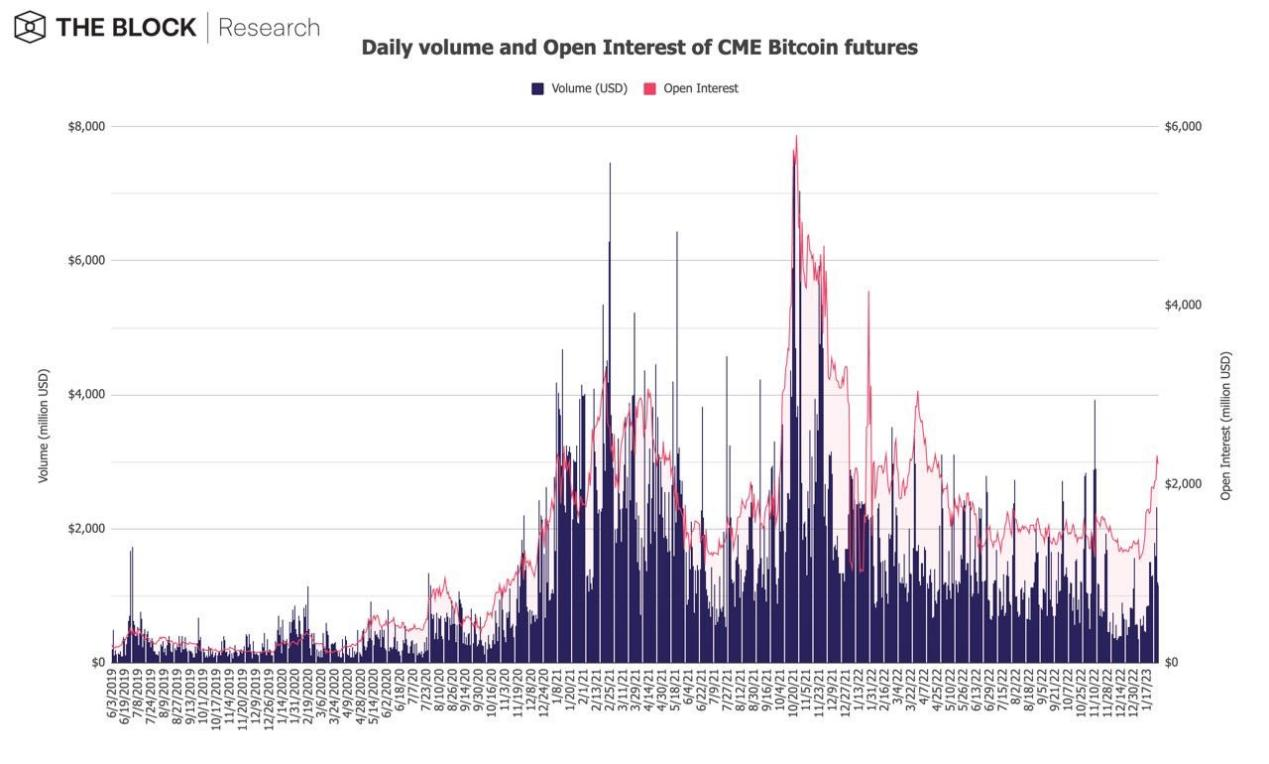
10、芝商所一月比特币期货持仓量增加了63.2%,达到22.2亿美元,日均成交金额涨幅达到55.8%,升至9.85亿美元。

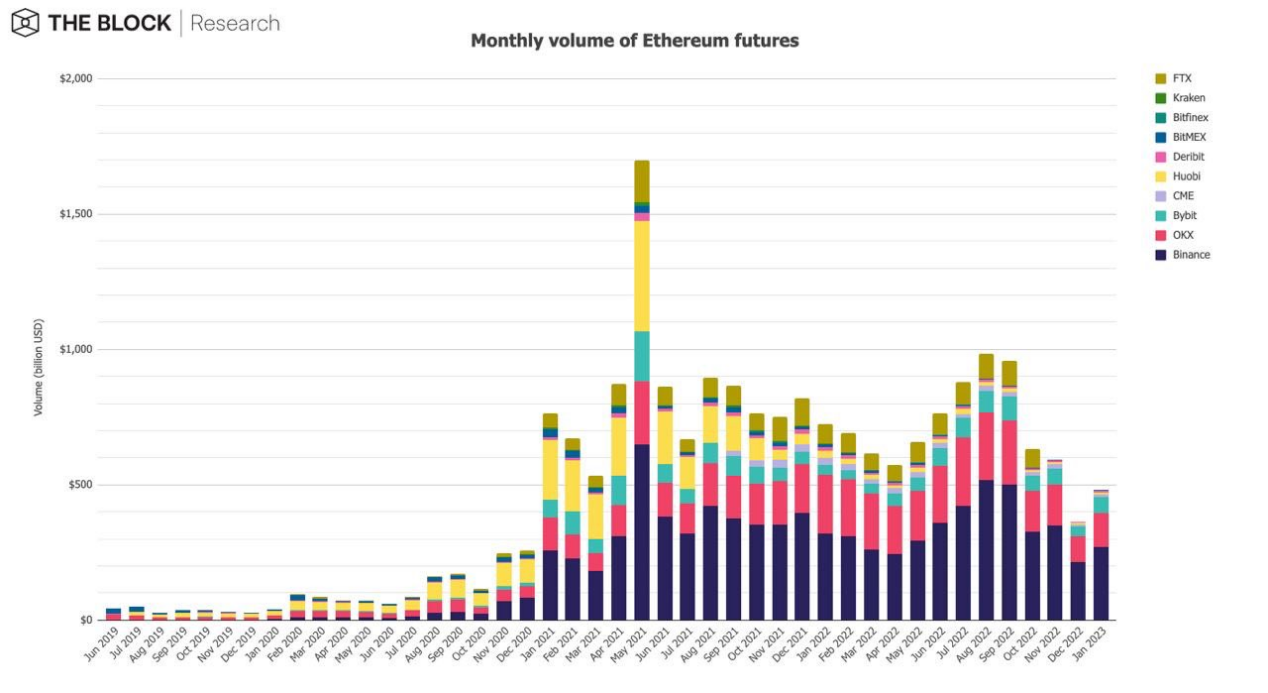
11、在以太坊期货方面,月均交易额达到4810亿美元,涨幅为32.1%。

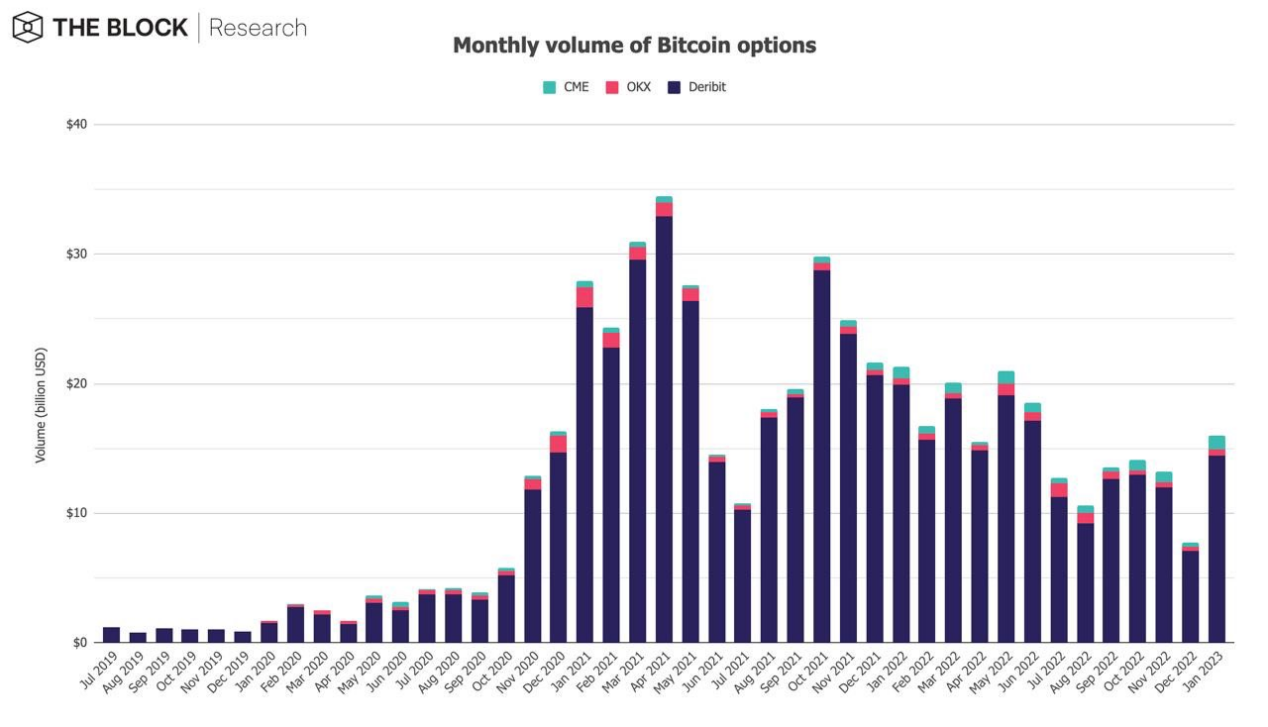
12、在加密货币期权方面,比特币和以太坊期权持仓量也都出现上涨,其中比特币期权持仓量涨幅达到116.5%,以太坊期权持仓量涨幅为71.7%。比特币和以太坊期权交易额同样普涨,其中比特币期权交易额在1月份增长了107.8%,达到160亿美元;以太坊期权交易额在1月份增长了54.5,达到85亿美元。

Lecturas Relacionadas

Bitcoin's 'Rally Ends,' Officially Entering the Later Stage of a Bear Market?

Bitcoin prices declined 13% this week, reversing the recent rebound and signaling a likely transition into the later stages of a bear market. Key on-chain metrics deteriorated, with the short-term holder cost basis falling below the Realized Price—a pattern last seen in early 2022, characteristic of bear market maturity. The rally to ~$82k proved to be a bear market bounce, as evidenced by the 90-day realized profit/loss ratio failing to sustain above the bullish threshold of 2. Daily realized losses surged to $1.35B, including significant selling from long-term holders who accumulated near cycle tops, indicating ongoing supply redistribution. Price was rejected almost precisely at the aggregate US spot ETF cost basis of ~$83k, turning that level into resistance and leaving the average ETF investor underwater again. Spot market selling pressure intensified, with the 7-day volume delta turning significantly negative to its weakest level since February. While a major long liquidation event cleared over $400M in leverage, spot demand has not yet stepped in to absorb the resulting supply. Options markets continue pricing in higher future volatility (elevated volatility risk premium) and maintain a skew toward put options, reflecting persistent demand for downside protection, though not yet panic. Overall, market structure remains fragile. Sustained recovery likely requires a reclaim of the ETF cost basis, a shift back to positive spot demand, and a slowdown in realized loss-taking. Until then, the market risks further downside or extended consolidation within the broader bear trend.

Foresight NewsHace 1 hora(s)

Bitcoin's 'Rally Ends,' Officially Entering the Later Stage of a Bear Market?

Foresight NewsHace 1 hora(s)

How Risky is the "Death Spiral" of MSTR and STRC?

Summary: This article explores the perceived "death spiral" risk between MicroStrategy (MSTR), its Bitcoin holdings, and its perpetual preferred stock (STRC), drawing comparisons to the LUNA-UST collapse. While both systems feature price anchors, high yields for holders, and potential feedback loops, their core mechanisms differ fundamentally. The MSTR-STRC structure relies on continuous financing to sustain its high dividend payouts, primarily through stock ATM offerings. A negative feedback cycle could occur: falling MSTR stock price makes raising equity capital harder, increasing pressure to sell Bitcoin, which undermines STRC confidence and further depresses MSTR. However, unlike LUNA-UST's automated, direct linkage, the MSTR-STRC loop is weaker and has brakes: STRC dividends can be deferred or rates lowered, and STRC holders have a $100/share liquidation preference in bankruptcy, providing a price floor. The company's sustainability hinges on its ability to continue financing. Its current ~$900 million USD reserves cover only about 6.3 months of its ~$1.71 billion annual interest/dividend burden. The next six months are critical, aligning with both the potential bottom in Bitcoin's four-year cycle and the depletion timeline of its reserves. While a LUNA-style catastrophic collapse is deemed highly unlikely due to structural differences, the key question is whether MicroStrategy can navigate this period through healthy deleveraging to restart its capital engine.

Foresight NewsHace 1 hora(s)

How Risky is the "Death Spiral" of MSTR and STRC?

Foresight NewsHace 1 hora(s)

Trading

Spot
Futuros
活动图片