Robinhood Ventures into L2, Focusing on RWA Tokenization
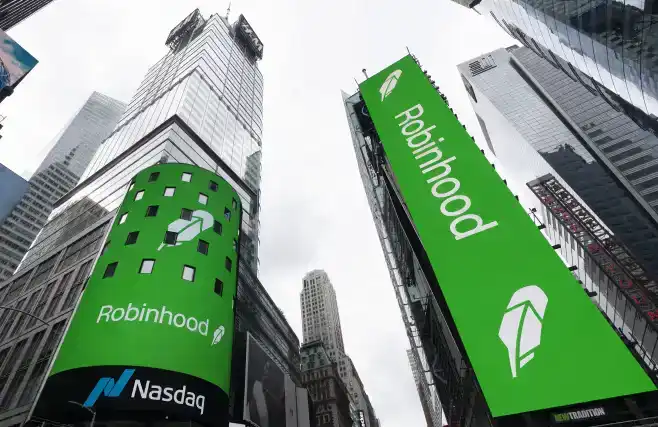
In late January 2026, Robinhood CEO Vlad Tenev highlighted that the GameStop short squeeze incident five years earlier could have been avoided with blockchain’s real-time settlement capabilities. Shortly after, Robinhood launched the testnet of Robinhood Chain, an Arbitrum-based Layer 2 network focused on tokenizing real-world assets (RWA), including stocks, ETFs, and private assets.
Built on Arbitrum Orbit, Robinhood Chain leverages Ethereum for data availability and uses ETH as its native gas token. The platform combines Ethereum’s security with custom compliance features, allowing Robinhood to enforce regulatory rules while maintaining interoperability with existing DeFi infrastructure.
Prior to the testnet, Robinhood had already been testing tokenized stocks in Europe for eight months. These assets are structured as derivative contracts pegged to the price of underlying equities—not as direct ownership claims. The system supports features like dividend pass-through and on-chain minting/burning tied to user positions. Robinhood acquired necessary regulatory licenses, including MiCA and MiFID approvals, partly through its acquisition of Bitstamp.
The platform aims to enable 24/7 trading, instant settlement, and global accessibility with low fees. However, challenges remain, including legal ambiguity around asset representation, centralization risks (with Robinhood Europe as the sole counterparty), and potential pushback from traditional institutions.
Robinhood Chain represents a significant step in blurring the lines between traditional finance and crypto, though its balance between compliance and decentralization remains a key point of observation.
marsbitHace 2 días 08:34