L1 Native Tokens' Final 'Monetary Premium' Is Collapsing!

比推Publicado a 2025-12-08Actualizado a 2025-12-08

Resumen

The monetary premium on Layer 1 (L1) native tokens is rapidly fading as stablecoins increasingly dominate as the preferred medium of exchange (MoE) in on-chain economies. While L1 valuations historically incorporated a monetary premium derived from their use as a store of value (SoV) or MoE, data shows a clear shift. On Ethereum, ETH is no longer the primary MoE; stablecoins like USDC and USDT now lead in on-chain transaction volume and top Uniswap pools. A similar trend is observed on L2s like Arbitrum. On Solana, SOL remains the primary MoE due to platforms like Pumpfun and Raydium using it as a quote currency, but USDC is gaining significant traction, especially with new launchpads like MetaDAO adopting it as the default pairing asset. On BNB Chain, USDT has overtaken BNB in trading volume, which had previously been the dominant MoE. The author argues that the market has chosen stablecoins as the superior on-chain MoE. Attempts by ecosystems to enforce their native token as a quote currency add friction and costs for users with minimal price impact. Improved on-chain UX and liquidity are reducing the historical necessity of using volatile native tokens for transactions. The next wave of users will likely use stablecoins, not native tokens, for everyday exchange, further eroding this monetary premium.

Author: Silvio (@SilvioBusonero)

Original Title: The monetary premium on L1s is fading

Compiled and Edited by: BitpushNews


The valuation of L1 blockchains is a comprehensive reflection of multiple factors: including cultural narrative (Memetics), network fees, security, and the development of upper-layer applications. Among these, the most underestimated is the so-called "Monetary Premium".

The monetary premium stems from the demand of market participants to use assets as a Store of Value (SoV) or a Medium of Exchange (MoE).

  • Store of Value is directly related to the robustness (lindiness) and degree of decentralization of an asset, so it is not an easy market entry strategy.

  • In contrast, acting as a Medium of Exchange may be easier to achieve. Tokens can serve as the primary method for value exchange and measurement within the blockchain economy.
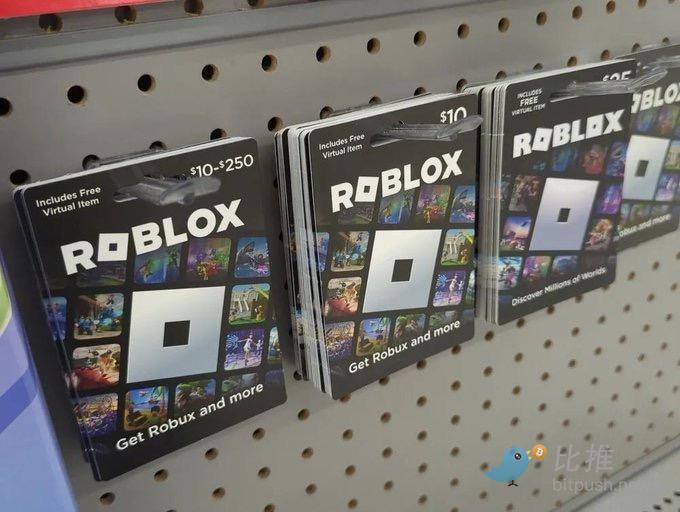
This is similar to the role of tokens in the Web2 economy:

  • Roblox's in-game token Robux, has strong exchange value.

  • When Meme coins started to grow, people bought SOL to enter and exit Meme trades. As SOL was the default currency on Pump platforms, most traders did not convert assets back to dollars but kept some SOL ready to "ape". A similar situation occurred with ETH during the 2021 NFT boom. A large number of users began using the native asset for transactions, effectively creating the utility of a Medium of Exchange (MoE).

Does the Premium Still Exist?

The answer is: No, this premium is rapidly disappearing. Users are increasingly inclined to use stablecoins for transactions.

Ethereum — Stablecoins Have Become the Medium of Exchange

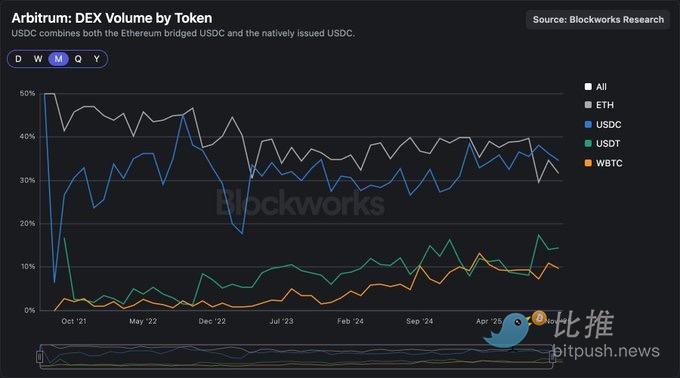
  • Judging from the on-chain transaction volume of mainstream tokens, Ethereum's native token ETH is no longer the primary medium of exchange it once was.

  • ETH's dominance as an MoE is declining, while USDC and USDT are rising in popularity on transaction volume charts and in top Uniswap liquidity pools.

The situation is similar for L2s like Arbitrum.
Solana — SOL Maintains the Lead, but USDC is Catching Up
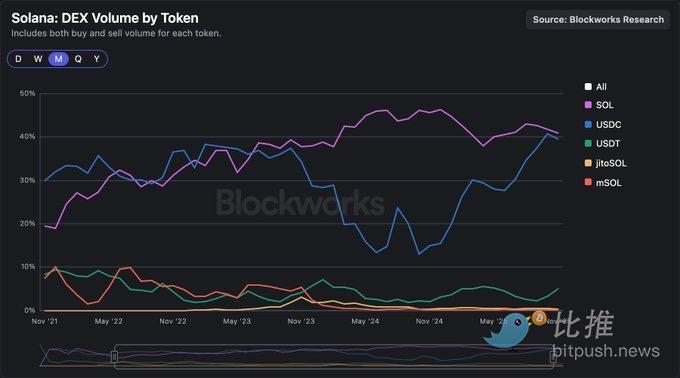
  • SOL remains the primary medium of exchange and the highest volume asset on Solana (but USDC is catching up). This is mainly because platforms like Pumpfun and Raydium tend to use SOL as the quote currency, while other platforms (like Meteora) have a mixed situation.

  • However, new launch platforms like MetaDAO are setting USDC as the default paired trading asset.

BNB and USDT Go Hand in Hand
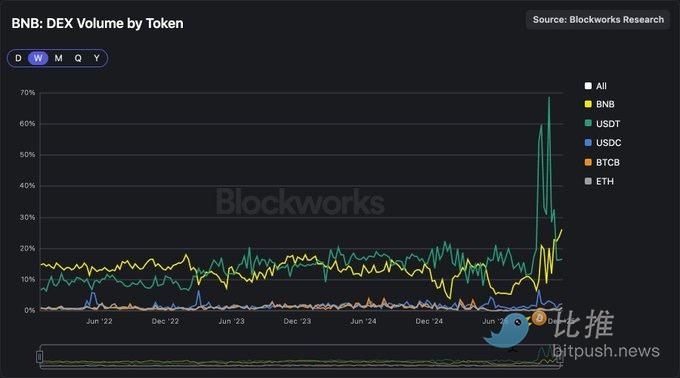
  • From 2021 to 2022, BNB absolutely dominated the role of medium of exchange, but then USDT gained market share and surpassed BNB.

The Market Has Chosen the Medium of Exchange — And It's Stablecoins

There is no such thing as "Onchain Legal Tender" in the on-chain market.

Some projects use a "quote asset" strategy, making their native token the medium of exchange, such as Zora and Virtuals. But in reality, this increases transaction costs for both users and projects, while having minimal impact on the token price itself. Ecosystem tokens can attempt a similar strategy through asset issuance platforms, i.e., requiring quotes in a specific token, but this may not be worth it.

The user experience (UX) and liquidity of the on-chain market are improving: the past monetary premium was also partly due to a lack of alternatives and lower liquidity.

The next batch of billions of users will use the same medium of exchange as in real life (USDC, Euros, etc.).


Twitter:https://twitter.com/BitpushNewsCN

Bitpush TG Discussion Group:https://t.me/BitPushCommunity

Bitpush TG Subscription: https://t.me/bitpush

Original article link:https://www.bitpush.news/articles/7594034

Preguntas relacionadas

QWhat is the 'monetary premium' in the context of L1 blockchains, and what two primary needs does it stem from?

AThe 'monetary premium' refers to the portion of an L1 blockchain's valuation that comes from its use as a form of money. It stems from the market's need to use the asset as a Store of Value (SoV) and as a Medium of Exchange (MoE).

QAccording to the article, which type of asset are users increasingly preferring to use for on-chain transactions instead of native L1 tokens?

AUsers are increasingly preferring to use stablecoins, such as USDC and USDT, for on-chain transactions instead of native L1 tokens like ETH or SOL.

QOn the Solana blockchain, what is a key reason why SOL remains a primary medium of exchange, and what new trend is challenging this?

ASOL remains a primary medium of exchange on Solana largely because platforms like Pumpfun and Raydium use it as the default quote currency. However, this is being challenged by new launch platforms, such as MetaDAO, which are setting USDC as the default trading pair.

QThe article states that the monetary premium is 'fading'. What two reasons are given for the past existence of this premium?

AThe past existence of the monetary premium was partly due to a lack of other options for users and lower liquidity on-chain. The improving user experience (UX) and liquidity in on-chain markets are contributing to its decline.

QWhat does the author suggest about the next billion users entering the crypto space regarding their preferred medium of exchange?

AThe author suggests that the next billion users will use the same mediums of exchange they use in real life, such as USDC or the Euro, rather than the native tokens of L1 blockchains.

Lecturas Relacionadas

Fallo del caso de divorcio de Chey Tae-won: Revelando las líneas ocultas de sucesión detrás del imperio trillonario de SK Hynix

El caso de divorcio de Choi Tae-won, presidente de SK Group, concluyó con una sentencia histórica de división patrimonial. Este hecho pone bajo el foco la sucesión en el imperio de SK Hynix, cuyo valor se disparó un 700% alcanzando los 1.000 billones de wones. A diferencia del guion tradicional de los *chaebol* coreanos, centrado en el primogénito varón, los tres hijos de Choi Tae-won siguen trayectorias atípicas. La hija mayor, Choi Yoon-jung (1989), es considerada la candidata más visible. Con formación en biología y un doctorado, ocupa un puesto directivo en SK Bioscience y supervisa la estrategia de crecimiento del grupo. Se casó con el cofundador de una *startup* de IA. La segunda hija, Choi Min-jung (1991), forjó un camino único: sirvió como oficial en la Marina de Corea, trabajó en políticas globales para SK Hynix en Washington y ahora es fundadora de una empresa de salud con IA. Se casó con un ex oficial del Cuerpo de Marines de EE.UU. El hijo menor, Choi In-geun (1995), a pesar de ser el primogénito varón y seguir el patrón formativo típico (consultoría en McKinsey), permanece en un discreto silencio público sin un rol definido dentro del grupo. El divorcio de sus padres, Choi Tae-won y Roh Soh-yeong, hija del expresidente Roh Tae-woo, culminó en una batalla legal multimillonaria que involucró a los tres hijos, quienes presentaron peticiones judiciales no divulgadas. Mientras SK Hynix se convierte en un activo geopolítico global, la sucesión ya no es un asunto meramente familiar. Los herederos de la tercera generación no heredan simplemente una empresa, sino el complejo desafío de navegar la era de la IA, las políticas globales y encontrar nuevas fuentes de crecimiento, redefiniendo así el legado del *chaebol*.

marsbitHace 2 días 09:13

Fallo del caso de divorcio de Chey Tae-won: Revelando las líneas ocultas de sucesión detrás del imperio trillonario de SK Hynix

marsbitHace 2 días 09:13

¡En solo 2 meses su valoración ha pasado de 8.800 millones a 68.000 millones de euros! OpenRouter, la mayor centralita de la IA, podría ser adquirida

Stripe está en conversaciones para adquirir la startup de inteligencia artificial OpenRouter, el mayor mercado de modelos de IA que actúa como intermediario, por un monto cercano a los 100.000 millones de dólares. Esta valoración representa un aumento de casi siete veces respecto a los 13.000 millones de dólares de hace dos meses. La plataforma de OpenRouter permite a los desarrolladores acceder a más de 400 grandes modelos de lenguaje a través de una única API, optimizando automáticamente la selección del modelo según la complejidad de la tarea, el coste y la velocidad, similar a un comparador de precios. Fundada en 2023 por Alex Atallah (cofundador de OpenSea) y Louis Vichy, la empresa tiene un ingreso anualizado de 50 millones de dólares y más de un millón de desarrolladores usuarios. Para Stripe, líder mundial en pagos en línea, esta adquisición es un paso estratégico hacia la consolidación de su infraestructura para la economía de la IA, tras la compra reciente de Metronome, una plataforma de facturación por uso. El objetivo es ofrecer un paquete integral que gestione desde la selección de modelos y la facturación por tokens hasta los pagos, convirtiéndose en el centro de control para las aplicaciones de IA. Aunque la transacción aún podría fracasar, refleja la apuesta por el crecimiento explosivo del sector y el valor de controlar la capa de intermediación que decide cómo se distribuyen las consultas y los costes entre los distintos proveedores de modelos.

链捕手Hace 2 días 09:04

¡En solo 2 meses su valoración ha pasado de 8.800 millones a 68.000 millones de euros! OpenRouter, la mayor centralita de la IA, podría ser adquirida

链捕手Hace 2 días 09:04

Trading

Spot
活动图片





