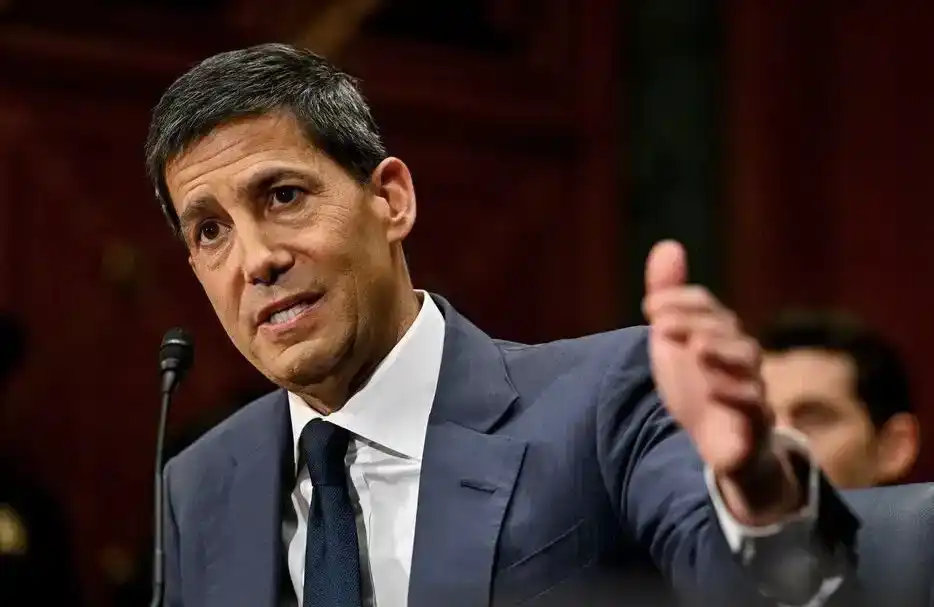
After the de-pegging fiasco occurred on the Terra ecosystem amid the recent bloodbath, Do Kwon, founder of the crypto project, proposed the Luna ‘Revival Plan 2’ a week ago to prevent a total collapse.
Afterward, the company announced today via a tweet that the proposal to salvage the Terra blockchain is now approved. In line with the newly developed structure of the blockchain, it was renamed Terra Classic. Similarly, its token name has changed to Luna Classic, with a ticker of LUNC. On the other side, the new blockchain will run its ecosystem by labeling the company’s existing name and token’s ticker.
Do Kwon had suggested carrying out what is known as a ‘hard fork’ in the industry language and pressed to split the blockchain into two halves. Then, the original operator of the crypto project, Terraform Labs, amended that proposal to leave the existing blockchain for users and instead forge a new blockchain entirely.
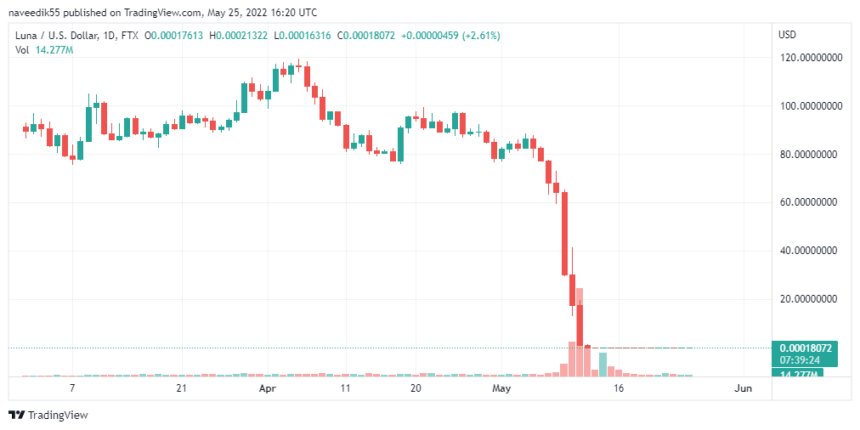
Terra has recorded one of the worst crashes in crypto history, which started at the beginning of this month. But, the result of Wednesday’s voting for Kwon’s proposal has shown the community a light of hope. Still, it remains to see whether it can recover completely.
Considering the approval of the Luna 2.0, the world’s prominent crypto exchange Binance has announced that it plans to work closely with the Terra ecosystem to strengthen the project. The announcement reads;
We are working closely with the Terra team on the recovery plan, aiming to provide impacted users on Binance with the best possible treatment. Stay tuned for further updates.
TerraForm Labs Plans To Distribute LunaClassic (LUNC) Among Affected Users
Again, this move will shift the stablecoin UST on the newly developed blockchain Terra Classic, designed for particularly maintaining a 1-to-1 peg. That means isolating the token’s operation from the old blockchain of TerraForm Labs.
Kwon declared that the company would award affected users with the newly designed Luna (LUNC) via airdrops. In order to recognize the users eligible for the airdrop, the team will verify the old Terra network participants with snapshots, who were holding Luna tokens and UST. In addition, the company notified that all assets and decentralized applications need to migrate to the new blockchain. And advised Luna and UST holders to transfer their assets to a native Terra wallet instead of storing them on exchanges.
Terra 2.0 proposal faced much backlash and vigorous debate from many investors and validators. But, thinking about the restitution from project owners, they changed their minds after seeing the value of the holdings of the project’s leadership disintegrate.
One other leading crypto exchange, Houbi Global, also voiced support for the reversal of the Terra ecosystem and announced on Twitter that the platform will list LUNA 2.0 once it is launched.
65% of Wednesday’s final tally of voters favored the proposal, while 21% abstained. Similarly, around 13% of the remaining votes expressed “no with the veto.” The Kwon proposal won by a lead of over 33%.