Fed Report: 12% Of American Adults Invested In Crypto In 2021

BitcoinistPublicado a 2022-05-24Actualizado a 2022-05-24

Resumen

The Fed Reserve has released its annual study on Americans’ financial life, and it shows that they are more likely to utilize cryptocurrency as an investing tool than as a means of payment.

The Fed Reserve has released its annual study on Americans’ financial life, and it shows that they are more likely to utilize cryptocurrency as an investing tool than as a means of payment.

Fed Report Shows Booming Crypto Economy

The report, Economic Well-Being of US Households in 2021, is based on the Federal Reserve Board’s ninth annual Survey of Household Economics and Decisionmaking, which was distributed in October and November of 2021. The subsequent study included data on cryptocurrency use for the first time.

According to the report, 12% adults held or used cryptocurrencies in 2021. According to the report, crypto is preferred as an investment tool over a transactional one, with only 2% of adults using it for purchases and 1% for sending money to friends or family.
The report noted that American consumers have little interest in cryptocurrency as a currency. They’re mostly investors, not traders, and only 3% of those polled claimed they’d paid in or sent cryptocurrency in the previous year. On the other hand, 11% had invested in cryptocurrency.

Pure-play investors made $100,000 or more in 46% of cases.

It was also reported that low-income persons were more inclined to use cryptocurrency for transactions. Thirteen percent of people who utilized cryptocurrency for these transactions did not have a typical bank account, and 27% did not have a credit card. Nearly six out of ten persons who use cryptocurrency for transactions earn less than $50,000, while only 24% earn more than $100,000.

Cryptocurrency Helps The Unbanked

According to the survey, 6% of the population in the United States is unbanked, with black (13%) and Hispanic (11%) individuals having fewer bank accounts than the general adult population.

Cryptocurrencies, according to proponents, provide a relatively easy way for disenfranchised and unbanked communities to access sophisticated payment systems. Even in countries with sophisticated banking sectors, such as the United States, the Fed research may support that notion.

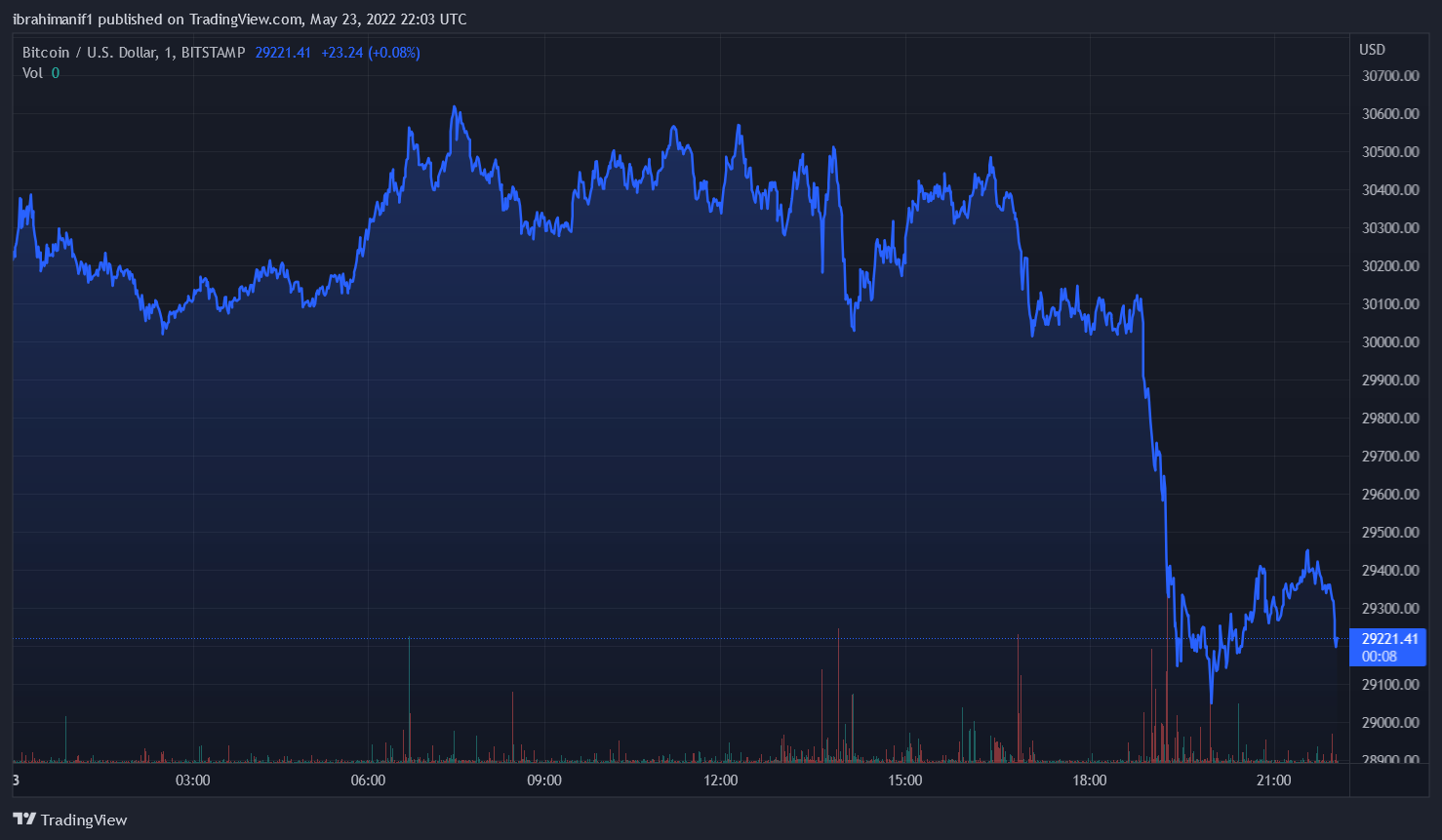
In 2020 and 2021, a bull run saw the price of Bitcoin rise from $3,000 to $69,000, igniting widespread interest in cryptocurrencies.


Lecturas Relacionadas

Bajando las expectativas para el próximo ciclo alcista de BTC

**Resumen del artículo: "Bajar las expectativas para el próximo ciclo alcista de BTC" por Alex Xu** El autor, que tenía a Bitcoin como su mayor activo, ha reducido progresivamente su exposición durante el actual ciclo alcista: eliminó el apalancamiento a 70k y redujo su posición de un 100% a un 30% entre 100k-120k. Recientemente, vendió más a 78k-79k, argumentando una revisión a la baja de las expectativas para el próximo máximo alcista. Las razones principales son: 1. **Narrativa de adopción agotada:** El impulso de adopción masiva (de minorista a institucional vía ETFs) parece agotado. El siguiente paso, la adopción por bancos centrales o fondos soberanos importantes, se ve muy difícil a corto plazo. 2. **Coste de oportunidad:** El autor ha identificado otras oportunidades de inversión en empresas atractivas. 3. **Contracción del ecosistema crypto:** La mayoría de modelos de negocio Web3 (SocialFi, GameFi, DePIN) no han funcionado. Solo DeFi genera valor, pero se contrae por la falta de activos nativos de calidad, lo que reduce la base de usuarios y holders de BTC. 4. **Problemas del mayor comprador:** MicroStrategy, el mayor tenedor corporativo, enfrenta un coste de financiación creciente (11.5% para su préstamo perpetuo), lo que podría ralentizar su ritmo de compra y ejercer presión vendedora. 5. **Competencia del oro tokenizado:** El oro tokenizado ha cerrado la brecha en portabilidad y divisibilidad, erosionando la ventaja competitiva de BTC como "oro digital". 6. **Problema de seguridad:** La reducción de la recompensa por minado (halving) amenaza la seguridad de la red, ya que las nuevas fuentes de ingresos por fees (como las inscripciones) no han podido dar solución. Conclusión: El autor mantiene una posición significativa en BTC y espera que suba, pero es menos optimista sobre su potencial alcista. Vender en la reciente subida fue una decisión táctica. Si sus razones para ser bajista se invalidan, estaría abierto a recomprar, aceptando si se equivoca y el precio sube.

marsbit04/27 02:49

Bajando las expectativas para el próximo ciclo alcista de BTC

marsbit04/27 02:49

Trading

Spot
Futuros
活动图片