Why THIS altcoin pain could be the setup for a 2026 breakout

ambcryptoPublished on 2025-12-14Last updated on 2025-12-14

Abstract

Altcoins, particularly within the Solana ecosystem and memecoins, are experiencing significant weakness and showing signs of capitulation against Bitcoin. While Bitcoin continues to dominate, speculative tokens are under stress, and capital is shifting toward altcoins with clearer use cases, such as payment-focused tokens. A head-and-shoulders pattern on the Bitcoin dominance chart suggests a potential trend change. If dominance breaks below the neckline, capital could quickly rotate into altcoins, leading to sudden rallies, especially in the hardest-hit sectors. Long-term, altcoins are near base zones similar to those before the 2017 and 2021 bull runs. Momentum indicators like RSI and MACD are at levels that historically preceded major expansions. The key catalyst may be liquidity: past cycles show altcoins rally when central banks stop draining and start adding liquidity. With T-bill purchases resuming and small-cap stocks leading, the pattern suggests a larger altcoin breakout could be set for 2026.

Altcoins are having a rough time, and the pain is most visible in the Solana ecosystem. Bitcoin continues to dominate, while many smaller tokens are stuck in a slump.

However, rotation may be around the corner.

Is this pressure just the cost of waiting for what comes next?

Altcoins are feeling the pain
Source: Alphractal

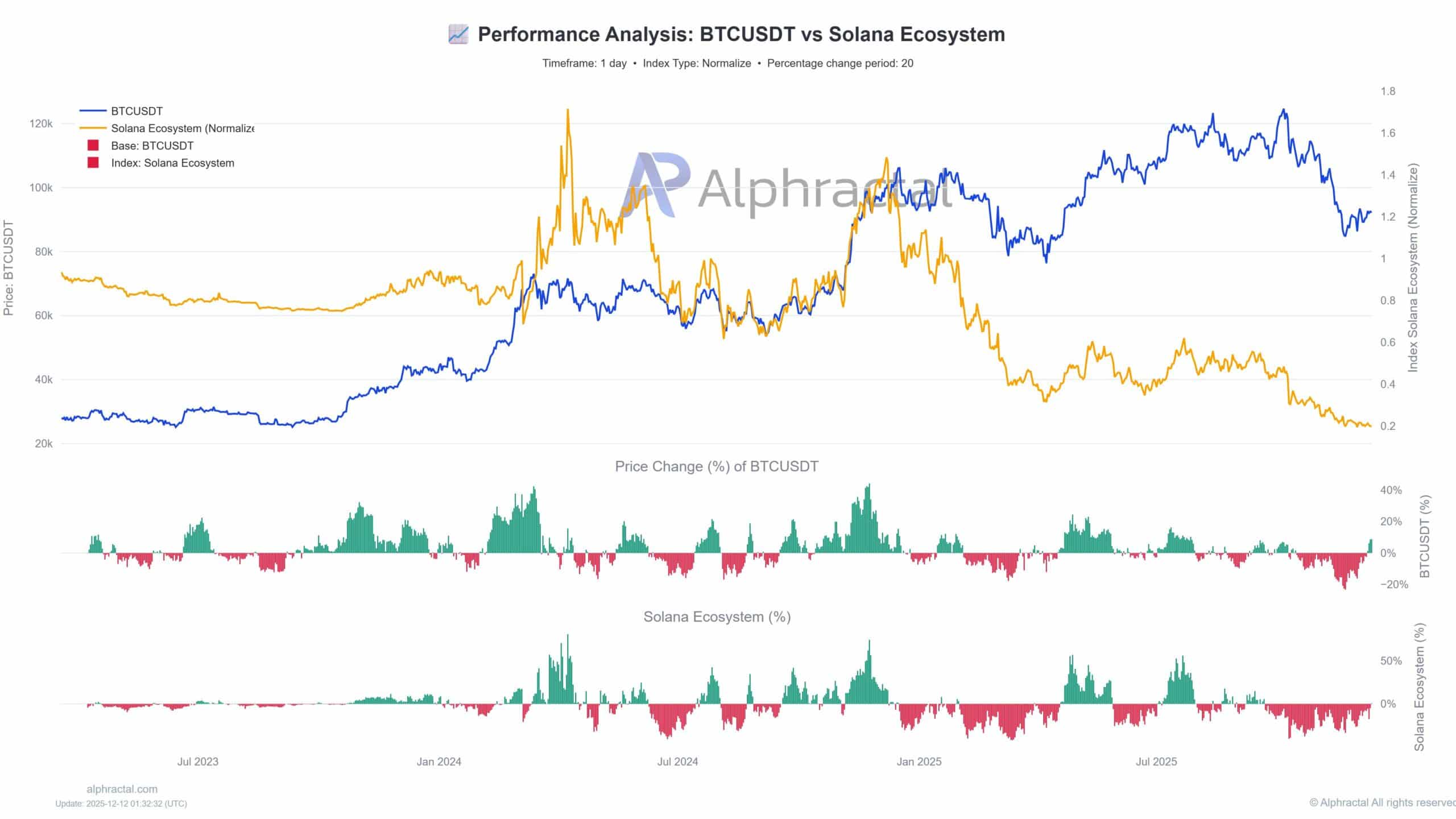
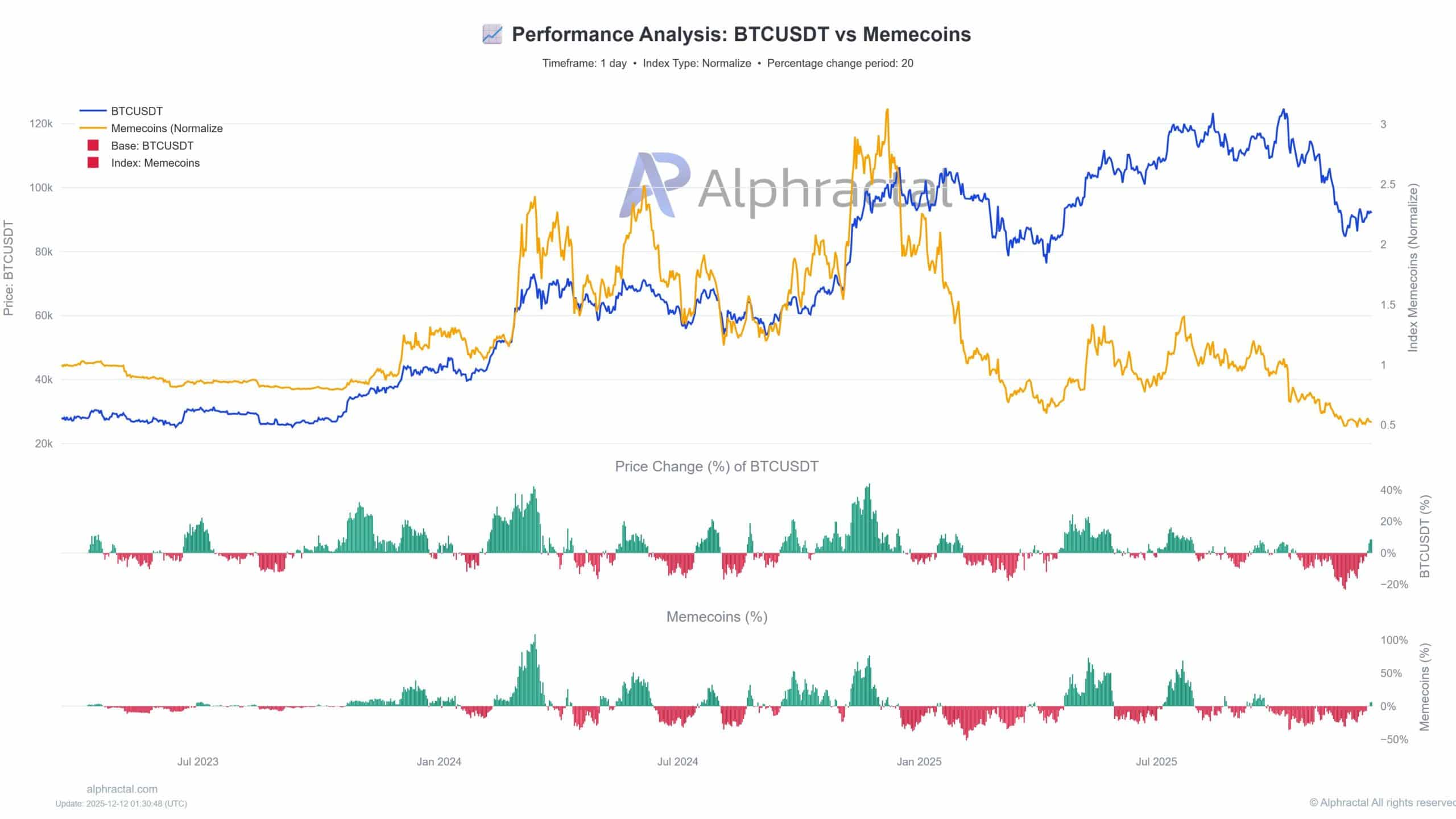
Data shared by Alphractal showed Solana [SOL] ecosystem tokens and memecoins falling against Bitcoin. Looked like capitulation-level stress.
Source: Alphractal

These are the parts of the market that thrived on hype, and they’re now giving most of it back.
Source: Alphractal

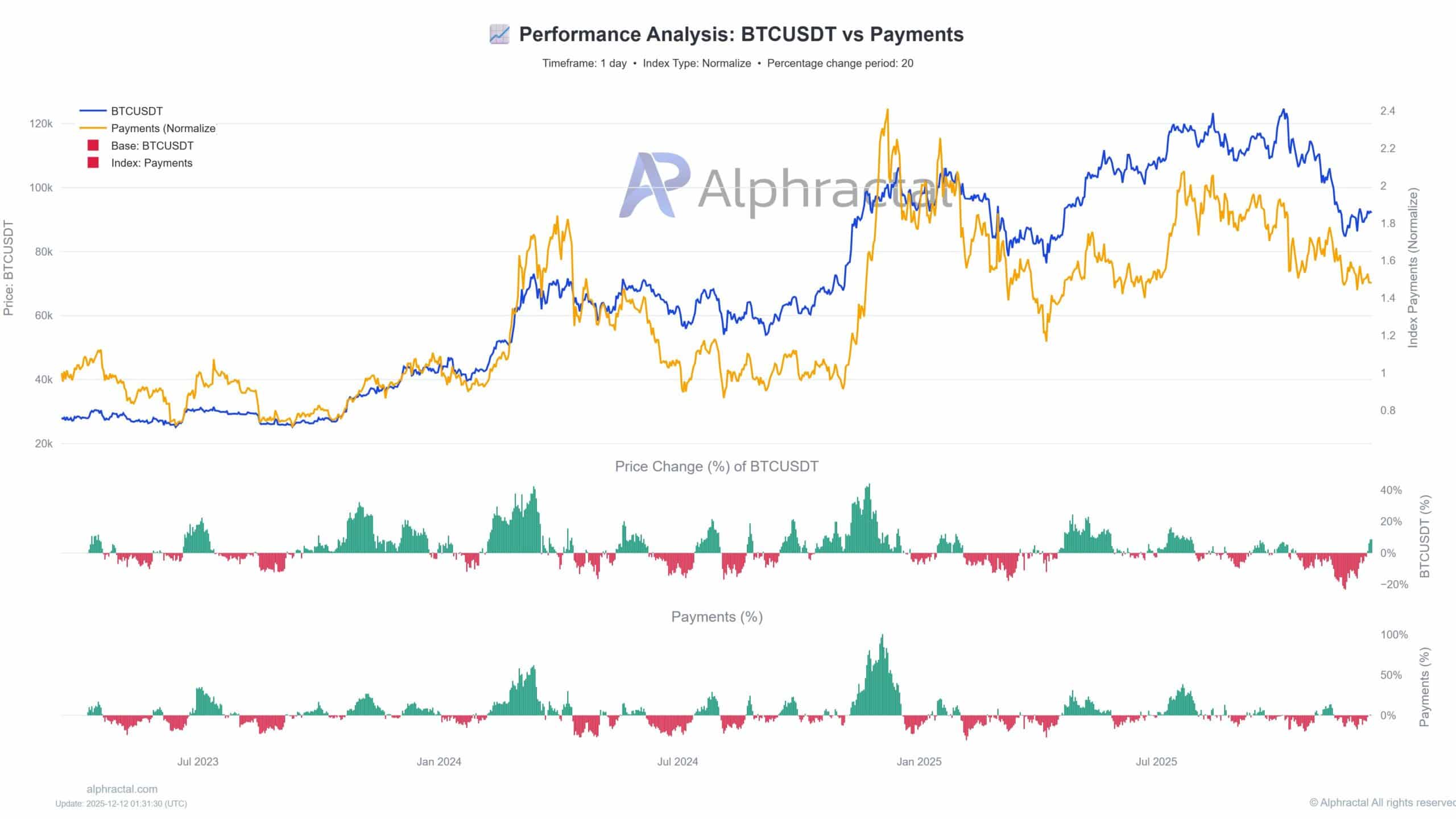
In contrast, payment-focused altcoins were holding up better.

They didn’t rally, but their declines were shallower and more stable compared to speculative coins. Capital has been going to tokens with clearer use cases.

Alts move fast

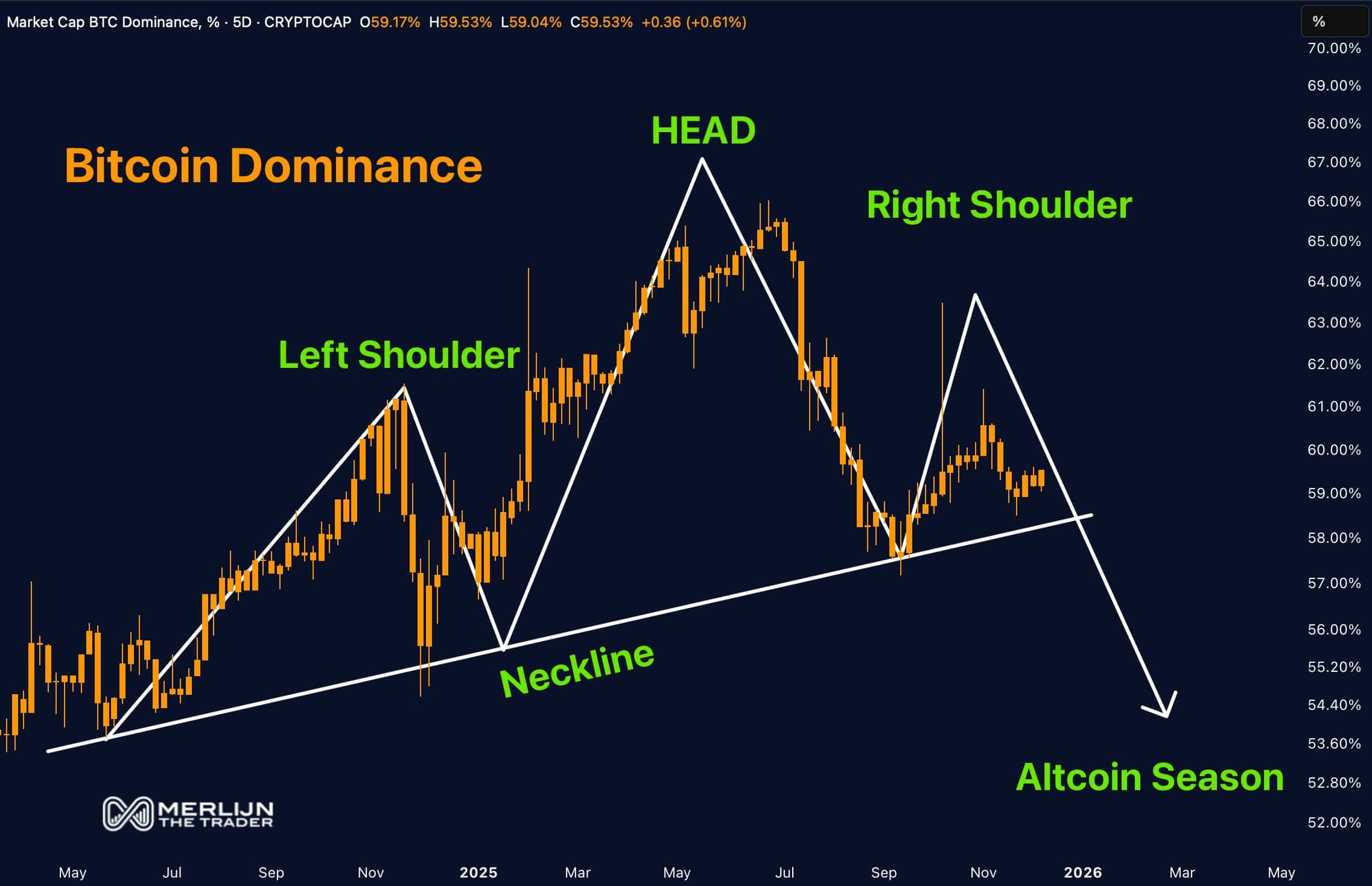
After weeks of stress, the focus shifted to Bitcoin [BTC] dominance. The BTC.D chart showed a clear head-and-shoulders pattern forming, and that is a structure that often means a change in trend.
Source: X

The key level to watch would be the neckline. When dominance breaks below it, capital has so far rotated quickly out of Bitcoin and into altcoins.

This happens quickly. Once dominance turns, altcoin rallies tend to be sudden, and are led by sectors that were previously hit the hardest.

But when you zoom out…
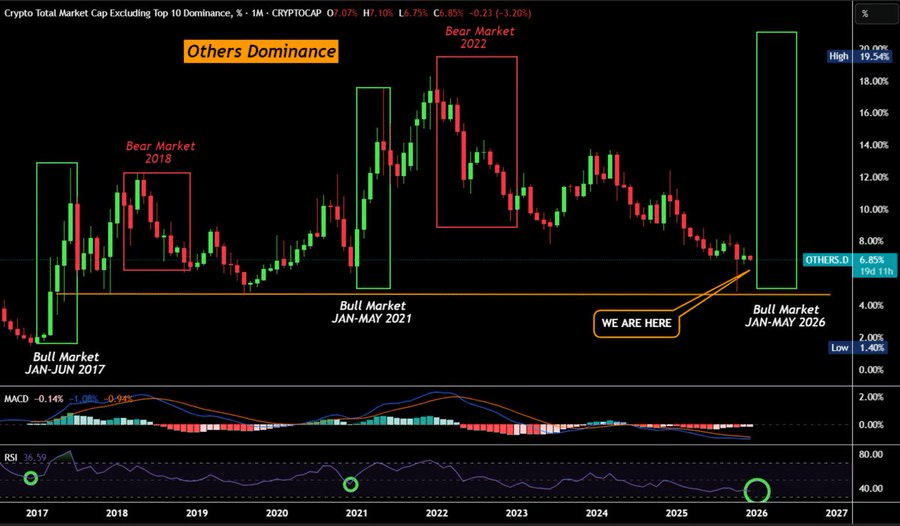
OTHERS’ dominance showed altcoins near the same base zones seen before the 2017 and 2021 rallies. Momentum indicators like RSI and MACD were also at levels that previously appeared before long expansions.

The bigger link is liquidity.

Source: X

In past cycles, altcoins only turned once central banks stopped draining liquidity and began adding liquidity. That may be starting again.

T-bill purchases have resumed, small-cap stocks are leading, and markets are pricing in more support ahead. If the pattern repeats, the real altcoin moves may be delayed (but much larger) into 2026!


Final Thoughts

  • Altcoins, especially Solana memecoins, are showing capitulation-level weakness.
  • They may be near a long-term base, with a larger rotation potentially setting up into 2026.
Next: All about RAVE’s debut – $3M revenue, 9 exchanges & more…
Share
  • Share
  • Tweet

Related Reads

Bitcoin's Financial War: How Digital Gold is Disrupting the Traditional Banking System?

In "The Financial War of Bitcoin: How Digital Gold is Disrupting the Traditional Banking System," the author frames the global financial landscape as a conflict between two forces: the "Financialists" and the "Sovereignists." The "Financialists"—central banks, major financial institutions, and old banking families—are described as having controlled the global financial system for over a century through a complex web of debt, derivatives, and credit instruments. Their power stems not from owning assets, but from controlling the claims on them. In contrast, the "Sovereignists"—nation-states, corporations, and individuals seeking autonomy—are turning to Bitcoin as an escape from this system. The pivotal moment in this "war" was not Bitcoin's creation, but MicroStrategy's demonstration that Bitcoin could function as collateral within the traditional capital markets through its innovative financial product, STRC. STRC, a regulated, yield-bearing product backed by Bitcoin, offers significantly higher returns than traditional savings accounts. More importantly, it creates a self-reinforcing "flywheel": investor funds flow in, MicroStrategy buys more Bitcoin, reducing supply and increasing its price, which in turn boosts the value of its collateral and attracts more investors. The article details the "synthetic counterattack" from traditional finance, such as J.P. Morgan raising margin requirements on MicroStrategy stock and later launching synthetic Bitcoin products like leveraged notes. This is characterized as a desperate attempt to control the "rails" of the new financial system by creating claims on Bitcoin, as they have with gold and other assets, rather than owning the underlying asset itself. The core argument is that Bitcoin represents a fundamental shift because it is a scarce, hard asset that cannot be synthetically multiplied like traditional collateral (e.g., dollars, gold certificates, or bonds). While Wall Street is now embracing Bitcoin through ETFs and structured products to capture fees and control, the author concludes that individuals don't need these synthetic versions. The real power lies in owning the actual, scarce asset itself, bypassing the traditional banking system entirely. Those who understand this early will be the winners in this financial transformation.

链捕手1h ago

Bitcoin's Financial War: How Digital Gold is Disrupting the Traditional Banking System?

链捕手1h ago

Trading

Spot
Futures
活动图片