# Trust Related Articles

HTX News Center provides the latest articles and in-depth analysis on "Trust", covering market trends, project updates, tech developments, and regulatory policies in the crypto industry.

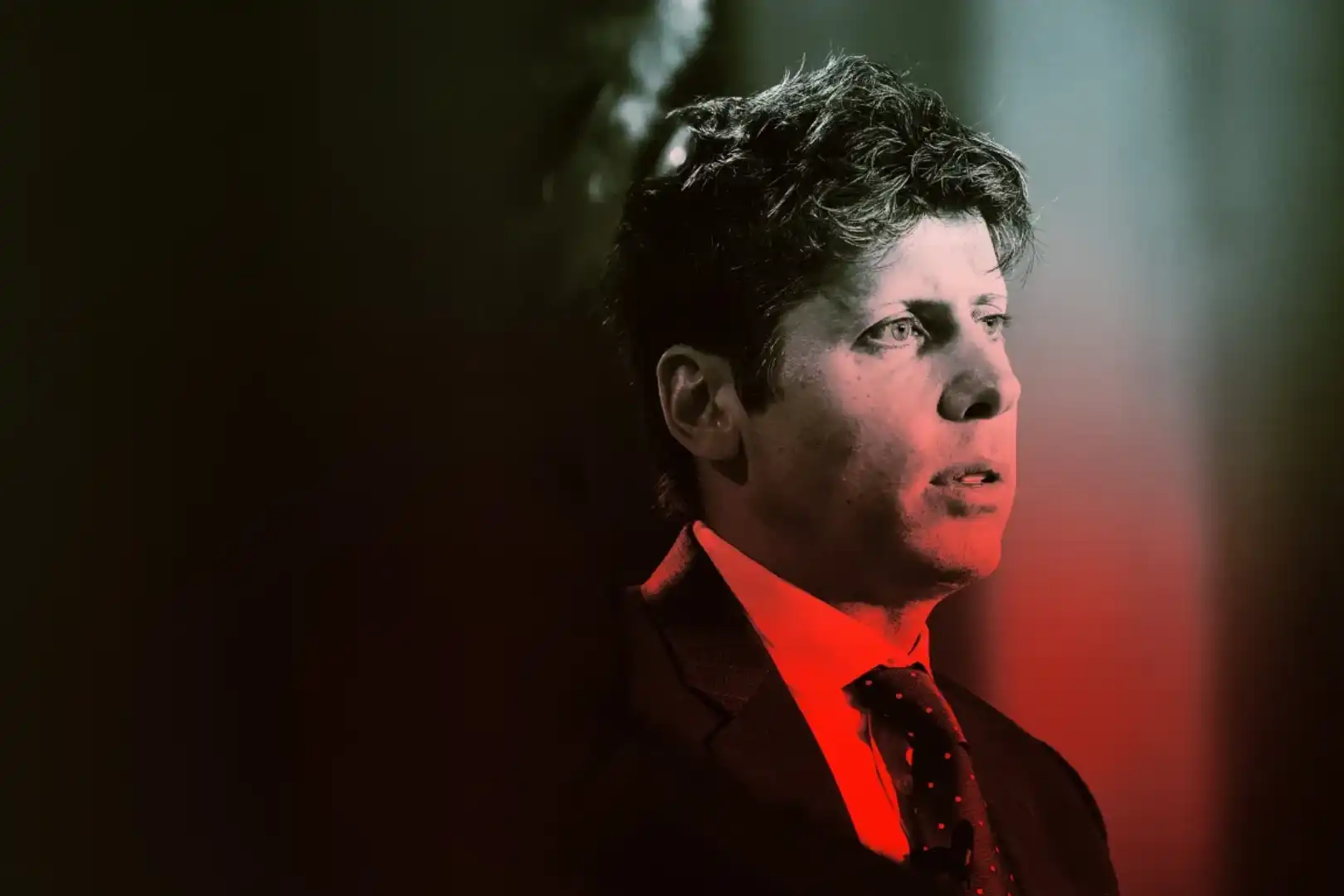
The New Yorker In-Depth Investigation Analysis: Why Do OpenAI Insiders Believe Altman Is Untrustworthy?

"The New Yorker investigation, based on internal documents and interviews with over 100 sources, reveals deep internal distrust in OpenAI’s leadership, particularly toward CEO Sam Altman. Key allegations include a pattern of dishonesty, undermining safety protocols, and prioritizing commercial interests over OpenAI’s original non-profit mission to develop AI safely. Chief Scientist Ilya Sutskever compiled a 70-page dossier accusing Altman of repeatedly lying to the board—for instance, falsely claiming GPT-4 features had passed safety reviews. Anthropic co-founder Dario Amodei’s private notes further detail how Microsoft’s investment deal effectively neutered OpenAI’s safety commitments. The report also highlights unfulfilled promises, such as allocating only 1-2% of promised computing resources to critical safety teams. Internal conflicts extend to CFO Sarah Friar, who opposed Altman’s aggressive IPO timeline amid financial concerns. Microsoft executives compared Altman to fraudsters like SBF, citing a tendency to distort facts and renege on agreements. Critics argue that Altman’s unchecked authority and alleged disregard for transparency pose significant risks given OpenAI’s powerful, potentially dangerous AI technology. The company’s transformation from a safety-first non-profit to a profit-driven entity raises fundamental questions about its governance and ethical commitments."

marsbit04/07 03:40

The New Yorker In-Depth Investigation Analysis: Why Do OpenAI Insiders Believe Altman Is Untrustworthy?

marsbit04/07 03:40

In the AI Era of Spending $2 to Earn $1, Founders Who Don't Build an IP Are Being Phased Out

In the AI era, founders who neglect building a personal IP are being left behind. Top VC firm a16z now runs an 8-week fellowship program to train storytellers and content creators for its portfolio companies, signaling a strategic shift. Key drivers: - Customer acquisition costs (CAC) have surged 222% over 10 years, with SaaS companies spending $2 to earn $1 in annual revenue. - AI has accelerated product homogenization, shrinking competitive advantages from years to just 3-12 months. - Consumers increasingly trust authentic human voices: 71% distrust AI-heavy brand communication, while 67% pay more for founder-aligned values. Case studies demonstrate the power of founder IP: - Sam Altman’s personal Twitter (4.5M followers) often outperforms OpenAI’s official account, amplifying the company’s narrative and valuation growth. - Perplexity CEO Aravind Srinivas, with zero marketing budget, grew valuation 133x to $21.2B through transparent, direct user engagement. - Midjourney, with just 10-15 employees, achieved $500M revenue by leveraging founder David Holz’s Discord community interactions. - Even non-founder IP like Duolingo’s brand personality (a “crazy” owl) drove user growth from 37M to 117M MAU. However, founder IP is a double-edged sword—Elon Musk’s influence boosted Grok’s market share but also contributed to a 53% drop in Tesla’s brand value due to controversial statements. The conclusion: Product strength is the foundation (the “1”), but founder IP is the multiplier (the “0”). In an era of rising CAC and AI-driven sameness, a founder’s authentic voice is becoming the most efficient growth lever and durable moat.

marsbit04/02 07:05

In the AI Era of Spending $2 to Earn $1, Founders Who Don't Build an IP Are Being Phased Out

marsbit04/02 07:05

活动图片