Popular Interaction Collections | Rialo Demo Testnet Now Live; Early Whitelist Application for Elastics (May 10)

Odaily星球日报Published on 2026-05-10Last updated on 2026-05-10

Abstract

Popular Interaction Roundup: Rialo Demo Testnet Live; Elastics Early Whitelist Applications (May 10th) This article highlights three notable blockchain projects currently open for user interaction and early access. 1. Rialo: A "Real-World Blockchain" developed by Subzero Labs, aiming to make decentralized applications as user-friendly and performant as Web2 apps while integrating real-world data. It recently completed a $20 million seed round led by Pantera Capital. The demo testnet is live; users can sign up on the playground, claim testnet $RIALO tokens, and explore four available features: Meridian, Guarded Vault, Ermac, and Project 1337. 2. Elastics: An AI agent project for prediction markets, allowing users to trade using natural language. It automates market scanning, analysis, and trading. The project announced a $2 million pre-seed round. For early access, users are advised to join the official Discord server to try for early roles and fill out the whitelist application form on the official website. 3. Saturn: A Bitcoin-based digital credit stablecoin protocol, powered by products related to MicroStrategy's Michael Saylor. It targets yields over 11% for DeFi and announced a $2 million seed round. Notably, 5% of its total token supply will be allocated to users interacting in Season 1. The interaction involves connecting a wallet, depositing USDC to mint sUSDat/srUSDat, and then providing srUSDat to Pendle to earn points. All projects provide links for direct u...

Original | Odaily Planet Daily (@OdailyChina)

Author | Asher(@Asher_0210)

Rialo: A Blockchain Built for the "Real World"

Project Introduction

Rialo is a blockchain project developed by Subzero Labs, positioned as a "Real-World Blockchain". It aims to address the pain points of traditional blockchains in real-world applications, making decentralized applications as easy to use, high-performance, and seamlessly integrated with real-world data as Web2 applications.

In August 2025, Rialo announced the completion of a $20 million seed round, led by Pantera Capital, with participation from Variant, Coinbase Ventures, and others.

Interaction Tutorial

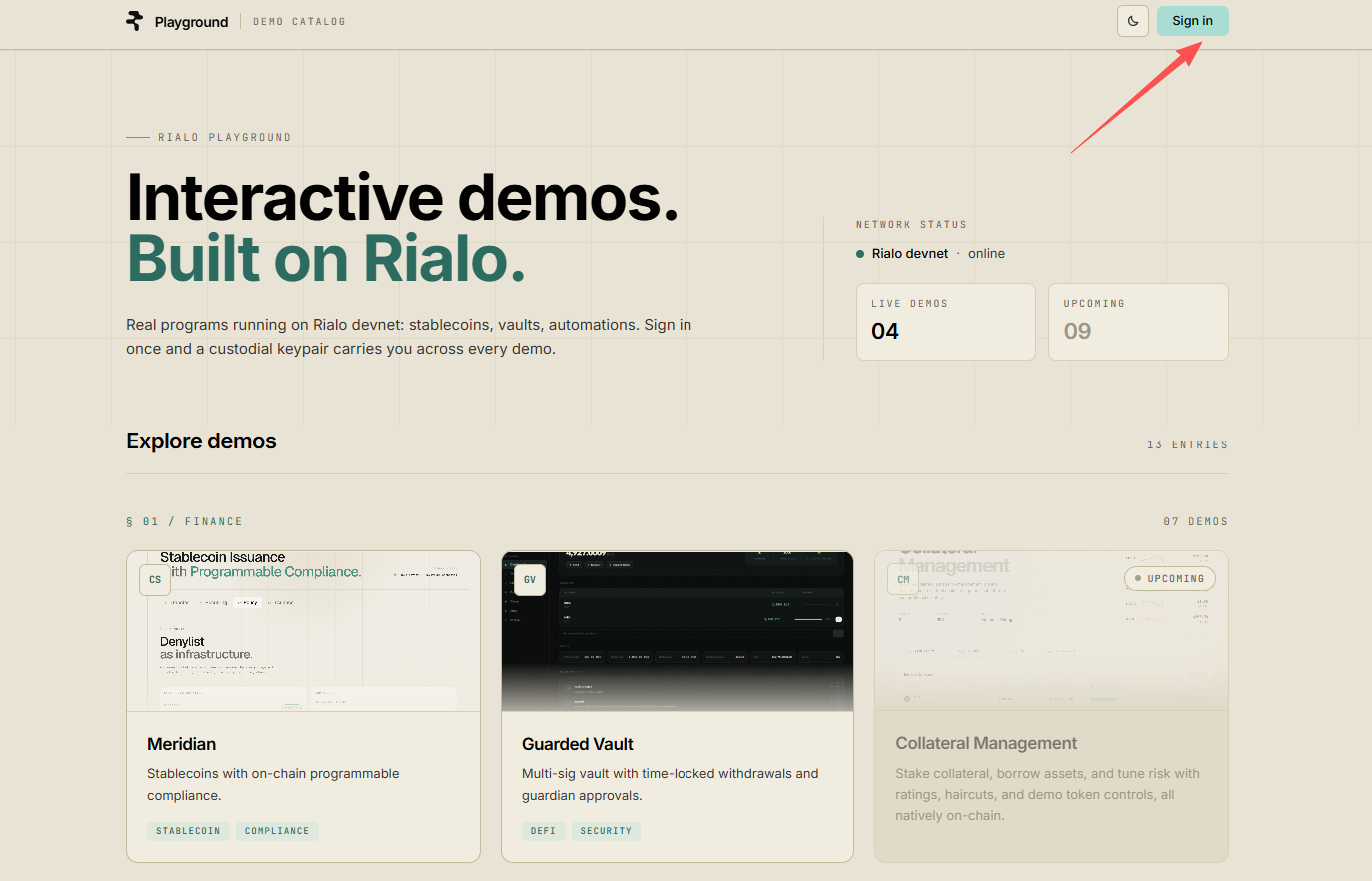
STEP 1. Go to the website (Link:https://playground.rialo.io/), click "Sign in" at the top right to complete account registration.
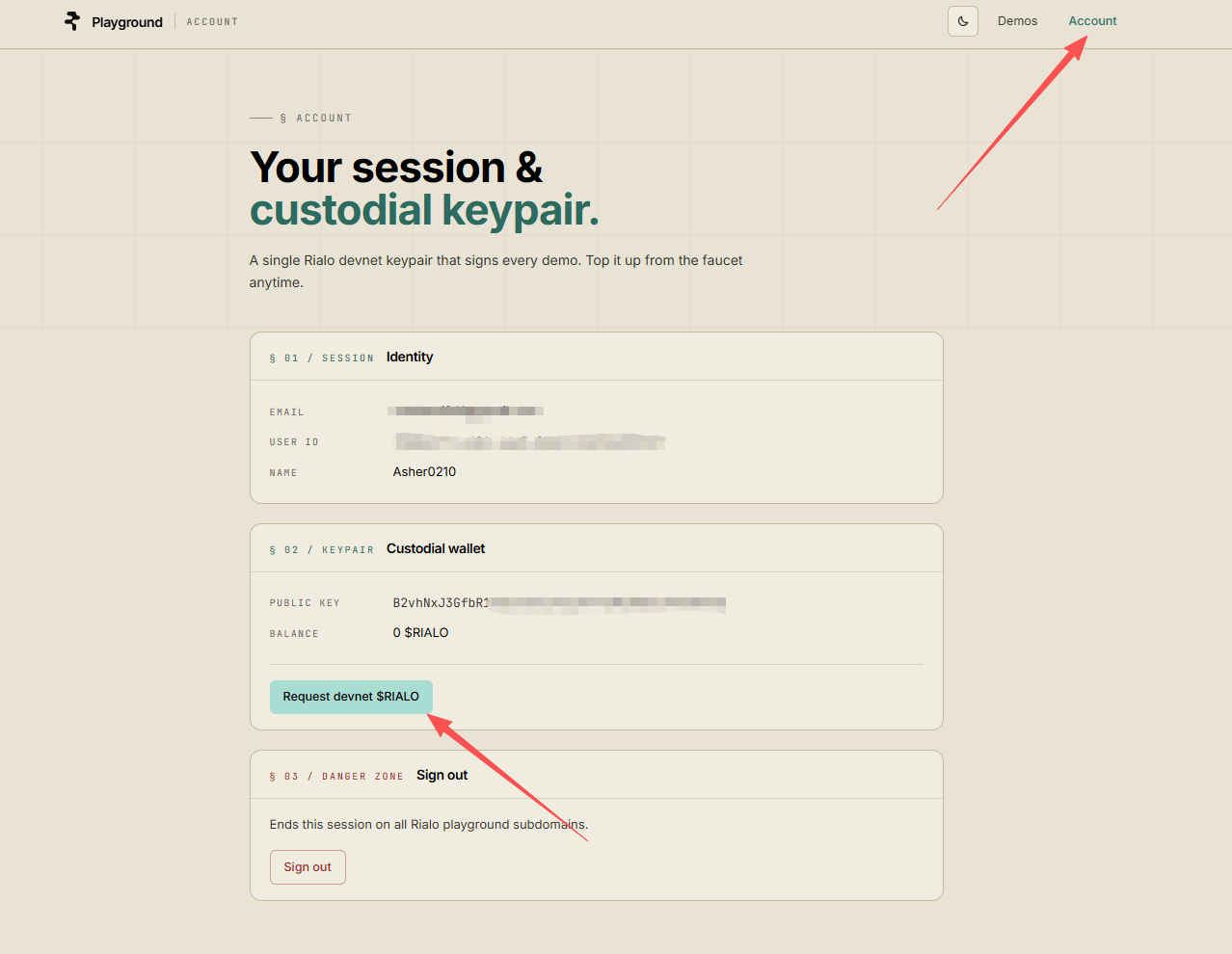
STEP 2. Click "Account" and then click "Request devnet $RIALO" to claim test tokens.
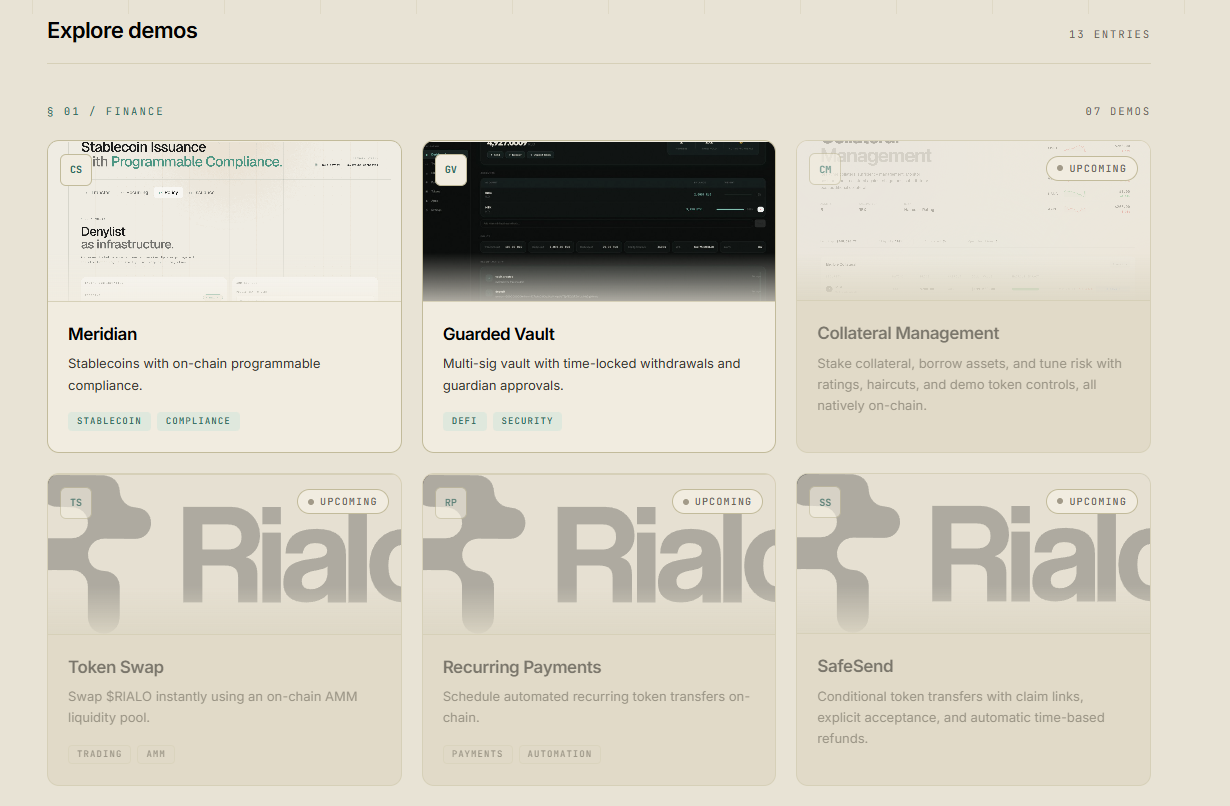
STEP 3. Return to the homepage and experience the four live functions: Meridian, Guarded Vault, Ermac, and Project 1337.
Elastics: AI Agent for Prediction Markets

Project Introduction

Elastics is an AI agent project focused on prediction markets, allowing users to trade with natural language ("Trade with Words"). It uses AI Agents to automatically scan markets, analyze data, execute trades, and manage portfolios and risks. Currently, it primarily connects to major prediction markets like Polymarket and Kalshi, providing a unified trading interface and access to real-time/historical data.

On May 5, Elastics announced on X platform the completion of a $2 million pre-seed funding round, led by Fist, with participation from A16z, etc.

Interaction Tutorial

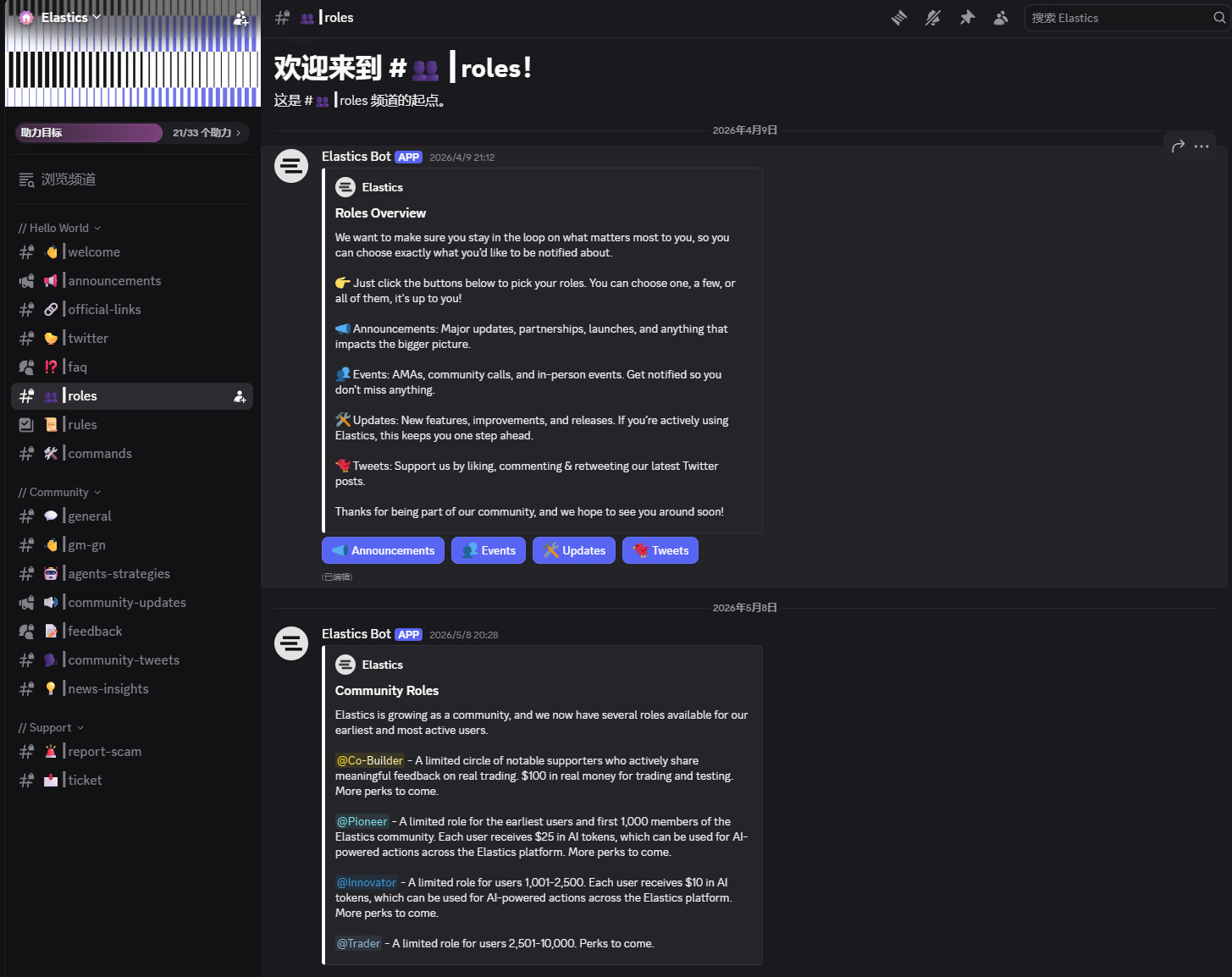
STEP 1. Go to the official Discord (Link:https://discord.com/invite/elastics), try to obtain an early role.
STEP 2. Go to the official website (Link:https://app.elastics.ai/sign-in), fill out the whitelist application to gain early access.
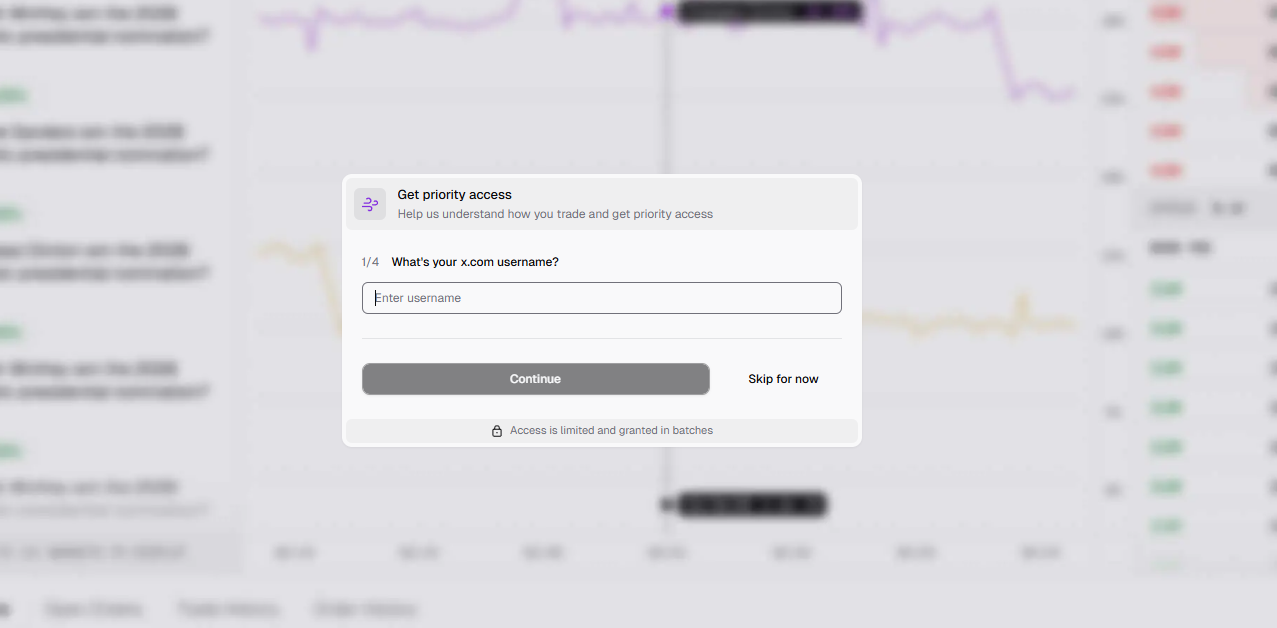
Saturn: Bitcoin-Based Digital Credit Stablecoin Protocol

Project Introduction

Saturn is a Bitcoin-based digital credit stablecoin protocol, driven by Strategy (related to MicroStrategy/Michael Saylor)'s STRC product, aiming to provide 11%+ Bitcoin-backed yields for DeFi.

On May 7, Saturn announced on X platform the completion of a $2 million seed round, led by The Spartan Group. Additionally, on May 6, Saturn's official announcement stated that 5% of the total token supply will be distributed to users who participated in interactions during Season 1.

Interaction Tutorial

STEP 1. Go to the website (Link:https://app.saturn.credit/), click "CONNECT WALLET" to complete personal account login.
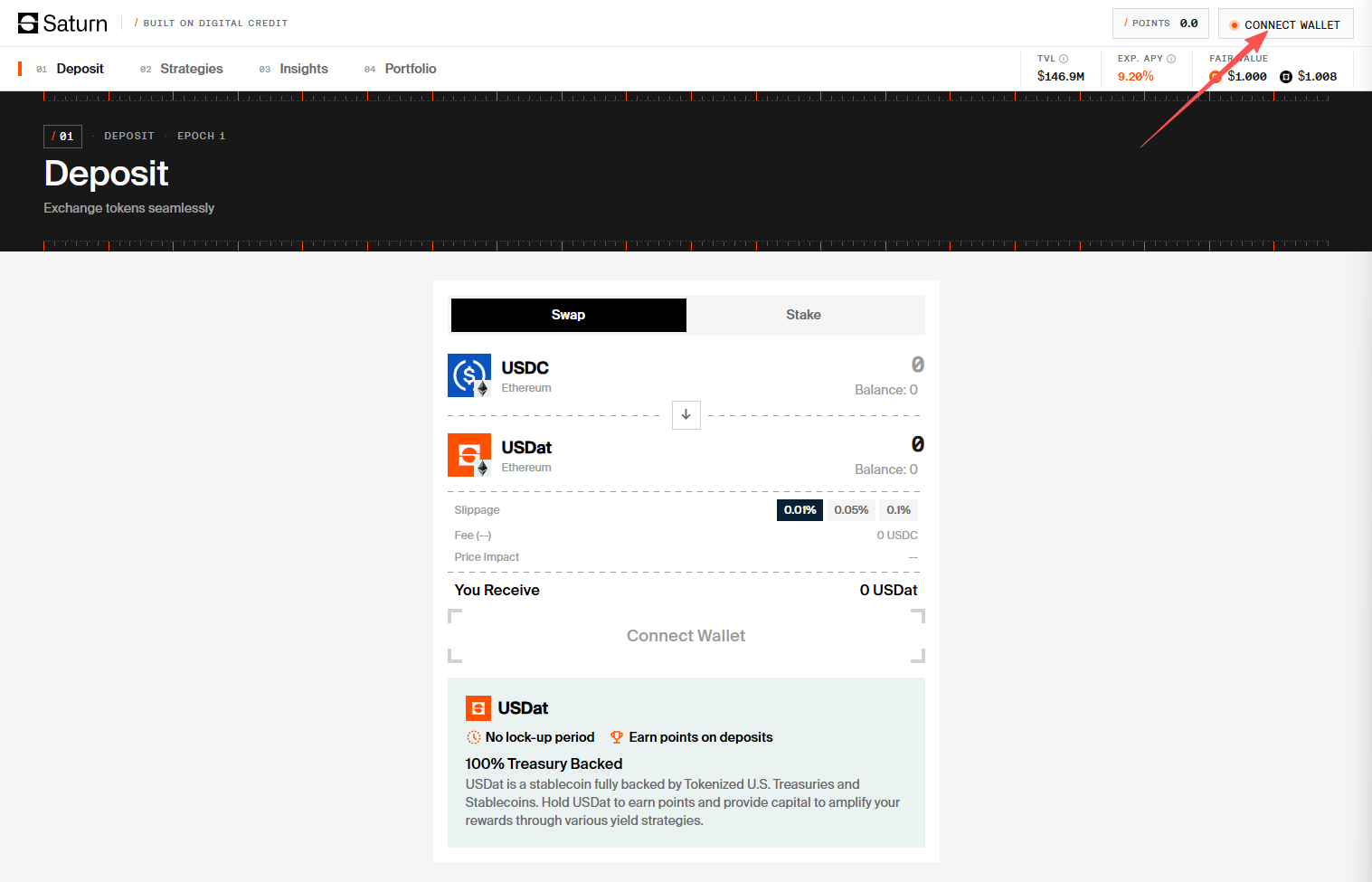
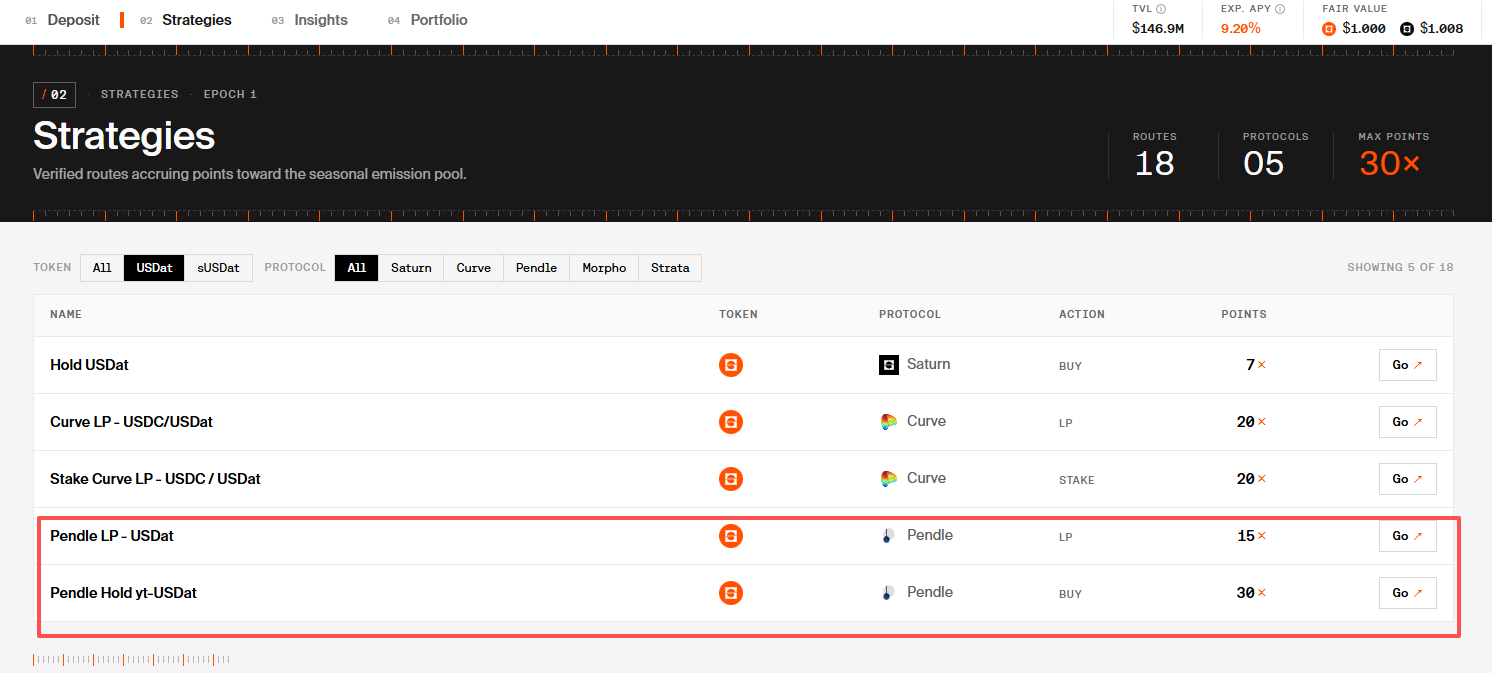
STEP 2. Deposit stable USDC to mint sUSDat / srUSDat, and place srUSDat on Pendle as PT/YT to earn points.
Related Questions

QWhat is the main purpose of the Rialo blockchain project, and who led its $20 million seed round funding?

ARialo is positioned as a 'Real-World Blockchain' aimed at solving the pain points of traditional blockchains in real-world applications, making decentralized applications as easy to use, high-performance, and seamlessly integrated with real-world data as Web2 applications. Its $20 million seed round in August 2025 was led by Pantera Capital.

QWhat are the two primary steps for users to start interacting with the Rialo testnet, according to the tutorial?

AThe two primary steps are: 1) Go to the Rialo Playground website and click 'Sign in' to register an account. 2) After logging in, click 'Account' and then 'Request devnet $RIALO' to claim test tokens.

QWhat is the core function of the Elastics project, and what was the amount and lead investor of its recent pre-seed funding?

AElastics is an AI agent project focused on prediction markets, allowing users to trade using natural language. It recently completed a $2 million pre-seed funding round, which was led by Fist.

QWhat is the basis of the Saturn protocol's stablecoin and what incentive did it announce for its Season 1 participants?

ASaturn is a stablecoin protocol based on Bitcoin digital credit, driven by products from Strategy (related to MicroStrategy/Michael Saylor). It announced that it will distribute 5% of its total token supply to users who participated in interactions during Season 1.

QWhat are the three projects mentioned in the article that recently announced fundraising successes, and what are their respective total raised amounts?

AThe three projects are Rialo, Elastics, and Saturn. Rialo raised $20 million in seed funding. Elastics raised $2 million in pre-seed funding. Saturn raised $2 million in seed funding.

Related Reads

From KYC to KYA, Is It Time to Give AI Agents Their Own 'ID Cards'?

Titled "From KYC to KYA: Is It Time to Issue 'Identity Cards' for AI Agents?", this article discusses the emerging concept of Know Your Agent (KYA) as AI agents become increasingly autonomous. In Agent-to-Agent (A2A) scenarios, where agents execute contracts, payments, and trades without human intervention, the lack of a shared identity standard creates risks like unauthorized transactions, fraud, and accountability gaps. KYA acts as a trust layer to verify an agent's origin, authority, and accountability. The need for KYA is most critical outside centralized platforms (like Google or Coinbase), such as in decentralized exchanges (DEX), A2A payments, and merchant payments. Several key players are building KYA infrastructure: - **ERC-8004**: A proposed Ethereum standard that issues a unique AgentID as an NFT, building on-chain identity, reputation, and validation systems. - **Visa TAP**: Visa's solution issues agent identity credentials, with transactions verified via triple signatures (legitimacy, delegator, payment method). - **Trulioo**: Extends its KYC/KYB compliance infrastructure using a Digital Passport for Agents (DAP), issued after verifying both the developer and user, and refreshed per transaction. - **Sumsub**: Focuses on post-issuance real-time verification, detecting agent anomalies during transactions using its existing compliance systems. Regulatory bodies are also acting. The EU AI Act mandates operator identification in logs for high-risk AI systems, the US NIST prioritizes agent identity management standards, and Singapore has released a national AI governance framework. Similar to how the 2019 FATF Travel Rule impacted crypto exchanges, possessing KYA infrastructure may determine market entry in the AI agent era. The market is expected to segment rather than produce a single winner, with success depending on integrations with merchants, payment networks, and KYC client bases.

marsbit27m ago

From KYC to KYA, Is It Time to Give AI Agents Their Own 'ID Cards'?

marsbit27m ago

The Next Generation of Payments Lies Not in the Payment Layer

The Next-Generation of Payment is Not in the Payment Layer This is the second piece in a series analyzing Stripe's AI strategy. The series stems from Stripe's vision of becoming the economic infrastructure for the AI Agent era, announced at Stripe Sessions 2026. A key debate centers on whether Know Your Agent (KYA) is merely an upgrade to existing payment systems. The author argues the opposite: payment will become a subsystem of KYA, not the other way around. Historically, major payment innovations (online banking, mobile wallets, QR codes) emerged from new transaction scenarios that broke the underlying assumptions of old systems, not from optimization within the payment layer itself. Agent economy is that new scenario, and KYA is the foundational infrastructure growing to support it. KYA's proposed five layers—Agent Identity, Authorization Scope, Intent Signing, Liability Chain Auditing, and Credit Rating—extend far beyond payments. Only authorization and auditing directly touch the payment链路. Identity, intent, and credit layers serve broader needs like cross-platform calls, AI alignment, and permission management. Stripe's strategic moves validate this view. Its focus on "economic infrastructure for AI," investments in protocols like Agentic Commerce Protocol (an identity/session protocol), Shared Payment Tokens, stablecoin infrastructure, embedded wallets, and its own Tempo blockchain for settlement, all point to building the KYA layer, not just optimizing payments. Data shows the core challenge in AI commerce has shifted upstream: determining "who this is, what they intend to do, and if they deserve resources" happens long before checkout. This is why Stripe is moving its Radar fraud prevention from the transaction moment to the entire user lifecycle—a KYA-layer concern. Legally, ultimate responsibility will still fall on a human, as laws like AB 316 dictate. However, in a distributed,网状 liability chain involving users, Agent platforms, model providers, and payment protocols, KYA's role is to use cryptography to make every entity's actions and roles verifiable and traceable. This enables accountability where it was previously impossible to pinpoint evidence, fundamentally changing责任追溯, not just payment efficiency. The next-generation payment形态 will not be designed within the payment layer. It will emerge from the Agent economy scenario after the KYA infrastructure is established.

marsbit2h ago

The Next Generation of Payments Lies Not in the Payment Layer

marsbit2h ago

The Next Generation of Payments Is Not in the Payment Layer

The next generation of payments won't be designed within the payment layer itself. This article argues that historical payment innovations (e.g., online banking, mobile wallets) emerged from new transactional scenarios, not from optimizing existing payment systems. The new scenario is the Agent economy. Know Your Agent (KYA) is not merely a payment-layer upgrade for efficiency. It is the foundational infrastructure layer for the Agent economy. KYA’s five layers—Agent identity, authorization scope, intent signature, accountability chain audit, and credit rating—primarily serve broader needs like cross-platform identification, AI alignment, and permission management. Payment is just one application built on top of this KYA foundation. Stripe’s strategy exemplifies this shift. Its focus on "economic infrastructure for AI," investments in protocols like the Agentic Commerce Protocol (identity/session layer), stablecoin infrastructure, embedded wallets, and moving risk management (Radar) to the user lifecycle all indicate it is building the KYA layer, not just optimizing payments. While ultimate legal liability remains with a human (as laws like AB 316 stipulate), KYA enables traceability in a distributed,网状 responsibility chain involving multiple entities (user, Agent platform, model provider, etc.). It makes accountability verifiable where previously it was opaque. The conclusion: A new class of economic actors (Agents) forces a new infrastructure layer (KYA) to emerge. This layer redefines identity, authorization, and accountability. On top of it, the next generation of payment will reorganize and emerge from the demands of the scenario, not from within the traditional payment system.

链捕手3h ago

The Next Generation of Payments Is Not in the Payment Layer

链捕手3h ago

Trading

Spot
Futures
活动图片