Original | Odaily Planet Daily (@OdailyChina)
Author | Wenser(@wenser 2010)
"Each generation has its own eggs to claim"—the value of this statement continues to rise!
This time, the two giants of the prediction market—Kalshi and Polymarket—are the ones stirring up this egg-grabbing battle.
To gain more attention ahead of the "American Super Bowl," the two platforms recently started their own "offline promotion performances"—Kalshi gave away $50 worth of free groceries to users at a supermarket in New York; Polymarket went even further, directly launching its long-planned "first free grocery store in New York," scheduled to open on February 12. In the competition for attention and user growth, the prediction market giants, valued at tens of billions of dollars, have chosen the most old-school but effective "offline promotion" route.
Regarding this, we immediately contacted Odaily Planet Daily’s New York-based colleague Connie to get the latest on "Kalshi and Polymarket’s offline promotions" and real information such as "how much $50 can actually buy in New York," to share with our readers.
When Prediction Market Giants Dive into Offline Promotions: Kalshi’s Pop-Up, Polymarket’s "Instant Store"
As one of America’s major metropolises, New York has become a battleground and focal point for the two prediction market giants, Kalshi and Polymarket.
Addressing the increasingly pressing issue of rising living costs in New York and across the U.S., Kalshi and Polymarket have rolled out their big moves—
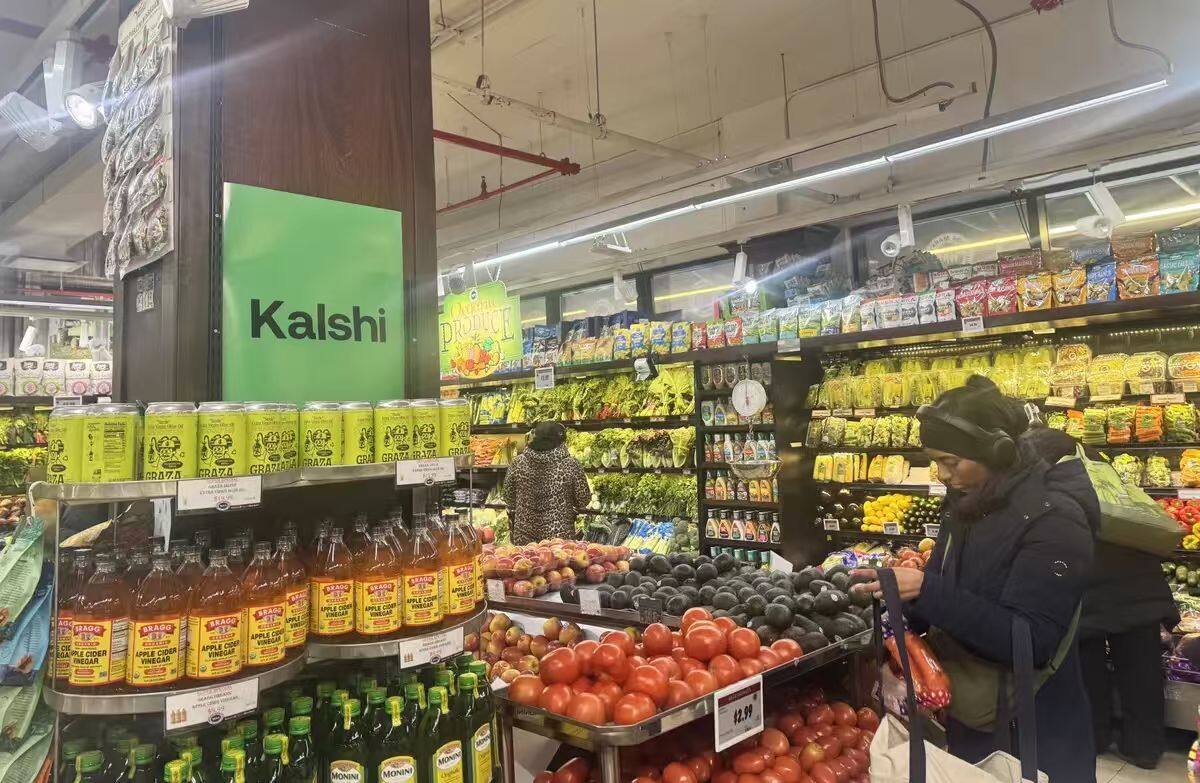
On February 3, Kalshi 【limited time】 offered $50 worth of free groceries to select users at Westside Market on Third Avenue, 84th Street, to attract more users to participate in various real-event predictions on its platform.
Judging from the surrounding "flyers," "supermarket KT boards," and other promotional materials, Kalshi’s offline promotion更像是一场即兴的“快闪活动”,更像是一场即兴的“快闪活动”更像是一场即兴的“快闪活动”更像是一场即兴的“快闪活动”更像是一场即兴的“快闪活动”更像是一场即兴的“快闪活动”更像是一场即兴的“快闪活动”更像是一场即兴的“快闪活动”更像是一场即兴的“快闪活动”更像是一场即兴的“快闪活动”更像是一场即兴的“快闪活动”更像是一场即兴的“快闪活动”更像是一场即兴的“快闪活动”更像是一场即兴的“快闪活动”更像是一场即兴的“快闪活动”更像是一场即兴的“快闪活动”更像是一场即兴的“快闪活动”更像是一场即兴的“快闪活动”更像是一场即兴的“快闪活动”更像是一场即兴的“快闪活动”更像是一场即兴的“快闪活动”更像是一场即兴的“快闪活动”更像是一场即兴的“快闪活动”更像是一场即兴的“快闪活动”更像是一场即兴的“快闪活动”更像是一场即兴的“快闪活动”更像是一场即兴的“快闪活动”更像是一场即兴的“快闪活动”更像是一场即兴的“快闪活动”更像是一场即兴的“快闪活动”更像是一场即兴的“快闪活动”更像是一场即兴的“快闪活动”更像是一场即兴的“快闪活动”更像是一场即兴的“快闪活动”更像是一场即兴的“快闪活动”更像是一场即兴的“快闪活动”更像是一场即兴的“快闪活动”更像是一场即兴的“快闪活动”更像是一场即兴的“快闪活动”更像是一场即兴的“快闪活动”更像是一场即兴的“快闪活动”更像是一场即兴的“快闪活动”更像是一场即兴的“快闪活动”更像是一场即兴的“快闪活动”更像是一场即兴的“快闪活动”更像是一场即兴的“快闪活动”更像是一场即兴的“快闪活动”更像是一场即兴的“快闪活动”更像是一场即兴的“快闪活动”更像是一场即兴的“快闪活动”更像是一场即兴的“快闪活动”更像是一场即兴的“快闪活动”更像是一场即兴的“快闪活动”更像是一场即兴的“快闪活动”更像是一场即兴的“快闪活动”更像是一场即兴的“快闪活动”更像是一场即兴的“快闪活动”更像是一场即兴的“快闪活动”更像是一场即兴的“快闪活动”更像是一场即兴的“快闪活动”更像是一场即兴的“快闪活动”更像是一场即兴的“快闪活动”更像是一场即兴的“快闪活动”更像是一场即兴的“快闪活动”更像是一场即兴的“快闪活动”更像是一场即兴的“快闪活动”更像是一场即兴的“快闪活动”更像是一场即兴的“快闪活动”更像是一场即兴的“快闪活动”更像是一场即兴的“快闪活动”更像是一场即兴的“快闪活动”更像是一场即兴的“快闪活动”更像是一场即兴的“快闪活动”更像是一场即兴的“快闪活动”更像是一场即兴的“快闪活动”更像是一场即兴的“快闪活动”更像是一场即兴的“快闪活动”更像是一场即兴的“快闪活动”更像是一场即兴的“快闪活动”更像是一场即兴的“快闪活动”更像是一场即兴的“快闪活动”更像是一场即兴的“快闪活动”更像是一场即兴的“快闪活动”更像是一场即兴的“快闪活动”更像是一场即兴的“快闪活动”更像是一场即兴的“快闪活动”更像是一场即兴的“快闪活动”更像是一场即兴的“快闪活动”更像是一场即兴的“快闪活动”更像是一场即兴的“快闪活动”更像是一场即兴的“快闪活动”更像是一场即兴的“快闪活动”更像是一场即兴的“快闪活动”更像是一场即兴的“快闪活动”更像是一场即兴的“快闪活动”更像是一场即兴的“快闪活动”更像是一场即兴的“快闪活动”更像是一场即兴的“快闪活动”更像是一场即兴的“快闪活动”更像是一场即兴的“快闪活动”更像是一场即兴的“快闪活动”更像是一场即兴的“快闪活动”更像是一场即兴的“快闪活动”更像是一场即兴的“快闪活动”更像是一场即兴的“快闪活动”更像是一场即兴的“快闪活动”更像是一场即兴的“快闪活动”更像是一场即兴的“快闪活动”更像是一场即兴的“快闪活动”更像是一场即兴的“快闪活动”更像是一场即兴的“快闪活动”更像是一场即兴的“快闪活动”更像是一场即兴的“快闪活动”更像是一场即兴的“快闪活动”更像是一场即兴的“快闪活动”更像是一场即兴的“快闪活动”更像是一场即兴的“快闪活动”更像是一场即兴的“快闪活动”更像是一场即兴的“快闪活动”更像是一场即兴的“快闪活动”更像是一场即兴的“快闪活动”更像是一场即兴的“快闪活动”更像是一场即兴的“快闪活动”更像是一场即兴的“快闪活动”更像是一场即兴的“快闪活动”更像是一场即兴的“快闪活动”更像是一场即兴的“快闪活动”更像是一场即兴的“快闪活动”更像是一场即兴的“快闪活动”更像是一场即兴的“快闪活动”更像是一场即兴的“快闪活动”更像是一场即兴的“快闪活动”更像是一场即兴的“快闪活动”更像是一场即兴的“快闪活动”更像是一场即兴的“快闪活动”更像是一场即兴的“快闪活动”更像是一场即兴的“快闪活动”更像是一场即兴的“快闪活动”更像是一场即兴的“快闪活动”更像是一场即兴的“快闪活动”更像是一场即兴的“快闪活动”更像是一场即兴的“快闪活动”更像是一场即兴的“快闪活动”更像是一场即兴的“快闪活动”更像是一场即兴的“快闪活动”更像是一场即兴的“快闪活动”更像是一场即兴的“快闪活动”更像是一场即兴的“快闪活动”更像是一场即兴的“快闪活动”更像是一场即兴的“快闪活动”更像是一场即兴的“快闪活动”更像是一场即兴的“快闪活动”更像是一场即兴的“快闪活动”更像是一场即兴的“快闪活动”更像是一场即兴的“快闪活动”更像是一场即兴的“快闪活动”更像是一场即兴的“快闪活动”更像是一场即兴的“快闪活动”更像是一场即兴的“快闪活动”更像是一场即兴的“快闪活动”更像是一场即兴的“快闪活动”更像是一场即兴的“快闪活动”更像是一场即兴的“快闪活动”更像是一场即兴的“快闪活动”更像是一场即兴的“极速快闪活动” (pop-up event), collaborating with local supermarkets to place offline materials for a short time, using "free $50 groceries" as "bait" to attract people to line up, participate, and spectate. This was also confirmed by Connie.
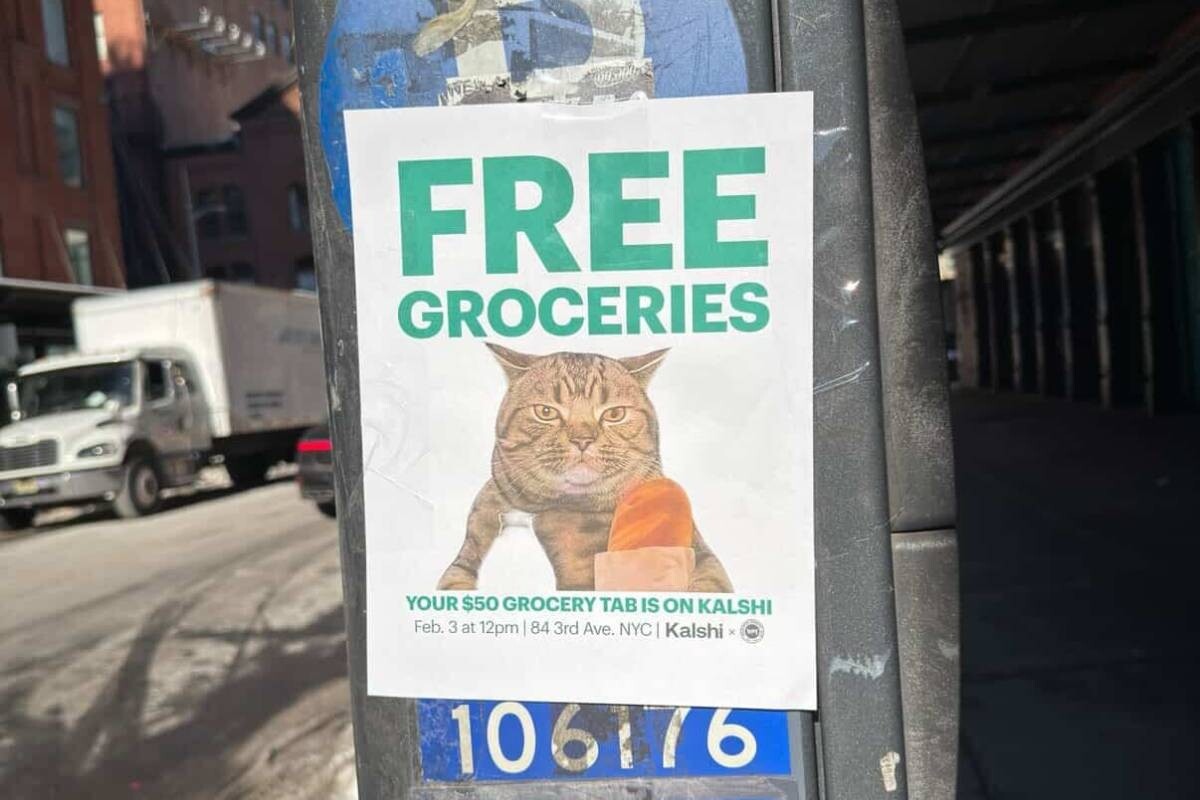
Additionally, it's clear that through this pop-up, Kalshi hopes to get more people to join the prediction market by betting on everyday, low-threshold, easy-to-understand questions like "Will New York City's gas price exceed $3.3 this year?" thereby achieving commercial goals like brand marketing and user activation.
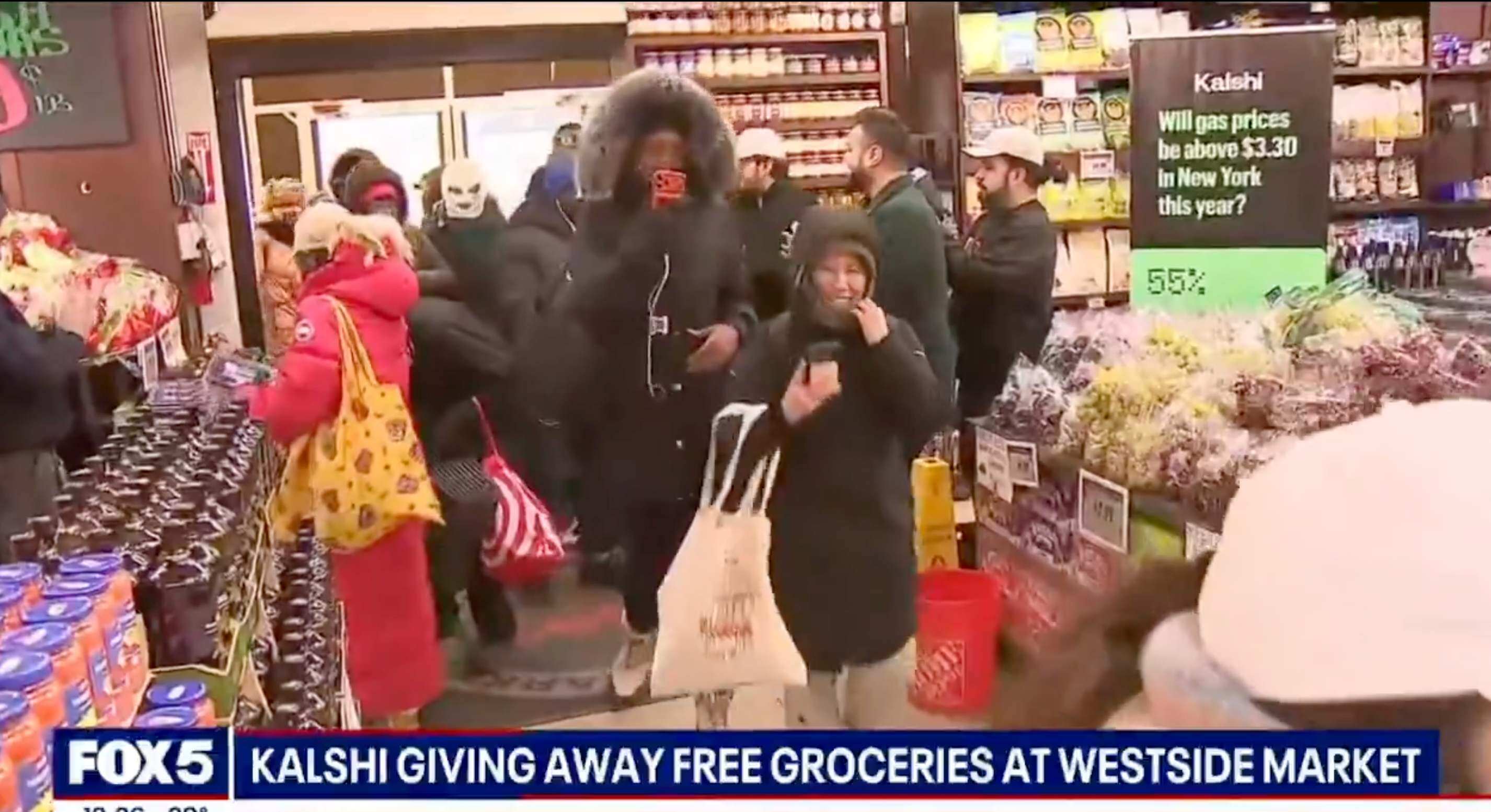
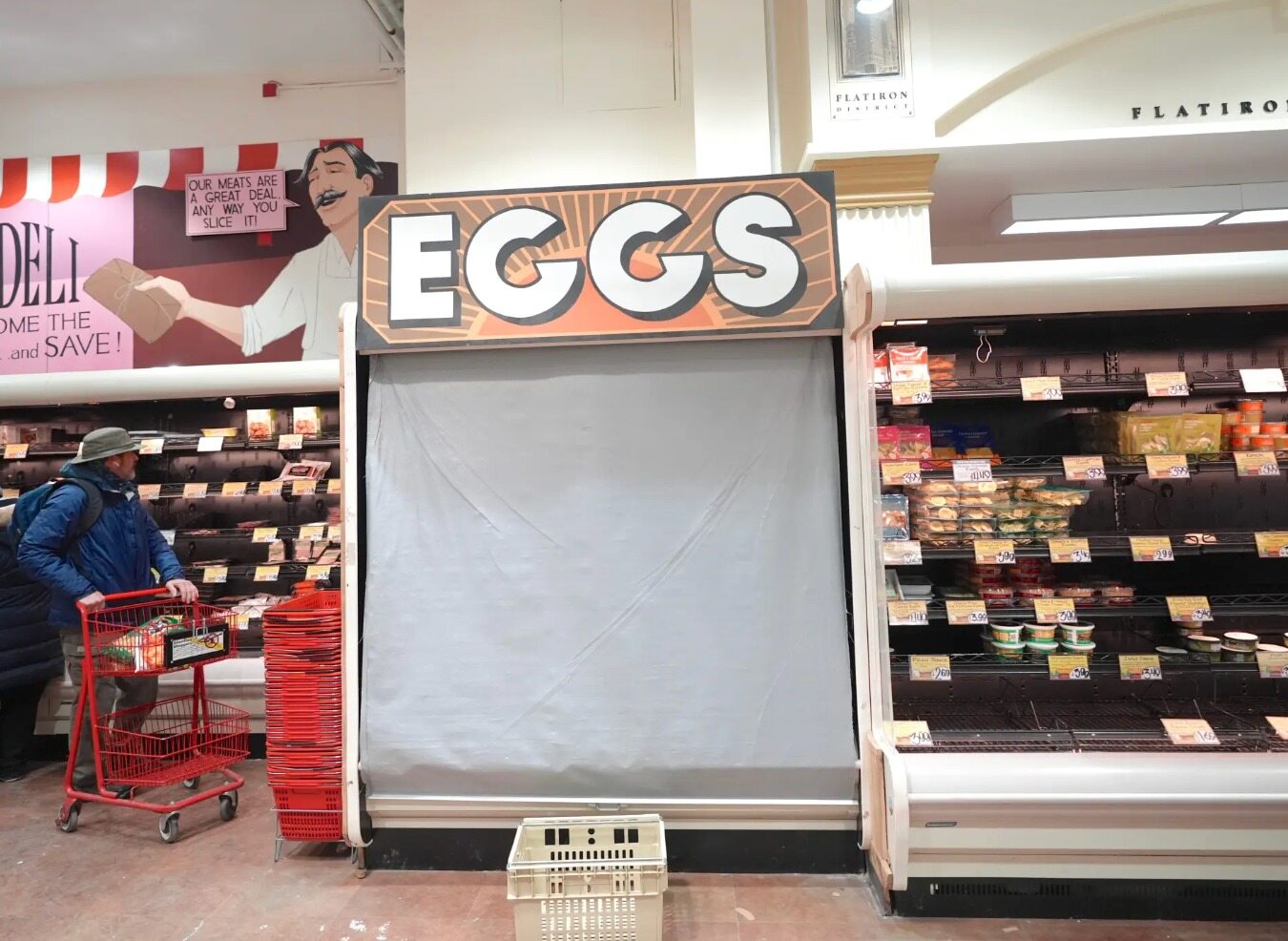
Kalshi co-branded pop-up supermarket eggs were snapped up
Compared to Kalshi's somewhat crude and highly commercial approach, Polymarket's preparations were much more thorough.
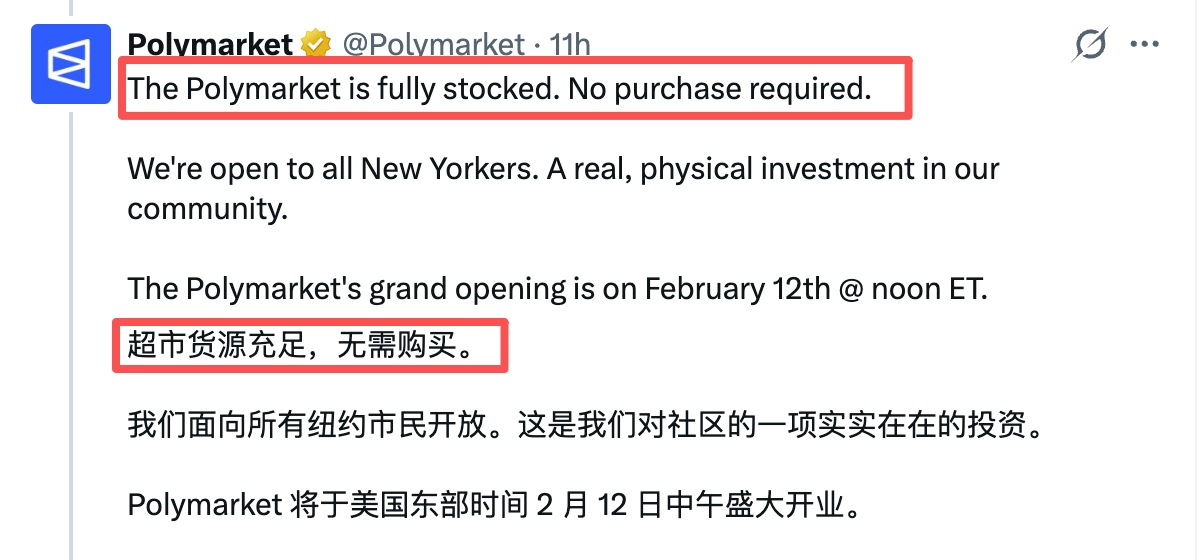
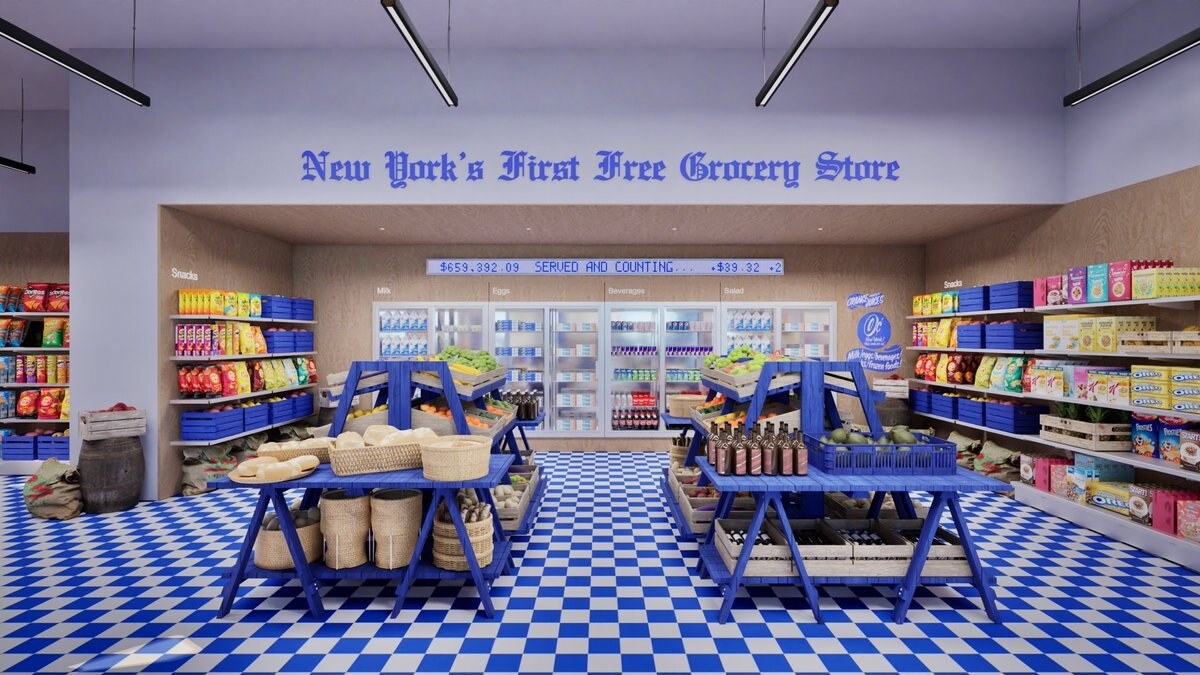
On February 3, slightly earlier than Kalshi's announcement, Polymarket officially announced that after months of offline preparation, it plans to open the "first free grocery store in New York" on February 12 (EST) by leasing a physical storefront. Additionally, Polymarket donated $1 million to the New York City Food Bank to address the "hunger issue" in the area.
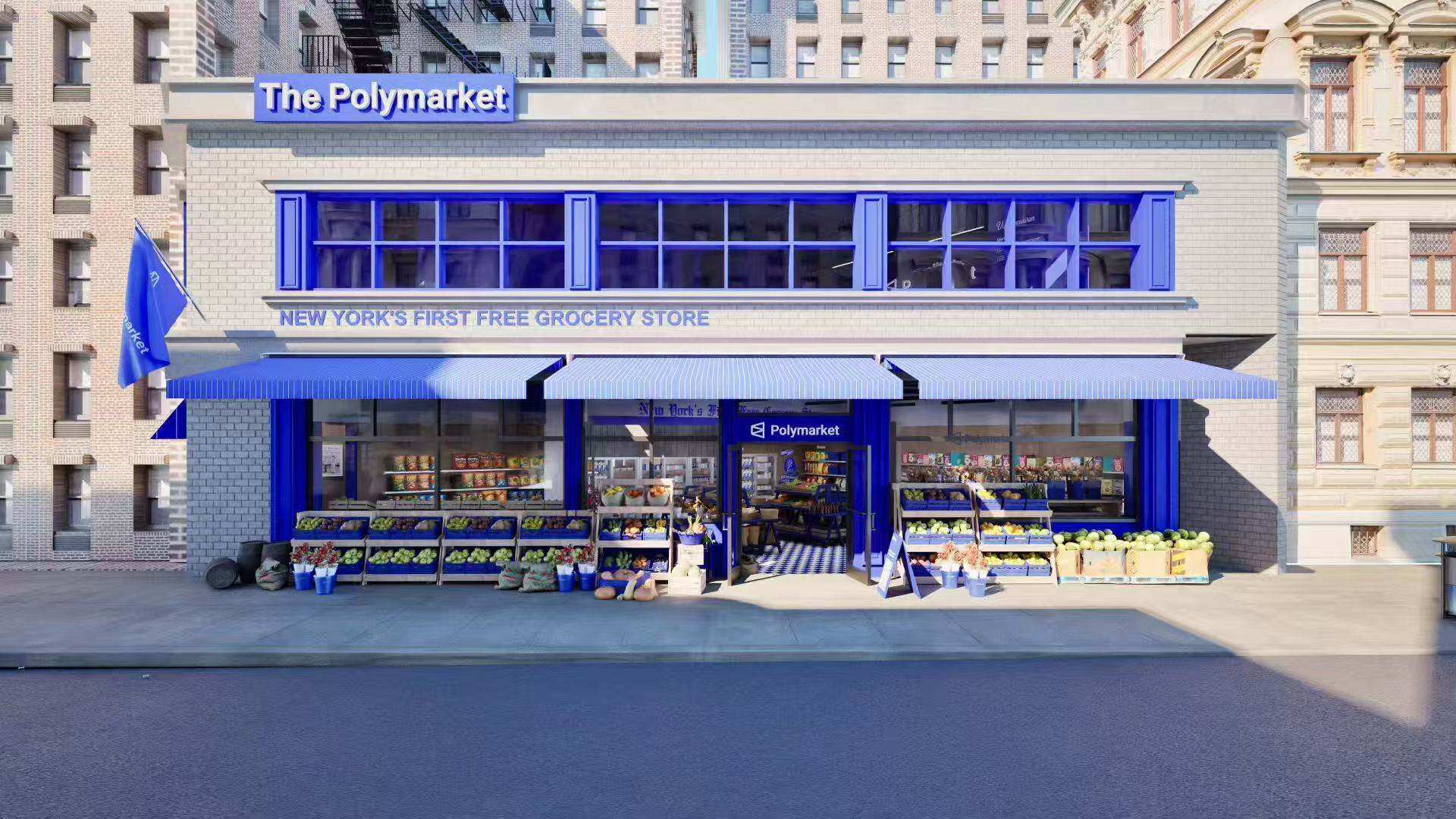
Polymarket also released actual photos of distributing vegetables like tomatoes and eggplants offline, instantly reminiscent of the domestic internet platform's ground promotion era, full of the vibe of "download the APP get eggs" or "first recharge get newcomer gift pack."
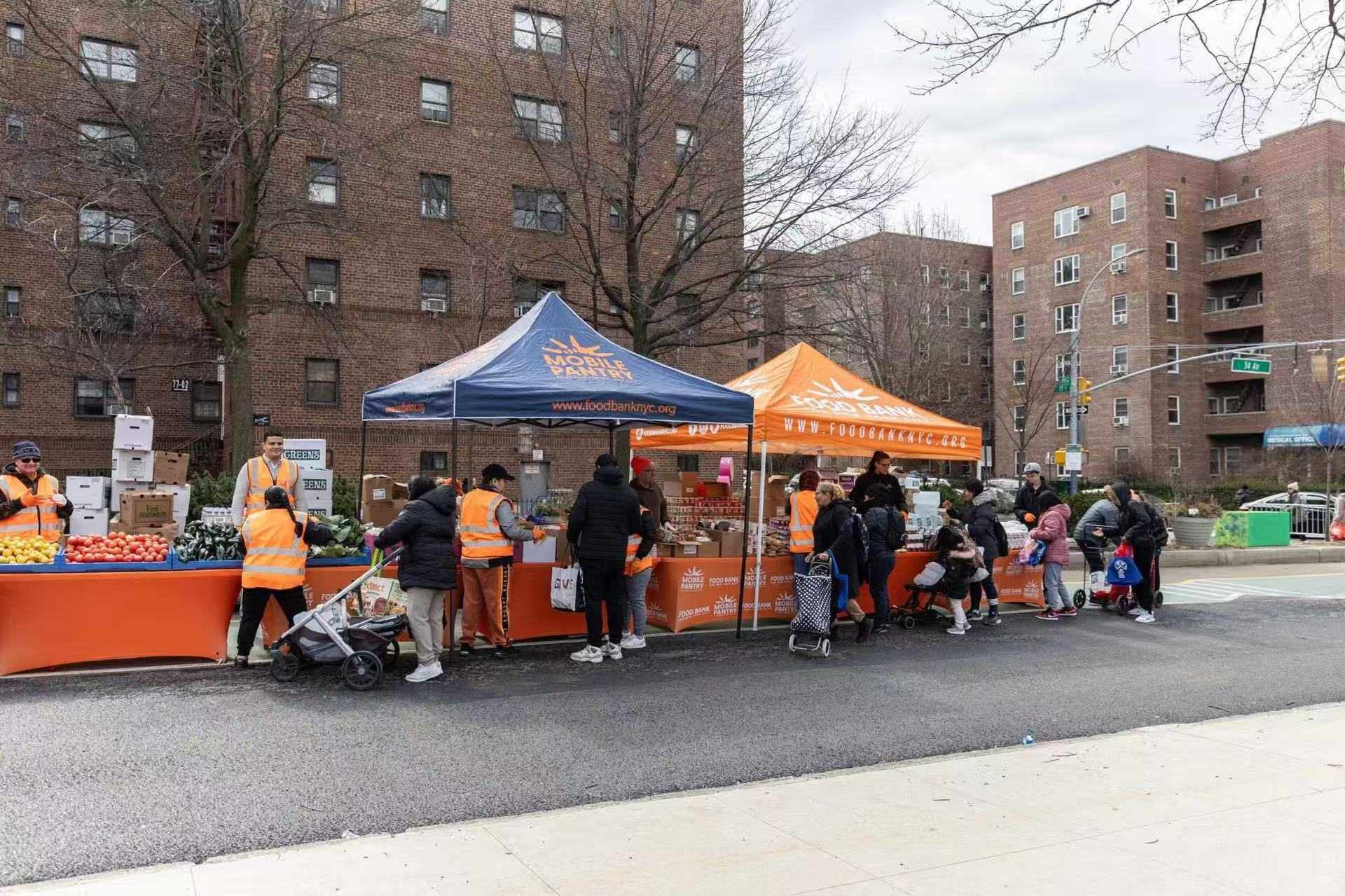
It is worth mentioning that Polymarket not only emphasized that "Polymarket's offline store is well-stocked, no purchase necessary," but also called on everyone to donate to the New York City Food Bank at the end of its tweet, encouraging people to take practical action to solve the real "hunger problem" caused by high food costs and high cost of living.
Seeing this, I can't help but sigh—
Fake crypto project ground promotion: Hold offline conferences, eat seafood feasts, shill various fake concept tokens;
Real crypto project ground promotion: Give away vegetables, give away eggs, open offline stores to distribute free food, do charity and public welfare, call on people to donate and show love.
Regarding the real purchasing power of Kalshi and Polymarket's "egg collection activities," we also had a detailed discussion with Connie from Odaily in New York.
The Real Purchasing Power of $50 in New York, USA: 5 McDonald's Meals, 1.5 lbs of Beef, or 2 Days of Food for the Average Person
According to Connie, the real purchasing power of $50 in New York, USA, can be considered "quite valuable."
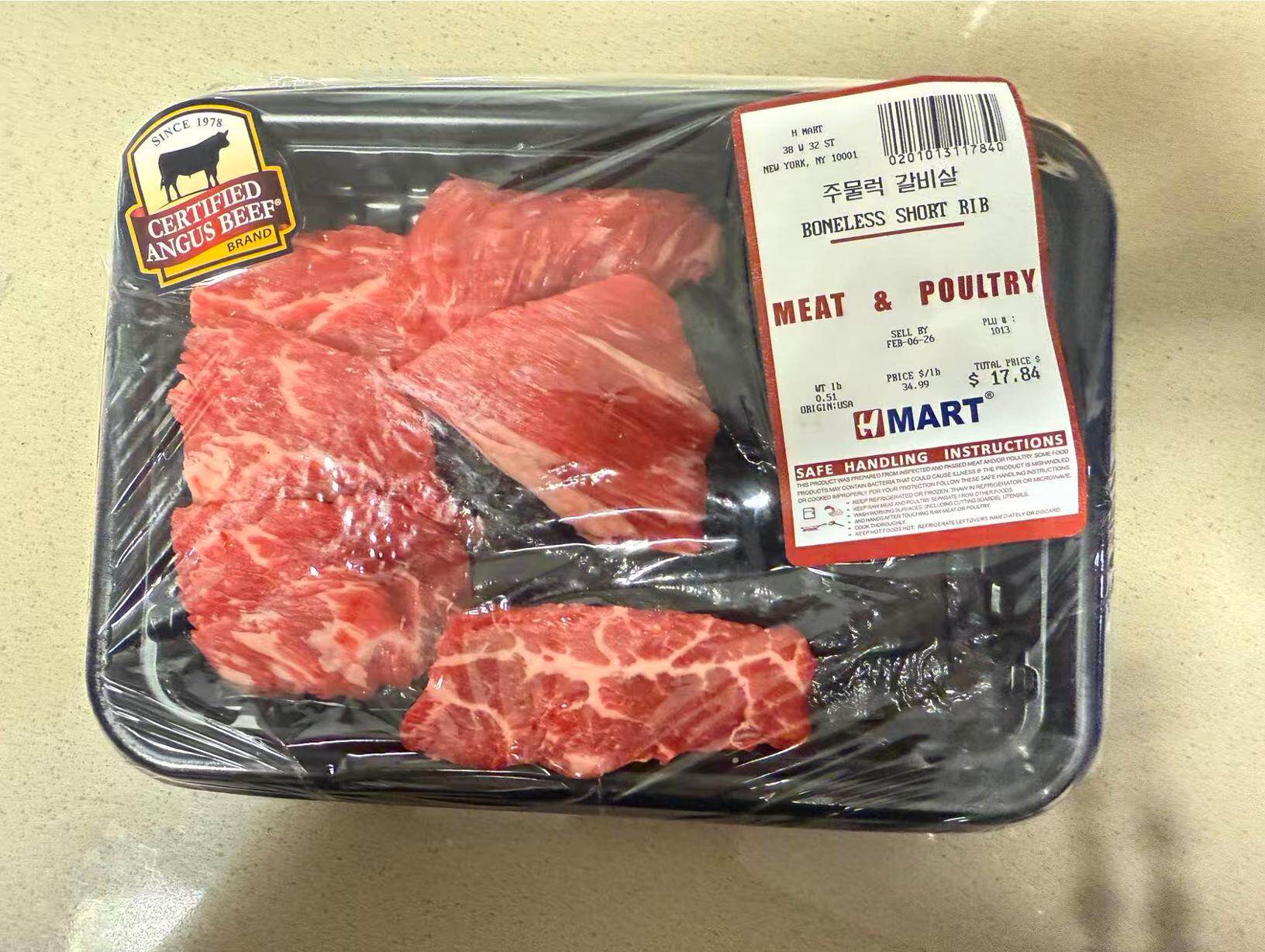
"Buying a 0.5 lb (about 0.45 kg) portion of beef at a local supermarket in New York costs about $18, so $50 can buy about 1.5 lbs of beef," which is enough protein for an adult's three meals a day. For comparison, the price of one jin (0.5 kg) of beef in China is only about 30 RMB, which is only 1/8 of the cost in New York.
Converting to the well-known "Big Mac Index," the real purchasing power of $50 is also quite astonishing—a cheeseburger combo meal delivery with about 800-1000 calories costs about $10.89, so $50 can buy about 5 combo meals; if you buy a double burger with 580 calories, it only costs about $7.20. Of course, this price is "sky-high" domestically; the same burger combo in China only costs 25-40 RMB, which is only 1/2 the price of the same food in New York.
In other words, spent frugally, $50 is close to covering the food cost for an average person in New York for about 2 days (calculated as 5~6 meals). According to Connie, Kalshi's event attracted many Americans to line up for "free food," and "Americans' enthusiasm for lining up to receive things is even higher than that of Chinese people." Polymarket's "offline free grocery store" is also expected to attract a large crowd to line up and participate. Based on the existing information released by Kalshi and Polymarket, the hard costs of the two platforms' related activities are estimated to be at least $50,000 to $100,000.
Investing so much manpower and resources, beyond doing charity and showing love, Kalshi and Polymarket also have their own "business calculations."
The "Business Strategy" Behind Prediction Market Platforms "Giving Away Eggs": Using Political Issues to Influence Institutional Regulation
None of the above food donation activities by Kalshi and Polymarket were coordinated or communicated with the New York City government; they were spontaneous company actions.
However, the wording and purpose of their external statements are very similar to the "policies" repeatedly emphasized by New York's new mayor, Zohran Mamdani, during his campaign—the latter had proposed "opening publicly owned grocery stores in New York's five boroughs to lower food prices." Furthermore, Zohran Mamdani pointed out that city-owned grocery stores could reduce rent and operating costs through non-profit operating models and the use of public property. This proposal is still in the pilot stage, and a final implementation timetable has not been determined.
On the other hand, as one of the important key states in the U.S., New York's legislators are busy drafting new bills targeting the emerging prediction market industry. Among them, the 《ORACLE Act》 plans to restrict or prohibit New York residents from betting on certain prediction market events and impose stricter restrictions on event-based prediction markets; another piece of legislation plans to require prediction market operators to obtain a state-issued license before operating.
It is clear that some legislative decision-makers still have various concerns about prediction markets, viewing them as similar to unregulated gambling or more susceptible to insider manipulation.
In light of this, although the New York mayor has no direct jurisdiction over the regulation of prediction markets (Odaily Planet Daily Note: Regulatory authority over prediction market platforms belongs to state and federal governments), Kalshi and Polymarket's move may also be an attempt to seek regulatory friendliness through indirect means.
Finally, regardless of the ultimate impact of their "egg-giving" actions, we have to say that China's internet promotion models are at least 5-10 years ahead of the Western world.