Guardis Launches AI-Powered On-Chain Trading and Security Platform

TheNewsCryptoPublished on 2026-06-02Last updated on 2026-06-02

Abstract

Guardis has launched a non-custodial, AI-powered on-chain trading and security platform initially on Solana. The platform integrates wallet intelligence, automated fraud detection, and low-latency trading tools into a single interface to help users make informed decisions and avoid scams. It addresses the rise of frauds and rug pulls in memecoins and speculative tokens by providing deeper insights into token activity and security threats before trading. Key features include Token Stream for real-time tracking of new Solana token launches; Smart Signals, which uses on-chain analysis to identify early momentum and trading opportunities; and Smart Screener, a proprietary intelligence layer that finds high-performing traders. The platform's Warden security system proactively detects risks, assigning safety scores to tokens and alerting users to major threats. Guardis emphasizes speed, claiming to deliver market data up to 10 seconds faster than major monitors. It includes a Telegram integration for trading and alerts, charges a 1% trading fee with cashback for users, and offers a referral program. The company plans to expand to other blockchains with more advanced analytics and security tools.

The on-chain trade and security platform Guardis, which tracks smart money and identifies frauds, has officially debuted. To assist users in making better trading choices and preventing scams, the platform combines wallet intelligence, automatic fraud detection, and low-latency trading tools into a single interface.

Guardis is a non-custodial platform that first launched on Solana that enables users can find, examine, and exchange tokens on-chain. Guardis uses secure social-based authentication instead of keeping user money or private keys, allowing users to always have complete control over their assets.

Guardis was developed in reaction to the rising amount of frauds, harmful token releases, and rug pulls that target retail traders, especially with regard to memecoins and other speculative tokens. By providing customers with more insight into token activity, wallet behavior, and security threats prior to trading, it aims to make trading safer.

The platform’s very low latency trading infrastructure is one of its primary differentiators. Guardis offers token discovery and market data up to 10 seconds quicker than the largest token monitoring systems, which improves user experience and enables traders to respond swiftly to new releases, changes in liquidity, and trading opportunities.

The three main features of Guardis’ platform enable traders to securely traverse cryptocurrency marketplaces in real time and identify opportunities earlier:

  • Token Stream: Every token launch on Solana is tracked by a real-time monitoring system that enables users to immediately assess new assets, keep an eye on trading activity and liquidity, and make transactions right on the platform.
  • Smart Signals: Using on-chain behavioral research, Smart Signals tracks successful wallet clusters, transaction flows, and developing purchasing trends to identify coins exhibiting early momentum. The method has shown to be able to identify possibilities that may provide a return on investment of up to 2.93X.
  • Smart Screener: In order to find traders with excellent past performance, Smart Screener, a proprietary blockchain intelligence layer, examines billions of transactions and wallet interactions. In order to provide higher-quality trading signals, the system observes recurrent trading patterns, maps wallet linkages, and keeps an eye on how “smart traders” transfer money into and out of assets.

The majority of traders only become aware that a cryptocurrency is harmful when wallets begin to dump or liquidity vanishes. Guardis responds to this with Warden, an automated security intelligence solution that proactively detects on-chain risks and malicious token activity. Warden constantly checks transaction activity and smart contracts for fraudulent trading, strange wallet behavior, security flaws, and liquidity threats. Every token has a safety score between 0 and 100, with scores over 80 indicating serious security issues. If a major danger is found, the token instantly notifies users.

“Guardis is here to raise the standard for the trading industry,” said a Guardis spokesperson. “We’re building technology that pushes the space forward, introducing tools and capabilities that haven’t existed before. Our goal is to show what the next generation of trading platforms should look like: faster, smarter, and built with stronger security and better use of real-time data at its core.”

It connects to Telegram, where users may trade inside the app, watch signals, and get notifications. Guardis has a 1% trading fee. Standard customers get 35% cashback on all transactions, while Pro users receive 50%. Additionally, 15% of trading fees made by referred customers are distributed via the platform’s referral program.

As on-chain trading develops, Guardis intends to go beyond Solana with support for other blockchains, more sophisticated analytics tools, and more security monitoring capabilities.


TagsAltcoinBlockchain

Related Questions

QWhat is Guardis, and what problem does it aim to solve for traders?

AGuardis is a non-custodial, AI-powered on-chain trading and security platform. It aims to make trading safer by helping users make better trading choices and prevent scams. It was developed in reaction to the rising number of frauds, harmful token releases, and rug pulls, especially targeting retail traders in memecoins and speculative tokens.

QOn which blockchain did Guardis first launch, and what is a key technological differentiator of its platform?

AGuardis first launched on Solana. A key technological differentiator is its very low-latency trading infrastructure, which provides token discovery and market data up to 10 seconds faster than the largest token monitoring systems.

QName the three main features of Guardis's platform that help traders identify opportunities.

AThe three main features are: 1) Token Stream: A real-time monitoring system for every token launch on Solana. 2) Smart Signals: Tracks successful wallet clusters and transaction flows to identify coins with early momentum. 3) Smart Screener: A proprietary blockchain intelligence layer that analyzes billions of transactions to find traders with excellent past performance.

QWhat is 'Warden', and how does it help protect users on the Guardis platform?

AWarden is Guardis's automated security intelligence solution. It proactively detects on-chain risks and malicious token activity by constantly checking transactions and smart contracts for fraud, strange wallet behavior, security flaws, and liquidity threats. It assigns a safety score from 0 to 100 to each token and alerts users if a major threat is detected.

QWhat are the trading fee and cashback structure for standard and Pro users on Guardis?

AGuardis has a 1% trading fee. Standard users receive a 35% cashback on all transactions, while Pro users receive a 50% cashback.

Related Reads

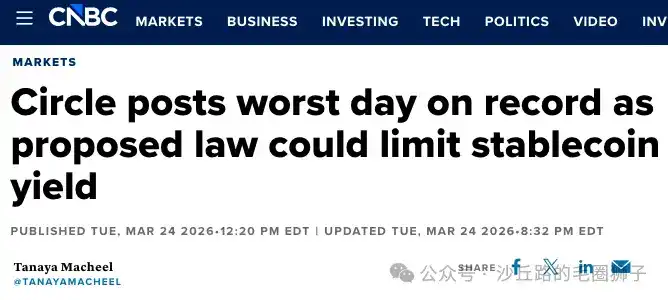
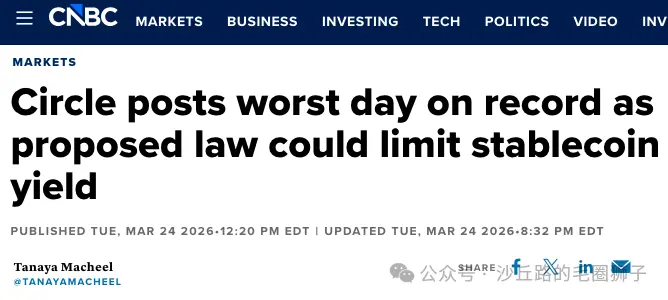
CRCL 暴涨暴跌,COIN 跟着跳水:CLARITY Act 背后真正的利益战争

A recent draft of the CLARITY Act sparked market volatility, with Circle (CRCL) and Coinbase (COIN) stocks plunging. The core issue is Section 404 of the draft, which proposes prohibiting digital asset service providers from paying interest or rewards *solely* for holding payment stablecoins. The article argues this is not merely a technical debate over rewards, but a fundamental battle over the future role of stablecoins: Will they remain purely payment/transaction tools, or evolve into on-chain savings accounts that compete with bank deposits? US banks, fearing deposit outflow, have lobbied heavily for such restrictions. While Circle and Coinbase were both hit, their exposures differ. Circle's direct revenue primarily comes from reserve earnings, so the draft impacts its future growth narrative. Coinbase, however, relies heavily on USDC rewards and balances as part of its "Everything Exchange" platform strategy, making its growth engine more directly vulnerable. The analysis identifies three deeper layers often missed: 1) The political economy of preventing stablecoins from becoming savings substitutes. 2) The distinct impact on issuers (Circle) versus distributors/platforms (Coinbase). 3) The migration of yield demand to other tokenized securities (like MMFs) regulated under existing frameworks, as hinted in Section 505 of the same draft. In essence, three major battles are underway: banks defending their deposit base, Coinbase fighting for user entry and distribution rights, and Wall Street aiming to control the compliant path for tokenization. While a short-term headwind for crypto-native platforms, the article suggests this regulatory push could force the industry to build more sustainable value in real payment and B2B infrastructure.

marsbit13m ago

CRCL 暴涨暴跌,COIN 跟着跳水:CLARITY Act 背后真正的利益战争

marsbit13m ago

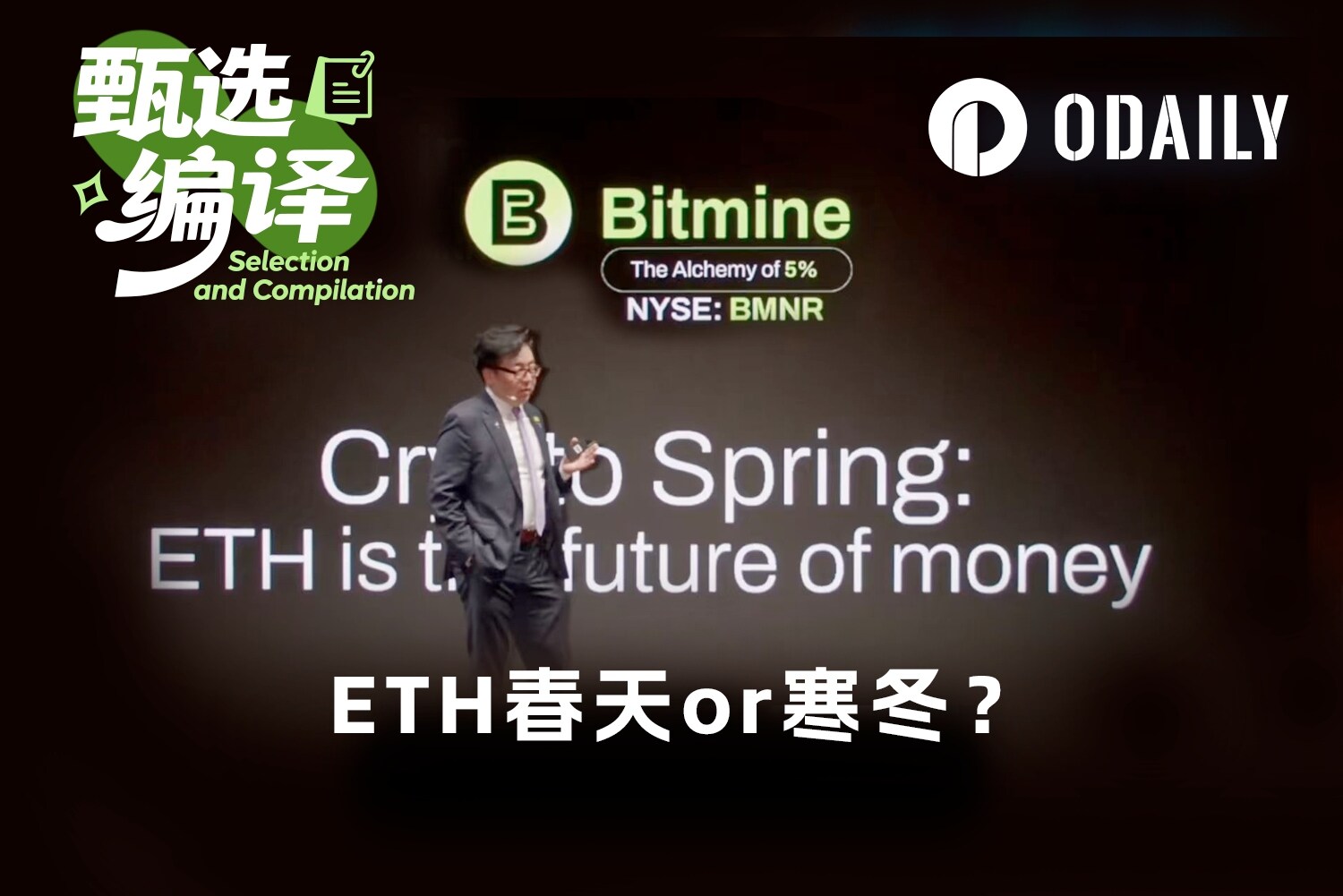
Tom Lee充值信仰:加密春天已至,ETH会涨到25万美元

Tom Lee, Chairman of BitMine (NYSE: BMNR), asserts that "Crypto Spring" has arrived and predicts ETH could reach $250,000. In his speech at "Proof of Talk 2026," he outlines five macro catalysts: the end of the Iran war reducing oil-price inflation, the likely passing of pro-crypto US legislation (the Clarity Act), a supportive White House, a crypto-friendly new Fed Chair (Kevin Warsh), and strong demographic-driven equity market growth. Lee argues that two key trends will drive ETH's value: Agentic AI/robotics, which will require blockchain for control and payments, and the massive tokenization of real-world assets (potentially a $300 trillion market). He believes Ethereum is poised to become a future monetary unit, with its price closely linked to software stocks that are already benefiting from AI. He notes the evolving role of the Ethereum Foundation, whose ETH holdings have shrunk to 0.1% of supply. He positions public treasury companies like BitMine—which holds 4.47% of ETH's circulating supply—as the new key ecosystem funders and validators. Finally, Lee promotes BitMine as a leveraged play on ETH's rise. He highlights BitMine's investments in AI/identity (via Eightco/ORBS), its massive ETH staking operation generating ~$1M daily, its stake in content creator MrBeast, and its upcoming inclusion in the Russell 1000 index, which could drive significant institutional buying. He concludes that if ETH reaches $25,000, BitMine's stock could rise dramatically from its current ~$18 price.

Odaily星球日报30m ago

Tom Lee充值信仰:加密春天已至,ETH会涨到25万美元

Odaily星球日报30m ago

Trading

Spot
Futures
活动图片