From Gold to Crude Oil: WEEX Expands Real-World Asset Tokenization to Energy Markets

marsbitPublished on 2026-03-14Last updated on 2026-03-14

Abstract

In recent years, the tokenization of real-world assets (RWA) has become a significant trend in the crypto industry, expanding from stablecoins and U.S. Treasuries to include commodities like precious metals. Gold and silver have been among the earliest assets to be tokenized, with products such as PAX Gold and Tether Gold enabling 24/7 trading, lower entry barriers, and seamless integration into the crypto ecosystem. This movement is now extending into energy markets, with crude oil emerging as a new focus. Tokenized oil products, such as XTI, which tracks the NYMEX WTI crude oil spot price, provide digital exposure to global energy markets and overcome limitations of traditional trading like high entry barriers and restricted trading hours. Platforms like WEEX are actively expanding their commodity offerings by including oil tokens like XTI alongside established precious metal tokens. They are also launching incentive programs to boost liquidity and participation in these markets. The RWA sector is evolving from financial assets to include physical commodities, blurring the lines between traditional and digital asset markets and paving the way for a more diverse on-chain economy.

Over the past two years, the tokenization of real-world assets (RWA) has gradually become an important development direction in the cryptocurrency industry. From stablecoins to U.S. Treasury bonds, and then to precious metals like gold, more and more traditional assets are entering the digital market through blockchain.

Now, this trend is expanding further—energy assets are also moving on-chain.
Precious Metals Lead the Way in On-Chain Exploration

In the RWA sector, precious metals are among the earliest traditional assets to enter the cryptocurrency market. Precious metals like gold, with their globally unified pricing system and mature financial markets, are naturally suitable for tokenization.

Currently, the more mature gold tokens on the market include:

PAX Gold

Tether Gold

Additionally, some platforms have begun launching tokens pegged to the price of silver, such as XAG, enabling precious metal assets to circulate in the cryptocurrency market in digital form.

Compared to traditional precious metal trading, these tokenized assets offer several new features:

24/7 trading

Lower barriers to entry

Natural compatibility with the crypto asset ecosystem

As the market matures, precious metal tokens have evolved from initial experimental products into a stable niche segment of the crypto trading market.

Crude Oil Tokenization Emerges as a New Direction

Following precious metals, another important commodity is entering the tokenization landscape—crude oil.

As one of the world's most important energy assets, crude oil has long been traded primarily through futures markets, such as the WTI crude oil contracts on the New York Mercantile Exchange (NYMEX). However, traditional crude oil markets often face issues like high account thresholds and limited trading hours.

Against this backdrop, some digital asset platforms have begun experimenting with introducing crude oil price exposure through blockchain methods.

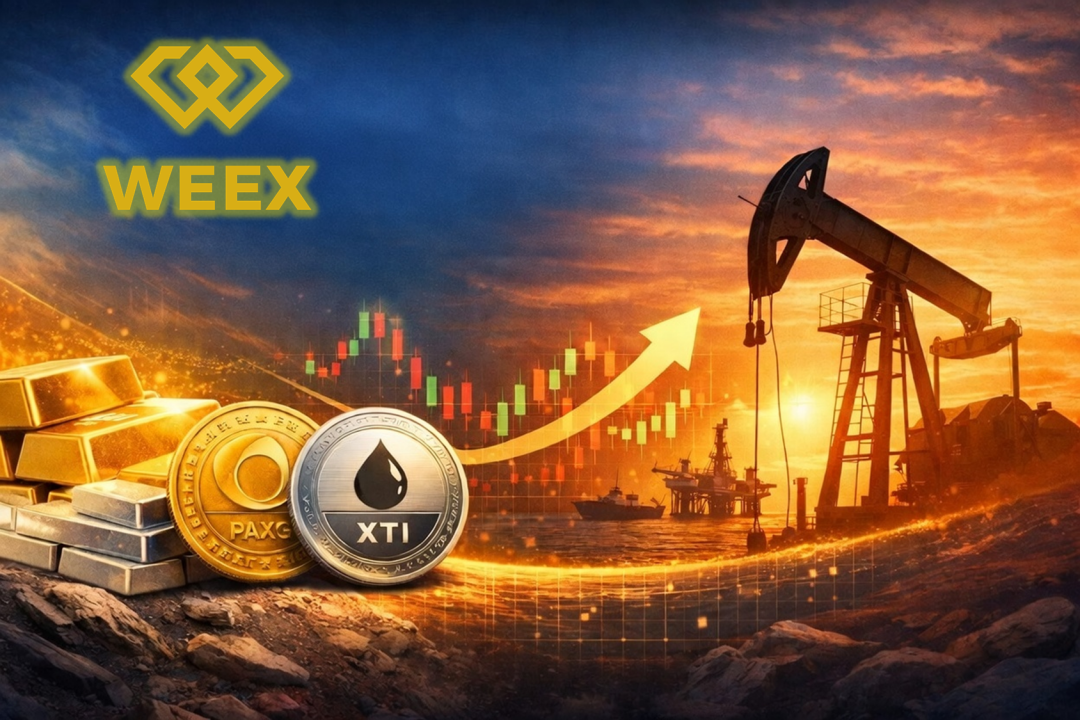
Among them, XTI is a digital asset that tokenizes the price of WTI U.S. crude oil. By anchoring the NYMEX WTI crude oil spot price in real-time, it enables users to directly track crude oil price fluctuations in the crypto market, thereby gaining digital exposure to the global energy market.

This model allows crude oil assets to break through the trading boundaries of traditional markets to some extent and introduces a new macro asset class to the crypto market.

Platforms Are Expanding the On-Chain Commodity Landscape

As precious metals and energy assets gradually enter the on-chain market, some trading platforms are also strengthening their layouts in related asset sectors.

The digital asset trading platform WEEX recently included the crude oil token XTI in its commodity asset matrix, while continuing to support trading of gold and silver-related tokens, including PAXG, XAUT, and XAG.

Industry insiders believe that such moves reflect platforms' efforts to align with the RWA development trend by introducing more real-world asset categories to enrich the crypto market's asset structure.

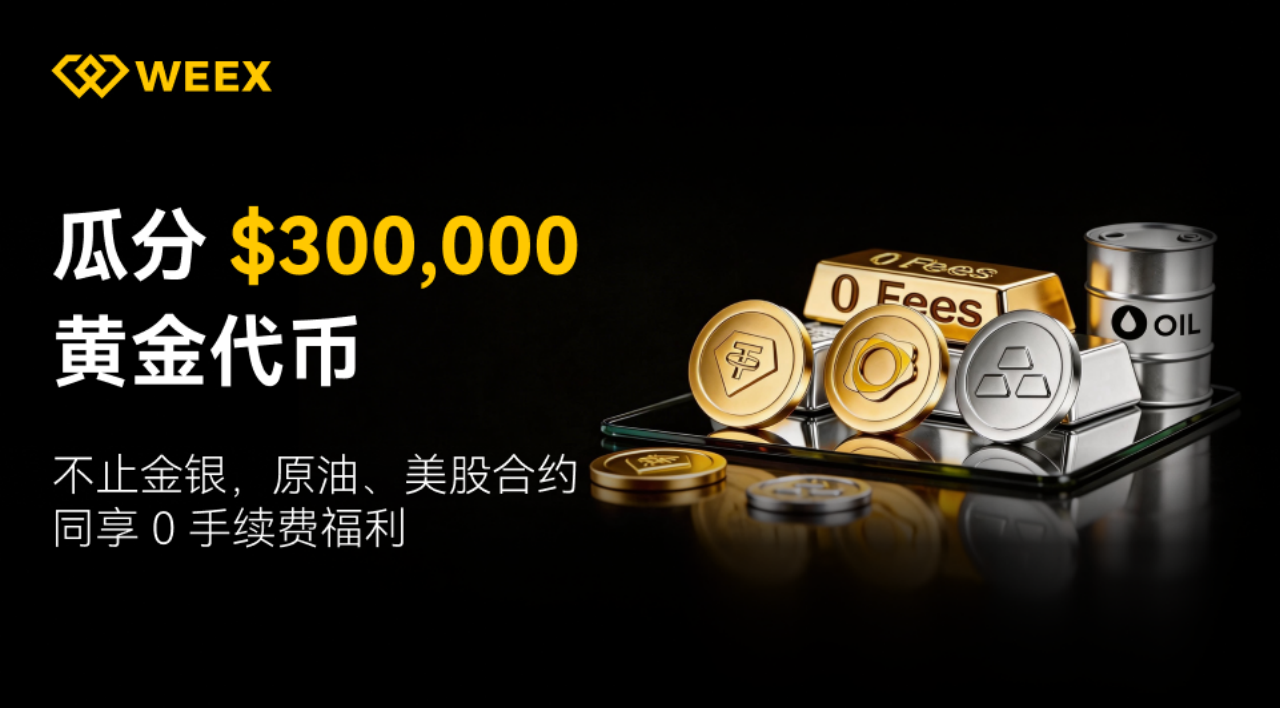
At the same time, WEEX recently launched a phased trading incentive program for commodity assets, covering precious metal tokens, crude oil assets, and some U.S. stock contract products, to further enhance liquidity and participation in related markets.
RWA Sector Is Moving from Financial Assets to Commodities

From an industry development perspective, real-world asset tokenization has gone through several stages:

Initially, stablecoins addressed on-chain pricing issues;

Then, financial assets like U.S. Treasury bonds entered the blockchain;

Now, commodity assets such as precious metals and energy are also becoming an important part of RWA.

As technological infrastructure continues to mature, more traditional assets may be mapped onto the blockchain in the future, forming a more diversified digital asset system.

Under this trend, from gold and silver to crude oil, commodities are gradually achieving digital expression, and the boundary between the crypto market and traditional asset markets is becoming increasingly blurred.

About WEEX

WEEX, founded in 2018, is a global cryptocurrency trading platform dedicated to providing users with secure, stable, and user-friendly trading services. The platform supports spot and contract trading, equipped with multiple risk control systems and a full insurance fund mechanism to safeguard user assets. WEEX has currently entered into an official regional brand partnership with LALIGA for Hong Kong and Taiwan, and is advancing compliance and localization efforts in multiple markets including the Middle East, Europe, Latin America, Africa, and Southeast Asia. As its Web3 ecosystem strategy continues to expand, WEEX is persistently collaborating with global developers and user communities to drive the evolution of digital asset trading toward greater openness and transparency.

For more information, visit: Website | Twitter | Telegram | LinkedIn

Related Questions

QWhat are some examples of tokenized precious metals in the cryptocurrency market?

AExamples of tokenized precious metals include PAX Gold, Tether Gold, and XAG (a silver-pegged token).

QWhich energy asset is mentioned as being tokenized in the article?

ACrude oil, specifically through the token XTI which tracks the NYMEX WTI crude oil spot price.

QWhat platform is expanding its commodity asset matrix to include tokenized crude oil and precious metals?

AWEEX is expanding its commodity asset matrix to include tokenized crude oil (XTI) and precious metals like PAXG, XAUT, and XAG.

QWhat are the advantages of tokenized precious metals compared to traditional trading?

ATokenized precious metals offer advantages such as 24/7 trading, lower participation barriers, and natural compatibility with the crypto asset ecosystem.

QHow has the Real World Asset (RWA) tokenization trend evolved according to the article?

AThe RWA tokenization trend has evolved from stablecoins and financial assets like U.S. Treasuries to include physical commodities such as precious metals and energy assets like crude oil.

Related Reads

U.S. Bonds, AI, Inflation: You Can't Have All Three – What's Bitcoin Betting On?

Title: U.S. Treasury Bonds, AI, and Inflation: A Trilemma Facing Washington, and Where BTC Fits In Core Thesis: The U.S. government faces a trilemma: stabilizing the Treasury market, sustaining the AI investment cycle, and controlling inflation. The likely political choice is to prioritize the first two, accepting higher inflation for longer. This creates a sustained tailwind for both gold and Bitcoin by injecting liquidity and shifting duration risk away from the private sector. Key Pressures on Treasuries: * Long-term yields (e.g., 10-year ~4.70%) are near multi-decade highs due to persistent inflation risks, high fiscal supply, weaker demand for long duration, and new competition from AI infrastructure financing. * AI investment, requiring massive capital (estimated ~$300B in investment-grade bond issuance), is now competing directly with the Treasury in long-duration debt markets. * Geopolitical tensions (e.g., Iran conflict) add upward pressure on oil prices and defense spending. Policy Response: The Treasury, under Secretary Besant, is focusing on market stability through measures like supporting the Yen (to prevent forced Japanese Treasury sales), increasing repo operations for long-dated bonds, and potentially shifting issuance toward the short end. This "aggressive Treasury issuance" can function like "stealth QE," easing financial conditions. Impact on Assets: * **Gold** has already benefited (up ~90% from Aug 2024 to Aug 2026), driven by declining trust in the USD, inflation fears, and a "monetary debasement" narrative. * **Bitcoin** is now showing stronger correlation with this theme. Recent outperformance vs. gold (BTC +22.2% vs. Gold +5.9% in late Aug) coincided with Treasury's enhanced repo actions, suggesting the market may be pricing it as a liquidity/ debasement hedge, not just a speculative tech asset. Conclusion: If high inflation, large deficits, and AI capital demands persist, the cost of stabilizing bonds and growth will be shorter debt maturity, constant liquidity support, and tolerance for higher inflation—a favorable environment for gold and BTC. This view would be challenged only by a return to ~2% inflation, credible fiscal consolidation, or AI becoming self-funding.

marsbit22m ago

U.S. Bonds, AI, Inflation: You Can't Have All Three – What's Bitcoin Betting On?

marsbit22m ago

Trading

Spot
活动图片