Event Preview: Creating Pop Culture with Prompts | Super Creator Live

marsbitPublished on 2026-04-01Last updated on 2026-04-01

Abstract

Event Preview: Creating Pop Culture with Prompts | Super Creator Live In 1970s South Bronx, New York, resourceful young people transformed record players into instruments by looping beats, birthing hip-hop and demonstrating how culture emerges from playful, rule-breaking creativity. Similarly, today’s AI technology is often narrowly viewed through a lens of economic efficiency—yet its true potential may lie beyond utilitarian applications. This event, co-hosted by Beating and West Sea Radio, invites creators to explore AI’s expressive, cultural, and emotional possibilities. We seek demos—whether games, films, music, or emotionally resonant experiments—that use AI to turn unique ideas into tangible creations. This gathering aims to connect creators, investors, and audiences, fostering a space for unconventional thinking. By enabling individuals to transform personal stories and emotions into shareable art, AI is democratizing pop culture—shifting it from top-down production to a participatory, prompt-driven movement. Join us to help shape this new wave.

In the South Bronx of the 1970s, resources were scarce, but the party had to go on. Young people who couldn't afford live bands brought home turntables to street corners and abandoned warehouses, dancing joyfully to the beat of the drums.

Before this, playing records was a ritual of step-by-step precision. Dust had to be wiped away, the record placed, the switch pressed, and the needle set down. After a few faint, intermittent crackles, the melody would rise from the background noise.

"It feels a bit too rigid."

That's what the young people of half a century ago thought as they repeatedly switched between the same drum breaks, cueing, looping, and looping again. In the never-ending rhythm, they turned a machine meant for playing back music into a brand new instrument. What happened next, we all know: these self-proclaimed "DJs" single-handedly created Hip-Hop, unleashing a torrent of vibrant energy that flows to this day.
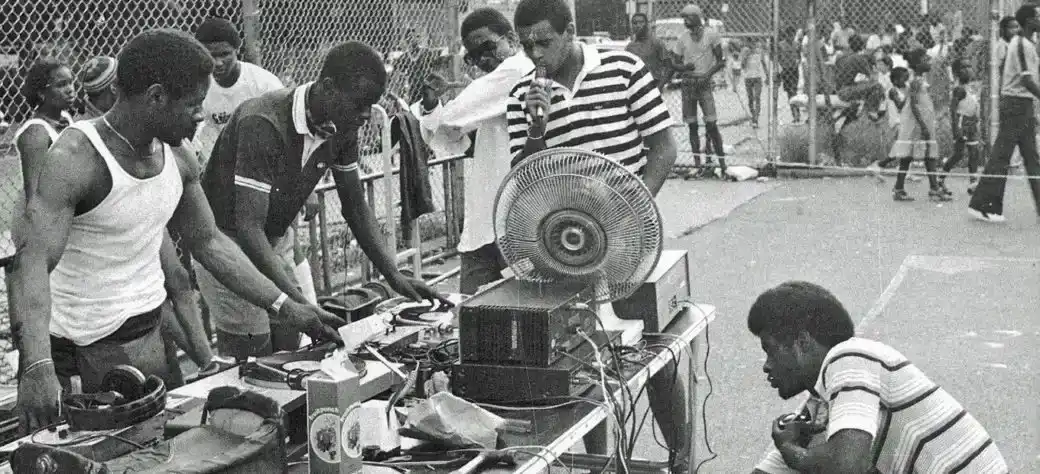
Most moments in the birth of pop culture share a similar history—myths from imagination to popularity, constantly "played" out by those who refuse to be disciplined by convention, in a spirit of defiance.

There's no doubt that our era loves change more than any before. In the horizon of time built by imagination, human civilization, still toddling within the solar system, is in its most energetic years, so technological development also carries an unstoppable momentum.

Faced with the surging wave of AI, many people feel a sense of disorienting anxiety. Subconsciously, we take it for granted that cutting-edge technology must be used for economically rational purposes. So, in calculations of cost reduction and efficiency gains, we repeatedly sketch out that seemingly more powerful and cheaper virtual labor force.

"It feels a bit too rigid."

I wonder if you resonate with those young people on the streets back then. Just as no one said turntables could only play music, if we don't do the "serious business" mentioned above, what else can AI do?

We want to see the fun and spirit that spills out when you cross swords with AI experts. Thus, Beating and our old friends at West Sea Radio have co-planned another offline gathering, giving it a somewhat cheeky name—"Super Creator Live."

Super, an adjective反复出现的形容词 in those热血少年漫画热血少年漫画 (hot-blooded少年少年少年少年少年少年少年少年少年少年少年少年少年少年少年少年少年少年少年少年少年少年少年少年少年少年少年少年少年少年少年少年少年少年少年少年少年少年少年少年少年少年少年少年少年少年少年少年少年少年少年少年少年少年少年少年少年少年少年少年少年少年少年少年少年少年少年少年少年少年少年少年少年少年少年少年少年少年少年少年少年少年少年少年少年少年少年少年少年少年少年少年少年少年少年少年少年少年少年少年少年少年少年少年少年少年少年少年少年少年少年少年少年少年少年少年少年少年少年少年少年少年少年少年少年少年少年少年少年少年少年少年少年少年少年少年少年少年少年少年少年少年少年少年少年少年少年少年少年少年少年少年少年少年少年少年少年少年少年少年少年少年少年少年少年少年少年少年少年少年少年少年少年少年少年少年少年少年少年少年少年少年少年少年少年少年少年少年少年少年少年少年少年少年少年少年少年少年少年少年少年少年少年少年少年少年少年少年少年少年少年少年少年少年少年少年少年少年少年少年少年少年少年少年少年少年少年少年少年少年少年少年少年少年少年少年少年少年少年少年少年少年少年少年少年少年少年少年少年少年少年少年少年少年少年少年少年少年少年少年少年少年少年少年少年少年少年少年少年少年少年少年少年少年少年少年少年少年少年少年少年少年少年少年少年少年少年少年少年少年少年少年少年少年少年少年少年少年少年少年少年少年少年少年少年少年少年少年少年少年少年少年少年少年少年少年少年少年少年少年少年少年少年少年少年少年少年少年少年少年少年少年少年少年少年少年少年少年少年少年少年少年少年少年少年少年少年少年少年少年少年少年少年少年少年少年少年少年少年少年少年少年少年少年少年少年少年少年少年少年少年少年少年少年少年少年少年少年少年少年少年少年少年少年少年少年少年少年少年少年少年少年少年少年少年少年少年少年少年少年少年少年少年少年少年少年少年少年少年少年少年少年少年少年少年少年少年少年少年少年少年少年少年少年少年少年少年少年少年少年少年少年少年少年少年少年少年少年少年少年少年少年少年少年少年少年少年少年少年少年少年少年少年少年少年少年少年少年少年少年少年少年少年少年少年少年少年少年少年少年少年少年少年少年少年少年少年少年少年少年少年少年少年少年少年少年少年少年少年少年少年少年少年少年少年少年少年少年少年少年少年少年少年少年少年少年少年少年少年少年少年少年少年少年少年少年少年少年少年少年少年少年少年少年少年少年少年少年少年少年少年少年少年少年少年少年少年少年少年少年少年少年少年少年少年少年少年少年少年少年少年少年少年少年少年少年少年少年少年少年少年少年少年少年少年少年少年少年少年少年少年少年少年少年少年少年少年少年少年少年少年少年少年少年少年少年少年少年少年少年少年少年少年少年少年少年少年少年少年少年少年少年少年少年少年少年少年少年少年少年少年少年少年少年少年少年少年少年少年少年少年少年少年少年少年少年少年少年少年少年少年少年少年少年少年少年少年少年少年少年少年少年少年少年少年少年少年少年少年少年少年少年少年少年少年少年少年少年少年少年少年少年少年少年少年少年少年少年少年少年少年少年少年少年少年少年少年少年少年少年少年少年少年少年少年少年少年少年少年少年少年少年少年少年少年少年少年少年少年少年少年少年少年少年少年少年少年少年少年少年少年少年少年少年少年少年少年少年少年少年少年少年少年少年少年少年少年少年少年少年少年少年少年少年少年少年少年少年少年少年少年少年少年少年少年少年少年少年少年少年少年少年少年少年少年少年少年少年少年少年少年少年少年少年少年少年少年少年少年少年少年少年少年少年少年少年少年少年少年少年少年少年少年少年少年少年少年少年少年少年少年少年少年少年少年少年少年少年少年少年少年少年少年少年少年少年少年少年少年少年少年少年少年少年少年少年少年少年少年少年少年少年少年少年少年少年少年少年少年少年少年少年少年少年少年少年少年少年少年少年少年少年少年少年少年少年少年少年少年少年少年少年少年少年少年少年少年少年少年少年少年少年少年少年少年少年少年少年少年少年少年少年少年少年少年少年少年少年少年少年少年少年少年少年少年少年少年少年少年少年少年少年少年少年少年少年少年少年少年少年少年少年少年少年少年少年少年少年少年少年少年少年少年少年少年少年少年少年少年少年少年少年少年少年少年少年少年少年少年少年少年少年少年少年少年少年少年少年少年少年少年少年少年少年少年少年少年少年少年少年少年少年少年少年少年少年少年少年少年少年少年少年少年少年少年少年少年少年少年少年少年少年少年少年少年少年少年少年少年少年少年少年少年少年少年少年少年少年少年少年少年少年少年少年少年少年少年少年少年少年少年少年少年少年少年少年少年少年少年少年少年少年少年少年少年少年少年少年少年少年少年少年少年少年少年少年少年少年少年少年少年少年少年少年少年少年少年少年少年少年少年少年少年少年少年少年少年少年少年少年少年少年少年少年少年少年少年少年少年少年少年少年少年少年少年少年少年少年少年少年少年少年极客漫画), is here to cheer on your "rule-breaking" ideas.
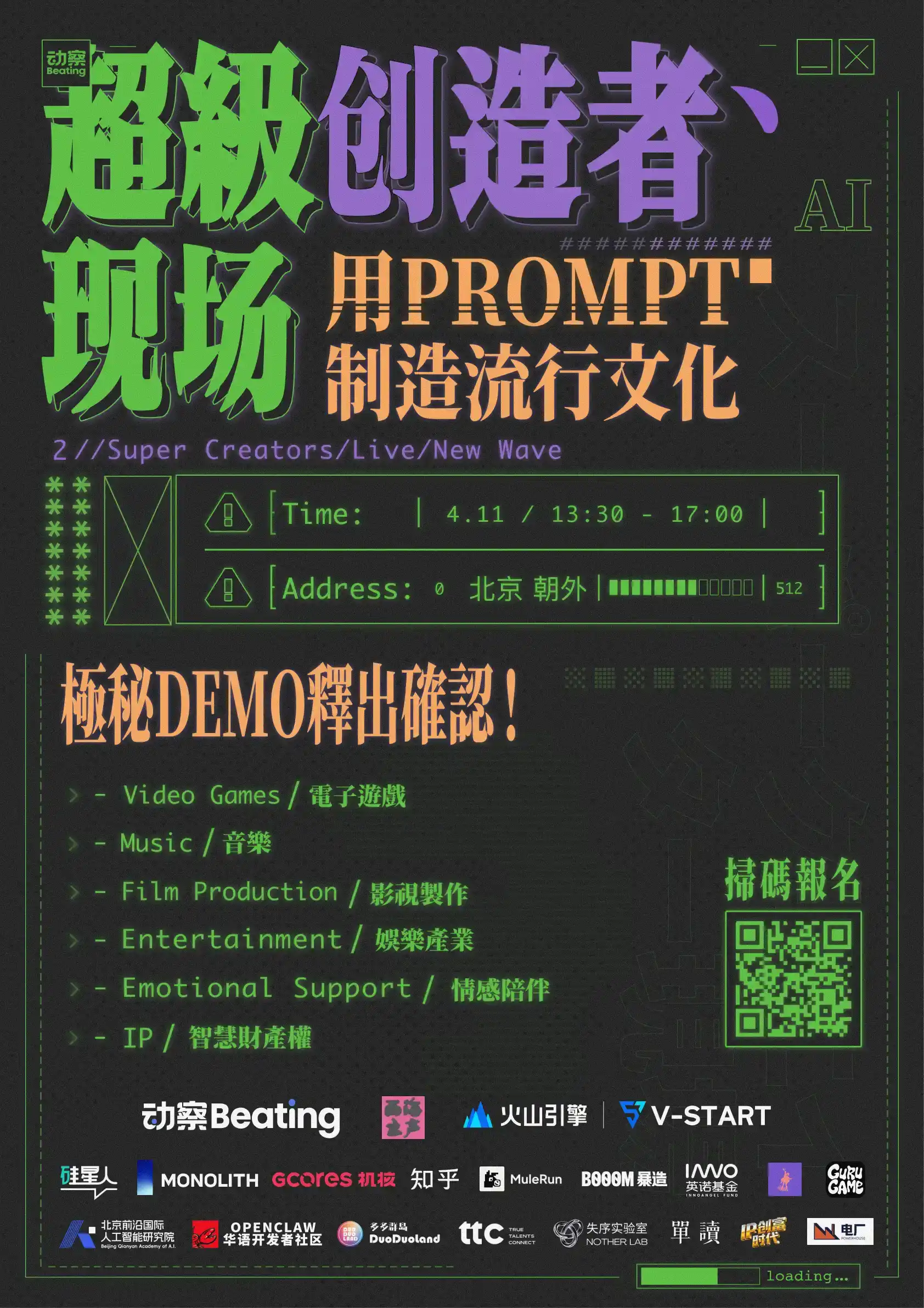
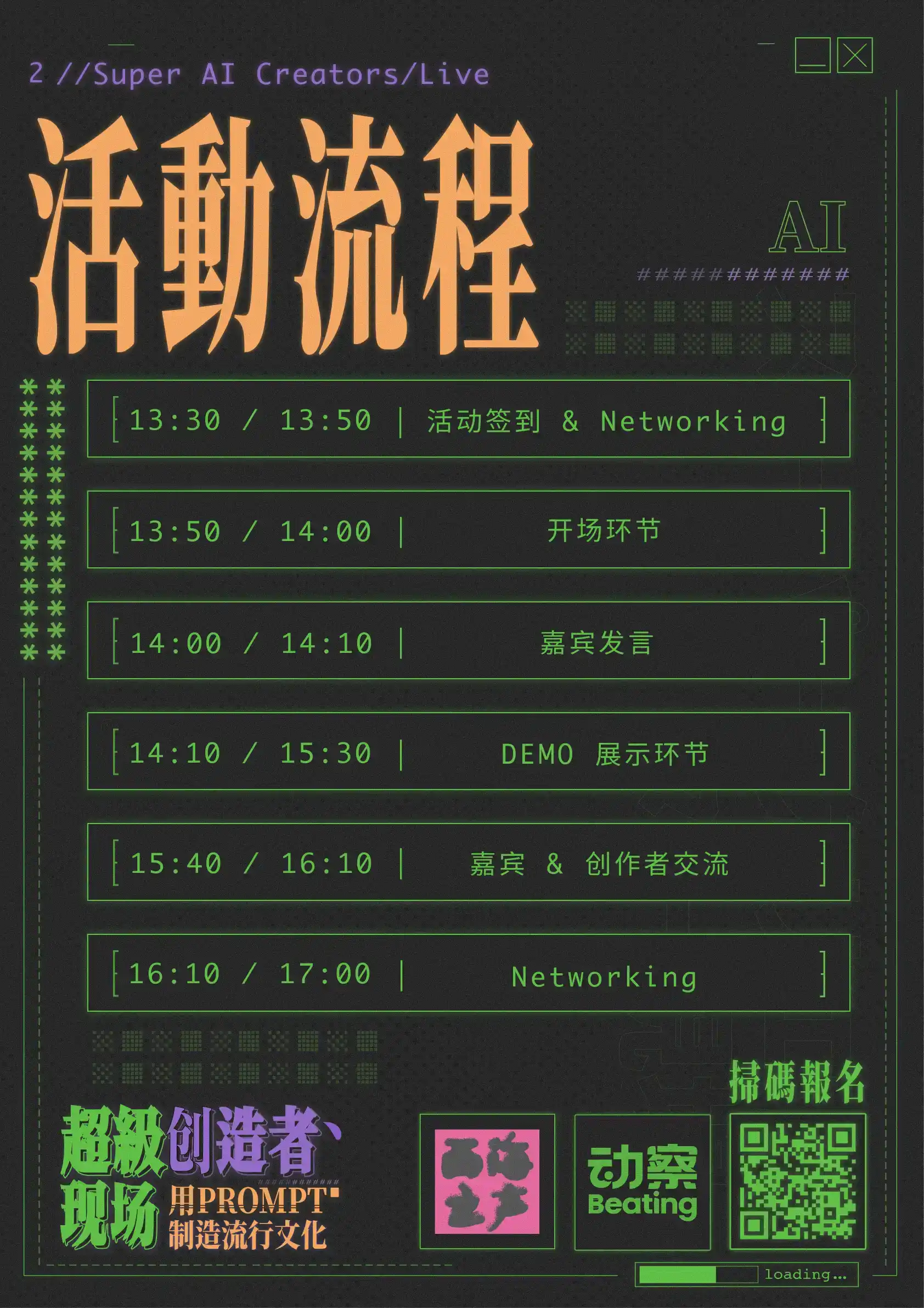
Beyond economic rationality, pop culture, emotional value, and fun creativity are also indispensable pieces of the world we live in.

A complete world is not just about the infrastructure of steel and concrete. One of the most important driving forces behind the popularization of technology is its silent infiltration into the daily lives of ordinary people: it's the music that makes someone hit repeat late at night, the short films that make people laugh and cry, the interactive games that carry joy and sorrow.

In the past, if you wanted to produce an album, shoot a short film, or create a game, you faced high financial barriers and technical walls. Pop culture back then was manufactured top-down by a few large institutions, and the masses could only sit in the audience, being dutiful consumers.

But now, if you have a great idea in your head and a strong desire to express it, AI can assist you in creating, giving form to your creativity.

Thus, we are also opening Demo recruitment for this event.
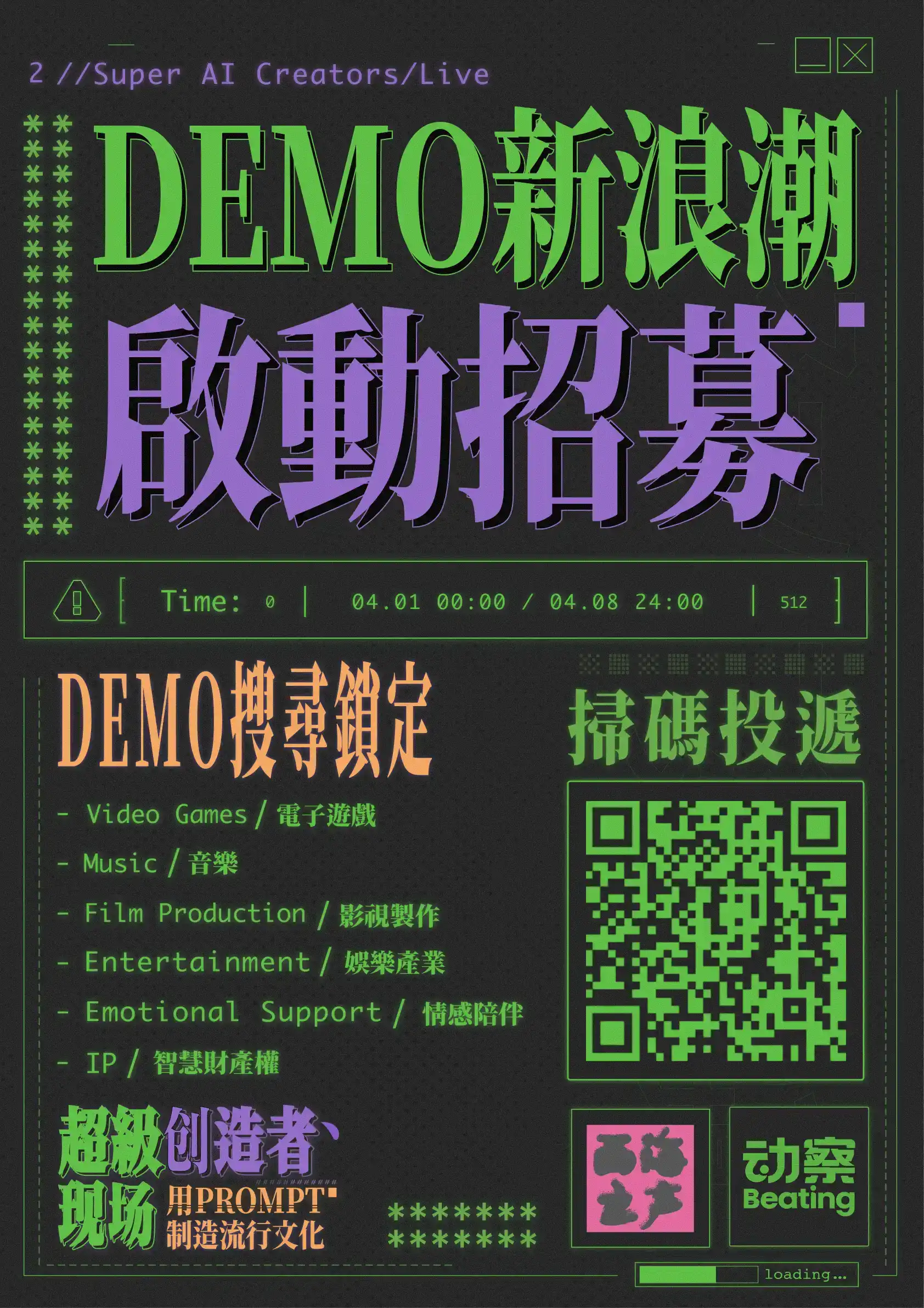
If you're tinkering with some interesting products using AI, whether it's games, film and TV, music, or just weird things that provide emotional value, as long as it carries your expression and creativity, we welcome you to scan the code to submit your Demo and bring it to the event. (Whether you submit or not, we suggest scanning the code to take a look—there's a surprise.)

Come碰撞 (collide) with like-minded creators, chat with sharp investors, and meet potential users face-to-face. This is a field for wild ideas to freely碰撞 (collide), letting those seemingly "unserious" thoughts come out into the sun.

When everyone can use AI to turn their emotions, stories, and quirks into images, music, virtual companions, or interactive entertainment products, the production logic of pop culture is completely overturned. It is no longer a monopolized privilege but a new wave that everyone can participate in and create with Prompts.

We believe that the pop culture of the new era is being written line by line by us with Prompts.

Registration link: https://luma.com/7nkw0r3m

We'll see you there.
Related Questions

QWhat historical event in the 1970s is mentioned as the origin of Hip-Hop culture?

AIn the 1970s in the South Bronx, New York, young people who couldn't afford live bands brought home turntables to street corners and abandoned warehouses, repeatedly switching and looping the same drum beats, turning the record player into a new instrument and creating Hip-Hop.

QWhat is the main theme of the 'Super Creator Live' event mentioned in the article?

AThe event focuses on using AI not just for economic efficiency but for creating popular culture, emotional value, and fun ideas, encouraging people to use prompts to participate in and create new waves of culture.

QHow does the article suggest AI is changing the production logic of popular culture?

AAI lowers the financial and technical barriers that once restricted cultural production to large institutions, allowing anyone with ideas and expression to use AI to create music, films, games, or other emotional products, democratizing cultural creation.

QWhat kind of projects is the event looking for in its Demo recruitment?

AThe event welcomes demos of interesting products made with AI, including games, films, music, or any quirky creations that carry personal expression and creativity, regardless of whether they serve conventional 'serious' purposes.

QWhat is the significance of the phrase '好像有点太死板了' (It seems a bit too rigid) in the context of the article?

AThe phrase reflects a rejection of rigid, conventional uses of technology—first with record players being used creatively for music mixing instead of just playback, and now with AI being used for imaginative cultural creation beyond mere economic efficiency.

Related Reads

NVIDIA CPU Advances, China's RISC-V Responds: Semiconductor Deep Dive - Part Four

NVIDIA is set to launch its new Vera AI data center CPU in China as early as August, with high pricing. While this move offers a new option, it highlights China's continued dependence on foreign-controlled Arm architecture. In response, the Chinese semiconductor industry is increasingly turning to RISC-V as a strategic alternative for achieving high-performance computing autonomy. The article explores the concept of the "impossible triangle" in CPU development—balancing prosperity, control, and autonomy—and posits that RISC-V's open-source, modular nature offers a unique path to achieving all three. While RISC-V is already dominant in embedded systems, the focus is now shifting to data centers and AI workloads. China has become a global hotspot for RISC-V development, driven by AI-driven compute demand, supply chain concerns from export controls, cost benefits of open-source, and strong policy support. Multiple Chinese companies have reportedly crossed the key performance threshold of 15 SPECint per GHz, a benchmark for entering the high-performance CPU club. Progress extends beyond single-core benchmarks. Companies are developing complete computing subsystems, including commercial-grade coherent network-on-chip (NoC) technology and server processors with up to 40 cores that strictly adhere to the RVA23 standard to ensure software compatibility. Real-world applications are emerging in areas like video transcoding and edge AI. However, significant challenges remain. The RISC-V ecosystem faces fragmentation, immature toolchains and verification processes, and gaps in single-core performance and energy efficiency compared to mature x86 and Arm architectures. The formidable software moat, epitomized by NVIDIA's CUDA, is a long-term hurdle. In conclusion, while RISC-V cannot immediately replace offerings like NVIDIA's Vera, it represents a viable long-term path for China to develop a self-sufficient, high-performance CPU ecosystem. The journey is acknowledged to be long and arduous, requiring sustained effort to overcome technical and ecosystem challenges.

marsbit4h ago

NVIDIA CPU Advances, China's RISC-V Responds: Semiconductor Deep Dive - Part Four

marsbit4h ago

My Coding Betting Dashboard is Profiting, but Polymarket is Truly Not a Good Place for 'Arbitrage'

The author built a custom monitoring dashboard for Polymarket, a prediction market platform, and tested it with $1,600, achieving over 30% returns. However, the core argument is that Polymarket is not a good venue for traditional arbitrage. The dashboard has two main sections: a "Portfolio Dashboard" for tracking active positions with key metrics like total capital, P&L, and a risk-control module using a tier system (T1, T2, T3), and an "Opportunity Watchlist" for monitoring markets. The article details a critical structural trap in binary markets: a bet with a high perceived probability of success still carries a 100% loss risk if wrong. The author's T1/T2/T3 system is designed to manage this by limiting position sizes based on conviction and time horizon, emphasizing that high confidence should not equal high concentration. A key insight is the danger of "pseudo-diversification"—betting on different markets driven by the same underlying variable. The author concludes that Polymarket offers few true low-risk, arbitrage opportunities. It is instead a high-risk environment where wins can create a false sense of mastery, leading to large losses. The platform is better viewed as a training ground for honing judgment through disciplined, framework-driven betting rather than a reliable income source. The tools help transform intuition into structured, rule-based decisions to mitigate the risk of catastrophic errors.

marsbit7h ago

My Coding Betting Dashboard is Profiting, but Polymarket is Truly Not a Good Place for 'Arbitrage'

marsbit7h ago

WeChat AI Card Hands-On Guide: Has the AI Shopping Era Arrived?

**"WeChat AI Card" Practical Test Guide: Has the Era of AI Shopping Arrived?** WeChat has officially launched the "AI Exclusive Card," a feature integrated into its Workbuddy AI assistant. This card is designed to handle payments for AI-initiated purchases. Our hands-on test reveals it's not yet a tool for fully autonomous AI shopping, but rather a controlled payment layer for AI agents. The AI Card functions as an isolated sub-wallet within WeChat Pay. Users must bind the card and transfer funds into it from their main wallet. Crucially, every transaction requires explicit user confirmation via smartphone scan; AI cannot spend autonomously. Currently accessible through the Workbuddy agent, the card targets specific digital consumption scenarios: purchasing paid content (reports, data), calling paid APIs/tools, and subscribing to services. Its design prioritizes security and control by separating funds and mandating approval for each payment. We tested a real-world scenario: ordering bubble tea via Workbuddy using a "Meituan Life Assistant" skill. The process encountered multiple hurdles: high "skill" usage costs (exceeding daily free credits), and most importantly, while a payment was successfully initiated, the AI purchased an incorrect product (a mismatched group-buy coupon instead of the desired drink). This highlights the current limitation: the **AI Card only solves the payment step**. The broader challenge lies in the **AI agent's execution chain**—accurately understanding intent, navigating third-party platforms, selecting the right product, and ensuring proper fulfillment. The payment succeeded, but the purchase failed to meet the user's need. In conclusion, the WeChat AI Exclusive Card is a cautious, early-step experiment in AI commerce. It provides a secure, user-controlled payment method for agent interactions but is not yet capable of reliable, end-to-end complex purchases. For now, it's best used for low-value, low-risk digital services with careful user verification at each step. The vision of AI handling complete shopping tasks remains a work in progress.

marsbit9h ago

WeChat AI Card Hands-On Guide: Has the AI Shopping Era Arrived?

marsbit9h ago

Trading

Spot
Futures
活动图片