Coinstore B.KU Digital Finance and RWA Thematic Event Successfully Concluded

marsbitPublished on 2026-01-09Last updated on 2026-01-09

Abstract

On January 8, 2025, Coinstore B.KU successfully hosted the "Digital Finance and RWA (Real World Assets)" themed event, bringing together experts from digital finance, blockchain technology, traditional industries, and international organizations. The event centered on RWA development trends, structural changes in digital finance, and global ecosystem development. The event highlighted RWA as a critical bridge between traditional finance and the blockchain world, signaling a shift toward value-driven models based on real assets, compliance, and long-term trust. Attendees included international figures such as His Royal Highness Prince Charit of Thailand, who expressed support for digital finance innovation, along with representatives from Coinstore/B.KU management, foundations, regional teams, and ecosystem partners like MMT and HMC. Coinstore COO Albert emphasized RWA as a long-term strategic focus, aiming to integrate real-world assets with blockchain through digitization, standardization, and compliance. A global launch ceremony marked a key milestone in Coinstore B.KU’s international expansion. A keynote speech by blockchain architect MOSE explored the technical and practical aspects of RWA, covering asset tokenization and enterprise digital transformation. The event also featured the signing of ecosystem partnerships with organizations including MMT and HMC, reinforcing collaborative efforts in RWA implementation. Jason, Coinstore B.KU’s APAC Market Lead, outlined pla...

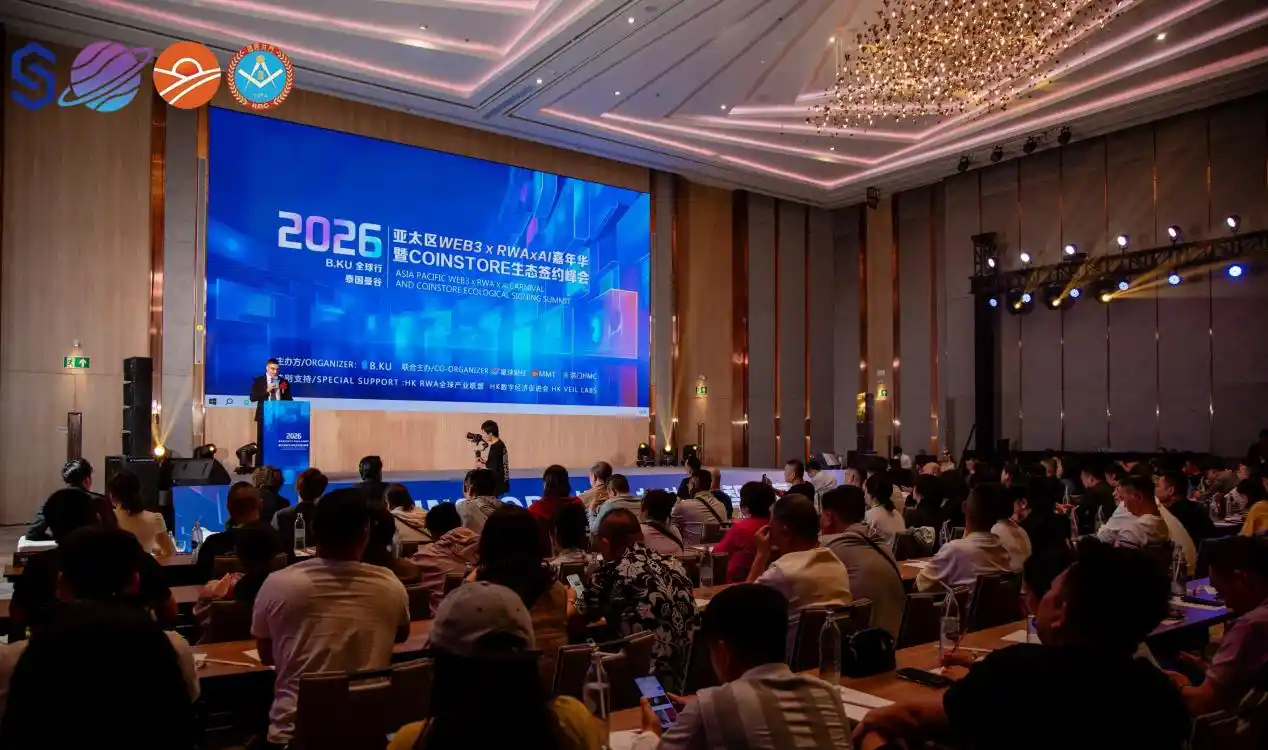
On January 8, 2025, the "Digital Finance and RWA (Real World Assets) Thematic Event" hosted by Coinstore B.KU was successfully held. Multiple guests from digital finance, blockchain technology, traditional industries, and international organizations gathered at the venue to engage in in-depth discussions on RWA development trends, structural changes in digital finance, and the construction of a global ecosystem.
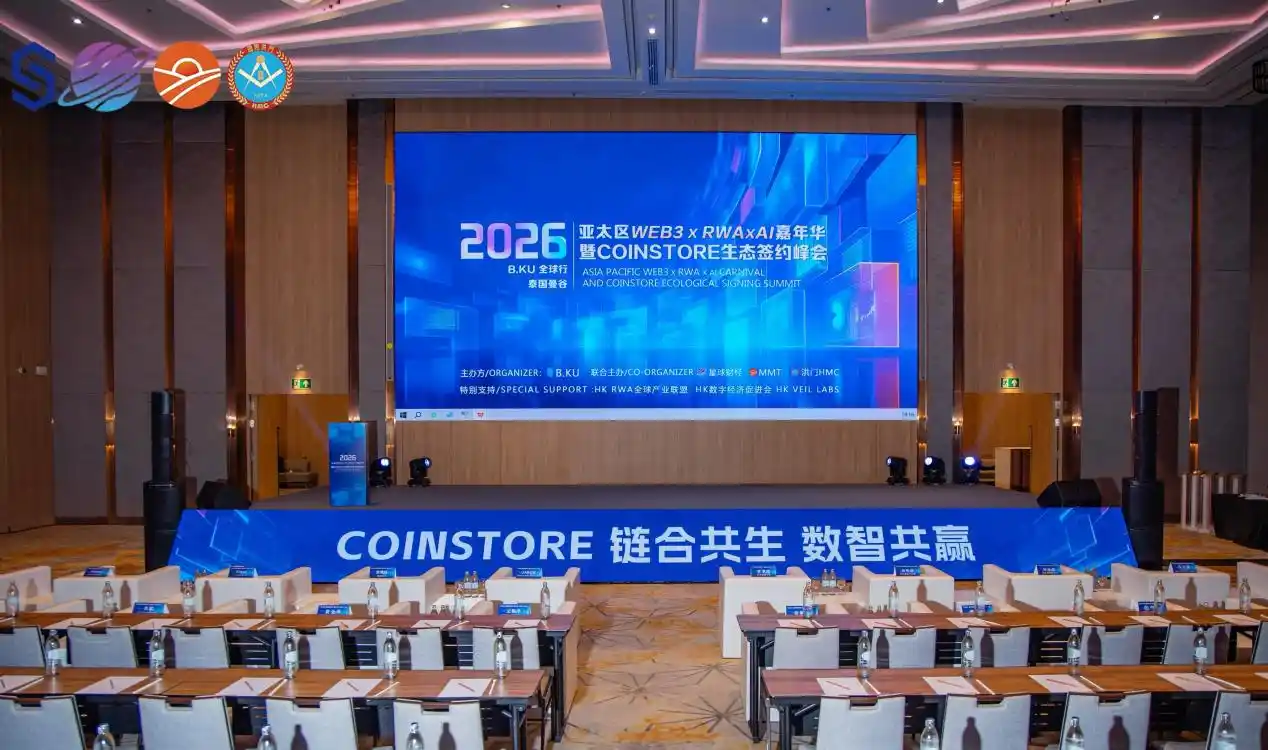
The event kicked off in a warm and professional atmosphere. The organizers stated that the digital asset industry is currently in a critical transition phase, moving from concept-driven and sentiment-based trading toward a value-driven model centered on real assets, compliance frameworks, and long-term trust. In this context, RWA is becoming a key bridge connecting the traditional financial system with the blockchain world and is regarded as one of the most certain directions for the next phase of digital finance.
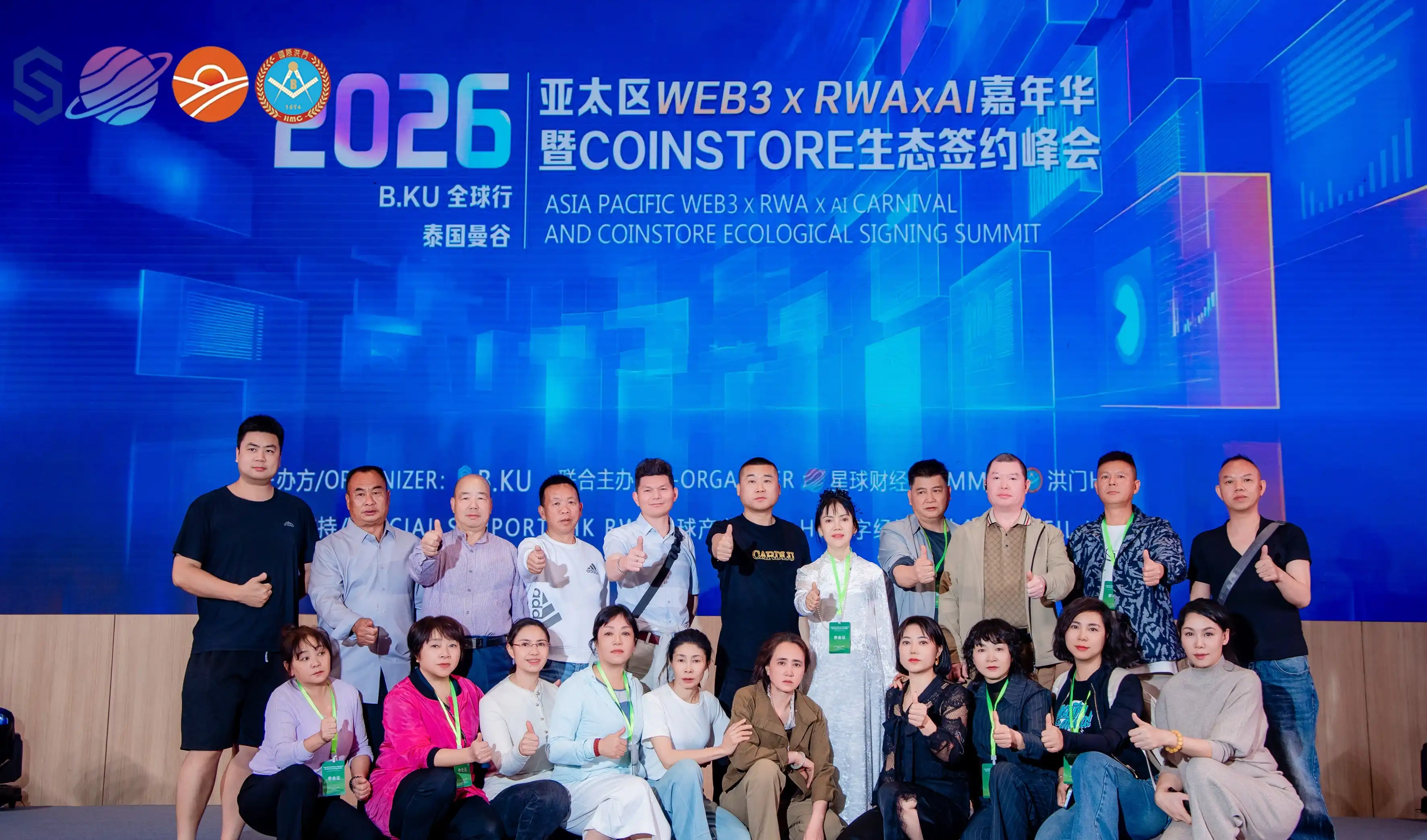
Gathering of International Guests, Building an Open Exchange Platform

The event featured a diverse lineup of guests from multiple countries and regions, including His Royal Highness Prince Charit of Thailand, as well as representatives from Coinstore/BKU exchange management, foundations, Asia-Pacific market teams, and communities in Korea and Japan. It also brought together various ecological organizations and industry representatives, such as the MMT ecosystem, Hung Mun HMC ecosystem, veill/veillabs, fully demonstrating Coinstore B.KU's international influence in the global digital finance field.
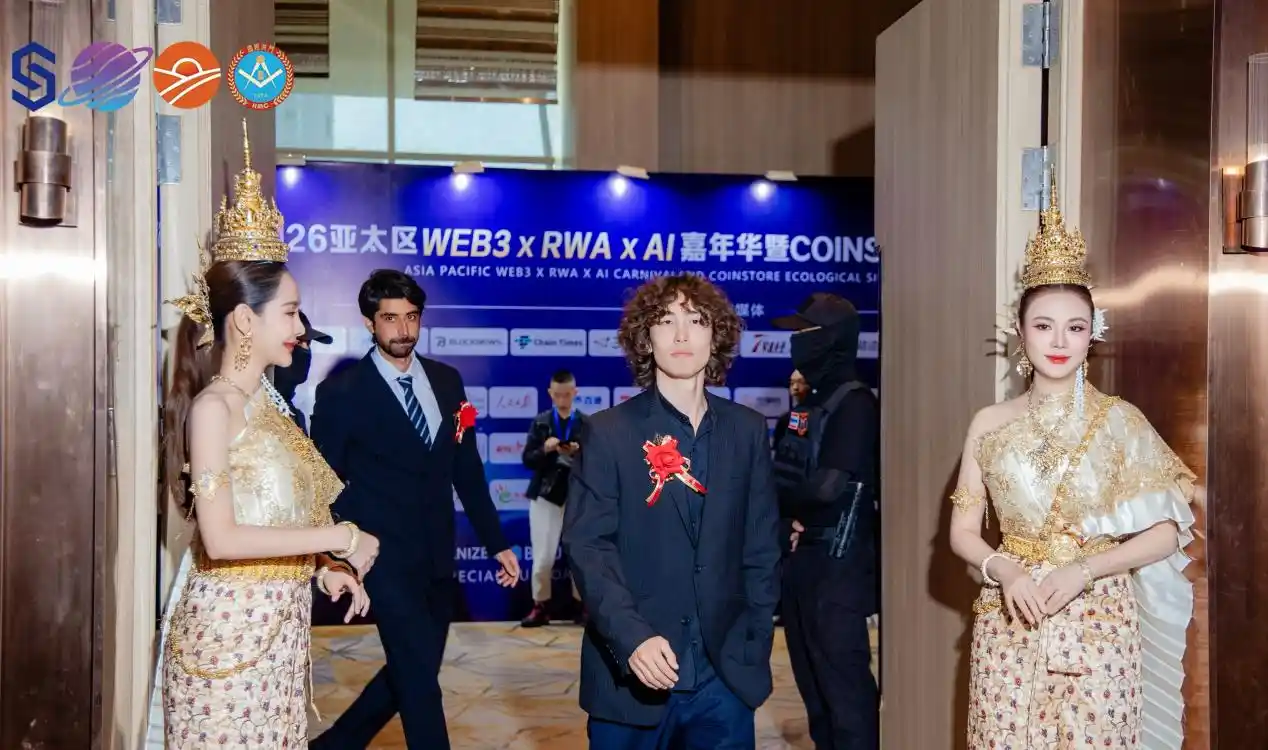
Speech by Thai Prince: Affirming the Value of Digital Finance and Innovative Cooperation

During the guest speech segment, His Royal Highness Prince Charit of Thailand delivered a speech, expressing high regard for the potential of digital finance and blockchain technology in driving economic innovation and cross-regional cooperation, and extending sincere wishes for the event. The organizers expressed heartfelt thanks for the Prince's attendance and support.
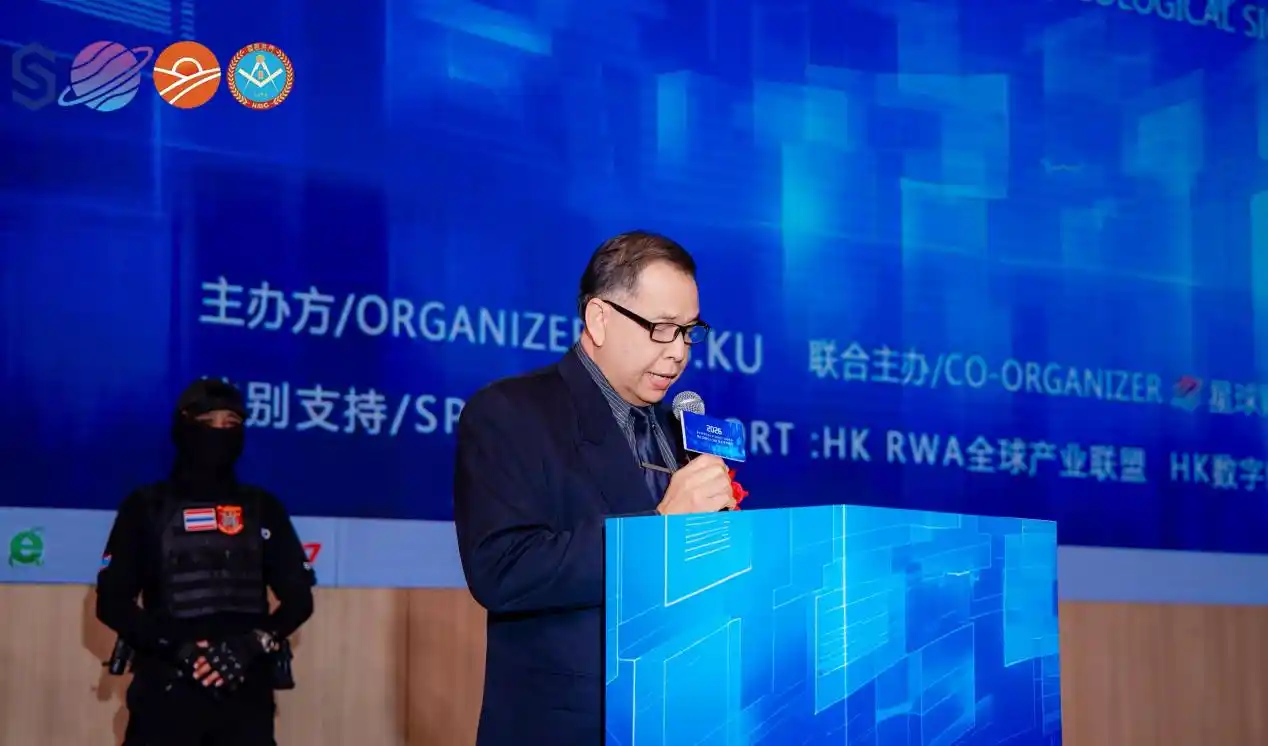
Coinstore COO: RWA is a Core Direction of Long-Term Strategy

Subsequently, Albert, COO of Coinstore Exchange, delivered a keynote speech, systematically sharing the platform's development logic, RWA strategic layout, and global market planning. He stated that RWA is not a short-term trend but a core direction for Coinstore B.KU's long-term development. By promoting asset digitization, standardization, and compliance, the platform will continue to explore the deep integration of real-world assets with blockchain infrastructure, building a sustainable global digital finance ecosystem.
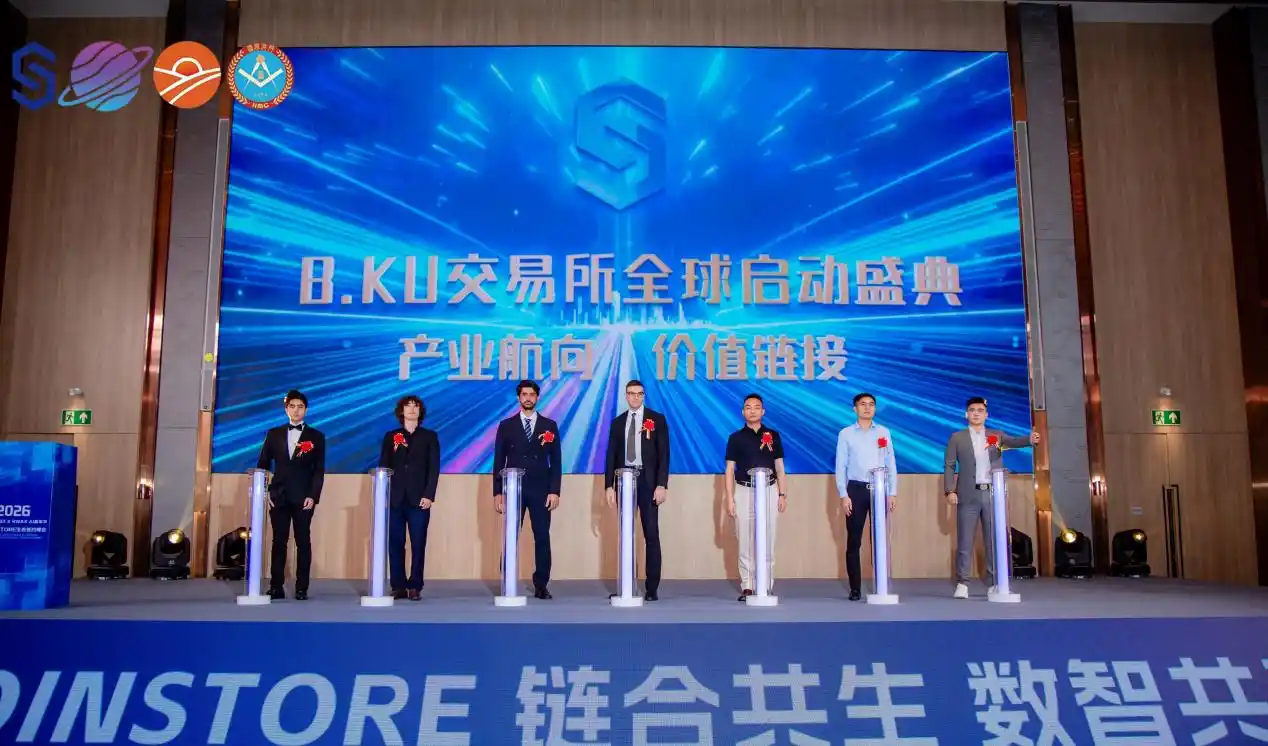
Coinstore Global Launch Ceremony Officially Completed

The event reached a significant milestone—the Coinstore Global Launch Ceremony. Seven guests, including Coinstore B.KU exchange management, foundation representatives, Asia-Pacific market leaders, and ecological partners, took the stage together to witness a key step in B.KU's journey toward global development, marking the official launch of its internationalization strategy.
RWA Keynote Speech: Analyzing Technical Logic and Industry Opportunities

In the core keynote speech segment, blockchain architect and RWA lecturer MOSE delivered a presentation titled "RWA: The Intelligence and Influence of Real World Assets, and the Inevitability of Enterprise Digital Transformation." From perspectives such as technical architecture, asset on-chain logic, application pathways, and industry practices, he systematically analyzed the development logic and practical opportunities of RWA, providing forward-looking professional insights for the attendees.

Ecological Signing and Implementation, Promoting RWA Practice Collaboration

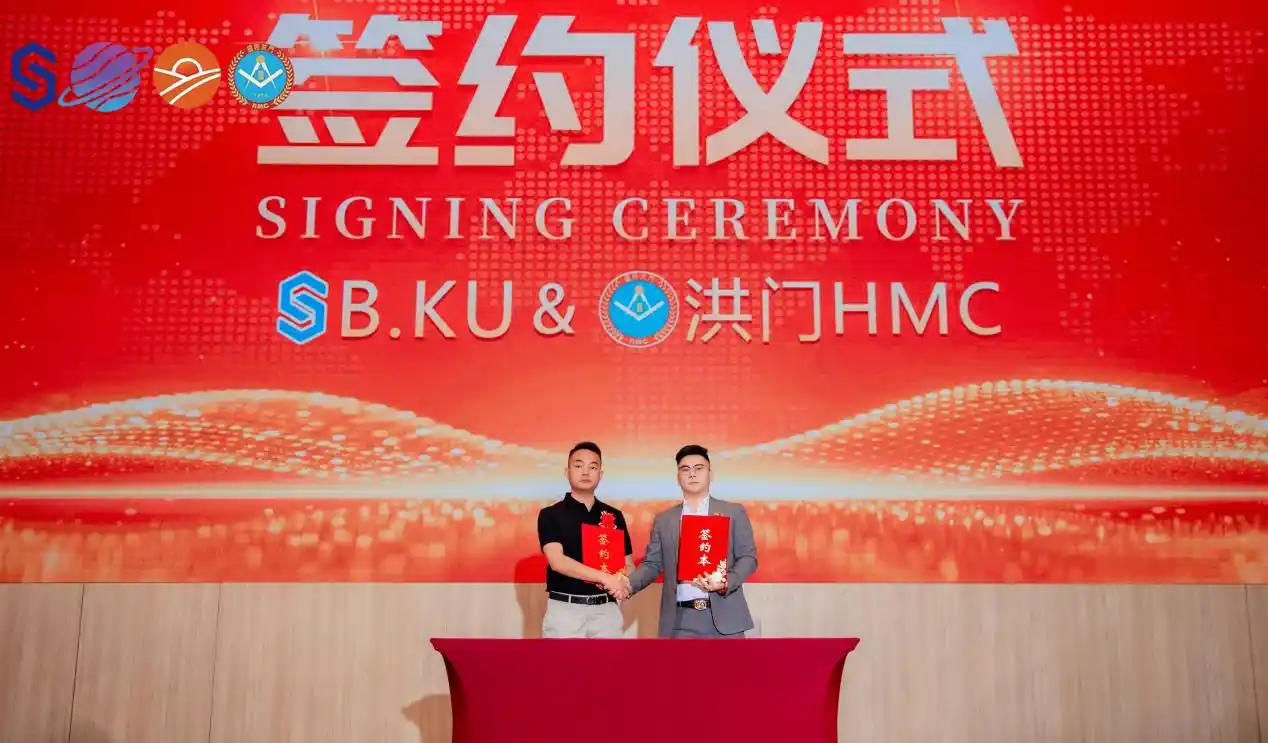
The ecological signing and cooperation release ceremony that followed became one of the key achievements of the event.
Ecological representatives, including MMT Ecosystem Chairman Du Xiaoyang and Hung Mun HMC Ecosystem Xiaohongchuan Technology Chairman Su Yunfeng, delivered speeches expressing their vision for cooperation with Coinstore B.KU in RWA, industrial digitization, and ecological co-construction.
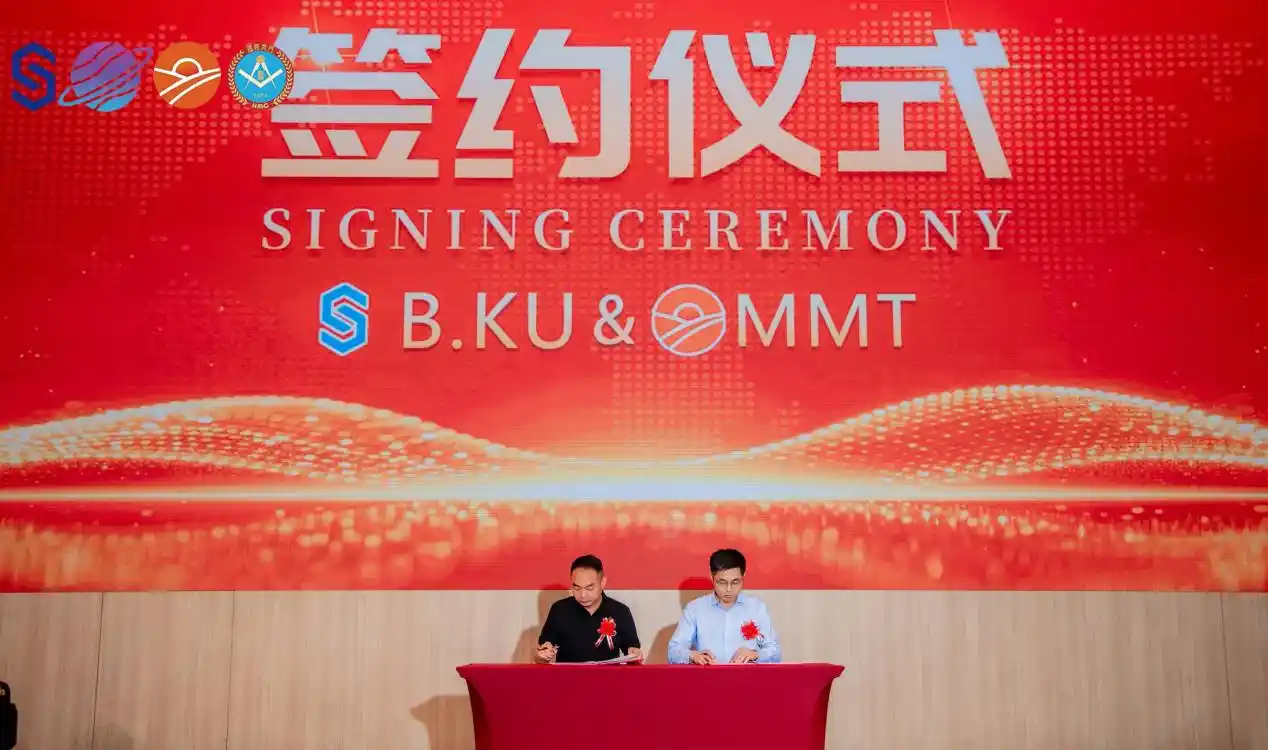
The organizers stated that this signing not only confirms the cooperative relationship but also marks a more solid step forward for Coinstore B.KU in RWA ecological construction and practical implementation.
Deepening Roots in Asia-Pacific, with a Global Vision

In the final segment of the event, Jason, Head of Asia-Pacific Market at Coinstore B.KU, shared the platform's overall layout strategy and future growth directions in the Asia-Pacific market. He pointed out that the Asia-Pacific region will become a key growth engine in Coinstore B.KU's global strategy. The platform will continue to expand its international influence through localized operations, community building, and ecological cooperation.
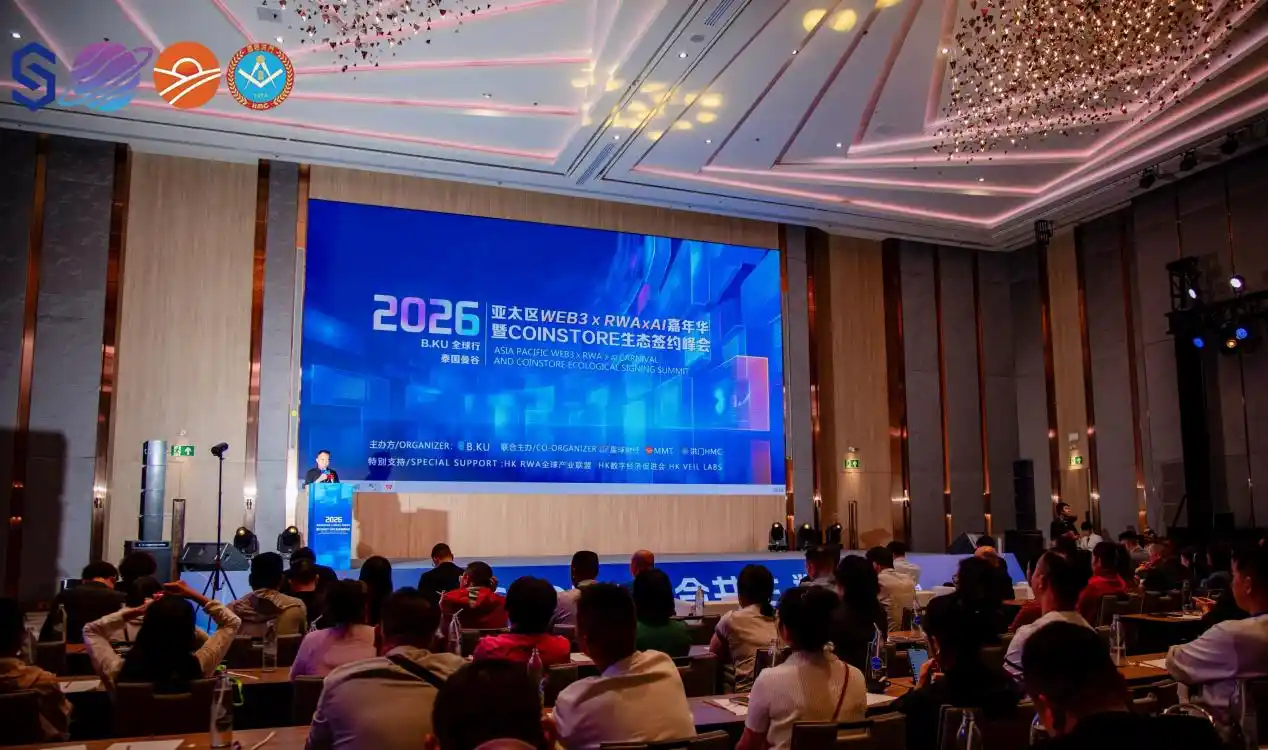
With this, the conference segment of the "Coinstore B.KU Digital Finance and RWA Thematic Event" concluded successfully. The organizers stated that they will continue to use RWA as an important tool to promote the deep integration of digital finance and the real economy, working hand in hand with global partners to explore a more open, compliant, and sustainable new paradigm for digital assets.

Related Questions

QWhat was the main theme of the event hosted by Coinstore B.KU on January 8, 2025?

AThe main theme of the event was Digital Finance and RWA (Real World Assets).

QAccording to the Coinstore COO, what is the strategic importance of RWA for the platform?

AThe Coinstore COO stated that RWA is not a short-term trend but a core direction for Coinstore B.KU's long-term development, focusing on asset digitization, standardization, and compliance to build a sustainable global digital finance ecosystem.

QWhich international dignitary attended the event and delivered a speech?

AHis Royal Highness Prince Charit of Thailand attended the event and delivered a speech, expressing strong interest in the potential of digital finance and blockchain technology.

QWhat significant milestone was achieved during the event regarding Coinstore's global expansion?

AThe Coinstore Global Launch Ceremony was held, marking the official start of its internationalization strategy with seven guests from management, the foundation, and partners participating.

QWhich ecosystems or organizations were mentioned as signing cooperation agreements with Coinstore B.KU during the event?

AThe MMT ecosystem, represented by Chairman Du Xiaoyang, and the Hung Men HMC ecosystem, represented by Chairman Su Yunfeng of Xiaohongchuan Technology, signed cooperation agreements with Coinstore B.KU.

Related Reads

Can Generative Models Finally Be Trained End-to-End? The Core Is a For Loop

This article introduces a novel training paradigm for generative models called Explorative Modeling (XM), which enables true end-to-end training. Traditionally, powerful generative models like autoregressive and diffusion models are not trained end-to-end. They are trained to predict a single small step but require iterative multi-step sampling for inference. This "exposure bias" leads to error accumulation and limits performance. The core challenge XM addresses is "mode blurring." In generative tasks, a single input (e.g., "generate a dog") corresponds to many valid outputs (multiple modes). Standard training objectives like reconstruction loss force the model to average these modes, producing unrealistic, blurry outputs. To avoid this, existing models break generation into many small, almost deterministic steps, sacrificing end-to-end training. XM tackles this by restructuring the training loop itself. Its key insight is to amplify "generative expressivity." For each training input, instead of generating one sample, the model generates K candidate outputs. Only the candidate closest to the real data is used for computing the loss and updating the model via backpropagation. This simple "best-of-K" mechanism is implemented as a short for-loop. By exploring multiple possibilities, the model learns to distribute its guesses across different modes rather than collapsing to their uninformative average. The paper demonstrates that "exploration" acts as a new, powerful scaling axis. Gains from XM increase with model size, data scale, and compute. Experiments show improvements in FID scores for image generation and significant efficiency gains, sometimes outperforming larger models without exploration. When pushed to the limit, XM enables fully single-step, end-to-end generative models. In robotics tasks, an "Explorative Policy" matched the performance of a 100-step Diffusion Policy with a single forward pass, drastically improving inference speed. While the best-of-K concept is not entirely new, the authors' contribution lies in formally understanding it as a direct method to boost generative expressivity without fragmenting the generation process. This work suggests that as models scale, enhancing exploration during training may become crucial for overcoming fundamental performance bottlenecks.

marsbit50m ago

Can Generative Models Finally Be Trained End-to-End? The Core Is a For Loop

marsbit50m ago

Annual Salary of Millions Competing for Electricians, Meta Rushes to Open Its Own Technical School

The AI boom is facing an unexpected bottleneck: a severe shortage of skilled construction workers and electricians. As tech giants like Meta, OpenAI, and Alphabet race to build massive data centers—such as OpenAI's $16 billion "Stargate" project—they are hitting a critical labor wall. The U.S. needs an estimated 130,000 more electricians, 240,000 construction workers, and 150,000 supervisors by 2030 for AI infrastructure alone, but tens of thousands of electrician jobs go unfilled each year. While AI companies offer high premiums, with electricians earning up to $280,000 annually, worker scarcity still causes massive losses—delays on a single project can cost $14.2 million per month. The complexity of building AI data centers, which require immense power (equivalent to powering hundreds of thousands of homes), sophisticated electrical systems, and advanced liquid cooling solutions, demands highly skilled technicians who are in short supply. To combat this, companies are investing heavily in training. Meta has committed $115 million to a free training school offering tuition, housing, and stipends, targeting 5,000 new workers. OpenAI is partnering with unions to secure skilled labor. These efforts are paying off, with a significant rise in Gen Z interest in trade schools over college. However, the power demands are staggering. AI data centers are driving a rapid surge in electricity consumption, projected to account for up to 12% of U.S. power use by 2028 and raising costs for consumers. Furthermore, the construction boom is project-based, leading to a potential future glut of trained workers once building peaks, which could depress wages industry-wide. The race for AI supremacy now depends as much on skilled hands as on advanced chips.

marsbit2h ago

Annual Salary of Millions Competing for Electricians, Meta Rushes to Open Its Own Technical School

marsbit2h ago

Trading

Spot
活动图片