Brazilian stock exchange to launch tokenization platform and stablecoin

cointelegraphPublished on 2025-12-18Last updated on 2025-12-18

Abstract

Brazil's primary stock exchange, B3, announced plans to launch a tokenization platform for traditional assets and its own stablecoin for settlements, starting in 2026. The initiative aims to create a seamless transition between traditional and digital markets by ensuring asset fungibility and shared liquidity. This move follows recent regulatory changes by Brazil’s central bank, which classifies stablecoin transactions as foreign-exchange operations. Additionally, B3 plans to introduce weekly options for Bitcoin, Ether, and Solana, as well as event contracts. The exchange has previously offered cryptocurrency exposure through ETFs earlier than the US market.

Brazilian stock exchange B3 announced a move deepening its ties to digital assets through the launch of a tokenization platform and stablecoin for settlements, starting in 2026.

In a Tuesday notice to investors, B3’s vice president of products and clients, Luiz Masagão, said the exchange plans to launch a tokenization platform for traditional assets, starting with stock market offerings. He added that B3 would also issue its own stablecoin as “a tool to enable trading in tokens."

“The great value of having this tokenization platform connected to the traditional ecosystem is that assets are fungible,” said Masagão. “The token buyer won’t know they’re buying from a traditional stock seller. This allows for a smooth transition, with both benefiting from the same liquidity.”

The announcement came about a month after Brazil’s central bank said it would classify stablecoin transactions as part of foreign-exchange operations for crypto companies. It’s unclear how the policy change, expected to take effect in February, could apply to stock exchanges like B3.

Related: Solana enters Brazil’s main exchange as Valour expands regulated crypto access

The tokenization and stablecoin plan was just one part of the exchange’s agenda on digital assets. Masagão said that B3 planned to launch weekly options for Bitcoin (BTC), Ether (ETH) and Solana (SOL), as well as event contracts, such as those offered by prediction platforms Kalshi and Polymarket.

Brazilian market beat the US on crypto ETFs

As the sole significant stock exchange in Brazil, B3 also offered investors exposure to cryptocurrencies through exchange-traded funds earlier than the US, where regulators approved ETFs tied to Bitcoin futures in 2021 and spot Bitcoin ETFs in January 2024. Thirteen ETFs with crypto exposure were listed on B3 starting in 2021, and the exchange included a spot XRP (XRP) fund in February.

Magazine: When privacy and AML laws conflict: Crypto projects’ impossible choice

Related Questions

QWhat is the Brazilian stock exchange B3 planning to launch in 2026?

AB3 is planning to launch a tokenization platform for traditional assets and its own stablecoin for settlements.

QAccording to the vice president, what is the key benefit of connecting the tokenization platform to the traditional ecosystem?

AThe key benefit is that assets become fungible, allowing for a smooth transition where both token buyers and traditional stock sellers benefit from the same liquidity without the buyer knowing the source.

QHow did Brazil's central bank recently classify stablecoin transactions, and when is this expected to take effect?

ABrazil's central bank classified stablecoin transactions as part of foreign-exchange operations for crypto companies, and this policy change is expected to take effect in February.

QBesides the tokenization platform and stablecoin, what other digital asset products did B3 announce?

AB3 also announced plans to launch weekly options for Bitcoin (BTC), Ether (ETH), and Solana (SOL), as well as event contracts similar to those offered by prediction platforms like Kalshi and Polymarket.

QHow did Brazil's B3 exchange compare to the US in terms of offering cryptocurrency exposure through ETFs?

AB3 offered cryptocurrency exposure through ETFs earlier than the US, listing thirteen crypto-related ETFs starting in 2021, including a spot XRP fund in February, while the US approved Bitcoin futures ETFs in 2021 and spot Bitcoin ETFs in January 2024.

Related Reads

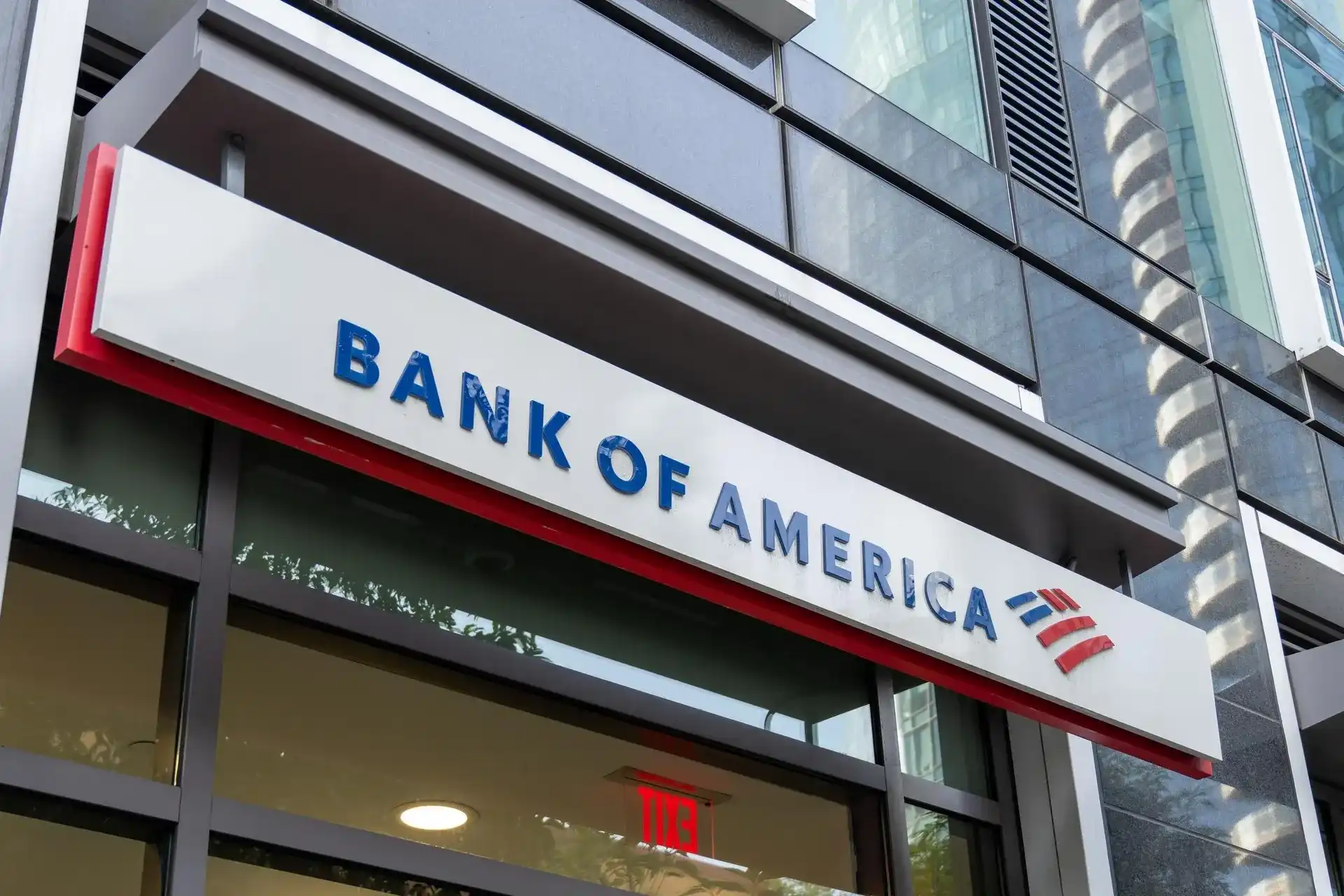
Bank of America Quietly Positions: Could $6 Trillion in Bank Deposits Flow into Stablecoins?

Bank of America (BofA) is making strategic moves in digital assets, appointing senior leaders to advance a platform covering stablecoins, tokenized deposits, custody, and crypto settlement. This comes amid a broader discussion about the potential migration of trillions in bank deposits to stablecoins. A cited TBAC report estimated up to $6.6 trillion in transactional deposits could be at risk of moving to stablecoins long-term, a point BofA's CEO previously conditioned on stablecoins being allowed to pay interest. The regulatory landscape is evolving, with the GENIUS Act setting a final implementation deadline for January 2027. Major banks, however, are not waiting; JPMorgan, Citi, BofA, and others are already developing tokenized deposit networks and services. Industry observers note that while retail crypto trading is sluggish, institutional adoption of stablecoins for real-world use cases is driving growth. Despite the activity, some analysts remain cautious, noting banks have a long history of blockchain announcements and that true structural change is slow. The stablecoin market itself has seen a recent dip from its peak. Optimistic projections, however, foresee significant growth, with stablecoin settlement volume already reaching $33 trillion in 2025. The race is on for the post-January 2027 landscape, where regulatory clarity is expected to accelerate the fusion of traditional finance and crypto.

marsbit2m ago

Bank of America Quietly Positions: Could $6 Trillion in Bank Deposits Flow into Stablecoins?

marsbit2m ago

STAR 50 Soars 10.73%, Why Did A-Shares Stage a "V-Shaped Reversal"?

After a prolonged decline, the Chinese A-share market staged a strong rally on July 21. The STAR 50 index surged 10.73%, its largest single-day gain in nearly a year, leading a broad-based "V-shaped" reversal. The Shanghai Composite Index rose 1.79%, the Shenzhen Component Index gained 4.81%, and the ChiNext Index jumped 7.05%. Total market turnover reached 2.97 trillion yuan, an increase of 256.1 billion yuan from the previous session, with over 3,100 stocks advancing. The semiconductor sector spearheaded the rebound, with related ETFs posting significant gains. Analysts attribute the surge to three converging factors. First, coordinated capital inflows from "national team" institutions, insurance funds, listed company buybacks, and fund house self-purchases have bolstered market liquidity and confidence. Second, supportive policy signals, including commitments from regulators to ensure stable market operations, provided a favorable backdrop. Third, a stabilization and recovery in overseas markets, notably South Korea, created a positive external environment. Institutions suggest the most severe panic selling phase for the tech sector has likely passed, following a significant digestion of crowded positions and leveraged funds. While short-term volatility may persist, the medium to long-term outlook remains underpinned by enduring trends like AI computing demand expansion and semiconductor localization. The market's focus now shifts to the sustainability of supportive fund flows, earnings reports, and upcoming catalysts from the global AI industry chain.

marsbit40m ago

STAR 50 Soars 10.73%, Why Did A-Shares Stage a "V-Shaped Reversal"?

marsbit40m ago

U.S. Tech Momentum Stocks Post Largest Single-Day Gain Ever, But Is the Plunge Over?

US tech momentum stocks staged a sharp rebound on Tuesday (July 21st). Morgan Stanley's TMT Momentum Factor surged over 12%, marking its largest single-day gain on record, exceeding even peaks from the 2000 dot-com bubble. Key momentum indices from Goldman Sachs also posted their strongest daily performances in years. The rally was led by semiconductors, with the Philadelphia Semiconductor Index jumping 4.6%. This rebound followed three consecutive down days and a cumulative 33% plunge in momentum stocks, one of the steepest drawdowns since the dot-com era. Analysts attribute the surge largely to a short squeeze. Heavy selling had pushed high-beta momentum stocks into deeply oversold territory, forcing many short sellers, particularly in Asia, to cover their positions, creating a self-reinforcing buying spiral. However, the rebound's internals appear weak. Trading volume was notably low, and advancing stocks still lagged decliners on the S&P 500, indicating a narrow, concentrated rally rather than broad market participation. Diverging views emerge on the outlook. BTIG warns the bounce has hit key resistance and recommends selling into strength, citing extreme volatility and historical parallels to past market tops. Conversely, Goldman Sachs and UBS believe the momentum unwind is nearing its end, suggesting it may be time to gradually add exposure, as positioning has been significantly reduced. They caution, however, that high volatility warrants a measured approach, potentially using defined-risk strategies. The upcoming earnings season, particularly reports from major tech firms like Alphabet, is seen as a critical test for the rally's sustainability. Simultaneously, bond markets flashed a warning, with yields rising partly due to spiking oil prices. Analysts note that if long-term Treasury yields break decisively higher, it could pose a significant headwind for equities, especially growth stocks.

marsbit47m ago

U.S. Tech Momentum Stocks Post Largest Single-Day Gain Ever, But Is the Plunge Over?

marsbit47m ago

U.S. Tech Momentum Stocks Record Largest Single-Day Gain Ever, but Has the Rout Ended?

U.S. tech momentum stocks staged a dramatic rebound on Tuesday, July 21st. Key momentum indices like the Morgan Stanley TMT Momentum Factor and Goldman Sachs' High Beta Momentum Long Index posted historic or near-historic single-day gains, fueled largely by semiconductor stocks. This sharp rally followed a severe three-day sell-off that saw momentum stocks plunge 33%, marking one of the steepest pullbacks since the dot-com bubble. Analysts attribute the bounce primarily to a short squeeze, as forced covering from over-leveraged traders, particularly in Asia, created a buying spiral. However, the rally's health is questioned due to weak market breadth—overall trading volume was low, and decliners outnumbered advancers in the S&P 500 despite the index's gain—suggesting a narrow, concentrated surge rather than broad recovery. Opinions on the sustainability diverge. BTIG strategists warn the rebound has hit key resistance levels, citing extreme volatility and historic stock dispersion as signs of an ongoing broader correction, and recommend selling into strength. Conversely, Goldman Sachs and UBS view the aggressive momentum unwinding as nearing its end, noting reduced positioning and a lack of new fundamental catalysts. They suggest the sell-off presents a selective opportunity to add exposure, albeit cautiously and gradually using defined-risk strategies. The immediate trajectory hinges on the ongoing earnings season, with market focus on Alphabet's capital expenditure guidance for AI investment clarity. Meanwhile, bond markets present a risk, with rising Treasury yields—potentially heading toward 5.5%—and widening credit spreads for mega-cap tech companies posing a threat to equity valuations. The combination of technical factors, earnings results, and macro conditions leaves the durability of the rebound in doubt.

链捕手50m ago

U.S. Tech Momentum Stocks Record Largest Single-Day Gain Ever, but Has the Rout Ended?

链捕手50m ago

Trading

Spot
活动图片