Author:Biteye
Once, airdrops in the crypto world were thrilling "get-rich-quick legends," reminiscent of the Uniswap, ENS, and Arbitrum eras, where early users and project teams mutually benefited, evangelists and builders shared the rewards, forming a brief yet real "golden honeymoon" period.
However, fast forward from 2023 to 2026, the influx of massive capital, the extreme internal competition among professional studios, and the insatiable appetite of project teams have completely distorted the airdrop landscape.
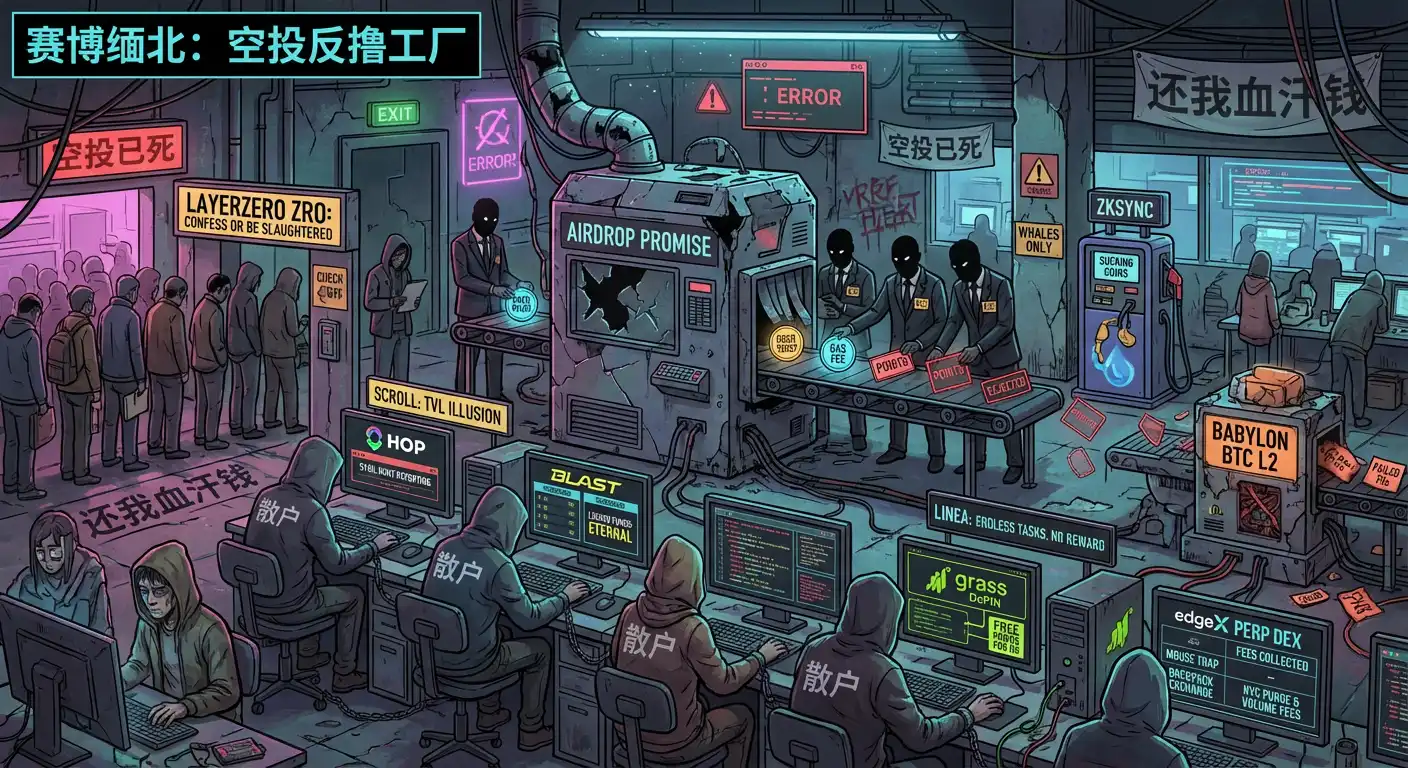
"Interaction brings blessings" has turned into a "cyber harvesting field," where airdrop hunting has shifted from an early adopter bonus to a systematic reverse harvest.
Retail users are redefined: free testers, low-cost liquidity providers, and endless data producers.
In a long-term environment of opaque rules and constantly rewritten expectations, what ultimately arrives is often not a reward but being zeroed out, diluted, or even directly eliminated.
In this article, we review 12 iconic "rug pull" projects in airdrop history, examining how trust was gradually eroded to exhaustion.
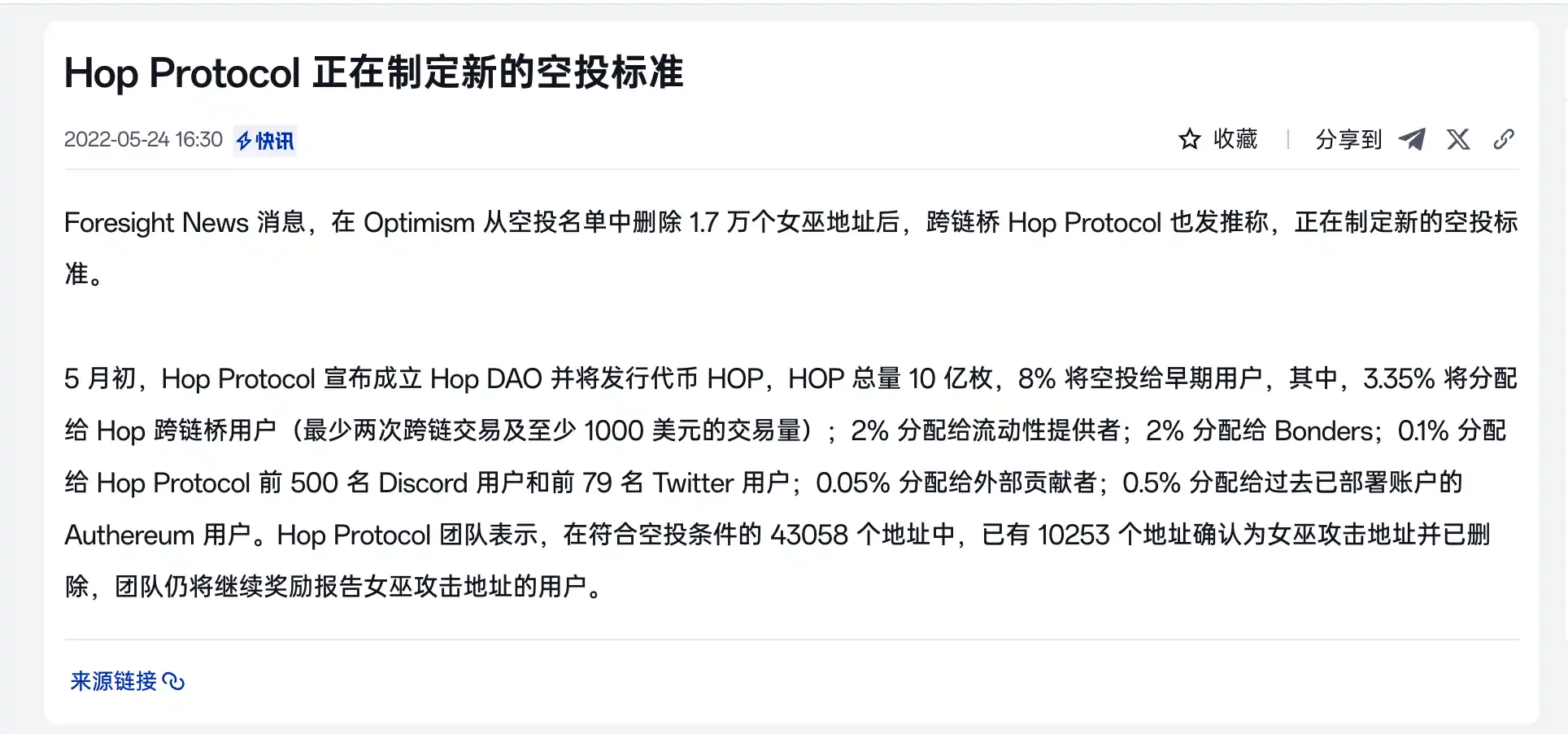
1. Hop Protocol (HOP):The Dawn of the "Sybil" Era.
●Rug Pull Process: The cross-chain bridge star HOP pioneered the terrifying "community reporting of Sybils" mechanism. The rules were incredibly蛊惑人心 (deceptive): reporters could share the份额 (allocation) of the reported addresses. For a moment, it felt like Shang Yang, who implemented collective punishment and informant systems thousands of years ago, had time-traveled to Web3.
●Rug Pull Characteristics: Bottom-tier mutual harm, pitting the masses against each other. The project team handed the dirty work of on-chain address correlation review to users, exploiting human greed to incite the community to turn on each other, even uploading the list of reported addresses to GitHub for the entire industry to "reuse."
●Far-reaching Impact: After HOP, checking for Sybils became "politically correct" for all token distribution projects. On-chain interaction shifted from "experiencing decentralized products" to an extremely draining cat-and-mouse game. While combating Sybils is necessary, completely offloading the审查 responsibility (review responsibility) to the community, even encouraging mutual harm, severely damaged the community ecosystem.
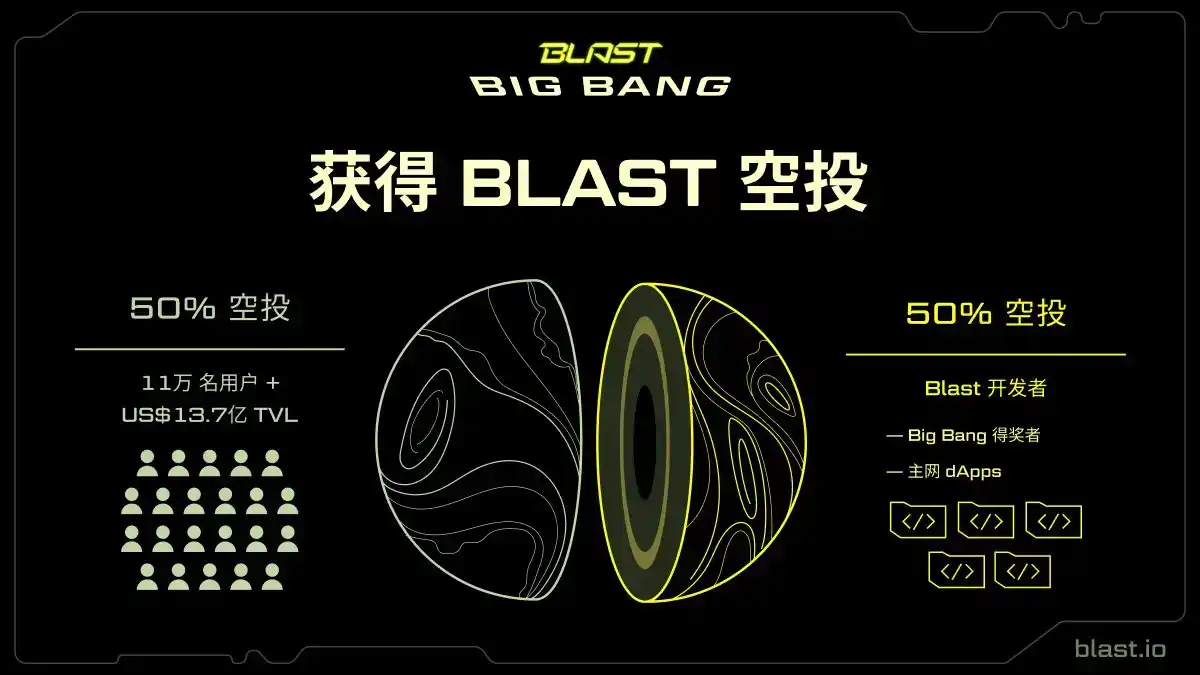
2. Blast: The Father of the Dreaded "Points System"
●Rug Pull Process: Blast, backed by Paradigm's top-tier光环 (halo), abandoned traditional interaction models, requiring users to lock up ETH or stablecoins to earn "points." Rules were changed multiple times mid-game. Whales and top NFT players profited handsomely, while ordinary users, after locking funds for months, found their token rewards couldn't even beat the returns from risk-free理财 (wealth management) products during the same period.
●Rug Pull Characteristics: Ponzi-fication and blind box gambling. Users were swept up in endless FOMO, becoming free ATMs for the project's TVL data.
●Far-reaching Impact: Starting with Blast, "points nesting dolls" became an industry standard. The points system was originally intended to encourage long-term participation, but frequent rule changes and severely unbalanced rewards ultimately caused users to lose trust in the project. Web3 airdrop hunters were reduced to Web2 laborers, and the decentralized spirit Web3 prides itself on died彻底 (completely) under capital's calculations.
3. LayerZero (ZRO): The Tipping Point of Trust Collapse
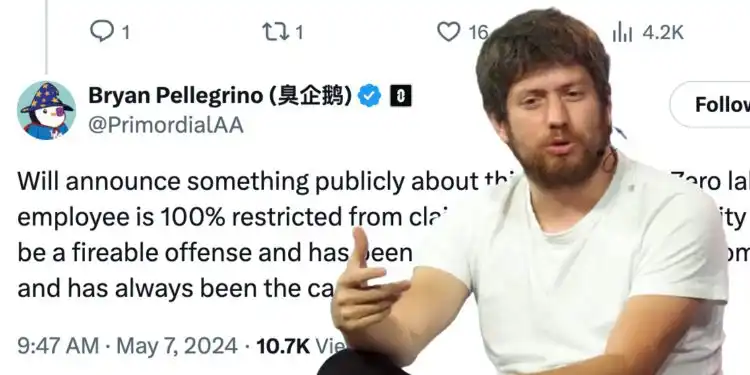
●Rug Pull Process: After 18 months of cross-chain interactions burned through users' massive Gas fees, the project team introduced the strictest Sybil review in history just before the token launch, even demanding users "voluntarily confess" to retain a portion of their allocation, otherwise face complete清零 (zeroing out). Vast numbers of genuinely active users and small studios were zeroed out.
●Rug Pull Characteristics: Extremely arrogant "guilty until proven innocent" presumption. The project team milked users for their exorbitant fee contributions, then turned around to treat them like thieves, subjecting them to防范 (prevention) and羞辱 (humiliation).
●Far-reaching Impact: LayerZero single-handedly destroyed the grand narrative of "multi-chain interaction." While Sybil刷量 (brush volume) needs review, the粗暴 (brutal) execution of "guilty presumption + confession mechanism" further accelerated the collapse of trust. From then on, the stinky penguin (ZRO mascot reference) became eternally infamous, and "rug pull" became the Sword of Damocles hanging over every airdrop hunter's head. Retail users彻底明白 (completely understood): in the face of absolute interpretive power, your effort is worthless.
4. zkSync (ZK):The Final End of the L2 Interaction Airdrop Era
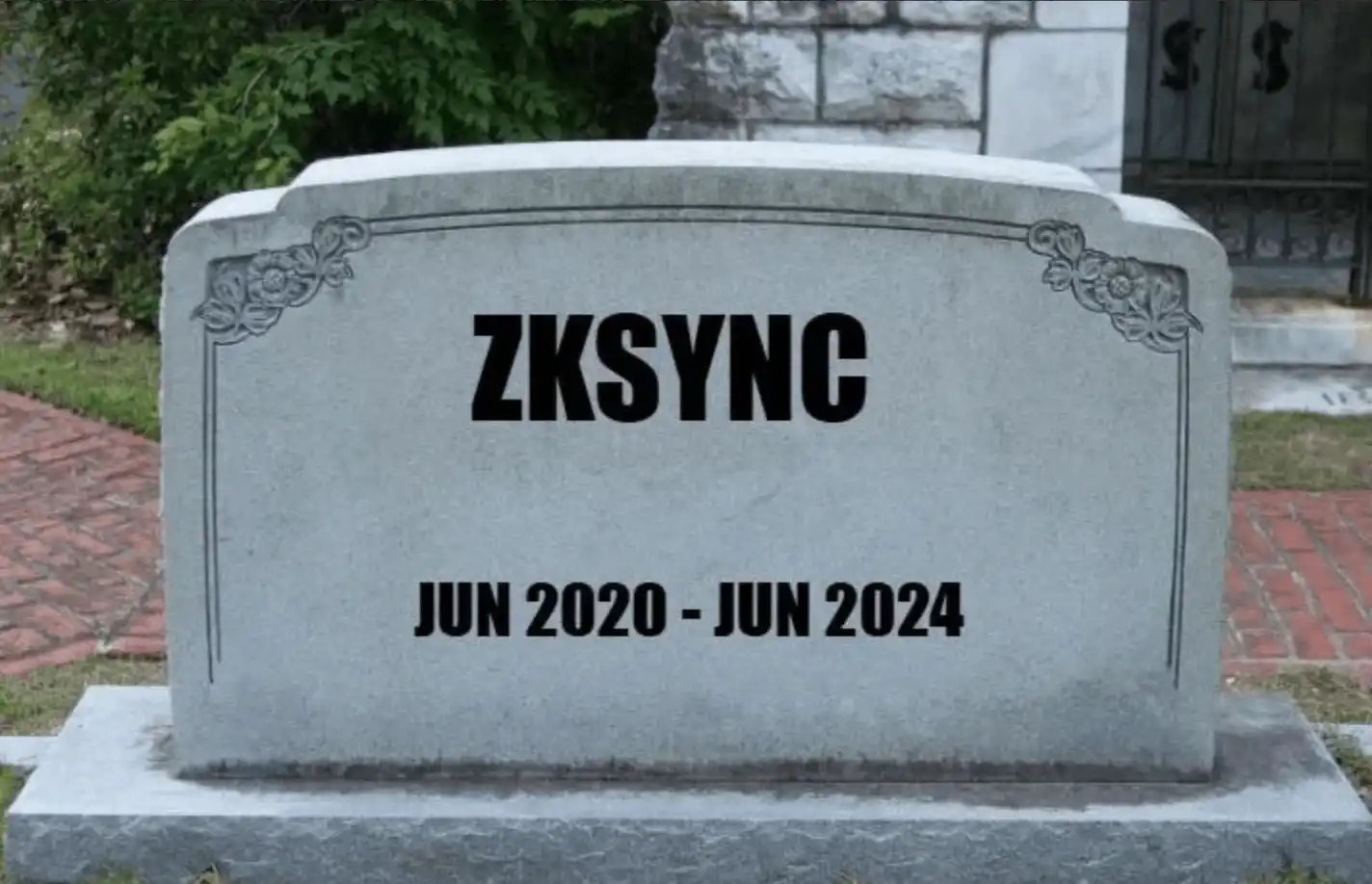
●Rug Pull Process: As one of the former四大天王 (Four Heavenly Kings) of L2, zkSync built up community anticipation for years. After absorbing hundreds of millions of dollars in Gas fee contributions, its airdrop rules performed a惊天黑箱 (shocking black box) move: drastically reducing the weight of transaction count and activity, instead making "funds retained at specific times" the core threshold. This resulted in a sea of long-term interactive users who grew with the project receiving nothing, while internal老鼠仓 (rat trading) and new accounts that deposited money at the last minute received huge allocations.
●Rug Pull Characteristics: Lure with "activity" to scam Gas, then kick out with "capital amount."
●Far-reaching Impact: zkSync's extremely ugly greed made the entire market彻底绝望 (completely despair) of L2 airdrops. While controlling Sybils and刷量军团 (brush volume armies) is necessary, the black box rules disheartened the genuine early contributors. Subsequently launched new L2s directly faced the窘境 (predicament) of "no one cares," and no retail users were willing to be free on-chain laborers anymore.
5. Infinex: The Public Sale Mechanism Collapse
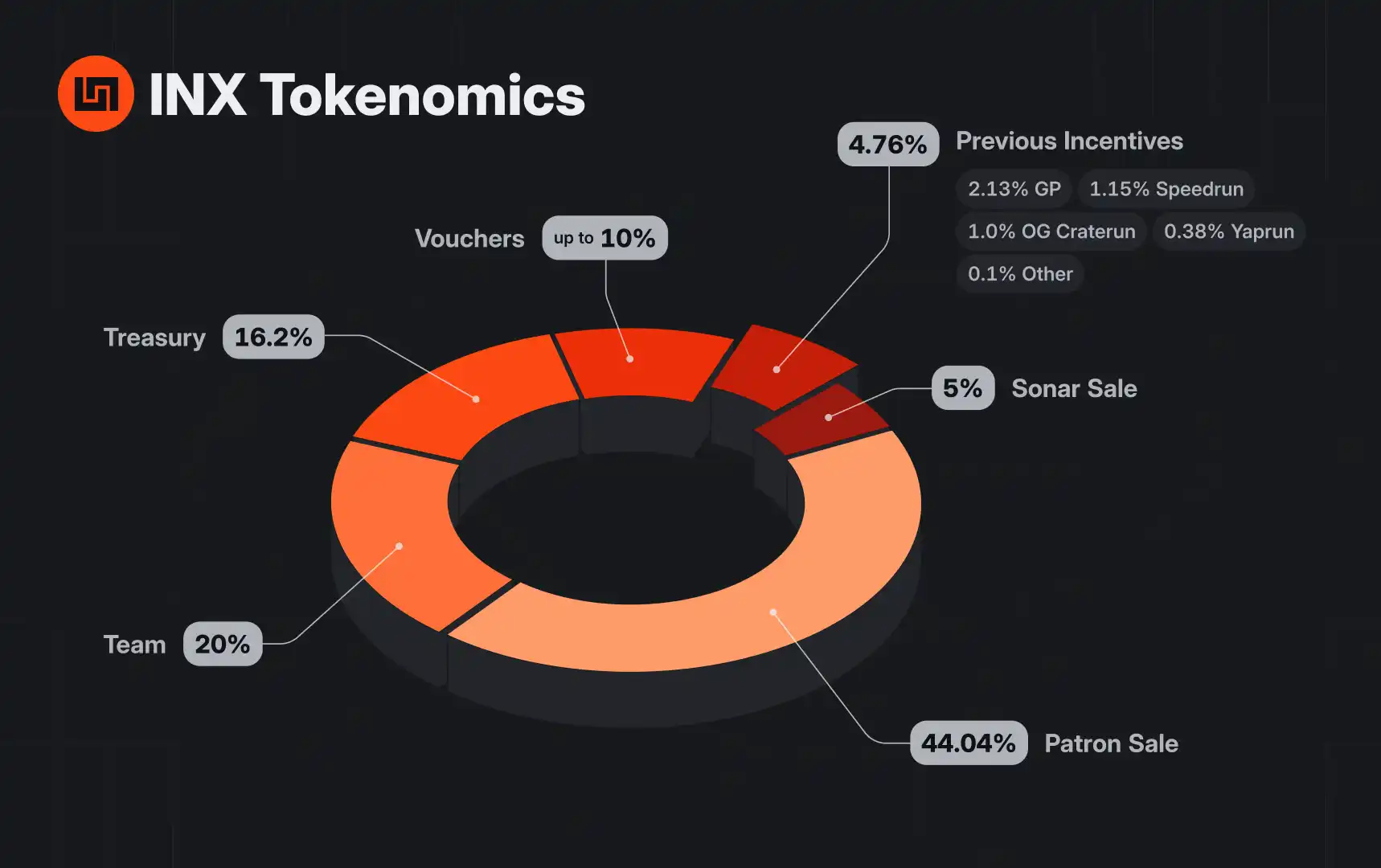
●Rug Pull Process: Backed by Synthetix founder Kain Warwick, the cross-chain DeFi aggregation platform Infinex was seen by the community as a representative of "正统性" (legitimacy). It lured users into investing significant funds and effort through Patron NFT and months-long points campaigns. However, when the public sale opened in January 2026, the community was met with an extremely high FDV valuation, an outrageously离谱 (absurd) "mandatory one-year lockup," and chaotic distribution logic. Participation on the first day of the public sale惨遭滑铁卢 (suffered a Waterloo), forcing the project team to urgently "patch" and modify the rules multiple times amidst a storm of criticism.
●Rug Pull Characteristics: "Public sale reversal" under high expectations. This tactic of first painting a picture with NFT narratives and then changing the public sale rules at the last moment turned long-term supporters' investments into locked-in sunk costs instantly.
●Far-reaching Impact: The Infinex incident彻底暴露 (completely exposed) the risks of the "NFT + points for public sale" model, earning the project team无限问候 (endless greetings) to their families from the community.
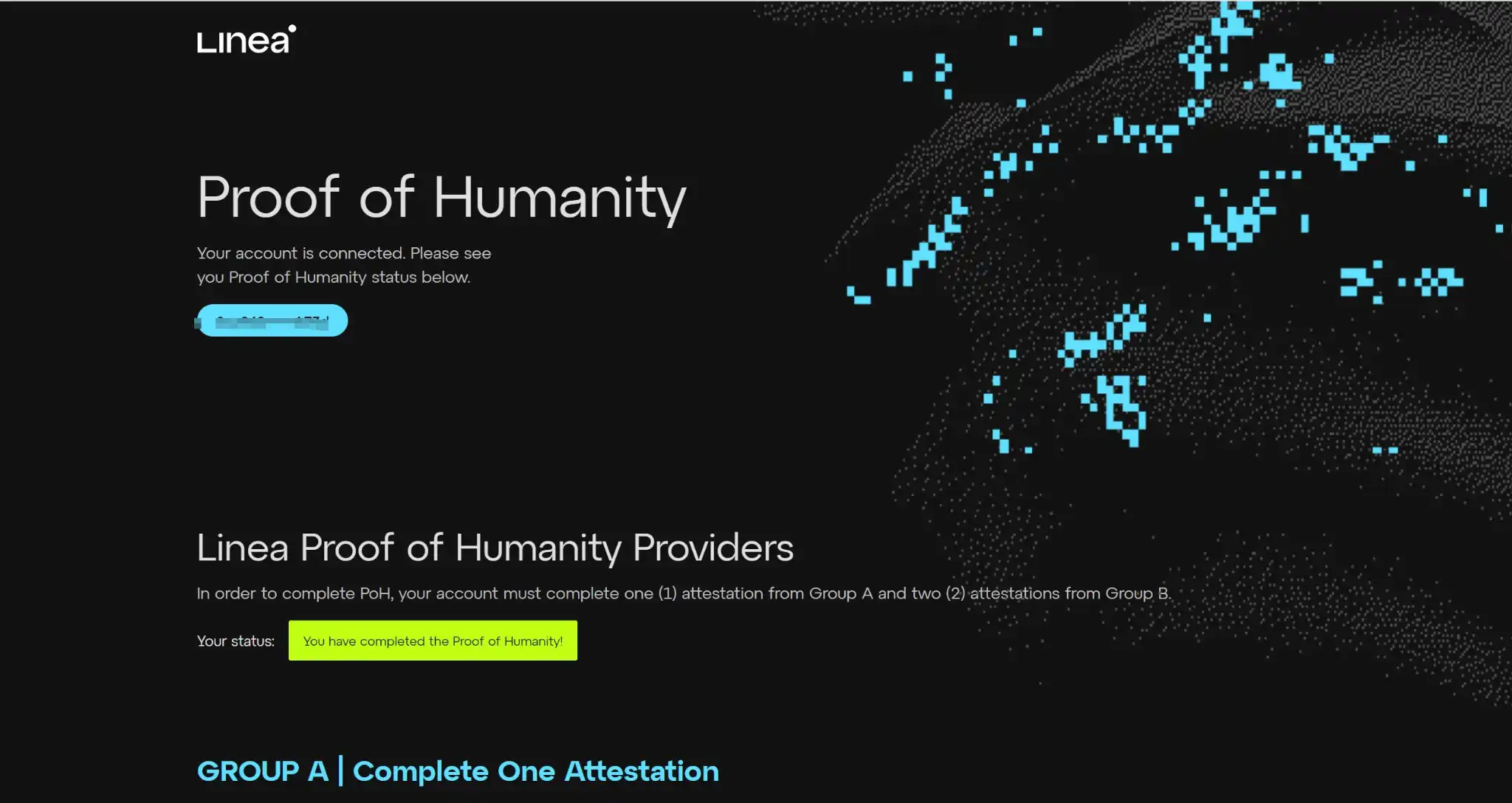
6. Linea: The Origin of the Term "Digital Black Labor"
●Rug Pull Process: Took the art of PUA to an appalling extreme: launched an interminable, multi-episode Galxe Odyssey campaign lasting two years. Users were required to endlessly answer questions, bridge assets, swap tokens, mint illiquid junk NFTs like黑奴 (black slaves), and were finally forced to undergo extremely cumbersome KYC.
●Rug Pull Characteristics: An infinitely prolonged war of attrition. Always doing tasks, always accumulating LXP points, always being PUA'd, with the mainnet token launch always遥遥无期 (seemingly never arriving).
●Far-reaching Impact: Linea turned "completing tasks for airdrops" into a full-time job with extremely low hourly wages and immense mental torture. A large number of users withdrew from the space entirely due to exhaustion, also宣告 (declaring) the complete bankruptcy of the OAT (On-Chain Achievement Token) narrative.
7. Grass: DePIN's Free Power Generator
●Rug Pull Process: As a star in the DePIN track, it encouraged users to contribute idle bandwidth by keeping devices online. Countless people ran their computers 24/7 to刷分 (farm points), even paying out of pocket for clean overseas IPs. When the token launched, the project team kept the vast majority of the allocation for themselves or分配给 (distributed to) VCs. The tokens散户 (retail users) painstakingly mined for months, when sold, couldn't even cover the cost of electricity and proxy IPs.
●Rug Pull Characteristics: Getting something for nothing. Under the guise of Web3 construction, blatantly白嫖 (freeloading) on the physical resources of Web2 users.
●Far-reaching Impact: Grass's rug pull made the market清醒地认识到 (clearly realize) that many so-called DePIN projects are essentially "freeloading software," directly leading to a cliff-like drop in retail participation for subsequent similar projects.
8. Monad: The Terminator of L1 Airdrops
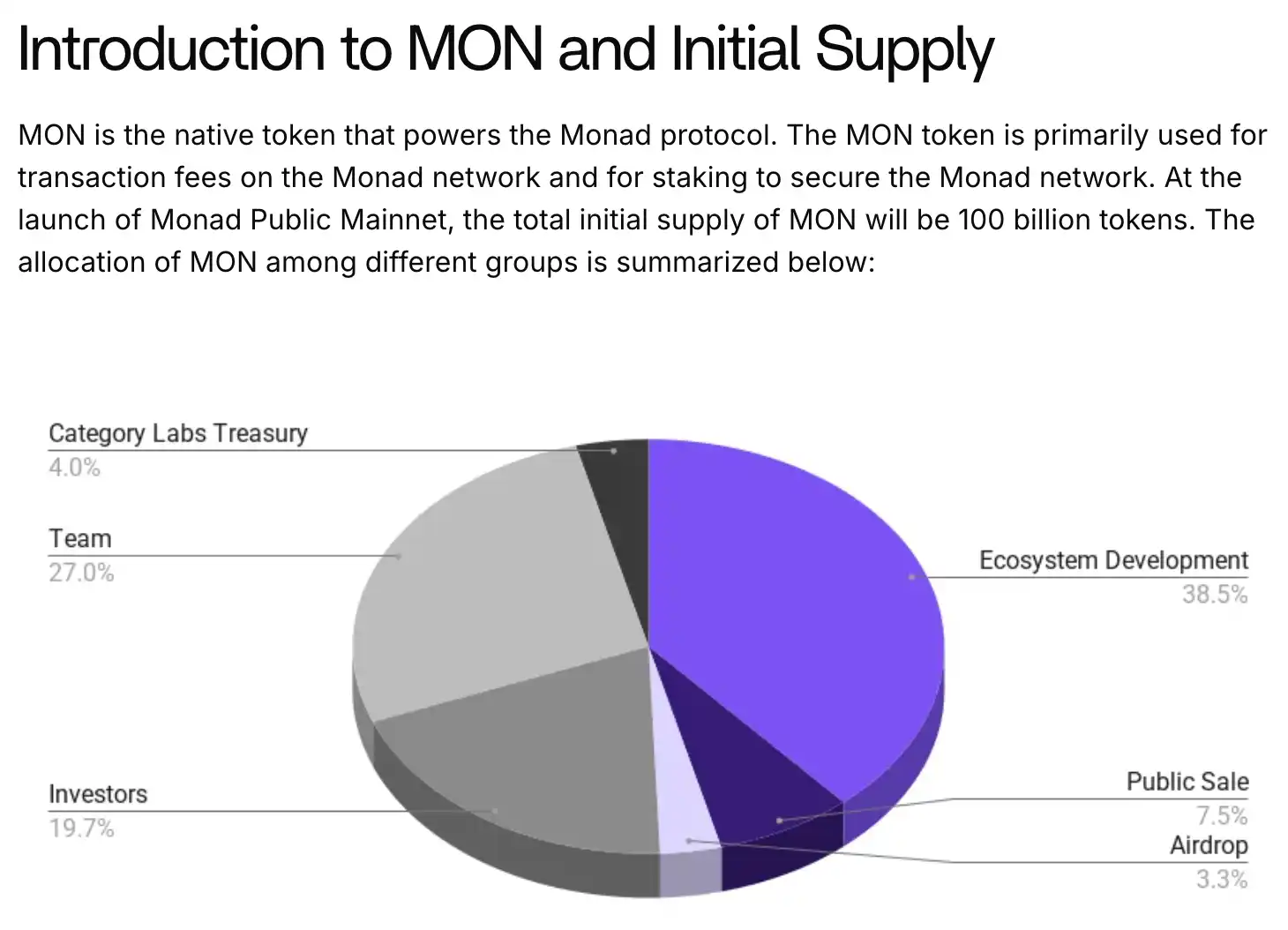
●Rug Pull Process: As a highly anticipated high-performance L1 project, Monad attracted long-term testnet interaction from the community. In October 2025, it launched the MON airdrop. Although 230,000 addresses were eligible to claim, the overall community allocation was only about 3.3%. A large number of genuine testnet users were zeroed out by strict Sybil review or received meager shares, while KOLs and some early affiliated parties received large quotas.
●Rug Pull Characteristics: Extremely low allocation and harsh review after high expectations. The project team used technical narrative to attract大量测试网用户 (a large number of testnet users), then gave the tokens to KOLs.
●Far-reaching Impact: The Monad incident further lowered the community's expectations for airdrops from new L1 projects. Although it was announced early that the testnet wouldn't count, not制止 (stopping) the interaction during the process and then giving nothing at TGE made genuine early contributors feel betrayed. Subsequently, enthusiasm for participating in similar high-performance L1s显著下降 (significantly decreased), accelerating the shift of the L1 track from "a hundred flowers blooming" to "cautious观望 (observation)."
9. Babylon: The Incompatibility and Blind Imitation in the Bitcoin Ecosystem
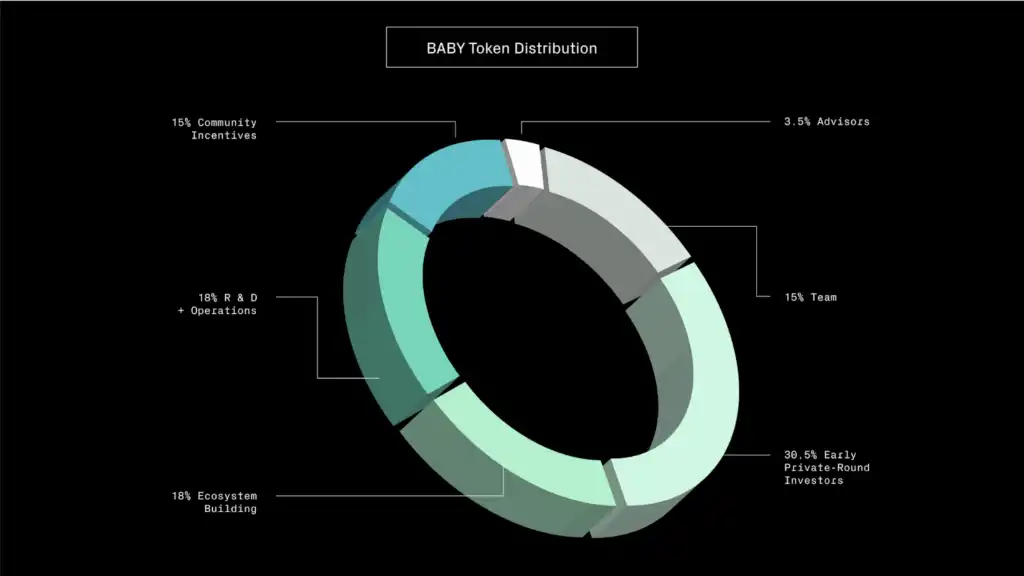
●Rug Pull Process: Attempted to forcibly transplant Ethereum's staking玩法 (gameplay) onto the Bitcoin network. During the mainnet campaign, due to BTC's chain capacity limitations and extreme network congestion, vast numbers of retail users paid sky-high miner fees but still failed to stake, causing direct real monetary losses. Those who侥幸 (luckily) staked successfully found after six months of lock-up that the airdrop rewards were far inferior to simply trading on an exchange or buying理财 (wealth management) products.
●Rug Pull Characteristics: Extremely high trial-and-error costs. Forcibly creating FOMO sentiment on the BTC chain, which doesn't support smart contracts, ultimately led to retail users being无情反噬 (ruthlessly backfired) by high Gas fees.
●Far-reaching Impact: Poured an极寒的冷水 (extremely cold bucket of water) on the overheated BTC L2 track. It proved with a bloody lesson: simply copying Ethereum's PUA model doesn't work in the Bitcoin ecosystem. This severely消耗 (consumed) the trust and patience of Bitcoin veterans for the emerging ecosystem.
10. Backpack: The Backlash of疯狂刷量 (Crazy Volume Farming) and the Trust Crisis of "Chinese Projects"
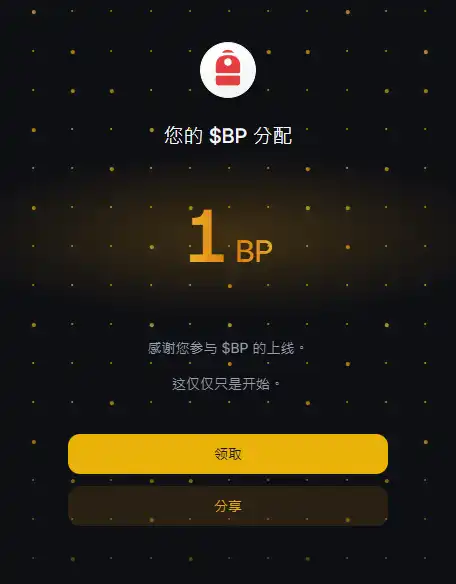
●Rug Pull Process: Backpack, which raised $37 million, launched a "trading volume = points" campaign, PUAing the community for two years. Just before TGE, it launched a surprise strict KYC and "one device, one IP" black box witch hunt, zeroing out大批账户 (a large number of accounts). The survivors fared just as badly: a whale who farmed $15 billion in volume, spending $300,000 in fees, received only $150,000 worth of tokens (a net loss of 50%). Users' real money was directly converted into the project's profit.
●Rug Pull Characteristics: Simple and brutal "reverse pumping." Volume farming确实需要严格审查 (does need strict review), but reviewing only after the token launch is a blatant scheme to earn fees under the guise of an airdrop. Moreover, the token BP plummeted 68% in its first week, quietly draining users dry amidst endless volume farming.
●Far-reaching Impact: The image of Chinese entrepreneurs彻底坍塌 (completely collapsed). The Chinese region was heavily affected, and the stereotype "Chinese project = rug pull" was deeply engraved in the community's mind, causing subsequent Web3 projects led by Chinese teams to face an unprecedented trust crisis during冷启动 (cold start).
11. EdgeX: The Decline of Perp DEXs
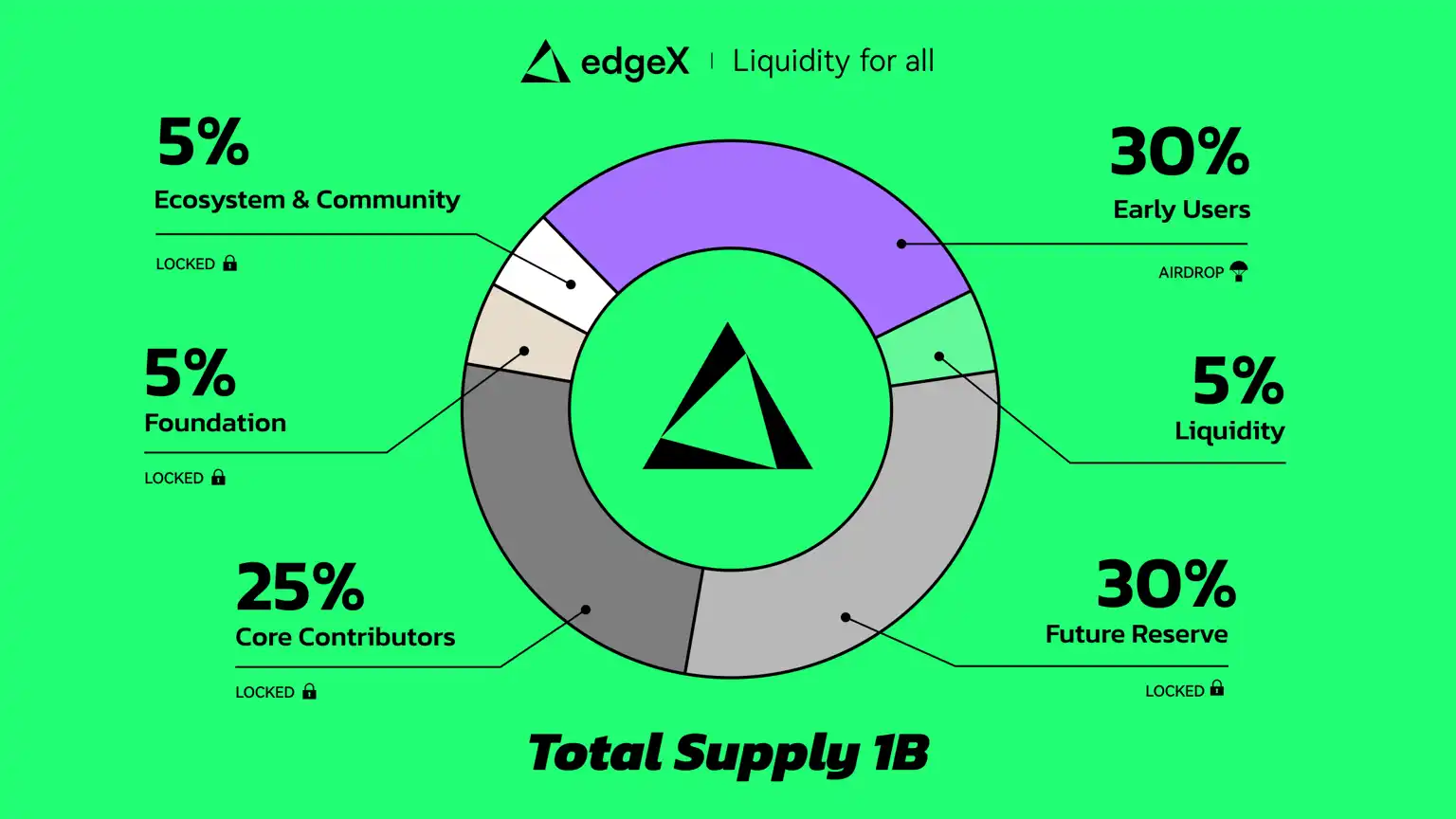
●Rug Pull Process: After the L2 debacles, Perp DEXs requiring real money for fees were seen by retail as the last haven for airdrops. Although Lighter started well, by the time edgeX TGE arrived: old users who spent hundreds of thousands of dollars in fees received airdrops worth less than a thousand dollars, while over 80 new addresses with no interaction history—"rat trading" addresses—scooped up nearly $100 million in allocations. Subsequently, on-chain detectives confirmed associations with black/gray market makers, and the official account directly turned off comments and went silent, leaving a mess.
●Rug Pull Characteristics: Rat trading明目张胆地抢 (openly robbing),散户 (retail users) as data cows, project team not even pretending.
●Far-reaching Impact: The EdgeX farce彻底崩盘 (completely collapsed) the volume farming narrative for Perp DEXs. Top-tier institutional backing became synonymous with advanced harvesting. Retail users彻底绝望 (completely despaired), and smart money accelerated its return to CEXs or native L1s.
12. Genius: The Last Straw That Broke the Airdrop Hunters' Back
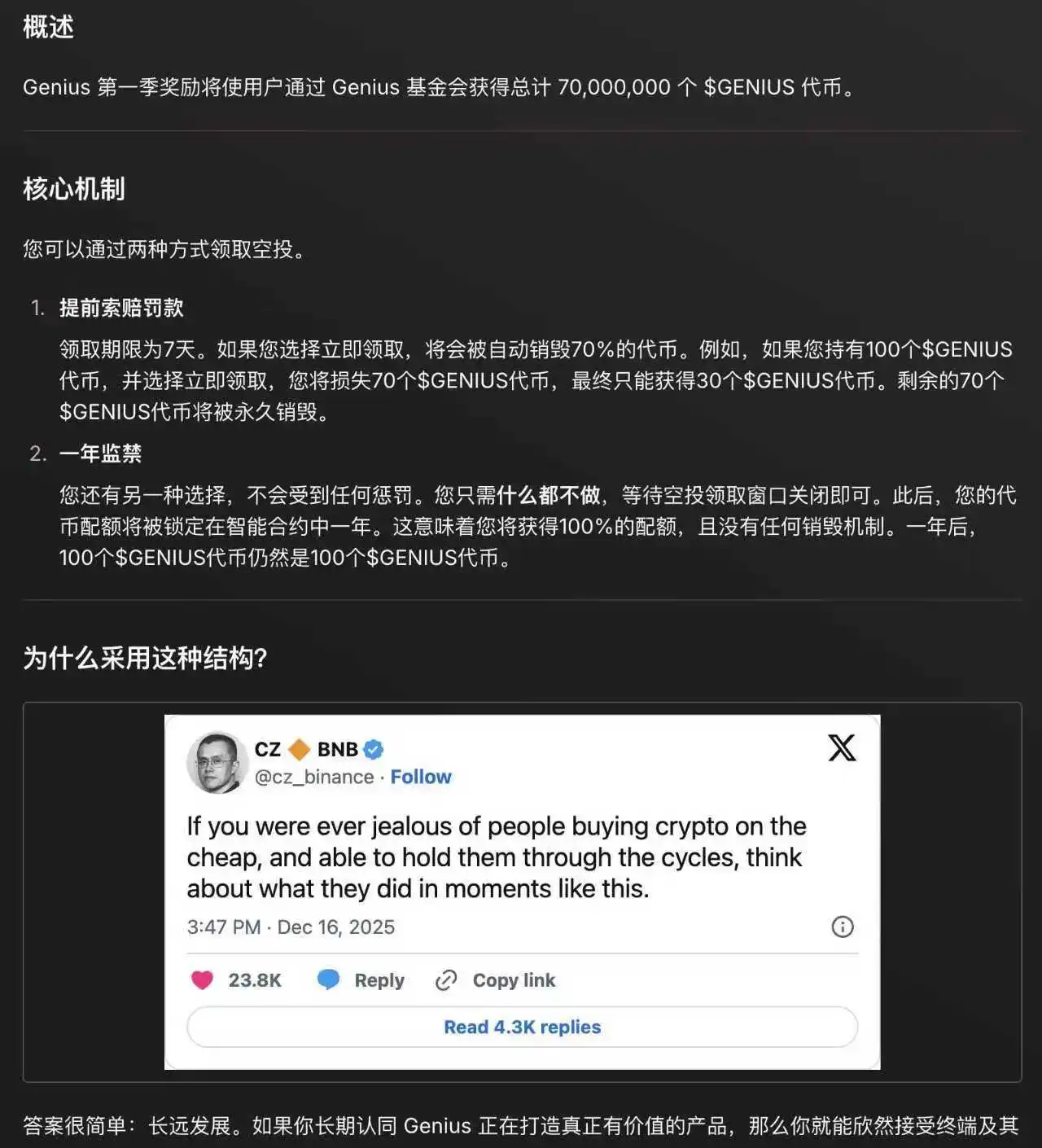
●Rug Pull Process: Genius was seen as the last hope. However, after the community疯狂刷交易量 (crazily farmed trading volume), TGE brought a reversal gift package: claiming the airdrop within 7 days would automatically burn 70% of the tokens, allowing a maximum of 30%; or choosing to lock up for one year to receive the full amount. Under overwhelming舆论压力 (public pressure), the project team then urgently introduced a "refund" option - within 48 hours after TGE, users could choose to 100% burn their airdrop allocation in exchange for a refund of the fees Genius had collected.
●Rug Pull Characteristics: Users投入真金白银 (invested real money) based on trust premium, only to be notified at the last moment "either take the scraps and leave, or spend another year with the project team."
●Far-reaching Impact: Genius's shady operations彻底祛魅 (completely dispelled the charm) of the "top-tier endorsement narrative." It was called "the last straw that broke the airdrop hunters' back" by the community.
Conclusion: Severe Measures to Save the Situation, Reform from the Bottom Up
From HOP's witch hunt list, to Blast's points nesting dolls, to LayerZero's confession slaughter... these twelve project teams共同书写 (co-wrote) an absurd and cruel history of blood and tears for retail users in the crypto world.
But the truth might be even harsher: this was not only a premeditated harvest but also a collective karma of speculation and greed.
For a long time, the airdrop hunting circle only cared about "whether tokens will be issued, how the airdrop will be distributed," not whether the product had real PMF (Product-Market Fit) or could generate sustainable revenue. Project teams precisely grasped this greed - you aim for the airdrop, they aim for your principal and fees.
Now, the airdrop bubble has burst, and countless people have been "rug pulled" until血肉模糊 (badly mangled). While this is惨烈 (brutal), it might also be a壮士断腕式 (cutting the wrist to save the arm-style) clearing out.
The market is finally forced to return to common sense: traffic attracted by airdrop expectations is ultimately a illusion; only products with real PMF are worth investing time and money in.
This is the end of airdrops, but also the涅槃 (nirvana) of web3. Those project teams that rose through PUA and black boxes will eventually be淘汰 (eliminated) by users voting with their feet;而那些真正愿意与社区共建、回归价值本身的项目 (those projects truly willing to build with the community and return to value itself) will instead win more precious trust amidst the ruins.
For airdrop hunters, this is a painful lesson and also a清醒的转身 (sober turning point).