From Terra's Collapse to the "10 AM Strike": How Did Jane Street Play the Markets Across Two Continents?

Odaily星球日报Published on 2026-02-26Last updated on 2026-02-26

Abstract

The article details serious allegations against Jane Street Group, a major quantitative trading firm, for market manipulation across different continents. It is accused of using insider information to profit from the Terra Luna collapse in May 2022, allegedly triggering its $40 billion crash. Separately, Indian regulators charged Jane Street with a "pump and dump" scheme in derivatives markets, resulting in massive fines and a trading ban. The piece also connects Jane Street to a pattern in Bitcoin trading called the "10 AM hit," where consistent sell pressure occurred at U.S. market open, suppressing BTC prices for months. This pattern abruptly stopped after the Terra lawsuit became public, coinciding with a Bitcoin price surge. As an authorized participant for BlackRock’s Bitcoin ETF (IBIT), Jane Street held significant influence over BTC flows. The article suggests their trading activity—selling BTC while increasing exposure to Bitcoin-proxy stocks—may have manipulated markets. The case highlights structural vulnerabilities in ETF systems that privilege certain players, echoing past manipulation in traditional markets like gold. Bitcoin’s recent rebound may signal reduced manipulative pressure, underscoring the need for trustless systems.

This article is from:@peruvian_bull

Compiled by | Odaily Planet Daily (@OdailyChina); Translator | Ethan (@ethanzhang_web 3)
Editor's Note: Over the past four months, Bitcoin has almost established a fixed rhythm—a clear wave of selling pressure emerges whenever the U.S. stock market opens. It rises during Asian hours, continues its upward trend in Europe, but quickly falls back as soon as New York opens. Traders have dubbed this the "10 AM Strike." This force acts like an invisible structural headwind, repeatedly liquidating leveraged positions, dampening market sentiment, and gradually wearing down investors' patience.

However, when the lawsuit documents against Jane Street were officially made public, this months-long rhythm was suddenly interrupted. Is this merely a coincidence, or a signal of deeper structural changes? How did the entire process unfold? Odaily Planet Daily provides the full compilation below.

——————Separator——————

The most powerful trading firm you've never heard of has just been caught red-handed. Twice, on two different continents. And Bitcoin, it seems, has finally breathed a sigh of relief.

Jane Street Group is a quantitative trading firm headquartered in New York. They don't have a CEO.

According to their own description, they operate like an "anarchic commune." In the first nine months of 2025, they achieved net trading revenue of $24 billion, already surpassing the $20.5 billion for the entirety of 2024. The second quarter of 2025 alone reached $10.1 billion, marking the highest quarterly trading revenue in Wall Street's history.

By any measure, they are one of the most profitable trading institutions globally.

And just this week, the bankruptcy administrator for Terraform Labs filed a lawsuit in Manhattan federal court, accusing Jane Street of using insider information to front-run the collapse of Terra Luna in May 2022. This collapse wiped out $40 billion in market value and triggered a chain reaction that ultimately brought down Celsius, Three Arrows Capital, and FTX.

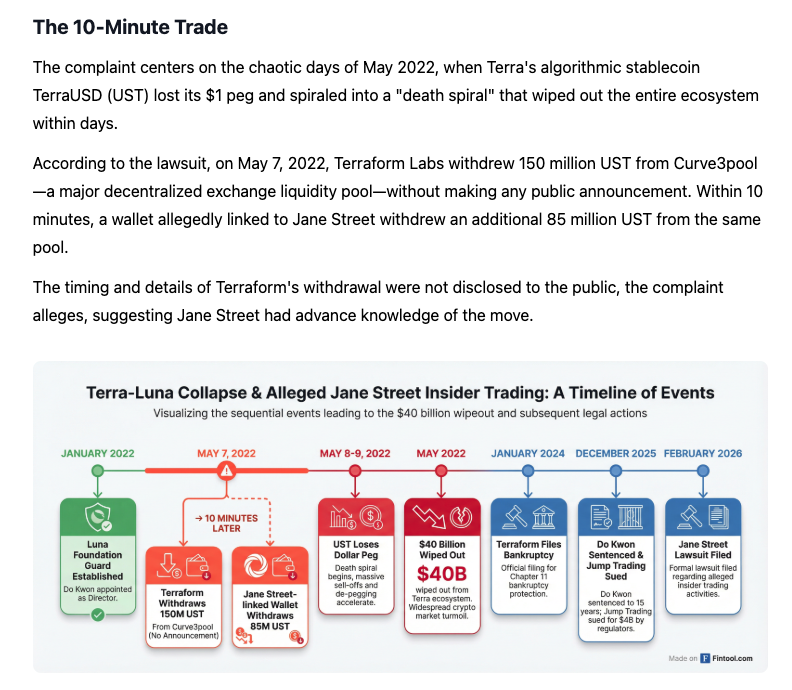
The allegation is stunningly simple. On May 7, 2022, Terraform Labs quietly withdrew $150 million in UST from Curve3pool, a major decentralized liquidity pool. There was no public announcement, just a silent withdrawal of liquidity.

Ten minutes later, a wallet linked to Jane Street withdrew $85 million from the same pool. Just ten minutes later...
The complaint alleges that a former Terraform intern, Bryce Pratt, who became a full-time employee at Jane Street in September 2021, established private communication channels with former colleagues and allegedly passed material non-public information about Terraform's liquidity movements directly to Jane Street's trading team.
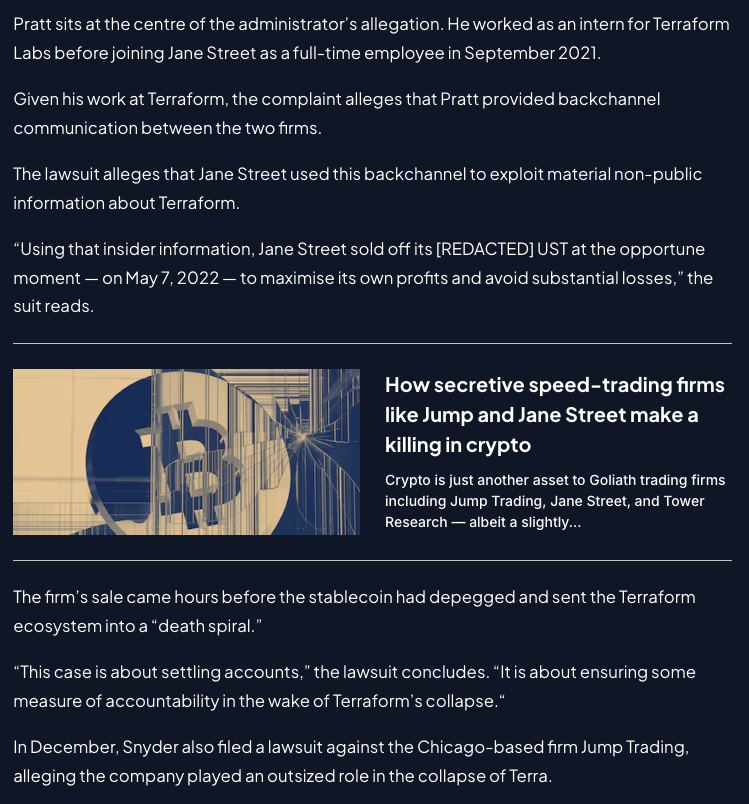
The complaint names four defendants: Jane Street Group LLC, co-founder Robert Granieri, and employees Bryce Pratt and Michael Huang.

The administrator's statement gets straight to the point: the trades Jane Street executed would have been impossible without the exclusive insider information they possessed.

Making matters worse, the complaint alleges that Jane Street's withdrawal helped trigger the de-pegging of UST, plunging the entire Terraform ecosystem into a death spiral. LUNA fell from over $80 to near zero. $40 billion evaporated. Ordinary investors lost everything. Retirement funds, education savings, life savings—wiped out in days.

Jane Street's response? Calling the allegations "desperate and baseless."

But here's the thing: This isn't the first time.

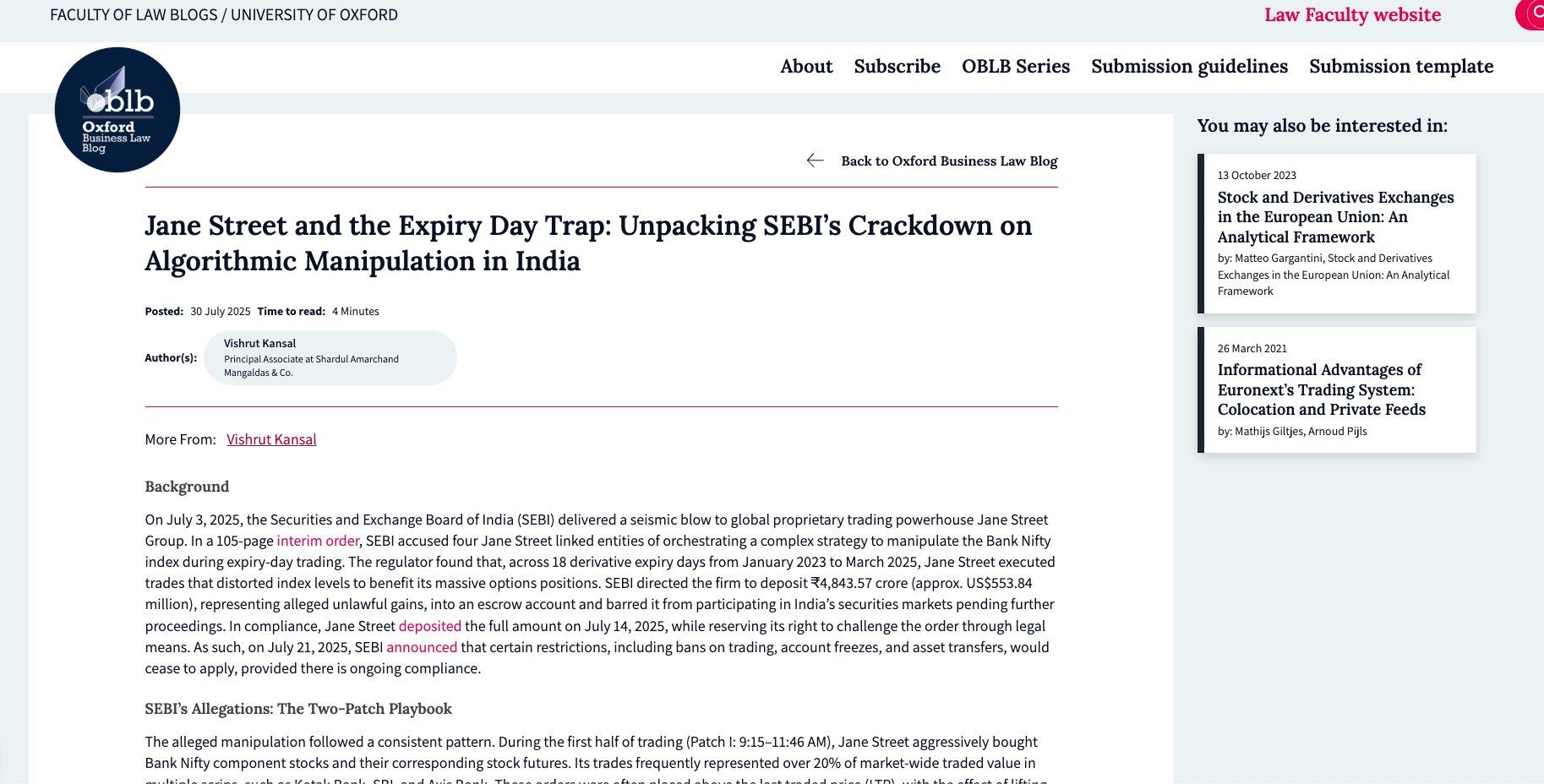
In July 2025, the Securities and Exchange Board of India (SEBI) brought one of the largest market manipulation charges in the country's history against Jane Street. The investigation found that on 18 derivatives expiry days between January 2023 and March 2025, Jane Street executed a textbook pump-and-dump operation on the Bank Nifty index.
The operation was extremely mechanical:

Morning: Jane Street's algorithms aggressively bought component stocks and futures, pushing the index up 1% to 1.3%. On some trading days, SEBI determined that the entire positive move in the index came from Jane Street.

Simultaneously, they built massive short option positions, primarily selling call options and buying put options, at a scale far exceeding their stock holdings. SEBI determined that, on a delta-equivalent basis, the option positions were 7.3 times the size of the spot and futures positions. This wasn't hedging, nor was it arbitrage; it was packaged directional manipulation.

Afternoon: They reversed their operations, selling the stocks bought in the morning. The index fell, and the short options profited. Rinse and repeat every expiry day.

SEBI assessed illegal profits at 484.3 billion rupees, approximately $580 million, and called their actions a "mechanism deliberately designed to manipulate the settlement price." The regulator also noted that Jane Street continued executing this strategy even after the National Stock Exchange issued a clear warning in February 2025.

SEBI's wording was unusually harsh: "Market integrity and the trust of millions of small and medium investors and traders can no longer be held hostage by such non-credible actors."

Jane Street was barred from the Indian securities market, has deposited over $560 million into an escrow account, and has appealed. As of now, the case is still pending before the Securities Appellate Tribunal in India.

Now, back to Bitcoin.

Since November 2025, Bitcoin traders noticed an anomaly. Every day around 10:00 AM Eastern Time, coinciding with the U.S. stock market open, a flood of sell orders hit BTC and related ETF shares. The pattern was unusually consistent: gains during Asian and European hours, selling pressure at the New York open. (Refer to the article: "Is Jane Street Manipulating Bitcoin? Viral Theory Analysis")

The data was hard to ignore. Charts from December 2025 showed that on certain days, BTC would drop from $89,700 to $87,700 in minutes, first liquidating $171 million in leveraged long positions before quickly bouncing back. This pattern occurred on December 1, 5, 8, 10, 12, 15, and repeated throughout January and February 2026.
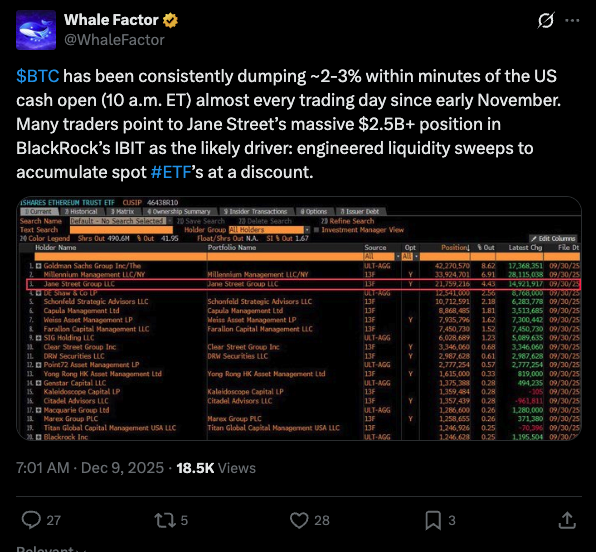
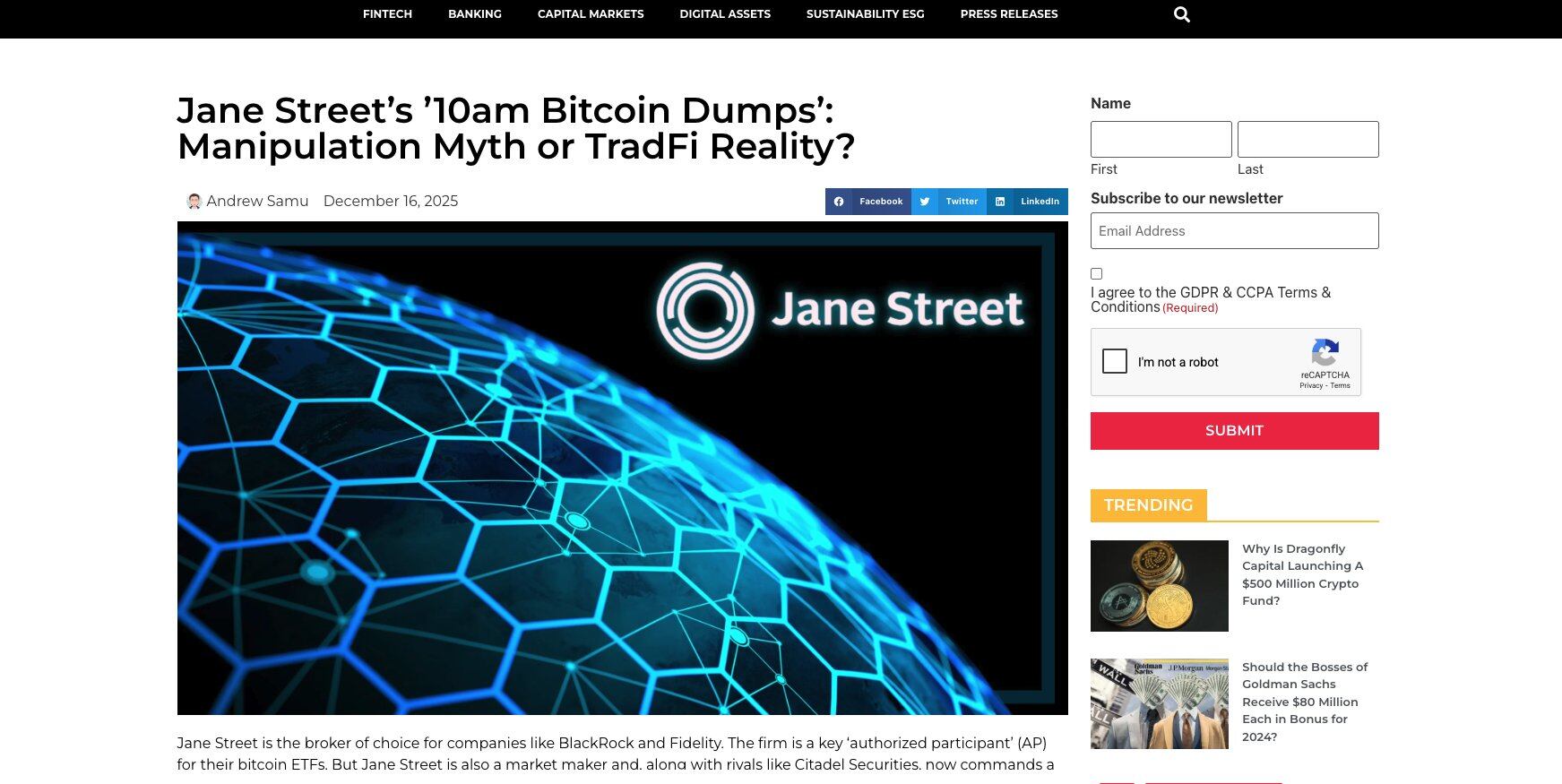
Crypto Twitter gave it a name: the "10 AM Strike."

Fingers were quickly pointed at Jane Street, and not without reason. Jane Street is one of the four Authorized Participants (APs) for BlackRock's IBIT, the world's largest spot Bitcoin ETF. The other three are Virtu Americas, JP Morgan Securities, and Marex. As an AP, Jane Street has special privileges to create and redeem ETF shares, meaning they have direct access to the core pipeline that "puts Bitcoin into an institutional wrapper and takes it out."
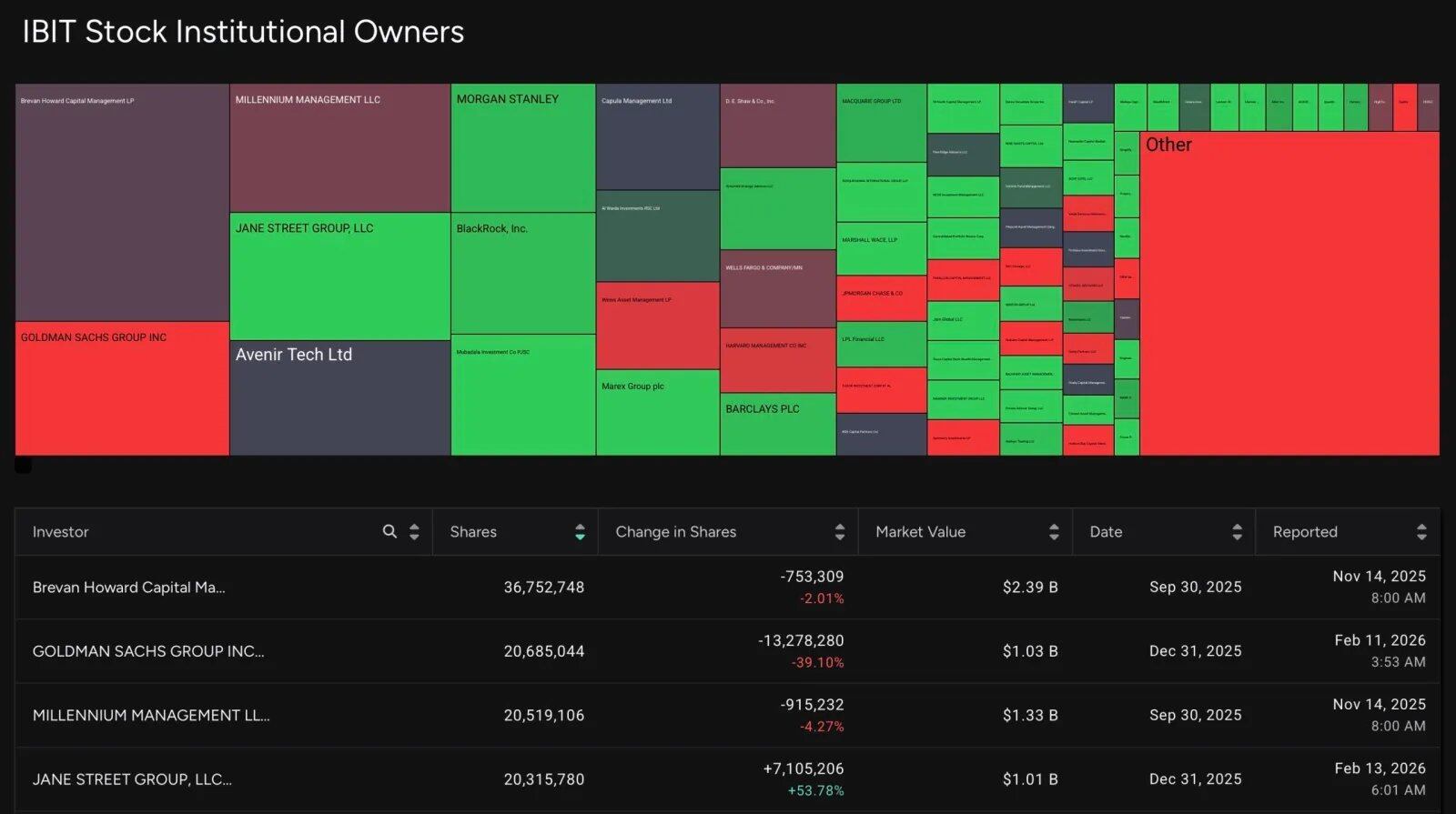
Their 13F disclosures also confirm their massive size. According to Q3 2025 filings, Jane Street held $5.7 billion worth of IBIT shares. They added another $276 million in Q4 2025, bringing their total holdings to over 20 million shares, worth approximately $790 million at year-end prices. Their peak exposure once neared $2.5 billion in IBIT.
But what really raised eyebrows: Allegedly, while they were dumping BTC on the spot market every morning, they increased their holdings of MSTR (MicroStrategy, now Strategy) by 473% in Q4 2025, accumulating 951,187 shares worth approximately $121 million. During the same period, large institutions like BlackRock and Vanguard were significantly reducing their MSTR holdings by billions of dollars.

You can run through this logic again: Open the market by dumping BTC — drive the price down — liquidate leveraged longs — buy back at lower prices; simultaneously, betting on a rebound by increasing positions in the market's "most leveraged" Bitcoin proxy asset.

Glassnode co-founders Jan Happel and Yann Allemann, through their X account Negentropic, reignited this speculation, linking the algorithmic trading rhythm to the Terraform lawsuit documents. The Milk Road account further amplified the discussion, stating there had been "persistent whispers" in the market pointing to certain institutional desks executing "a very specific, and somewhat shady, playbook."

Then, the lawsuit landed. Something quite extraordinary happened.

After the Terraform lawsuit against Jane Street was filed, the "10 AM Strike"... didn't happen. For the first time in months, Bitcoin didn't sell off at the U.S. market open; instead, it rallied.
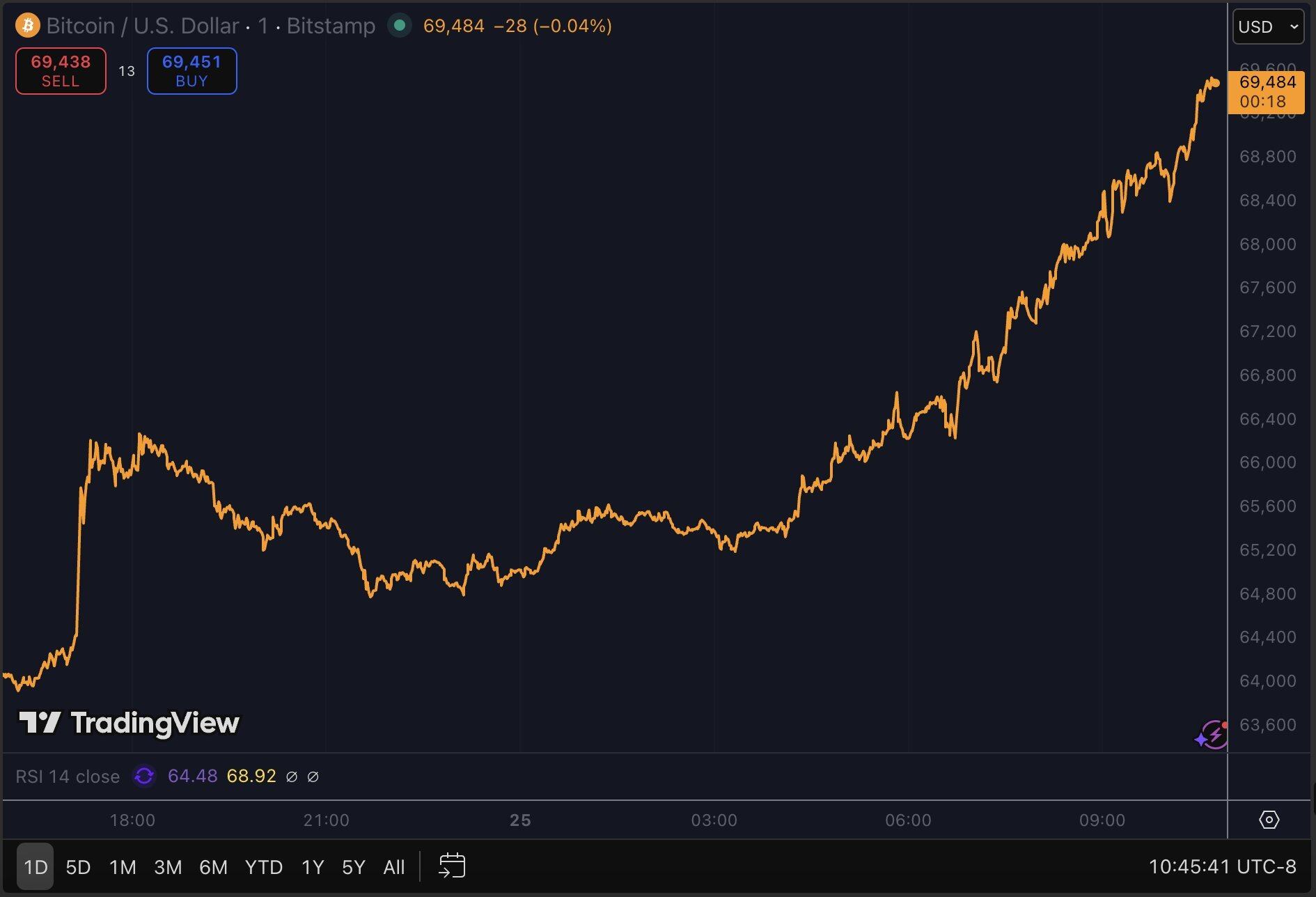
Today, Bitcoin rose over 3%, breaking through multiple resistance levels and returning above $68,000—just days after it nearly fell below $60,000. Over $323 million in short positions were liquidated. The Stochastic RSI hit 100. ETF net inflows for the day reached $257.7 million, the highest since early February.

The pattern was broken.

Of course, I must be cautious. Correlation does not equal causation. There could be many variables: Trump's State of the Union address, oversold technical conditions, short covering. The Fear and Greed Index fell to 11, indicating "Extreme Fear," which is often a contrarian signal. The RSI also fell to 15.80, a reading not seen since the pandemic crash of 2020—which was followed by a 1400% surge. But the timing is still hard to dismiss as mere coincidence.

A theory circulating on X suggests that after the lawsuit, Jane Street was "forced to shut down their trading algorithms." Jane Street told Cointelegraph that these are "baseless, opportunistic claims." Whether they were forced to stop or paused voluntarily due to legal risk, the result is the same: that persistent selling pressure disappeared.

What does this really mean for Bitcoin?

Spot Bitcoin ETFs were originally seen as the "ultimate equalizer": an institutional gateway, a compliant product, backed by BlackRock. And they have been extremely successful—IBIT alone has absorbed over $20 billion since its launch.

But the ETF structure also brought back something Bitcoin was meant to escape: trusted intermediaries with privileged access.

When the SEC approved spot Bitcoin ETFs in January 2024, it required a "cash-only" create and redeem mechanism. Whenever shares needed to be created or redeemed, someone had to buy or sell actual Bitcoin. The institutions with this access—the APs—naturally held a structural advantage over other market participants.

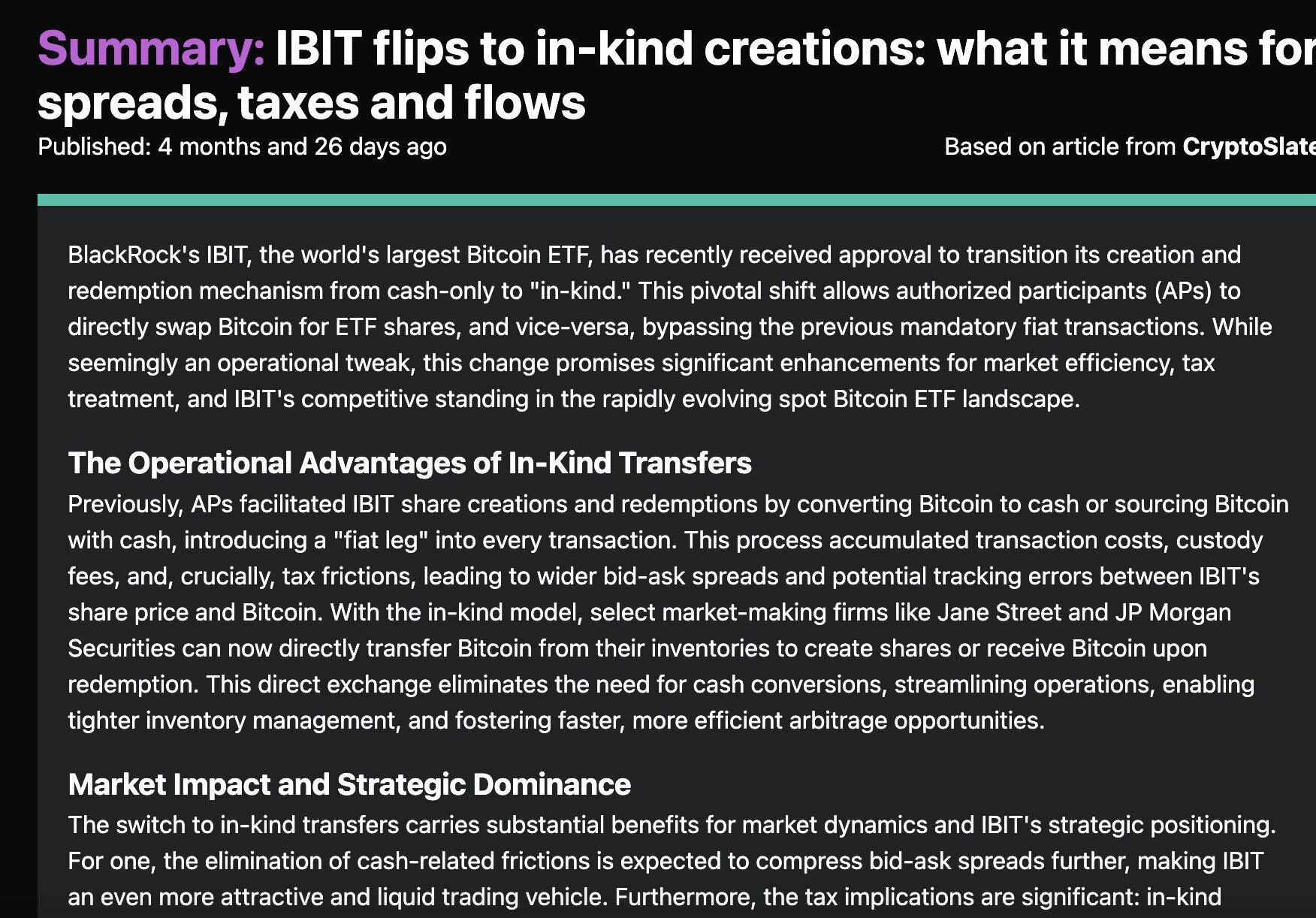
By September 2025, the SEC approved IBIT's use of "in-kind" creation and redemption, meaning APs could directly exchange Bitcoin for ETF shares without going through fiat currency. This gave Jane Street, Virtu, JP Morgan, and Marex more direct control over the flow of Bitcoin in and out of its largest institutional wrapper.
The "10 AM Strike" is essentially a new symptom of an old disease—the same one that has plagued the gold market for decades.

I wrote in "The Gold Endgame Begins": In the paper-for-paper trading game, those closest to the privileged interface can move the price before the rest of the market can react.

JPMorgan traders Gregg Smith and Michael Nowak were convicted of "spoofing" in the precious metals futures market. The scheme lasted 8 years and involved thousands of illegal trades. JPMorgan paid $920 million to settle. Deutsche Bank paid $30 million for similar issues. UBS, HSBC, and six individual traders also faced CFTC anti-spoofing charges.

The same playbook. Just a different asset.

And every time, these institutions package it as "market making," "arbitrage," "hedging"—the euphemisms are endless. The result is always the same: the ordinary get ripped off, the insiders harvest the spread.

So, what's next?

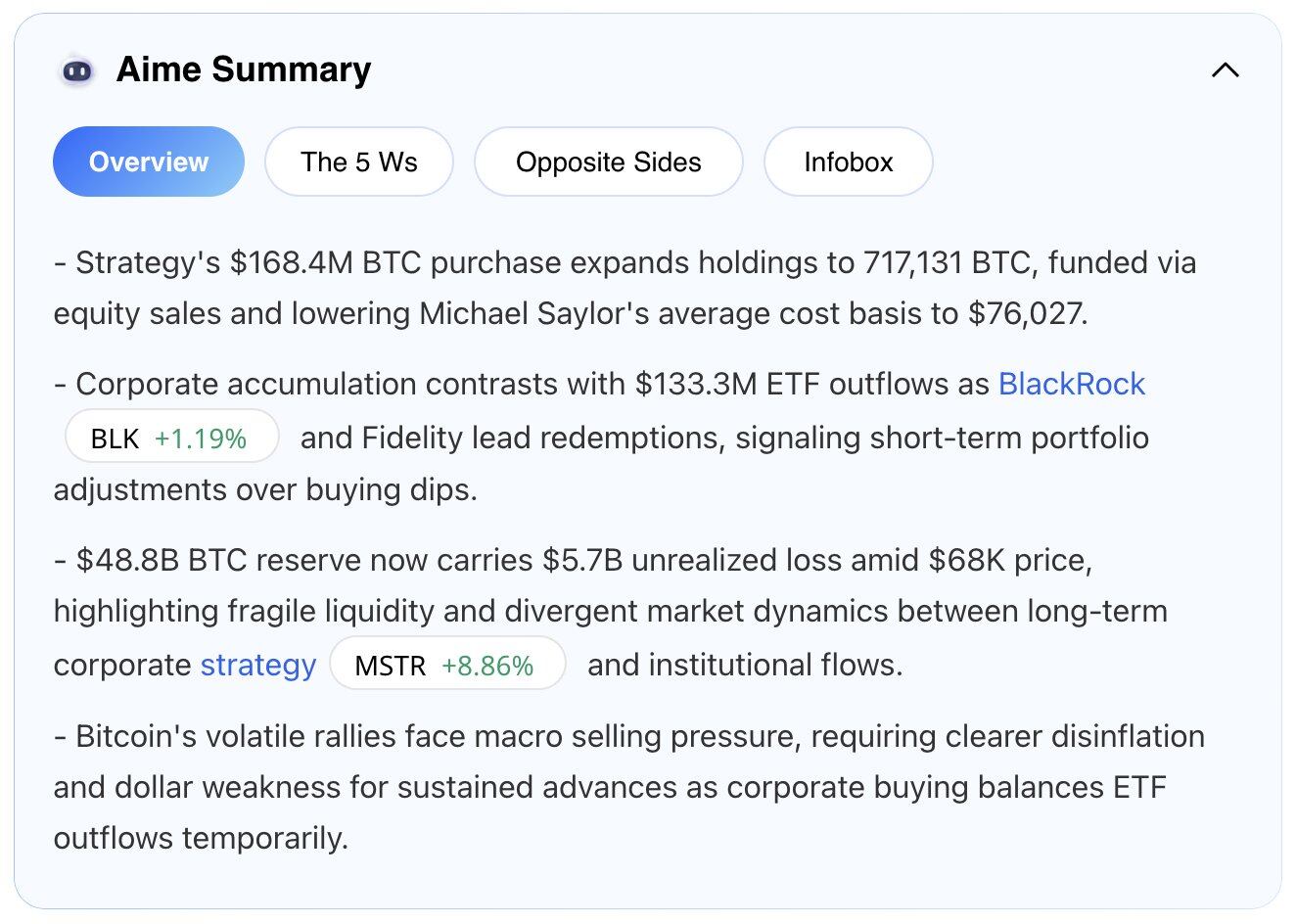
The larger structural picture hasn't changed. $4.5 billion in net ETF outflows in the first 8 weeks of 2026 looks scary. But Strategy (Saylor's company) just bought $39 million worth of BTC, accounting for 99% of all corporate Bitcoin purchases in the same period. The real big players aren't selling; they seem more like they were waiting for the algorithms to finish their work.
Maybe—just maybe—the algorithms have stopped.

If Jane Street, due to legal risks, cross-continental regulatory scrutiny, or self-preservation, is forced to step back from that alleged "daily selling program," then a structural headwind that has been压在 Bitcoin's head for four months has been partially removed.

Bitcoin was born for moments like this: a monetary system that doesn't rely on trusted intermediaries; a system that doesn't need authorized participants; a system that shouldn't be front-run by "private channels of former interns."

But let's not forget how we got here. The very institutions hailed for "market making" and "providing liquidity" are the same ones accused of front-running a collapse, manipulating a national index, and executing daily algorithmic sales of the very asset their ETF tracks.

This is the system Bitcoin was designed to replace.

Related Questions

QWhat is Jane Street Group accused of in the Terraform Labs lawsuit?

AJane Street Group is accused of using insider information to front-run the May 2022 collapse of Terra Luna. The lawsuit alleges that a former Terraform intern, who became a Jane Street employee, passed on non-public information about Terraform's liquidity movements, allowing Jane Street to withdraw $85 million from a key liquidity pool just minutes after Terraform did, which allegedly helped trigger the UST depeg and subsequent $40 billion collapse.

QWhat market manipulation scheme was Jane Street accused of by India's SEBI?

AIndia's Securities and Exchange Board (SEBI) accused Jane Street of a large-scale 'pump and dump' operation on the Bank Nifty index. Their algorithm would aggressively buy component stocks and futures in the morning to push the index up 1-1.3%, while simultaneously building a massive short options position. In the afternoon, they would reverse the trades, selling the stocks and profiting from the resulting price drop on their short options. SEBI alleged illegal profits of approximately $580 million over 18 expiration days.

QWhat was the '10 AM Punch' phenomenon in Bitcoin markets, and how is Jane Street linked to it?

AThe '10 AM Punch' was a recurring pattern over four months where Bitcoin would experience significant selling pressure precisely around 10 AM Eastern Time (US market open), after rising during Asian and European hours. This would often liquidate leveraged long positions and suppress prices. Jane Street was linked to this because it is one of the four Authorized Participants (APs) for the iShares Bitcoin Trust (IBIT), giving it privileged access to the ETF's creation/redemption mechanism. Analysts and traders speculated that Jane Street's algorithmic trading was the source of this consistent selling pressure.

QWhat significant change in Bitcoin's price action occurred after the Terraform lawsuit was filed against Jane Street?

AFor the first time in months, the predictable '10 AM Punch' selling pressure did not occur on the day the Terraform lawsuit was filed against Jane Street. Instead of selling off at the US market open, Bitcoin's price rallied over 3%, breaking through key resistance levels and climbing back above $68,000. This break in the established pattern led to speculation that the legal pressure had forced Jane Street to halt its alleged algorithmic selling strategy.

QAccording to the article, how does the structure of Bitcoin ETFs reintroduce a problem that Bitcoin was designed to solve?

AThe article argues that Bitcoin ETFs, while providing institutional access, reintroduce the problem of 'trusted intermediaries' that Bitcoin's decentralized system was designed to eliminate. The 'cash-only' and later 'in-kind' creation/redemption mechanisms give Authorized Participants (APs) like Jane Street a structural advantage and privileged interface to the market. This creates a scenario where these intermediaries, who are closer to the flow of assets, can potentially engage in practices like front-running or manipulation, similar to what has historically plagued traditional markets like gold.

Related Reads

Trading

Spot
Futures

Hot Articles

What is SONIC

Sonic: Pioneering the Future of Gaming in Web3 Introduction to Sonic In the ever-evolving landscape of Web3, the gaming industry stands out as one of the most dynamic and promising sectors. At the forefront of this revolution is Sonic, a project designed to amplify the gaming ecosystem on the Solana blockchain. Leveraging cutting-edge technology, Sonic aims to deliver an unparalleled gaming experience by efficiently processing millions of requests per second, ensuring that players enjoy seamless gameplay while maintaining low transaction costs. This article delves into the intricate details of Sonic, exploring its creators, funding sources, operational mechanics, and the timeline of significant events that have shaped its journey. What is Sonic? Sonic is an innovative layer-2 network that operates atop the Solana blockchain, specifically tailored to enhance the existing Solana gaming ecosystem. It accomplishes this through a customised, VM-agnostic game engine paired with a HyperGrid interpreter, facilitating sovereign game economies that roll up back to the Solana platform. The primary goals of Sonic include: Enhanced Gaming Experiences: Sonic is committed to offering lightning-fast on-chain gameplay, allowing players and developers to engage with games at previously unattainable speeds. Atomic Interoperability: This feature enables transactions to be executed within Sonic without the need to redeploy Solana programmes and accounts. This makes the process more efficient and directly benefits from Solana Layer1 services and liquidity. Seamless Deployment: Sonic allows developers to write for Ethereum Virtual Machine (EVM) based systems and execute them on Solana’s SVM infrastructure. This interoperability is crucial for attracting a broader range of dApps and decentralised applications to the platform. Support for Developers: By offering native composable gaming primitives and extensible data types - dining within the Entity-Component-System (ECS) framework - game creators can craft intricate business logic with ease. Overall, Sonic's unique approach not only caters to players but also provides an accessible and low-cost environment for developers to innovate and thrive. Creator of Sonic The information regarding the creator of Sonic is somewhat ambiguous. However, it is known that Sonic's SVM is owned by the company Mirror World. The absence of detailed information about the individuals behind Sonic reflects a common trend in several Web3 projects, where collective efforts and partnerships often overshadow individual contributions. Investors of Sonic Sonic has garnered considerable attention and support from various investors within the crypto and gaming sectors. Notably, the project raised an impressive $12 million during its Series A funding round. The round was led by BITKRAFT Ventures, with other notable investors including Galaxy, Okx Ventures, Interactive, Big Brain Holdings, and Mirana. This financial backing signifies the confidence that investment foundations have in Sonic’s potential to revolutionise the Web3 gaming landscape, further validating its innovative approaches and technologies. How Does Sonic Work? Sonic utilises the HyperGrid framework, a sophisticated parallel processing mechanism that enhances its scalability and customisability. Here are the core features that set Sonic apart: Lightning Speed at Low Costs: Sonic offers one of the fastest on-chain gaming experiences compared to other Layer-1 solutions, powered by the scalability of Solana’s virtual machine (SVM). Atomic Interoperability: Sonic enables transaction execution without redeployment of Solana programmes and accounts, effectively streamlining the interaction between users and the blockchain. EVM Compatibility: Developers can effortlessly migrate decentralised applications from EVM chains to the Solana environment using Sonic’s HyperGrid interpreter, increasing the accessibility and integration of various dApps. Ecosystem Support for Developers: By exposing native composable gaming primitives, Sonic facilitates a sandbox-like environment where developers can experiment and implement business logic, greatly enhancing the overall development experience. Monetisation Infrastructure: Sonic natively supports growth and monetisation efforts, providing frameworks for traffic generation, payments, and settlements, thereby ensuring that gaming projects are not only viable but also sustainable financially. Timeline of Sonic The evolution of Sonic has been marked by several key milestones. Below is a brief timeline highlighting critical events in the project's history: 2022: The Sonic cryptocurrency was officially launched, marking the beginning of its journey in the Web3 gaming arena. 2024: June: Sonic SVM successfully raised $12 million in a Series A funding round. This investment allowed Sonic to further develop its platform and expand its offerings. August: The launch of the Sonic Odyssey testnet provided users with the first opportunity to engage with the platform, offering interactive activities such as collecting rings—a nod to gaming nostalgia. October: SonicX, an innovative crypto game integrated with Solana, made its debut on TikTok, capturing the attention of over 120,000 users within a short span. This integration illustrated Sonic’s commitment to reaching a broader, global audience and showcased the potential of blockchain gaming. Key Points Sonic SVM is a revolutionary layer-2 network on Solana explicitly designed to enhance the GameFi landscape, demonstrating great potential for future development. HyperGrid Framework empowers Sonic by introducing horizontal scaling capabilities, ensuring that the network can handle the demands of Web3 gaming. Integration with Social Platforms: The successful launch of SonicX on TikTok displays Sonic’s strategy to leverage social media platforms to engage users, exponentially increasing the exposure and reach of its projects. Investment Confidence: The substantial funding from BITKRAFT Ventures, among others, emphasizes the robust backing Sonic has, paving the way for its ambitious future. In conclusion, Sonic encapsulates the essence of Web3 gaming innovation, striking a balance between cutting-edge technology, developer-centric tools, and community engagement. As the project continues to evolve, it is poised to redefine the gaming landscape, making it a notable entity for gamers and developers alike. As Sonic moves forward, it will undoubtedly attract greater interest and participation, solidifying its place within the broader narrative of blockchain gaming.

768 Total ViewsPublished 2024.04.04Updated 2024.12.03

What is $S$

Understanding SPERO: A Comprehensive Overview Introduction to SPERO As the landscape of innovation continues to evolve, the emergence of web3 technologies and cryptocurrency projects plays a pivotal role in shaping the digital future. One project that has garnered attention in this dynamic field is SPERO, denoted as SPERO,$$s$. This article aims to gather and present detailed information about SPERO, to help enthusiasts and investors understand its foundations, objectives, and innovations within the web3 and crypto domains. What is SPERO,$$s$? SPERO,$$s$ is a unique project within the crypto space that seeks to leverage the principles of decentralisation and blockchain technology to create an ecosystem that promotes engagement, utility, and financial inclusion. The project is tailored to facilitate peer-to-peer interactions in new ways, providing users with innovative financial solutions and services. At its core, SPERO,$$s$ aims to empower individuals by providing tools and platforms that enhance user experience in the cryptocurrency space. This includes enabling more flexible transaction methods, fostering community-driven initiatives, and creating pathways for financial opportunities through decentralised applications (dApps). The underlying vision of SPERO,$$s$ revolves around inclusiveness, aiming to bridge gaps within traditional finance while harnessing the benefits of blockchain technology. Who is the Creator of SPERO,$$s$? The identity of the creator of SPERO,$$s$ remains somewhat obscure, as there are limited publicly available resources providing detailed background information on its founder(s). This lack of transparency can stem from the project's commitment to decentralisation—an ethos that many web3 projects share, prioritising collective contributions over individual recognition. By centring discussions around the community and its collective goals, SPERO,$$s$ embodies the essence of empowerment without singling out specific individuals. As such, understanding the ethos and mission of SPERO remains more important than identifying a singular creator. Who are the Investors of SPERO,$$s$? SPERO,$$s$ is supported by a diverse array of investors ranging from venture capitalists to angel investors dedicated to fostering innovation in the crypto sector. The focus of these investors generally aligns with SPERO's mission—prioritising projects that promise societal technological advancement, financial inclusivity, and decentralised governance. These investor foundations are typically interested in projects that not only offer innovative products but also contribute positively to the blockchain community and its ecosystems. The backing from these investors reinforces SPERO,$$s$ as a noteworthy contender in the rapidly evolving domain of crypto projects. How Does SPERO,$$s$ Work? SPERO,$$s$ employs a multi-faceted framework that distinguishes it from conventional cryptocurrency projects. Here are some of the key features that underline its uniqueness and innovation: Decentralised Governance: SPERO,$$s$ integrates decentralised governance models, empowering users to participate actively in decision-making processes regarding the project’s future. This approach fosters a sense of ownership and accountability among community members. Token Utility: SPERO,$$s$ utilises its own cryptocurrency token, designed to serve various functions within the ecosystem. These tokens enable transactions, rewards, and the facilitation of services offered on the platform, enhancing overall engagement and utility. Layered Architecture: The technical architecture of SPERO,$$s$ supports modularity and scalability, allowing for seamless integration of additional features and applications as the project evolves. This adaptability is paramount for sustaining relevance in the ever-changing crypto landscape. Community Engagement: The project emphasises community-driven initiatives, employing mechanisms that incentivise collaboration and feedback. By nurturing a strong community, SPERO,$$s$ can better address user needs and adapt to market trends. Focus on Inclusion: By offering low transaction fees and user-friendly interfaces, SPERO,$$s$ aims to attract a diverse user base, including individuals who may not previously have engaged in the crypto space. This commitment to inclusion aligns with its overarching mission of empowerment through accessibility. Timeline of SPERO,$$s$ Understanding a project's history provides crucial insights into its development trajectory and milestones. Below is a suggested timeline mapping significant events in the evolution of SPERO,$$s$: Conceptualisation and Ideation Phase: The initial ideas forming the basis of SPERO,$$s$ were conceived, aligning closely with the principles of decentralisation and community focus within the blockchain industry. Launch of Project Whitepaper: Following the conceptual phase, a comprehensive whitepaper detailing the vision, goals, and technological infrastructure of SPERO,$$s$ was released to garner community interest and feedback. Community Building and Early Engagements: Active outreach efforts were made to build a community of early adopters and potential investors, facilitating discussions around the project’s goals and garnering support. Token Generation Event: SPERO,$$s$ conducted a token generation event (TGE) to distribute its native tokens to early supporters and establish initial liquidity within the ecosystem. Launch of Initial dApp: The first decentralised application (dApp) associated with SPERO,$$s$ went live, allowing users to engage with the platform's core functionalities. Ongoing Development and Partnerships: Continuous updates and enhancements to the project's offerings, including strategic partnerships with other players in the blockchain space, have shaped SPERO,$$s$ into a competitive and evolving player in the crypto market. Conclusion SPERO,$$s$ stands as a testament to the potential of web3 and cryptocurrency to revolutionise financial systems and empower individuals. With a commitment to decentralised governance, community engagement, and innovatively designed functionalities, it paves the way toward a more inclusive financial landscape. As with any investment in the rapidly evolving crypto space, potential investors and users are encouraged to research thoroughly and engage thoughtfully with the ongoing developments within SPERO,$$s$. The project showcases the innovative spirit of the crypto industry, inviting further exploration into its myriad possibilities. While the journey of SPERO,$$s$ is still unfolding, its foundational principles may indeed influence the future of how we interact with technology, finance, and each other in interconnected digital ecosystems.

54 Total ViewsPublished 2024.12.17Updated 2024.12.17

What is AGENT S

Agent S: The Future of Autonomous Interaction in Web3 Introduction In the ever-evolving landscape of Web3 and cryptocurrency, innovations are constantly redefining how individuals interact with digital platforms. One such pioneering project, Agent S, promises to revolutionise human-computer interaction through its open agentic framework. By paving the way for autonomous interactions, Agent S aims to simplify complex tasks, offering transformative applications in artificial intelligence (AI). This detailed exploration will delve into the project's intricacies, its unique features, and the implications for the cryptocurrency domain. What is Agent S? Agent S stands as a groundbreaking open agentic framework, specifically designed to tackle three fundamental challenges in the automation of computer tasks: Acquiring Domain-Specific Knowledge: The framework intelligently learns from various external knowledge sources and internal experiences. This dual approach empowers it to build a rich repository of domain-specific knowledge, enhancing its performance in task execution. Planning Over Long Task Horizons: Agent S employs experience-augmented hierarchical planning, a strategic approach that facilitates efficient breakdown and execution of intricate tasks. This feature significantly enhances its ability to manage multiple subtasks efficiently and effectively. Handling Dynamic, Non-Uniform Interfaces: The project introduces the Agent-Computer Interface (ACI), an innovative solution that enhances the interaction between agents and users. Utilizing Multimodal Large Language Models (MLLMs), Agent S can navigate and manipulate diverse graphical user interfaces seamlessly. Through these pioneering features, Agent S provides a robust framework that addresses the complexities involved in automating human interaction with machines, setting the stage for myriad applications in AI and beyond. Who is the Creator of Agent S? While the concept of Agent S is fundamentally innovative, specific information about its creator remains elusive. The creator is currently unknown, which highlights either the nascent stage of the project or the strategic choice to keep founding members under wraps. Regardless of anonymity, the focus remains on the framework's capabilities and potential. Who are the Investors of Agent S? As Agent S is relatively new in the cryptographic ecosystem, detailed information regarding its investors and financial backers is not explicitly documented. The lack of publicly available insights into the investment foundations or organisations supporting the project raises questions about its funding structure and development roadmap. Understanding the backing is crucial for gauging the project's sustainability and potential market impact. How Does Agent S Work? At the core of Agent S lies cutting-edge technology that enables it to function effectively in diverse settings. Its operational model is built around several key features: Human-like Computer Interaction: The framework offers advanced AI planning, striving to make interactions with computers more intuitive. By mimicking human behaviour in tasks execution, it promises to elevate user experiences. Narrative Memory: Employed to leverage high-level experiences, Agent S utilises narrative memory to keep track of task histories, thereby enhancing its decision-making processes. Episodic Memory: This feature provides users with step-by-step guidance, allowing the framework to offer contextual support as tasks unfold. Support for OpenACI: With the ability to run locally, Agent S allows users to maintain control over their interactions and workflows, aligning with the decentralised ethos of Web3. Easy Integration with External APIs: Its versatility and compatibility with various AI platforms ensure that Agent S can fit seamlessly into existing technological ecosystems, making it an appealing choice for developers and organisations. These functionalities collectively contribute to Agent S's unique position within the crypto space, as it automates complex, multi-step tasks with minimal human intervention. As the project evolves, its potential applications in Web3 could redefine how digital interactions unfold. Timeline of Agent S The development and milestones of Agent S can be encapsulated in a timeline that highlights its significant events: September 27, 2024: The concept of Agent S was launched in a comprehensive research paper titled “An Open Agentic Framework that Uses Computers Like a Human,” showcasing the groundwork for the project. October 10, 2024: The research paper was made publicly available on arXiv, offering an in-depth exploration of the framework and its performance evaluation based on the OSWorld benchmark. October 12, 2024: A video presentation was released, providing a visual insight into the capabilities and features of Agent S, further engaging potential users and investors. These markers in the timeline not only illustrate the progress of Agent S but also indicate its commitment to transparency and community engagement. Key Points About Agent S As the Agent S framework continues to evolve, several key attributes stand out, underscoring its innovative nature and potential: Innovative Framework: Designed to provide an intuitive use of computers akin to human interaction, Agent S brings a novel approach to task automation. Autonomous Interaction: The ability to interact autonomously with computers through GUI signifies a leap towards more intelligent and efficient computing solutions. Complex Task Automation: With its robust methodology, it can automate complex, multi-step tasks, making processes faster and less error-prone. Continuous Improvement: The learning mechanisms enable Agent S to improve from past experiences, continually enhancing its performance and efficacy. Versatility: Its adaptability across different operating environments like OSWorld and WindowsAgentArena ensures that it can serve a broad range of applications. As Agent S positions itself in the Web3 and crypto landscape, its potential to enhance interaction capabilities and automate processes signifies a significant advancement in AI technologies. Through its innovative framework, Agent S exemplifies the future of digital interactions, promising a more seamless and efficient experience for users across various industries. Conclusion Agent S represents a bold leap forward in the marriage of AI and Web3, with the capacity to redefine how we interact with technology. While still in its early stages, the possibilities for its application are vast and compelling. Through its comprehensive framework addressing critical challenges, Agent S aims to bring autonomous interactions to the forefront of the digital experience. As we move deeper into the realms of cryptocurrency and decentralisation, projects like Agent S will undoubtedly play a crucial role in shaping the future of technology and human-computer collaboration.

352 Total ViewsPublished 2025.01.14Updated 2025.01.14

Discussions

Welcome to the HTX Community. Here, you can stay informed about the latest platform developments and gain access to professional market insights. Users' opinions on the price of S (S) are presented below.

活动图片