Xiaomi to pre-install Sei crypto wallet on millions of phones in global rollout

cointelegraphPublished on 2025-12-11Last updated on 2025-12-11

Abstract

Sei Labs, the developer behind the Sei blockchain, has partnered with Xiaomi to pre-install a crypto wallet and discovery app on all Xiaomi smartphones sold outside mainland China and the U.S. The app will allow users to sign in with Google or Xiaomi accounts and includes a secure MPC wallet, access to crypto applications, and support for P2P and merchant payments. The rollout will begin in Europe, Latin America, Southeast Asia, and Africa. A $5 million fund will support mobile blockchain projects. The companies also plan to enable stablecoin payments for Xiaomi products, including phones and EVs, starting in Hong Kong and the EU by mid-2026. This move follows similar efforts by Solana Mobile, which has launched two Web3 smartphones, and Samsung’s integration of crypto features via Coinbase.

Sei Labs, the core development group behind the Sei blockchain, has reached a distribution deal with Xiaomi to pre-install a new crypto wallet and discovery app on all Xiaomi smartphones sold outside mainland China and the United States.

According to Thursday’s announcement, the app will let users sign in with their existing Google or Xiaomi IDs and will feature a multiparty computation wallet for security, access to popular crypto applications, and support for both peer-to-peer and merchant payments.

The rollout will start in Europe, Latin America, Southeast Asia and Africa. Sei Labs is also creating a $5 million program aimed at funding mobile projects that bring blockchain features to consumer devices.

The companies plan to add stablecoin payments across Xiaomi’s retail and online channels, allowing customers to purchase devices, including phones and electric vehicles, using assets like USDC (USDC), which is supported by Sei. Early launches are targeted for Hong Kong and the EU by mid-2026, with broader expansion to follow.
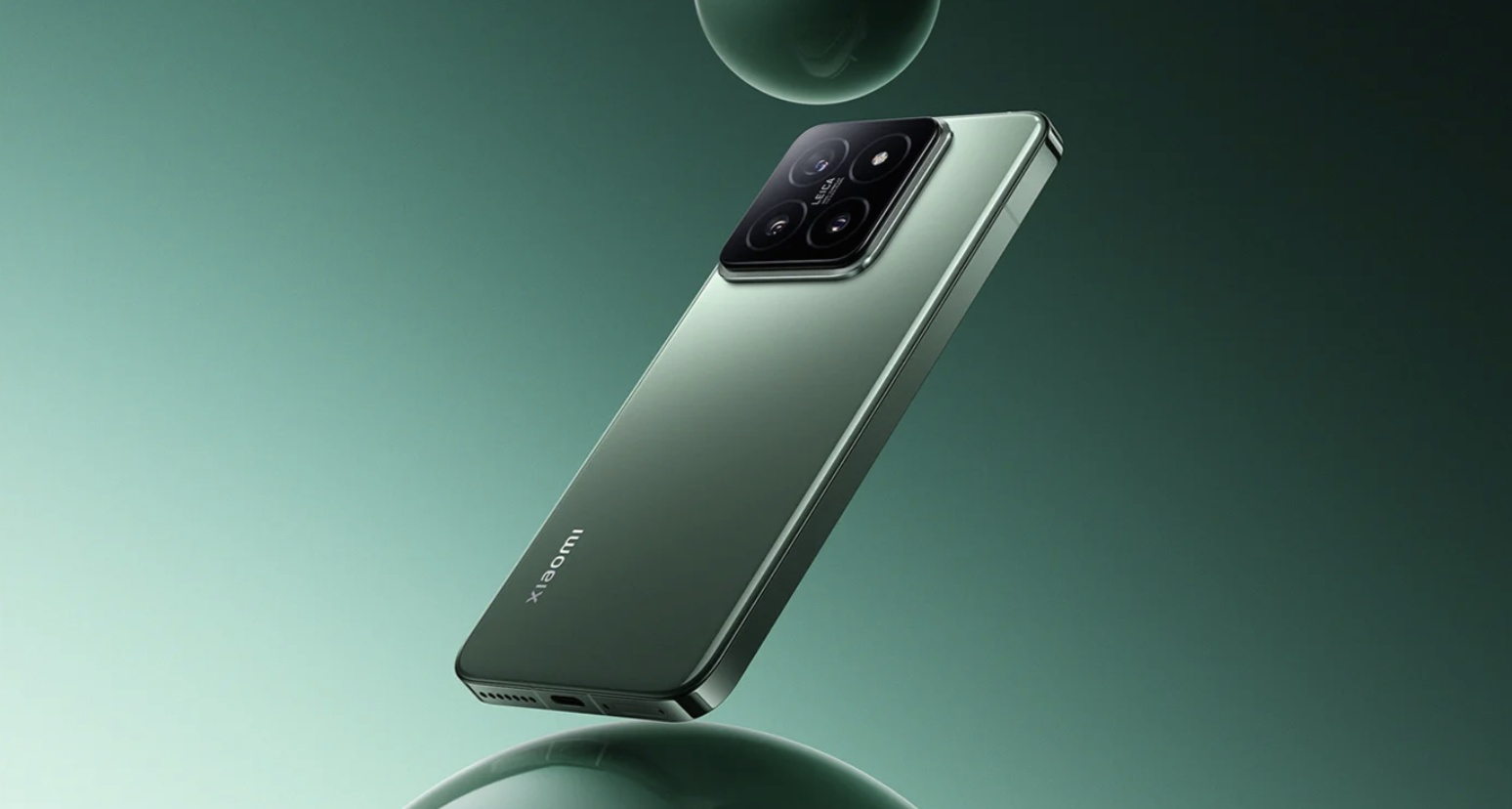
Xiaomi’s “Lens to Legend” smartphone. Source: Xiaomi

Sei, launched in 2023, is a high-speed layer-1 blockchain built for low-cost transactions. Xiaomi is a global electronics company that makes smartphones, smart-home devices, IoT hardware and electric vehicles. It was founded in 2010 and is based in Beijing.

Related: Chinese tech giants halt Hong Kong stablecoin plans amid Beijing concerns: FT

Solana’s push into smartphones

Sei Labs isn’t the first Web3 project to target smartphones as a gateway for mainstream crypto adoption.

The Solana Mobile, a subsidiary of Solana Labs, announced its first smartphone, the Saga, in June 2022 before beginning shipments the following year. In late 2023, sales surged when a BONK airdrop tied to each device briefly made the phone worth more in tokens than its retail price.

In August 2024, Solana began shipping its second-generation Seeker phone to users in over 50 countries after receiving more than 150,000 preorders. The device includes broad hardware upgrades, a built-in crypto wallet, a decentralized app store and an updated seed-vault system.
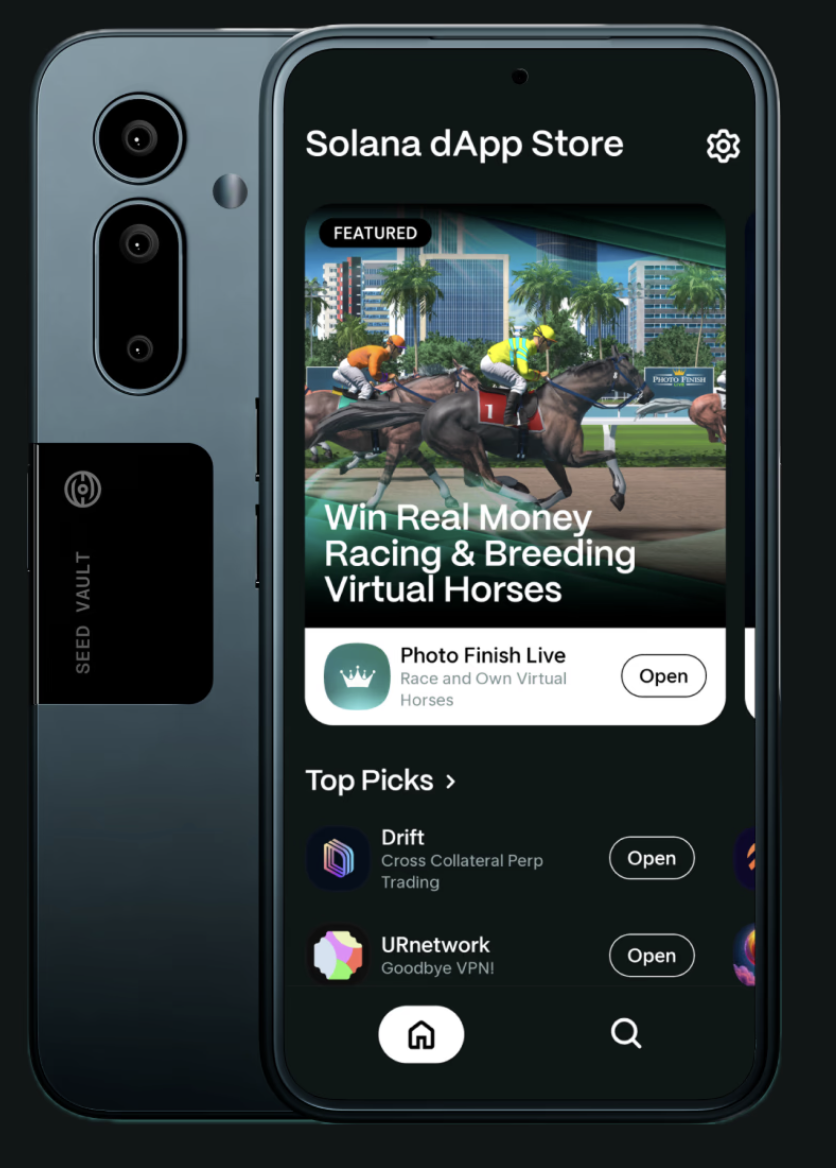
Source: Solana Mobile

On Dec. 3, Solana Mobile announced its plans to launch a native token, SKR, tied to its Seeker phone and broader mobile ecosystem in early 2026. The 10 billion-token supply will include large allocations for airdrops, growth incentives, liquidity and a community treasury, with portions also set aside for Solana Mobile and Solana Labs.

Samsung has also been expanding crypto features on its phones through a recent partnership with Coinbase. In October, the companies began allowing roughly 75 million US Galaxy users to buy crypto directly in Samsung Wallet, with plans to extend the integration to other markets.

Magazine: Meet the onchain crypto detectives fighting crime better than the cops


Related Reads

From Gatekeeper to Gravedigger: JPMorgan Bets on Physical Precious Metals, Shorts Dollar Credit

JPMorgan Chase, a long-standing guardian of the U.S. dollar-centric financial system, is reportedly shifting its core precious metals trading team to Singapore—a move interpreted as a strategic pivot away from Western dollar hegemony. The bank has reclassified approximately 169 million ounces of silver in COMEX vaults from “deliverable” to “non-deliverable,” effectively locking down nearly 10% of global annual supply. This signals a broader bet on physical metal accumulation and a loss of confidence in paper-based derivatives. The London and New York systems, built on leveraged paper contracts (with claims far exceeding physical metal), are showing strain. Central banks are accelerating gold repatriation, while industrial demand—especially for silver in green technology—is draining physical inventories. Extreme backwardation in silver and extended delivery wait times at the Bank of England suggest a structural rupture between paper markets and physical reality. Meanwhile, Shanghai has emerged as the world’s largest physical gold exchange, emphasizing full physical settlement and rejecting the Western paper-gold model. China’s industrial demand and central bank purchasing are pulling vast metal volumes eastward, reshaping global liquidity and pricing power. Singapore is positioning itself as a neutral hub with tax-free private vaults, attracting Western institutions like JPMorgan seeking a safe, politically acceptable base near Asian demand centers. Yet it remains caught between dollar liquidity and yuan-driven physical trade anchored in Shanghai. JPMorgan’s maneuver reflects a deeper shift: the end of financial alchemy based on unlimited paper leverage and the return to a tangible asset system where physical metal defines value and trust.

比推23m ago

From Gatekeeper to Gravedigger: JPMorgan Bets on Physical Precious Metals, Shorts Dollar Credit

比推23m ago

Trump in Web3 Games: Temporary Hype or Trend?

The article "Trump in Web3 Games: Temporary Hype or Trend?" discusses the growing integration of political brands, particularly Donald Trump’s, into the crypto industry—especially within Web3 gaming. It highlights the recent launch of the 3D game *Trump Billionaires Club*, which features an in-game economy tied to the $TRUMP memecoin and user engagement mechanics. The piece argues that while political and media-driven narratives can generate initial user interest, they often fail to retain players without clear, sustainable incentives. Many gaming tokenomics rely on short-term emotional appeal rather than long-term engagement. In response, projects like PEPENODE are emerging with simplified, routine-based reward systems—such as virtual "mining" nodes—that require no technical knowledge or hardware. PEPENODE, promoted as the "first memecoin mine-to-earn" platform, allows users to buy and upgrade virtual mining nodes to earn rewards, including memecoins like PEPE and Fartcoin. Early data shows significant pre-sale interest, with $2.3 million raised and a token price of $0.001192. The project aims to combine meme-driven engagement with predictable, recurring action—a trend gaining traction as Web3 games seek broader, more consistent user bases beyond one-time hype. The article concludes that while politically themed games attract attention, their long-term success depends on transitioning from viral momentum to habitual use through clear mechanics and recurring value.

bitcoinist47m ago

Trump in Web3 Games: Temporary Hype or Trend?

bitcoinist47m ago

Trading

Spot
Futures
活动图片