Debates ahead of the U.S. Senate's consideration of the Digital Asset Market Clarity Act are drawing to a close.
Senator Bernie Moreno did not wait for further negotiations between Democrats and Republicans, stating that the negotiation phase has concluded.
On social media, Moreno emphasized that "there is nothing 'to settle,'" explaining that an agreement was reached several weeks ago and that "all parties to this agreement are expected to fulfill their obligations."
"Eleven months of negotiations between Republican senators and Democratic senators have officially concluded, and every senator will have the opportunity to vote," he noted, referring to the cloture motion filed by Senate Majority Leader John Thune on September 15 regarding the motion to proceed to consideration of the CLARITY Act.
Moreno placed the blame for the CLARITY Act's potential failure on Senate Democrats, stating they will have to choose between ceding the industry to China and supporting American exceptionalism to preserve the dominant position of U.S. industry.
"If you love America, the choice is obvious!" he concluded.
While Moreno believes all 53 Republican senators will vote for the bill, some have expressed concerns about the implications of the CLARITY Act for local banks.
Senators Jerry Moran and Josh Hawley, both Republicans, have publicly stated they will oppose the CLARITY Act in its current form.
In statements given to Politico, Hawley noted that his constituents in Missouri are very concerned. "Specifically, farmers and ranchers are extremely worried that the outflow of deposits from small towns could completely deprive them of the opportunity to obtain agricultural loans," he stated.
Moran also raised similar arguments against the CLARITY Act, citing "consequences for people who rely on banks in small towns across Kansas" as the reason for his recent opposition.
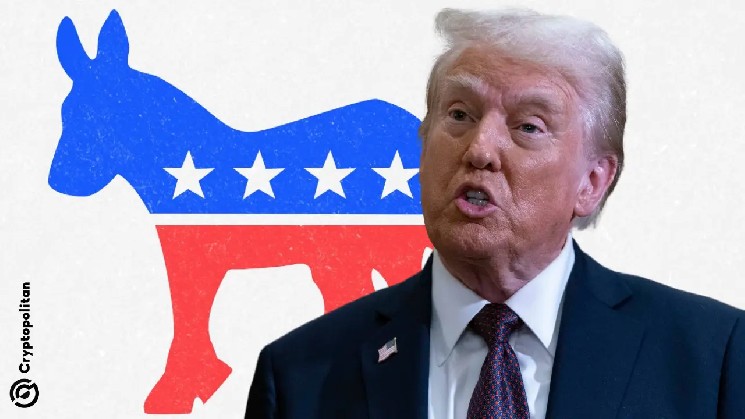
Even with full support from all Republican senators, passing the CLARITY Act would require 60 votes, meaning the Republican Party would need to sway at least 7 Democrats to their side. Some analysts consider this goal unlikely, as the ethics provision, still being negotiated with the White House, is a stumbling block for CLARITY's success due to President Donald Trump's cryptocurrency initiatives.