Why Billion-Dollar Revenues of Crypto Projects Have Not Led to the Growth of Their Tokens

cryptonews.ruPublished on 2026-08-03Last updated on 2026-08-03

Abstract

The article investigates why the crypto projects generating billions in revenue have not seen corresponding growth in their native tokens. A report from Castle Labs notes that despite over $7.4 billion in total revenue since early 2026, most tokens have fallen significantly in price. Analysts examined six major protocols (Aave, Aerodrome, Hyperliquid, Pump.fun, Sky, and Uniswap) and found a key issue: the "net token value flow." This metric, calculated as revenue distributed to holders minus new token emissions, is negative for projects like Aerodrome, Sky, and Uniswap. These protocols are issuing more tokens than the profit they return, effectively diluting holder value. Hyperliquid is a notable exception, allocating 100% of its revenue to buybacks, coinciding with a 1400% token surge. In contrast, Pump.fun's token fell 60% post-launch despite high revenue, attributed to rapid token unlocks and poor communication. Ripple Labs was cited as a classic case where company shares doubled while the XRP token fell 45%, highlighting a separation between equity value and token utility. Systemic barriers to token growth include low circulating supply percentages misleading investors, inefficient buyback programs (e.g., Aave's buybacks resulted in losses), and the non-binding, cancellable nature of most buyback initiatives.

"RBC-Crypto" does not provide investment advice; the material is published for informational purposes only. Cryptocurrency is a volatile asset that can lead to financial losses.

Since the beginning of 2026, cryptocurrency protocols have received a total revenue of over $7.4 billion, according to a report by Castle Labs. However, the prices of most native tokens of these projects have not only failed to increase but have also plummeted by tens of percent.

Analysts at Castle Labs examined the financial flows of six major decentralized protocols: Aave, Aerodrome, Hyperliquid, Pump.fun, Sky (formerly MakerDAO), and Uniswap. Castle Labs determined that since the beginning of the year, their combined revenue amounted to $726 million, despite a deep bear market.

From the beginning of the year to August 3, the total capitalization of the entire crypto market fell by more than 25% to $2.15 trillion. Moreover, out of the 100 largest cryptocurrencies by market capitalization on Coinmarketcap, over 80% have declined in price. Against this backdrop, experts sought to find an answer to why there is a fundamental disconnect between a project's revenue and the price dynamics of the cryptoassets it issues.

Reasons for the Decline

A key indicator in the report is the "net token value flow." This metric is calculated as the amount of revenue actually distributed to token holders minus the volume of token issuance (inflation, unlocking of previously frozen tokens by teams and investors, marketing costs, and other token distribution mechanisms).

Calculations show that for Aerodrome, Sky, and Uniswap, this metric has turned negative. The protocols are issuing more tokens than they are distributing profits to holders, effectively devaluing user capital.

Explaining the reasons for the negative trend in token prices, experts also noted a tendency where "token holders become secondary market participants." This refers to the fact that the company's success is not transferred to the holders of the cryptoassets.

"If a protocol earns $100 million but issues $200 million, the net value for the holder becomes negative," explain Castle Labs analysts, clarifying that it is precisely this imbalance that negates the positive effect of revenue growth.

Against this backdrop, the success of the cryptocurrency exchange Hyperliquid is particularly noteworthy. The protocol directs 100% of its revenue to holders through a buyback mechanism. The total buyback volume exceeded $1.1 billion or over 47 million $HYPE tokens (approximately 4.72% of the total supply). This coincided with a 1400% increase in $HYPE since the launch of the buyback program.

The opposite example is Pump.fun. The platform for launching meme coins, despite revenue of about $450 million over the year, faced a 60% crash in the PUMP token price after its launch.

Castle Labs attributes this to three factors: a high token unlock rate (it is assumed that investors and the team are actively taking profits), unjustified expectations regarding community incentives, and poor communication from the team with market participants.

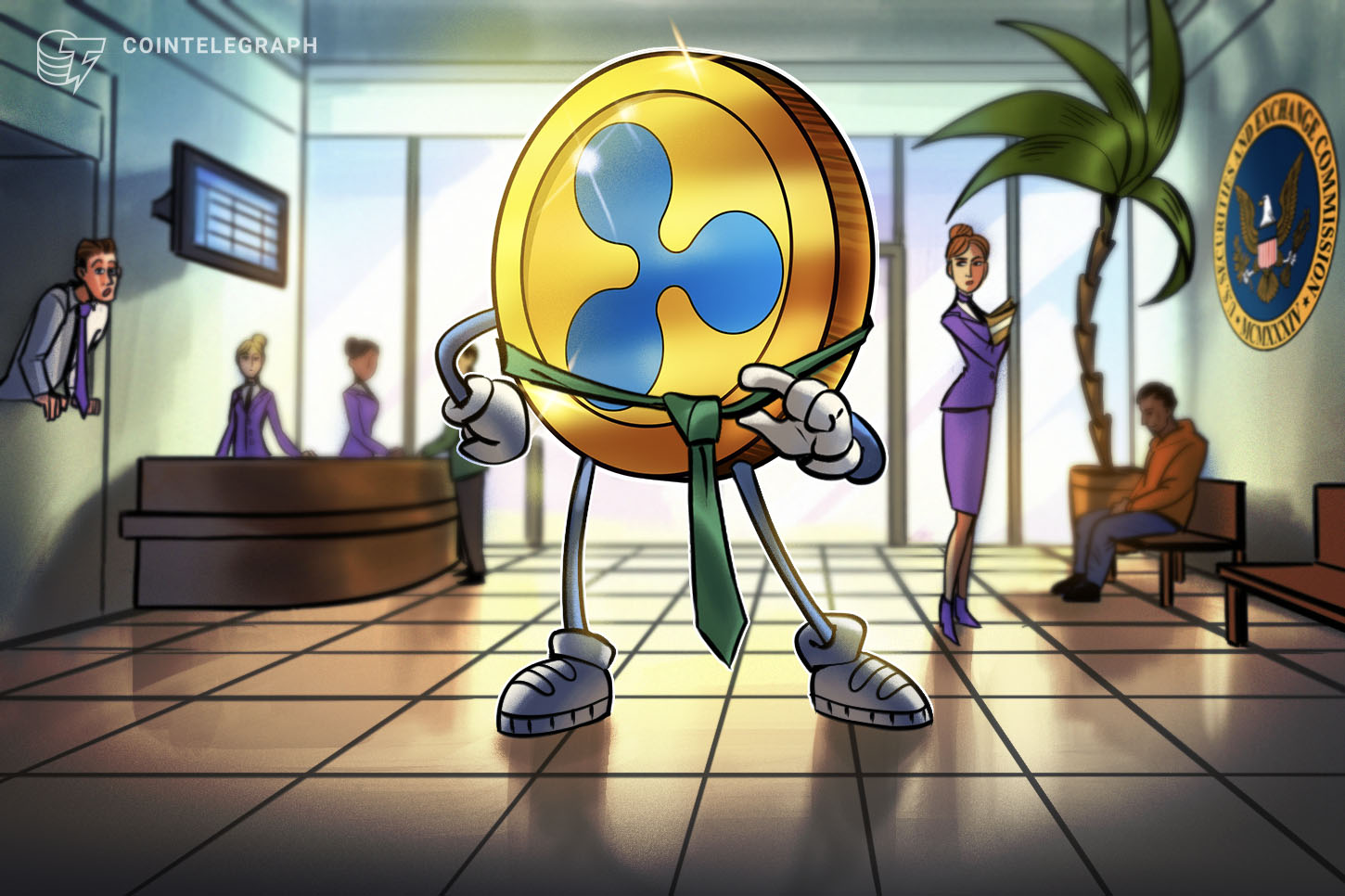
Separately, analysts highlighted the company Ripple Labs, behind the development of $XRP ($XRP). Its shares, which are not yet publicly traded, have more than doubled in price by 105% since 2025. Meanwhile, the $XRP token has lost about 45% over the same period.

The report pointed out that this is a classic example of the separation of equity and token, where holders of $XRP have no rights to the company's revenues. And the cryptoasset they issue is not backed by the issuer's operating profit: "While investors in Ripple shares benefit from business development, holders of the cryptoasset remain second-class players."

What Hinders Growth

In addition to the fundamental imbalance between crypto project revenues and the issuance of their cryptoassets, Castle Labs identifies three systemic reasons hindering token growth:

Excessive Supply (Fully Diluted Value). For many protocols, the percentage of tokens in real circulation is low. For example, for $HYPE, only 23.3% of the total issued volume is in circulation. Analysts noted that because of this, many investment metrics are inaccurate, which can mislead investors.

Inefficient Buybacks. The analysis of Aave, as noted by experts, showed that the protocol spent over $23 million on token buybacks at an average price of $182. However, against the backdrop of a market downturn, the price of AAVE fell to $90. This indicates that the token buyback resulted in direct losses for the protocol's treasury, calling into question the effectiveness of such a policy.

Lack of Commitment. Most buyback programs are conditional, where protocols can suspend or cancel buybacks at any time: "Without contractual obligations, protocols can pause, adjust, or cancel buybacks at any time."


Related Questions

QAccording to the Castle Labs report, what is the 'net token value flow', and why is it crucial for understanding token price movements?

AThe 'net token value flow' is a key metric calculated as the amount of revenue actually distributed to token holders minus the amount of token issuance (inflation, unlocking of previously frozen team/investor tokens, marketing costs, etc.). It is crucial because it shows the real economic value accruing to holders. If a protocol earns $100 million but issues $200 million in tokens, the net value for holders becomes negative, which negates the positive effect of revenue growth and explains why token prices can fall despite high revenues.

QWhy did Hyperliquid's $HYPE token perform exceptionally well (up 1400%) while Pump.fun's PUMP token crashed by 60%, despite both generating significant revenue?

AHyperliquid's $HYPE performed well because the protocol directs 100% of its revenue to token holders through a buyback mechanism, with over $1.1 billion used to buy back tokens. This creates direct value accrual. In contrast, Pump.fun's PUMP token crashed due to three main factors: a high rate of token unlocks (leading to team and investor selling), unmet community incentive expectations, and poor communication from the team with market participants, despite its high revenue.

QUsing the example of Ripple Labs and XRP, how does the report illustrate the separation between shareholder value and token holder value?

AThe report uses Ripple Labs and XRP as a classic example. Ripple's private shares have more than doubled in value (up 105% since 2025) as the company's business grows. However, the XRP token has lost about 45% over the same period. This shows a clear separation: equity investors benefit from the company's profits and success, while XRP token holders have no rights to the company's earnings, making them 'second-class players' in the ecosystem.

QWhat are the three systemic reasons, beyond the fundamental revenue-emission imbalance, that Castle Labs identifies as hindrances to token price growth?

ABeyond the fundamental imbalance, Castle Labs identifies three systemic reasons hindering token growth: 1) Excess Supply (Low Circulating Supply): A low percentage of tokens in real circulation (e.g., 23.3% for $HYPE) makes investment metrics misleading. 2) Inefficient Buybacks: Examples like Aave show buybacks can lead to direct treasury losses if token prices fall afterward. 3) Lack of Commitments: Most buyback programs are discretionary, allowing protocols to pause, adjust, or cancel them at any time, lacking contractual obligations.

QWhat disclaimer does the article provide at the beginning, and what key market context is given for the period discussed?

AThe article begins with a disclaimer stating it does not offer investment advice, is for informational purposes only, and warns that cryptocurrency is a volatile asset that can lead to financial losses. For market context, it states that since the start of the year up to August 3, the total cryptocurrency market capitalization fell by over 25% to $2.15 trillion, and more than 80 of the top 100 cryptocurrencies by market cap had declined in price, setting a deep bear market backdrop for the analysis.

Related Reads

How Yen Intervention Affects Bitcoin: QCP Capital Breaks Down the Risk Chain for the Crypto Market

Trading firm QCP Capital has analyzed the impact of the recent coordinated US-Japan currency intervention on Bitcoin and Ethereum. They conclude that US long-term Treasury yields and the Japanese yen's status are now as crucial for the crypto market as Federal Reserve policy. The intervention, the first joint action to support the yen since 1998, occurs amid significant pressure on the long end of the US Treasury yield curve, with 30-year yields recently hitting 2007 highs. QCP notes this rise isn't solely driven by inflation expectations, pointing to factors like real yields, supply from substantial US government and corporate borrowing, and shifting demand from major foreign holders like Japan. For crypto assets, the primary transmission channel is the yen carry trade. A sharp yen strengthening could force investors to unwind these leveraged positions, potentially causing spillover selling in risk assets like Bitcoin and Ethereum. However, QCP stresses this outcome isn't guaranteed given the still-wide US-Japan rate differential. The firm outlines two scenarios: short-term yen volatility could increase market-wide deleveraging and crypto volatility, while longer-term currency stability might ease pressure on Treasury liquidity. Ultimately, the intervention highlights that factors beyond the Fed—like Treasury borrowing plans and currency operations—are increasingly important for global liquidity and, consequently, crypto markets. From a data perspective, the intervention signals a broader shift where central banks favor gold over US Treasuries for strategic reserves. This places Bitcoin in a dual role: competing with gold as a hedge while remaining exposed to dollar liquidity via the yen carry trade. Future interventions may clarify whether crypto behaves more as "digital gold" or a risk asset within the dollar system.

cryptonews.ru42m ago

How Yen Intervention Affects Bitcoin: QCP Capital Breaks Down the Risk Chain for the Crypto Market

cryptonews.ru42m ago

Trading

Spot
活动图片