Adob​​e的元宇宙布局:创意技术、互动体验、虚拟经济

元宇宙之道Published on 2022-03-28Last updated on 2022-03-28

Abstract

元宇宙世界,大名鼎鼎的Adobe同学来报道了。

元宇宙世界,大名鼎鼎的Adobe同学来报道了。

前几天,在”2022Adobe峰会“上,Adobe正式公布了《Adobe元宇宙白皮书》,并发布了一系列全新的元宇宙构建工具。

由于疫情的大流行,这个年度峰会已经连续第三年在网上举行,设计圈的朋友应该比较熟悉。

Adobe的元宇宙战略

峰会上提到元宇宙,官方稿件是这么说的:

Adobe是全球最大的数字媒体和营销软件提供商,我们推出了包括Substance3D和Aero在内的3D内容创建工具,以及包括AdobeCreativeCloud和AdobeExperienceCloud在内的服务平台,帮助创作者在元宇宙中创建AR和VR体验。

先别被这一连串名字弄晕了,我们先看看Adobe是怎么定义元宇宙的。根据Adobe官网描述:

元宇宙是一个对所有人开放的、方便使用各种创意技术的地方,人人都可以互相沟通、开发创造、购物甚至完成各种事情。

同时,《Adobe元宇宙白皮书》提到,元宇宙体验是丰富的、持久的、共享的、协作与共同创作的一种互动体验,包括功能完整的共享虚拟经济。

它推动了下一波创新,包括:工作、游戏、电子商务、机器人技术、自动驾驶训练、气候变化等等研究。

好像跟市面上元宇宙的概念没啥不一样,无所不包。

提取一下关键词:创意技术、互动体验、虚拟经济,前面两个是Adobe的业务根基,虚拟经济则被重点强调。

看完整个峰会,Adobe的元宇宙战略,也正是从如上三个方面,帮助客户创建3D虚拟场景。

第一,通过3D工具包,让创意人员的3D和沉浸式内容开发足够高效;

第二,通过新的AR/VR功能,提升虚拟购物互动体验(浏览、购买);

第三,打造3D虚拟资产的一致性和通用性(兼容原有资产);

创建3D沉浸式内容

Adobe解释说,今天的沉浸式体验,包括游戏和交互式商务和教育体验,主要是使用Adobe行业领先的3D和沉浸式内容创建工具Substance3D和Aero构建的。

这两个被提到的专业软件,一个专攻3D,一个专攻AR。
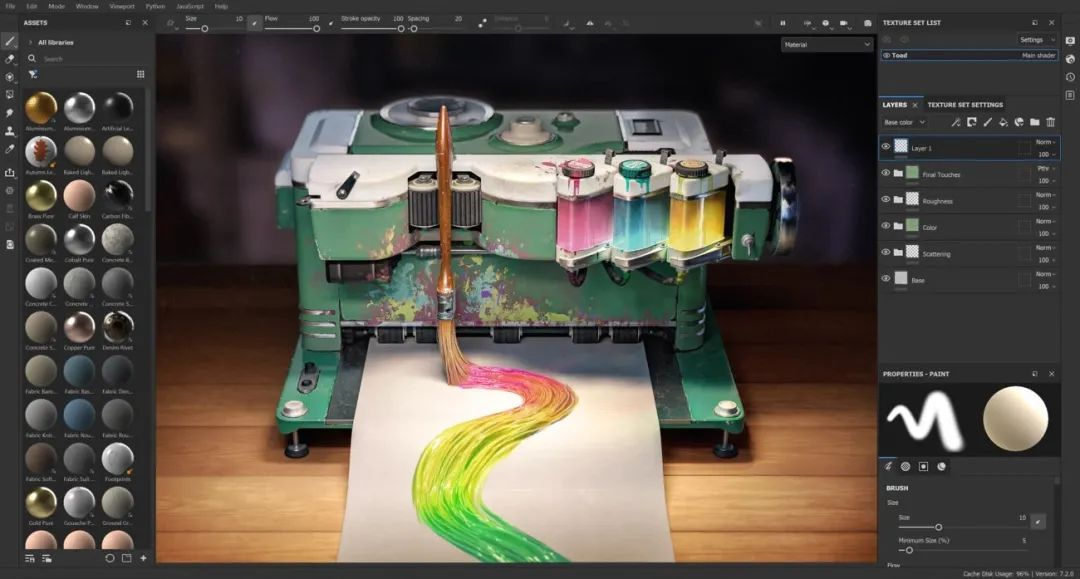
Substance3D制作

Substance3D是Adobe前几年收购而来,主攻3D方向。为了进军元宇宙,Adobe不断增加对Substance3D的投入,目前可供设计师使用的工具包括Substance3DStager、Painter、Sampler、Designer和3DAssetLibrary。

Aero则是Adobe在2018年推出的AR创作工具,可以快速创建AR购物体验,完全可视化UI创作,没有任何编码要求。它提供了一个预构建的3D对象库,你可以立即将里面的内容添加到环境之中。

Aero效果

Aero的独特之处在于,它支持PSD文件。这意味着可以导入任何现有的Photoshop文档,并在3D空间中查看相关的图层堆叠。

对于设计师来说,很顺滑的就可以进行AR创作,酷。

客户方面,Adobe正在与可口可乐、沃尔玛、联邦快递、PayPal、EpicGames、Nvidia等数千家企业合作,为这些领先品牌提供进入元宇宙的能力,创建身临其境的体验,让用户在虚拟世界中购买虚拟和实体产品。
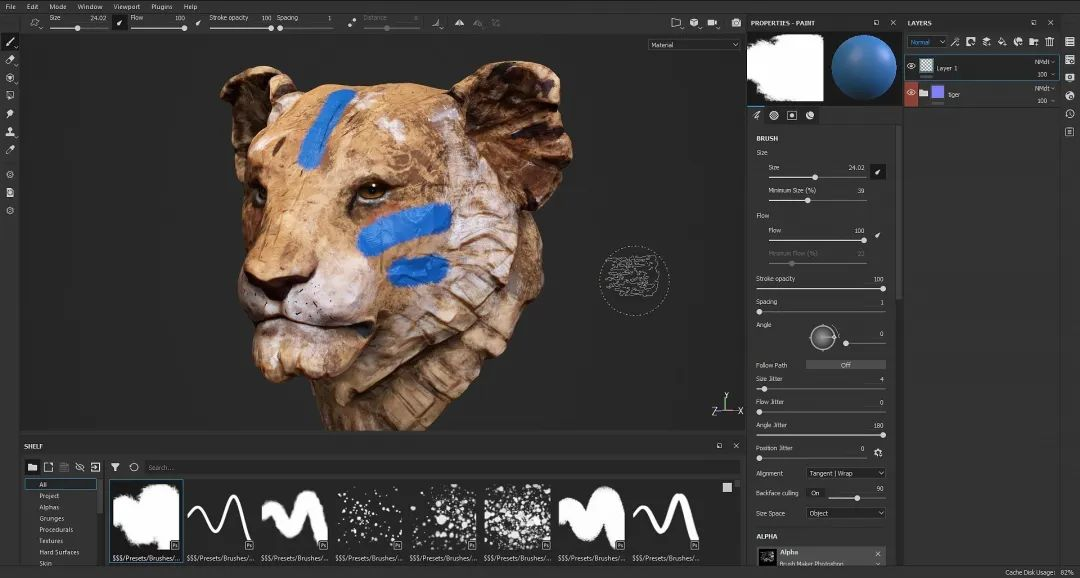
以亚马逊(Amazon)为例,它通过AdobeSubstance3D技术,为网购消费者打造一键预览功能,实现3D沉浸式购物体验。

借由Substance3D,亚马逊的设计师们可更精准地修调商品纹理和着色,帮助其优化网站中3D图像的真实感,从而打造更接近现实的购物体验。

虚拟身份和数字资产

在虚拟资产方面,Adobe帮助客户设计他们独特的在线角色和财产,并在虚拟世界中拥有和导出这些定制资产的能力。

这也容易理解,依然以亚马逊为例。全球有超过400多位3D设计师,正在使用Adobe软件创造逼真的3D资产,客户可以将这些产品旋转360度,并从各个角度预览这些家具在自己家中将会呈现的效果。

3D资产不仅为顾客带来福利,还有助于亚马逊加快内容的传播速度,因为它不需要制作原型或者为数百万种产品拍照。

与之相反,设计师们可以创造逼真的渲染图并进行轻松更新,并基于客户需求在不同的颜色环境中进行展示。

除此之外,Adobe旗下的Behance社交网络,正在引入对Polygon加密货币平台的支持,以便用户能够更加轻松地展示相关NFT。

在新功能的加持下,艺术家可以借助Polygon,将其铸造的NFT投放到流行的OpenSea市场、在Behance上显示相关图像、并引导潜在受众去购买。

我的看法:Adobe是元宇宙的内容动力

当人们谈论元宇宙时,人们首先会问的是……内容从何而来?

没有内容,元宇宙是空的,各种VR/AR、头盔、眼镜硬件设备性能再强,也需要内容留住用户。

只有足够好用的开发设计工具,才能让内容创作者、没有编码技能的创意人员高效创造Metaverse内容。

Adobe作为数字创意软件的巨无霸,从PC时代的网页三剑客开始,就是创意人员不可或缺的存在。

如今,Adobe走向元宇宙,是顺理成章的事,将成为元宇宙时代的重要推动者,为元宇宙的内容繁荣做贡献。

相比于其他3D工具更侧重游戏、娱乐等用户,Aodbe3D工具主打沉浸式商务场景、AR场景,当然也包括游戏。

包括大名鼎鼎的《堡垒之夜》Fortnite、《光晕》Halo在内的图形密集型游戏,以及“全球元宇宙第一股”Roblox,都正在使用Aodbe创作游戏体验。

从本质上讲,这意味着Adobe正朝着一个仍然主要由3D游戏引擎(如Unreal和Unity)主导的世界迈出了更大的一步,也预示着从2D创作转变到聚焦3D元宇宙业务的潜力和前瞻性。

Related Reads

Why P2P and Exchangers Are Becoming Obsolete, and What Will Replace Them

Titled "Why P2P and Exchanges Are Becoming Obsolete, and What Will Replace Them," this article discusses the evolution of stablecoins, particularly USDT, from a trading tool to a global payment method. However, converting crypto back to fiat for daily expenses remains a challenge. The process of using P2P platforms or crypto exchanges has become increasingly risky and complex due to stricter banking anti-fraud measures, new legislation in Russia, and rampant fraud schemes like "triangles," where sellers can inadvertently receive stolen funds. The article highlights that while P2P was convenient, banks now scrutinize frequent peer-to-peer transfers, often freezing accounts. Exchanges also pose risks like unfavorable rates and unclear compliance. The market is therefore shifting towards integrated services that eliminate the manual conversion step. It cites OneSix as an example—a crypto wallet accessible via Telegram and web that embeds currency conversion directly into payment and withdrawal scenarios. Users can pay bills or send money as if using a bank app, with the crypto-to-fiat exchange happening seamlessly in the background. It also offers invoicing for freelancers and conducts AML checks, returning suspicious transactions instantly instead of freezing them. In conclusion, as crypto integrates into everyday finance, the demand for manual, risky exchange methods is declining. The future lies in unified platforms that combine storage, compliance, conversion, and payments into a single, secure user experience.

cryptonews.ru37m ago

Why P2P and Exchangers Are Becoming Obsolete, and What Will Replace Them

cryptonews.ru37m ago

The CEO of MARA Holdings Compares AI Operations to Bitcoin Mining! Which is More Profitable?

Fred Thiel, CEO of MARA Holdings (a major Bitcoin mining company), states that the rapid growth of the artificial intelligence (AI) sector is transforming mining companies' business models. He claims that powering data centers for AI is significantly more profitable than Bitcoin mining. In a recent interview, Thiel explained why many mining firms are diversifying into AI infrastructure. According to Thiel, the energy demands of data centers are surging, especially due to the spread of generative AI applications. This creates new revenue opportunities for Bitcoin mining companies with robust power infrastructure. MARA Holdings is among those monitoring this shift and aims to develop its energy and infrastructure services for AI data centers. Thiel emphasized that this move toward AI does not mean the end of Bitcoin mining. He stated that Bitcoin mining remains a sustainable business model, especially for miners in regions with low electricity costs, and it is still a crucial field for utilizing excess or idle power capacity. In recent years, many Bitcoin mining companies have begun using their energy-intensive infrastructure not just for block production but also for high-performance computing (HPC) and AI applications. This strategy aims to diversify revenue sources and increase resilience against cryptocurrency market volatility. Analysts note that the growing energy demand in the AI sector presents significant transformation opportunities for mining companies. The need for high-power, uninterrupted electricity supply, particularly for large data centers, gives Bitcoin miners with existing energy infrastructure expertise a considerable advantage.

cryptonews.ru47m ago

The CEO of MARA Holdings Compares AI Operations to Bitcoin Mining! Which is More Profitable?

cryptonews.ru47m ago

Ratio's CEO Says Multi-Currency Stablecoins Could Eliminate Costly FX Conversions in Asia

The CEO of Ratio, John Cho, argues that multi-currency stablecoins could save Asia billions by eliminating costly foreign exchange conversions in regional trade. While USD stablecoins like USDT and USDC work for global settlements, local Asian trade is conducted in local currencies like the Korean won or Singapore dollar. Forcing these transactions through USD intermediaries creates unnecessary costs and currency risk. Cho envisions a complementary ecosystem where local-currency stablecoins work alongside USD stablecoins, enabling seamless cross-border settlements without conversion friction. A key pain point in traditional banking is the need for pre-funded Nostro and Vostro accounts, which lock up vast amounts of working capital. Blockchain-based settlement layers like Ratio offer a 24/7 alternative, using on-chain liquidity to enable instant execution even when traditional channels are closed. Modern Web3 infrastructure providers are focusing on pragmatic integration with existing corporate systems like ERPs, allowing businesses to gradually shift volumes to digital channels for better speed, cost, and reduced slippage. Clear regulation is cited as the critical catalyst for widespread institutional adoption. As jurisdictions like the U.S. advance legislation (e.g., the CLARITY Act) and Asian countries are expected to pass their own stablecoin laws within 12-24 months, regulatory uncertainty is receding. The ultimate vision is for regulated stablecoins to become an invisible settlement layer integrated into national payment systems, where payments simply happen on-chain, erasing the boundary between traditional banking and digital assets.

cryptonews.ru1h ago

Ratio's CEO Says Multi-Currency Stablecoins Could Eliminate Costly FX Conversions in Asia

cryptonews.ru1h ago

Huang Xiaoming, Li Bin, Lei Jun, Liang Wenfeng... Who Are the Biggest Winners in the CXMT IPO Feast?

Changxin Technology, a leading Chinese memory chip manufacturer, successfully listed on the Shanghai Stock Exchange's STAR Market (科创板) on July 8, 2026. Its share price surged from the IPO price of 8.66 yuan to close at 49 yuan on the first day, catapulting its market capitalization to 3.28 trillion yuan, making it the most valuable A-share company and triggering a massive wealth creation event. The biggest winners were the company's founder, Zhu Yiming, and its employees. Zhu Yiming's family wealth skyrocketed nearly 300% to approximately $13.9 billion, with his direct stake in Changxin valued at around 80 billion yuan. Additionally, over 6700 employees benefited from stock ownership plans, creating at least 237 new millionaires (in CNY). Zhu also pledged to donate 768 million shares, worth over 37.6 billion yuan, for future employee incentives over a ten-year period. Several prominent investors and corporate clients also reaped significant paper gains from the IPO. Notable figures include: * **Liang Wenfeng**, founder of DeepSeek, whose funds netted a paper profit of approximately 827 million yuan. * **Kong Jianping**, founder of Nano Labs, saw his indirect holdings valued at roughly 940 million yuan. * **Li Bin**, founder of Nio, whose company's strategic investment of 158 million yuan is now worth about 740 million yuan. * **Lei Jun**, founder of Xiaomi, whose subsidiary holds shares currently showing a paper gain of over 736 million yuan. Xiaomi clarified this is a corporate investment, not direct personal wealth. The article notes that while this IPO created immense wealth for insiders and large investors, retail investors who were lucky enough to win an allotment in the lottery typically profited by around 20,000 yuan. The listing solidifies Changxin's position as China's premier domestic memory chipmaker.

marsbit1h ago

Huang Xiaoming, Li Bin, Lei Jun, Liang Wenfeng... Who Are the Biggest Winners in the CXMT IPO Feast?

marsbit1h ago

Trading

Spot
活动图片